Search for "sugars" in Full Text gives 191 result(s) in Beilstein Journal of Organic Chemistry.
Beilstein J. Org. Chem. 2025, 21, 2389–2415, doi:10.3762/bjoc.21.184
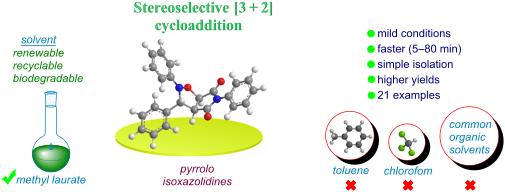
Graphical Abstract
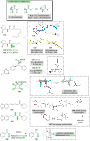
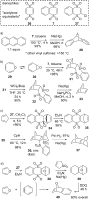
Figure 1: Versatile compounds via cycloaddition reactions.
Scheme 1: Molecular structures of parent compounds 1a–f, 2a–d and cycloadducts 3a–u.
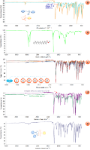
Figure 2: a) Radar view of the physical properties of methyl laurate. b) Oral toxicity values of methyl laura...
Figure 3: The oral toxicity values of all the solvents utilized in the present study obtained with ProTox 3.0....
Figure 4: Ecological, environmental risk assessments, pesticide similarity and biodegradability assessments o...
Figure 5: Ecological, environmental risk assessments, pesticide similarity and biodegradability assessments o...
Figure 6: Ecological, environmental risk assessments, pesticide similarity and biodegradability assessments o...
Figure 7: Various toxicity parameters of methyl laurate and a series of other solvents calculated by ADMETLab...
Figure 8: a) Visualization of the localization of conventional organic and bio-based solvents in the Hansen s...
Figure 9: Vapour pressures of the solvents used (values retrieved from the Chemeo molecular database).
Scheme 2: Endo and exo stereoisomeric approaches of nitrone 1a and maleimide 2a in [3 + 2] cycloaddition reac...
Figure 10: Signals of protons used in the calculation of the diastereomeric ratios (cis/trans) of cycloadditio...
Figure 11: Results of studies on the recovery of solvents used in the reaction.
Figure 12: Simplified scheme describing the reaction monitoring and solvent recovery.
Figure 13: a) The superimposed spectra of C,N-diphenylnitrone and N-phenylmaleimide. b) The spectrum of methyl...
Beilstein J. Org. Chem. 2025, 21, 2297–2301, doi:10.3762/bjoc.21.175
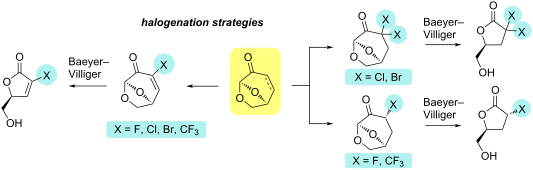
Graphical Abstract
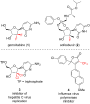
Figure 1: Halogen-containing butyrolactone-derived bioactives.
Scheme 1: Preparation of chlorinated and brominated lactones 8a,b and 11a,b.
Scheme 2: Preparation of fluorinated lactone 14.
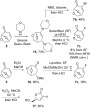
Scheme 3: Fluorination of LGO (5) and conversion to lactone 17.
Scheme 4: Trifluoromethylation of 9a,b and 15 and subsequent Baeyer–Villiger oxidation.
Beilstein J. Org. Chem. 2025, 21, 2103–2172, doi:10.3762/bjoc.21.165
Graphical Abstract
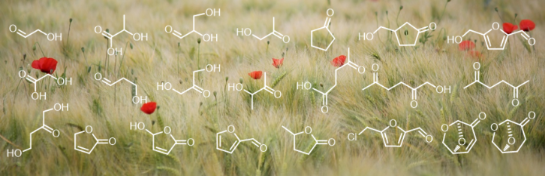
Figure 1: C2–C6 biobased carbonyl building blocks.
Scheme 1: Proposed (2 + 2) route to glycolaldehyde and glycolic acid from erythritol by Cu/AC catalyst (AC = ...
Scheme 2: Reductive amination of GCA.
Scheme 3: N-Formylation of secondary amines by reaction with GCA.
Scheme 4: Synthesis and conversion of hydroxy acetals to cyclic acetals.
Scheme 5: Synthesis of 3-(indol-3-yl)-2,3-dihydrofurans via three-component reaction of glycolaldehyde, indol...
Scheme 6: BiCl3-catalyzed synthesis of benzo[a]carbazoles from 2-arylindoles and α-bromoacetaldehyde ethylene...
Scheme 7: Cu/NCNSs-based conversion of glycerol to glycolic acid and other short biobased acids.
Scheme 8: E. coli-based biotransformation of C1 source molecules (CH4, CO2 and CO) towards C2 glycolic acid.
Scheme 9: N-Formylation of amines with C2 (a) or C3 (b) biomass-based feedstocks.
Scheme 10: Methods for the formation of propanoic acid (PA) from lactic acid (LA).
Scheme 11: Co-polymerization of biobased lactic acid and glycolic acid via a bicatalytic process.
Scheme 12: Oxidation of α-hydroxy acids by tetrachloroaurate(III) in acetic acid–sodium acetate buffer medium.
Figure 2: Selective catalytic pathways for the conversion of lactic acid (LA).
Scheme 13: Synthesis of 1,3-PDO via cross-aldol reaction between formaldehyde and acetaldehyde to 3-hydroxypro...
Scheme 14: Hydrothermal conversion of 1,3-dihydroxy-2-propane and 2,3-dihydroxypropanal to methylglyoxal.
Scheme 15: FLS-catalyzed formose reaction to synthesize GA and DHA.
Scheme 16: GCA and DHA oxidation products of glycerol and isomerization of GCA to DHA under flow conditions us...
Scheme 17: Acid-catalyzed reactions of DHA with alcohols.
Scheme 18: Synthesis of dihydroxyacetone phosphate from dihydroxyacetone.
Scheme 19: Bifunctional acid–base catalyst DHA conversion into lactic acid via pyruvaldehyde or fructose forma...
Scheme 20: Catalytic one-pot synthesis of GA and co-synthesis of formamides and formates from DHA.
Scheme 21: (a) Synthesis of furan derivatives and (b) synthesis of thiophene derivative by cascade [3 + 2] ann...
Scheme 22: Brønsted acidic ionic liquid catalyzed synthesis of benzo[a]carbazole from renewable acetol and 2-p...
Scheme 23: Asymmetric hydrogenation of α-hydroxy ketones to 1,2-diols.
Scheme 24: Synthesis of novel 6-(substituted benzylidene)-2-methylthiazolo [2,3-b]oxazol-5(6H)-one from 1-hydr...
Scheme 25: ʟ-Proline-catalyzed synthesis of anti-diols from hydroxyacetone and aldehydes.
Scheme 26: C–C-bond-formation reactions of a biomass-based feedstock aromatic aldehyde (C5) and hydroxyacetone...
Scheme 27: Ethanol upgrading to C4 bulk chemicals via the thiamine (VB1)-catalyzed acetoin condensation.
Scheme 28: One-pot sequential chemoenzymatic synthesis of 2-aminobutane-1,4-diol and 1,2,4-butanetriol via 1,4...
Scheme 29: Synthesis of 1,4-dihydroxybutan-2-one by microbial transformation.
Scheme 30: Conversion of polyols by [neocuproine)Pd(OAc)]2(OTf)2] to α-hydroxy ketones.
Scheme 31: Chemoselective oxidation of alcohols with chiral palladium-based catalyst 2.
Scheme 32: Electrochemical transformation of furfural to 5-hydroxy-2(5H)-furanone (HFO).
Scheme 33: Selective hydrodeoxygenation of HFO and oxidation to γ-butyrolactone (GBL).
Scheme 34: Photosensitized oxygenation of furan towards HFO via ozonide intermediates.
Scheme 35: Conversion of furfural to HFO and MAN by using mesoporous carbon nitride (SGCN) as photocatalyst.
Scheme 36: Synthesis of HFO from furan derivatives.
Scheme 37: Photooxidation of furfural to 5-hydroxy-2(5H)-furanone (HFO).
Scheme 38: Synthesis of Friedel–Crafts indole adduct from HFO.
Scheme 39: Conversion of HFO to α,γ-substituted chiral γ-lactones.
Scheme 40: Tautomeric transformation of HFO to formylacrylic acid.
Scheme 41: Hydrolysis of HFO to succinic acid in aqueous solution.
Scheme 42: Substitution and condensation reactions of 5-hydroxy-2(5H)-furanone (HFO).
Scheme 43: (a) Conversion of HFO towards valuable C4 chemicals and (b) anodic oxidation of 5-hydroxy-2(5H)-fur...
Figure 3: Conversion of HFO towards other natural and synthetic substances.
Scheme 44: Conversion of furfural to maleic anhydride (reaction a: VOx/Al2O3; reaction b: VPO).
Scheme 45: Conversion of furfural into succinic acid.
Scheme 46: Electro‑, photo‑, and biocatalysis for one-pot selective conversions of furfural into C4 chemicals.
Scheme 47: Production route of furfural from hemicellulose.
Scheme 48: Mechanism for xylose dehydration to furfural through a choline xyloside intermediate.
Scheme 49: Conversion of furfural to furfuryl alcohol and its derivatives.
Scheme 50: Conversion of furfural to furfuryl alcohol and 3-(2-furyl)acrolein.
Scheme 51: The aerobic oxidative condensation of biomass-derived furfural and linear alcohols.
Scheme 52: The single-step synthesis of 2-pentanone from furfural.
Scheme 53: Electrocatalytic coupling reaction of furfural and levulinic acid.
Scheme 54: Conversion of furfural to m-xylylenediamine.
Scheme 55: Conversion of furfural to tetrahydrofuran-derived amines.
Scheme 56: Formation of trans-4,5-diamino-cyclopent-2-enones from furfural.
Scheme 57: Production of pyrrole and proline from furfural.
Scheme 58: Synthesis of 1‑(trifluoromethyl)-8-oxabicyclo[3.2.1]oct-3-en-2-ones from furfural.
Scheme 59: Conversion of furfural to furfural-derived diacids.
Scheme 60: A telescope protocol derived from furfural and glycerol.
Scheme 61: A tandem cyclization of furfural and 5,5-dimethyl-1,3-cyclohexanedione.
Scheme 62: A Ugi four-component reaction to construct furfural-based polyamides.
Scheme 63: One-pot synthesis of γ-acyloxy-Cy7 from furfural.
Scheme 64: Dimerization–Piancatelli sequence toward humins precursors from furfural.
Scheme 65: Conversion of furfural to CPN.
Scheme 66: Synthesis of jet fuels range cycloalkanes from CPN and lignin-derived vanillin.
Scheme 67: Solar-energy-driven synthesis of high-density biofuels from CPN.
Scheme 68: Reductive amination of CPN to cyclopentylamine.
Scheme 69: Asymmetric hydrogenation of C=O bonds of exocyclic α,β-unsaturated cyclopentanones.
Scheme 70: Preparation of levulinic acid via the C5 route (route a) or C6 route (routes b1 and b2).
Scheme 71: Mechanism of the rehydration of HMF to levulinic acid and formic acid.
Scheme 72: Important levulinic acid-derived chemicals.
Scheme 73: Direct conversion of levulinic acid to pentanoic acid.
Scheme 74: Catalytic aerobic oxidation of levulinic acid to citramalic acid.
Scheme 75: Conversion of levulinic acid to 1,4-pentanediol (a) see ref. [236]; b) see ref. [237]; c) see ref. [238]; d) see r...
Scheme 76: Selective production of 2-butanol through hydrogenolysis of levulinic acid.
Scheme 77: General reaction pathways proposed for the formation of 5MPs from levulinic acid.
Scheme 78: Selective reductive amination of levulinic acid to N-substituted pyrroles.
Scheme 79: Reductive amination of levulinic acid to chiral pyrrolidinone.
Scheme 80: Reductive amination of levulinic acid to non-natural chiral γ-amino acid.
Scheme 81: Nitrogen-containing chemicals derived from levulinic acid.
Scheme 82: Preparation of GVL from levulinic acid by dehydration and hydrogenation.
Scheme 83: Ruthenium-catalyzed levulinic acid to chiral γ-valerolactone.
Scheme 84: Catalytic asymmetric hydrogenation of levulinic acid to chiral GVL.
Scheme 85: Three steps synthesis of ε-caprolactam from GVL.
Scheme 86: Multistep synthesis of nylon 6,6 from GVL.
Scheme 87: Preparation of MeGVL by α-alkylation of GVL.
Scheme 88: Ring-opening polymerization of five-membered lactones.
Scheme 89: Synthesis of GVL-based ionic liquids.
Scheme 90: Preparation of butene isomers from GVL under Lewis acid conditions.
Scheme 91: Construction of C5–C12 fuels from GVL over nano-HZSM-5 catalysts.
Scheme 92: Preparation of alkyl valerate from GVL via ring opening/reduction/esterification sequence.
Scheme 93: Construction of 4-acyloxypentanoic acids from GVL.
Scheme 94: Synthesis of 1,4-pentanediol (PDO) from GVL.
Scheme 95: Construction of novel cyclic hemiketal platforms via self-Claisen condensation of GVL.
Scheme 96: Copper-catalyzed lactamization of GVL.
Figure 4: Main scaffolds obtained from HMF.
Scheme 97: Biginelli reactions towards HMF-containing dihydropyrimidinones.
Scheme 98: Hantzsch dihydropyridine synthesis involving HMF.
Scheme 99: The Kabachnik–Fields reaction involving HMF.
Scheme 100: Construction of oxazolidinone from HMF.
Scheme 101: Construction of rhodamine-furan hybrids from HMF.
Scheme 102: A Groebke–Blackburn–Bienaymé reaction involving HMF.
Scheme 103: HMF-containing benzodiazepines by [4 + 2 + 1] cycloadditions.
Scheme 104: Synthesis of fluorinated analogues of α-aryl ketones.
Scheme 105: Synthesis of HMF derived disubstituted γ-butyrolactone.
Scheme 106: Functionalized aromatics from furfural and HMF.
Scheme 107: Diels–Alder adducts from HMF or furfural with N-methylmaleimide.
Scheme 108: Pathway of the one-pot conversion of HMF into phthalic anhydride.
Scheme 109: Photocatalyzed preparation of humins (L-H) from HMF mixed with spoiled HMF residues (LMW-H) and fur...
Scheme 110: Asymmetric dipolar cycloadditions on HMF.
Scheme 111: Dipolar cycloadditions of HMF based nitrones to 3,4- and 3,5-substituted isoxazolidines.
Scheme 112: Production of δ-lactone-fused cyclopenten-2-ones from HMF.
Scheme 113: Aza-Piancatelli access to aza-spirocycles from HMF-derived intermediates.
Scheme 114: Cross-condensation of furfural, acetone and HMF into C13, C14 and C15 products.
Scheme 115: Base-catalyzed aldol condensation/dehydration sequences from HMF.
Scheme 116: Condensation of HMF and active methylene nitrile.
Scheme 117: MBH reactions involving HMF.
Scheme 118: Synthesis of HMF-derived ionic liquids.
Scheme 119: Reductive amination/enzymatic acylation sequence towards HMF-based surfactants.
Scheme 120: The formation of 5-chloromethylfurfural (CMF).
Scheme 121: Conversion of CMF to HMF, levulinic acid, and alkyl levulinates.
Scheme 122: Conversion of CMF to CMFCC and FDCC.
Scheme 123: Conversion of CMF to BHMF.
Scheme 124: Conversion of CMF to DMF.
Scheme 125: CMF chlorine atom substitutions toward HMF ethers and esters.
Scheme 126: Introduction of carbon nucleophiles in CMF.
Scheme 127: NHC-catalyzed remote enantioselective Mannich-type reactions of CMF.
Scheme 128: Conversion of CMF to promising biomass-derived dyes.
Scheme 129: Radical transformation of CMF with styrenes.
Scheme 130: Synthesis of natural herbicide δ-aminolevulinic acid from CMF.
Scheme 131: Four step synthesis of the drug ranitidine from CMF.
Scheme 132: Pd/CO2 cooperative catalysis for the production of HHD and HXD.
Scheme 133: Different ruthenium (Ru) catalysts for the ring-opening of 5-HMF to HHD.
Scheme 134: Proposed pathways for preparing HXD from HMF.
Scheme 135: MCP formation and uses.
Scheme 136: Cu(I)-catalyzed highly selective oxidation of HHD to 2,5-dioxohexanal.
Scheme 137: Synthesis of N‑substituted 3‑hydroxypyridinium salts from 2,5-dioxohexanal.
Scheme 138: Ru catalyzed hydrogenations of HHD to 1,2,5-hexanetriol (a) see ref. [396]; b) see ref. [397]).
Scheme 139: Aviation fuel range quadricyclanes produced by HXD.
Scheme 140: Synthesis of HDGK from HXD and glycerol as a chain extender.
Scheme 141: Synthesis of serinol pyrrole from HXD and serinol.
Scheme 142: Synthesis of pyrroles from HXD and nitroarenes.
Scheme 143: Two-step production of PX from cellulose via HXD.
Scheme 144: Preparation of HCPN from HMF via hydrogenation and ring rearrangement.
Scheme 145: Suggested pathways from HMF to HCPN.
Scheme 146: α-Alkylation of HCPN with ethylene gas.
Scheme 147: Synthesis of 3-(hydroxymethyl)cyclopentylamine from HMF via reductive amination of HCPN.
Scheme 148: Production of LGO and Cyrene® from biomass.
Scheme 149: Synthesis of HBO from LGO and other applications.
Scheme 150: Construction of m-Cyrene® homopolymer.
Scheme 151: Conversion of Cyrene® to THFDM and 1,6-hexanediol.
Scheme 152: RAFT co-polymerization of LGO and butadienes.
Scheme 153: Polycondensation of HO-LGOL and diols with dimethyl adipate.
Scheme 154: Self-condensation of Cyrene® and Claisen–Schmidt reactions.
Scheme 155: Synthesis of 5-amino-2-(hydroxymethyl)tetrahydropyran from Cyrene®.
Beilstein J. Org. Chem. 2025, 21, 1700–1718, doi:10.3762/bjoc.21.133
Graphical Abstract
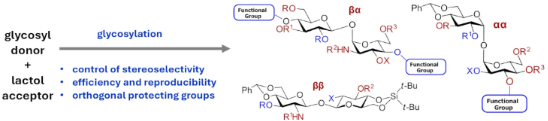
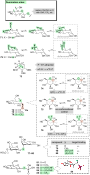
Scheme 1: Application of chloride-, bromide-, and trichloroacetimidate donors in 1,1'-coupling reactions towa...
Scheme 2: Application of trichloroacetimidates as donors in 1,1'-β,α coupling reactions and the use of 1,2-or...
Scheme 3: The β-anomeric configuration in the lactol acceptors can be trapped and fixed within the five-membe...
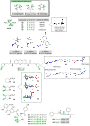
Scheme 4: Diarylborinic acid-promoted β,α-1,1' glycosylation.
Scheme 5: The anomeric configuration in the lactol acceptor can be trapped in the form of a TMS-glycoside.
Scheme 6: The anomeric configuration in the lactol acceptor can be trapped in form of a 1-O-TMS-glycoside tha...
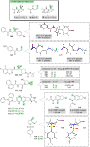
Scheme 7: Influence of remote protecting groups on the stereoselectivity and efficiency of 1,1'-β,α bond form...
Scheme 8: Synthesis of non-symmetrically fully orthogonally protected β,α-1,1' diglucosamines.
Scheme 9: Synthesis of non-symmetric β,β-1,1'-linked disaccharides.
Scheme 10: Synthesis of non-symmetric, fully orthogonally protected β,β-1,1'-diglucosamines.
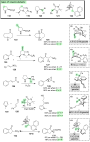
Scheme 11: Synthesis of α,α-1,1'-disaccharides.
Scheme 12: Synthesis of α,α-1,1'-thiodisacchrides.
Scheme 13: Synthesis of partially desymmetrized α,α-1,1'-linked disaccharides.
Scheme 14: Synthesis of non-symmetric orthogonally protected α,α-1,1'-linked disaccharides involving an aminos...
Beilstein J. Org. Chem. 2025, 21, 1324–1373, doi:10.3762/bjoc.21.101
Graphical Abstract
Figure 1: Bond lengths and bond angles in oxetane at 140 K [2].
Figure 2: Analogy of 3-substituted oxetanes to carbonyl and gem-dimethyl groups [12].
Figure 3: Use of oxetanes in drug design – selected examples.
Figure 4: Examples of oxetane-containing natural products.
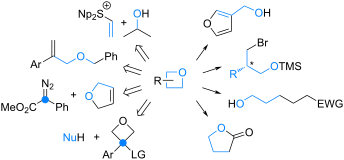
Scheme 1: Synthetic strategies towards construction of the oxetane ring.
Scheme 2: Overview of intramolecular Williamson etherification and competing Grob fragmentation.
Scheme 3: Synthesis of spiro-oxetanes via 1,4-C–H insertion and Williamson etherification.
Scheme 4: Use of phenyl vinyl selenone in the synthesis of spirooxindole oxetanes.
Scheme 5: Synthesis of bicyclic 3,5-anhydrofuranoses via double epoxide opening/etherification.
Scheme 6: Preparation of spirooxetanes by cycloisomerisation via MHAT/RPC.
Scheme 7: Oxetane synthesis via alcohol C–H functionalisation.
Scheme 8: Access to oxetanes 38 from α-acetyloxy iodides.
Scheme 9: The kilogram-scale synthesis of oxetane intermediate 41.
Scheme 10: Overview of the intramolecular opening of 3-membered rings.
Scheme 11: Synthesis of 4,7-dioxatricyclo[3.2.1.03,6]octane skeletons.
Scheme 12: Silicon-directed electrophilic cyclisation of homoallylic alcohols.
Scheme 13: Hydrosilylation–iodocyclisation of homopropargylic alcohols.
Scheme 14: Cu-catalysed intramolecular O-vinylation of γ-bromohomoallylic alcohols.
Scheme 15: Cu-catalysed intramolecular cross-coupling of hydroxyvinylstannanes.
Scheme 16: Isomerisation of oxiranyl ethers containing weakly carbanion-stabilising groups.
Scheme 17: Cyclisation of diethyl haloalkoxymalonates.
Scheme 18: Synthesis of oxetanes through a 1,5-HAT/radical recombination sequence.
Scheme 19: General approach to oxetanes via [2 + 2] cycloadditions.
Scheme 20: Synthesis of tricyclic 4:4:4 oxetanes through a photochemical triple cascade reaction.
Scheme 21: Iridium-catalysed Paternò–Büchi reaction between α-ketoesters and simple alkenes.
Scheme 22: Three-step synthesis of spirocyclic oxetanes 83 via Paternò–Büchi reaction, nucleophilic ring openi...
Scheme 23: Enantioselective Paternò–Büchi reaction catalysed by a chiral iridium photocatalyst.
Scheme 24: Synthesis of polysubstituted oxetanes 92 via Cu(II)-mediated formal [2 + 2] cycloadditions.
Scheme 25: Synthesis of alkylideneoxetanes via NHC- and DBU-mediated formal [2 + 2] cycloadditions.
Scheme 26: Use of sulphur-stabilised carbanions in ring expansions.
Scheme 27: Synthesis of α,α-difluoro(arylthio)methyl oxetanes.
Scheme 28: Ring expansion in an industrial synthesis of PF-06878031.
Scheme 29: Ring contraction of triflated 2-hydroxy-γ-lactones.
Scheme 30: Ring contraction in an industrial synthesis of PF-06878031.
Scheme 31: Photochemical ring contraction of 2,5-dihydrofurans by aryldiazoacetic acid esters.
Scheme 32: Synthesis of 3-oxetanones via O-H insertion of carbenes.
Scheme 33: Synthesis of phosphonate oxetanones via gold-mediated alkyne oxidation/O–H insertion.
Scheme 34: Syntheses and common derivatisations of 3-oxetanone.
Scheme 35: SN1 substitution of 3-aryloxetan-3-ols by thiols and alcohols.
Scheme 36: Fe–Ni dual-catalytic olefin hydroarylation towards 3-alkyl-3-(hetero)aryloxetanes.
Scheme 37: Synthesis of 3-aryloxetan-3-carboxylic acids.
Scheme 38: Decarboxylative alkylation of 3-aryloxetan-3-carboxylic acids.
Scheme 39: Synthesis of 3-amino-3-aryloxetanes via photoredox/nickel cross-coupling catalysis.
Scheme 40: Intermolecular cross-selective [2 + 2] photocycloaddition towards spirooxetanes.
Scheme 41: Synthesis of 3-aryl-3-aminooxetanes via defluorosulphonylative coupling.
Scheme 42: Two-step synthesis of amide bioisosteres via benzotriazolyl Mannich adducts 170.
Scheme 43: Functionalisation of oxetanyl trichloroacetimidates 172.
Scheme 44: Synthesis of oxetane-amino esters 176.
Scheme 45: Tandem Friedel–Crafts alkylation/intramolecular ring opening of 3-aryloxetan-3-ols.
Scheme 46: Synthesis of polysubstituted furans and pyrroles.
Scheme 47: Synthesis of oxazolines and bisoxazolines.
Scheme 48: Tandem, one-pot syntheses of various polycyclic heterocycles.
Scheme 49: Synthesis of 1,2-dihydroquinolines via skeletal reorganisation of oxetanes.
Scheme 50: Synthesis of benzoindolines and 2,3-dihydrobenzofurans and their derivatisations.
Scheme 51: Synthesis of polysubstituted 1,4-dioxanes.
Scheme 52: Preparation of various lactones via ring opening of oxetane-carboxylic acids 219.
Scheme 53: Tsuji-Trost allylation/ring opening of 3-aminooxetanes.
Scheme 54: Arylative skeletal rearrangement of 3-vinyloxetan-3-ols to 2,5-dihydrofurans.
Scheme 55: Reductive opening of oxetanes using catalytic Mg–H species.
Scheme 56: Opening of oxetanes by silyl ketene acetals.
Scheme 57: Rhodium-catalysed hydroacylation of oxetanes.
Scheme 58: Generation of radicals from oxetanes mediated by a vitamin B12-derived cobalt catalyst.
Scheme 59: Reductive opening of oxetanes by B–Si frustrated Lewis pairs.
Scheme 60: Zirconocene-mediated reductive opening of oxetanes.
Scheme 61: Enantioselective syntheses of small and medium-size rings using chiral phosphoric acids.
Scheme 62: Asymmetric synthesis of 2,3-dihydrobenzo[b]oxepines catalysed by a chiral scandium complex.
Scheme 63: Enantioselective synthesis of 1,3-bromohydrins under a chiral squaramide catalysis.
Scheme 64: Enantioselective opening of 2-aryl-2-ethynyloxetanes by anilines.
Scheme 65: Ru-catalysed insertion of diazocarbonyls into oxetanes.
Scheme 66: Ring expansion of oxetanes by stabilised carbenes generated under blue light irradiation.
Scheme 67: Expansion of oxetanes via nickel-catalysed insertion of alkynyltrifluoroborates.
Scheme 68: Nickel-catalysed expansion of oxetanes into ε-caprolactones.
Scheme 69: Expansion of oxetanes via cobalt-catalysed carbonyl insertion.
Scheme 70: Gold-catalysed intramolecular 1,1-carboalkoxylation of oxetane-ynamides.
Scheme 71: Expansion of oxetanes by stabilised sulphoxonium ylides.
Scheme 72: Cu-catalysed ring expansion of 2-vinyloxetanes by diazoesters.
Scheme 73: Total synthesis of (+)-oxetin.
Scheme 74: Total synthesis of racemic oxetanocin A.
Scheme 75: Total synthesis of (−)-merrilactone A.
Scheme 76: Total synthesis of (+)-dictyoxetane.
Scheme 77: Total synthesis of ent-dichrocephone B.
Scheme 78: Total synthesis of (−)-mitrephorone A.
Scheme 79: Total synthesis of (−)-taxol.
Beilstein J. Org. Chem. 2025, 21, 680–716, doi:10.3762/bjoc.21.54
Graphical Abstract
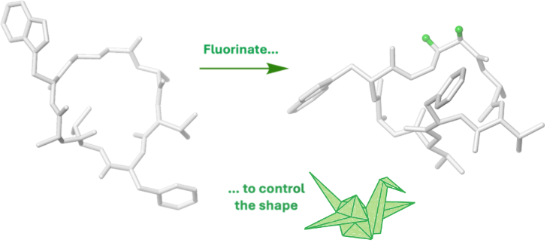
Figure 1: Fundamental characteristics of the C–F bond.
Figure 2: Incorporation of fluorine at the end of an alkyl chain.
Figure 3: Incorporation of fluorine into the middle of a linear alkyl chain.
Figure 4: Incorporation of fluorine across much, or all, of a linear alkyl chain.
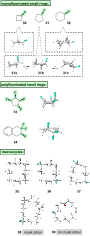
Figure 5: Incorporation of fluorine into cycloalkanes.
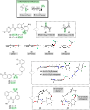
Figure 6: Conformational effects of introducing fluorine into an ether (geminal to oxygen).
Figure 7: Conformational effects of introducing fluorine into an ether (vicinal to oxygen).
Figure 8: Effects of introducing fluorine into alcohols (and their derivatives).
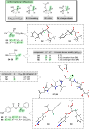
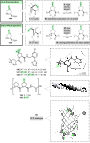
Figure 9: Controlling the ring pucker of sugars through fluorination.
Figure 10: Controlling bond rotations outside the sugar ring through fluorination.
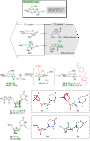
Figure 11: Effects of incorporating fluorine into amines.
Figure 12: Effects of incorporating fluorine into amine derivatives, such as amides and sulfonamides.
Figure 13: Effects of incorporating fluorine into organocatalysts.
Figure 14: Effects of incorporating fluorine into carbonyl compounds, focusing on the “carbon side.”
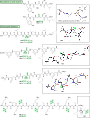
Figure 15: Fluoroproline-containing peptides and proteins.
Figure 16: Further examples of fluorinated linear peptides (besides fluoroprolines). For clarity, sidechains a...
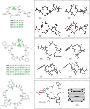
Figure 17: Fluorinated cyclic peptides.
Figure 18: Fluorine-derived conformational control in sulfur-containing compounds.
Beilstein J. Org. Chem. 2025, 21, 369–406, doi:10.3762/bjoc.21.27
Graphical Abstract
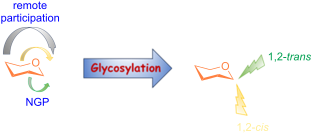
Scheme 1: Continuum in the mechanistic pathway of glycosylation [32] reactions ranging between SN2 and SN1.
Scheme 2: Formation of 1,2-trans glycosides by neighbouring group participation with acyl protection in C-2 p...
Scheme 3: Solvent-free activation [92] of disarmed per-acetylated (15) and per-benzoylated (18) glycosyl donors.
Scheme 4: Synthesis of donor 2-(2,2,2-trichloroethoxy)glucopyrano-[2,1-d]-2-oxazoline 22 [94] and regioselective ...
Scheme 5: The use of levulinoyl protection for an orthogonal glycosylation reaction.
Figure 1: The derivatives 32–36 of the pivaloyl group.
Scheme 6: Benzyl and cyanopivalolyl ester-protected hexarhamnoside derivative 37 and its global deprotection ...
Scheme 7: Orthogonal chloroacetyl group deprotection in oligosaccharide synthesis [113].
Figure 2: The derivatives of the chloroacetyl group: CAMB protection (41) [123], CAEB protection (42) [124], POMB prote...
Scheme 8: Use of the (2-nitrophenyl)acetyl protecting group [126] as the neighbouring group protecting group at th...
Scheme 9: Neighbouring group participation protocol by the BnPAc protecting group [128] in the C-2 position.
Scheme 10: Glycosylation reaction with O-PhCar (54) and O-Poc (55) donors showing high β-selectivity [133].
Scheme 11: Neighbouring group participation rendered by an N-benzylcarbamoyl (BnCar) group [137] at the C-2 positio...
Scheme 12: Stereoselectivity obtained from glycosylation [138] with 2-O-(o-trifluoromethylbenzenesulfonyl)-protecte...
Scheme 13: (a) Plausible mechanistic pathway for glycosylation with C-2 DMTM protection [139] and (b) example of a ...
Scheme 14: Glycosylation reactions employing MOM 78, BOM 81, and NAPOM 83-protected thioglycoside donors. Reag...
Scheme 15: Plausible mechanistic pathway for alkoxymethyl-protected glycosyl donors. Path A. Expected product ...
Scheme 16: Plausible mechanistic pathway for alkoxymethyl-protected glycosyl donors [147].
Scheme 17: A. Formation of α-glycosides and B formation of β-glycosides by using chiral auxiliary neighbouring...
Scheme 18: Bimodal participation of 2-O-(o-tosylamido)benzyl (TAB) protecting group to form both α and β-isome...
Scheme 19: (a) 1,2-trans-Directing nature using C-2 cyanomethyl protection and (b) the effect of acceptors and...
Scheme 20: 1,3-Remote assistance by C-3-ester protection for gluco- and galactopyranosides to form 1,2-cis gly...
Scheme 21: 1,6-Remote assistance by C-6-ester protection for gluco- and galactopyranosides to form 1,2-cis gly...
Scheme 22: 1,4-Remote assistance by C-4-ester protection for galactopyranosides to form 1,2-cis glycosidic pro...
Scheme 23: Different products obtained on activation of axial 3-O and equatorial 3-O ester protected glycoside...
Scheme 24: The role of 3-O-protection on the stereochemistry of the produced glycoside [191].
Scheme 25: The role of 4-O-protection on the stereochemistry of the produced glycosides.
Scheme 26: Formation and subsequent stability of the bicyclic oxocarbenium intermediate formed due to remote p...
Scheme 27: The role a C-6 p-nitrobenzoyl group on the stereochemistry of the glycosylated product [196].
Scheme 28: Difference in stereoselectivity obtained in glycosylation reactions by replacing non-participating ...
Scheme 29: The role of electron-withdrawing and electron-donating substituents on the C-4 acetyl group in glyc...
Scheme 30: Effect of the introduction of a methyl group in the C-4 position on the glycosylation with more rea...
Figure 3: Remote group participation effect exhibited by the 2,2-dimethyl-2-(o-nitrophenyl)acetyl (DMNPA) pro...
Scheme 31: The different stereoselectivities obtained by Pic and Pico donors on being activated by DMTST.
Figure 4: Hydrogen bond-mediated aglycon delivery (HAD) in glycosylation reactions for 1,2-cis 198a and 1,2-t...
Scheme 32: The role of different acceptor with 6-O-Pic-protected glycosyl donors.
Scheme 33: The role of the remote C-3 protection on various 4,6-O-benzylidene-protected mannosyl donors affect...
Scheme 34: The dual contribution of the DTBS group in glycosylation reactions [246,247].
Beilstein J. Org. Chem. 2024, 20, 2840–2869, doi:10.3762/bjoc.20.240
Graphical Abstract
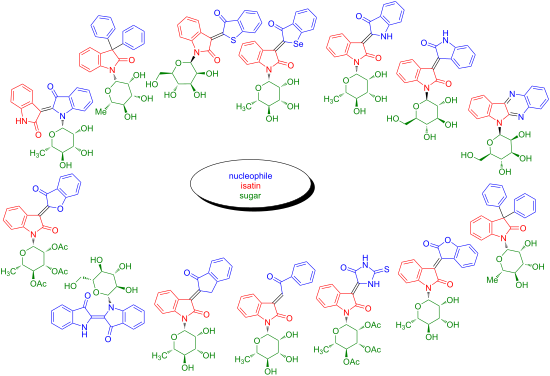
Scheme 1: Structures of indigo (1a), indirubin (2a) and isoindigo (3a).
Scheme 2: Structures of akashins A–C.
Scheme 3: Synthesis of 5b. Reagents and conditions: i) TMSOTf, 4 Å MS, CH2Cl2, −20 °C, 1.5 h, then 20 °C, 8–1...
Scheme 4: Synthesis of 7c. Reagents and conditions: i) TMSOTf, 4 Å MS, CH2Cl2, −18 °C, 3 h; then: TMSOTf, 4 Å...
Scheme 5: Synthesis of 1d. Reagents and conditions: i) chloroacetic acid, Na2CO3, reflux, 6 h; ii) Ac2O, NaOA...
Scheme 6: Synthesis of 10e. Reagents and conditions: i) p-TsOH·H2O, acetonitrile, MeOH, 1 d; ii) NIS, PPh3, D...
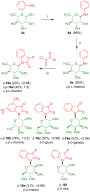
Scheme 7: Synthesis of akashins A–C. Reagents and conditions: i) TMSOTf, 4 Å MS, CH2Cl2, −18 to 20 °C, 15 h; ...
Scheme 8: Synthesis of 5d. Reagents and conditions: i) KMnO4, AcOH, high-power-stirring (12.000 rot/min), 20 ...
Scheme 9: Possible mechanism of the formation of 5c.
Scheme 10: Synthesis of 7d. Reagents and conditions: i) 1) CH2Cl2, 2) Me3SiI, 20 °C, 30 min, 3) 0 °C, 30 min, ...
Scheme 11: Synthesis of α-15b. Reagents and conditions: i) 1) CH2Cl2, 2) Me3SiI, 20 °C, 30 min, 3) 0 °C, 30 mi...
Scheme 12: Synthesis of isatin-N-glycosides 16a–f. Reagents and conditions: i) PhNH2, EtOH, 20 °C, 12 h; ii) Ac...
Scheme 13: Synthesis of 17–21. Reagents and conditions: i) Na2CO3, MeOH, 20 °C, 4 h.
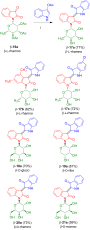
Scheme 14: Synthesis of indirubin-N-glycosides α-17a and α-17b.
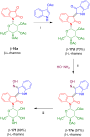
Scheme 15: Synthesis of β-17f. Reagents and conditions: i) 1) Na2CO3, MeOH, 20 °C, 4 h, 2) Ac2O/pyridine 1:1, ...
Scheme 16: Synthesis of β-24a. Reagents and conditions: i) n-PrOH, H2O, formic acid (buffer, 100 mM), 2 h, 65 ...
Scheme 17: Synthesis of isatin-N-glycosides 23b–g and 24b–g.
Scheme 18: Synthesis of β-29a,b. Reagents and conditions: i) EtOH, 20 °C, 12 h; ii) DDQ, dioxane, 20 °C, 12 h;...
Scheme 19: Synthesis of β-31a. Reagents and conditions: i) Na2SO3, dioxane, H2O, 110 °C, 2 d; ii) piperidine, ...
Scheme 20: Synthesis of 33a–d. Reagents and conditions: i) Ac2O, AcOH, NaOAc, 80 °C, 1 h; ii) 1) NaOMe, anhydr...
Scheme 21: Indirubins 34 and 35.
Scheme 22: Synthesis of 36f. Reagents and conditions: i) NaOH, H2O, 20 °C, 5 h; ii) HCl, NaNO2, H2O, −14 °C; i...
Scheme 23: Synthesis of 38a–h. Reagents and conditions: i) 1) 0.1 equiv NaOMe, MeOH, 20 °C, 15–20 min, 2) HOAc...
Scheme 24: Synthesis of 40a–h. Reagents and conditions: i) method A: EtOH/THF, cat. KOt-Bu, 20 °C, 3–4.5 h; me...
Scheme 25: Synthesis of 41a–d. Reagents and conditions: i) Ac2O, AcOH, NaOAc, 80 °C, 1 h.
Scheme 26: Synthesis of 41e. Reagents and conditions: i) AcOH, NaOAc, 110 °C, 24 h.
Scheme 27: Synthesis of E-β-43a–e and E-β-44a,b. Reagents and conditions: i) 1) NEt3, EtOH, 20 °C, 12 h, 2) DM...
Scheme 28: Synthesis of E-43f. Reagents and conditions: i) Na2CO3, MeOH, 20 °C, 6–24 h.
Scheme 29: Synthesis of 46a–m. Reagents and conditions: i) NEt3 (1 equiv), EtOH, 20 °C, 6–10 h; ii) MsCl, NEt3...
Scheme 30: Synthesis of 48a–d. Reagents and conditions: i) AcOH/Ac2O, NaOAc, 60 °C, 3–4 h.
Scheme 31: Synthesis of 48e. Reagents and conditions: i) NaOAc, AcOH, 110 °C, 24 h.
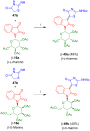
Scheme 32: Synthesis of β-49a,b. Reagents and conditions: i) AcOH/Ac2O, NaOAc, 60 °C, 3–4 h.
Scheme 33: Synthesis of β-54a,b. Reagents and conditions: i) 1) NaH, DMF, 0 °C, 15 min, 2) β-51a,b, 20 °C, 3 h...
Scheme 34: Synthesis of 54c–l. The yields refer to the yields of the first and second condensation step for ea...
Scheme 35: Synthesis of 57a–c and 58a–d. Reagents and conditions: i) HCl (conc.), AcOH, reflux, 24 h; ii) 1) B...
Scheme 36: Synthesis of 59a–e and 60a–e. Reagents and conditions: i) P(NEt2)3 (1.1 equiv), CH2Cl2, −78 °C to 2...
Scheme 37: Synthesis of 61a–d and 62a–d. Reagents and conditions: i) P(NEt2)3 (1.1 equiv), CH2Cl2, −78 °C to 2...
Scheme 38: Synthesis of β-64a–e and α-64a. Reagents and conditions: i) AcOH, Ac2O, NaOAc, 90 °C, 6 h.
Scheme 39: Synthesis of β-72a. Reagents and conditions: i) 66, EtOH, 20 °C, 12 h; ii) DDQ, dioxane, 20 °C, 12 ...
Scheme 40: Synthesis of β-72b.
Scheme 41: Synthesis of β-74a–c. Reagents and conditions: i) AcOH, Ac2O, NaOAc, 130 °C, 2 d.
Scheme 42: Synthesis of β-77. Reagents and conditions: i) 1) NEt3, EtOH, 20 °C, 12 h, 2) DMAP, NEt3, MsCl, 0 °...
Scheme 43: Synthesis of β-81a–f and β-80g. Reagents and conditions: i) AcOH, 80 °C, 1–3 h; ii) benzene, PTSA, ...
Scheme 44: Synthesis of 84a. Reagents and conditions: i) benzene, AlCl3, 20 °C, 10 min; ii) MeOH, NaOMe, 12 h,...
Scheme 45: Synthesis of 84b–l. The yields refer to the yields of the condensation and the deprotection step fo...
Beilstein J. Org. Chem. 2024, 20, 2084–2107, doi:10.3762/bjoc.20.180
Graphical Abstract
Figure 1: Carbohydrate conformational variability. a) Illustration of Φ, Ψ and ω dihedral angles for a repres...
Figure 2: Monosaccharides diversity in eukaryotes and bacteria. a) Eukaryotic monosaccharides. b) Examples of...
Figure 3: Different glycan representations. The 3’-sialyllactosamine is depicted according to the a) IUPAC no...
Figure 4: Visualisation programs. Different representation of a protein–ligand complex by using the most used...
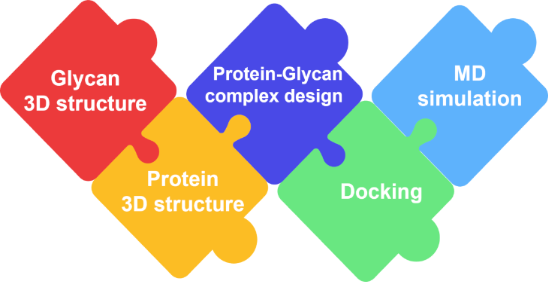
Figure 5: A schematic representation of useful computational methods to study protein–glycan interactions. a)...
Beilstein J. Org. Chem. 2024, 20, 931–939, doi:10.3762/bjoc.20.83
Graphical Abstract
Figure 1: Format of a validation report in JSON format. At the top level of the tree, the report contains met...
Figure 2: Left: Graphical representation of the conformational landscape of pyranose sugars. A well-modelled ...
Figure 3: Table of two-dimensional Symbol Nomenclature for Glycan (SNFG) visualisations, which can allow for ...
Figure 4: Table of validation data for each sugar residue within PDB code 3QVP available in the visual valida...
Figure 5: Table of available Privateer reports for the BMA-1,1-TRP linkage in C-glycans (C-mannosylation) sor...
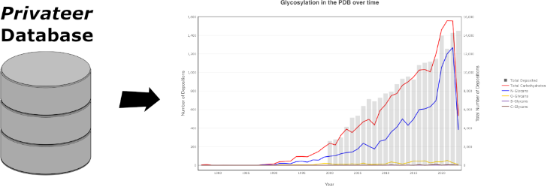
Figure 6: Plot showing trends in deposition in the PDB over time from 1975 to the present. Grey bars show the...
Beilstein J. Org. Chem. 2024, 20, 721–733, doi:10.3762/bjoc.20.66
Graphical Abstract
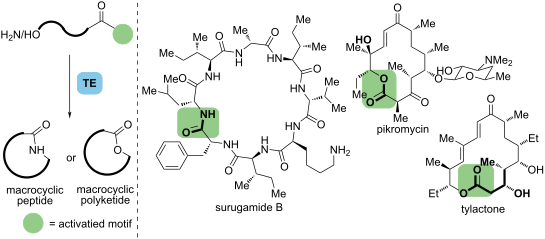
Scheme 1: Brief introduction of thioesterase (TE) domain. (a) NRPS and PKS assembly lines. (b) Mechanism of T...
Scheme 2: Chemoenzymatic synthesis of tyrocidine A and its analogs. (a) First-gen chemoenzymatic synthesis of...
Scheme 3: Representative examples of NAC-activated thioesters-mediated biocatalytic macrolactamization.
Scheme 4: Chemoenzymatic synthesis of CDA, daptomycin and their analogs. (a) Biocatalytic macrocyclization of...
Scheme 5: Chemoenzymatic synthesis of surugamide B and related natural products. (a) Three synthetic strategi...
Scheme 6: Chemoenzymatic synthesis of the pikromycins. (a) Macrocyclization of 10-deoxymethynolide catalyzed ...
Scheme 7: Chemoenzymatic synthesis of the juevnimicins.
Scheme 8: Chemoenzymatic synthesis of the cryptophycins.
Beilstein J. Org. Chem. 2024, 20, 589–596, doi:10.3762/bjoc.20.51
Graphical Abstract
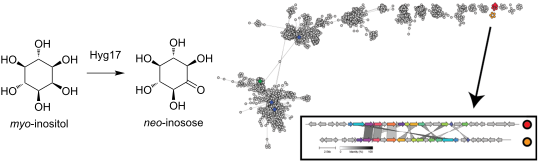
Figure 1: Proposed biosynthetic pathway for the aminocyclitol from hygromycin A.
Figure 2: Hyg17 activity. Reactions with Hyg17 and (a) various inositols with NAD+, (b) myo-inositol with NAD+...
Figure 3: SSN for PF01408. Clusters with characterized enzymes are shown in different colors and labeled with...
Figure 4: (a) SSN for inositol dehydrogenases. (b) Comparison of the hygromycin A (red) and hygromycin A-like...
Beilstein J. Org. Chem. 2023, 19, 1825–1831, doi:10.3762/bjoc.19.134
Graphical Abstract
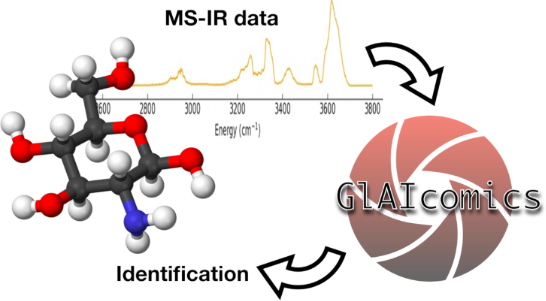
Figure 1: (a) Fingerprint of an unknown monosaccharide. (b) Labelled reference spectra of monosaccharide stan...
Figure 2: Typical experimental MS–IR spectra of the four categories of monosaccharides included in the first ...
Figure 3: Synthetic IRMPD spectrum (grey trace) generated on the basis of a high resolution endogeneous exper...
Figure 4: Model accuracy dependance with experimental conditions, represented by the dataset augmentation par...
Figure 5: DNN Prediction results for third endogenous dataset (5 hexosamine samples and 7 other molecules). T...
Beilstein J. Org. Chem. 2023, 19, 1604–1614, doi:10.3762/bjoc.19.117
Graphical Abstract
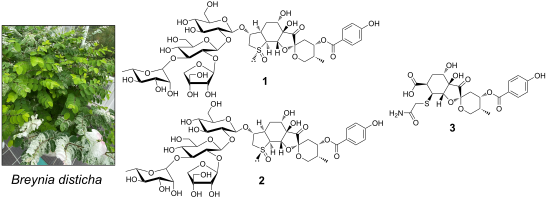
Figure 1: Structures of compounds 1–7.
Figure 2: Key HMBC (red arrows), H2BC (black bold lines), and COSY (blue bold lines) correlations in 1 and 2.
Figure 3: a) Simplified model structures 1′ and 2′ for GIAO and TD-DFT calculations. b) Comparison of experim...
Figure 4: Key HMBC (red arrows), H2BC (black bold lines), and COSY (blue bold lines) correlations in compound...
Figure 5: Comparison of experimental (black solid line) and calculated (red dashed line) ECD spectra of 3.
Figure 6: Anti-inflammatory effects of isolated sulfur-containing compounds. mRNA levels of a) IL-1β, b) IL-6...
Beilstein J. Org. Chem. 2023, 19, 115–132, doi:10.3762/bjoc.19.12
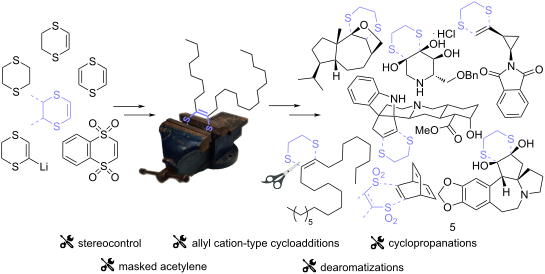
Graphical Abstract
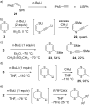
Scheme 1: 1,3-Dithianes as useful synthetic building blocks: a) general synthetic utility (in Corey–Seebach-t...
Scheme 2: Metalation of other saturated heterocycles is often problematic due to β-elimination [16,17].
Scheme 3: Thianes as synthetic building blocks in the construction of complex molecules [18].
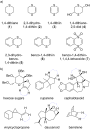
Figure 1: a) 1,4-Dithiane-type building blocks that can serve as C2-synthons and b) examples of complex targe...
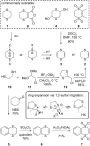
Scheme 4: Synthetic availability of 1,4-dithiane-type building blocks.
Scheme 5: Dithiins and dihydrodithiins as pseudoaryl groups [36-39].
Scheme 6: Metalation of other saturated heterocycles is often problematic due to β-elimination [40-42].
Figure 2: Reactive conformations leading to β-fragmentation for lithiated 1,4-dithianes and 1,4-dithiin.
Scheme 7: Mild metalation of 1,4-dithiins affords stable heteroaryl-magnesium and heteroaryl-zinc-like reagen...
Scheme 8: Dithiin-based dienophiles and their use in synthesis [33,49-54].
Scheme 9: Dithiin-based dienes and their use in synthesis [55-57].
Scheme 10: Stereoselective 5,6-dihydro-1,4-dithiin-based synthesis of cis-olefins [42,58].
Scheme 11: Addition to aldehydes and applications in stereoselective synthesis.
Figure 3: Applications in the total synthesis of complex target products with original attachment place of 1,...
Scheme 12: Direct C–H functionalization methods for 1,4-dithianes [82,83].
Scheme 13: Known cycloaddition reactivity modes of allyl cations [84-100].
Scheme 14: Cycloadditions of 1,4-dithiane-fused allyl cations derived from dihydrodithiin-methanol 90 [101-107].
Scheme 15: Dearomative [3 + 2] cycloadditions of unprotected indoles with 1,4-dithiane-fused allyl alcohol 90 [30]....
Scheme 16: Comparison of reactivity of dithiin-fused allyl alcohols and similar non-cyclic sulfur-substituted ...
Scheme 17: Applications of dihydrodithiins in the rapid assembly of polycyclic terpenoid scaffolds [108,109].
Scheme 18: Dihydrodithiin-mediated allyl cation and vinyl carbene cycloadditions via a gold(I)-catalyzed 1,2-s...
Scheme 19: Activation mode of ethynyldithiolanes towards gold-coordinated 1,4-dithiane-fused allyl cation and ...
Scheme 20: Desulfurization problems.
Scheme 21: oxidative decoration strategies for 1,4-dithiane scaffolds.
Beilstein J. Org. Chem. 2023, 19, 91–99, doi:10.3762/bjoc.19.9
Graphical Abstract
Figure 1: Chemical structure of three isomeric cholesterols.
Figure 2: Selected previously described cholesterol derivatives with interesting antibacterial and cytotoxic ...
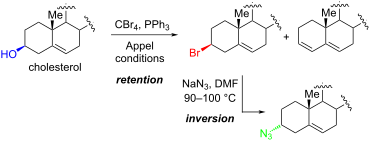
Scheme 1: Stereochemical outcome of OH/N3 transformations under different conditions.
Figure 3: Top: cholesterol (1) and the less polar product from the Appel reaction, cholesta-3,5-diene (9); bo...
Figure 4: Top: the more polar product from the Appel reaction 3β-bromocholest-5-ene (4); bottom: X-ray struct...
Figure 5: Top: 3α-azidocholest-5-ene (5) obtained by treatment of 4 with NaN3 in DMF; bottom: X-ray crystal s...
Scheme 2: Mechanistic interpretation of the conversion of cholesterol 1 into diene 9, bromide 4, and azides 5...
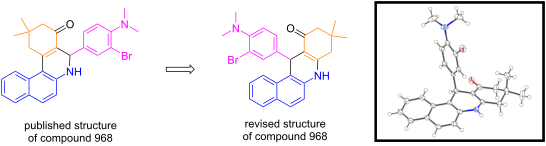
Figure 6: Compounds (next to 4, 5 and 9) to be corrected in refs. [10] and [11]. The respective bonds are highlighted...
Beilstein J. Org. Chem. 2022, 18, 1379–1384, doi:10.3762/bjoc.18.142
Graphical Abstract
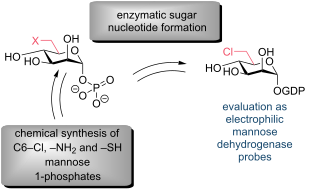
Figure 1: a) Proposed oxidative pathway for provision of GDP-ManA 5 from GDP-Man 1, C6 stereochemistry of 3 i...
Scheme 1: Syntheses of C6-modified mannose 1-phosphates 13 and 17. Conditions a) PPh3, CBr4, DCM, rt, 75%; b)...
Figure 2: Structure of 16 with ADPs rendered at the 50% probability level. Acetyl group disorder is omitted f...
Scheme 2: Evaluation of enzymatic GDP-Man synthesis using C6-modified mannose 1-phosphates 13, 17, and 18; Y+...
Figure 3: GMD function with probe 19 over 120 min (GMD (100 µg/mL), GDP sugars (50 µM), NAD+ (200 µM)). Dotte...
Beilstein J. Org. Chem. 2022, 18, 1133–1139, doi:10.3762/bjoc.18.117
Graphical Abstract
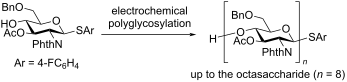
Figure 1: Structures of chitin and chitosan oligosaccharides.
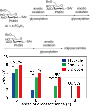
Figure 2: Effect of the anomeric leaving group on the yield of oligosaccharides.
Figure 3: Influence of the glycosylation temperature (T2) on the yield of oligosaccharides.
Figure 4: Influence of temperatures of anodic oxidation (T1) and glycosylation (T2).
Figure 5: MALDI–TOF MS spectra of oligosaccharides.
Figure 6: Proposed structures of byproducts of electrochemical polyglycosylation.
Figure 7: Proposed mechanisms of electrochemical polyglycosylation.
Figure 8: Oxidative potential of monosaccharide 1a, disaccharide 2a, and trisaccharide 3a.
Scheme 1: Electrochemical dimerization of tetrasaccharide 4a.
Figure 9: Influence of cycle number on the yield of longer oligosaccharides 5a (n = 5)–8a (n = 8). Conditions...
Beilstein J. Org. Chem. 2022, 18, 208–216, doi:10.3762/bjoc.18.24
Graphical Abstract
Figure 1: Chemical structures and reported activities of viral (A), human neuraminidases (B) and Trypanosoma ...
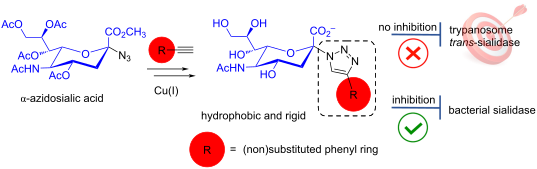
Figure 2: Design and synthesis of potential neuraminidase and trans-sialidase inhibitors exploiting a moiety ...
Figure 3: TcTS and neuraminidase hydrolase activity (A) as well as TcTS transferase activity (B) in the prese...
Figure 4: TcTS and neuraminidase inhibition by 1,2,3-triazole-linked sialic acid derivatives 3a–h (1 mM) usin...
Figure 5: Crystal structure of TcTS (PDB code 1MS1 – coloured red) (A) and neuraminidase (PDB code 2VK6 – col...
Beilstein J. Org. Chem. 2022, 18, 95–101, doi:10.3762/bjoc.18.10
Graphical Abstract
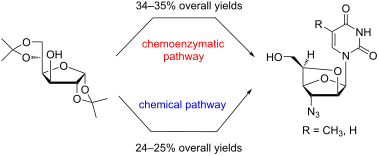
Figure 1: Structure of AZT and representative related bicyclic nucleosides.
Scheme 1: Retrosynthetic routes for the synthesis of (5′R)-3′-azido-3′-deoxy-2′-O,5′-C-bridged-β-ᴅ-homoarabin...
Scheme 2: Synthesis of 3′-azido-3′-deoxy-β-ᴅ-allofuranosylthymine (14a) and -uracil (14b).
Scheme 3: Biocatalytic acetylation of the primary hydroxy group of nucleosides 14a,b.
Scheme 4: Synthesis of (5'R)-3′-azido-3′-deoxy-2′-O,5′-C-bridged-β-ᴅ-homoarabinofuranosyl nucleosides 9a,b.
Scheme 5: Chemical synthesis of nucleosides 9a,b starting from diacetone ᴅ-glucofuranose.
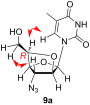
Figure 2: Structure elucidation of (5′R)-3′-azido-3′-deoxy-2′-O,5′-C-bridged-β-ᴅ-homoarabinofuranosylthymine (...
Scheme 6: a) Plausible mechanism for the synthesis of (5′R)-3′-azido-3′-deoxy-2′-O,5′-C-bridged-β-ᴅ-homoarabi...
Beilstein J. Org. Chem. 2021, 17, 2680–2715, doi:10.3762/bjoc.17.182
Graphical Abstract
Figure 1: Representative modified 1,3-oxathiolane nucleoside analogues.
Figure 2: Mechanism of antiviral action of 1,3-oxathiolane nucleosides, 3TC (1) and FTC (2), as chain termina...
Figure 3: Synthetic strategies for the construction of the 1,3-oxathiolane sugar ring.
Scheme 1: Synthesis of 4 from benzoyloxyacetaldehyde (3a) and 2-mercapto-substituted dimethyl acetal 3na.
Scheme 2: Synthesis of 8 from protected glycolic aldehyde 3b and 2-mercaptoacetic acid (3o).
Scheme 3: Synthesis of 20 from ᴅ-mannose (3c).
Scheme 4: Synthesis of 20 from 1,6-thioanhydro-ᴅ-galactose (3d).
Scheme 5: Synthesis of 8 from 2-(tert-butyldiphenylsilyloxy)methyl-5-oxo-1,2-oxathiolane (3m).
Scheme 6: Synthesis of 20a from ʟ-gulose derivative 3f.
Scheme 7: Synthesis of 31 from (+)-thiolactic acid 3p and 2-benzoyloxyacetaldehyde (3a).
Scheme 8: Synthesis of 35a from 1,4-dithiane-2,5-diol (3q) and glyoxylic acid (3g) hydrate.
Scheme 9: Synthetic routes toward 41 through Pummerer reaction from methyl 2-mercaptoacetate (3j) and bromoac...
Scheme 10: Strategy for the synthesis of 2,5-substituted 1,3-oxathiolane 41a using 4-nitrobenzyl glyoxylate an...
Scheme 11: Synthesis of 44 by a resolution method using Mucor miehei lipase.
Scheme 12: Synthesis of 45 from benzoyloxyacetaldehyde (3a) and 2-mercaptoacetaldehyde bis(2-methoxyethyl) ace...
Scheme 13: Synthesis of 46 from 2-mercaptoacetaldehyde bis(2-methoxyethyl) acetal (3nc) and diethyl 3-phosphon...
Scheme 14: Synthesis of 48 from 1,3-dihydroxyacetone dimer 3l.
Scheme 15: Approach toward 52 from protected alkene 3rb and lactic acid derivative 51 developed by Snead et al....
Scheme 16: Recent approach toward 56a developed by Kashinath et al.
Scheme 17: Synthesis of 56a from ʟ-menthyl glyoxylate (3h) hydrate by DKR.
Scheme 18: Possible mechanism with catalytic TEA for rapid interconversion of isomers.
Scheme 19: Synthesis of 35a by a classical resolution method through norephedrine salt 58 formation.
Scheme 20: Synthesis of 63 via [1,2]-Brook rearrangement from silyl glyoxylate 61 and thiol 3nb.
Scheme 21: Combined use of STS and CAL-B as catalysts to synthesize an enantiopure oxathiolane precursor 65.
Scheme 22: Synthesis of 1 and 1a from glycolaldehyde dimer 64 and 1,4-dithiane-2,5-diol (3q) using STS and CAL...
Scheme 23: Synthesis of 68 by using Klebsiella oxytoca.
Scheme 24: Synthesis of 71 and 72 using Trichosporon taibachii lipase and kinetic resolution.
Scheme 25: Synthesis of 1,3-oxathiolan-5-ones 77 and 78 via dynamic covalent kinetic resolution.
Figure 4: Pathway for glycosidic bond formation.
Scheme 26: First synthesis of (±)-BCH-189 (1c) by Belleau et al.
Scheme 27: Enantioselective synthesis of 3TC (1).
Scheme 28: Synthesis of cis-diastereomer 3TC (1) from oxathiolane propionate 44.
Scheme 29: Synthesis of (±)-BCH-189 (1c) via SnCl4-mediated N-glycosylation of 8.
Scheme 30: Synthesis of (+)-BCH-189 (1a) via TMSOTf-mediated N-glycosylation of 20.
Scheme 31: Synthesis of 3TC (1) from oxathiolane precursor 20a.
Scheme 32: Synthesis of 83 via N-glycosylation of 20 with pyrimidine bases.
Scheme 33: Synthesis of 85 via N-glycosylation of 20 with purine bases.
Scheme 34: Synthesis of 86 and 87 via N-glycosylation using TMSOTf and pyrimidines.
Scheme 35: Synthesis of 90 and 91 via N-glycosylation using TMSOTf and purines.
Scheme 36: Synthesis of 3TC (1) via TMSI-mediated N-glycosylation.
Scheme 37: Stereoselective N-glycosylation for the synthesis of 1 by anchimeric assistance of a chiral auxilia...
Scheme 38: Whitehead and co-workers’ approach for the synthesis of 1 via direct N-glycosylation without an act...
Scheme 39: ZrCl4-mediated stereoselective N-glycosylation.
Scheme 40: Plausible reaction mechanism for stereoselective N-glycosylation using ZrCl4.
Scheme 41: Synthesis of enantiomerically pure oxathiolane nucleosides 1 and 2.
Scheme 42: Synthesis of tetrazole analogues of 1,3-oxathiolane nucleosides 97.
Scheme 43: Synthetic approach toward 99 from 1,3-oxathiolane 45 by Camplo et al.
Scheme 44: Synthesis of 100 from oxathiolane phosphonate analogue 46.
Scheme 45: Synthetic approach toward 102 and the corresponding cyclic thianucleoside monophosphate 102a by Cha...
Scheme 46: Synthesis of emtricitabine (2) from 1,4-dithiane-2,5-diol (3q) and glyoxylic acid (3g).
Scheme 47: Synthesis of 1 and 2, respectively, from 56a–d using iodine-mediated N-glycosylation.
Scheme 48: Plausible mechanism for silane- and I2-mediated N-glycosylation.
Scheme 49: Pyridinium triflate-mediated N-glycosylation of 35a.
Scheme 50: Possible pathway for stereoselective N-glycosylation via in situ chelation with a metal ligand.
Scheme 51: Synthesis of novel 1,3-oxathiolane nucleoside 108 from oxathiolane precursor 8 and 3-benzyloxy-2-me...
Scheme 52: Synthesis of 110 using T-705 as a nucleobase and 1,3-oxathiolane derivative 8 via N-glycosylation.
Scheme 53: Synthesis of 1 using an asymmetric leaving group and N-glycosylation with bromine and mesitylene.
Scheme 54: Cytidine deaminase for enzymatic separation of 1c.
Scheme 55: Enzymatic resolution of the monophosphate derivative 116 for the synthesis of (−)-BCH-189 (1) and (...
Scheme 56: Enantioselective resolution by PLE-mediated hydrolysis to obtain FTC (2).
Scheme 57: (+)-Menthyl chloroformate as a resolving agent to separate a racemic mixture 120.
Scheme 58: Separation of racemic mixture 1c by cocrystal 123 formation with (S)-(−)-BINOL.
Beilstein J. Org. Chem. 2021, 17, 2348–2376, doi:10.3762/bjoc.17.153
Graphical Abstract
Scheme 1: Schematic representation of Hg(II)-mediated addition to an unsaturated bond.
Scheme 2: First report of Hg(II)-mediated synthesis of 2,5-dioxane derivatives from allyl alcohol.
Scheme 3: Stepwise synthesis of 2,6-distubstituted dioxane derivatives.
Scheme 4: Cyclization of carbohydrate alkene precursor.
Scheme 5: Hg(II)-mediated synthesis of C-glucopyranosyl derivatives.
Scheme 6: Synthesis of C-glycosyl amino acid derivative using Hg(TFA)2.
Scheme 7: Hg(OAc)2-mediated synthesis of α-ᴅ-ribose derivative.
Scheme 8: Synthesis of β-ᴅ-arabinose derivative 18.
Scheme 9: Hg(OAc)2-mediated synthesis of tetrahydrofuran derivatives.
Scheme 10: Synthesis of Hg(TFA)2-mediated bicyclic nucleoside derivative.
Scheme 11: Synthesis of pyrrolidine and piperidine derivatives.
Scheme 12: HgCl2-mediated synthesis of diastereomeric pyrrolidine derivatives.
Scheme 13: HgCl2-mediated cyclization of alkenyl α-aminophosphonates.
Scheme 14: Cyclization of 4-cycloocten-1-ol with Hg(OAc)2 forming fused bicyclic products.
Scheme 15: trans-Amino alcohol formation through Hg(II)-salt-mediated cyclization.
Scheme 16: Hg(OAc)2-mediated 2-aza- or 2-oxa-bicyclic ring formations.
Scheme 17: Hg(II)-salt-induced cyclic peroxide formation.
Scheme 18: Hg(OAc)2-mediated formation of 1,2,4-trioxanes.
Scheme 19: Endocyclic enol ether derivative formation through Hg(II) salts.
Scheme 20: Synthesis of optically active cyclic alanine derivatives.
Scheme 21: Hg(II)-salt-mediated formation of tetrahydropyrimidin-4(1H)-one derivatives.
Scheme 22: Cyclization of ether derivatives to form stereoselective oxazolidine derivatives.
Scheme 23: Cyclization of amide derivatives induced by Hg(OAc)2.
Scheme 24: Hg(OAc)2/Hg(TFA)2-promoted cyclization of salicylamide-derived amidal auxiliary derivatives.
Scheme 25: Hg(II)-salt-mediated cyclization to form dihydrobenzopyrans.
Scheme 26: HgCl2-induced cyclization of acetylenic silyl enol ether derivatives.
Scheme 27: Synthesis of exocyclic and endocyclic enol ether derivatives.
Scheme 28: Cyclization of trans-acetylenic alcohol by treatment with HgCl2.
Scheme 29: Synthesis of benzofuran derivatives in presence of HgCl2.
Scheme 30: a) Hg(II)-salt-mediated cyclization of 4-hydroxy-2-alkyn-1-ones to furan derivatives and b) its mec...
Scheme 31: Cyclization of arylacetylenes to synthesize carbocyclic and heterocyclic derivatives.
Scheme 32: Hg(II)-salt-promoted cyclization–rearrangement to form heterocyclic compounds.
Scheme 33: a) HgCl2-mediated cyclization reaction of tethered alkyne dithioacetals; and b) proposed mechanism.
Scheme 34: Cyclization of aryl allenic ethers on treatment with Hg(OTf)2.
Scheme 35: Hg(TFA)2-mediated cyclization of allene.
Scheme 36: Hg(II)-catalyzed intramolecular trans-etherification reaction of 2-hydroxy-1-(γ-methoxyallyl)tetrah...
Scheme 37: a) Cyclization of alkene derivatives by catalytic Hg(OTf)2 salts and b) mechanism of cyclization.
Scheme 38: a) Synthesis of 1,4-dihydroquinoline derivatives by Hg(OTf)2 and b) plausible mechanism of formatio...
Scheme 39: Synthesis of Hg(II)-salt-catalyzed heteroaromatic derivatives.
Scheme 40: Hg(II)-salt-catalyzed synthesis of dihydropyranone derivatives.
Scheme 41: Hg(II)-salt-catalyzed cyclization of alkynoic acids.
Scheme 42: Hg(II)-salt-mediated cyclization of alkyne carboxylic acids and alcohol to furan, pyran, and spiroc...
Scheme 43: Hg(II)-salt-mediated cyclization of 1,4-dihydroxy-5-alkyne derivatives.
Scheme 44: Six-membered morpholine derivative formation by catalytic Hg(II)-salt-induced cyclization.
Scheme 45: Hg(OTf)2-catalyzed hydroxylative carbocyclization of 1,6-enyne.
Scheme 46: a) Hg(OTf)2-catalyzed hydroxylative carbocyclization of 1,6-enyne. b) Proposed mechanism.
Scheme 47: a) Synthesis of carbocyclic derivatives using a catalytic amount of Hg(II) salt. b) Proposed mechan...
Scheme 48: Cyclization of 1-alkyn-5-ones to 2-methylfuran derivatives.
Scheme 49: Hg(NO3)2-catalyzed synthesis of 2-methylenepiperidine.
Scheme 50: a) Preparation of indole derivatives through cycloisomerization of 2-ethynylaniline and b) its mech...
Scheme 51: a) Hg(OTf)2-catalyzed synthesis of 3-indolinones and 3-coumaranones and b) simplified mechanism.
Scheme 52: a) Hg(OTf)2-catalyzed one pot cyclization of nitroalkyne and b) its plausible mechanism.
Scheme 53: Synthesis of tricyclic heterocyclic scaffolds.
Scheme 54: HgCl2-mediated cyclization of 2-alkynylphenyl alkyl sulfoxide.
Scheme 55: a) Hg(OTf)2-catalyzed cyclization of allenes and alkynes. b) Proposed mechanism of cyclization.
Scheme 56: Stereoselective synthesis of tetrahydropyran derivatives.
Scheme 57: a) Hg(ClO4)2-catalyzed cyclization of α-allenol derivatives. b) Simplified mechanism.
Scheme 58: Hg(TFA)2-promoted cyclization of a γ-hydroxy alkene derivative.
Scheme 59: Synthesis Hg(II)-salt-mediated cyclization of allyl alcohol for the construction of ventiloquinone ...
Scheme 60: Hg(OAc)2-mediated cyclization as a key step for the synthesis of hongconin.
Scheme 61: Examples of Hg(II)-salt-mediated cyclized ring formation in the syntheses of (±)-fastigilin C and (...
Scheme 62: Formal synthesis of (±)-thallusin.
Scheme 63: Total synthesis of hippuristanol and its analog.
Scheme 64: Total synthesis of solanoeclepin A.
Scheme 65: a) Synthesis of Hg(OTf)2-catalyzed azaspiro structure for the formation of natural products. b) Pro...
Beilstein J. Org. Chem. 2021, 17, 1981–2025, doi:10.3762/bjoc.17.129
Graphical Abstract
Figure 1: Overview of the methods available for the synthesis of polysaccharides. For each method, advantages...
Figure 2: Overview of the classes of polysaccharides discussed in this review. Each section deals with polysa...
Scheme 1: Enzymatic and chemical polymerization approaches provide cellulose oligomers with a non-uniform dis...
Scheme 2: AGA of a collection of cellulose analogues obtained using BBs 6–9. Specifically placed modification...
Figure 3: Chemical structure of the different branches G, X, L, F commonly found in XGs. Names are given foll...
Scheme 3: AGA of XG analogues with defined side chains. The AGA cycle includes coupling (TMSOTf), Fmoc deprot...
Figure 4: Synthetic strategies and issues associated to the formation of the β(1–3) linkage.
Scheme 4: Convergent synthesis of β(1–3)-glucans using a regioselective glycosylation strategy.
Scheme 5: DMF-mediated 1,2-cis glycosylation. A) General mechanism and B) examples of α-glucans prepared usin...
Scheme 6: Synergistic glycosylation strategy employing a nucleophilic modulation strategy (TMSI and Ph3PO) in...
Scheme 7: Different approaches to produce xylans. A) Polymerization techniques including ROP, and B) enzymati...
Scheme 8: A) Synthesis of arabinofuranosyl-decorated xylan oligosaccharides using AGA. Representative compoun...
Scheme 9: Chemoenzymatic synthesis of COS utilizing a lysozyme-catalyzed transglycosylation reaction followed...
Scheme 10: Synthesis of COS using an orthogonal glycosylation strategy based on the use of two different LGs.
Scheme 11: Orthogonal N-PGs permitted the synthesis of COS with different PA.
Scheme 12: AGA of well-defined COS with different PA using two orthogonally protected BBs. The AGA cycle inclu...
Scheme 13: A) AGA of β(1–6)-N-acetylglucosamine hexasaccharide and dodecasaccharide. AGA includes cycles of co...
Figure 5: ‘Double-faced’ chemistry exemplified for ᴅ-Man and ʟ-Rha. Constructing β-Man linkages is considerab...
Figure 6: Implementation of a capping step after each glycosylation cycle for the AGA of a 50mer oligomannosi...
Scheme 14: AGA enabled the synthesis of a linear α(1–6)-mannoside 100mer 93 within 188 h and with an average s...
Scheme 15: The 151mer branched polymannoside was synthesized by a [30 + 30 + 30 + 30 + 31] fragment coupling. ...
Figure 7: PG stereocontrol strategy to obtain β-mannosides. A) The mechanism of the β-mannosylation reaction ...
Scheme 16: A) Mechanism of 1,2-cis stereoselective glycosylation using ManA donors. Once the ManA donor is act...
Figure 8: A) The preferred 4H3 conformation of the gulosyl oxocarbenium ion favors the attack of the alcohol ...
Scheme 17: AGA of type I rhamnans up to 16mer using disaccharide BB 115 and CNPiv PG. The AGA cycle includes c...
Figure 9: Key BBs for the synthesis of the O-antigen of Bacteroides vulgatus up to a 128mer (A) and the CPS o...
Figure 10: Examples of type I and type II galactans synthesized to date.
Figure 11: A) The DTBS PG stabilizes the 3H4 conformation of the Gal oxocarbenium ion favoring the attack of t...
Figure 12: Homogalacturonan oligosaccharides synthesized to date. Access to different patterns of methyl-ester...
Figure 13: GlfT2 from Mycobacterium tuberculosis catalyzes the sequential addition of UPD-Galf donor to a grow...
Figure 14: The poor reactivity of acceptor 137 hindered a stepwise synthesis of the linear galactan backbone a...
Scheme 18: AGA of a linear β(1–5) and β(1–6)-linked galactan 20mer. The AGA cycle includes coupling (NIS/TfOH)...
Figure 15: The 92mer arabinogalactan was synthesized using a [31 + 31 + 30] fragment coupling between a 31mer ...
Scheme 19: Synthesis of the branched arabinofuranose fragment using a six component one-pot synthesis. i) TTBP...
Figure 16: A) Chemical structure and SNFG of the representative disaccharide units forming the GAG backbones, ...
Figure 17: Synthetic challenges associated to the H/HS synthesis.
Scheme 20: Degradation of natural heparin and heparosan generated valuable disaccharides 150 and 151 that can ...
Scheme 21: A) The one-step conversion of cyanohydrin 156 to ʟ-iduronamide 157 represent the key step for the s...
Scheme 22: A) Chemoenzymatic synthesis of heparin structures, using different types of UDP activated natural a...
Scheme 23: Synthesis of the longest synthetic CS chain 181 (24mer) using donor 179 and acceptor 180 in an iter...
Scheme 24: AGA of a collection of HA with different lengths. The AGA cycle includes coupling (TfOH) and Lev de...
Beilstein J. Org. Chem. 2021, 17, 1641–1688, doi:10.3762/bjoc.17.116
Graphical Abstract
Figure 1: Structure of DNA and PNA.
Figure 2: PNA binding modes: (A) PNA–dsDNA 1:1 triplex; (B) PNA–DNA–PNA strand-invasion triplex; (C) the Hoog...
Figure 3: Structure of P-form PNA–DNA–PNA triplex from reference [41]. (A) view in the major groove and (B) view ...
Figure 4: Structures of backbone-modified PNA.
Figure 5: Structures of PNA having α- and γ-substituted backbones.
Figure 6: Structures of modified nucleobases in PNA to improve Hoogsteen hydrogen bonding to guanine and aden...
Figure 7: Proposed hydrogen bonding schemes for modified PNA nucleobases designed to recognize pyrimidines or...
Figure 8: Modified nucleobases to modulate Watson–Crick base pairing and chemically reactive crosslinking PNA...
Figure 9: Examples of triplets formed by Janus-wedge PNA nucleobases (blue). R1 denotes DNA, RNA, or PNA back...
Figure 10: Examples of fluorescent PNA nucleobases. R1 denotes DNA, RNA, or PNA backbones.
Figure 11: Endosomal entrapment and escape pathways of PNA and PNA conjugates.
Figure 12: (A) representative cell-penetrating peptides (CPPs), (B) conjugation designs and linker chemistries....
Figure 13: Proposed delivery mode by pHLIP-PNA conjugates (A) the transmembrane section of pHLIP interacting w...
Figure 14: Structures of modified penetratin CPP conjugates with PNA linked through either disulfide (for stud...
Figure 15: Chemical structure of C9–PNA, a stable amphipathic (cyclic-peptide)–PNA conjugate.
Figure 16: Structures of PNA conjugates with a lipophilic triphenylphosphonium cation (TPP–PNA) through (A) th...
Figure 17: Structures of (A) chloesteryl–PNA, (B) cholate–PNA and (C) cholate–PNA(cholate)3.
Figure 18: Structures of PNA–GalNAc conjugates (A) (GalNAc)2K, (B) triantennary (GalNAc)3, and (C) trivalent (...
Figure 19: Vitamin B12–PNA conjugates with different linkages.
Figure 20: Structures of (A) neomycin B, (B) PNA–neamine conjugate, and (C) PNA–neosamine conjugate.
Figure 21: PNA clamp (red) binding to target DNA containing a mixture of sequences (A) PNA binds with higher a...
Figure 22: Rolling circle amplification using PNA openers (red) to invade a dsDNA target forming a P-loop. A p...
Figure 23: Molecular beacons containing generic fluorophores (Fl) and quenchers (Q) recognizing a complementar...
Figure 24: (A) Light-up fluorophores such as thiazole orange display fluorescence enhancement upon binding to ...
Figure 25: Templated fluorogenic detection of oligonucleotides using two PNAs. (A) Templated FRET depends on h...
Figure 26: Lateral flow devices use a streptavidin labeled strip on nitrocellulose paper to anchor a capture P...
Beilstein J. Org. Chem. 2021, 17, 1527–1532, doi:10.3762/bjoc.17.110
Graphical Abstract
Figure 1: a) Chemical structure of alginate showing constituent M and G residues and C2/C3 acetylation for on...
Scheme 1: a) H2N(CH2)2CN, PyBOP, DIPEA, CH2Cl2, 0 °C, 40 min, 47% (+44% 3); b) TBSOTf, imidazole, DMAP, DMF, ...
Scheme 2: a) BzCl, DMAP, pyridine, CH2Cl2, rt, 24 h, 90%; b) TBSOTf, imidazole, DMAP, DMF, 40 °C, 24 h, 78%; ...
Scheme 3: a) PMBCl, KI, K2CO3, DMF, rt, 53% for 11 and 12; b) BnBr, DMF, Et3N, DCM, rt, 31% for 13 and 14.
Scheme 4: a) DMSO, SO3·pyridine, Et3N, rt, 1 h, 96%; b) H2NOH·HCl, THF, H2O, Na2CO3, 89%; c) POCl3, MeCN, 65 ...