


Search results
Search for "in vivo" in Full Text gives 302 result(s) in Beilstein Journal of Organic Chemistry. Showing first 200.
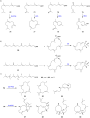
Allostreptopyrroles A–E, β-alkylpyrrole derivatives from an actinomycete Allostreptomyces sp. RD068384
Beilstein J. Org. Chem. 2024, 20, 1981–1987, doi:10.3762/bjoc.20.174
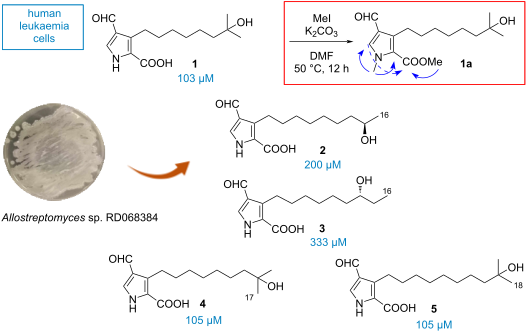
- substitution patterns are different (Figure 1). Natural alkylpyrroles were shown to have cytotoxicity [27], antidiabetic activity [28], anti-lipid peroxidation [12], in vivo antihypoxic activity [12], and antibacterial activity [15]. Though not impressive in cytotoxicity and tyrosinase-inhibitory evaluations


2-Heteroarylethylamines in medicinal chemistry: a review of 2-phenethylamine satellite chemical space
Beilstein J. Org. Chem. 2024, 20, 1880–1893, doi:10.3762/bjoc.20.163
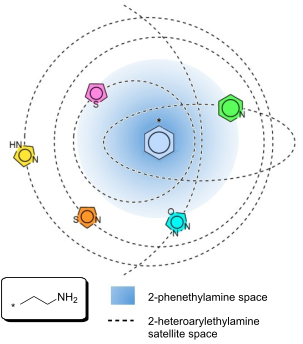
- )-[3H]-baclofen displacement. QSAR studies have been developed in order to examine the pivotal role of the aromatic moiety of baclofen-like compounds [25]. In this sense, the QSAR equation revealed HOMO/LUMO orbital energies are critical for a high correlation with binding strength. An in vivo




The Groebke–Blackburn–Bienaymé reaction in its maturity: innovation and improvements since its 21st birthday (2019–2023)
Beilstein J. Org. Chem. 2024, 20, 1839–1879, doi:10.3762/bjoc.20.162
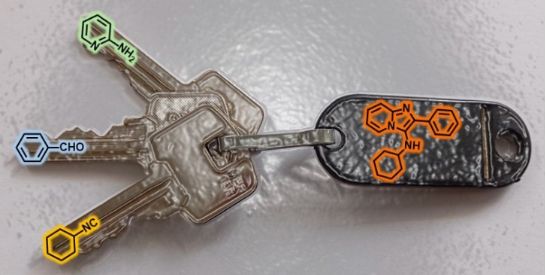
- -free conditions at room temperature for 2 h [16]. Although thiamine had already been reported to be effective in other chemical transformations and its role in carbonyl activation in vivo through its thiazole ring is well known, no mechanism of action in the GBB condensation was proposed by the authors






Chemo-enzymatic total synthesis: current approaches toward the integration of chemical and enzymatic transformations
Beilstein J. Org. Chem. 2024, 20, 1693–1712, doi:10.3762/bjoc.20.151
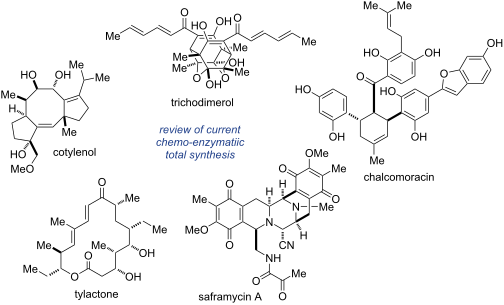
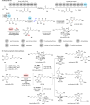
- identification” (Scheme 5B) [52][53][54]. In addition, the utilization of MaDA allowed the chemo-enzymatic total synthesis of 3 and related natural products (Scheme 5C). To identify the Diels–Alderase (MaDA), the research group initially demonstrated an in vivo enzymatic reaction by treating chemically
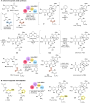
- catalysis with chemical synthesis [86]. By taking advantage of the chemo-enzymatically accessible 4, Sherman and co-workers further implemented the systematic total synthesis of juvenimicins and the M-4365 series via enzymatic and chemical late-stage modifications (Scheme 8B) [68]. In vivo glycosylation
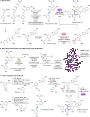
- mechanism of tylactone (4) in Streptomyces fradiae. (A) Chemical synthesis and cascade enzymatic transformations of cyclization precursors. (B) Late-stage modifications of chemo-enzymatically synthesized aglycone 4 utilizing in vivo/in vitro enzymatic transformations and chemical conversions. Proposed




Methyltransferases from RiPP pathways: shaping the landscape of natural product chemistry
Beilstein J. Org. Chem. 2024, 20, 1652–1670, doi:10.3762/bjoc.20.147
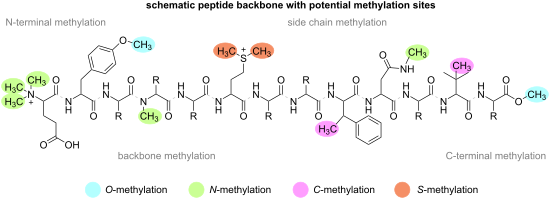
- the tyrosine and isoleucine side chains, and then N-methylation is installed by UstM on the N-terminal tyrosine residue [91][92]. Another member of the dikaritin family is phomopsin. All phomopsins contain at least one N-methylated tyrosine. In vivo studies have attributed the MT activity to PhonM
- promising potential for biocatalytic applications, accepting a wide range of different precursor substrates. In many cases, these substrate scope analyses are performed by co-expressing different precursor peptides with the MT – in such in vivo systems, SAM supply or SAM regeneration is not required





Cofactor-independent C–C bond cleavage reactions catalyzed by the AlpJ family of oxygenases in atypical angucycline biosynthesis
Beilstein J. Org. Chem. 2024, 20, 1198–1206, doi:10.3762/bjoc.20.102
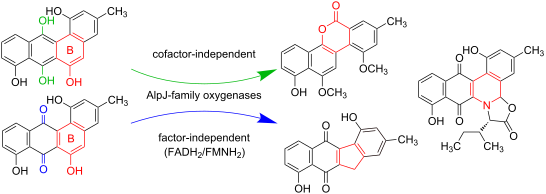
- as direct substrates for AlpJ-family oxygenases. However, the dominant biosynthetic pathway in vivo remains unclear. Given that 8 has been experimentally validated as the authentic product of the JadH/AlpG-catalyzed reaction, it is recognized as a bona fide intermediate in angucycline biosynthesis
- [25]. On the other hand, the origin of 1, spontaneously derived from 8 under aerobic conditions, raises uncertainties about the actual production in vivo. Furthermore, the significance of the C12 hydroxy group in the hydroquinone intermediate 11 is evident in subsequent reactions, including the




Enhancing structural diversity of terpenoids by multisubstrate terpene synthases
Beilstein J. Org. Chem. 2024, 20, 959–972, doi:10.3762/bjoc.20.86
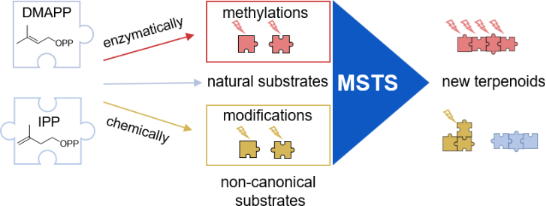
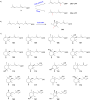
- characterized using in vitro assays. The in vivo activities of MSTSs were revealed by the development of an efficient precursor-providing chassis. The inherent features of MSTSs not only increase the structural diversity of terpenoids but also underscore their potential for generating new terpenoids through
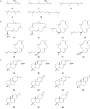
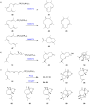
- ][20], and C15 and C20 [18]. For instance, PamTps1 from Plectranthus amboinicus (Lour.) Spreng has been characterized as bifunctional in converting compounds 3 and 4, respectively, to 6 and 7 both in vivo and in vitro (Table 1) [17]. In addition to the bifunctional plant TSs, a few plant MSTSs have
- enzymes (Table 1) [18]. A TPS-f subfamily enzyme CoTPS5 from Cananga odorata has been characterized to convert 3 to (E)-β-ocimene (9), 4 to 8, and 5 to diterpene α-springene (10) (Figure 2) [22]. Both in vitro assays and in vivo transgenic expression of CoTPS5 confirmed the absence of side products







Activity assays of NnlA homologs suggest the natural product N-nitroglycine is degraded by diverse bacteria
Beilstein J. Org. Chem. 2024, 20, 830–840, doi:10.3762/bjoc.20.75
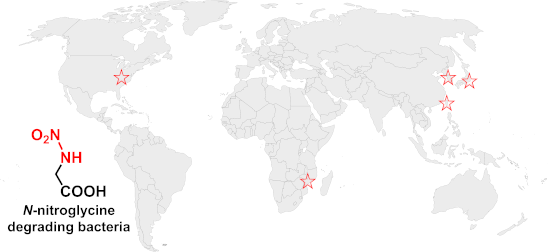
- noursei, an NNG-producing bacterium, did not reveal any NnlA homologs. Interestingly, four NMOs are annotated in the S. noursei genome. These enzymes could protect S. noursei from NNG toxicity during its biosynthesis. Meanwhile, we posit that NnlA protects non-NNG producing bacteria from exposure. In vivo




Discovery and biosynthesis of bacterial drimane-type sesquiterpenoids from Streptomyces clavuligerus
Beilstein J. Org. Chem. 2024, 20, 815–822, doi:10.3762/bjoc.20.73
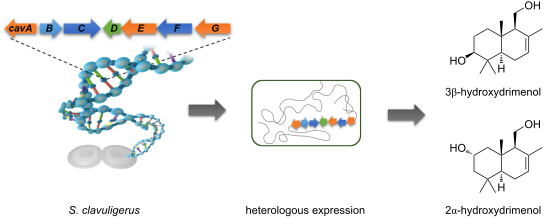
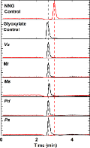
- more closely, eight compounds were chosen for this study (Figure 4a). Due to the insolubility of CavA in E. coli, the study employed in vivo substrate screening. The S. avermitilis SUKA22 DL10089 was cultivated in XTM medium with the supplement of various substrates for five days. HPLC analysis
- of DMTs. The in vivo experiments further expanded the substrate scope of CavA to include albicanol (5) and drim-8-ene-11-ol (6), showcasing the enzyme's biocatalytic potential. This study establishes a foundation for biocatalysts targeting the A-ring of drimenol, which might be beneficial for the


Synthesis of new representatives of A3B-type carboranylporphyrins based on meso-tetra(pentafluorophenyl)porphyrin transformations
Beilstein J. Org. Chem. 2024, 20, 767–776, doi:10.3762/bjoc.20.70
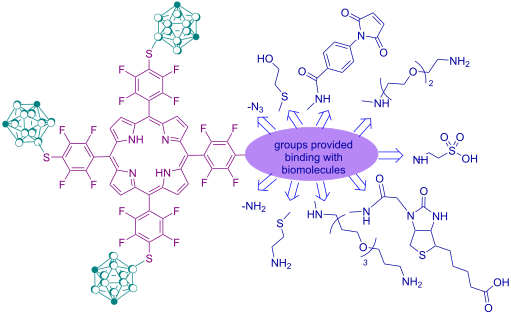
- [8]. Further improvement of the PDT method requires the search for new photosensitizers having higher photoactivity, tumor selectivity, and high singlet oxygen quantum yield, as well as low in vivo toxicity [7]. Therefore, some strategies have been developed to enhance the therapeutic efficiency of
- compounds in drug development [34][35][36][37]. Owing to their stability, carboranes also may increase the in vivo stability and bioavailability of pharmaceuticals that might otherwise rapidly metabolize [38]. The functionalization of porphyrins with carborane clusters provides dual-action photo(radio



Research progress on the pharmacological activity, biosynthetic pathways, and biosynthesis of crocins
Beilstein J. Org. Chem. 2024, 20, 741–752, doi:10.3762/bjoc.20.68
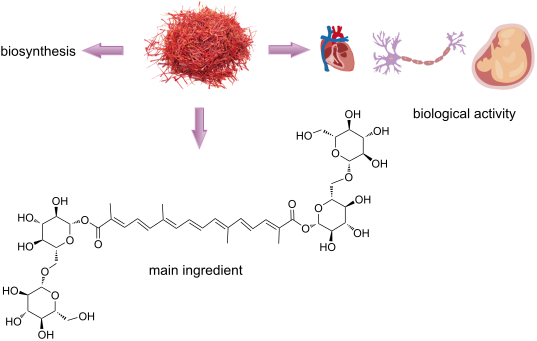
- . The CsCCD2(S323A) mutant could also catalyze the conversion of β-carotene (6) to 1 [91]. BdCCD4.1 and BdCCD4.3, the homologs of CsCCD2 from B. davidii, were discovered by bioinformatic analysis. In vitro and in vivo experiments demonstrated that these two enzymes could cleave zeaxanthin (7), but the
- clearance in vivo. Only a few plants can produce crocins, and the content of crocins in these plants is very low. Due to the numerous chiral centers, the total synthesis of crocins is challenging. Therefore, heterologous biosynthesis of crocins utilizing the synthetic biology strategy holds great potential


Chemoenzymatic synthesis of macrocyclic peptides and polyketides via thioesterase-catalyzed macrocyclization
Beilstein J. Org. Chem. 2024, 20, 721–733, doi:10.3762/bjoc.20.66
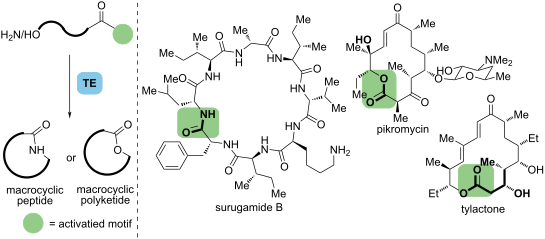
- contrast to Kang’s chemical synthesis route, this biotransformation provided a more efficient and productive strategy for the desoaminylation of macrolide aglycones. Combining in vitro and in vivo enzymatic reactions together, this chemoenzymatic platform exhibits the potential to access a broader range of
- macrolactonization, leading to the formation of tylactone (39) in 69% yield. Furthermore, the Streptomyces strain S. venezuelae DHS316 [76] performed an in vivo glycosylation resulting in M-4365 G1 (50) in 15 linear steps and 4.6% overall yield from commercial resources. With regio- and stereoselective C–H
- clinical trials for the treatment of non-small-cell lung cancer and platinum-resistant ovarian cancer, but was halted in phase II due to dose-limiting peripheral neuropathy and limited efficacy in vivo [80]. However, this family of depsipeptides remains of therapeutic significance and has recently been


A myo-inositol dehydrogenase involved in aminocyclitol biosynthesis of hygromycin A
Beilstein J. Org. Chem. 2024, 20, 589–596, doi:10.3762/bjoc.20.51
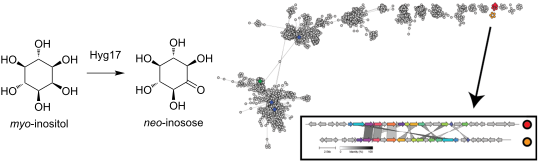
- aminocyclitol moieties. The biosynthesis of the aminocyclitol has been proposed to proceed through six enzymatic steps from glucose 6-phosphate through myo-inositol to the final methylenedioxy-containing aminocyclitol. Although there is some in vivo evidence for this proposed pathway, biochemical support for
- essential for in vivo antimicrobial activity suggesting a distinct biological function independent of ribosome binding. The hygromycin A biosynthetic gene cluster has been identified and the biosynthesis of the aminocyclitol has been proposed (Figure 1) [8][9]. Starting from glucose-6-phosphate, the pathway
- annotations and in vivo studies [8]. However, validation by in vitro approaches or biochemical analysis of the individual enzymes is lacking. Here, we verify that Hyg17 is a myo-inositol dehydrogenase and show that it has a distinct substrate scope. In addition, we use sequence similarity networks to compare


Synthesis and biological profile of 2,3-dihydro[1,3]thiazolo[4,5-b]pyridines, a novel class of acyl-ACP thioesterase inhibitors
Beilstein J. Org. Chem. 2024, 20, 540–551, doi:10.3762/bjoc.20.46
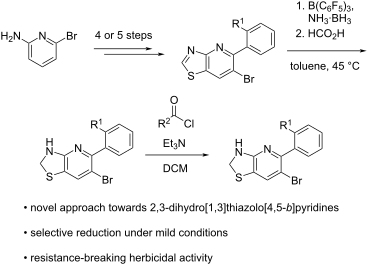
- (i.e., 13b) and 3.17 (i.e., 13c). We were thus curious to see how the structural change from a heteroaromatic thiazole unit to a partially saturated thiazoline moiety affected the in vitro and in vivo efficacy of the target compounds. All compounds that were prepared to explore the SAR of substituted
- 2,3-dihydro[1,3]thiazolo[4,5-b]pyridines, i.e., 13a–c, and 7a–c, the acylated analogues 14a–c and 16a–f, as well as selected aminoboranes 17d and 17e, were tested for target affinity in dedicated in vitro tests, as well as for herbicidal effects in vivo upon preemergence application to plants. Based
- from LEMPA could be observed for all three target compounds 7a–c (pI50 5.9–6.3, Table 2, entries 1–3). However, this was paired with strong in vivo efficacy on the level of internal standard 5 and exceeding the results obtained for cinmethylin (1) and methiozolin (2). Whilst compounds 7a–c afforded


Switchable molecular tweezers: design and applications
Beilstein J. Org. Chem. 2024, 20, 504–539, doi:10.3762/bjoc.20.45
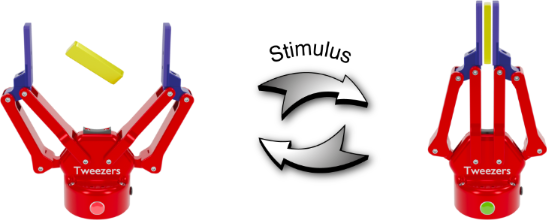
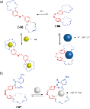
- release of siRNA or miRNA encapsulated within them into the solution in vitro and in vivo [21]. The closed conformation of 2 with parallel alkyl chains acts as a building block of the bilayer membrane and is packed together with other lipids. When the surrounding medium becomes acidic, the tweezers adopt




Synthesis of ether lipids: natural compounds and analogues
Beilstein J. Org. Chem. 2023, 19, 1299–1369, doi:10.3762/bjoc.19.96
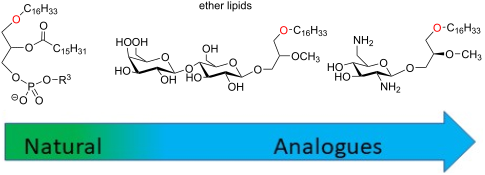
- with the development of edelfosine (an anticancer drug). More recently, ohmline, a glyco glycero ether lipid that modulates selectively SK3 ion channels and reduces in vivo the occurrence of bone metastases, and other glyco glycero ether also identified as GAEL (glycosylated antitumor ether lipids
- generally more abundant in cancer tissues than in normal human tissues [14]. It was also reported that the rate of neutral ether lipids in cancer cell line (quantified in vitro) was correlated to the tumorigenicity of the cancer cell lines in vivo [15]. However, the improvement of the analytical technics
- of glycerol is readily hydrolyzed in vivo and in serum [100][101]. With the aim to produce more stable compounds, the modification of the sn-2 position of the glycerol was reported. A first option consisted in placing a carbamate function leading to the synthesis of methyl carbamoyl-PAF (1-O






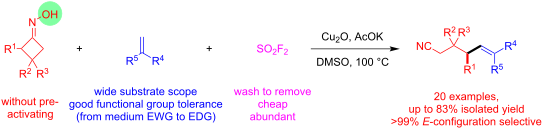
Synthesis of aliphatic nitriles from cyclobutanone oxime mediated by sulfuryl fluoride (SO2F2)
Beilstein J. Org. Chem. 2023, 19, 901–908, doi:10.3762/bjoc.19.68
- interaction between the drug candidate and the target protein, to further improve the efficacy of the potential drug [9]. The nitrile group can also function as a metabolic blocking site to inhibit the oxidative metabolism of molecules to improve metabolic stability in vivo [10]. Consequently, the development


Asymmetric synthesis of a stereopentade fragment toward latrunculins
Beilstein J. Org. Chem. 2023, 19, 428–433, doi:10.3762/bjoc.19.32
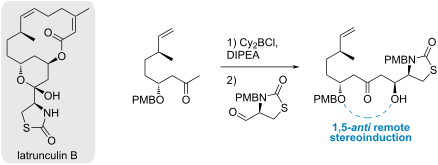
- synthesize latrunculin analogues for chemical biology studies. In particular, our initial goal was to protect an inactive lactol-opened form of latrunculins, which could cyclize in vivo upon deprotection under a specific stimulus (light or enzyme, for instance) for biological applications. This challenge




Recommendations for performing measurements of apparent equilibrium constants of enzyme-catalyzed reactions and for reporting the results of these measurements
Beilstein J. Org. Chem. 2023, 19, 303–316, doi:10.3762/bjoc.19.26
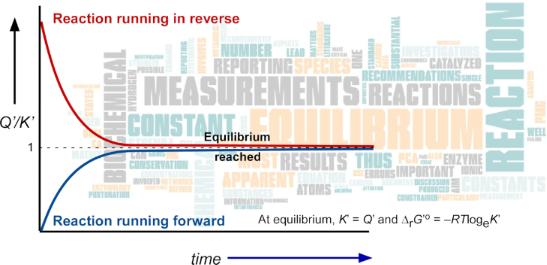
- enzyme-catalyzed reactions and to gain insight into the operation and modeling of metabolic pathways [3] and genome wide networks [4], particularly if one has limited in vivo measurements of the substances in the pathway [5][6]. However, we have observed that a fair number of investigators overlooked

Strategies to access the [5-8] bicyclic core encountered in the sesquiterpene, diterpene and sesterterpene series
Beilstein J. Org. Chem. 2023, 19, 245–281, doi:10.3762/bjoc.19.23


Insight into oral amphiphilic cyclodextrin nanoparticles for colorectal cancer: comprehensive mathematical model of drug release kinetic studies and antitumoral efficacy in 3D spheroid colon tumors
Beilstein J. Org. Chem. 2023, 19, 139–157, doi:10.3762/bjoc.19.14
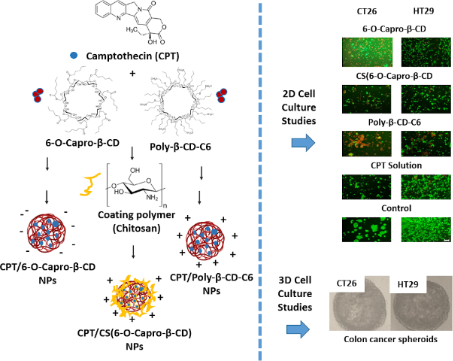
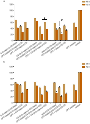
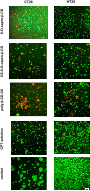
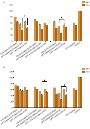
- , and furthermore in vivo antitumoral and antimetastatic efficacy in early and late-stage colon cancer models and biodistribution after single dose oral administration. This study was carried out to further elucidate oral camptothecin (CPT)-loaded amphiphilic cyclodextrin nanoparticles for the local
- treatment of colorectal tumors in terms of their drug release behavior and efficacy in 3-dimensional tumor models to predict the in vivo efficacy of different nanocarriers. The main objective was to build a bridge between formulation development and in vitro phase and animal studies. In this context, CPT
- delivery system, developed in our previous research for the treatment of CRC to build a bridge between in vitro characterization and in vivo animal efficacy studies and to establish a screening tool for nanoparticulate formulations for poorly bioavailable anticancer drugs administered through a non




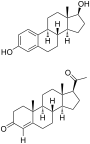
Inclusion complexes of the steroid hormones 17β-estradiol and progesterone with β- and γ-cyclodextrin hosts: syntheses, X-ray structures, thermal analyses and API solubility enhancements
Beilstein J. Org. Chem. 2022, 18, 1749–1762, doi:10.3762/bjoc.18.184
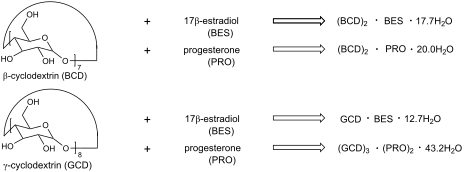
- -CD. It is notable that these measured solubilities are also superior to those of the commercially utilized formulations containing ethinylestradiol and micronized progesterone. Further investigation should include in vivo experimentation to assess the efficacy of the four CD inclusion complexes as



New triazole-substituted triterpene derivatives exhibiting anti-RSV activity: synthesis, biological evaluation, and molecular modeling
Beilstein J. Org. Chem. 2022, 18, 1524–1531, doi:10.3762/bjoc.18.161
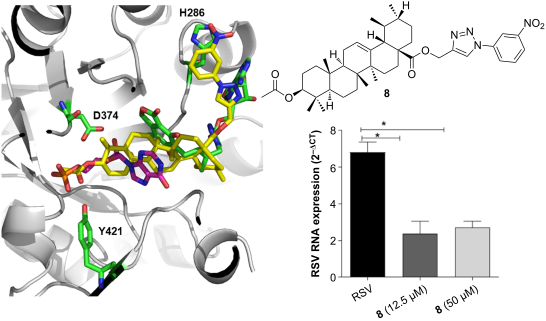
- financial support from Brazilian Agencies CNPq and CAPES. The authors are also grateful to the Graduate Programme in Pharmaceutical Sciences (PPGCF/UFRGS) according to these: Obtenção De Derivados Triterpenos Semissintéticos Com Atividade Antitumoral E Antiviral In Vitro E In Vivo. PhD Thesis 2016


On drug discovery against infectious diseases and academic medicinal chemistry contributions
Beilstein J. Org. Chem. 2022, 18, 1355–1378, doi:10.3762/bjoc.18.141
- , parallel/combinatorial synthesis, multicomponent chemistry, metal-catalyzed coupling reactions as well as NMR, preparative/analytical liquid chromatography and mass spectrometry). – An improved understanding of molecular pharmacology along with in vitro or in vivo assays to detect various aspects of drug
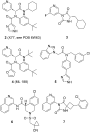
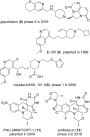
- second original class of bacterial gyrases inhibitors. In 2004, the nitro-bearing derivative 11, resulting from a high-throughput phenotypic-based screening, was patented by Pharmacia/Pfizer for its antibacterial properties [122][123]. Even if this compound was also effective in vivo, many synthesis and
- evaluation iterations were undertaken at Astra Zeneca to reach, in 2014, zoliflodacin (12) [124] which is currently undergoing a phase 3 clinical trial, sponsored by Entasis Therapeutics [125]. Interestingly, further synthetic work is going on [126][127], including on original analogues active in vivo







Make or break: the thermodynamic equilibrium of polyphosphate kinase-catalysed reactions
Beilstein J. Org. Chem. 2022, 18, 1278–1288, doi:10.3762/bjoc.18.134
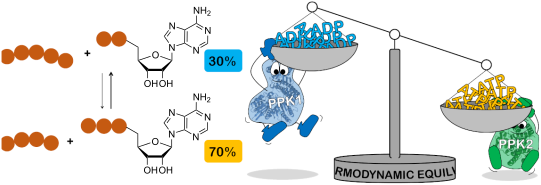
- (phosphoenolpyruvate as phosphate donor) is strongly favouring ATP synthesis both in vivo and in vitro, this reaction was originally considered to be irreversible in cells and a point of flux control. Newer findings showed the reaction to be actually an equilibrium, although positioned far on the product side [27][28





