


Search results
Search for "silyl enol ether" in Full Text gives 50 result(s) in Beilstein Journal of Organic Chemistry.
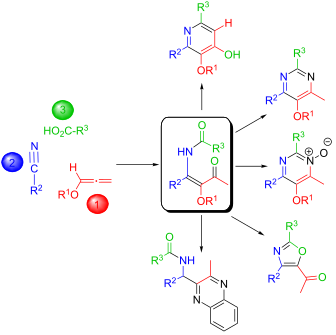
The LANCA three-component reaction to highly substituted β-ketoenamides – versatile intermediates for the synthesis of functionalized pyridine, pyrimidine, oxazole and quinoxaline derivatives
- Tilman Lechel,
- Roopender Kumar,
- Mrinal K. Bera,
- Reinhold Zimmer and
- Hans-Ulrich Reissig
Beilstein J. Org. Chem. 2019, 15, 655–678, doi:10.3762/bjoc.15.61
- starting material. The efficient conversion of the acetyl group into the corresponding silyl enol ether moiety delivered OX18 that may be used for further transformations. Alternatively, OX7 and phenyl hydrazine afforded the corresponding hydrazone OX19 in excellent yield that was further treated with

Graphical Abstract

Scheme 1: Discovery of the LANCA three-component reaction. The reaction of pivalonitrile (1) with lithiated m...

Scheme 2: Proposed mechanism of the LANCA three-component reaction to β-ketoenamides KE and pyridin-4-ol deri...

Scheme 3: One-pot preparation of pyridin-4-ols PY and their subsequent transformations to highly substituted ...

Scheme 4: Synthesis of β-ketoenamides KE by the LANCA three-component reaction of alkoxyallenes, nitriles and...

Scheme 5: β-Ketoenamides KE36–43 derived from enantiopure components.

Scheme 6: Bis-β-ketoenamides KE44–46 derived from aromatic dicarboxylic acids.

Scheme 7: Conversion of alkyl propargyl ethers E into aryl-substituted β-ketoenamides KEAr and selected produ...

Scheme 8: Condensation of LANCA-derived β-ketoenamides KE with ammonium salts to give 5-alkoxy-substituted py...

Scheme 9: Synthesis of PM31–35 from β-ketoenamides KE37, KE38, KE40, KE41 and KE78 obtained by method A (NH4O...
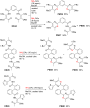
Scheme 10: Synthesis of bis-pyrimidine derivatives PM36, PM39 and PM40 from β-ketoenamides KE44–46 by method A...
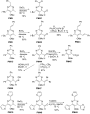
Scheme 11: Functionalization of pyrimidine derivatives PM through selenium dioxide oxidations of PM5, PM9, PM15...

Scheme 12: Conversion of 2-vinyl-substituted pyrimidine PM7 into aldehyde PM50; (NMO = N-methylmorpholine N-ox...

Scheme 13: Deprotection of 5-alkoxy-substituted pyrimidines PM2, PM20 and PM29 and conversion into nonaflates ...

Scheme 14: Palladium-catalyzed coupling reactions of PM54 and PM12 giving rise to new pyrimidine derivatives P...

Scheme 15: Synthesis of pyrimidyl-substituted pyridyl nonaflate PM60.

Scheme 16: Condensation of LANCA-derived β-ketoenamides KE with hydroxylamine hydrochloride leading to pyrimid...

Scheme 17: Reactions of β-ketoenamides KE15 and KE7 with hydroxylamine hydrochloride leading to pyrimidine N-o...

Scheme 18: Structures of pyrimidine N-oxides PO30–33 derived from β-ketoenamides KE43, KE45, KE78 and KE80.
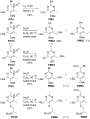
Scheme 19: Reduction of PO4 to PM5 and Boekelheide rearrangements of PO13, PO14, PO4 and PO30 to 4-acetoxymeth...

Scheme 20: Deprotection of 4-acetoxymethyl-substituted pyrimidine derivatives PM61 and PM63, oxidations to for...

Scheme 21: Synthesis of pyrimidinyl-substituted alkyne PM74 and conversion into furopyrimidine PM75 and Sonoga...

Scheme 22: Trifluoroacetic acid-promoted conversion of LANCA-derived β-ketoenamides KE into oxazoles OX and 1,...

Scheme 23: Conversion of β-ketoenamide KE79 into oxazole OX16 and transformation into 5-styryl-substituted oxa...

Scheme 24: Mechanisms of the formation of 1,2-diketones DK and of acetyl-substituted oxazole derivatives OX.

Scheme 25: Hydrogenolyses of benzyloxy-substituted β-ketoenamides KE52 and KE54 to 1,2-diketone DK14 and to di...

Scheme 26: Conversions of 2,4-dicyclopropyl-substituted oxazole OX7 into oxazole derivatives OX18–20 (PPA = po...

Scheme 27: Syntheses of vinyl and ethynyl-substituted oxazole derivatives OX21 and OX23 and their palladium-ca...

Scheme 28: Synthesis of C3-symmetric oxazole derivative OX28 and the STM current image of its 1-phenyloctane s...

Scheme 29: Condensation of 1,2-diketones DK with o-phenylenediamine to quinoxalines QU1–7 (CAN = cerium ammoni...
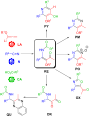
Scheme 30: The LANCA three-component reaction leading to β-ketoenamides KE and the structure of functionalized...
6’-Fluoro[4.3.0]bicyclo nucleic acid: synthesis, biophysical properties and molecular dynamics simulations
- Sibylle Frei,
- Andrei Istrate and
- Christian J. Leumann
Beilstein J. Org. Chem. 2018, 14, 3088–3097, doi:10.3762/bjoc.14.288
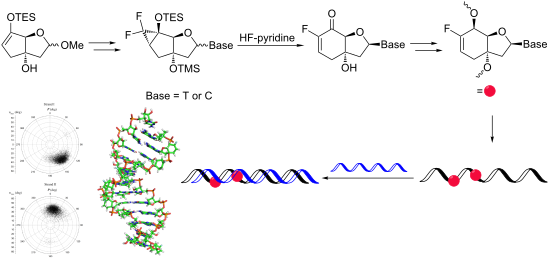
- that the type of silyl enol ether drastically influenced the yield of the corresponding siloxydifluorocyclopropane. Whereas the TMS enol ethers were not suitable for the reaction due to instability of the silyl group, the tert-butyldimethylsilyl (TBDMS) enol ethers were poorly reactive most likely due
- successful synthesis of the two 6’F-bc4,3 pyrimidine phosphoramidite building blocks 10 and 16 starting from a bicyclic silyl enol ether. The key step in the synthesis was the transformation of a gem-difluorinated tricyclic nucleoside into a ring-enlarged bicyclic fluoroenone by simultaneous desilylation and

Graphical Abstract

Figure 1: Chemical structure of selected nucleic acid analogs.

Scheme 1: Synthesis of the gem-difluorinated glycal 4 from the silyl enol ethers 1α/β. Reagents and condition...

Scheme 2: Synthesis of the thymidine phosphoramidite building block 10. Reagents and conditions: a) i) thymin...

Scheme 3: Synthesis of the cytidine phosphoramidite building block 16. Reagents and conditions: a) Ac2O, pyri...

Figure 2: Proposed mechanism for the formation of the 5’-phosphorylated fragments during the oxidation step i...

Figure 3: a) Potential energy profile versus pseudorotation phase angle of nucleoside 8 and its two minimal e...

Figure 4: Average structures of the a) 6’F-bc4,3-DNA/DNA, b) 6’F-bc4,3-DNA/RNA, and c) 6’F-bc4,3-DNA/6’F-bc4,3...

Figure 5: Preferred sugar pucker of a) 6’F-bc4,3-DNA/DNA, and b) 6’F-bc4,3-DNA/RNA duplexes and torsion angle...
Synthesis of cis-hydrindan-2,4-diones bearing an all-carbon quaternary center by a Danheiser annulation
- Gisela V. Saborit,
- Carlos Cativiela,
- Ana I. Jiménez,
- Josep Bonjoch and
- Ben Bradshaw
Beilstein J. Org. Chem. 2018, 14, 2597–2601, doi:10.3762/bjoc.14.237

- presence of bases (e.g., DBU) [12], Pd-catalyzed cycloalkenylation of a silyl enol ether [13], or base-promoted ynone carbocyclizations [14][15]. Another approach through an aldol cyclization, forming the C1–C7a bond instead, has also been reported [16]. Different strategies were developed by Overman

Graphical Abstract

Figure 1: Previous synthetic approaches to 3a-substituted cis-hydrindan-2,4-diones.

Scheme 1: Decahydroquinoline 1 as a versatile building block for Lycopodium alkaloid synthesis.

Figure 2: Examples of Lycopodium alkaloids synthesized from 3a-substituted hydrindan-2,4-diones.

Scheme 2: A de novo approach to 3a-substituted cis-hydrindan-2,4-diones.

Scheme 3: Synthesis of enone 4 and the Danheiser annulation. The depicted compounds are all racemic.

Scheme 4: Transformation of the vinylsilane moiety to ketone 8.

Figure 3: Stereoview of cis-hydrindane 8.
One hundred years of benzotropone chemistry
- Arif Dastan,
- Haydar Kilic and
- Nurullah Saracoglu
Beilstein J. Org. Chem. 2018, 14, 1120–1180, doi:10.3762/bjoc.14.98

Graphical Abstract

Scheme 1: Tropone (1), tropolone (2) and their resonance structures.

Figure 1: Natural products containing a tropone nucleus.

Figure 2: Possible isomers 11–13 of benzotropone.

Scheme 2: Synthesis of benzotropones 11 and 12.

Scheme 3: Oxidation products of benzotropylium fluoroborate (16).

Scheme 4: Oxidation of 7-bromo-5H-benzo[7]annulene (22).

Scheme 5: Synthesis of 4,5-benzotropone (11) using o-phthalaldehyde (27).

Scheme 6: Synthesis of 4,5-benzotropone (11) starting from oxobenzonorbornadiene 31.

Scheme 7: Acid-catalyzed cleavage of oxo-bridge of 34.

Scheme 8: Synthesis of 4,5-benzotropone (11) from o-xylylene dibromide (38).

Scheme 9: Synthesis of 4,5-benzotropone (11) via the carbene adduct 41.

Scheme 10: Heck coupling strategy for the synthesis of 11.

Scheme 11: Synthesis of benzofulvalenes via carbonyl group of 4,5-benzotropone (11).

Figure 3: Some cycloheptatrienylium cations.

Scheme 12: Synthesis of condensation product 63 and its subsequent oxidative cyclization products.

Figure 4: A novel series of benzo[7]annulenes prepared from 4,5-benzotropone (11).

Scheme 13: Preparation of substituted benzo[7]annulene 72 using the Mukaiyama-Michael reaction.

Figure 5: Possible benzo[7]annulenylidenes 73–75.

Scheme 14: Thermal and photochemical decomposition of 7-diazo-7H-benzo[7]annulene (76) and the trapping of int...

Scheme 15: Synthesis of benzoheptafulvalene 86.

Scheme 16: Synthesis of 7-(diphenylmethylene)-7H-benzo[7]annulene (89).

Scheme 17: Reaction of 4,5-benzotropone (11) with dimethyl diazomethane.

Scheme 18: Synthesis of dihydrobenzomethoxyazocine 103.

Scheme 19: Synthesis and reducibility of benzo-homo-2-methoxyazocines.

Scheme 20: Synthesis of 4,5-benzohomotropones 104 and 115 from 4,5-benzotropones 11 and 113.

Scheme 21: A catalytic deuterogenation of 4,5-benzotropone (11) and synthesis of 5-monosubstituted benzo[7]ann...

Scheme 22: Synthesis of methyl benzo[7]annulenes 131 and 132.

Scheme 23: Ambident reactivity of halobenzo[7]annulenylium cations 133a/b.

Scheme 24: Preparation of benzo[7]annulenylidene–iron complexes 147.

Scheme 25: Synthesis of 1-ethynylbenzotropone (150) and the etheric compound 152 from 4,5-benzotropone (11) wi...

Scheme 26: Thermal decomposition of 4,5-benzotropone (11).

Scheme 27: Reaction of 4,5-benzotropone (11) with 1,2-ethanediol and 1,2-ethanedithiol.

Scheme 28: Conversions of 1-benzosuberone (162) to 2,3-benzotropone (12).

Scheme 29: Synthesis strategies for 2,3-bezotropone (12) using 1-benzosuberones.

Scheme 30: Oxidation-based synthesis of 2,3-benzotropone (12) via 1-benzosuberone (162).

Scheme 31: Synthesis of 2,3-benzotropone (12) from α-tetralone (171) via ring-expansion.

Scheme 32: Preparation of 2,3-benzotropone (12) by using of benzotropolone 174.

Figure 6: Benzoheptafulvenes as condensation products of 2,3-benzotropone (12).

Scheme 33: Conversion of 2,3-benzotropone (12) to tosylhydrazone salt 182 and gem-dichloride 187.

Figure 7: Benzohomoazocines 191–193 and benzoazocines 194–197.

Scheme 34: From 2,3-benzotropone (12) to carbonium ions 198–201.

Scheme 35: Cycloaddition reactions of 2,3-benzotropone (12).
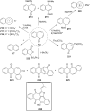
Scheme 36: Reaction of 2,3-benzotropone (12) with various reagents and compounds.

Figure 8: 3,4-Benzotropone (13) and its resonance structure.

Scheme 37: Synthesis of 6,7-benzobicyclo[3.2.0]hepta-3,6-dien-2-one (230).

Figure 9: Photolysis and thermolysis products of 230.

Figure 10: Benzotropolones and their tautomeric structures.

Scheme 38: Synthesis strategies of 4,5-benzotropolone (238).

Scheme 39: Synthesis protocol for 2-hydroxy-4,5-benzotropone (238) using oxazole-benzo[7]annulene 247.

Figure 11: Some quinoxaline and pyrazine derivatives 254–256 prepared from 4,5-benzotropolone (238).

Scheme 40: Nitration product of 4,5-benzotropolone (238) and its isomerization to 1-nitro-naphthoic acid (259)....

Scheme 41: Synthesis protocol for 6-hydroxy-2,3-benzotropone (239) from benzosuberone (162).
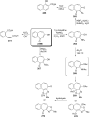
Scheme 42: Various reactions via 6-hydroxy-2,3-benzotropone (239).

Scheme 43: Photoreaction of 6-hydroxy-2,3-benzotropone (239).

Scheme 44: Synthesis of 7-hydroxy-2,3-benzotropone (241) from benzosuberone (162).

Scheme 45: Synthesis strategy for 7-hydroxy-2,3-benzotropone (241) from ketone 276.

Scheme 46: Synthesis of 7-hydroxy-2,3-benzotropone (241) from β-naphthoquinone (280).

Scheme 47: Synthesis of 7-hydroxy-2,3-benzotropone (241) from bicyclic endoperoxide 213.

Scheme 48: Synthesis of 7-hydroxy-2,3-benzotropone (241) by ring-closing metathesis.

Figure 12: Various monosubstitution products 289–291 of 7-hydroxy-2,3-benzotropone (241).

Scheme 49: Reaction of 7-hydroxy-2,3-benzotropone (241) with various reagents.

Scheme 50: Synthesis of 4-hydroxy-2,3-benzotropones 174 and 304 from diketones 300/301.

Scheme 51: Catalytic hydrogenation of diketones 300 and 174.

Scheme 52: Synthesis of halo-benzotropones from alkoxy-naphthalenes 306, 307 and 310.

Figure 13: Unexpected byproducts 313–315 during synthesis of chlorobenzotropone 309.

Figure 14: Some halobenzotropones and their cycloadducts.

Scheme 53: Multisep synthesis of 2-chlorobenzotropone 309.

Scheme 54: A multistep synthesis of 2-bromo-benzotropone 26.

Scheme 55: A multistep synthesis of bromo-2,3-benzotropones 311 and 316.

Scheme 56: Oxidation reactions of 8-bromo-5H-benzo[7]annulene (329) with some oxidants.

Scheme 57: Synthesis of 2-bromo-4,5-benzotropone (26).

Scheme 58: Synthesis of 6-chloro-2,3-benzotropone (335) using LiCl and proposed intermediate 336.

Scheme 59: Reaction of 7-bromo-2,3-benzotropone (316) with methylamine.

Scheme 60: Reactions of bromo-2,3-benzotropones 26 and 311 with dimethylamine.

Scheme 61: Reactions of bromobenzotropones 311 and 26 with NaOMe.

Scheme 62: Reactions of bromobenzotropones 26 and 312 with t-BuOK in the presence of DPIBF.

Scheme 63: Cobalt-catalyzed reductive cross-couplings of 7-bromo-2,3-benzotropone (316) with cyclic α-bromo en...

Figure 15: Cycloadduct 357 and its di-π-methane rearrangement product 358.

Scheme 64: Catalytic hydrogenation of 2-chloro-4,5-benzotropone (311).

Scheme 65: Synthesis of dibromo-benzotropones from benzotropones.

Scheme 66: Bromination/dehydrobromination of benzosuberone (162).

Scheme 67: Some transformations of isomeric dibromo-benzotropones 261A/B.

Scheme 68: Transformations of benzotropolone 239B to halobenzotropolones 369–371.

Figure 16: Bromobenzotropolones 372–376 and 290 prepared via bromination/dehydrobromination strategy.

Scheme 69: Synthesis of some halobenzotropolones 289, 377 and 378.

Figure 17: Bromo-chloro-derivatives 379–381 prepared via chlorination.

Scheme 70: Synthesis of 7-iodo-3,4-benzotropolone (382).

Scheme 71: Hydrogenation of bromobenzotropolones 369 and 370.

Scheme 72: Debromination reactions of mono- and dibromides 290 and 375.

Figure 18: Nitratation and oxidation products of some halobenzotropolenes.
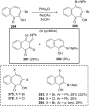
Scheme 73: Azo-coupling reactions of some halobenzotropolones 294, 375 and 378.

Figure 19: Four possible isomers of dibenzotropones 396–399.

Figure 20: Resonance structures of tribenzotropone (400).

Scheme 74: Two synthetic pathways for tribenzotropone (400).

Scheme 75: Synthesis of tribenzotropone (400) from dibenzotropone 399.

Scheme 76: Synthesis of tribenzotropone (400) from 9,10-phenanthraquinone (406).

Scheme 77: Synthesis of tribenzotropone (400) from trifluoromethyl-substituted arene 411.

Figure 21: Dibenzosuberone (414).

Figure 22: Reduction products 415 and 416 of tribenzotropone (400).

Figure 23: Structures of tribenzotropone dimethyl ketal 417 and 4-phenylfluorenone (412) and proposed intermed...

Figure 24: Structures of benzylidene- and methylene-9H-tribenzo[a,c,e][7]annulenes 419 and 420 and chiral phos...

Figure 25: Structures of tetracyclic alcohol 422, p-quinone methide 423 and cation 424.

Figure 26: Structures of host molecules 425–427.

Scheme 78: Synthesis of non-helical overcrowded derivatives syn/anti-431.

Figure 27: Hexabenzooctalene 432.

Figure 28: Structures of possible eight isomers 433–440 of naphthotropone.

Scheme 79: Synthesis of naphthotropone 437 starting from 1-phenylcycloheptene (441).

Scheme 80: Synthesis of 10-hydroxy-11H-cyclohepta[a]naphthalen-11-one (448) from diester 445.

Scheme 81: Synthesis of naphthotropone 433.

Scheme 82: Synthesis of naphthotropones 433 and 434 via cycloaddition reaction.

Scheme 83: Synthesis of naphthotropone 434 starting from 452.

Figure 29: Structures of tricarbonyl(tropone)irons 458, and possible cycloadducts 459.

Scheme 84: Synthesis of naphthotropone 436.

Scheme 85: Synthesis of precursor 465 for naphthotropone 435.

Scheme 86: Generation of naphthotropone 435 from 465.

Figure 30: Structures of tropylium cations 469 and 470.

Figure 31: Structures of tropylium ions 471+.BF4−, 472+.BF4−, and 473+.BF4−.

Scheme 87: Synthesis of tropylium ions 471+.BF4− and 479+.ClO4−.

Scheme 88: Synthesis of 1- and 2-methylanthracene (481 and 482) via carbene–carbene rearrangement.

Figure 32: Trapping products 488–490.

Scheme 89: Generation and chemistry of a naphthoannelated cycloheptatrienylidene-cycloheptatetraene intermedia...

Scheme 90: Proposed intermediates and reaction pathways for adduct 498.

Scheme 91: Exited-state intramolecular proton transfer of 505.

Figure 33: Benzoditropones 506 and 507.

Scheme 92: Synthesis of benzoditropone 506e.

Scheme 93: Synthetic approaches for dibenzotropone 507 via tropone (1).

Scheme 94: Formation mechanisms of benzoditropone 507 and 516 via 515.

Scheme 95: Synthesis of benzoditropones 525 and 526 from pyromellitic dianhydride (527).

Figure 34: Possible three benzocyclobutatropones 534–536.

Scheme 96: Synthesis of benzocyclobutatropones 534 and 539.

Scheme 97: Synthesis attempts for benzocyclobutatropone 545.

Scheme 98: Generation and trapping of symmetric benzocyclobutatropone 536.

Scheme 99: Synthesis of chloro-benzocyclobutatropone 552 and proposed mechanism of fluorenone derivatives.

Scheme 100: Synthesis of tropolone analogue 559.

Scheme 101: Synthesis of tropolones 561 and 562.

Figure 35: o/p-Tropoquinone rings (563 and 564) and benzotropoquinones (565–567).

Scheme 102: Synthesis of benzotropoquinone 566.

Scheme 103: Synthesis of benzotropoquinone 567 via a Diels–Alder reaction.

Figure 36: Products 575–577 through 1,2,3-benzotropoquinone hydrate 569.

Scheme 104: Structures 578–582 prepared from tropoquinone 567.

Figure 37: Two possible structures 583 and 584 for dibenzotropoquinone, and precursor compound 585 for 583.
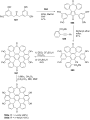
Scheme 105: Synthesis of saddle-shaped ketone 592 using dibenzotropoquinone 584.
Photocatalytic formation of carbon–sulfur bonds
- Alexander Wimmer and
- Burkhard König
Beilstein J. Org. Chem. 2018, 14, 54–83, doi:10.3762/bjoc.14.4

Graphical Abstract

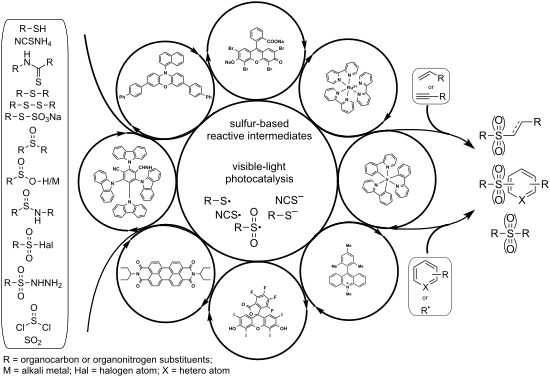
Scheme 1: General overview over the sulfur-based substrates and reactive intermediates that are discussed in ...
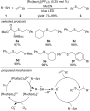
Scheme 2: Photoredox-catalyzed radical thiol–ene reaction, applying [Ru(bpz)3](PF6)2 as photocatalyst.

Scheme 3: Photoredox-catalyzed thiol–ene reaction of aliphatic thiols with alkenes enabled by aniline derivat...
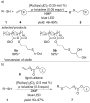
Scheme 4: Photoredox-catalyzed radical thiol–ene reaction for the postfunctionalization of polymers (a) and n...

Scheme 5: Photoredox-catalyzed thiol–ene reaction enabled by bromotrichloromethane as redox additive.
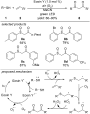
Scheme 6: Photoredox-catalyzed preparation of β-ketosulfoxides with Eosin Y as organic dye as photoredox cata...
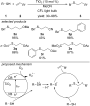
Scheme 7: Greaney’s photocatalytic radical thiol–ene reaction, applying TiO2 nanoparticles as photocatalyst.

Scheme 8: Fadeyi’s photocatalytic radical thiol–ene reaction, applying Bi2O3 as photocatalyst.

Scheme 9: Ananikov’s photocatalytic radical thiol-yne reaction, applying Eosin Y as photocatalyst.
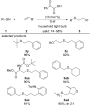
Scheme 10: Organocatalytic visible-light photoinitiated thiol–ene coupling, applying phenylglyoxylic acid as o...

Scheme 11: Xia’s photoredox-catalyzed synthesis of 2,3-disubstituted benzothiophenes, applying 9-mesityl-10-me...
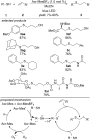
Scheme 12: Wang’s metal-free photoredox-catalyzed radical thiol–ene reaction, applying 9-mesityl-10-methylacri...

Scheme 13: Visible-light benzophenone-catalyzed metal- and oxidant-free radical thiol–ene reaction.
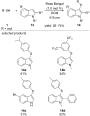
Scheme 14: Visible-light catalyzed C-3 sulfenylation of indole derivatives using Rose Bengal as organic dye.
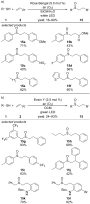
Scheme 15: Photocatalyzed radical thiol–ene reaction and subsequent aerobic sulfide-oxidation with Rose Bengal...
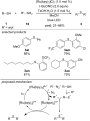
Scheme 16: Photoredox-catalyzed synthesis of diaryl sulfides.

Scheme 17: Photocatalytic cross-coupling of aryl thiols with aryl diazonium salts, using Eosin Y as photoredox...
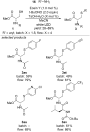
Scheme 18: Photocatalyzed cross-coupling of aryl diazonium salts with cysteines in batch and in a microphotore...
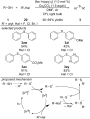
Scheme 19: Fu’s [Ir]-catalyzed photoredox arylation of aryl thiols with aryl halides.

Scheme 20: Fu’s photoredox-catalyzed difluoromethylation of aryl thiols.
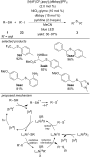
Scheme 21: C–S cross-coupling of thiols with aryl iodides via [Ir]-photoredox and [Ni]-dual-catalysis.
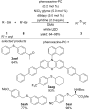
Scheme 22: C–S cross-coupling of thiols with aryl bromides, applying 3,7-bis-(biphenyl-4-yl)-10-(1-naphthyl)ph...
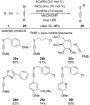
Scheme 23: Collin’s photochemical dual-catalytic cross-coupling of thiols with bromoalkynes.
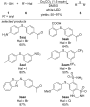
Scheme 24: Visible-light-promoted C–S cross-coupling via intermolecular electron donor–acceptor complex format...
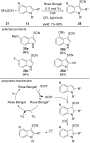
Scheme 25: Li’s visible-light photoredox-catalyzed thiocyanation of indole derivatives with Rose Bengal as pho...
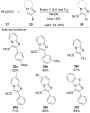
Scheme 26: Hajra’s visible-light photoredox-catalyzed thiocyanation of imidazoheterocycles with Eosin Y as pho...

Scheme 27: Wang’s photoredox-catalyzed thiocyanation reaction of indoles, applying heterogeneous TiO2/MoS2 nan...
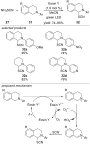
Scheme 28: Yadav’s photoredox-catalyzed α-C(sp3)–H thiocyanation reaction for tertiary amines, applying Eosin ...

Scheme 29: Yadav’s photoredox-catalyzed synthesis of 5-aryl-2-imino-1,3-oxathiolanes.

Scheme 30: Yadav’s photoredox-catalyzed synthesis of 1,3-oxathiolane-2-thiones.
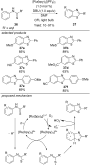
Scheme 31: Li’s photoredox catalysis for the preparation of 2-substituted benzothiazoles, applying [Ru(bpy)3](...
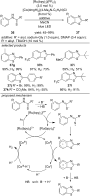
Scheme 32: Lei’s external oxidant-free synthesis of 2-substituted benzothiazoles by merging photoredox and tra...

Scheme 33: Metal-free photocatalyzed synthesis of 2-aminobenzothiazoles, applying Eosin Y as photocatalyst.

Scheme 34: Metal-free photocatalyzed synthesis of 1,3,4-thiadiazoles, using Eosin Y as photocatalyst.
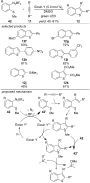
Scheme 35: Visible-light photoredox-catalyzed preparation of benzothiophenes with Eosin Y.

Scheme 36: Visible-light-induced KOH/DMSO superbase-promoted preparation of benzothiophenes.
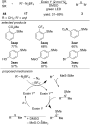
Scheme 37: Jacobi von Wangelin’s photocatalytic approach for the synthesis of aryl sulfides, applying Eosin Y ...

Scheme 38: Visible-light photosensitized α-C(sp3)–H thiolation of aliphatic ethers.

Scheme 39: Visible-light photocatalyzed cross-coupling of alkyl and aryl thiosulfates with aryl diazonium salt...
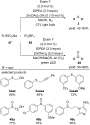
Scheme 40: Visible-light photocatalyzed, controllable sulfenylation and sulfoxidation with organic thiosulfate...

Scheme 41: Rastogi’s photoredox-catalyzed methylsulfoxidation of aryl diazonium salts, using [Ru(bpy)3]Cl2 as ...
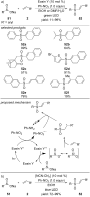
Scheme 42: a) Visible-light metal-free Eosin Y-catalyzed procedure for the preparation of vinyl sulfones from ...
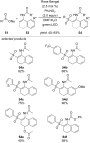
Scheme 43: Visible-light photocatalyzed cross-coupling of sodium sulfinates with secondary enamides.

Scheme 44: Wang’s photocatalyzed oxidative cyclization of phenyl propiolates with sulfinic acids, applying Eos...

Scheme 45: Lei’s sacrificial oxidant-free synthesis of allyl sulfones by merging photoredox and transition met...
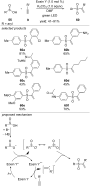
Scheme 46: Photocatalyzed Markovnikov-selective radical/radical cross-coupling of aryl sulfinic acids and term...

Scheme 47: Visible-light Eosin Y induced cross-coupling of aryl sulfinic acids and styrene derivatives, afford...
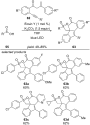
Scheme 48: Photoredox-catalyzed bicyclization of 1,7-enynes with sulfinic acids, applying Eosin Y as photocata...

Scheme 49: Visible-light-accelerated C–H-sulfinylation of arenes and heteroarenes.
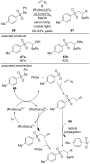
Scheme 50: Visible-light photoredox-catalyzed β-selenosulfonylation of electron-rich olefins, applying [Ru(bpy)...

Scheme 51: Photocatalyzed preparation of β-chlorosulfones from the respective olefins and p-toluenesulfonyl ch...
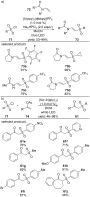
Scheme 52: a) Photocatalyzed preparation of β-amidovinyl sulfones from sulfonyl chlorides. b) Preparation of β...

Scheme 53: Visible-light photocatalyzed sulfonylation of aliphatic tertiary amines, applying [Ru(bpy)3](PF6)2 ...
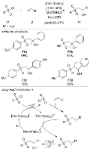
Scheme 54: Reiser’s visible-light photoredox-catalyzed preparation of β-hydroxysulfones from sulfonyl chloride...
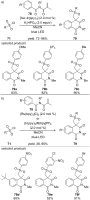
Scheme 55: a) Sun’s visible-light-catalyzed approach for the preparation of isoquinolinonediones, applying [fac...
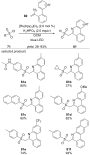
Scheme 56: Visible-light photocatalyzed sulfonylation/cyclization of vinyl azides, applying [Ru(bpy)3]Cl2 as p...

Scheme 57: Visible-light photocatalyzed procedure for the formation of β-ketosulfones from aryl sulfonyl chlor...

Scheme 58: Zheng’s method for the sulfenylation of indole derivatives, applying sulfonyl chlorides via visible...
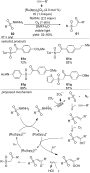
Scheme 59: Cai’s visible-light induced synthesis of β-ketosulfones from sulfonyl hydrazines and alkynes.

Scheme 60: Photoredox-catalyzed approach for the preparation of vinyl sulfones from sulfonyl hydrazines and ci...
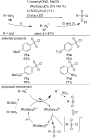
Scheme 61: Jacobi von Wangelin’s visible-light photocatalyzed chlorosulfonylation of anilines.
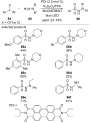
Scheme 62: Three-component photoredox-catalyzed synthesis of N-amino sulfonamides, applying PDI as organic dye....

Scheme 63: Visible-light induced preparation of complex sulfones from oximes, silyl enol ethers and SO2.
New approaches to organocatalysis based on C–H and C–X bonding for electrophilic substrate activation
- Pavel Nagorny and
- Zhankui Sun
Beilstein J. Org. Chem. 2016, 12, 2834–2848, doi:10.3762/bjoc.12.283
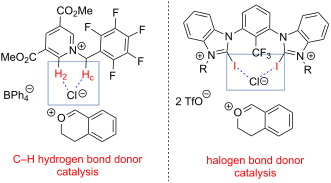
- catalyst with X = I, and R = Oct promoted the reaction between 1-chloroisochroman and silyl enol ether at 0.5 mol % catalyst loadings (70% yield, 6 h). A good correlation was observed between the catalytic activity and halogen affinity, and the Ka of L22 with X = I, R = Oct with bromide anion was

Graphical Abstract

Figure 1: Electrophile Activation by Hydrogen Bond Donors [1-16].

Figure 2: Early examples of C–H hydrogen bonds and their recent use in supramolecular chemistry [18,19,32-34].

Scheme 1: Design of 1,2,3-triazole-based catalysts for trityl group transfer through chloride anion binding b...

Scheme 2: Examples of chiral triazole-based catalysts for anion activation designed by Mancheno and co-worker...

Scheme 3: Application of chiral triazole-based catalysts L3 and L4 for counterion activation of pyridinium, q...
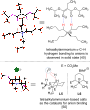
Scheme 4: Ammonium salt anion binding via C–H hydrogen bonds in solid state [40-45,50,51].
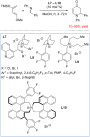
Scheme 5: Early examples of ammonium salts being used for electrophilic activation of imines in aza-Diels–Ald...
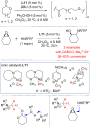
Scheme 6: Ammonium salts as hydrogen bond-donor catalysts by Bibal and co-workers [53,54].

Scheme 7: Tetraalkylammonium catalyst (L6)-catalyzed dearomatization of isoquinolinium salts [50].

Scheme 8: Tetraalkylammonium catalyst L6 complexation to halogen-containing substrates [51].

Scheme 9: Tetraalkylammonium-catalyzed aza-Diels–Alder reaction by Maruoka and co-workers [52].
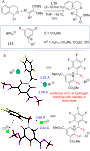
Scheme 10: (A) Alkylpyridinium catalysts L13-catalyzed reaction of 1-isochroman and silyl ketene acetals by Be...
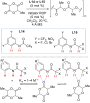
Scheme 11: Mixed N–H/C–H two hydrogen bond donors L14 and L15 as organocatalysts for ROP of lactide by Bibal a...

Scheme 12: Examples of stable complexes based on halogen bonding [68,69].

Scheme 13: Interaction between (−)-sparteine hydrobromide and (S)-1,2-dibromohexafluoropropane in the cocrysta...

Scheme 14: Iodine-catalyzed reactions that are computationally proposed to proceed through halogen bond to car...

Scheme 15: Transfer hydrogenation of phenylquinolines catalyzed by haloperfluoroalkanes by Bolm and co-workers ...
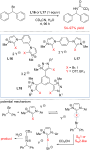
Scheme 16: Halogen bond activation of benzhydryl bromides by Huber and co-workers [82].

Scheme 17: Halogen bond-donor-catalyzed addition to oxocarbenium ions by Huber and co-workers [89].

Scheme 18: Halogen bond-donor activation of α,β-unsaturated carbonyl compounds in the [2 + 4] cycloaddition re...

Scheme 19: Halogen bond donor activation of imines in the [2 + 4] cycloaddition reaction of imine and Danishef...
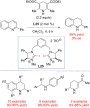
Scheme 20: Transfer hydrogenation catalyzed by a chiral halogen bond donor by Tan and co-workers [91].

Scheme 21: Allylation of benzylic alcohols by Takemoto and co-workers [92].

Scheme 22: NIS induced semipinacol rearrangement via C–X bond cleavage [93].
Rh-Catalyzed reductive Mannich-type reaction and its application towards the synthesis of (±)-ezetimibe
- Motoyuki Isoda,
- Kazuyuki Sato,
- Yurika Kunugi,
- Satsuki Tokonishi,
- Atsushi Tarui,
- Masaaki Omote,
- Hideki Minami and
- Akira Ando
Beilstein J. Org. Chem. 2016, 12, 1608–1615, doi:10.3762/bjoc.12.157
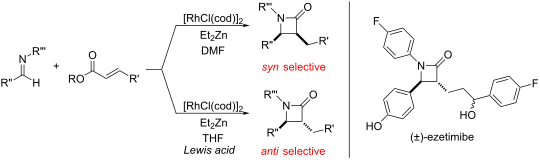
- asymmetric Mannich reaction using a Lewis acid catalyst [1]. (L)-Proline is known as an excellent promoter for the Mannich reaction [2][3][4][5][6], and besides this, the reaction of the silyl enol ether derivatives with imines was used as an effective method [7][8][9]. In this situation, a wide variety of

Graphical Abstract

Scheme 1: The synthesis of syn-β-lactams using a reductive Mannich-type reaction.

Scheme 2: Previous results using β-substituted α,β-unsaturated esters.

Scheme 3: A new synthetic route for ezetimibe.

Figure 1: Plausible mechanism for the Rh-catalyzed reductive Mannich-type reaction.

Scheme 4: Effect of the Lewis acid addition.

Figure 2: Reaction of 2k and 1A and the configuration of Int A.

Scheme 5: Transition-state model without Lewis acid.

Scheme 6: Transition-state model with Lewis acid.
Catalytic asymmetric synthesis of biologically important 3-hydroxyoxindoles: an update
- Bin Yu,
- Hui Xing,
- De-Quan Yu and
- Hong-Min Liu
Beilstein J. Org. Chem. 2016, 12, 1000–1039, doi:10.3762/bjoc.12.98
- -workers in 2014 (Scheme 34) [51]. After activation by the tertiary amine catalysts (cat. 19 and 20), the monofluorinated silyl enol ether then reacted with isatins to generate 3-hydroxyoxindoles bearing two adjacent chiral carbon centers. The reactions were performed in acetonitrile with 10 mol % of
- value under the same conditions, suggesting that the NH moiety is critical for achieving good results. Under the same conditions, the α-fluorotetralone-derived silyl enol ether gave the corresponding product in 37% yield and with 82% ee. More recently, Miao and co-workers reported the quinidine (cat. 21

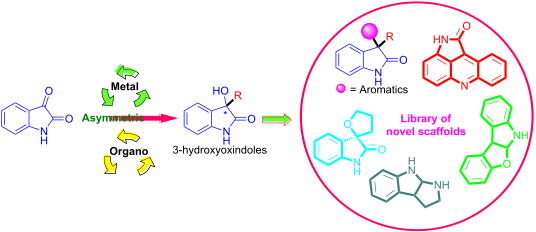
Graphical Abstract

Figure 1: 3-Hydroxyoxindole-containing natural products and biologically active molecules.

Scheme 1: Chiral CNN pincer Pd(II) complex 1 catalyzed asymmetric allylation of isatins.

Scheme 2: Asymmetric allylation of ketimine catalyzed by the chiral CNN pincer Pd(II) complex 2.

Scheme 3: Pd/L1 complex-catalyzed asymmetric allylation of 3-O-Boc-oxindoles.

Scheme 4: Cu(OTf)2-catalyzed asymmetric direct addition of acetonitrile to isatins.

Scheme 5: Chiral tridentate Schiff base/Cu complex catalyzed asymmetric Friedel–Crafts alkylation of isatins ...

Scheme 6: Guanidine/CuI-catalyzed asymmetric alkynylation of isatins with terminal alkynes.

Scheme 7: Asymmetric intramolecular direct hydroarylation of α-ketoamides.

Scheme 8: Plausible catalytic cycle for the direct hydroarylation of α-ketoamides.

Scheme 9: Ir-catalyzed asymmetric arylation of isatins with arylboronic acids.

Scheme 10: Enantioselective decarboxylative addition of β-ketoacids to isatins.

Scheme 11: Ruthenium-catalyzed hydrohydroxyalkylation of olefins and 3-hydroxy-2-oxindoles.

Scheme 12: Proposed catalytic mechanism and stereochemical model.

Scheme 13: In-catalyzed allylation of isatins with stannylated reagents.

Scheme 14: Modified protocol for the synthesis of allylated 3-hydroxyoxindoles.

Scheme 15: Hg-catalyzed asymmetric allylation of isatins with allyltrimethylsilanes.

Scheme 16: Enantioselective additions of organoborons to isatins.

Scheme 17: Asymmetric aldol reaction of isatins with cyclohexanone.

Scheme 18: Enantioselective aldol reactions of aliphatic aldehydes with isatin derivatives and the plausible t...

Scheme 19: Enantioselective aldol reaction of isatins and 2,2-dimethyl-1,3-dioxan-5-one.

Scheme 20: Asymmetric aldol reactions between ketones and isatins.

Scheme 21: Phenylalanine lithium salt-catalyzed asymmetric synthesis of 3-alkyl-3-hydroxyoxindoles.

Scheme 22: Aldolization between isatins and dihydroxyacetone derivatives.

Scheme 23: One-pot asymmetric synthesis of convolutamydine A.

Scheme 24: Asymmetric aldol reactions of cyclohexanone and acetone with isatins.

Scheme 25: Aldol reactions of acetone with isatins.

Scheme 26: Aldol reactions of ketones with isatins.

Scheme 27: Enantioselective allylation of isatins.

Scheme 28: Asymmetric aldol reaction of trifluoromethyl α-fluorinated β-keto gem-diols with isatins.

Scheme 29: Plausible mechanism proposed for the asymmetric aldol reaction.
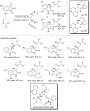
Scheme 30: Asymmetric aldol reaction of 1,1-dimethoxyacetone with isatins.

Scheme 31: Enantioselective Friedel-Crafts reaction of phenols with isatins.

Scheme 32: Enantioselective addition of 1-naphthols with isatins.

Scheme 33: Enantioselective aldol reaction between 3-acetyl-2H-chromen-2-ones and isatins.

Scheme 34: Stereoselective Mukaiyama–aldol reaction of fluorinated silyl enol ethers with isatins.

Scheme 35: Asymmetric vinylogous Mukaiyama–aldol reaction between 2-(trimethylsilyloxy)furan and isatins.

Scheme 36: β-ICD-catalyzed MBH reactions of isatins with maleimides.

Scheme 37: β-ICD-catalyzed MBH reactions of 7-azaisatins with maleimides and activated alkenes.

Scheme 38: Enantioselective aldol reaction of isatins with ketones.

Scheme 39: Direct asymmetric vinylogous aldol reactions of allyl ketones with isatins.

Scheme 40: Enantioselective aldol reactions of ketones with isatins.

Scheme 41: The MBH reaction of isatins with α,β-unsaturated γ-butyrolactam.

Scheme 42: Reactions of tert-butyl hydrazones with isatins followed by oxidation.

Scheme 43: Aldol reactions of isatin derivatives with ketones.

Scheme 44: Enantioselective decarboxylative cyanomethylation of isatins.

Scheme 45: Catalytic kinetic resolution of 3-hydroxy-3-substituted oxindoles.

Scheme 46: Lewis acid catalyzed Friedel–Crafts alkylation of 3-hydroxy-2-oxindoles with electron-rich phenols.

Scheme 47: Lewis acid catalyzed arylation of 3-hydroxyoxindoles with aromatics.

Scheme 48: Synthetic application of 3-arylated disubstituted oxindoles in the construction of core structures ...

Scheme 49: CPA-catalyzed dearomatization and arylation of 3-indolyl-3-hydroxyoxindoles with tryptamines and 3-...

Scheme 50: CPA-catalyzed enantioselective decarboxylative alkylation of β-keto acids with 3-hydroxy-3-indolylo...

Scheme 51: BINOL-derived imidodiphosphoric acid-catalyzed enantioselective Friedel–Crafts reactions of indoles...

Scheme 52: CPA-catalyzed enantioselective allylation of 3-indolylmethanols.

Scheme 53: 3-Indolylmethanol-based substitution and cycloaddition reactions.

Scheme 54: CPA-catalyzed asymmetric [3 + 3] cycloaddtion reactions of 3-indolylmethanols with azomethine ylide...

Scheme 55: CPA-catalyzed three-component cascade Michael/Pictet–Spengler reactions of 3-indolylmethanols and a...

Scheme 56: Acid-promoted chemodivergent and stereoselective synthesis of diverse indole derivatives.

Scheme 57: CPA-catalyzed asymmetric formal [3 + 2] cycloadditions.

Scheme 58: CPA-catalyzed enantioselective cascade reactions for the synthesis of C7-functionlized indoles.

Scheme 59: Lewis acid-promoted Prins cyclization of 3-allyl-3-hydroxyoxindoles with aldehydes.

Scheme 60: Ga(OTf)3-catalyzed reactions of allenols and phenols.

Scheme 61: I2-catalyzed construction of pyrrolo[2.3.4-kl]acridines from enaminones and 3-indolyl-3-hydroxyoxin...

Scheme 62: CPA-catalyzed asymmetric aza-ene reaction of 3-indolylmethanols with cyclic enaminones.

Scheme 63: Asymmetric α-alkylation of aldehydes with 3-indolyl-3-hydroxyoxindoles.

Scheme 64: Organocatalytic asymmetric α-alkylation of enolizable aldehydes with 3-indolyl-3-hydroxyoxindoles a...
Stereoselective synthesis of hernandulcin, peroxylippidulcine A, lippidulcines A, B and C and taste evaluation
- Marco G. Rigamonti and
- Francesco G. Gatti
Beilstein J. Org. Chem. 2015, 11, 2117–2124, doi:10.3762/bjoc.11.228

- oxidation of 8 to give the enone 1 in DMSO at high temperature (80 °C) resulted unsuccessful [24]. The hydrogenation of silyl enol ether derivatives in the presence of the IBX-N-oxide complex gives the corresponding enones, usually with better conversion and under milder conditions (room temperature) [25
- Pd(TFA)2 catalyzed dehydrogenation on the silyl enol ether 10 and in the presence of Na2HPO4 buffer, in order to mitigate the detrimental acidity of TFA. However, 11 was produced in a modest yield of 21%, because, even at these mild conditions, 10 reconverted to the initial ketone 9 faster than its

Graphical Abstract
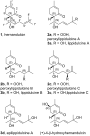
Figure 1: Hernandulcin and other bisabolanic derivatives extracted from Lippia dulcis.

Scheme 1: Synthesis of (+)-neoisopulegol. Reagents and conditions: (a) Jones reagent, acetone, 0 °C, 3 h; (b)...

Scheme 2: Reagents and conditions: (a) (i) t-BuOK, BuLi, hexane, −10 °C/rt; 2 h; (ii) BrCH2CH=C(CH3)2; −10°C/...

Scheme 3: Reagents and conditions: (a) cat. methylene blue, light, bubbling O2, CH2Cl2/MeOH 4:1, rt, 15 h; (b...
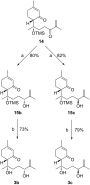
Scheme 4: Reagents and conditions: (a) (S)-MeCBS or (R)-MeCBS for 15b or 15c, respectively, BH3·Me2S, −78 °C ...
Formal total syntheses of classic natural product target molecules via palladium-catalyzed enantioselective alkylation
- Yiyang Liu,
- Marc Liniger,
- Ryan M. McFadden,
- Jenny L. Roizen,
- Jacquie Malette,
- Corey M. Reeves,
- Douglas C. Behenna,
- Masaki Seto,
- Jimin Kim,
- Justin T. Mohr,
- Scott C. Virgil and
- Brian M. Stoltz
Beilstein J. Org. Chem. 2014, 10, 2501–2512, doi:10.3762/bjoc.10.261

- bromolactonization of 22 to build in the requisite syn relationship between the carboxylate group and the 3-hydroxy group, ultimately leading to quinic acid. Unlike the allylic alkylations in Scheme 1, which form all-carbon stereocenters, we envisioned a unique modification of the silyl enol ether version to access
- Novak routes to quinic acid (21). Conversion of dioxanone 25 to a cyclohexylimine enabled alkylation via a metalloenamine. On acidic work-up, imine hydrolysis furnished an alkylated dioxanone in good yield. The targeted silyl enol ether 26 was prepared by thermodynamic silylation in 66% yield [43

Graphical Abstract
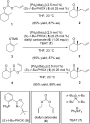
Scheme 1: Three classes of Pd-catalyzed enantioselective allylic alkylations.

Figure 1: Selected natural products from Thujopsis dolabrata.

Scheme 2: Srikrishna and Anebouselvy’s approach to (+)-thujopsene.

Scheme 3: Formal total synthesis of (−)-thujopsene.

Scheme 4: Renaud’s formal total synthesis of (−)-quinic acid.

Scheme 5: Formal total synthesis of (−)-quinic acid.

Scheme 6: Danishefsky’s approach to (±)-dysidiolide.

Scheme 7: Formal total synthesis of (−)-dysidiolide.

Scheme 8: Meyers’ approach to unnatural (+)-aspidospermine.

Scheme 9: Formal total synthesis of (−)-aspidospermine.

Scheme 10: Magnus’ approach to (±)-rhazinilam.

Scheme 11: Formal total synthesis of (+)-rhazinilam.

Scheme 12: Amat’s approach to (−)-quebrachamine.

Scheme 13: Formal total synthesis of (+)-quebrachamine.

Scheme 14: Pandey’s approach to (+)-vincadifformine.
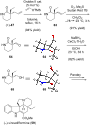
Scheme 15: Formal total synthesis of (−)-vincadifformine.

Scheme 16: Two generations of building blocks.
Synthesis of the B-seco limonoid core scaffold
- Hanna Bruss,
- Hannah Schuster,
- Rémi Martinez,
- Markus Kaiser,
- Andrey P. Antonchick and
- Herbert Waldmann
Beilstein J. Org. Chem. 2014, 10, 194–208, doi:10.3762/bjoc.10.15
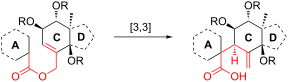
- , entry 1). Intermediary, the silyl enol ether and the silyl ketene acetal are formed. However, after the rearrangement, the keto-functionality can be set free again during an acidic work-up. In terms of yield and diastereoselectivity there was no difference observed between rearrangements with
- alkylation of the lithium enolate of 15 with alkyl halides under several conditions. They incorporated an α-allyl side chain via an α-bromo-enone, which can be obtained from an initially formed silyl enol ether, and subsequent reaction with NBS. Keck allylation of the α-bromo-enone using allyltributyltin and
- the corresponding silyl enol ether 81 followed by esterification with TMSCHN2 furnished the ester aldehyde that was reduced to the primary alcohol and protected to give TBDPS ether 82. After selective cleavage of the acetal group by treatment with perchloric acid, installation of the double bond via

Graphical Abstract

Figure 1: Structures of the 4,4,8-trimethyl-17-furanylsteroid core structure I and the representative B-seco ...

Scheme 1: Retrosynthetic analysis of the B-seco limonoid framework employing a [3,3]-sigmatropic rearrangemen...

Scheme 2: Retrosynthetic analysis of the B-seco limonoid scaffold employing a Claisen rearrangement as key st...

Scheme 3: Synthesis of alcohols 19, 20 and 22. Reagents and conditions: a) CSA, 2,3-butanedione, trimethyl or...

Scheme 4: Retrosynthetic analysis of the B-seco limonoid scaffold employing an Ireland–Claisen rearrangement ...

Scheme 5: Synthesis and Ireland–Claisen rearrangement of the allyl esters 27, 28, 29 and 30. Reagents and con...

Figure 2: Conformation of rearrangement precursor 30 and possible transition state involved in the Ireland–Cl...

Scheme 6: Synthesis of model C rings 40, 41 and 42. Reagents and conditions: a) TBDPSCl, DMAP, NEt3, CH2Cl2, ...

Scheme 7: β-Substituted allyl esters tested in the Ireland–Claisen and the Carroll rearrangement.

Scheme 8: Synthesis and Ireland–Claisen rearrangement of bicyclic allyl ester precursor 66. Reagents and cond...
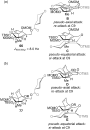
Figure 3: Conformations of rearrangement precursors 66 and 77 and possible transition states involved in the ...

Scheme 9: Synthesis and Ireland–Claisen rearrangement of allyl ester 70. Reagents and conditions: a) DIPEA, M...

Scheme 10: Synthesis and Ireland–Claisen rearrangement of allyl ester 72. Reagents and conditions: a) TIPSOTf,...

Scheme 11: Synthesis of the C14-epi and C14/C9-epi B-seco limonoid scaffolds 78 and 79. Reagents and condition...

Scheme 12: Synthesis of fully functionalized A ring 87. Reagents and conditions: a) HO(CH2)2OH, THF, Pd/C, H2,...

Scheme 13: and Attempted Ireland–Claisen rearrangement of allyl ester 88. R1 = MOM, R2 = CO2H.

Scheme 14: Synthesis and attempted Ireland–Claisen rearrangement of allyl ester 93. Reagents and conditions: a...

Scheme 15: Allyl esters tested in the Ireland–Claisen rearrangement.
Recent applications of the divinylcyclopropane–cycloheptadiene rearrangement in organic synthesis
- Sebastian Krüger and
- Tanja Gaich
Beilstein J. Org. Chem. 2014, 10, 163–193, doi:10.3762/bjoc.10.14
- to give tricycle 111. The enol ether moiety was reduced using NaCNBH3, followed by allylic Riley oxidation and PCC-mediated enone formation. Copper-catalyzed conjugate addition in the presence of TMSCl [105] yielded silyl enol ether 112. Subsequent introduction of the side chain in 113 via a Claisen
- of silyl enol ether 188 furnished the desired cis-divinylcyclopropane, which underwent smooth DVCPR under mild conditions to give bridged bicycle 189. The alcohol was deprotected and oxidized to aldehyde 190. The aldehyde was transferred into the corresponding cyanohydrin trimethylsilyl ether using

Graphical Abstract

Scheme 1: Vogel’s first approach towards the divinylcyclopropane rearrangement [4] and characterization of cis-d...

Scheme 2: Transition states for the Cope rearrangement and the related DVCPR. Ts = transition state.

Scheme 3: Two possible mechanisms of trans-cis isomerizations of divinylcyclopropanes.

Scheme 4: Proposed biosynthesic pathway to ectocarpene (21), an inactive degradation product of a sexual pher...

Scheme 5: Proposed biosynthesis of occidenol (25) and related natural compounds.

Scheme 6: Gaich’s bioinspired system using the DVCPR to mimick the dimethylallyltryptophan synthase. DMAPP = ...

Scheme 7: Iguchi’s total synthesis of clavubicyclone, part 1.

Scheme 8: Iguchi’s total synthesis of clavubicyclone, part 2.

Scheme 9: Wender’s syntheses of the two pseudoguainanes confertin (50) and damsinic acid (51) and Pier’s appr...
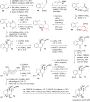
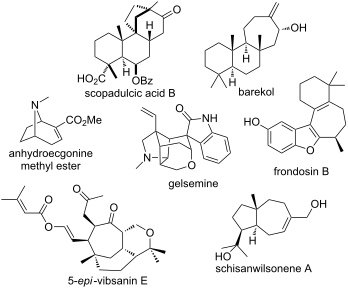
Scheme 10: Overman’s total synthesis of scopadulcic acid B.

Scheme 11: Davies’ total syntheses of tremulenolide A and tremulenediol A.

Scheme 12: Davies formal [4 + 3] cycloaddition approach towards the formal synthesis of frondosin B.

Scheme 13: Davies and Sarpongs formal [4 + 3]-cycloaddition approach towards barekoxide (106) and barekol (107...

Scheme 14: Davies formal [4 + 3]-cycloaddition approach to 5-epi-vibsanin E (115) containing an intermediate c...

Scheme 15: Echavarren’s total synthesis of schisanwilsonene A (126) featuring an impressive gold-catalzed casc...

Scheme 16: Davies early example of a formal [4 + 3]-cycloaddition in alkaloids synthesis.

Scheme 17: Fukuyama’s total synthesis of gelsemine, part 1.

Scheme 18: Fukuyama’s total synthesis of gelsemine, featuring a divinylcyclopropane rearrangement, part 2.

Scheme 19: Kende’s total synthesis of isostemofoline, using a formal [4 + 3]-cycloaddition, including an inter...

Scheme 20: Danishefsky’s total synthesis of gelsemine, part 1.

Scheme 21: Danishefsky’s total synthesis of gelsemine, part 2.

Scheme 22: Fukuyama’s total synthesis of gelsemoxonine.

Scheme 23: Wender’s synthetic access to the core skeleton of tiglianes, daphnanes and ingenanes.

Scheme 24: Davies’ approach towards the core skeleton of CP-263,114 (212).

Scheme 25: Wood’s approach towards actinophyllic acid.

Scheme 26: Takeda’s approach towards the skeleton of the cyanthins, utilitizing the divinylcyclopropane rearra...

Scheme 27: Donaldson’s organoiron route towards the guianolide skeleton.

Scheme 28: Stoltz’s tandem Wolff/DVCPR rearrangement.

Scheme 29: Stephenson’s tandem photocatalysis/arylvinylcyclopropane rearrangement.

Scheme 30: Padwa’s rhodium cascade involving a DVCPR.

Scheme 31: Matsubara’s version of a DVCPR.

Scheme 32: Toste’s tandem gold-catalyzed Claisen-rearrangement/DVCPR.

Scheme 33: Ruthenium- and gold-catalyzed versions of tandem reactions involving a DVCPR.

Scheme 34: Tungsten, platinum and gold catalysed cycloisomerizations leading to a DVCPR.

Scheme 35: Reisman’s total synthesis of salvileucalin B, featuring an (undesired) vinylcyclopropyl carbaldehyd...

Scheme 36: Studies on the divinylepoxide rearrangement.

Scheme 37: Studies on the vinylcyclopropanecarbonyl rearrangement.

Scheme 38: Nitrogen-substituted variants of the divinylcyclopropane rearrangement.
Gold(I)-catalyzed domino cyclization for the synthesis of polyaromatic heterocycles
- Mathieu Morin,
- Patrick Levesque and
- Louis Barriault
Beilstein J. Org. Chem. 2013, 9, 2625–2628, doi:10.3762/bjoc.9.297
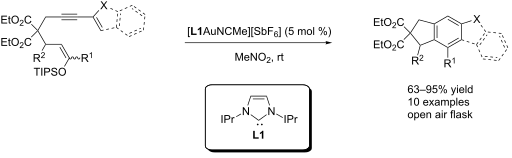
- cyclizations of the enol ether 11a (R1 = p-BrC6H4, R2 = H) gave the corresponding benzothiophene 12a in 83% yield. The use of electron-poor silyl enol ether 11b (R1 = p-NO2C6H4, R2 = H) gave the desired product 12b, albeit in lower yield of 63%. Di- and trisubstituted silyl enol ethers 11c (R1 and R2 = H) and
- equipped with a magnetic stirrer was added the silyl enol ether 11 (0.101 mmol) followed by nitromethane (1 mL) and [L1AuNCMe][SbF6] (0.005 mmol). After stirring overnight, the reaction mixture was concentrated in vacuo and the crude mixture was purified by flash chromatography (1–5% ethyl acetate/hexanes

Graphical Abstract

Scheme 1: Gold(I)-catalyzed carbocyclization.

Scheme 2: Proposed mechanism for the gold(I)-catalyzed cyclization.

Scheme 3: Gold-catalyzed 5-exo-dig carbocyclization cascade.

Figure 1: Structure of senaequidolide (13) and ellipticine (14).
Bidirectional cross metathesis and ring-closing metathesis/ring opening of a C2-symmetric building block: a strategy for the synthesis of decanolide natural products
- Bernd Schmidt and
- Oliver Kunz
Beilstein J. Org. Chem. 2013, 9, 2544–2555, doi:10.3762/bjoc.9.289
- with silane to regenerate the Cu-hydride. Alternatively, the Cu-enolate might enter a competing catalytic cycle by reacting with silane, furnishing a silyl enol ether and the catalytically active Cu-hydride species. The silyl enol ether is inert to protonation by tert-butanol, and therefore the
- competing secondary cycle will result in a decreased yield of reduction product. This reasoning prompted us to run the reaction in toluene without any protic co-solvent, which should exclusively lead to the silyl enol ether, and add TBAF as a desilylating agent after complete consumption of the starting

Graphical Abstract

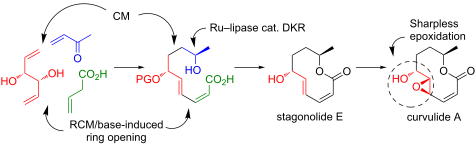
Scheme 1: RCM/base-induced ring-opening sequence.

Figure 1: Structures and numbering scheme for stagonolide E and curvulide A.

Scheme 2: Synthetic plan for stagonolide E.
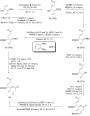
Scheme 3: Synthesis of RCM/ring opening precursor 14.

Scheme 4: Synthesis of a substrate 19 for “late stage” resolution.

Scheme 5: Synthesis of substrate 21 for “early stage” resolution.

Scheme 6: Synthesis of macrolactonization precursor 29.

Scheme 7: Synthesis of (2Z,4E)-9-hydroxy-2,4-dienoic acid (33) and its macrolactonization.

Scheme 8: Synthesis of published structure of fusanolide A (36).

Scheme 9: Completion of stagonolide E synthesis.
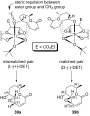
Scheme 10: Transition-state models for the Sharpless epoxidation of stagonolide E with L-(+)-DET (left) and D-...

Scheme 11: Synthesis of 39b (curvulide A) from stagonolide E.

Figure 2: MM2 energy-minimized structures of 39a and 39b.
The chemistry of isoindole natural products
- Klaus Speck and
- Thomas Magauer
Beilstein J. Org. Chem. 2013, 9, 2048–2078, doi:10.3762/bjoc.9.243
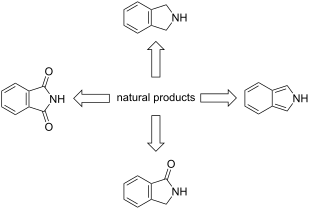
- synthesized (Scheme 8). Strategic bond disconnections revealed the common isoindolinone precursor 73. The synthesis of the latter commenced from N,N-dibenzylphenylalanine (71) to afford the Diels–Alder substrate 72 in four steps. The envisioned intramolecular Diels–Alder cyclization of the silyl enol ether 72
- provided the depicted endo-diastereomer in good yield. Exchange of the N-benzyl for a Boc-protecting group and cleavage of the silyl enol ether gave the corresponding ketone, which was first converted to an enol-triflate and then to the tricyclic alkene 73. At this stage, the syntheses of cytochalasin B

Graphical Abstract

Figure 1: a) Structural features and b) selected examples of non-natural congeners.

Scheme 1: Synthesis of isoindole 18.

Scheme 2: Staining amines with 1,4-diketone 19 (R = H).

Figure 2: Representative members of the indolocarbazole alkaloid family.

Figure 3: Staurosporine (26) bound to the adenosine-binding pocket [19] (from pdb1stc).
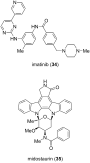
Figure 4: Structure of imatinib (34) and midostaurin (35).

Scheme 3: Biosynthesis of staurosporine (26).

Scheme 4: Wood’s synthesis of K-252a via the common intermediate 48.
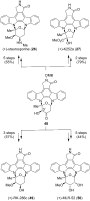
Scheme 5: Synthesis of 26, 27, 49 and 50 diverging from the common intermediate 48.

Figure 5: Selected members of the cytochalasan alkaloid family.

Scheme 6: Biosynthesis of chaetoglobosin A (57) [56].

Scheme 7: Synthesis of cytochalasin D (70) by Thomas [63].

Scheme 8: Synthesis of L-696,474 (78).

Scheme 9: Synthesis of aldehyde 85 (R = TBDPS).

Scheme 10: Synthesis of (+)-aspergillin PZ (79) by Tanis.
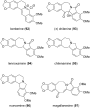
Figure 6: Representative Berberis alkaloids.

Scheme 11: Proposed biosynthetic pathway to chilenine (93).
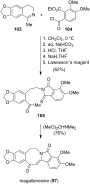
Scheme 12: Synthesis of magallanesine (97) by Danishefsky [84].

Scheme 13: Kurihara’s synthesis of magallanesine (85).

Scheme 14: Proposed biosynthesis of 113, 117 and 125.

Scheme 15: DNA lesion caused by aristolochic acid I (117) [102].

Scheme 16: Snieckus’ synthesis of piperolactam C (131).
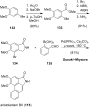
Scheme 17: Synthesis of aristolactam BII (104).

Figure 7: Representative cularine alkaloids.

Scheme 18: Proposed biosynthesis of 136.

Scheme 19: The syntheses of 136 and 137 reported by Castedo and Suau.
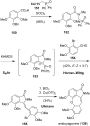
Scheme 20: Synthesis of 136 by Couture.
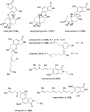
Figure 8: Representative isoindolinone meroterpenoids.

Scheme 21: Postulated biosynthetic pathway for the formation of 156 (adopted from George) [143].

Scheme 22: Synthesis of stachyflin (156) by Katoh [144].

Figure 9: Selected examples of spirodihydrobenzofuranlactams.
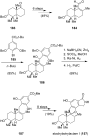
Scheme 23: Synthesis of stachybotrylactam I (157).
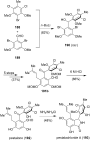
Scheme 24: Synthesis of pestalachloride A (193) by Schmalz.

Scheme 25: Proposed mechanism for the BF3-catalyzed metal-free carbonyl–olefin metathesis [149].
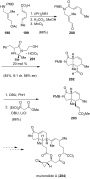
Scheme 26: Preparation of the isoindoline core of muironolide A (204).
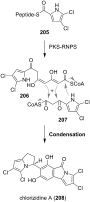
Scheme 27: Proposed biosynthesis of 208.

Scheme 28: Model for the biosynthesis of 215 and 217.

Scheme 29: Synthesis of lactonamycin (215) and lactonamycin Z (217).

Figure 10: Hetisine alkaloids 225–228.

Scheme 30: Biosynthetic proposal for the formation of the hetisine core [167].
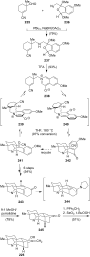
Scheme 31: Synthesis of nominine (225).
Asymmetric synthesis of a highly functionalized bicyclo[3.2.2]nonene derivative
- Toshiki Tabuchi,
- Daisuke Urabe and
- Masayuki Inoue
Beilstein J. Org. Chem. 2013, 9, 655–663, doi:10.3762/bjoc.9.74
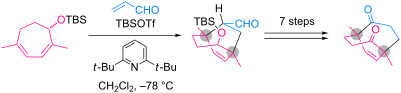
- heptenone 12 [17][18][19][20][21]. The more thermodynamically stable silyl enol ether 13 was regioselectively formed from 12 under Holton’s conditions [22], and DDQ-mediated oxidation of 13 resulted in the formation of α,β-unsaturated ketone 14. Asymmetric reduction of ketone 14 was in turn realized by
- due to the unfavorable interaction of the two proximal TBS groups in TS-B, allowing formation of 8 as the major compound. Having synthesized the optically active 8, the next task was the preparation of C2-symmetric bicyclo[3.3.2]decene 1 from 8 (Scheme 5). The silyl enol ether formation of aldehyde 8
- chromatography (silica gel 200 g, pentane only) to afford silyl enol ether 13 (3.3 g, 16 mmol) and its regioisomer (344 mg, 1.64 mmol) in 70% and 7% yield, respectively. The synthesized silyl enol ether 13 was immediately subjected to the next reaction: colorless oil; 1H NMR (500 MHz, C6D6) δ 0.17 (9H, s, CH3 of

Graphical Abstract

Scheme 1: Structure of ryanodine and the Diels–Alder reactions for construction of the potential intermediate...

Scheme 2: Asymmetric synthesis of 7 and determination of the absolute configuration at C4 of 15 by the modifi...

Scheme 3: Generation of 17 through the 6π-electrocyclic reaction and the Diels–Alder reaction.

Scheme 4: Rationale of the stereoselectivity of the Diels–Alder reaction.

Scheme 5: Synthesis of C2-symmetric 1.
Facile isomerization of silyl enol ethers catalyzed by triflic imide and its application to one-pot isomerization–(2 + 2) cycloaddition
- Kazato Inanaga,
- Yu Ogawa,
- Yuuki Nagamoto,
- Akihiro Daigaku,
- Hidetoshi Tokuyama,
- Yoshiji Takemoto and
- Kiyosei Takasu
Beilstein J. Org. Chem. 2012, 8, 658–661, doi:10.3762/bjoc.8.73

- mol % of Tf2NH, −10 °C, CH2Cl2). The results are summarized in Table 2. All the kinetically favourable silyl enol ethers 1 were smoothly isomerized to the thermodynamically stable 2 in the presence of Tf2NH. A plausible mechanism for the catalytic isomerization is shown in Scheme 1. Silyl enol ether 1
- is rapidly protonated by a catalytic amount of Tf2NH to give the corresponding siloxonium cation 4, and, then, another molecule of silyl enol ether 1 deprotonates the α-position of 4. Equilibration results in the selective production of the thermodynamically more stable 2. As a side reaction, the

Graphical Abstract

Scheme 1: Plausible mechanism for Tf2NH-catalyzed isomerization of silyl enol ethers.

Scheme 2: Regioselective formation of bicyclo[4.2.0]octanes from the same substrates by the isomerization–(2 ...

Scheme 3: Formation of bicyclo[5.2.0]octane from the regioisomeric mixture of silyl enol ethers.
Recent developments in gold-catalyzed cycloaddition reactions
- Fernando López and
- José L. Mascareñas
Beilstein J. Org. Chem. 2011, 7, 1075–1094, doi:10.3762/bjoc.7.124
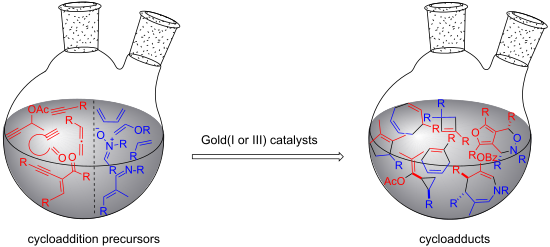
- is regenerated. When using a dienol silyl ether such as 21 (Scheme 12) as the diene component, the formation of the (4 + 2) products can be justified in terms of an alternative mechanism consisting of a 5-exo nucleophilic attack of the silyl enol ether moiety on the electrophilically activated alkyne

Graphical Abstract

Scheme 1: AuCl3-catalyzed benzannulations reported by Yamamoto.

Scheme 2: Synthesis of 9-oxabicyclo[3.3.1]nona-4,7-dienes from 1-oxo-4-oxy-5-ynes [40].

Scheme 3: Stereocontrolled oxacyclization/(4 + 2)-cycloaddition cascade of ketone–allene substrates [43].

Scheme 4: Gold-catalyzed synthesis of polycyclic, fully substituted furans from 1-(1-alkynyl)cyclopropyl keto...

Scheme 5: Gold-catalyzed 1,3-dipolar cycloaddition of 2-(1-alkynyl)-2-alken-1-ones with nitrones [47].

Scheme 6: Enantioselective 1,3-dipolar cycloaddition of 2-(1-alkynyl)-2-alken-1-ones with nitrones [48].

Scheme 7: Gold-catalyzed 1,3-dipolar cycloaddition of 2-(1-alkynyl)-2-alken-1-ones with α,β-unsaturated imine...

Scheme 8: Gold-catalyzed (4 + 3) cycloadditions of 1-(1-alkynyl)oxiranyl ketones [50].

Scheme 9: (3 + 2) Cycloaddition of gold-containing azomethine ylides [52].

Scheme 10: Gold-catalyzed generation and reaction of azomethine ylides [53].

Scheme 11: Gold-catalyzed intramolecular (4 + 2) cycloadditions of unactivated alkynes and dienes [55].

Scheme 12: Gold-catalyzed preparation of bicyclo[4.3.0]nonane derivatives from dienol silyl ethers [59].

Scheme 13: Gold(I)-catalyzed intramolecular (4 + 2) cycloadditions of arylalkynes or 1,3-enynes with alkenes [60].

Scheme 14: Gold(I)-catalyzed intermolecular (2 + 2) cycloaddition of alkynes with alkenes [62].

Scheme 15: Metal-catalyzed cycloaddition of alkynes tethered to cycloheptatriene [65].

Scheme 16: Gold-catalyzed cycloaddition of functionalized ketoenynes: Synthesis of (+)-orientalol F [68].

Scheme 17: Gold-catalyzed intermolecular cyclopropanation of enynes with alkenes [70].

Scheme 18: Gold-catalyzed intermolecular hetero-dehydro Diels–Alder cycloaddition [72].

Figure 1: Gold-catalyzed 1,2- or 1,3-acyloxy migrations of propargyl esters.

Scheme 19: Gold(I)-catalyzed stereoselective olefin cyclopropanation [74].

Scheme 20: Reaction of propargylic benzoates with α,β-unsaturated imines to give azepine cycloadducts [77].

Scheme 21: Gold-catalyzed (3 + 3) annulation of azomethine imines with propargyl esters [81].

Scheme 22: Gold(I)-catalyzed isomerization of 5-en-2-yn-1-yl acetates [83].

Scheme 23: (3 + 2) and (2 + 2) cycloadditions of indole-3-acetates 41 [85,86].

Scheme 24: Gold(I)-catalyzed (2 + 2) cycloaddition of allenenes [87].

Scheme 25: Formal (3 + 2) cycloaddition of allenyl MOM ethers and alkenes [90].

Scheme 26: (4 + 3) Cycloadditions of allenedienes [97,98].

Scheme 27: Gold-catalyzed transannular (4 + 3) cycloaddition reactions [101].

Scheme 28: Gold(I)-catalyzed (4 + 2) cycloadditions of allenedienes [102].

Scheme 29: Enantioselective gold(I)-catalyzed (4 + 2) cycloadditions of allenedienes [88,102,104].

Scheme 30: (3 + 2) versus (2 + 2) Cycloadditions of allenenes [87,99].

Figure 2: NHC ligands with different π-acceptor properties [106].

Scheme 31: (3 + 2) versus (2 + 2) Cycloadditions of allenenes [106].

Scheme 32: Gold(I)-catalyzed intermolecular (4 + 2) cycloaddition of allenamides and acyclic dienes [109].
Gold-catalyzed alkylation of silyl enol ethers with ortho-alkynylbenzoic acid esters
- Haruo Aikawa,
- Tetsuro Kaneko,
- Naoki Asao and
- Yoshinori Yamamoto
Beilstein J. Org. Chem. 2011, 7, 648–652, doi:10.3762/bjoc.7.76
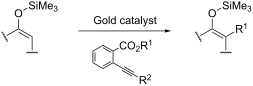
- -induced in situ construction of leaving groups and subsequent nucleophilic attack on the silyl enol ethers. The generated leaving compound abstracts a proton to regenerate the silyl enol ether structure. Keywords: alkylation; gold catalysis; leaving group; silyl enol ether; substitution reaction
- reaction of silyl enol ethers with ortho-alkynylbenzoic acid esters which leads to the formation of α-alkylated silyl enol ethers (path b). We examined the reactions of silyl enol ether 1a with ortho-alkynylbenzoic acid benzyl esters 2 in the presence of gold catalysts under several reaction conditions and
- the results are summarized in Table 1 [18][19][20][21]. With a cationic gold catalyst, derived from Ph3PAuCl and AgClO4, the reaction of 1a with 2a proceeded at 80 °C over 2 h and the benzylated silyl enol ether 3a was obtained in 35% yield, along with the eliminated isocoumarin 4a and recovered 2a in

Graphical Abstract

Scheme 1: Alkylation of silyl enol ethers.

Scheme 2: Plausible mechanism for the alkylation of silyl enol ether.

Scheme 3: Gold-catalyzed isomerism of silyl enol ether.

Scheme 4: Gold-catalyzed alkylation of tetra-substituted silyl enol ether.
Shelf-stable electrophilic trifluoromethylating reagents: A brief historical perspective
- Norio Shibata,
- Andrej Matsnev and
- Dominique Cahard
Beilstein J. Org. Chem. 2010, 6, No. 65, doi:10.3762/bjoc.6.65
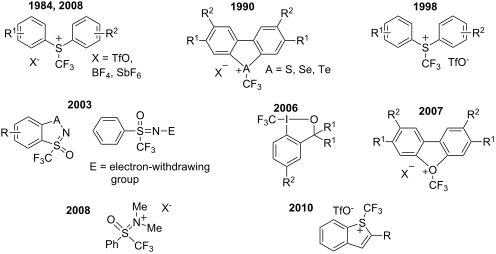
- trifluoromethylating power of chalcogenium salts increased in the order Te < Se < S while nitro-substituted reagents showed higher reactivity than non-nitrated reagents [14]. Matching the power of the trifluoromethylating agent with the nucleophile (carbanion, silyl enol ether, enamine, phenol, aniline, phosphine

Graphical Abstract

Scheme 1: Preparation of the first electrophilic trifluoromethylating reagent and its reaction with a thiophe...

Scheme 2: Synthetic routes to S-CF3 and Se-CF3 dibenzochalcogenium salts.

Scheme 3: Synthesis of (trifluoromethyl)dibenzotellurophenium salts.

Scheme 4: Nitration of (trifluoromethyl)dibenzochalcogenium salts.

Scheme 5: Synthesis of a sulphonium salt with a bridged oxygen.

Scheme 6: Reactivity of (trifluoromethyl)dibenzochalcogenium salts.

Scheme 7: Pd(II)-Catalyzed ortho-trifluoromethylation of heterocycle-substituted arenes by Umemoto’s reagents....

Scheme 8: Mild electrophilic trifluoromethylation of β-ketoesters and silyl enol ethers.

Scheme 9: Enantioselective electrophilic trifluoromethylation of β-ketoesters.

Scheme 10: Preparation of water-soluble S-(trifluoromethyl)dibenzothiophenium salts.

Scheme 11: Method for large-scale preparation of S-(trifluoromethyl)dibenzothiophenium salts.

Scheme 12: Triflic acid catalyzed synthesis of 5-(trifluoromethyl)thiophenium salts.

Scheme 13: Trifluoromethylation of β-ketoesters and dicyanoalkylidenes by S-(trifluoromethyl)benzothiophenium ...

Scheme 14: Synthesis of chiral S-(trifluoromethyl)benzothiophenium salt 18 and attempt of enantioselective tri...

Scheme 15: Synthesis of O-(trifluoromethyl)dibenzofuranium salts.

Scheme 16: Photochemical O- and N-trifluoromethylation by 20b.

Scheme 17: Thermal O-trifluoromethylation of phenol by diazonium salt 19a. Effect of the counteranion.

Scheme 18: Thermal O- and N-trifluoromethylations.

Scheme 19: Method of preparation of S-(trifluoromethyl)diphenylsulfonium triflates.

Scheme 20: Reactivity of some S-(trifluoromethyl)diarylsulfonium triflates.

Scheme 21: One-pot synthesis of S-(trifluoromethyl)diarylsulfonium triflates.

Scheme 22: One-pot synthesis of Umemoto’s type reagents.

Scheme 23: Preparation of sulfonium salts by transformation of CF3− into CF3+.

Scheme 24: Selected reactions with the new Yagupolskii reagents.

Scheme 25: Synthesis of heteroaryl-substituted sulfonium salts.

Scheme 26: First neutral S-CF3 reagents.

Scheme 27: Synthesis of Togni reagents. aYield for the two-step procedure.

Scheme 28: Trifluoromethylation of C-nucleophiles with 37.

Scheme 29: Selected examples of trifluoromethylation of S-nucleophiles with 37.

Scheme 30: Selected examples of trifluoromethylation of P-nucleophiles with 35 and 37.

Scheme 31: Trifluoromethylation of 2,4,6-trimethylphenol with 35.

Scheme 32: Examples of O-trifluoromethylation of alcohols with 35 in the presence of 1 equiv of Zn(NTf2)2.

Scheme 33: Formation of trifluoromethyl sulfonates from sulfonic acids and 35.

Scheme 34: Organocatalytic α-trifluoromethylation of aldehydes with 37.

Scheme 35: Synthesis of reagent 42 and mechanism of trifluoromethylation.

Scheme 36: Trifluoromethylation of β-ketoesters and dicyanoalkylidenes with 42.
Fused bicyclic piperidines and dihydropyridines by dearomatising cyclisation of the enolates of nicotinyl-substituted esters and ketones
- Heloise Brice,
- Jonathan Clayden and
- Stuart D. Hamilton
Beilstein J. Org. Chem. 2010, 6, No. 22, doi:10.3762/bjoc.6.22
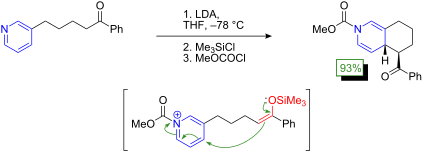
- Heloise Brice Jonathan Clayden Stuart D. Hamilton School of Chemistry, University of Manchester, Oxford Rd., Manchester M13 9PL, United Kingdom 10.3762/bjoc.6.22 Abstract The silyl enol ether derivatives of ketones or esters tethered by a hydrocarbon or ether linkage to the 3-position of a
- it into a silyl enol ether 9. Silyl enol ethers and ketene acetals are known to add effectively to pyridinium species in an intermolecular manner [42][43][44][45][46]. Thus 7 was converted to silyl enol ether 9 in excellent yield under standard conditions. A single geometrical isomer was obtained
- however that these yields were not consistently reproducible and yields around 25% were more commonly observed. However, scrupulous avoidance of contact with oxygen before the hydrogenation step improved the yield of 20a to 41%. Attempted cyclisation without formation of the silyl enol ether (i.e

Graphical Abstract

Scheme 1: Dearomatising cyclisations (a) of enolates; (b) of electron-rich heteroaromatics.

Scheme 2: Synthesis of ketone 7.

Scheme 3: Dearomatising cyclisation to a 5-benzoylhexahydroisoquinoline.

Scheme 4: Synthesis of ester 12.

Scheme 5: Dearomatising cyclisation of ester 12.

Figure 1: Coupling constants (Hz) in the major diastereoisomer of 15.

Scheme 6: Synthesis of esters 18.

Scheme 7: Dearomatising cyclisation to form tetrahydrofurans.

Figure 2: Determination of the stereochemistry of 20b. Arrows indicate nuclear Overhauser enhancements.
Mitomycins syntheses: a recent update
- Jean-Christophe Andrez
Beilstein J. Org. Chem. 2009, 5, No. 33, doi:10.3762/bjoc.5.33


Graphical Abstract

Scheme 1: Aziridine containing natural products.

Scheme 2: Mitomycin structures and nomenclature.

Scheme 3: Base catalysed epimerization of mitomycin B.

Scheme 4: Biosynthesis of mitomycin C (MMC) 7.

Scheme 5: Mode of action of mitomycin C.

Scheme 6: The N–C3–C9a disconnection.

Scheme 7: Danishefsky’s Retrosynthesis of mitomycin K.

Scheme 8: Hetero Diels–Alder reaction en route to mitomycins.

Scheme 9: Nitroso Diels–Alder cycloaddition.

Scheme 10: Frank azide cycloadddition.

Scheme 11: Final steps of mitomycin K synthesis. aPDC, DCM; bPhSCH2N3, PhH, 80 °C; cL-selectride, THF, −78 °C; ...

Scheme 12: Naruta–Maruyama retrosynthesis.

Scheme 13: Synthesis of a leucoaziridinomitosane by nitrene cycloaddition. aAlCl3-Et2O; bNaH, ClCH2OMe; cn-BuL...

Scheme 14: Thermal decomposition of azidoquinone 51.

Scheme 15: Diastereoselectivity during the cycloaddition.

Scheme 16: Oxidation with iodo-azide.

Scheme 17: Williams’ approach towards mitomycins.aDEIPSCl, Imidazole, DCM; bPd/C, HCO2NH4, MeOH; cAllocCl, NaH...

Scheme 18: Synthesis of pyrrolidones by homoconjugate addition.
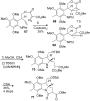
Scheme 19: Homoconjugate addition on the fully functionalized substrate.

Scheme 20: Introduction of the olefin.

Scheme 21: Retrosynthesis of N–C9a, N–C3 bond formation.

Scheme 22: Synthesis of the pyrrolo[1,2]indole 82 using N-PSP activation.aAc2O, Py; bAc2O, Hg(OAc)2, AcOH, 90%...

Scheme 23: Synthesis of an aziridinomitosane. am-CPBA, DCM then iPr2NH, CCl4 reflux; bK2CO3, MeOH; cBnBr, KH; d...

Scheme 24: Oxidation products of a leucoaziridinomitosane obtained from a Polonovski oxidation.

Scheme 25: Polonovski oxidation of an aziridinomitosane. am-CPBA; bPd/C, H2; cDimethoxypropane, PPTS.

Scheme 26: The C1–C9a disconnection.

Scheme 27: Ziegler synthesis of desmethoxymitomycin A.aIm2C=O, THF; bNH3; cTMSOTf, 2,6-di-tert-butylpyridine, ...

Scheme 28: Transformation of sodium erythorbate.aTBDMSCl; bNaN3; cPPh3; d(Boc)2O, DMAP; eTBAF; fTf2O, Pyr.

Scheme 29: Formation of C9,C10-unsaturation in the mitomycins. am-CPBA, DCM; bO3, MeOH; cMe2S; dKHMDS, (EtO)3P...

Scheme 30: Fragmentation mechanism.

Scheme 31: Michael addition-cyclisation.

Scheme 32: SmI2 8-endo-dig cyclisation.

Scheme 33: Synthesis of pyrrolo[1,2-a]indole by 5-exo-dig radical cyclization.

Scheme 34: The C9–C9a disconnection.

Scheme 35: Intramolecular nitrile oxide cycloaddition.

Scheme 36: Regioselectivity of the INOC.

Scheme 37: Fukuyama’s INOC strategy.

Scheme 38: Synthesis of a mitosane core by rearrangement of a 1-(1-pyrrolidinyl)-1,3-butadiene.

Scheme 39: Sulikowski synthesis of an aziridinomitosene. aPd(Tol3P)2Cl2, Bu3SnF, 140; bH2, Pd/C; cTFAA, Et3N; d...

Scheme 40: Enantioselective carbene insertion.

Scheme 41: Parson’s radical cyclization.

Scheme 42: Cha’s mitomycin B core synthesis.

Scheme 43: The N-aromatic disconnection.

Scheme 44: Kishi retrosynthesis.

Scheme 45: Kishi synthesis of a starting material. aallyl bromide, K2CO3, acetone, reflux; bN,N-Dimethylanilin...
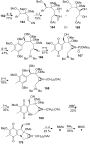
Scheme 46: Kishi synthesis of MMC 7. aLDA, THF, −78 °C then PhSeBr, THF, −78 °C; bH2O2, THF-EtOAc; cDIBAL, DCM...

Scheme 47: Acid catalyzed degradation of MMC 7.

Scheme 48: In vivo formation of apomitomycin B.

Scheme 49: Advanced intermediate for apomitomycin B synthesis.

Scheme 50: Remers synthesis of a functionalized mitosene. aTMSCl, Et3N, ZnCl2 then NBS; bAcOK; cNH2OH; dPd/C, H...

Scheme 51: Coleman synthesis of desmethoxymitomycin A. aSnCl2, PhSH, Et3N, CH3CN; bClCO2Bn, Et3N; cPPh3, DIAD,...

Scheme 52: Transition state and pyrrolidine synthesis.

Scheme 53: Air oxidation of mitosanes and aziridinomitosanes.

Scheme 54: The C9-aromatic disconnection.

Scheme 55: Synthesis of the aziridine precursor. aLHMDS, THF; bNaOH; c(s)-α-Me-BnNH2, DCC, HOBT; dDIBAL; eK2CO3...

Scheme 56: Synthesis of 206 via enamine conjugate addition.

Scheme 57: Rapoport synthesis of an aziridinomitosene.

Scheme 58: One pot synthesis of a mitomycin analog.

Scheme 59: Synthesis of compound 218 via intramolecular Heck coupling. aEtMgCl, THF, then 220; bMsCl, Et3N; cN...

Scheme 60: Elaboration of indole 223. aEt3N, Ac2O; bAcOH; cSOCl2, Et3N; dNaN3, DMF; eH2SO4, THF; fK2CO3, MeOH; ...

Scheme 61: C9-C9a functionalization from indole.

Scheme 62: Synthesis of mitomycin K. a2 equiv. MoO5.HMPA, MeOH; bPPh3, Et3N, THF-H2O; cMeOTf, Py, DCM; dMe3SiCH...

Scheme 63: Configurational stability of mitomycin K derivatives.

Scheme 64: Epimerization of carbon C9a in compound 227b.

Scheme 65: Corey–Chaykovsky synthesis of indol 235.

Scheme 66: Cory intramolecular aza-Darzens reaction for the formation of aziridinomitosene 239.

Scheme 67: Jimenez synthesis of aziridinomitosene 242.

Scheme 68: Von Braun opening of indoline 244.

Scheme 69: C9a oxidation of an aziridinomitosane with DDQ/OsO4.

Scheme 70: Synthesis of epi-mitomycin K. aNaH, Me2SO4; bH2, Pd/C; cMitscher reagent [165]; d[(trimethylsilyl)methyl...

Scheme 71: Mitomycins rearrangement.

Scheme 72: Fukuyama’s retrosynthesis.

Scheme 73: [2+3] Cycloaddition en route to isomitomycin A. aToluene, 110 °C; bDIBAL, THF, −78 °C; cAc2O, Py.; d...

Scheme 74: Final steps of Fukuyama’s synthesis.

Scheme 75: “Crisscross annulation”.

Scheme 76: Synthesis of 274; the 8-membered ring 274 was made using a crisscross annulation. a20% Pd(OH)2/C, H2...

Scheme 77: Conformational analysis of compound 273 and 275.

Scheme 78: Synthesis of a mitomycin analog. aNa2S2O4, H2O, DCM; bBnBr (10 equiv), K2CO3, 18-crown-6 (cat.), TH...

Scheme 79: Vedejs retrosynthesis.

Scheme 80: Formation of the azomethine ylide.

Scheme 81: Vedejs second synthesis of an aziridinomitosene. aDIBAL; bTPAP, NMO; c287; dTBSCl, imidazole.

Scheme 82: Trityl deprotection and new aziridine protecting group 300.

Scheme 83: Ene reaction towards benzazocinones.

Scheme 84: Benzazocenols via homo-Brook rearrangement.

Scheme 85: Pt-catalyzed [3+2] cycloaddition.

Scheme 86: Carbonylative lactamization entry to benzazocenols. aZn(OTf)2, (+)-N-methylephedrine, Et3N, TMS-ace...

Scheme 87: 8 membered ring formation by RCM. aBOC2O, NaHCO3; bTBSCl, Imidazole, DMF; callyl bromide, NaH, DMF; ...

Scheme 88: Aziridinomitosene synthesis. aTMSN3; bTFA; cPOCl3, DMF; dNaClO2, NaH2PO4, 2-methyl-2-butene; eMeI, ...

Scheme 89: Metathesis from an indole.

Scheme 90: Synthesis of early biosynthetic intermediates of mitomycins.
End game strategies towards the total synthesis of vibsanin E, 3-hydroxyvibsanin E, furanovibsanin A, and 3-O-methylfuranovibsanin A
- Brett D. Schwartz,
- Craig M. Williams and
- Paul V. Bernhardt
Beilstein J. Org. Chem. 2008, 4, No. 34, doi:10.3762/bjoc.4.34

- ) by a Claisen rearrangment (via the silyl enol ether) was not high yielding and produced many side products. Ozonolysis of 25 afforded the acetone sidechain (i.e. 26) in acceptable yield (50%). Other methods to unmask the ketone functionality failed, for example, dihydroxylation followed by oxidative

Graphical Abstract

Figure 1: A collection of the structural diversity seen in the vibsanin type diterpene family.

Figure 2: Vibsanin type diterpene synthetic targets.

Scheme 1: Retrosynthesis of vibsanin type targets.

Scheme 2: The four functional group areas identified for investigation.

Scheme 3: Acetone sidechain studies.

Figure 3: ORTEP diagrams of compounds 24 and 23 (30% probability elipsoids).

Scheme 4: α-Hydroxylation investigations.

Figure 4: ORTEP diagram of compound 32 (30% probability ellipsoids).

Scheme 5: Investigating literature methods to install the furan ring system.

Scheme 6: Installation of the furan ring system continued.

Scheme 7: Installation of the enol sidechain utilizing Wittig chemistry.

Scheme 8: Attempts to gain access to targets 50 and 51.

Scheme 9: Further attempts to gain access to target compound 51.
Sordarin, an antifungal agent with a unique mode of action
- Huan Liang
Beilstein J. Org. Chem. 2008, 4, No. 31, doi:10.3762/bjoc.4.31

- (Swern), which was converted to the corresponding silyl enol ether. Saegusa oxidation [23] of the latter occurred regioselectively to afford 15, which underwent intramolecular cycloaddtion in benzene at 40 °C. A final deprotection gave sordaricin methyl ester (3) in 16 linear steps from 8 and 9 with an
- silylation / cycloaddition conditions that had successfully advanced 94 to 95, and it was recovered unchanged after many such attempts. Thus, extensive studies were performed to find suitable conditions for the silylation reaction. Silyl enol ether formation failed to occur under Corey-Gross (LDA, R3SiCl

Graphical Abstract

Figure 1: Therapeutic antifungal agents.

Figure 2: Structure of sordarin (1) and sordaricin (2).

Scheme 1: Kato’s retrosynthetic plan.

Scheme 2: Synthesis of cyclopentadiene 13.

Scheme 3: Synthesis of sordaricin methyl ester.

Scheme 4: Mander’s retrosynthetic plan.

Scheme 5: Synthesis of iodo compound 27.

Scheme 6: Synthesis of sordaricin (2).

Scheme 7: Retrosynthesis of sordarin and sordaricin.

Scheme 8: Synthesis of ketone 43.

Scheme 9: Synthesis of β-keto ethyl ester 45.

Scheme 10: Synthesis of tetracyclic framework 52.

Scheme 11: Synthesis of sordaricin and sordarin.

Figure 3: Modifications of glycosyl part.

Scheme 12: Simplified model of sordarin.

Scheme 13: Synthesis of cyclopentane analog precursors.

Scheme 14: Synthesis of six cyclopentane analogs.

Scheme 15: Retrosynthetic plan of sordarin analog.

Scheme 16: Synthesis of sordarin analog 98.

Scheme 17: Synthesis of sordarin analog 103.
Contemporary organosilicon chemistry
- Steve Marsden
Beilstein J. Org. Chem. 2007, 3, No. 4, doi:10.1186/1860-5397-3-4
- . Notwithstanding the earlier, pioneering work of chemists such as Eaborn, 1968 was notable for many innovations we now take for granted, including the development of silyl enol ether chemistry by Stork and Hudrlik, and the eponymous olefination reaction by Peterson. These landmark papers triggered a massive growth



