


Search results
Search for "cyclopropanation" in Full Text gives 93 result(s) in Beilstein Journal of Organic Chemistry.
The chemistry and biology of mycolactones
- Matthias Gehringer and
- Karl-Heinz Altmann
Beilstein J. Org. Chem. 2017, 13, 1596–1660, doi:10.3762/bjoc.13.159
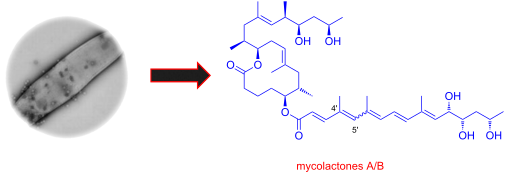

Graphical Abstract

Figure 1: Initial proposal for the core macrolactone structure (left) and the established complete structure ...
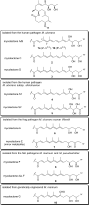
Figure 2: Mycolactone congeners and their origins.

Figure 3: Misassigned mycolactone E structure according to Small et al. [50] (11) and the correct structure (6) f...

Figure 4: Schematic illustration of Kishi’s improved mycolactone TLC detection method exploiting derivatizati...

Figure 5: Fluorescent probes derived from natural mycolactone A/B (1a,b) or its synthetic 8-desmethyl analogs...

Figure 6: Tool compounds used by Pluschke and co-workers for elucidating the molecular targets of mycolactone...

Figure 7: Synthetic strategies towards the extended mycolactone core. A) General strategies. B) Kishi’s appro...

Scheme 1: Kishi’s 1st generation approach towards the extended core structure of mycolactones. Reagents and c...

Scheme 2: Kishi’s 2nd generation approach towards the extended core structure of mycolactones. Reagents and c...

Scheme 3: Kishi’s 3rd generation approach towards the extended core structure of mycolactones. Reagents and c...

Scheme 4: Negishi’s synthesis of the extended core structure of mycolactones. Reagents and conditions: a) (i) ...

Scheme 5: Burkart’s (incomplete) 1st generation approach towards the extended core structure of mycolactones....
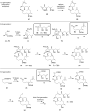
Scheme 6: Burkart’s (incomplete) 1st, 2nd and 3rd generation approach towards the extended mycolactone core s...

Scheme 7: Altmann’s synthesis of alkyl iodide 91. Reagents and conditions: a) (i) PMB-trichloroacetimidate, T...

Scheme 8: Final steps of Altmann’s synthesis of the extended core structure of mycolactones. Reagents and con...

Scheme 9: Basic principles of the Aggarwal lithiation–borylation homologation process [185,186].

Scheme 10: Aggarwal’s synthesis of the C1–C11 fragment of the mycolactone core. Reagents and conditions: a) Cl...

Scheme 11: Aggarwal’s synthesis of the linear C1–C20 fragment of the mycolactone core. Reagents and conditions...

Figure 8: Synthetic strategies towards the mycolactone A/B lower side chain.

Scheme 12: Gurjar and Cherian’s synthesis of the C1’–C8’ fragment of the mycolactone A/B pentaenoate side chai...

Scheme 13: Gurjar and Cherian’s synthesis of the benzyl-protected mycolactone A/B pentaenoate side chain. Reag...

Scheme 14: Kishi’s synthesis of model compounds for elucidating the stereochemistry of the C7’–C16’ fragment o...

Scheme 15: Kishi’s synthesis of the mycolactone A/B pentaenoate side chain. (a) (i) NaH, (EtO)2P(O)CH2CO2Et, T...

Scheme 16: Feringa and Minnaard's incomplete synthesis of mycolactone A/B pentaenoate side chain. Reagents and...

Scheme 17: Altmann’s approach towards the mycolactone A/B pentaenoate side chain. Reagents and conditions: a) ...

Scheme 18: Negishi’s access to the C1’–C7’ fragment of mycolactone A. Reagents and conditions: a) (i) n-BuLi, ...

Scheme 19: Negishi’s approach to the C1’–C7’ fragment of mycolactone B. Reagents and conditions: a) (i) DIBAL-...

Scheme 20: Negishi’s synthesis of the C8’–C16’ fragment of mycolactone A/B. Reagents and conditions: a) 142, BF...

Scheme 21: Negishi’s assembly of the mycolactone A and B pentaenoate side chains. Reagents and conditions: a) ...

Scheme 22: Blanchard’s approach to the mycolactone A/B pentaenoate side chain. a) (i) Ph3P=C(Me)COOEt, CH2Cl2,...

Scheme 23: Kishi’s approach to the mycolactone C pentaenoate side chain exemplified for the 13’R,15’S-isomer 1...

Scheme 24: Altmann’s (unpublished) synthesis of the mycolactone C pentaenoate side chain. Reagents and conditi...

Scheme 25: Blanchard’s synthesis of the mycolactone C pentaenoate side chain. Reagents and conditions: a) (i) ...

Scheme 26: Kishi’s synthesis of the tetraenoate side chain of mycolactone F exemplified by enantiomer 165. Rea...

Scheme 27: Kishi’s synthesis of the mycolactone E tetraenoate side chain. Reagents and conditions: a) (i) CH2=...

Scheme 28: Wang and Dai’s synthesis of the mycolactone E tetraenoate side chain. Reagents and conditions: a) (...

Scheme 29: Kishi’s synthesis of the dithiane-protected tetraenoate side chain of the minor oxo-metabolite of m...

Scheme 30: Kishi’s synthesis of the mycolactone S1 and S2 pentaenoate side chains. Reagents and conditions: a)...

Scheme 31: Kishi’s 1st generation and Altmann’s total synthesis of mycolactone A/B (1a,b) and Negishi’s select...

Scheme 32: Kishi’s 2nd generation total synthesis of mycolactone A/B (1a,b). Reagents and conditions: a) 2,4,6...

Scheme 33: Blanchard’s synthesis of the 8-desmethylmycolactone core. Reagents and conditions: a) (i) TsCl, TEA...

Scheme 34: Altmann’s (partially unpublished) synthesis of the C20-hydroxylated mycolactone core. Reagents and ...

Scheme 35: Altmann’s and Blanchard’s approaches towards the 11-isopropyl-8-desmethylmycolactone core. Reagents...

Scheme 36: Blanchard’s synthesis of the saturated variant of the C11-isopropyl-8-desmethylmycolactone core. Re...

Scheme 37: Structure elucidation of photo-mycolactones generated from tetraenoate 224.

Scheme 38: Kishi’s synthesis of the linear precursor of the photo-mycolactone B1 lower side chain. Reagents an...

Scheme 39: Kishi’s synthesis of the photo-mycolactone B1 lower side chain. Reagents and conditions: a) LiTMP, ...

Scheme 40: Kishi’s synthesis of a stabilized lower mycolactone side chain. Reagents and conditions: a) (i) TBD...
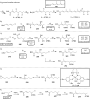
Scheme 41: Blanchard’s variation of the C12’,C13’,C15’ stereocluster. Reagents and conditions: a) (i) DIBAL-H,...

Scheme 42: Blanchard’s synthesis of aromatic mycolactone polyenoate side chain analogs. Reagents and condition...

Scheme 43: Small’s partial synthesis of a BODIPY-labeled mycolactone derivative and Demangel’s partial synthes...

Scheme 44: Blanchard’s synthesis of the BODIPY-labeled 8-desmethylmycolactones. Reagents and conditions: a) (i...
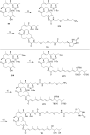
Scheme 45: Altmann’s synthesis of biotinylated mycolactones. Reagents and conditions: a) (i) CDI, THF, rt, 2 d...

Figure 9: Kishi’s elongated n-butyl carbamoyl mycolactone A/B analog.
Phenylsilane as an effective desulfinylation reagent
- Wanda H. Midura,
- Aneta Rzewnicka and
- Jerzy A. Krysiak
Beilstein J. Org. Chem. 2017, 13, 1513–1517, doi:10.3762/bjoc.13.150

- a continuation of our studies on asymmetric cyclopropanation of vinyl phosphonates using (S)-dimethylsulfonium(p-tolylsulfinyl)methylide and its further application. It was formed as a single diastereomer with full stereoselectivity. To determine the relative configuration of the obtained structure

Graphical Abstract

Scheme 1: Different behaviour of cyclopropylphosphonates in the reaction with phenylsilane.

Scheme 2: Synthesis and desulfinylation of 4.

Scheme 3: Reaction of acyclic sulfoxides with phenylsilane. Reagents and conditions: (a) BuLi, THF, −70 °C, p...
Unpredictable cycloisomerization of 1,11-dien-6-ynes by a common cobalt catalyst
- Abdusalom A. Suleymanov,
- Dmitry V. Vasilyev,
- Valentin V. Novikov,
- Yulia V. Nelyubina and
- Dmitry S. Perekalin
Beilstein J. Org. Chem. 2017, 13, 639–643, doi:10.3762/bjoc.13.62
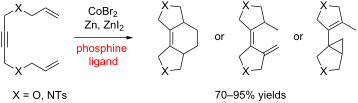
- recently prepared by the rhodium-catalyzed cyclopropanation [44]. Compounds 4 and 5 were obtained as mixtures with approximately 1:1 ratio and total 80–90% yields. Numerous attempts to convert 5 into the more stable isomer 4 using strong bases or transition metal catalysts were unsuccessful. The cobalt

Graphical Abstract

Scheme 1: Examples of metal-catalyzed transformations of 1,11-dien-6-ynes.
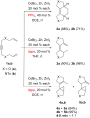
Scheme 2: Cobalt-catalyzed cycloisomerizations of 1,11-dien-6-ynes.

Scheme 3: Possible mechanism for formation of the compounds 2–5.

Scheme 4: Cycloisomerization of the substituted dienyne 1c.

Figure 1: The substituted 1,11-dien-6-ynes that did not undergo cycloisomerization in the presence of the cob...
Organometallic chemistry
- Bernd F. Straub,
- Rolf Gleiter,
- Claudia Meier and
- Lutz H. Gade
Beilstein J. Org. Chem. 2016, 12, 2216–2221, doi:10.3762/bjoc.12.213
- for olefin metathesis catalysis [86][87][90][91][98][99][100][108][132][138][147], the characterization of copper–carbene complexes as intermediates in the cyclopropanation of alkenes [102][106][113][119][120], as well as detailed studies into the mechanism of the hydroformylation of alkenes. An

Figure 1: Peter Hofmann.
On the cause of low thermal stability of ethyl halodiazoacetates
- Magnus Mortén,
- Martin Hennum and
- Tore Bonge-Hansen
Beilstein J. Org. Chem. 2016, 12, 1590–1597, doi:10.3762/bjoc.12.155

- briefly studied the thermal, non-catalytic cyclopropanation of styrenes and compared the results to the analogous Rh(II)-catalyzed reactions. Keywords: carbenes; catalysis; cyclopropanation; halo diazoacetates; half-lives; thermal stability; Introduction The chemistry of diazo compounds has fascinated
- halodiazoacetates 2a–c (Scheme 1) from 1 and studied their reactivity in Rh(II)-catalyzed reactions [11]. In the presence of Rh(II) catalysts the halodiazoacetates extrude N2 and form the corresponding Rh–carbenes which undergo typical carbenoid reactions such as cyclopropanation [11], cyclopropanation–ring
- investigated the reactivity of the carbenes generated thermally at ambient temperature in a non-catalytic fashion. As a probe, we elected the standard cyclopropanation reaction of styrenes. We found that the presence of styrene and/or methyl 4-nitrobenzoate (internal standard) did not change the rate of the

Graphical Abstract

Figure 1: Relative stability and nucleophilicity of non-stabilized (R = H, alkyl) diazo compounds (left) and ...

Scheme 1: Synthesis of ethyl halodiazoacetates [11].

Figure 2: a) The decay of 2b in toluene-d8 at 35 °C. b) The plot of log(Δ[2b]) vs time.

Scheme 2: Proposed rate determining step for the thermal decomposition of 2a–c.
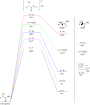
Figure 3: Transition-state energies (kcal/mol) for the release of N2 and formation of the singlet carbenes. T...

Figure 4: Thermal stability of 1 and 2a–c, and the α-substituents’ contribution to π-donation.

Figure 5: NBO atomic charges and IR stretching frequencies calculated [21] and experimentally recorded for 1 and ...

Figure 6: NBO atomic charges of the singlet carbenes from 1 and 2a,b, and d.

Figure 7: Relative thermal stability of halodiazoacetates (red color).

Figure 8: Relative nucleophilicity of halodiazoacetates (red color).
Enantioselective carbenoid insertion into C(sp3)–H bonds
- J. V. Santiago and
- A. H. L. Machado
Beilstein J. Org. Chem. 2016, 12, 882–902, doi:10.3762/bjoc.12.87
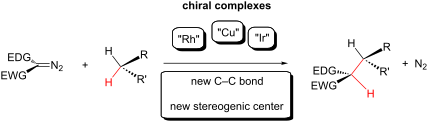
- carbenoid insertion into the C(sp3)–H bond (63) and the other as a result of the cyclopropanation reaction (64, Table 9). Both examples reported by Suematsu and Katsuki showed very good yields and excellent enantiomeric excesses of the products. This work is noteworthy because it is the first report in the
- metathesis (RCM) [68]. The insertion of the rhodium carbenoids derived from vinyl diazoacetate into the C(sp3)–H bonds of the alkenylcarbamates 97a–d yields two reaction products (Table 10). The major one (99a–d) was the result of the cyclopropanation reaction of the double bond present in 97a–d. The minor
- cyclopropanation product was also observed in 14% yield. Ethylbenzene (110) was used and also showed high regioselectivity favoring the carbenoid insertion into benzylic C(sp3)–H bonds (Scheme 24). The diastereoisomers 111 and 112 were obtained in 45% yield and 16%, respectively, and moderate stereoselectivity was

Graphical Abstract

Figure 1: Singlet carbene, triplet carbene and carbenoids.

Figure 2: Classification of the carbenoid intermediates by the electronic nature of the groups attached to th...

Figure 3: Chiral bis(oxazoline) ligands used in enantioselective copper carbenoid insertion.

Scheme 1: Pioneering work of Peter Yates on the carbenoid insertion reaction into X–H bonds (where X = O, S, ...

Scheme 2: Copper carbenoid insertion into C(sp3)–H bond of a stereogenic center with full retention of the as...

Scheme 3: Carbenoid insertion into a C(sp3)–H bond as the key step of the Taber’s (+)-α-cuparenone (8) synthe...

Scheme 4: First enantioselective carbenoid insertion into C–O bonds catalyzed by chiral metallic complexes.

Figure 4: Chemical structures of complexes (R)-18 and (S)-18.

Scheme 5: Asymmetric carbenoid insertions into C(sp3)–H bonds of cycloalkanes catalyzed by chiral rhodium car...

Scheme 6: First diastereo and enantioselective intermolecular carbenoid insertion into tetrahydrofuran C(sp3)...

Scheme 7: Simplified mechanism of the carbenoid insertion into a C(sp3)–H bond.

Scheme 8: Nakamura’s carbenoid insertion into a C(sp3)–H bond catalytic cycle.

Scheme 9: Investigation of the relationship between the electronic characteristics of the substituent X attac...

Scheme 10: Empirical model to predict the stereoselectivity of the donor/acceptor dirhodium carbenoid insertio...

Scheme 11: Asymmetric insertion of copper carbenoids in C(sp3)–H bonds to prepare trans-γ-lactam.

Figure 5: Iridium catalysts used by Suematsu and Katsuki for carbenoid insertion into C(sp3)–H bonds.

Scheme 12: Chiral porphyrin iridium complex catalyzes the carbenoid insertion into bis-allylic C(sp3)–H bonds.

Scheme 13: Chiral porphyrin iridium complex catalyzes the carbenoid insertion into tetrahydrofuran C(sp3)–H bo...

Scheme 14: Chiral porphyrin–iridium complex catalyzes the intramolecular carbenoid insertion into C(sp3)–H bon...

Scheme 15: Chiral bis(oxazoline)–iridium complex catalyzes the carbenoid insertion into bis-allylic C(sp3)–H b...

Scheme 16: New cyclopropylcarboxylate-based chiral catalyst to enantioselective carbenoid insertion into the e...

Scheme 17: Regio- and enantioselective carbenoid insertion into the C(sp3)–H bond catalyzed by a new bulky cyc...

Scheme 18: Regio and diastereoselective carbenoid insertion into the C(sp3)–H bond catalyzed by a new bulky cy...

Scheme 19: 2,2,2-Trichloroethyl (TCE) aryldiazoacetates to improve the scope, regio- and enantioselective of t...

Scheme 20: Sequential C–H functionalization approach to 2,3-dihydrobenzofurans.

Scheme 21: Enantioselective intramolecular rhodium carbenoid insertion into C(sp3)–H bonds to afford cis-disub...

Scheme 22: Enantioselective intramolecular rhodium carbenoid insertion into C(sp3)–H bonds to afford cis-2-vin...

Scheme 23: First rhodium porphyrin-based catalyst for enantioselective carbenoid insertion into C(sp3)–H bond.

Scheme 24: Rhodium porphyrin-based catalyst for enantioselective carbenoid insertion into benzylic C(sp3)–H bo...
Cupreines and cupreidines: an established class of bifunctional cinchona organocatalysts
- Laura A. Bryant,
- Rossana Fanelli and
- Alexander J. A. Cobb
Beilstein J. Org. Chem. 2016, 12, 429–443, doi:10.3762/bjoc.12.46
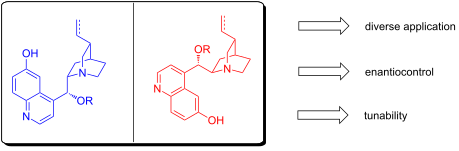
- then turn to asymmetric 1,2-additions followed by conjugate additions, a cyclopropanation, (ep)oxidations, α-functionalisation processes, cycloadditions, domino processes and finally miscellaneous reactions. We ultimately aim to demonstrate through this plethora of diverse processes, that the 6’-OH
- cyclopropanation using dimethyl bromomalonate (57) and some form of Michael acceptor. In this process, the enolate resulting from the initital conjugate addition attacks the C–Br bond to form a three-membered ring. In our work in this area, we designed a new cupreine derived catalyst HCPN-59 to add dimethyl
- review are already domino reactions (e.g., MBH, and the cyclopropanation), a recent and clearer example of the use of a 6’-OH cinchona derived catalyst in such a process comes from the laboratory of Samanta and co-workers [67][68]. They have demonstrated an enantioselective domino reaction between 3

Graphical Abstract

Figure 1: The structural diversity of the cinchona alkaloids, along with cupreine, cupreidine, β-isoquinidine...

Scheme 1: The original 6’-OH cinchona alkaloid organocatalytic MBH process, showing how the free 6’-OH is ess...

Scheme 2: Use of β-ICPD in an aza-MBH reaction.

Scheme 3: (a) The isatin motif is a common feature for MBH processes catalyzed by β-ICPD, as demonstrated by ...

Scheme 4: (a) Chen’s asymmetric MBH reaction. Good selectivity was dependent upon the presence of (R)-BINOL (...

Scheme 5: Lu and co-workers synthesis of a spiroxindole.

Scheme 6: Kesavan and co-workers’ synthesis of spiroxindoles.

Scheme 7: Frontier’s Nazarov cyclization catalyzed by β-ICPD.

Scheme 8: The first asymmetric nitroaldol process catalyzed by a 6’-OH cinchona alkaloid.

Scheme 9: A cupreidine derived catalyst induces a dynamic kinetic asymmetric transformation.

Scheme 10: Cupreine derivative 38 has been used in an organocatalytic asymmetric Friedel–Crafts reaction.

Scheme 11: Examples of 6’-OH cinchona alkaloid catalyzed processes include: (a) Deng’s addition of dimethyl ma...

Scheme 12: A diastereodivergent sulfa-Michael addition developed by Melchiorre and co-workers.

Scheme 13: Melchiorre’s vinylogous Michael addition.

Scheme 14: Simpkins’s TKP conjugate addition reactions.

Scheme 15: Hydrocupreine catalyst HCPN-59 can be used in an asymmetric cyclopropanation.

Scheme 16: The hydrocupreine and hydrocupreidine-based catalysts HCPN-65 and HCPD-67 demonstrate the potential...

Scheme 17: Jørgensen’s oxaziridination.

Scheme 18: Zhou’s α-amination using β-ICPD.

Scheme 19: Meng’s cupreidine catalyzed α-hydroxylation.

Scheme 20: Shi’s biomimetic transamination process for the synthesis of α-amino acids.

Scheme 21: β-Isocupreidine catalyzed [4 + 2] cycloadditions.

Scheme 22: β-Isocupreidine catalyzed [2+2] cycloaddition.

Scheme 23: A domino reaction catalyst by cupreidine catalyst CPD-30.

Scheme 24: (a) Dixon’s 6’-OH cinchona alkaloid catalyzed oxidative coupling. (b) An asymmetric oxidative coupl...
Evidencing an inner-sphere mechanism for NHC-Au(I)-catalyzed carbene-transfer reactions from ethyl diazoacetate
- Manuel R. Fructos,
- Juan Urbano,
- M. Mar Díaz-Requejo and
- Pedro J. Pérez
Beilstein J. Org. Chem. 2015, 11, 2254–2260, doi:10.3762/bjoc.11.245
- functionalization; olefin cyclopropanation; Introduction The discovery of the catalytic capabilities of soluble gold(I) species toward the hydration of alkynes by Teles and co-workers [1] is considered as the rising of the golden era for the use of this metal in homogeneous catalysis [2][3]. A number of
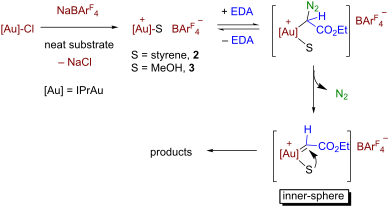
- reaction (olefin cyclopropanation). (b) Side-reactions of carbene or diazo coupling commonly observed. The outer- and inner-sphere routes for this transformation. Acknowledgements Support for this work was provided by the MINECO (CTQ2014-52769-C3-1-R), and the Junta de Andalucía (P10-FQM-06292).

Graphical Abstract

Scheme 1: The Au(I)-catalyzed skeletal rearrangement of the [2 + 2] cycloaddition of 1,6-enynes that involves...

Scheme 2: The catalytic activity of IPrAuCl + NaBArF4 in the carbene-transfer reaction to styrene or methanol....

Scheme 3: The gold-promoted decarbenation reaction described by Echavarren and co-workers.
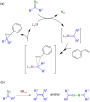
Scheme 4: (a) General representation of the metal-catalyzed carbene-transfer reaction (olefin cyclopropanatio...

Figure 1: Plot of evolved nitrogen with time for the reactions of EDA with styrene or methanol.

Figure 2: Top: Plots of evolved nitrogen with time for the reactions of EDA with styrene (left) or methanol (...

Scheme 5: The outer- and inner-sphere routes for this transformation.

Figure 3: The experimental device for the measurement of N2 evolution.
Synthesis of quinoline-3-carboxylates by a Rh(II)-catalyzed cyclopropanation-ring expansion reaction of indoles with halodiazoacetates
- Magnus Mortén,
- Martin Hennum and
- Tore Bonge-Hansen
Beilstein J. Org. Chem. 2015, 11, 1944–1949, doi:10.3762/bjoc.11.210

- halodiazoacetates. The formation of the quinoline structure is probably the result of a cyclopropanation at the 2- and 3-positions of the indole followed by ring-opening of the cyclopropane and elimination of H–X. Keywords: catalysis; cyclopropanation; indole; quinoline; Rh(II); ring expansion; Introduction The
- usually directed to the C2-position [5][6][7][8]. Electron-withdrawing groups (acyl, carbamoyl) at the indole nitrogen typically lead to cyclopropanation products that can be purified and isolated. Several reaction pathways have been proposed to account for the observed reactivity, but the mechanism for
- many of the reactions between indoles and metal-bound carbenes are unclear [5][6][7][8]. We have for some time worked with halodiazoacetates and studied their reactivity in cyclopropanation reactions [17], C–H insertion and Si–H insertion reactions [18]. Halodiazoacetates can be made quantiatively and

Graphical Abstract

Scheme 1: Synthesis of halo diazoacetates [17].

Scheme 2: The reaction between halodiazoacetates and indole.

Scheme 3: Proposed reaction pathway.

Scheme 4: Attempted cyclopropanation of N-Boc indole.

Scheme 5: The reaction between ethyl bromo diazoacetate and N-Me-indole.
An unusually stable chlorophosphite: What makes BIFOP–Cl so robust against hydrolysis?
- Roberto Blanco Trillo,
- Jörg M. Neudörfl and
- Bernd Goldfuss
Beilstein J. Org. Chem. 2015, 11, 313–322, doi:10.3762/bjoc.11.36
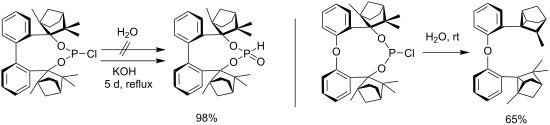
- carbocation (Scheme 3) [34][35][36][37][38][39][40]. Intramolecular cyclopropanation reactions are often characterized by prolonged treatment with an acid [41][42][43][44][45][46]. Stabilization of the intermediate carbocation by the lone pair of the oxygen atom is enabled by lone-pair conjugation (O-lp

Graphical Abstract

Scheme 1: Fenchyl-based ligands used as building blocks for phosphorous ligands or organoaluminum reagents.

Scheme 2: Reaction of BIFOP–Cl (1) to BIFOP–(O)H (2) and of O–BIFOP–Cl (3) yielding O–BIFOP–H (4), O–BIFOP–(O...

Figure 1: 31P NMR (125 MHz, CDCl3) of O–BIFOP–Cl (3, δ = 161.9) after the addition of 1 equiv H2O and formati...

Figure 2: X-ray crystal structure of diphenyl ether-2,2’-biscyclofenchene 7. Ellipsoids are shown with 50% pr...

Scheme 3: Proposed mechanism for the formation of diphenyl ether-2,2’-biscyclofenchene 7 through stabilizatio...

Figure 3: 31P NMR (125 MHz, CDCl3) of O–BIFOP–H (4, δ = 152.5) adding O2 after a) 5 min; b) 15 min; c) 120 mi...

Figure 4: X-ray crystal structure of BIFOP-Cl 1. Ellipsoids are shown with 50% probability [15].

Scheme 4: The different backbones provoke different reactivities due to tighter encapsulation of the P–Cl uni...

Figure 5: X-ray crystal structure of O-BIFOP-Cl (3). Ellipsoids are shown with 50% probability.
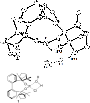
Figure 6: Transition state structure for the reaction of BIFOP–Cl (1) with water (BP86/def-SV(P)).
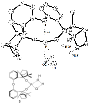
Figure 7: Transition state structure for the reaction of O-BIFOP–Cl (3) with water (BP86/def-SV(P)).
Organic chemistry on surfaces: Direct cyclopropanation by dihalocarbene addition to vinyl terminated self-assembled monolayers (SAMs)
- Malgorzata Adamkiewicz,
- David O’Hagan and
- Georg Hähner
Beilstein J. Org. Chem. 2014, 10, 2897–2902, doi:10.3762/bjoc.10.307

- %, with a slightly lower conversion rate in case of F, which might be due to its higher electronegativity and an associated higher repulsion between the terminal groups after cyclopropanation. Conversion rates were determined by correcting the experimental C3/(C1 + C2) ratios from Table 1 with a factor of

Graphical Abstract

Figure 1: General strategies for incorporating functional groups (FGs) on the surface of self-assembled monol...
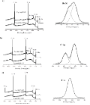
Figure 2: XPS scans after reactions with a) :CBr2; b) :CCl2 and c) :CF2. In each case the upper traces are sc...

Scheme 1: Model reactions of dec-1-ene (1) with dihalocarbenes in the liquid phase. a) and b) NaOH, BTEAC, CHX...

Figure 3: AFM images of 5 μm × 5 μm area of C11-vinyl SAMs modified with a) :CBr2 carbene, RMS 93 pm; b) :CCl2...

Figure 4: The experimental set-up for the dibromo-, dichloro- and difluorocarbene reactions performed on C11-...
Application of cyclic phosphonamide reagents in the total synthesis of natural products and biologically active molecules
- Thilo Focken and
- Stephen Hanessian
Beilstein J. Org. Chem. 2014, 10, 1848–1877, doi:10.3762/bjoc.10.195
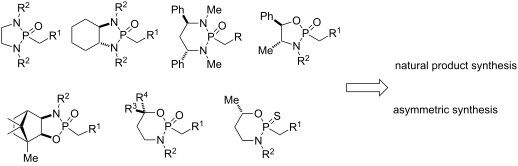
- summarized, as well as an overview of the synthesis of the employed phosphonamide reagents. Keywords: conjugate addition; cyclopropanation; olefination; organophosphorus; phosphonamide; total synthesis; Introduction Chiral non-racemic and achiral cyclic phosphonamide reagents 1–7 (Figure 1) have been
- used for limited exploratory studies. Cyclopropanation and aziridination The cyclopropanation of α,β-unsaturated esters and lactones using chiral phosphonamide reagents is a special case of the conjugate addition–enolate alkylation sequence. The application of chloroallyl phosphonamides such as (trans
- cyclopropane 50a. Starting with (cis,R,R)-47b, the isomeric exo,endo product 50b is obtained as major isomer. The cyclopropanation reaction tolerates a wide range of Michael acceptor subtrates such as enones, lactones, lactams, and acyclic α,β-unsaturated esters. The obtained products can easily be cleaved to

Graphical Abstract

Figure 1: Examples of phosphonamide reagents used in stereoselective synthesis.

Figure 2: Natural products and bioactive molecules synthesized using phosphonamide-based chemistry (atoms, bo...

Scheme 1: Olefination with cyclic phosphonamide anions, mechanistic rationale, and selected examples 27a–d [18].

Scheme 2: Asymmetric olefination with chiral phosphonamide anions and selected examples 31a–d [1,22].

Scheme 3: Synthesis of α-substituted phosphonic acids 33a–e by asymmetric alkylation of chiral phosphonamide ...

Scheme 4: Asymmetric conjugate additions of C2-symmetric chiral phosphonamide anions to cyclic enones, lacton...

Scheme 5: Asymmetric conjugate additions of P-chiral phosphonamide anions generated from 40a and 44a to cycli...

Scheme 6: Asymmetric cyclopropanation with chiral chloroallyl phosphonamide 47, mechanistic rationale, and se...

Scheme 7: Asymmetric cyclopropanation with chiral chloromethyl phosphonamide 28d [59].

Scheme 8: Stereoselective synthesis of cis-aziridines 57 from chiral chloroallyl phosphonamide 47a [62].

Scheme 9: Synthesis of phosphonamides by (A) Arbuzov reaction, (B) condensation of diamines with phosphonic a...

Figure 3: Original and revised structure of polyoxin A (69) [24-26].
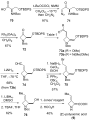
Scheme 10: Synthesis of (E)-polyoximic acid (9) [24-26].

Figure 4: Key assembly strategy of acetoxycrenulide (10) [41,42].

Scheme 11: Total synthesis of (+)-acetoxycrenulide (10) [41,42].

Scheme 12: Synthesis squalene synthase inhibitor 19 by asymmetric sulfuration (A) and asymmetric alkylation (B...
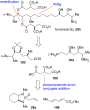
Figure 5: Key assembly strategy of fumonisin B2 (20) and its tricarballylic acid fragment 105 [45,46].

Scheme 13: Final steps of the total synthesis of fumonisin B2 (20) [45,46].

Figure 6: Selected examples of two subclasses of β-lactam antibiotics – carbapenems (111 and 112) and trinems...

Scheme 14: Synthesis of tricyclic β-lactam antibiotic 123 [97].

Scheme 15: Total synthesis of (−)-anthoplalone (8) [56].
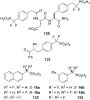
Figure 7: Protein tyrosine phosphatase (PTP) inhibitors 130, 131 and model compounds 16, 132 and 133 [68].

Scheme 16: Synthesis of model PTP inhibitors 16a,b [68].
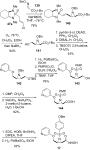
Scheme 17: Synthesis of aziridine hydroxamic acid 17 as MMP inhibitor [63].
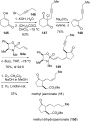
Scheme 18: Synthesis of methyl jasmonate (11) [48].

Figure 8: Structures of nudiflosides A (137) and D (13) [49].

Scheme 19: Total synthesis of the pentasubstituted cyclopentane core 159 of nudiflosides A (151) and D (13) an...

Figure 9: L-glutamic acid (161) and constrained analogues [57,124].

Scheme 20: Stereoselective synthesis of DCG-IV (162) [57].

Scheme 21: Stereoselective synthesis of mGluR agonist 21 [124].
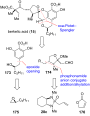
Figure 10: Key assembly strategy of berkelic acid (15) [43].

Scheme 22: Total synthesis of berkelic acid (15) [43].
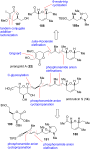
Figure 11: Key assembly strategy of jerangolid A (22) and ambruticin S (14) [27,28].
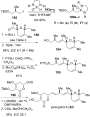
Scheme 23: Final assembly steps in the total synthesis of jerangolid A [27].

Scheme 24: Key assembly steps in the total synthesis of ambruticin S (14) [28].

Figure 12: General steroid construction strategy based on conjugate addition of 212 to cyclopentenone 48, exem...

Scheme 25: Total synthesis of estrone (12) [44].
Structure/affinity studies in the bicyclo-DNA series: Synthesis and properties of oligonucleotides containing bcen-T and iso-tricyclo-T nucleosides
- Branislav Dugovic,
- Michael Wagner and
- Christian J. Leumann
Beilstein J. Org. Chem. 2014, 10, 1840–1847, doi:10.3762/bjoc.10.194
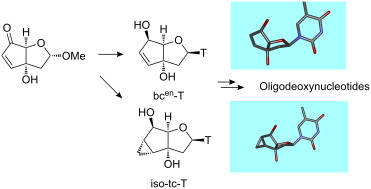
- , compound 1 was subjected to carbonyl reduction which occurred with high stereoselectivity from the less hindered, convex side of the bicyclic system, resulting in alcohol 2 along with traces of its epimer. To increase the stereoselectivity of the upcoming cyclopropanation reaction it seemed appropriate to
- protect the secondary hydroxy group as TBS ether (→ 3). Indeed cyclopropanation of 3 with diethylzinc and CH2I2 proceeded stereospecifically, again from the convex side of the bicyclic system, to give 4. Subsequent nucleosidation of 4 via the Vorbrüggen procedure [31][32] with transient protection of the

Graphical Abstract
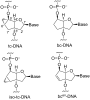
Figure 1: Chemical structures and carbon numbering scheme of tricyclo(tc)-DNA (top, left), bicyclo(bc)-DNA (t...

Scheme 1: Conditions: (a) NaBH4, CeCl3·7H2O, MeOH, −78 °C → rt, 1.5 h, 73% (+9% of C6-epimer); (b) TBS-Cl, im...

Scheme 2: Conditions: (a) thymine, BSA, TMSOTf, TMSCl, CH3CN, rt, 2.5 h; (b) DMTrCl, pyridine, rt, 16 h, 29% ...

Figure 2: X-ray structure of top row: nucleosides 8β (left), 11β (center) and overlay of both structures (rig...

Scheme 3: Pathways for elimination of the modified nucleotides during the oxidation step in oligonucleotide a...
Synthesis of chiral N-phosphoryl aziridines through enantioselective aziridination of alkenes with phosphoryl azide via Co(II)-based metalloradical catalysis
- Jingran Tao,
- Li-Mei Jin and
- X. Peter Zhang
Beilstein J. Org. Chem. 2014, 10, 1282–1289, doi:10.3762/bjoc.10.129
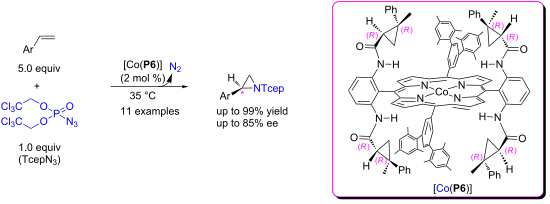
- poor yield (Table 1, entry 8). To our delight, the use of catalyst [Co(P5)] (P5 = 3,5-DitBu-QingPhyrin), which was shown to be effective in asymmetric intramolecular olefin cyclopropanation [37], led to significant further improvement in enantioselectivity to 81% ee although the yield for the

Graphical Abstract

Scheme 1: [Co(TPP)]-catalyzed olefin aziridination with DPPA.

Scheme 2: [Co(P1)]-catalyzed asymmetric olefin aziridination with DPPA.

Figure 1: (A) Potential H-bonding interaction in postulated nitrene radical complex of [Co(D2-Por*)]. R* repr...

Figure 2: Structures of D2-symmetric chiral cobalt(II) porphyrins.
Stereocontrolled synthesis of 5-azaspiro[2.3]hexane derivatives as conformationally “frozen” analogues of L-glutamic acid
- Beatrice Bechi,
- David Amantini,
- Cristina Tintori,
- Maurizio Botta and
- Romano di Fabio
Beilstein J. Org. Chem. 2014, 10, 1114–1120, doi:10.3762/bjoc.10.110
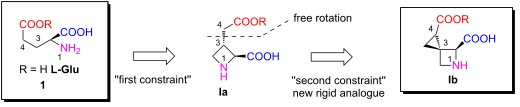
- rotation around the C3–C4 bond present in the azetidine derivative Ia by incorporating an appropriate spiro moiety. The cyclopropyl moiety was introduced by a diastereoselective rhodium catalyzed cyclopropanation reaction. Keywords: Amino acids; carbenes; cyclopropanation; rhodium; spiro compounds
- two different synthetic strategies: a) cyclopropanation of an α,β-unsaturated ester (compound III, Z = COOR); b) metal-catalyzed cyclopropanation of the corresponding terminal olefin derivative (compound III, Z = H) with a diazoacetate derivative. After having accomplished this key step, intermediate
- [28][29][30][31][32][33] cyclopropanation reaction were attempted (highlighted in Scheme 3). Regrettably, when these reactions were performed under different reaction conditions by changing the base, the solvent, the temperature and the reaction time, only trace amounts of final product 20 were

Graphical Abstract

Figure 1: Glutamate receptor ligands.

Scheme 1: Proposed synthetic plan for the preparation of compound of type Ib.

Scheme 2: Synthesis of 3-azetidinone derivative 16.

Scheme 3: Synthetic routes to prepare target cyclopropyl derivatives 20. Reagents and conditions: a) (EtO)2PO...

Figure 2: Mechanism for the attack of the carbene intermediate to the olefin moiety 18.

Figure 3: Representation of the lowest energy conformation of each diastereoisomers.

Scheme 4: Synthesis of glutamate “frozen” analogues 4-carboxy-1-(ethoxycarbonyl)-5-azaspiro[2.3]hexane.
Site-selective covalent functionalization at interior carbon atoms and on the rim of circumtrindene, a C36H12 open geodesic polyarene
- Hee Yeon Cho,
- Ronald B. M. Ansems and
- Lawrence T. Scott
Beilstein J. Org. Chem. 2014, 10, 956–968, doi:10.3762/bjoc.10.94
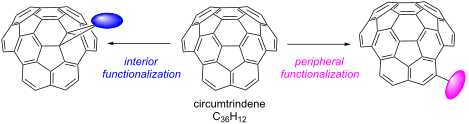
- reactions and to probe the magnetic environment of the concave/convex space around the hydrocarbon bowl. For both classes of functionalization, computational results are reported to complement the experimental observations. Keywords: Bingel–Hirsch reaction; buckybowl; carbon nanomaterials; cyclopropanation
- unit. Representative synthetic reactions of fullerene C60 (2) include cyclopropanation [29][30], [3 + 2] cycloaddition [31][32], [4 + 2] cycloaddition [33], nucleophilic addition [34], and radical addition reactions [35]. Two of the earliest and most widely used reactions, the Bingel–Hirsch reaction
- behavior. Considering the similarity between the curved π-systems of circumtrindene and fullerene C60, we speculated that the Bingel–Hirsch reaction might occur with circumtrindene (6) in the same manner as it does with fullerene C60. Gratifyingly, the cyclopropanation of circumtrindene by the Bingel

Graphical Abstract

Figure 1: Prototypical open and closed geodesic polyarenes.

Figure 2: Planar vs pyramidalized π-system.
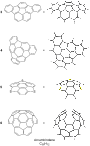
Figure 3: Selected examples of geodesic polyarenes synthesized by FVP.

Scheme 1: Covalent functionalization of fullerene C60 by the Bingel–Hirsch reaction and the Prato reaction.

Scheme 2: Fullerene-type chemistry at interior carbon atoms of corannulene (1) and diindenochrysene (10).

Figure 4: POAV angles of fullerene C60 (2), corannulene (1), and diindenochrysene (10).

Scheme 3: Synthesis of circumtrindene (6) by FVP.

Scheme 4: Synthetic route to 3,9,15-trichlorodecacyclene (12).

Figure 5: POAV angle and bond lengths of circumtrindene.

Scheme 5: Bingel–Hirsch reaction of circumtrindene (6).

Scheme 6: Proposed mechanism for the Bingel–Hirsch reaction of circumtrindene (6).

Scheme 7: Prato reaction of circumtrindene (6).

Figure 6: LUMO orbital map of circumtrindene (B3LYP/6-31G*). The darkest blue areas correspond to the regions...

Figure 7: Electrostatic potentials on the surfaces of circumtrindene (B3LPY/6-31G*).

Figure 8: Monoindeno- (25), diindeno- (26), and triindenocircumtrindene (27).

Figure 9: Two different types of rim carbon atoms on circumtrindene.

Scheme 8: Site-selective peripheral monobromination of circumtrindene.

Scheme 9: Suzuki coupling and ring-closing reactions toward indenocircumtrindene (25).

Scheme 10: Suzuki coupling to prepare compound 30.

Figure 10: Chemical shifts of ortho-methyl groups in 30 and 31.
Recent applications of the divinylcyclopropane–cycloheptadiene rearrangement in organic synthesis
- Sebastian Krüger and
- Tanja Gaich
Beilstein J. Org. Chem. 2014, 10, 163–193, doi:10.3762/bjoc.10.14
- alcohol to yield aldehyde 34. Addition of double deprotonated methyl acetoacetate gave β-ketoester 35. Diazotransfer followed by double protection resulted in the formation of compound 36. Rh-catalyzed intramolecular cyclopropanation of this compound gave bicycle 37. Selective removal of the secondary
- 82. Diazotransfer using p-ABSA [86] yielded diazoester 83. Selective rhodium-catalyzed cyclopropanation of the cis-double bond [87][88] of diene 84 [89] furnished cis-divinylcyclopropane 85, which underwent DVCPR upon Kugelrohr distillation at 140 °C to give bicyclic 86. Selective hydrogenation of
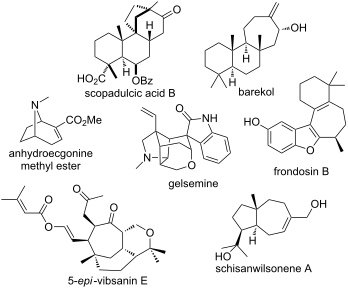
- ). Davies and co-worker [91][92] investigated the formal synthesis of the sequiterpene-hydroquinone derivative frondosin B (99, see Scheme 12) [93] via an enantioselective cyclopropanation of trans-piperylene and subsequent divinylcyclopropane rearrangement, to further demonstrate the versatility of their

Graphical Abstract

Scheme 1: Vogel’s first approach towards the divinylcyclopropane rearrangement [4] and characterization of cis-d...

Scheme 2: Transition states for the Cope rearrangement and the related DVCPR. Ts = transition state.

Scheme 3: Two possible mechanisms of trans-cis isomerizations of divinylcyclopropanes.

Scheme 4: Proposed biosynthesic pathway to ectocarpene (21), an inactive degradation product of a sexual pher...

Scheme 5: Proposed biosynthesis of occidenol (25) and related natural compounds.

Scheme 6: Gaich’s bioinspired system using the DVCPR to mimick the dimethylallyltryptophan synthase. DMAPP = ...

Scheme 7: Iguchi’s total synthesis of clavubicyclone, part 1.

Scheme 8: Iguchi’s total synthesis of clavubicyclone, part 2.

Scheme 9: Wender’s syntheses of the two pseudoguainanes confertin (50) and damsinic acid (51) and Pier’s appr...
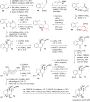
Scheme 10: Overman’s total synthesis of scopadulcic acid B.

Scheme 11: Davies’ total syntheses of tremulenolide A and tremulenediol A.

Scheme 12: Davies formal [4 + 3] cycloaddition approach towards the formal synthesis of frondosin B.

Scheme 13: Davies and Sarpongs formal [4 + 3]-cycloaddition approach towards barekoxide (106) and barekol (107...

Scheme 14: Davies formal [4 + 3]-cycloaddition approach to 5-epi-vibsanin E (115) containing an intermediate c...

Scheme 15: Echavarren’s total synthesis of schisanwilsonene A (126) featuring an impressive gold-catalzed casc...

Scheme 16: Davies early example of a formal [4 + 3]-cycloaddition in alkaloids synthesis.

Scheme 17: Fukuyama’s total synthesis of gelsemine, part 1.

Scheme 18: Fukuyama’s total synthesis of gelsemine, featuring a divinylcyclopropane rearrangement, part 2.

Scheme 19: Kende’s total synthesis of isostemofoline, using a formal [4 + 3]-cycloaddition, including an inter...

Scheme 20: Danishefsky’s total synthesis of gelsemine, part 1.

Scheme 21: Danishefsky’s total synthesis of gelsemine, part 2.

Scheme 22: Fukuyama’s total synthesis of gelsemoxonine.

Scheme 23: Wender’s synthetic access to the core skeleton of tiglianes, daphnanes and ingenanes.

Scheme 24: Davies’ approach towards the core skeleton of CP-263,114 (212).

Scheme 25: Wood’s approach towards actinophyllic acid.

Scheme 26: Takeda’s approach towards the skeleton of the cyanthins, utilitizing the divinylcyclopropane rearra...

Scheme 27: Donaldson’s organoiron route towards the guianolide skeleton.

Scheme 28: Stoltz’s tandem Wolff/DVCPR rearrangement.

Scheme 29: Stephenson’s tandem photocatalysis/arylvinylcyclopropane rearrangement.

Scheme 30: Padwa’s rhodium cascade involving a DVCPR.

Scheme 31: Matsubara’s version of a DVCPR.

Scheme 32: Toste’s tandem gold-catalyzed Claisen-rearrangement/DVCPR.

Scheme 33: Ruthenium- and gold-catalyzed versions of tandem reactions involving a DVCPR.

Scheme 34: Tungsten, platinum and gold catalysed cycloisomerizations leading to a DVCPR.

Scheme 35: Reisman’s total synthesis of salvileucalin B, featuring an (undesired) vinylcyclopropyl carbaldehyd...

Scheme 36: Studies on the divinylepoxide rearrangement.

Scheme 37: Studies on the vinylcyclopropanecarbonyl rearrangement.

Scheme 38: Nitrogen-substituted variants of the divinylcyclopropane rearrangement.
Synthesis of five- and six-membered cyclic organic peroxides: Key transformations into peroxide ring-retaining products
- Alexander O. Terent'ev,
- Dmitry A. Borisov,
- Vera A. Vil’ and
- Valery M. Dembitsky
Beilstein J. Org. Chem. 2014, 10, 34–114, doi:10.3762/bjoc.10.6

Graphical Abstract

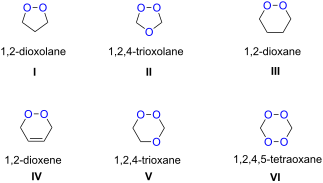
Figure 1: Five and six-membered cyclic peroxides.

Figure 2: Artemisinin and semi-synthetic derivatives.

Scheme 1: Synthesis of 3-hydroxy-1,2-dioxolanes 3a–c.

Scheme 2: Synthesis of dioxolane 6.

Scheme 3: Photooxygenation of oxazolidines 7a–d with formation of spiro-fused oxazolidine-containing dioxolan...

Scheme 4: Oxidation of cyclopropanes 10a–e and 11a–e with preparation of 1,2-dioxolanes 12a–e.

Scheme 5: VO(acac)2-catalyzed oxidation of silylated bicycloalkanols 13a–c.

Scheme 6: Mn(II)-catalyzed oxidation of cyclopropanols 15a–g.

Scheme 7: Oxidation of aminocyclopropanes 20a–c.

Scheme 8: Synthesis of aminodioxolanes 24.
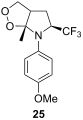
Figure 3: Trifluoromethyl-containing dioxolane 25.

Scheme 9: Synthesis of 1,2-dioxolanes 27a–e by the oxidation of cyclopropanes 26a–e.

Scheme 10: Photoinduced oxidation of methylenecyclopropanes 28.

Scheme 11: Irradiation-mediated oxidation.

Scheme 12: Application of diazene 34 for dioxolane synthesis.

Scheme 13: Mn(OAc)3-catalyzed cooxidation of arylacetylenes 37a–h and acetylacetone with atmospheric oxygen.
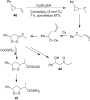
Scheme 14: Peroxidation of (2-vinylcyclopropyl)benzene (40).

Scheme 15: Peroxidation of 1,4-dienes 43a,b.

Scheme 16: Peroxidation of 1,5-dienes 46.

Scheme 17: Peroxidation of oxetanes 53a,b.

Scheme 18: Peroxidation of 1,6-diene 56.

Scheme 19: Synthesis of 3-alkoxy-1,2-dioxolanes 62a,b.

Scheme 20: Synthesis of spiro-bis(1,2-dioxolane) 66.

Scheme 21: Synthesis of dispiro-1,2-dioxolanes 68, 70, 71.

Scheme 22: Synthesis of spirohydroperoxydioxolanes 75a,b.

Scheme 23: Synthesis of spirohydroperoxydioxolane 77 and dihydroperoxydioxolane 79.

Scheme 24: Ozonolysis of azepino[4,5-b]indole 80.

Scheme 25: SnCl4-mediated fragmentation of ozonides 84a–l in the presence of allyltrimethylsilane.

Scheme 26: SnCl4-mediated fragmentation of bicyclic ozonide 84m in the presence of allyltrimethylsilane.

Scheme 27: MCl4-mediated fragmentation of alkoxyhydroperoxides 96 in the presence of allyltrimethylsilane.

Scheme 28: SnCl4-catalyzed reaction of monotriethylsilylperoxyacetal 108 with alkene 109.

Scheme 29: SnCl4-catalyzed reaction of triethylsilylperoxyacetals 111 with alkenes.

Scheme 30: Desilylation of tert-butyldimethylsilylperoxy ketones 131a,b followed by cyclization.

Scheme 31: Deprotection of peroxide 133 followed by cyclization.

Scheme 32: Asymmetric peroxidation of methyl vinyl ketones 137a–e.

Scheme 33: Et2NH-catalyzed intramolecular cyclization.

Scheme 34: Synthesis of oxodioxolanes 143a–j.

Scheme 35: Haloperoxidation accompanied by intramolecular ring closure.

Scheme 36: Oxidation of triterpenes 149a–d with Na2Cr2O7/N-hydroxysuccinimide.

Scheme 37: Curtius and Wolff rearrangements to form 1,2-dioxolane ring-retaining products.

Scheme 38: Oxidative desilylation of peroxide 124.

Scheme 39: Synthesis of dioxolane 158, a compound containing the aminoquinoline antimalarial pharmacophore.

Scheme 40: Diastereomers of plakinic acid A, 162a and 162b.

Scheme 41: Ozonolysis of alkenes.

Scheme 42: Cross-ozonolysis of alkenes 166 with carbonyl compounds.

Scheme 43: Ozonolysis of the bicyclic cyclohexenone 168.

Scheme 44: Cross-ozonolysis of enol ethers 172a,b with cyclohexanone.

Scheme 45: Griesbaum co-ozonolysis.

Scheme 46: Reactions of aryloxiranes 177a,b with oxygen.

Scheme 47: Intramolecular formation of 1,2,4-trioxolane 180.

Scheme 48: Formation of 1,2,4-trioxolane 180 by the reaction of 1,5-ketoacetal 181 with H2O2.

Scheme 49: 1,2,4-Trioxolane 186 with tetrazole fragment.

Scheme 50: 1,2,4-Trioxolane 188 with a pyridine fragment.

Scheme 51: 1,2,4-Trioxolane 189 with pyrimidine fragment.

Scheme 52: Synthesis of aminoquinoline-containing 1,2,4-trioxalane 191.

Scheme 53: Synthesis of arterolane.

Scheme 54: Oxidation of diarylheptadienes 197a–c with singlet oxygen.

Scheme 55: Synthesis of hexacyclinol peroxide 200.

Scheme 56: Oxidation of enone 201 and enenitrile 203 with singlet oxygen.

Scheme 57: Synthesis of 1,2-dioxanes 207 by oxidative coupling of carbonyl compounds 206 and alkenes 205.

Scheme 58: 1,2-Dioxanes 209 synthesis by co-oxidation of 1,5-dienes 208 and thiols.

Scheme 59: Synthesis of bicyclic 1,2-dioxanes 212 with aryl substituents.

Scheme 60: Isayama–Mukaiyama peroxysilylation of 1,5-dienes 213 followed by desilylation under acidic conditio...

Scheme 61: Synthesis of bicycle 218 with an 1,2-dioxane ring.

Scheme 62: Intramolecular cyclization with an oxirane-ring opening.

Scheme 63: Inramolecular cyclization with the oxetane-ring opening.

Scheme 64: Intramolecular cyclization with the attack on a keto group.

Scheme 65: Peroxidation of the carbonyl group in unsaturated ketones 228 followed by cyclization of hydroperox...

Scheme 66: CsOH and Et2NH-catalyzed cyclization.

Scheme 67: Preparation of peroxyplakoric acid methyl ethers A and D.

Scheme 68: Hg(OAc)2 in 1,2-dioxane synthesis.

Scheme 69: Reaction of 1,4-diketones 242 with hydrogen peroxide.

Scheme 70: Inramolecular cyclization with oxetane-ring opening.

Scheme 71: Inramolecular cyclization with MsO fragment substitution.

Scheme 72: Synthesis of 1,2-dioxane 255a, a structurally similar compound to natural peroxyplakoric acids.

Scheme 73: Synthesis of 1,2-dioxanes based on the intramolecular cyclization of hydroperoxides containing C=C ...
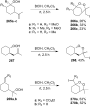
Scheme 74: Use of BCIH in the intramolecular cyclization.

Scheme 75: Palladium-catalyzed cyclization of δ-unsaturated hydroperoxides 271a–e.

Scheme 76: Intramolecular cyclization of unsaturated peroxyacetals 273a–d.

Scheme 77: Allyltrimethylsilane in the synthesis of 1,2-dioxanes 276a–d.

Scheme 78: Intramolecular cyclization using the electrophilic center of the peroxycarbenium ion 279.

Scheme 79: Synthesis of bicyclic 1,2-dioxanes.

Scheme 80: Preparation of 1,2-dioxane 286.

Scheme 81: Di(tert-butyl)peroxalate-initiated radical cyclization of unsaturated hydroperoxide 287.

Scheme 82: Oxidation of 1,4-betaines 291a–d.

Scheme 83: Synthesis of aminoquinoline-containing 1,2-dioxane 294.

Scheme 84: Synthesis of the sulfonyl-containing 1,2-dioxane.

Scheme 85: Synthesis of the amido-containing 1,2-dioxane 301.

Scheme 86: Reaction of singlet oxygen with the 1,3-diene system 302.

Scheme 87: Synthesis of (+)-premnalane А and 8-epi-premnalane A.

Scheme 88: Synthesis of the diazo group containing 1,2-dioxenes 309a–e.

Figure 4: Plakortolide Е.

Scheme 89: Synthesis of 6-epiplakortolide Е.

Scheme 90: Application of Bu3SnH for the preparation of tetrahydrofuran-containing bicyclic peroxides 318a,b.

Scheme 91: Application of Bu3SnH for the preparation of lactone-containing bicyclic peroxides 320a–f.

Scheme 92: Dihydroxylation of the double bond in the 1,2-dioxene ring 321 with OsO4.

Scheme 93: Epoxidation of 1,2-dioxenes 324.

Scheme 94: Cyclopropanation of the double bond in endoperoxides 327.

Scheme 95: Preparation of pyridazine-containing bicyclic endoperoxides 334a–c.

Scheme 96: Synthesis of 1,2,4-trioxanes 337 by the hydroperoxidation of unsaturated alcohols 335 with 1O2 and ...

Scheme 97: Synthesis of sulfur-containing 1,2,4-trioxanes 339.

Scheme 98: BF3·Et2O-catalyzed synthesis of the 1,2,4-trioxanes 342a–g.

Scheme 99: Photooxidation of enol ethers or vinyl sulfides 343.

Scheme 100: Synthesis of tricyclic peroxide 346.

Scheme 101: Reaction of endoperoxides 348a,b derived from cyclohexadienes 347a,b with 1,4-cyclohexanedione.

Scheme 102: [4 + 2]-Cycloaddition of singlet oxygen to 2Н-pyrans 350.

Scheme 103: Synthesis of 1,2,4-trioxanes 354 using peroxysilylation stage.

Scheme 104: Epoxide-ring opening in 355 with H2O2 followed by the condensation of hydroxy hydroperoxides 356 wi...

Scheme 105: Peroxidation of unsaturated ketones 358 with the H2O2/CF3COOH/H2SO4 system.

Scheme 106: Synthesis of 1,2,4-trioxanes 362 through Et2NH-catalyzed intramolecular cyclization.

Scheme 107: Reduction of the double bond in tricyclic peroxides 363.

Scheme 108: Horner–Wadsworth–Emmons reaction in the presence of peroxide group.

Scheme 109: Reduction of ester group by LiBH4 in the presence of 1,2,4-trioxane moiety.

Scheme 110: Reductive amination of keto-containing 1,2,4-trioxane 370.

Scheme 111: Reductive amination of keto-containing 1,2,4-trioxane and a Fe-containing moiety.

Scheme 112: Acid-catalyzed reactions of Н2О2 with ketones and aldehydes 374.
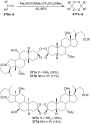
Scheme 113: Cyclocondensation of carbonyl compounds 376a–d using Me3SiOOSiMe3/CF3SO3SiMe3.

Scheme 114: Peroxidation of 4-methylcyclohexanone (378).

Scheme 115: Synthesis of symmetrical tetraoxanes 382a,b from aldehydes 381a,b.

Scheme 116: Synthesis of unsymmetrical tetraoxanes using of MeReO3.

Scheme 117: Synthesis of symmetrical tetraoxanes using of MeReO3.

Scheme 118: Synthesis of symmetrical tetraoxanes using of MeReO3.

Scheme 119: MeReO3 in the synthesis of symmetrical tetraoxanes with the use of aldehydes.

Scheme 120: Preparation of unsymmmetrical 1,2,4,5-tetraoxanes with high antimalarial activity.

Scheme 121: Re2O7-Catalyzed synthesis of tetraoxanes 398.

Scheme 122: H2SO4-Catalyzed synthesis of steroidal tetraoxanes 401.

Scheme 123: HBF4-Catalyzed condensation of bishydroperoxide 402 with 1,4-cyclohexanedione.

Scheme 124: BF3·Et2O-Catalyzed reaction of gem-bishydroperoxides 404 with enol ethers 405 and acetals 406.

Scheme 125: HBF4-Catalyzed cyclocondensation of bishydroperoxide 410 with ketones.

Scheme 126: Synthesis of symmetrical and unsymmetrical tetraoxanes 413 from benzaldehydes 412.
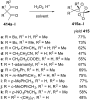
Scheme 127: Synthesis of bridged 1,2,4,5-tetraoxanes 415a–l from β-diketones 414a–l and H2O2.

Scheme 128: Dimerization of zwitterions 417.

Scheme 129: Ozonolysis of verbenone 419.

Scheme 130: Ozonolysis of O-methyl oxime 424.

Scheme 131: Peroxidation of 1,1,1-trifluorododecan-2-one 426 with oxone.

Scheme 132: Intramolecular cyclization of dialdehyde 428 with H2O2.

Scheme 133: Tetraoxanes 433–435 as by-products in peroxidation of ketals 430–432.

Scheme 134: Transformation of triperoxide 436 in diperoxide 437.

Scheme 135: Preparation and structural modifications of tetraoxanes.

Scheme 136: Structural modifications of steroidal tetraoxanes.

Scheme 137: Synthesis of 1,2,4,5-tetraoxane 454 containing the fluorescent moiety.

Scheme 138: Synthesis of tetraoxane 458 (RKA182).
New developments in gold-catalyzed manipulation of inactivated alkenes
- Michel Chiarucci and
- Marco Bandini
Beilstein J. Org. Chem. 2013, 9, 2586–2614, doi:10.3762/bjoc.9.294
- nucleophilic double bound of the allene, forming the intermediate 88. Finally, condensation of the alkylgold 88 onto the carbonyl group led to the bicyclic product 84 (Scheme 23). An interesting example of gold-catalyzed intramolecular cyclopropanation of olefins was recently documented by Maulide and
- -based electrophilc activation of the C=C, with consequent nucleophilic attack by the ylidic carbon onto the internal carbon of the double bond. Finally, the intermediate lactone 92 underwent cyclopropanation, delivering SPh2 as a leaving group (Scheme 24b). 5 Addition to allylic alcohols The use of
- benzoates. Intramolecular [Au(I)]-catalyzed cyclopropanation of alkenes. Stereospecificity in [Au(I)]-catalyzed hydroalkoxylation of allylic alcohols. Mechanistic investigation on the intramolecular [Au(I)]-catalyzed hydroalkoxylation of allylic alcohols. Mechanistic investigation on the intramolecular

Graphical Abstract

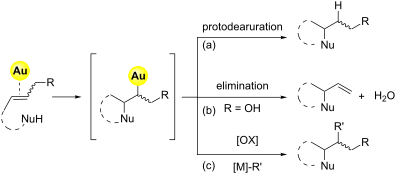
Figure 1: Elementary steps in the gold-catalyzed nucleophilic addition to olefins.

Figure 2: Different approaches for the gold-catalyzed manipulation of inactivated alkenes.

Figure 3: Computed mechanistic cycle for the gold-catalyzed alkoxylation of ethylene with PhOH.

Scheme 1: [Au(I)]-catalyzed addition of phenols and carboxylic acids to alkenes.

Scheme 2: [Au(III)] catalyzed annulations of phenols and naphthols with dienes.

Scheme 3: [Au(III)]-catalyzed addition of aliphatic alcohols to alkenes.

Scheme 4: [Au(III)]-catalyzed carboalkoxylation of alkenes with dimethyl acetals 6.

Figure 4: Postulated mechanism for the [Au(I)]-catalyzed hydroamination of olefins.
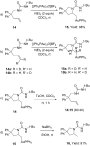
Scheme 5: Isolation and reactivity of alkyl gold intermediates in the intramolecular hydroamination of alkene...

Scheme 6: [Au(I)]-catalyzed intermolecular hydroamination of dienes.
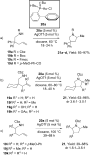
Scheme 7: Intramolecular [Au(I)]-catalyzed hydroamination of alkenes with carbamates.
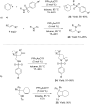
Scheme 8: [Au(I)]-catalyzed inter- as well as intramolecular addition of sulfonamides to isolated alkenes.

Scheme 9: Intramolecular hydroamination of N-alkenylureas catalyzed by gold(I) carbene complex.

Scheme 10: Enantioselective hydroamination of alkenyl ureas with biphenyl tropos ligand and chiral silver phos...

Scheme 11: Intramolecular [Au(I)]-catalyzed hydroamination of N-allyl-N’-aryl ureas. (PNP = pNO2-C6H4, PMP = p...

Scheme 12: [Au(I)]-catalyzed hydroamination of alkenes with ammonium salts.

Scheme 13: Enantioselective [Au(I)]-catalyzed intermolecular hydroamination of alkenes with cyclic ureas.

Scheme 14: Mechanistic proposal for the cooperative [Au(I)]/menthol catalysis for the enantioselective intramo...

Scheme 15: [Au(III)]-catalyzed addition of 1,3-diketones to alkenes.

Scheme 16: [Au(I)]-catalyzed intramolecular addition of β-keto amides to alkenes.

Scheme 17: Intermolecular [Au(I)]-catalyzed addition of indoles to alkenes.

Scheme 18: Intermolecular [Au(III)]-catalyzed hydroarylation of alkenes with benzene derivatives and thiophene....

Scheme 19: a) Intramolecular [Au(III)]-catalyzed hydroarylation of alkenes. b) A SEAr-type mechanism was hypot...

Scheme 20: Intramolecular [Au(I)]-catalyzed hydroalkylation of alkenes with simple ketones.

Scheme 21: Proposed reaction mechanism for the intramolecular [Au(I)]-catalyzed hydroalkylation of alkenes wit...

Scheme 22: Tandem Michael addition/hydroalkylation catalyzed by [Au(I)] and [Ag(I)] salts.

Scheme 23: Intramolecular [Au(I)]-catalyzed tandem migration/[2 + 2] cycloaddition of 1,7-enyne benzoates.

Scheme 24: Intramolecular [Au(I)]-catalyzed cyclopropanation of alkenes.

Scheme 25: Stereospecificity in [Au(I)]-catalyzed hydroalkoxylation of allylic alcohols.

Scheme 26: Mechanistic investigation on the intramolecular [Au(I)]-catalyzed hydroalkoxylation of allylic alco...

Scheme 27: Mechanistic investigation on the intramolecular enantioselective [Au(I)]-catalyzed alkylation of in...

Scheme 28: Synthesis of (+)-isoaltholactone via stereospecific intramolecular [Au(I)]-catalyzed alkoxylation o...

Scheme 29: Intramolecular enantioselective dehydrative amination of allylic alcohols catalyzed by chiral [Au(I...

Scheme 30: Enantioselective intramolecular hydroalkylation of allylic alcohols with aldehydes catalyzed by 20c...
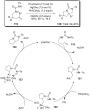
Scheme 31: Gold-catalyzed intramolecular diamination of alkenes.
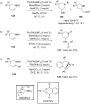
Scheme 32: Gold-catalyzed aminooxygenation and aminoarylation of alkenes.

Scheme 33: Gold-catalyzed carboamination, carboalkoxylation and carbolactonization of terminal alkenes with ar...
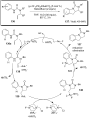
Scheme 34: Synthesis of tricyclic indolines via gold-catalyzed formal [3 + 2] cycloaddition.

Scheme 35: Gold(I) catalyzed aminoarylation of terminal alkenes in presence of Selectfluor [dppm = bis(dipheny...

Scheme 36: Mechanistic investigation on the aminoarylation of terminal alkenes by bimetallic gold(I) catalysis...

Scheme 37: Proposed mechanism for the aminoarylation of alkenes via [Au(I)-Au(I)]/[Au(II)-Au(II)] redox cataly...

Scheme 38: Oxyarylation of terminal olefins via redox gold catalysis.

Scheme 39: a) Intramolecular gold-catalyzed oxidative coupling reactions with aryltrimethylsilanes. b) Oxyaryl...
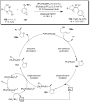
Scheme 40: Oxy- and amino-arylation of alkenes by [Au(I)]/[Au(III)] photoredox catalysis.
Gold(I)-catalyzed enantioselective cycloaddition reactions
- Fernando López and
- José L. Mascareñas
Beilstein J. Org. Chem. 2013, 9, 2250–2264, doi:10.3762/bjoc.9.264
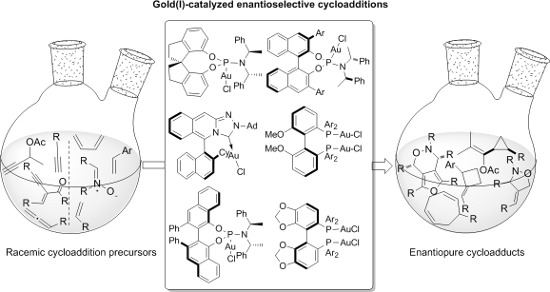
- with high diastereoselectivity. Moreover, the enantioselective cyclopropanation was not limited to arylated olefins (e.g. styrenes), but allyltrimethylsilane also participated in the process, producing the corresponding silylmethyl cyclopropane as a 5:1 mixture of cis:trans isomers with a good 78% ee
- (Scheme 1). In 2009, the same group extended the utility of this asymmetric cyclopropanation reaction to an intramolecular process that allows the enantioselective synthesis of polycarbocyclic products embedding seven or eight-membered rings [42]. Curiously, the catalytic system based on DTBM-Segphos
- eleven, gold has also demonstrated to be an efficient promoter of intermolecular carbene transfer reactions from diazo compounds to unsaturated systems such as alkenes or alkynes, resulting in cyclopropanation processes [44][45]. The development of an enantioselective variant of this type of reactions

Graphical Abstract

Figure 1: Gold-promoted 1,2-acyloxy migration on propargylic systems.

Scheme 1: Gold-catalyzed enantioselective intermolecular cyclopropanation.

Scheme 2: Gold-catalyzed enantioselective intramolecular cyclopropanation.

Scheme 3: Gold-catalyzed cyclohepta-annulation cascade.

Scheme 4: Application to the formal synthesis of frondosin A.

Scheme 5: Gold(I)-catalyzed enantioselective cyclopropenation of alkynes.

Scheme 6: Enantioselective cyclopropanation of diazooxindoles.

Figure 2: Proposed structures for gold-activated allene complexes.

Scheme 7: Gold-catalyzed enantioselective [2 + 2] cycloadditions of allenenes.

Scheme 8: Gold-catalyzed allenediene [4 + 3] and [4 + 2] cycloadditions.

Scheme 9: Gold-catalyzed enantioselective [4 + 2] cycloadditions of allenedienes.

Scheme 10: Gold-catalyzed enantioselective [4 + 3] cycloadditions of allenedienes.

Scheme 11: Gold-catalyzed enantioselective [4 + 2] cycloadditions of allenamides.

Scheme 12: Enantioselective [2 + 2] cycloadditions of allenamides.

Scheme 13: Mechanistic rational for the gold-catalyzed [2 + 2] cycloadditions.

Scheme 14: Enantioselective cascade cycloadditions between allenamides and oxoalkenes.

Scheme 15: Enantioselective [3 + 2] cycloadditions of nitrones and allenamides.

Scheme 16: Enantioselective formal [4 + 3] cycloadditions leading to 1,2-oxazepane derivatives.

Scheme 17: Enantioselective gold(I)-catalyzed 1,3-dipolar [3 + 3] cycloaddition between 2-(1-alkynyl)-2-alken-...

Scheme 18: Enantioselective [4 + 3] cycloaddition leading to 5,7-fused bicyclic furo[3,4-d][1,2]oxazepines.
Ethyl diazoacetate synthesis in flow
- Mariëlle M. E. Delville,
- Jan C. M. van Hest and
- Floris P. J. T. Rutjes
Beilstein J. Org. Chem. 2013, 9, 1813–1818, doi:10.3762/bjoc.9.211

- variety of reactions e.g. cyclopropanation, X–H insertion, cycloaddition and ylide formation [13][15], and more recently, in the synthesis of valuable compound classes such as β-keto esters [16] and β-hydroxy-α-diazocarbonyl compounds [17], we aimed to develop an inherently safe continuous-flow EDA

Graphical Abstract

Scheme 1: Synthesis of ethyl diazoacetate (1).

Figure 1: Schematic representation of the microreactor setup.

Figure 2: Univariate optimization using 30 s, 15 °C and 1.5 equiv NaNO2 as standard.

Figure 3: 2D-Contour plots of the multivariate optimization.

Figure 4: Phase separation using a Flow-Liquid–Liquid-Extraction module (FLLEX) directly coupled to the micro...
α-Bromodiazoacetamides – a new class of diazo compounds for catalyst-free, ambient temperature intramolecular C–H insertion reactions
- Åsmund Kaupang and
- Tore Bonge-Hansen
Beilstein J. Org. Chem. 2013, 9, 1407–1413, doi:10.3762/bjoc.9.157

- cycloaddition, ylide formation, cyclopropanation and C–H insertion reactions [1][2][3]. A generally useful modification of diazo compounds is the substitution of the α-hydrogen for an electrophile. This substitution can be effected in the presence of a base or starting from the metalated diazo compound, and
- dirhodium(II)-catalysed cyclopropanation, and C–H and Si–H insertion reactions [37][38][39]. There are, to the best of our knowledge, no reports in the literature of α-halodiazoacetamides as a substance class. Thus, we wished to expand the substrate scope of one of our published methodologies to encompass
- thermolysis of an α-bromodiazoketone was successfully employed in an intramolecular cyclopropanation reaction [62]. Historically, the thermolysis of diazocarbonyl compounds has been carried out under reflux [63][64][65][66], although examples of low temperature and ambient temperature thermolysis can be found

Graphical Abstract

Scheme 1: Preparation of the diazoacetamides.

Scheme 2: Bromination of the diazoacetamides 3a–f and thermolysis of the α-bromodiazoacetamides 4a–f.
Synthesis of skeletally diverse alkaloid-like molecules: exploitation of metathesis substrates assembled from triplets of building blocks
- Sushil K. Maurya,
- Mark Dow,
- Stuart Warriner and
- Adam Nelson
Beilstein J. Org. Chem. 2013, 9, 775–785, doi:10.3762/bjoc.9.88
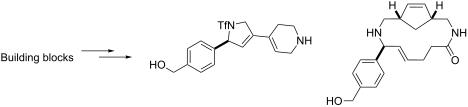
- unsaturated building blocks. The approach involved the iterative attachment of a propagating and a terminating building block to a fluorous-tagged initiating building block. Metathesis cascade chemistry was used to “reprogram” the molecular scaffolds. Remarkably, in one case, a cyclopropanation reaction

Graphical Abstract

Scheme 1: Illustrative examples of a synthetic approach to natural-product-like molecules with over eighty mo...

Scheme 2: Overview of the proposed synthetic approach. FDIPES = diisopropyl(3,3,4,4,5,5,6,6,7,7,8,8,9,9,10,10...

Figure 1: Structures of building blocks used in this study. Panel A: fluorous-tagged initiating building bloc...

Scheme 3: Synthesis of the initiating building blocks 6a and 6b. TBD = 1,5,7-triazabicyclo[4.4.0]dec-5-ene.

Scheme 4: Synthesis of the initiating building block 7.

Scheme 5: Fate of the metathesis reaction of the substrate 32.
The chemistry of bisallenes
- Henning Hopf and
- Georgios Markopoulos
Beilstein J. Org. Chem. 2012, 8, 1936–1998, doi:10.3762/bjoc.8.225
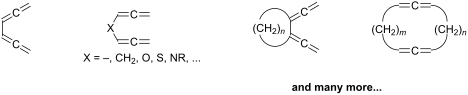
- resulted from heating 24 and 193 together [134]. Finally, as shown by Lüttke and Heinrich, the cyclopropanation of the parent system 2 with diazomethane/Cu2Cl2 provided a mixture of twelve cyclopropanation products in very good yield (ca. 90%), from the mono adduct 195 to the dispiro compound 196, i.e. the

Graphical Abstract

Figure 1: Loschmidt’s structure proposal for benzene (1) (Scheme 181 from [3]) and the corresponding modern stru...

Figure 2: The first isolated bisallenes.

Figure 3: Carbon skeletons of selected bisallenes discussed in this review.

Scheme 1: The preparation of 1,2,4,5-hexatetraene (2).

Scheme 2: The preparation of a conjugated bisallene by the DMS-protocol.

Scheme 3: Preparation of the 3-deuterio- and 3,4-dideuterio derivatives of 24.

Scheme 4: A versatile method to prepare alkylated conjugated bisallenes and other allenes.

Scheme 5: A preparation of 3,4-dimethyl-1,2,4,5-hexatetraene (38).

Scheme 6: A (C6 + 0)-approach to 1,2,4,5-hexatetraene (2).

Scheme 7: The preparation of a fully alkylated bisallenes from a 2,4-hexadiyne-1,6-diol diacetate.

Scheme 8: The preparation of the first phenyl-substituted conjugated bisallenes 3 and 4.

Scheme 9: Selective hydrogenation of [5]cumulenes to conjugated bisallenes: another (C6 + 0)-route.

Scheme 10: Aryl-substituted conjugated bisallenes by a (C3 + C3)-approach.

Scheme 11: Hexaphenyl-1,2,4,5-hexatetraene (59) by a (C3 + C3)-approach.

Scheme 12: An allenation route to conjugated bisallenes.

Scheme 13: The preparation of 3,4-difunctionalized conjugated bisallenes.

Scheme 14: Problems during the preparation of sulfur-substituted conjugated bisallenes.

Scheme 15: The preparation of 3,4-dibromo bisallenes.

Scheme 16: Generation of allenolates by an oxy-Cope rearrangement.

Scheme 17: A linear trimerization of alkynes to conjugated bisallenes: a (C2 + C2 + C2)-protocol.

Scheme 18: Preparation of a TMS-substituted conjugated bisallene by a C3-dimerization route.

Scheme 19: A bis(trimethylsilyl)bisallene by a C3-coupling protocol.

Scheme 20: The rearrangement of highly substituted benzene derivatives into their conjugated bisallenic isomer...

Scheme 21: From fully substituted benzene derivatives to fully substituted bisallenes.

Scheme 22: From a bicyclopropenyl to a conjugated bisallene derivative.

Scheme 23: The conversion of a bismethylenecyclobutene into a conjugated bisallene.

Scheme 24: The preparation of monofunctionalized bisallenes.

Scheme 25: Preparation of bisallene diols and their cyclization to dihydrofurans.

Scheme 26: A 3,4-difunctionalized conjugated bisallene by a C3-coupling process.

Scheme 27: Preparation of a bisallenic diketone by a coupling reaction.

Scheme 28: Sulfur and selenium-substituted bisallenes by a [2.3]sigmatropic rearrangement.

Scheme 29: The biallenylation of azetidinones.

Scheme 30: The preparation of a fully ferrocenylated conjugated bisallene.

Scheme 31: The first isomerization of a 1,5-hexadiyne to a 1,2,4,5-hexatetraene.

Scheme 32: The preparation of alkynyl-substituted bisallenes by a C3-dimerization protocol.

Scheme 33: Preparation of another completely ferrocenylated bisallene.

Scheme 34: The cyclization of 1,5-hexadiyne (129) to 3,4-bismethylenecyclobutene (130) via 1,2,4,5-hexatetraen...
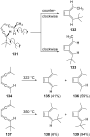
Scheme 35: Stereochemistry of the thermal cyclization of bisallenes to bismethylenecyclobutenes.

Scheme 36: Bisallene→bismethylenecyclobutene ring closures in the solid state.

Scheme 37: A bisallene cyclization/dimerization reaction.

Scheme 38: A selection of Diels–Alder additions of 1,2,4,5-hexatetraene with various double-bond dienophiles.

Scheme 39: The stereochemistry of the [2 + 4] cycloaddition to conjugated bisallenes.

Scheme 40: Preparation of azetidinone derivatives from conjugated bisallenes.

Scheme 41: Cycloaddition of heterodienophiles to a conjugated bisallene.

Scheme 42: Addition of triple-bond dienophiles to conjugated bisallenes.

Scheme 43: Sulfur dioxide addition to conjugated bisallenes.

Scheme 44: The addition of a germylene to a conjugated bisallene.

Scheme 45: Trapping of conjugated bisallenes with phosphinidenes.

Scheme 46: The cyclopropanantion of 1,2,4,5-hexatetraene (2).

Scheme 47: Photochemical reactions involving conjugated bisallenes.

Scheme 48: Base-catalyzed isomerizations of conjugated bisallenes.

Scheme 49: Ionic additions to a conjugated bisallene.

Scheme 50: Oxidation reactions of a conjugated bisallene.
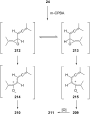
Scheme 51: The mechanism of oxidation of the bisallene 24.

Scheme 52: CuCl-catalyzed cyclization of 1,2,4,5-hexatetraene (2).

Scheme 53: The conversion of conjugated bisallenes into cyclopentenones.

Scheme 54: Oligomerization of a conjugated bisallene by nickel catalysts.
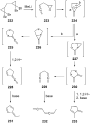
Scheme 55: Generation of 1,2,5,6-heptatetraene (229) as a reaction intermediate.

Scheme 56: The preparation of a stable derivative of 1,2,5,6-heptatetraene.

Scheme 57: A bisallene with a carbonyl group as a spacer element.

Scheme 58: The first preparation of 1,2,6,7-octatetraene (242).

Scheme 59: Preparation of 1,2,6,7-octatetraenes by (C4 + C4)-coupling of enynes.

Scheme 60: Preparation of 1,2,6,7-octatetraenes by (C4 + C4)-coupling of homoallenyl bromides.

Scheme 61: Preparation of 1,2,6,7-octatetraenes by alkylation of propargylic substrates.

Scheme 62: Preparation of two highly functionalized 1,2,6,7-octatetraenes.

Scheme 63: Preparation of several higher α,ω-bisallenes.

Scheme 64: Preparation of different alkyl derivatives of α,ω-bisallenes.

Scheme 65: The preparation of functionalized 1,2,7,8-nonatetraene derivatives.

Scheme 66: Preparation of functionalized α,ω-bisallenes.

Scheme 67: The preparation of an α,ω-bisallene by direct homologation of an α,ω-bisalkyne.

Scheme 68: The gas-phase pyrolysis of 4,4-dimethyl-1,2,5,6-heptatetraene (237).
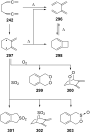
Scheme 69: Gas-phase pyrolysis of 1,2,6,7-octatetraene (242).

Scheme 70: The cyclopropanation of 1,2,6,7-octatetraene (242).

Scheme 71: Intramolecular cyclization of 1,2,6,7-octatetraene derivatives.

Scheme 72: The gas-phase pyrolysis of 1,2,7,8-nonatetraene (265) and 1,2,8,9-decatetraene (266).

Scheme 73: Rh-catalyzed cyclization of a functionalized 1,2,7,8-nonatetraene.

Scheme 74: A triple cyclization involving two different allenic substrates.

Scheme 75: Bicyclization of keto derivatives of 1,2,7,8-nonatetraene.

Scheme 76: The preparation of complex organic compounds from functionalized bisallenes.

Scheme 77: Cycloisomerization of an α,ω-bisallene containing a C9 tether.

Scheme 78: Organoborane polymers from α,ω-bisallenes.

Scheme 79: Preparation of trans- (337) and cis-1,2,4,6,7-octapentaene (341).

Scheme 80: The preparation of 4-methylene-1,2,5,6-heptatetraene (349).

Scheme 81: The preparation of acetylenic bisallenes.

Scheme 82: The preparation of derivatives of hydrocarbon 351.

Scheme 83: The construction of macrocyclic alleno-acetylenes.

Scheme 84: Preparation and reactions of 4,5-bismethylene-1,2,6,7-octatetraene (365).

Scheme 85: Preparation of 1,2-bis(propadienyl)benzene (370).

Scheme 86: The preparation of 1,4-bis(propadienyl)benzene (376).

Scheme 87: The preparation of aromatic and heteroaromatic bisallenes by metal-mediated coupling reactions.

Scheme 88: Double cyclization of an aromatic bisallene.

Scheme 89: Preparation of an allenic [15]paracyclophane by a ring-closing metathesis reaction of an aromatic α...

Scheme 90: Preparation of a macrocyclic ring system containing 1,4-bis(propadienyl)benzene units.

Scheme 91: Preparation of copolymers from 1,4-bis(propadienyl)benzene (376).

Scheme 92: A boration/copolymerization sequence of an aromatic bisallene and an aromatic bisacetylene.

Scheme 93: Formation of a layered aromatic bisallene.

Figure 4: The first members of the semicyclic bisallene series.

Scheme 94: Preparation of the first bis(vinylidene)cyclobutane derivative.
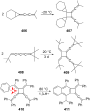
Scheme 95: Dimerization of strain-activated cumulenes to bis(vinylidene)cyclobutanes.

Scheme 96: Photodimerization of two fully substituted butatrienes in the solid state.

Scheme 97: Preparation of the two parent bis(vinylidene)cyclobutanes.

Scheme 98: The preparation of 1,3-bis(vinylidene)cyclopentane and its thermal isomerization.

Scheme 99: The preparation of the isomeric bis(vinylidene)cyclohexanes.

Scheme 100: Bi- and tricyclic conjugated bisallenes.
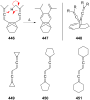
Scheme 101: A selection of polycyclic bisallenes.

Scheme 102: The first endocyclic bisallenes.

Figure 5: The stereochemistry of 1,2,6,7-cyclodecatetraene.

Scheme 103: The preparation of several endocyclic bisallenes.

Scheme 104: Synthesis of diastereomeric derivatives of 1,2,6,7-cyclodecatetraene.

Scheme 105: Preparation of a derivative of 1,2,8,9-cyclotetradecatetraene.

Scheme 106: The preparation of keto derivatives of cyclic bisallenes.

Scheme 107: The preparation of cyclic biscumulenic ring systems.

Scheme 108: Cyclic bisallenes in natural- and non-natural-product chemistry.

Scheme 109: The preparation of iron carbonyl complexes from cyclic bisallenes.

Figure 6: A selection of unknown exocyclic bisallenes that should have interesting chemical properties.

Scheme 110: The thermal isomerization of 1,2-diethynylcyclopropanes and -cyclobutanes.

Scheme 111: Intermediate generation of a cyclooctapentaene.

Scheme 112: Attempted preparation of a cyclodecahexaene.

Scheme 113: The thermal isomerization of 1,5,9-cyclododecatriyne (511) into [6]radialene (514).

Scheme 114: An isomerization involving a diketone derived from a conjugated bisallene.

Scheme 115: Typical reaction modes of heteroorganic bisallenes.

Scheme 116: Generation and thermal behavior of acyclic hetero-organic bisallenes.

Scheme 117: Generation of bis(propadienyl)thioether.

Scheme 118: The preparation of a bisallenic sulfone and its thermal isomerization.

Scheme 119: Bromination of the bisallenic sulfone 535.

Scheme 120: Metalation/hydrolysis of the bisallenic sulfone 535.

Scheme 121: Aromatic compounds from hetero bisallenes.

Scheme 122: Isomerization/cyclization of bispropargylic ethers.

Scheme 123: The preparation of novel aromatic systems by base-catalyzed isomerization of bispropargyl ethers.

Scheme 124: The isomerization of bisacetylenic thioethers to bicyclic thiophenes.

Scheme 125: Aromatization of macrocyclic bispropargylic sulfides.

Scheme 126: Preparation of ansa-compounds from macrocyclic bispropargyl thioethers.

Scheme 127: Alternate route for cyclization of a heterorganic bisallene.
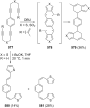
Scheme 128: Multiple isomerization/cyclization of “double” bispropargylic thioethers.

Scheme 129: Preparation of a bisallenyl disulfide and its subsequent bicyclization.

Scheme 130: Thermal cyclization of a bisallenyl thiosulfonate.

Scheme 131: Some reactions of heteroorganic bisallenes with two sulfur atoms.

Scheme 132: Further methods for the preparation of heteroorganic bisallenes.

Scheme 133: Cyclization reactions of heteroorganic bisallenes.

Scheme 134: Thermal cycloadditions of bisallenic tertiary amines.

Scheme 135: Cyclization of a bisallenic tertiary amine in the presence of a transition-metal catalyst.

Scheme 136: A Pauson–Khand reaction of a bisallenic ether.

Scheme 137: Formation of a 2:1adduct from two allenic substrates.

Scheme 138: A ring-forming silastannylation of a bisallenic tertiary amine.

Scheme 139: A three-component cyclization involving a heterorganic bisallene.

Scheme 140: Atom-economic construction of a complex organic framework from a heterorganic α,ω-bisallene.
Alkenes from β-lithiooxyphosphonium ylides generated by trapping α-lithiated terminal epoxides with triphenylphosphine
- David. M. Hodgson and
- Rosanne S. D. Persaud
Beilstein J. Org. Chem. 2012, 8, 1896–1900, doi:10.3762/bjoc.8.219

- epoxides 8 by using hindered lithium amides, such as lithium tetramethylpiperidide (9, LTMP) [20], and have shown synthetically useful carbene reactivity (e.g., cyclopropanation [21][22], dimerization [23][24][25]). The reaction of carbenes and carbenoids with heteroatom lone pairs is a popular strategy to

Graphical Abstract

Scheme 1: Typical generation of ylide 4 and reaction examples.

Scheme 2: Proposed ylide 4 formation from α-lithiated epoxide 10.

Scheme 3: Z-Allylic ester 6 from epoxide 11.

Scheme 4: E-allylic alcohol 7 from epoxide 11.

Scheme 5: E-allylic alcohol 7 and alkene 12 from epoxide 11 by using s-BuLi.

Scheme 6: Terminal alkene 14 from epoxide 13.



