Search results
Search for "dimerization" in Full Text gives 292 result(s) in Beilstein Journal of Organic Chemistry. Showing first 200.
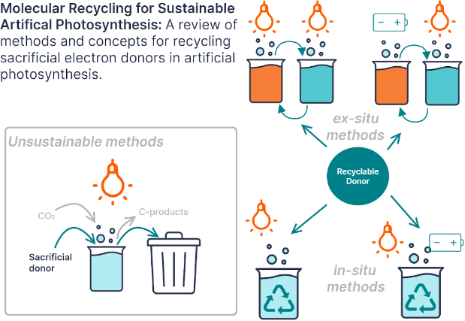
Enabling artificial photosynthesis systems with molecular recycling: A review of photo- and electrochemical methods for regenerating organic sacrificial electron donors
Beilstein J. Org. Chem. 2023, 19, 1198–1215, doi:10.3762/bjoc.19.88
- and mitigates geminate recombination and, in principle, if there is no proceeding chemical step, the product can be re-reduced if an appropriate reducing agent or potential is applied. A reversible electron transfer followed by a fast chemical step, such as dimerization of oxidized dithiolates to
- NADH-analogues are the subject of most studies for recycling sacrificial donors. NADH has been electrochemically recycled but a careful control of pH is required to prevent dimerization reactions [44][45]. For example, Glusac and co-workers recycled BIH and acridine analogues using platinum electrodes
- electrochemically irreversible oxidation or an EC mechanism where the oxidized donor undergoes a chemical step that prevents recombination but forms a stable, recyclable byproduct. The dimerization of thiolates to disulfides is a good example because unlike dimers of NADH analogues that form carbon–carbon bonds the


Exploring the role of halogen bonding in iodonium ylides: insights into unexpected reactivity and reaction control
Beilstein J. Org. Chem. 2023, 19, 1171–1190, doi:10.3762/bjoc.19.86
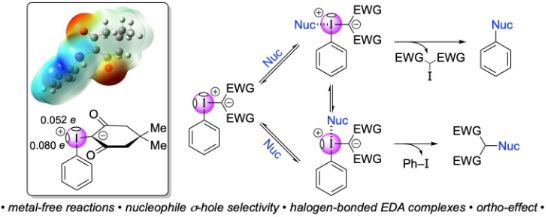
- , where the byproducts typically associated with free carbene formation (e.g., dimerization or rearrangement) were not observed (Scheme 2). In 1988, Hadjiarapoglou was investigating transition metal- and photocatalyzed intermolecular cyclopropanations between ylide 8 and norbornene, and found indane 9 was








Photoredox catalysis harvesting multiple photon or electrochemical energies
Beilstein J. Org. Chem. 2023, 19, 1055–1145, doi:10.3762/bjoc.19.81



















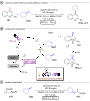


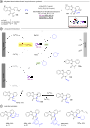


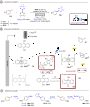
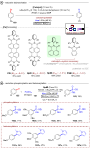


Aromatic C–H bond functionalization through organocatalyzed asymmetric intermolecular aza-Friedel–Crafts reaction: a recent update
Beilstein J. Org. Chem. 2023, 19, 956–981, doi:10.3762/bjoc.19.72

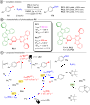
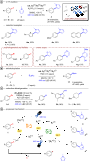
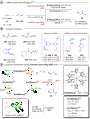
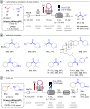
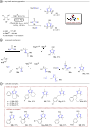
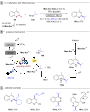
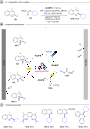
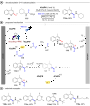
- 7b) [31]. In 2018, Ishihara and co-workers developed a novel C2 and C1-symmetric bisphosphoric acid-catalyzed asymmetric aza-Friedel–Crafts reaction. Both catalysts showed intramolecular H-bonding causing a sharp increase in Brønsted acidity of free OH groups and prevention of catalyst dimerization




Light-responsive rotaxane-based materials: inducing motion in the solid state
Beilstein J. Org. Chem. 2023, 19, 873–880, doi:10.3762/bjoc.19.64
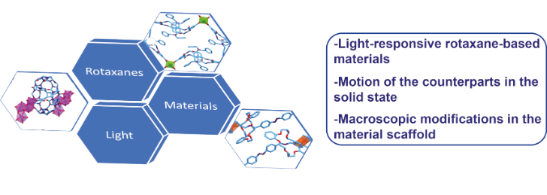
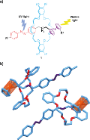
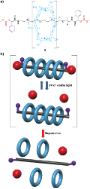
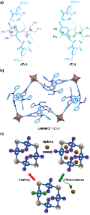
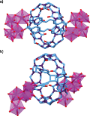
- rotation rate of the threads by a light-driven exchange between geometric isomers of a rotaxane scaffold; and (ii) a macroscopic bending of the crystalline array by a photo-triggered dimerization reaction of two identical linear components within the macrocyclic counterpart. Thus, in all the discussed

Pyridine C(sp2)–H bond functionalization under transition-metal and rare earth metal catalysis
Beilstein J. Org. Chem. 2023, 19, 820–863, doi:10.3762/bjoc.19.62
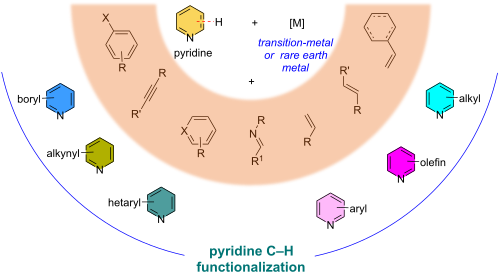
- employed as effective substrates for catalytic cross-dimerization reactions. The reaction was performed in the presence of [RhCl(cod)]2 (3 mol %), taking PPh3 or (4-ClC3H4)3P as the ligand at 160 °C, for about 48 h (Scheme 39). This work provides an effective way for preparing C–H-alkenylated bipyridines












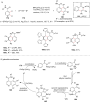
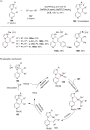


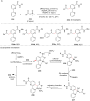


Eschenmoser coupling reactions starting from primary thioamides. When do they work and when not?
Beilstein J. Org. Chem. 2023, 19, 808–819, doi:10.3762/bjoc.19.61
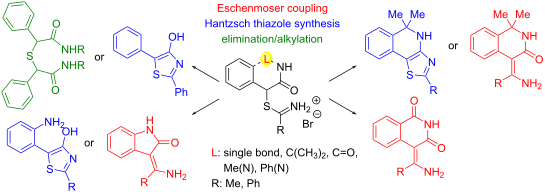
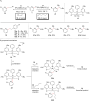
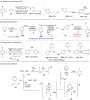
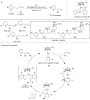
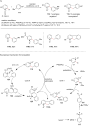
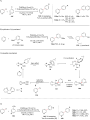
- [25] that ethyl 2-bromo-2'-nitrobenzoylacetate reacts with thiobenzamide to give not only the expected 4-(2-nitrophenyl)-2-phenylthiazole-5-carboxylate, but also the dimerization product of thiobenzamide – i.e., 3,5-diphenyl-1,2,4-thiadiazole (XV). Similar observations have been made with other


Construction of hexabenzocoronene-based chiral nanographenes
Beilstein J. Org. Chem. 2023, 19, 736–751, doi:10.3762/bjoc.19.54
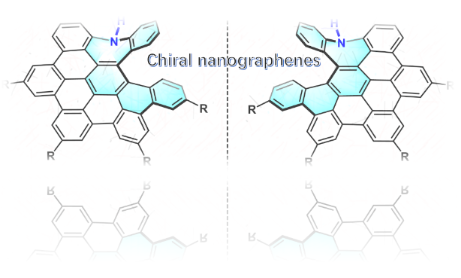
- hexaphenylbenzene 68 in an 85% yield. Then the Scholl cyclodehydrogenation of compound 68 was carried out in DDQ/TfOH to afford NG 69 in a 64% yield. By the selective dimerization of azopine-containing, HBC-monomer 69, the novel BINOL-like, atropisomeric chiral oxa-nanographene 70 was obtained in high yield
- . Meanwhile, this NG 70 can also be synthesized from compound 68 through oxidative cyclodehydrognation and dimerization in one pot. The isomerization barrier was determined as over 35 kcal/mol at 170 °C, and 37 kcal/mol by DFT calculation, indicating a high degree of optical stability of pure enantiomers [51




Synthesis, structure, and properties of switchable cross-conjugated 1,4-diaryl-1,3-butadiynes based on 1,8-bis(dimethylamino)naphthalene
Beilstein J. Org. Chem. 2023, 19, 674–686, doi:10.3762/bjoc.19.49
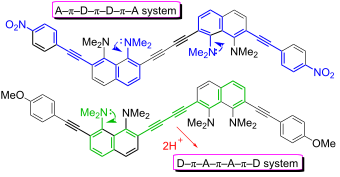
- two 7-(arylethynyl)-1,8-bis(dimethylamino)naphthalene fragments was prepared via the Glaser–Hay oxidative dimerization of 2-ethynyl-7-(arylethynyl)-1,8-bis(dimethylamino)naphthalenes. The oligomers synthesized in this way are cross-conjugated systems, in which two conjugation pathways are possible: π
- oligomers 5 can be synthesized by a Glaser oxidative dimerization of monomers 6 (Scheme 1). The obvious route for the synthesis of the latter is the sequential alkynylation of 2,7-diiodonaphthalene 8. In accordance with this strategy, diiodide 8 was cross-coupled with copper(I) arylacetylides (Castro
- recrystallization of the crude product from ethanol. Next, the oxidative dimerization of terminal alkynes 6a–e was carried out in an aerobic medium in the CuI/TMEDA/iPr2NH system at room temperature, which proved to be effective in the synthesis of butadiynes 1–4 [15] (Scheme 3). The desired diarylbutadiynes 5a–e



A new oxidatively stable ligand for the chiral functionalization of amino acids in Ni(II)–Schiff base complexes
Beilstein J. Org. Chem. 2023, 19, 566–574, doi:10.3762/bjoc.19.41
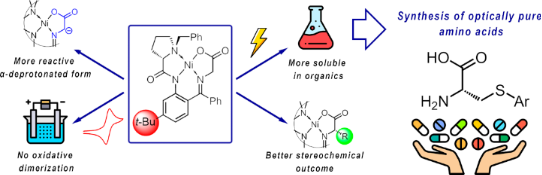
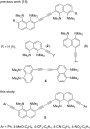
- )-1-benzylpyrrolidine-2-carboxamide) and its Ni(II)–Schiff base complexes formed of glycine, serine, and dehydroalanine are reported. A bulky tert-butyl substituent in the phenylene fragment precludes unwanted oxidative dimerization of the Schiff base complex, making it suitable for targeted
- dimerization of the Schiff base complex and the radical cation formed under one-electron electrochemical oxidation will be sufficiently stable, opening a route to further oxidative modification of the amino acid side chain under appropriate conditions. Additionally, this bulky group may significantly alter the
- be shown below, this is not necessary since the isomeric Schiff base template proved efficient in stereoselective modification of amino acids. The products of the oxidative dimerization via the phenylene ring were not detected for both isomeric templates. The subsequent reaction with (S



Combretastatins D series and analogues: from isolation, synthetic challenges and biological activities
Beilstein J. Org. Chem. 2023, 19, 399–427, doi:10.3762/bjoc.19.31
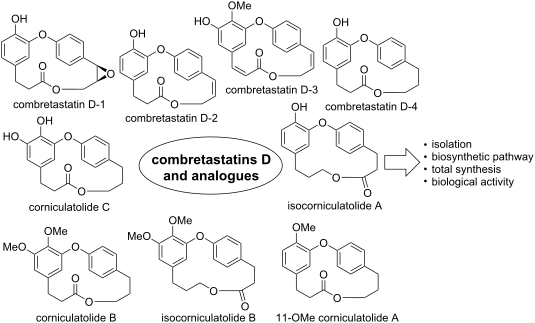
- equiv) in PhMe led to the corresponding macrolide 28 in 20% yield. Since the demethylation step of 28 was known [27], the authors described a formal synthesis of combretastatin D-2 (2, Scheme 6). Despite the low yield, the authors managed to bypass the dimerization reaction previously reported by Boger
- conditions for the metathesis using the 1st generation Grubbs catalyst were attempted without success, but when 2nd generation catalyst was used, the dimerization product 100 was observed (Scheme 20). Despite the yield for macrolide formation, Cousin proposed alternatives for the formal synthesis of 2
- catalysts, through dimerization of a single molecule. Pettit and co-workers investigated the influence of structural modifications on the biological activity of combretastatins D-2 (2) and D-4 (4). The authors also investigated the influence of solvents and functional groups in the total synthesis of the




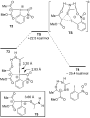
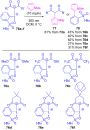
An accelerated Rauhut–Currier dimerization enabled the synthesis of (±)-incarvilleatone and anticancer studies
Beilstein J. Org. Chem. 2023, 19, 204–211, doi:10.3762/bjoc.19.19
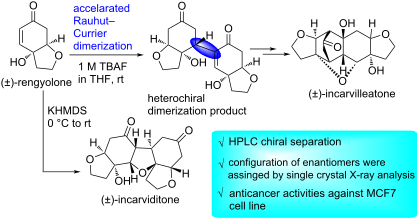
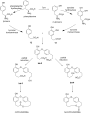
- The total synthesis of racemic incarvilleatone has been achieved by utilizing unexplored accelerated Rauhut–Currier (RC) dimerization. The other key steps of the synthesis are oxa-Michael and aldol reactions in a tandem sequence. Racemic incarvilleatone was separated by chiral HPLC and the
- nonetheless, they exhibited very limited growth suppression activity. Keywords: dimerization; incarviditone; incarvilleatone; oxa-Michael; Rauhut–Currier; Introduction (±)-Incarvilleatone (1) is a dimeric cyclohexylethanoid isolated by Zhang and co-workers [1] in racemic form from the Chinese plant
- displayed cytotoxicity against the HL-60 cell line with an IC50 value of 14.8 mg/mL and against the 6T-CEM cell line with an IC50 value of 22.2 mg/mL. Lawrence et al. [3] and Tang et al. [4] have reported the synthesis of (±)-incarvilleatone (1) and (±)-incarviditone (2) via biomimetic dimerization of


Combining the best of both worlds: radical-based divergent total synthesis
Beilstein J. Org. Chem. 2023, 19, 1–26, doi:10.3762/bjoc.19.1
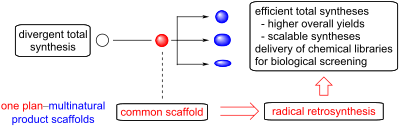
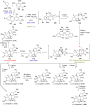
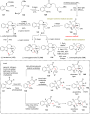
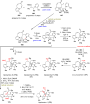
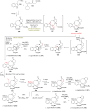
- the total synthesis of (−)-psychotriasine (202), (−)-calycanthidine (203), and (−)-chimonanthine (204). Synthesis of structurally diverse lignans (Zhu, 2022) [103]: Lignans are structurally diverse natural compounds generated biosynthetically by the oxidative dimerization of phenylpropanoids [104










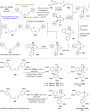

Redox-active molecules as organocatalysts for selective oxidative transformations – an unperceived organocatalysis field
Beilstein J. Org. Chem. 2022, 18, 1672–1695, doi:10.3762/bjoc.18.179
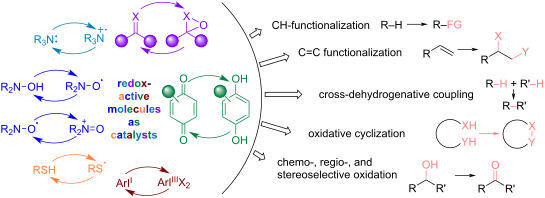
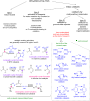
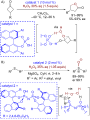
- heterocyclizations. Electrochemical N-ammonium ylide-catalyzed CH-oxidation. Oxidative dimerization of aryl- and alkenylmagnesium compounds catalyzed by quinonediimines. FLP-catalyzed dehydrogenation of N-substituted indolines. Funding This work was supported by the Russian Science Foundation (Grant no. 21-13-00205).











Preparation of β-cyclodextrin-based dimers with selectively methylated rims and their use for solubilization of tetracene
Beilstein J. Org. Chem. 2022, 18, 1596–1606, doi:10.3762/bjoc.18.170
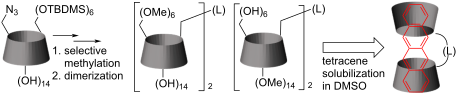
- could be expected that the extension of the hydrophobic cavity by the combined methylation and “dimerization” may improve the binding potential towards such substrates even more. Linear polycyclic aromatic hydrocarbons (acenes) and their derivatives are good organic semiconductors and show interesting
- every glucose moiety. Sometimes these signals overlap and merge; however, it is still possible to isolate at least one small doublet, whose intensity is 1/7 of the whole H1-region. After dimerization, the H1-region can be more complex, indicating the further loss of symmetry in the molecules. The NMR
- look more like the symmetrical partially methylated compounds without azido group. This phenomenon could be attributed to the increased molecular symmetry after the dimerization with this type of spacer. A methyltriazole ether linker connects the CD moieties in dimers 4, 9, and 10. The aromatic part of


Oxa-Michael-initiated cascade reactions of levoglucosenone
Beilstein J. Org. Chem. 2022, 18, 1457–1462, doi:10.3762/bjoc.18.151
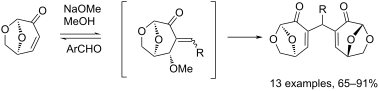
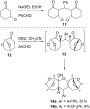
- applications. Levoglucosenone (1), known dimerization product 2, and adducts 3 and 4. 1H NMR spectra (500 MHz) of 1 (A), 1:1 1/PhCHO reaction mixture at 1 h at 60° C (B), mixture after 24 h at 60 °C (C), and product 5a (D). DMSO-d6 was used in CDCl3 to dissolve precipitated product. Proposed pathway for the


Derivatives of benzo-1,4-thiazine-3-carboxylic acid and the corresponding amino acid conjugates
Beilstein J. Org. Chem. 2022, 18, 1195–1202, doi:10.3762/bjoc.18.124
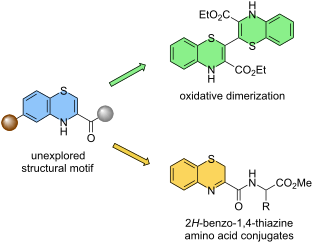
- synthesis and utilization of derivatives of 4H-benzo[b][1,4]thiazine-3-carboxylic acid. These benzothiazine compounds were assembled via the coupling of aminothiols and bromopyruvates. Oxidative dimerization of these starting materials was also observed and the corresponding benzothiazine dimers were
- isolated. Moreover, the coupling of benzothiazines with amino acids was realized. In doing so, an enantioselective synthesis of the nonproteinogenic amino acid 2-amino-3-propylhexanoic acid was accomplished. Keywords: amino acid; benzothiazine; oxidative dimerization; peptide coupling; stereoselective
- %, respectively, under different conditions (Table 1, entries 3 and 4). Reactions in ethanol under MWI and in CH2Cl2 with classical stirring at room temperature only resulted in oxidative dimerization, forming derivative 11b in 15–28% yield (Table 1, entries 5–7). Neither did the reaction proceed in ethyl acetate
Synthesis of protected precursors of chitin oligosaccharides by electrochemical polyglycosylation of thioglycosides
Beilstein J. Org. Chem. 2022, 18, 1133–1139, doi:10.3762/bjoc.18.117
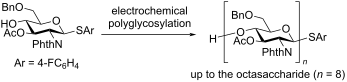
- glassy carbon (Figure 8). The oxidation potential of oligosaccharides 2a and 3a (Eox = 1.76 and 1.74 V vs SCE) was higher than that of monosaccharide 1a (Eox = 1.70 V vs SCE). We also examined electrochemical activation of tetrasaccharide 4a to obtain octasaccharide 8a through the dimerization of 4a
- , building block 1a (0.20 mmol, 109 mg) per cycle as 0.2 M solution in dry CH2Cl2. Electrochemical dimerization of tetrasaccharide 4a. Supporting Information Supporting Information File 240: Additional experimental details and compound characterization data. Funding T. N. acknowledges financial support


A Streptomyces P450 enzyme dimerizes isoflavones from plants
Beilstein J. Org. Chem. 2022, 18, 1107–1115, doi:10.3762/bjoc.18.113
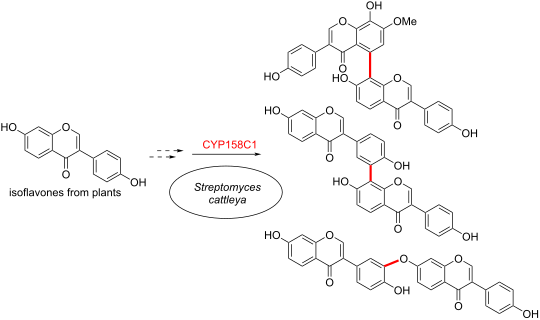
- , Zhejiang Province, China Institute of Natural Sciences, Westlake Institute for Advanced Study, 18 Shilongshan Road, Hangzhou 310024, Zhejiang Province, China 10.3762/bjoc.18.113 Abstract Dimerization is a widespread natural strategy that enables rapid structural diversification of natural products
- . However, our understanding of the dimerization enzymes involved in this biotransformation is still limited compared to the numerous reported dimeric natural products. Here, we report the characterization of three new isoflavone dimers from Streptomyces cattleya cultured on an isoflavone-containing agar
- plate. We further identified a cytochrome P450 monooxygenase, CYP158C1, which is able to catalyze the dimerization of isoflavones. CYP158C1 can also dimerize plant-derived polyketides, such as flavonoids and stilbenes. Our work represents a unique bacterial P450 that can dimerize plant polyphenols


Electrochemical formal homocoupling of sec-alcohols
Beilstein J. Org. Chem. 2022, 18, 1062–1069, doi:10.3762/bjoc.18.108
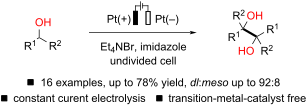
- alcohol derivatives. The present transformations smoothly proceed in a simple undivided cell under constant current conditions without the use of external chemical oxidants/reductants, and transition-metal catalysts. Keywords: alcohols; dimerization; electrooxidation; electroreduction; paired




New azodyrecins identified by a genome mining-directed reactivity-based screening
Beilstein J. Org. Chem. 2022, 18, 1017–1025, doi:10.3762/bjoc.18.102
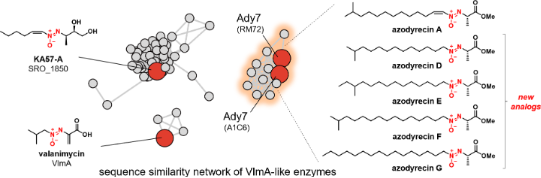
- nitrogen radical coupling mechanism in the biosynthesis of azoxymycins [12][13], which are aromatic azoxy natural products. A similar mechanism has been envisioned for the autoxidation and spontaneous dimerization of aliphatic hydroxylamines via the azoxy linkage in malleobactin D biosynthesis [14]. A




First example of organocatalysis by cathodic N-heterocyclic carbene generation and accumulation using a divided electrochemical flow cell
Beilstein J. Org. Chem. 2022, 18, 979–990, doi:10.3762/bjoc.18.98
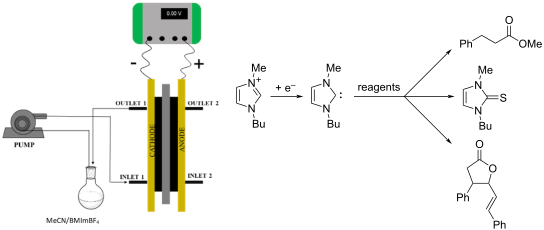
- ). Therefore, the 32% chemical yield (with respect to starting IL) is comparable with the yield of the batch process. Electrogenerated NHC organocatalysis. Dimerization of trans-cinnamaldehyde: synthesis of 4-phenyl-5-styryldihydrofuran-2(3H)-one Having demonstrated that NHCs could be generated and accumulated
- of the electrogenerated carbene was used to promote dimerization and oxidative esterification reactions of cinnamaldehyde. Under the flow conditions investigated, a higher rate of NHC production was achieved, compared to previously reported batch reactions, which is an important consideration for
- (s, 3H), 1.70–1.59 (m, 2H), 1.42–1.24 (m, 2H), 0.92 (t, J = 7.2 Hz, 3H) ppm; 13C NMR (CDCl3) δ 153.1, 111.3, 110.2, 43.5, 31.1, 30.5, 19.9, 13.6 ppm. General procedure for dimerization of trans cinnamaldehyde Constant current electrolyzes (I = 134 mA) were carried out using a parallel plate divided


Unusual highly diastereoselective Rh(II)-catalyzed dimerization of 3-diazo-2-arylidenesuccinimides provides access to a new dibenzazulene scaffold
Beilstein J. Org. Chem. 2022, 18, 533–538, doi:10.3762/bjoc.18.55
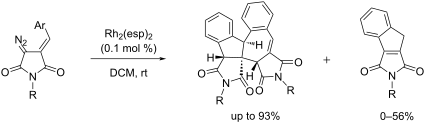
- , the formation of the spirocyclic benzoxepine was not observed. Instead, the principal product of the reaction was compound 2 (as unequivocally confirmed by the single-crystal X-ray analysis of a representative, compound 2a, see Supporting Information File 1), presumably resulting from the dimerization
- benzylidene fragment (1g) led to the deactivation of the diazo substrate ‒ after 1 hour the conversion did not exceed 30% and even after 3 days the starting DAS 1g was still present in the mixture. At the same time, only a trace amount of the expected dimerization product 2g was detected along unidentified
- showed pronounced cytotoxocity against the A549 human lung adenocarcinoma cell line while N-aryl analogs were non-cytotoxic. Previously reported transformations of DAS (1) and their unusual dimerization investigated in this work. Cytotoxicity of N-alkyl-substituted dibenzoazulenodipyrroles 2 against the


Tosylhydrazine-promoted self-conjugate reduction–Michael/aldol reaction of 3-phenacylideneoxindoles towards dispirocyclopentanebisoxindole derivatives
Beilstein J. Org. Chem. 2022, 18, 469–478, doi:10.3762/bjoc.18.49
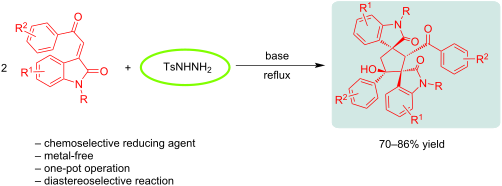
- dimerization produces dispirocyclopentanebisoxindoles in a transition-metal-free protocol (Scheme 1). Results and Discussion There is extensive application of 3-phenacylideneoxindoles generating diverse reaction strategies following the regioselective and diastereoselective synthesis of carbocyclic and
- solution in the presence of K2CO3 as base. After the reaction was completed, we observed that the reductive cyclo-dimerization occurs smoothly to give the corresponding dispirocyclopentanebisoxindole 3a in 68% isolated yield with good diastereoselectivity (>95:5 dr) (Table 1). NMR and HRMS analyses confirm


Synthesis of 3,4,5-trisubstituted isoxazoles in water via a [3 + 2]-cycloaddition of nitrile oxides and 1,3-diketones, β-ketoesters, or β-ketoamides
Beilstein J. Org. Chem. 2022, 18, 446–458, doi:10.3762/bjoc.18.47

- prevalent scaffold in biomedical research and drug discovery programs. We also proposed a plausible mechanism for the selectivity of the [3 + 2]-cycloaddition reaction to produce 3,4,5-trisubstituted isoxazoles. Not to be overlooked are our optimized reaction conditions for the dimerization of hydroximoyl
- . There are many possible products formed through the reaction between nitrile oxides and 1,3-diketones (Figure 2), such as the homo-coupled product (dimerization) of the nitrile oxides (Figure 2, path A) and dioxazoles through a hetero [3 + 2] cyclization as another possibility [30] (Figure 2, path B
- donors have shown important biological activities due to their unique electronic and coordination ability [37][38], such as antitumor [39] and antiparasitic [40][41]. Previously, furoxans were synthesized via dimerization of hydroximoyl chlorides in the presence of a base, such as trimethylamine in ether