


Search results
Search for "glycol" in Full Text gives 282 result(s) in Beilstein Journal of Organic Chemistry. Showing first 200.
Automated grindstone chemistry: a simple and facile way for PEG-assisted stoichiometry-controlled halogenation of phenols and anilines using N-halosuccinimides
Beilstein J. Org. Chem. 2022, 18, 999–1008, doi:10.3762/bjoc.18.100
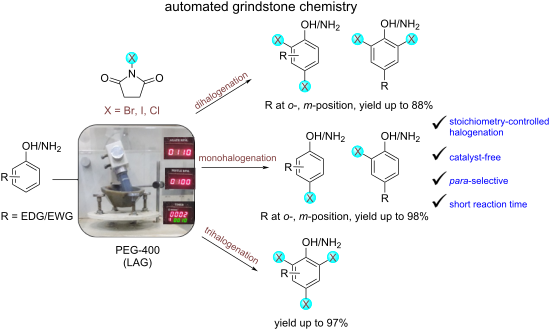
- relatively inferior results than EtOH (Table 1, entry 3). The use of ethylene glycol and glycerol as the grinding matrix showed improved yields with the monobromo product 2a formed in 81% and 85% yield, respectively within 10 min (Table 1, entries 4 and 5). Next, liquid polyethylene glycol, PEG-400 was




Synthesis of 3,4,5-trisubstituted isoxazoles in water via a [3 + 2]-cycloaddition of nitrile oxides and 1,3-diketones, β-ketoesters, or β-ketoamides
Beilstein J. Org. Chem. 2022, 18, 446–458, doi:10.3762/bjoc.18.47

- , Saugus, MA, USA). The DART ion source was operated with helium gas (approximately 4.0 L/min flow rate), the gas heater (350 °C), and the source grid (350 V). The data acquisition range was from m/z 50 to 1000. Polyethylene glycol (PEG 600) was used for the exact mass calibration. General synthetic



Recent developments and trends in the iron- and cobalt-catalyzed Sonogashira reactions
Beilstein J. Org. Chem. 2022, 18, 262–285, doi:10.3762/bjoc.18.31
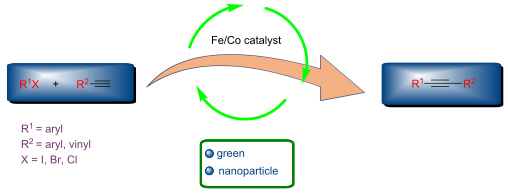
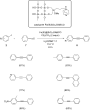
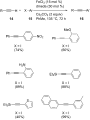
- catalytic efficiency than other catalytic systems. For studying the efficiency of the catalyst, they selected the reaction of 4-iodonitrobenzene and phenylacetylene in the presence of 0.5 mol % of Fe2O3 nanoparticle as catalyst and K2CO3 as base in ethylene glycol at 80 °C. Both, the electrophilic character
- latter with salts of Pd(II) and Co(II) in ethylene glycol and water at pH 11 afforded the desired PdCo nanoparticles-3D graphene nanocomposite. The catalyst was then studied in the Sonogashira coupling reaction of arylacetylenes and aryl halides in the presence of various bases and solvents. The maximum
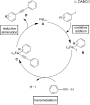
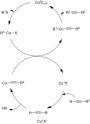
- compatible with the catalyst and afforded the products with high yield. The efficiency of the catalyst in water was found to be increased by introducing polyethylene glycol (PEG) chains. From the mechanistic explanation, the reaction proceeds via an oxidative addition and reductive elimination route. Fe3O4







1,2-Naphthoquinone-4-sulfonic acid salts in organic synthesis
Beilstein J. Org. Chem. 2022, 18, 53–69, doi:10.3762/bjoc.18.5
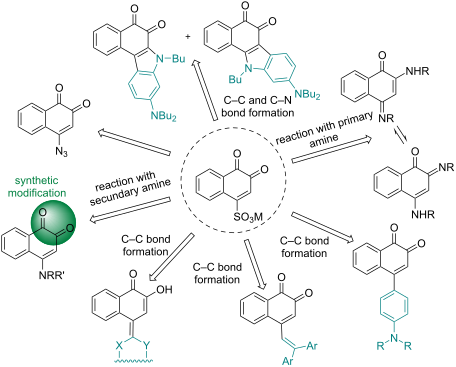
- °C, and method B was carried out with t-BuOK in polyethylene glycol (PEG300) at room temperature. In both methods, the reaction conditions were mild and produced the product in moderate to good yields. The same group investigated this reaction with substituted acetonitriles to obtain 2


Stepwise PEG synthesis featuring deprotection and coupling in one pot
Beilstein J. Org. Chem. 2021, 17, 2976–2982, doi:10.3762/bjoc.17.207

- method is expected to significantly lower PEG synthesis cost. Keywords: base-labile; monodisperse; PEG; polyethylene glycol; protecting group; Introduction Polyethylene glycols and derivatives (PEGs) have found wide applications in many areas [1][2][3][4][5][6]. For some applications, polydisperse PEGs


Cryogels: recent applications in 3D-bioprinting, injectable cryogels, drug delivery, and wound healing
Beilstein J. Org. Chem. 2021, 17, 2553–2569, doi:10.3762/bjoc.17.171
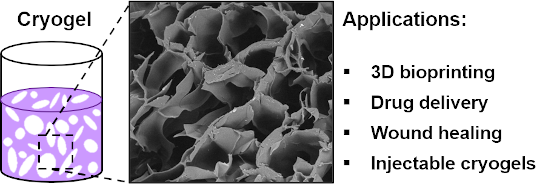
- [11][33][39]. Thermoresponsive cryogels comprising oligoethylene glycol have also been reported with dual shape memory behaviour [40]. Natural polymers such as cellulose derivatives, chitosan, gelatin, and dextran exhibit temperature-responsive properties and have been used in cryogels. 3.2. pH
- biopolymeric cryogel DDS. Human mesenchymal stromal cells (MSCs) were gene-modified to secrete anti-CD33-anti-CD3 bispecific antibodies (bsAb) to be used for the treatment of acute myeloid leukaemia (AML). Macroporous star-shaped poly(ethylene glycol) (starPEG)-heparin cryogels were prepared by combining






In-depth characterization of self-healing polymers based on π–π interactions
Beilstein J. Org. Chem. 2021, 17, 2496–2504, doi:10.3762/bjoc.17.166
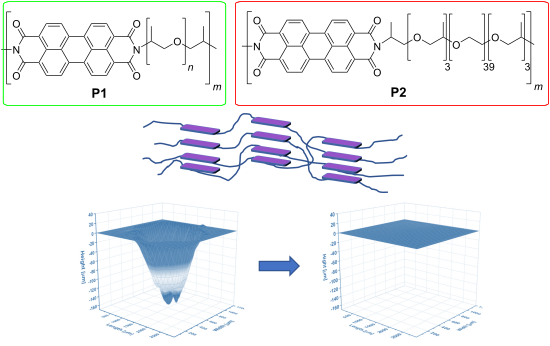
- literature reported procedure was utilized (see Scheme 1), which described the synthesis of polypropylene glycol-based polymers featuring aromatic diimides [23]. Following the procedure, perylene-3,4,9,10-tetracarboxylic dianhydride was converted with poly(propylene glycol) bis(2-aminopropyl ether) with a
- molar mass of approximately 2000 g/mol resulting in polymer P1. In order to study the influence of the polymer backbone on the material’s properties, the diamine containing polymer was exchanged to a triblock copolymer of poly(propylene glycol)-block-poly(ethylene glycol)-block-poly(propylene glycol
- , polymer P2 could not be damaged in a sufficient manner (under the utilized conditions) due to the polymer design. In particular, the poly(ethylene glycol) block resulted in a sufficient elastic recovery. Consequently, the material could not be analyzed via scratch testing in sufficient manner. The current


Post-functionalization of drug-loaded nanoparticles prepared by polymerization-induced self-assembly (PISA) with mitochondria targeting ligands
Beilstein J. Org. Chem. 2021, 17, 2302–2314, doi:10.3762/bjoc.17.148
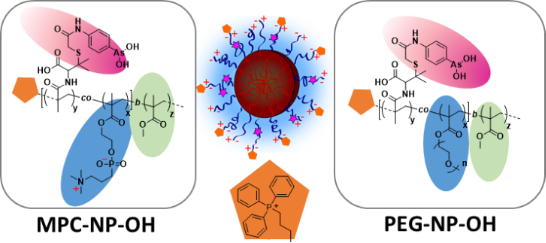
- Janina-Miriam Noy Fan Chen Martina Stenzel School of Chemistry, University of New South Wales, Sydney NSW 2052, Australia 10.3762/bjoc.17.148 Abstract Herein, the postfunctionalization of different non-fouling PISA particles, prepared from either poly(oligo ethylene glycol methyl ether
- efficiency on a protein covered nanoparticle was significantly reduced compared to a non-protein bounded nanoparticle. Stealth like nanoparticle surfaces, such as surfaces covered with polyethylene glycol or phosphorylcholine, are therefore attractive for biological applications, as they have the ability to
- repel proteins and therefore reduce the possibility of macrophage clearance [41]. Therefore, in this study we will use poly(2-methacryloyloxyethyl phosphorylcholine) (pMPC) and poly(oligo ethylene glycol methyl ether methacrylate) (pPEGMA) as protein-repellent polymers in order to ensure that the




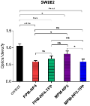


Constrained thermoresponsive polymers – new insights into fundamentals and applications
Beilstein J. Org. Chem. 2021, 17, 2123–2163, doi:10.3762/bjoc.17.138
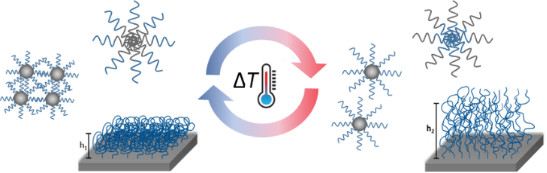


Cationic oligonucleotide derivatives and conjugates: A favorable approach for enhanced DNA and RNA targeting oligonucleotides
Beilstein J. Org. Chem. 2021, 17, 1828–1848, doi:10.3762/bjoc.17.125
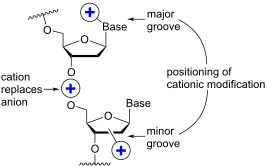
- ]. In a follow-up study, after being introduced into bisLNAs, the piperazino-modified 2'-amino-LNA-T nucleotide was compatible with invasion into dsDNA targets in vitro [56]. In further studies utilizing the same amide coupling, nor-spermidine with different group lengths (52 and 53), a glycol-amine
- -functionalized group (54), and a bis-C6-amine-functionalized group (55) were attached to 2’-amino-LNA-T. All these modifications demonstrated high duplex stabilizing capabilities combined with high nuclease resistance [94][95]. Additionally, the nor-spermidine and amino-glycol modified 2’-amino-LNA-T when


Chemical approaches to discover the full potential of peptide nucleic acids in biomedical applications
Beilstein J. Org. Chem. 2021, 17, 1641–1688, doi:10.3762/bjoc.17.116
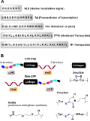
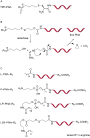
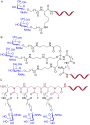
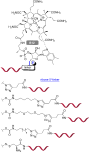
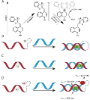
- (Figure 2B). An innovative design links the two ends together with an ethylene glycol linker (Figure 2C), which reduced the unfavorable loss of entropy by converting the binding event from a trimolecular to a bimolecular process [34][35][36]. The new bis-PNAs (Figure 2C) showed about two orders of









A recent overview on the synthesis of 1,4,5-trisubstituted 1,2,3-triazoles
Beilstein J. Org. Chem. 2021, 17, 1600–1628, doi:10.3762/bjoc.17.114
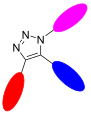
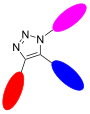
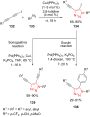
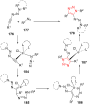
- . This method was then extended to ketone, tosyl, and phthalimide groups on alkyl azides to produce the desired triazole derivatives. The ethylene glycol-, phenylalanine-, and glucose-derived azides were also good candidates to furnish the triazole derivatives. This protocol provides access to various















Photoinduced post-modification of graphitic carbon nitride-embedded hydrogels: synthesis of 'hydrophobic hydrogels' and pore substructuring
Beilstein J. Org. Chem. 2021, 17, 1323–1334, doi:10.3762/bjoc.17.92
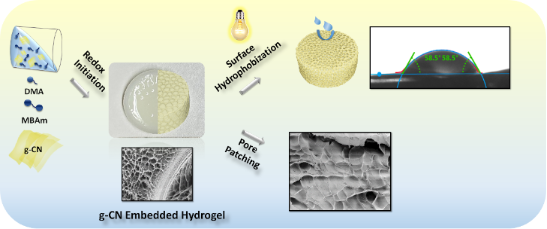
- primary amide C=O stretching vibration of the amide group. The strong signals at 1558 and 1404 cm−1 are originated from amine N–H bending and scissoring –CH2– vibrations, respectively. At last, the poly(ethylene glycol) methyl ether methacrylate (PEGMEMA)-based network displays O–H stretching from 3106 cm
- % aqueous solution, Merck), magnesium chloride (MgCl2, 99%, Merck), melamine (99%, Sigma-Aldrich), poly(ethylene glycol) dimethacrylate (PEGDMA, Mn 550, Sigma-Aldrich), poly(ethylene glycol) methyl ether methacrylate (PEGMEMA, Mn 300, Sigma-Aldrich), potassium chloride (KCl, 99%, Merck), rhodamine B (RhB


A comprehensive review of flow chemistry techniques tailored to the flavours and fragrances industries
Beilstein J. Org. Chem. 2021, 17, 1181–1312, doi:10.3762/bjoc.17.90










Beyond ribose and phosphate: Selected nucleic acid modifications for structure–function investigations and therapeutic applications
Beilstein J. Org. Chem. 2021, 17, 908–931, doi:10.3762/bjoc.17.76
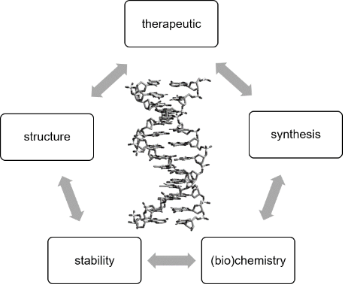
- moieties, such as a tetrose (ʟ-α-threofuranose, TNA [48]), and hexoses (e.g., hexitol, HNA [49]; altritol AtNA [50]; xylol XyNA [51]), or cyclohexene (CeNA [52]), a morpholino moiety (PMO [53]), and an acyclic, chiral glycol linker (GNA [54]), to generate so-called xeno nucleic acids (XNAs [55][56]). In
- at the PS2 nucleotide sites of an siRNA duplex sense strand increase the thermal stability of the duplex to levels comparable to the unmodified variant, it also further improved the binding affinity to the Ago2 protein, hypothesized to be in part caused by a superior hydrophobic effect [92]. Glycol
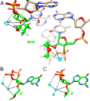
- nucleic acid Glycol nucleic acid (GNA) with its chiral, acyclic three-carbon backbone linked by phosphate is the simplest phosphodiester-based nucleic acid analogue (Figure 1D). It contains one stereocenter allowing for the synthesis of either (S)-GNA or (R)-GNA where chirality is fixed by use of either




Enhanced target cell specificity and uptake of lipid nanoparticles using RNA aptamers and peptides
Beilstein J. Org. Chem. 2021, 17, 891–907, doi:10.3762/bjoc.17.75
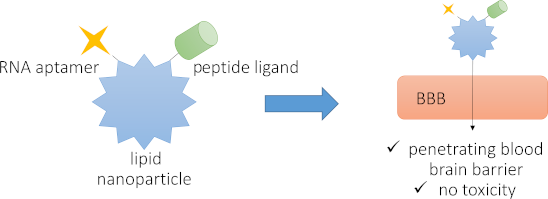
- challenging. In an effort to target LNPs composed of an ionizable cationic lipid (DLin-MC3-DMA), cholesterol, the phospholipid 1,2-distearoyl-sn-glycero-3-phosphocholine (DSPC), and 1,2-dimyristoyl-rac-glycero-3-methoxypolyethylene glycol-2000 (DMG-PEG 2000) to particular cell types, as well as to generate
- mixture of DLin-MC3-DMA, DSPC, cholesterol, and 1,2-dimyristoyl-rac-glycero-3-methoxypolyethylene glycol-2000 (DMG-PEG 2000). Lipids were first extruded and then complexed with negatively charged aptamers annealed with fluorescently tagged complementary DNA oligonucleotides (GP160:A-1 or CCR5:G-3) to
- -3-phosphoethanolamine-N-[amino(polyethylene glycol)-2000] and observed that their LNP–DNA aptamer was able to deliver target siRNA into osteoblasts via macropinocytosis, increasing bone formation in vitro and in rodents [47]. In 2017, Kim et al. used a postinsertion method to incorporate an aptamer



A chromatography-free and aqueous waste-free process for thioamide preparation with Lawesson’s reagent
Beilstein J. Org. Chem. 2021, 17, 805–812, doi:10.3762/bjoc.17.69

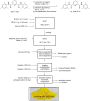
- scaling up the preparation of two pincer-type thioamides, we have successfully developed a convenient process with ethylene glycol to replace ethanol during the workup, including a traditional phase separation, extraction, and recrystallization. The newly developed chromatography-free procedure did not
- , we herein reported an efficient work-up procedure of applying LR by utilizing ethylene glycol to decompose the compound A (Figure 2). With a combination of some usual operations, such as, phase separation, extraction and crystallization, the desired thioamide products were efficiently obtained in
- reckoned that converting compound A to a more polar derivative could probably be a breakthrough. As common knowledge, the more polarized alcohols over EtOH are those diols or polyols, while MeOH was previously ruled out. Ethylene glycol, a basic chemical and the simplest diol, is slightly soluble in


[2 + 1] Cycloaddition reactions of fullerene C60 based on diazo compounds
Beilstein J. Org. Chem. 2021, 17, 630–670, doi:10.3762/bjoc.17.55
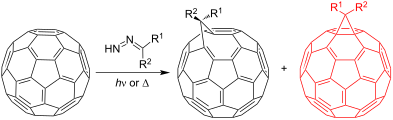
- formed. In fact, a series of spirocyclopentalydenemethanofullerenes 190–193 were obtained by the reaction of C60 with lithium salts of tosylhydrazone (Scheme 34) [154]. Spiromethanofullerene 194 was prepared on the basis of monoethylene glycol tosylhydrazone. Hydrolysis of the former resulted in 6,6
Valorisation of plastic waste via metal-catalysed depolymerisation
Beilstein J. Org. Chem. 2021, 17, 589–621, doi:10.3762/bjoc.17.53
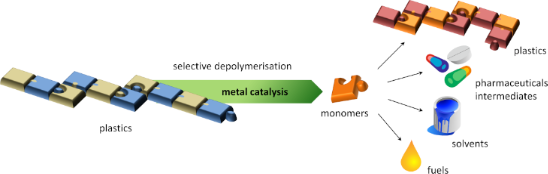
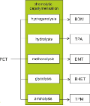
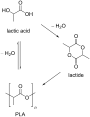
- developed, using a solvent or molecular hydrogen as cleaving agents [81]. The main solvolytic process include: hydrolysis (water) alcoholysis (methanol, ethanol, 1-butanol, 2-ethyl-1-hexanol, phenol) glycolysis (ethylene glycol (EG), 1,2-propanediol (PD), 1,3- and 1,4-butanediol (BD)), diethylene glycol
- (DEG), dipropylene glycol (DPG)) aminolysis (2-aminoethanol, 3-amino-1-propanol, ethylenediamine). Advantages of catalytic processes are obvious and can be witnessed in the hydrolysis and the glycolysis reactions of poly(ethylene terephthalate) (PET) [82][83]. Representative data are reported in










Synthesis and physicochemical evaluation of fluorinated lipopeptide precursors of ligands for microbubble targeting
Beilstein J. Org. Chem. 2021, 17, 511–518, doi:10.3762/bjoc.17.45
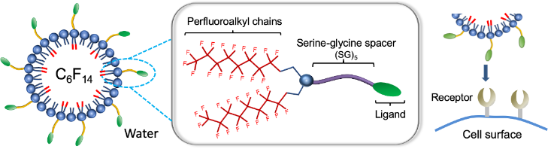
- penetrating properties, such as the transactivator of the transcription (TAT) peptide. Moreover, peptides being smaller than the antibodies generally induce a lower immunogenicity [15][16][17]. Micro- and nanocarriers are often covered by poly(ethylene glycol) (PEG) stealth coatings that significantly enhance
- -Dipalmitoylphosphatidylcholine (DPPC, >99%) and 1,2-dipalmitoyl-sn-glycero-3-phosphoethanolamine-N-[methoxy(polyethylene glycol)-2000] (DPPE-PEG2000, >99%) were purchased from Avanti Polar Lipids (Alabaster, AL, USA) and used without further purification. Perfluorohexane came from Fluorochem (>98%). A HEPES (N-2-(hydroxyethyl


Regioselective chemoenzymatic syntheses of ferulate conjugates as chromogenic substrates for feruloyl esterases
Beilstein J. Org. Chem. 2021, 17, 325–333, doi:10.3762/bjoc.17.30
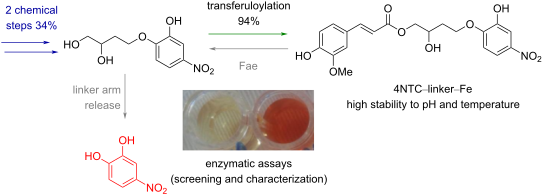
- quantified by submitting samples removed from the reaction to the oxidative action of sodium periodate at 0 °C and registering the absorbance at 530 nm (under alkaline conditions) [23][37][38][43]. Importantly, it is vital to include a stoichiometric amount of ethylene glycol to avoid further oxidation of
- solution was preincubated at 40 °C before AnFaeA addition. Aliquots (25 µL) were stopped by cooling (at 0 °C) every 6 min over a 24 min period and mixed with 45 µL of a cooled 10 mM NaIO4 solution (pH 2.0). After being kept for 5 min at 0 °C throughout, 45 µL of ethylene glycol were added, followed by 135
- . Negative controls containing all of the reactants except the enzyme were always included in order to monitor and correct for spontaneous hydrolysis of the substrate. Control reactions containing 12, 11 and 4NTC without enzyme, and 4NTC without both enzyme and ethylene glycol were also prepared. Alternative


Supramolecular polymerization of sulfated dendritic peptide amphiphiles into multivalent L-selectin binders
Beilstein J. Org. Chem. 2021, 17, 97–104, doi:10.3762/bjoc.17.10
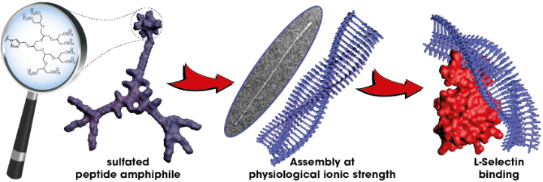
- of rigid supramolecular polymers. Since multivalent sulfated supramolecular structures mimic naturally occurring L-selectin ligands, the corresponding affinity was evaluated using a competitive SPR binding assay and benchmarked to an ethylene glycol-decorated supramolecular polymer. Keywords: L
- . Both amphiphiles were synthesized using a convergent and modular strategy as shown in Scheme 1. The Newkome-type [33] dendritic dodeca(ethylene glycol) moiety 3, equipped with a 6-aminohexanoic acid spacer was synthesized as reported previously [34]. Using this building block in the subsequent HBTU
- I was purified by size exclusion chromatography. In order to synthesize the sulfated, functionalized supramolecular building block II, we made use of the selective heterofunctionalization of trimesic acid. By replacing one of the solubilizing dodeca(ethylene glycol) moieties with an azide group



Ultrasound-assisted Strecker synthesis of novel 2-(hetero)aryl-2-(arylamino)acetonitrile derivatives
Beilstein J. Org. Chem. 2020, 16, 2929–2936, doi:10.3762/bjoc.16.242
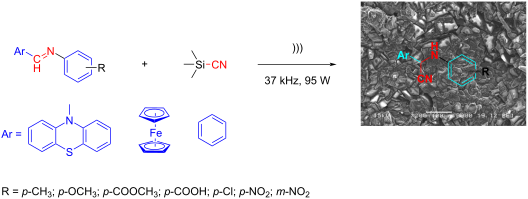
- trimethylsilyl cyanide (TMSCN) in poly(ethylene glycol) (PEG) solution. The advantages of the sonochemical versus the conventional α-(arylamino)acetonitrile synthesis are the significantly shorter reaction time (30 min instead of 72 hours), the higher purity and the easier separation of the product that
- using “green” solvents, for example, low vapor pressure solvents such as ionic liquids [3], low volatile solvents such as glycerol, ethylene glycol and its oligomers, or nontoxic water solvent, as well as in heterogeneous media under solvent-free conditions [4]. Other advantages induced by sonication
- , ferrocene or benzene units was screened by the Salmonella mutagenicity assay (Ames test) [28] using S. typhimurium TA98 and TA100 strains. Results and Discussions Ultrasound-assisted synthesis The Strecker reaction between (hetero)aromatic aldimines and TMSCN in poly(ethylene glycol) (PEG)–water medium [18


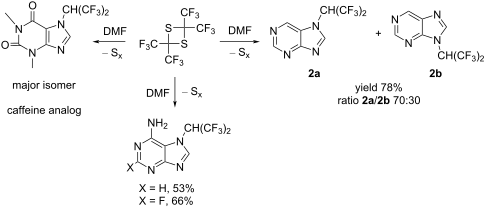
Synthesis of purines and adenines containing the hexafluoroisopropyl group
Beilstein J. Org. Chem. 2020, 16, 2739–2748, doi:10.3762/bjoc.16.224
- -temperature operation. The sample temperature was calibrated against neat ethylene glycol and neat methanol standards. Selective inversion experiments at subambient temperature effected the selective inversion with iBURP shapes [25]. The spin–lattice relaxation time T1 for each site was determined with



Optical detection of di- and triphosphate anions with mixed monolayer-protected gold nanoparticles containing zinc(II)–dipicolylamine complexes
Beilstein J. Org. Chem. 2020, 16, 2687–2700, doi:10.3762/bjoc.16.219
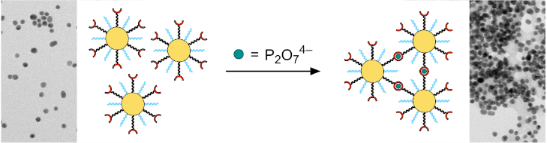
- /bjoc.16.219 Abstract Gold nanoparticles covered with a mixture of ligands of which one type contains solubilizing triethylene glycol residues and the other peripheral zinc(II)–dipicolylamine (DPA) complexes allowed the optical detection of hydrogenphosphate, diphosphate, and triphosphate anions in
- binding of these anions to the immobilized receptor units strengthened their interaction with a simultaneously present bis(imidazolium) ion, which in turn caused nanoparticle crosslinking [16][17]. Our group recently showed that a mixed monolayer-protected AuNP containing solubilizing triethylene glycol
- receptors based on other scaffolds [22][23][24][25]. To test whether this binding motif induces AuNP crosslinking, we synthesized nanoparticles containing peripheral zinc(II)–DPA complexes together with a solubilizing triethylene glycol-based ligand in different ratios and studied their interaction with





