


Search results
Search for "hybrids" in Full Text gives 87 result(s) in Beilstein Journal of Organic Chemistry.
Recent applications of click chemistry for the functionalization of gold nanoparticles and their conversion to glyco-gold nanoparticles
Beilstein J. Org. Chem. 2018, 14, 11–24, doi:10.3762/bjoc.14.2
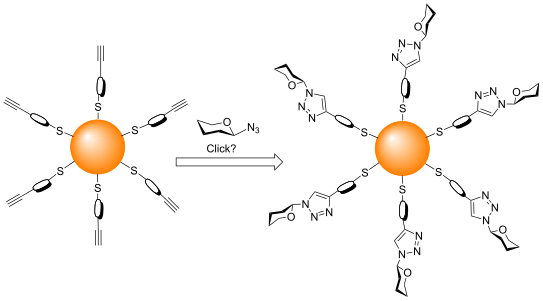
- synthesize peptide-decorated AuNPs [59] and nanomaterial hybrids containing single walled carbon nanotubes and AuNPs [60]. AuNP surface modification by CuAAC The distinct advantages of CuAAC over NCAAC, such as improved regioselectivity and rates of the reaction, motivated several groups to use CuAAC for the



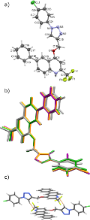
Solvent-free copper-catalyzed click chemistry for the synthesis of N-heterocyclic hybrids based on quinoline and 1,2,3-triazole
Beilstein J. Org. Chem. 2017, 13, 2352–2363, doi:10.3762/bjoc.13.232
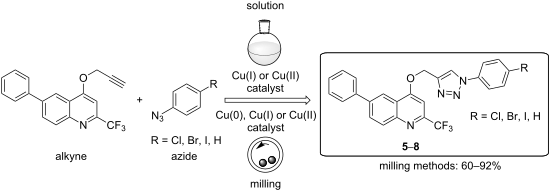
- methine C-3 protons displayed in a 1H,1H-NOESY spectrum of 4 (Figure S10 in Supporting Information File 1). Compound 4 was then submitted to Cu(I)-catalyzed 1,3-dipolar cycloaddition with selected halogen-substituted and non-substituted aromatic azides to yield target N-heterocyclic hybrids 5–8 containing



Synthesis and application of trifluoroethoxy-substituted phthalocyanines and subphthalocyanines
Beilstein J. Org. Chem. 2017, 13, 2273–2296, doi:10.3762/bjoc.13.224
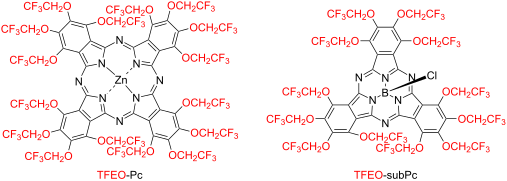
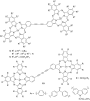
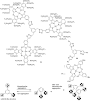
- possible use in PDT [99]. The deoxyribonucleoside unit is expected to enhance the water solubility of the phthalocyanine, facilitating its incorporation into cancer cells which undergo active cell division. These TFEO-ZnPc/deoxyribonucleoside hybrids were synthesized from unsymmetrical A3B-type TFEO-ZnPc








Energy down converting organic fluorophore functionalized mesoporous silica hybrids for monolith-coated light emitting diodes
Beilstein J. Org. Chem. 2017, 13, 768–778, doi:10.3762/bjoc.13.76
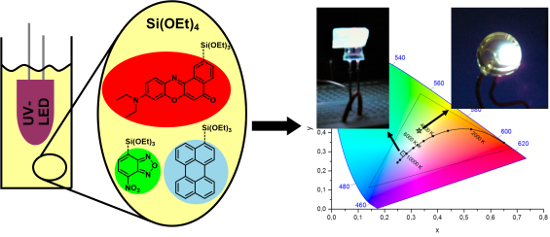
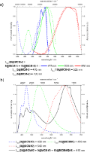
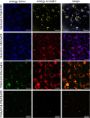
- convert the emitted UV light into light with correlated color temperatures of very cold white (41100 K, 10700 K) as well as a greenish white emission with correlated color temperatures of about 5500 K. Keywords: benzofurazane; LED; luminophores; mesoporous silica hybrids; monoliths; Nile red; perylene
- as transparent monoliths in different shapes [17][18][19]. Here, we communicate our first efforts to design red, green, and blue light-emitting mesoporous materials from organic chromophores, their blending to white light-emitting silica hybrids based upon additive color mixing, and as a proof of
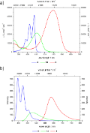
- loadings of the hybrids are correlated with the surface area of the silica material, typically 700 m2·g−1, self-quenching effects should occur at loadings higher than 10 μmol·g−1 as illustrated in Figure 3 [24]. Although aggregation-induced self-quenching can be prevented by covalently ligating dye








Derivatives of the triaminoguanidinium ion, 5. Acylation of triaminoguanidines leading to symmetrical tris(acylamino)guanidines and mesoionic 1,2,4-triazolium-3-aminides
Beilstein J. Org. Chem. 2017, 13, 579–588, doi:10.3762/bjoc.13.57
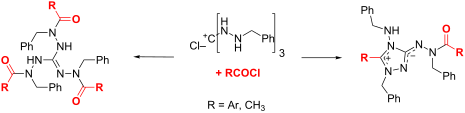
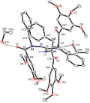
- through hydrogen bonds with N4–H as the donor and the oxygen atom of water as the acceptor (Figure 3, right). Structural and spectroscopic characterization of 1,2,4-triazolium-3-aminides 7 The bond structure of mesoionic compounds such as 7 can be described as resonance hybrids of quite a number of




A postsynthetically 2’-“clickable” uridine with arabino configuration and its application for fluorescent labeling and imaging of DNA
Beilstein J. Org. Chem. 2017, 13, 127–137, doi:10.3762/bjoc.13.16
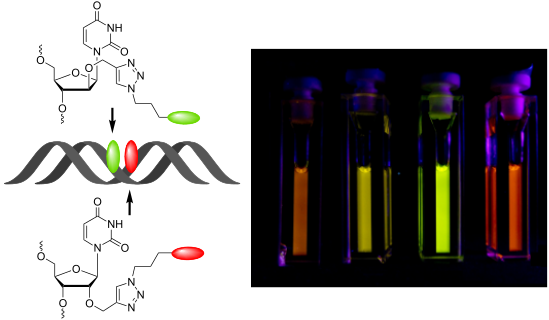
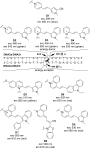
- by blue and green emitting cyanine-styryl dyes were improved due to the arabino-configured anchor. These oligonucleotides were used as energy transfer donors in hybrids with oligonucleotides modified with acceptor dyes that emit in the yellow-red range. These combinations give energy transfer pairs
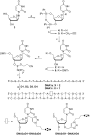
- with blue–yellow, blue–red and green–red emission color changes. All combinations of arabino- and ribo-configured donor strands with arabino- and ribo-configured acceptor strands were evaluated. This array of doubly modified hybrids was screened by their emission color contrast and fluorescence quantum
- first report [21]. The orientation of the 2’-OH group in the arabino configuration towards the major groove yields hybrids with RNA that show a slightly lower thermal stability compared to DNA/RNA hybrids. In order to evaluate this structural influence for our fluorescently labelled oligonucleotides, we



Diastereoselective anodic hetero- and homo-coupling of menthol-, 8-methylmenthol- and 8-phenylmenthol-2-alkylmalonates
Beilstein J. Org. Chem. 2017, 13, 33–42, doi:10.3762/bjoc.13.5
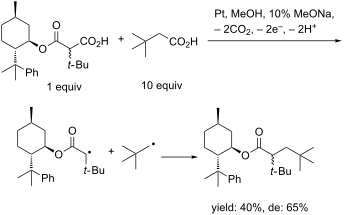
- compound 23b (Figure 2) and converting the sp3 hybridized carbon atoms C2’ and C3’ into sp2 hybrids shows that the minor stereoisomer is formed by the shielding of the re-face through the tert-butyl group. Hence the major diastereomer 23a is formed by an attack via the less shielded si-face. The same




Synthesis of acylhydrazino-peptomers, a new class of peptidomimetics, by consecutive Ugi and hydrazino-Ugi reactions
Beilstein J. Org. Chem. 2016, 12, 2865–2872, doi:10.3762/bjoc.12.285

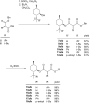
- structures have also been carried out to obtain the less common but also biologically active azapeptoids [40], hydrazino-azapeptoids [41][42], retro hydrazino-azapeptoids [43] and peptoid-azapeptoid hybrids [39]. Recently, Seo et al. [44] reported the synthesis of a library of peptide-peptoid hybrid (termed
- difficult sequences [48]. It is therefore important to have alternative methods for the fast and easy construction of such important compounds. In this sense, the Ugi four-component reaction (U-4CR) has proven to be a robust and versatile method for the synthesis of peptoids and peptide-peptoid hybrids


Sydnone C-4 heteroarylation with an indolizine ring via Chichibabin indolizine synthesis
Beilstein J. Org. Chem. 2016, 12, 2503–2510, doi:10.3762/bjoc.12.245

- with substituents in both rings and has the advantage over cross-coupling reactions insofar as it overcomes side reactions and uses inexpensive materials. The structures of the new sydnone-indolizine hybrids produced by the Chichibabin synthesis were confirmed by elemental analysis, NMR and IR
- bihetaryls 9 can also serve as starting materials for the generation of sydnone-pyridinium N-ylides 10 (Scheme 2) in the presence of acetylenic dipolarophiles, to form sydnone-indolizine hybrids 12. In the new compounds 12 (Scheme 2) the indolizine moiety is connected by a keto group to C-4 of the sydnone
- pyridinium salts used in the synthesis of sydnone-indolizine hybrids could be transformed into sydnone-indolizines connected via a keto group. The transformation was achieved by a one-pot procedure implying the in situ generation of sydnone-pyridinium N-ylides followed by 1,3-dipolar cycloaddition reaction


Thiophene-forming one-pot synthesis of three thienyl-bridged oligophenothiazines and their electronic properties
Beilstein J. Org. Chem. 2016, 12, 2055–2064, doi:10.3762/bjoc.12.194
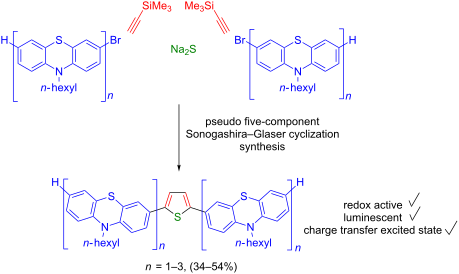
- to form self-assembled monolayers on gold [69][70][71] as well as on zinc and iron oxide surfaces [72]. Conceptually, thienyl-bridged oligophenothiazines can be considered as a novel type of structurally well-defined electron-rich oligophenothiazine–thiophene hybrids (Figure 1). Thereby, the strong
- , 4.53; HPLC (n-hexane/THF 99.5:0.5) tR [min] (%) = 2.92 (99). Thienyl-bridged oligophenothiazines as topological hybrids of (oligo)phenothiazines and 2,5-di(hetero)aryl substituted thiophene. Cyclic voltammograms of compounds 3 (recorded in CH2Cl2, T = 293 K, electrolyte n-Bu4N+PF6−, Pt working


Bridgehead vicinal diallylation of norbornene derivatives and extension to propellane derivatives via ring-closing metathesis
Beilstein J. Org. Chem. 2016, 12, 1877–1883, doi:10.3762/bjoc.12.177

- allyl groups and oxa-bowl/propellane hybrids. Since non-flattened molecules are implicated in biological systems, our results would be useful in drug design [42]. Retrosynthetic approach to propellane derivatives. The molecular structure of 1a, with displacement ellipsoids drawn at the 50% probability


Ring-whizzing in polyene-PtL2 complexes revisited
Beilstein J. Org. Chem. 2016, 12, 1410–1420, doi:10.3762/bjoc.12.135
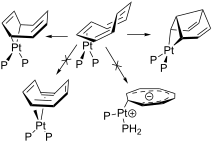
- . An easy way to view these results is to take a linear combination of b2 (5) and a1 (6). This will generate two equivalent dsp hybrids. One will be filled and can interact with one component of the e1g LUMO, 21, in Figure 6 and the other will remain empty, 22. Another highly fluxional molecule is






Marine-derived myxobacteria of the suborder Nannocystineae: An underexplored source of structurally intriguing and biologically active metabolites
Beilstein J. Org. Chem. 2016, 12, 969–984, doi:10.3762/bjoc.12.96
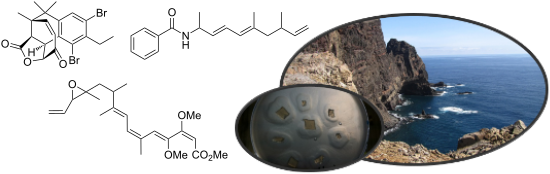
- -date-explored members of these halophilic or halotolerant myxobacteria are all grouped into the suborder Nannocystineae. Few of them were chemically investigated revealing around 11 structural types belonging to the polyketide, non-ribosomal peptide, hybrids thereof or terpenoid class of secondary
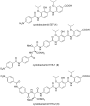
- metabolites can be found in various detailed reports [19][20][21][22][23]. The majority of these metabolites are either non-ribosomal peptides, e.g., cystobactamids 1–3 (Figure 1) [24], polyketides, e.g., aurafuron A (4) [25], or hybrids thereof, e.g., corallopyronin A (5, Figure 2) [26]. Interestingly, an
- = 50 nM). So far, no genome sequence is publicly available for halotolerant strains of this genus. The only sequence found in the databases belongs to the terrestrial N. exedens ATCC 25963 (see Table 1). Remarkably, this genome encodes, among a considerable number of NRPS/PKS hybrids, 10 different






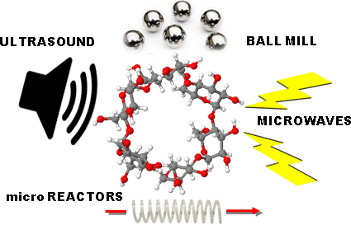
Enabling technologies and green processes in cyclodextrin chemistry
Beilstein J. Org. Chem. 2016, 12, 278–294, doi:10.3762/bjoc.12.30
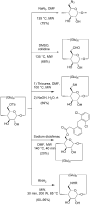
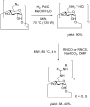
- recognition have been performed [27]. We prepared heptakis(6-O-TBDMS-2,3-O-methyl)-β-CDs with a second CD unit in the 2 position or a (R)-Mosher acid moiety [28]. Preparation of second generation CD derivatives: dimers, and CD hybrids Bis-CDs and their metal complexes have been extensively studied as
- in Scheme 10: CD-acryloyl derivative [60][61], β-CD/dye derivatives [31][62][63][64], CD-ionic liquid hybrids [65][66], CD-based iminosugar conjugates [67], water-soluble CD homo- and heterodimers [68][69], trimers [70][71] and oligomers [72] of α-, β- and γ-CD have all been successfully produced



Recent highlights in biosynthesis research using stable isotopes
Beilstein J. Org. Chem. 2015, 11, 2493–2508, doi:10.3762/bjoc.11.271
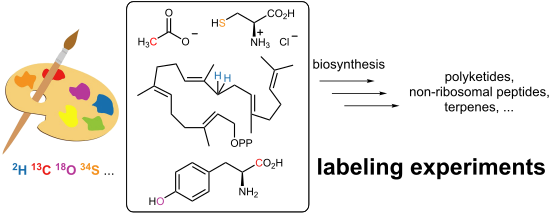
- classes including polyketides, non-ribosomal peptides, their hybrids, terpenoids, and aromatic compounds formed via the shikimate pathway. The text does not aim at a comprehensive overview, but instead a selection of recent important examples of isotope usage within biosynthetic studies is presented, with
- ], but these aspects will not be discussed here. Instead, this review highlights recent biosynthetic studies using isotopes from major classes of natural products including polyketides, non-ribosomal peptides, hybrids thereof, isoprenoids and a few aromatic compounds that arise via the shikimate pathway
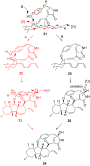
- careful evaluation of feeding experiments with labeled precursors. PKS/NRPS-Hybrids The formation of interesting structural motifs in natural products is an exciting aspect in the field of biosynthetic research and gives insights to the synthetic abilities of nature fusing structures, whose formation









Design and synthesis of propellane derivatives and oxa-bowls via ring-rearrangement metathesis as a key step
Beilstein J. Org. Chem. 2015, 11, 1727–1731, doi:10.3762/bjoc.11.188
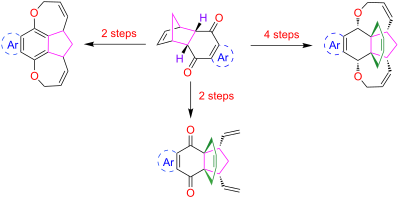
- propellane/oxa-bowl hybrids 7a,b in 71% and 97% yields, respectively. The new compounds 2c, 4b, 1c, 8a,b, 9, 6a,b and 7a,b have been fully characterized by using spectroscopic techniques (1H, 13C NMR and DEPT-135) and HRMS data. Conclusion We have successfully synthesized diverse heterocycles 1a–c in a
- simple manner starting from the known DA adducts 3a–c, including the propellane/oxa-bowl hybrids 7a,b and propellane derivative 5a. Interestingly, the structurally complex propellane/oxa-bowl hybrids 7a,b were obtained through a four step synthetic sequence starting from simple DA adducts 3b,c, which are
- -bowl 1a via RRM. Synthesis of RRM products 1b and 5a starting from DA adduct 3b. Synthesis of the hexacyclic compound 1c using RRM. Synthesis of the propellane/oxa-bowl hybrids 7a,b via RRM. Supporting Information Supporting Information File 292: Detailed experimental procedures, characterization data


Dicarboxylic esters: Useful tools for the biocatalyzed synthesis of hybrid compounds and polymers
Beilstein J. Org. Chem. 2015, 11, 1583–1595, doi:10.3762/bjoc.11.174

- polymerization of tubulin in vitro. The same methodology might be applied to direct a drug by conjugation to a molecule binding to a specific receptor on cancer cells. Moreover, by using dicarboxylated linkers with a disulfide bridge, it was possible to generate dynamic libraries of dimeric hybrids based on


Multivalent polyglycerol supported imidazolidin-4-one organocatalysts for enantioselective Friedel–Crafts alkylations
Beilstein J. Org. Chem. 2015, 11, 730–738, doi:10.3762/bjoc.11.83
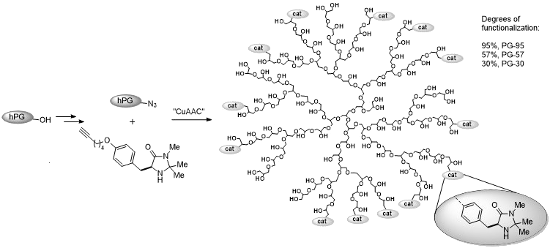
- of solid support such as polystyrene may lead to the disadvantage of operating in heterogeneous media. In contrast to the stepwise syntheses of dendrimers and dendron hybrids, the hyperbranched polymers can be easily obtained in kilogram scale through one-pot reactions [10], maintaining properties
- decorated dendron-hybrids [47], the presence of water was crucial for aldol and Baylis–Hillman reactions, as recently reported by Miller and Portnoy [48]. To the best of our knowledge, the immobilization of chiral organocatalysts on hyperbranched polymeric support has remained unexplored. Therefore, we


DNA display of glycoconjugates to emulate oligomeric interactions of glycans
Beilstein J. Org. Chem. 2015, 11, 707–719, doi:10.3762/bjoc.11.81
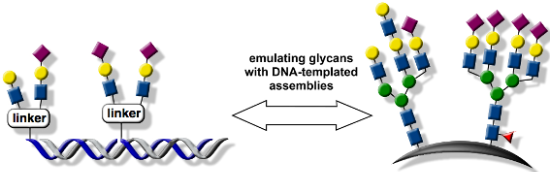
- glycosylated hybrids As an alternative to DNA, peptide nucleic acid (PNA) [34] has also been used to tag glycans and to program their assembly based on the rules of hybridization. From an assembly standpoint, stable PNA–DNA duplexes can be achieved with shorter sequences than the corresponding DNA homoduplex


Autonomous assembly of synthetic oligonucleotides built from an expanded DNA alphabet. Total synthesis of a gene encoding kanamycin resistance
Beilstein J. Org. Chem. 2014, 10, 2348–2360, doi:10.3762/bjoc.10.245

- nucleotide overlap with melting temperatures predicted to lie in a narrow range (44–56 °C; calculated without magnesium). OligArch also designed the sequences to have no-off target hybrids having a melting temperature greater than 25 °C, a full 20 °C below that predicted for the desired annealing pairs. Two




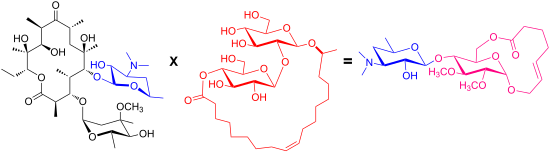
De novo macrolide–glycolipid macrolactone hybrids: Synthesis, structure and antibiotic activity of carbohydrate-fused macrocycles
Beilstein J. Org. Chem. 2014, 10, 2215–2221, doi:10.3762/bjoc.10.229


Synthesis and optical properties of pyrrolidinyl peptide nucleic acid carrying a clicked Nile red label
Beilstein J. Org. Chem. 2014, 10, 2166–2174, doi:10.3762/bjoc.10.224
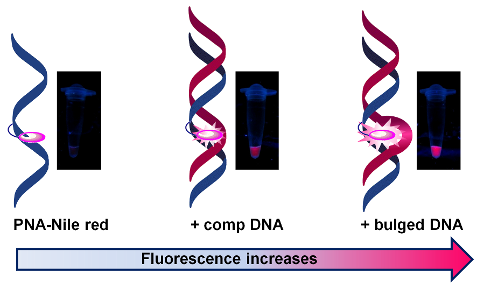
- insertion in close proximity to the Nile red label. The results indicate that the Nile red label is located in a more hydrophobic environment in acpcPNA–DNA duplexes than in the single-stranded acpcPNA. The different fluorescence properties of the acpcPNA hybrids of complementary DNA and DNA carrying a base
- . Melting temperature data and optical properties of the Nile red-labeled acpcPNAs and their hybrids with various DNA are summarized in Table 2. Thermal denaturation experiments suggest that the Nile red-labeled acpcPNA 10mer-Nr can form a stable hybrid with complementary DNA. In contrast to some other
- resulted in a decrease of the quantum yield of more than 70% (ΦF = 0.04). Upon hybridization with complementary DNA targets, the fluorescence quantum yields of all four hybrids were increased to a similar range (ΦF = 0.15–0.23). However, since the initial fluorescence of 11merGG-Nr was low, the


Multicomponent reactions in nucleoside chemistry
Beilstein J. Org. Chem. 2014, 10, 1706–1732, doi:10.3762/bjoc.10.179
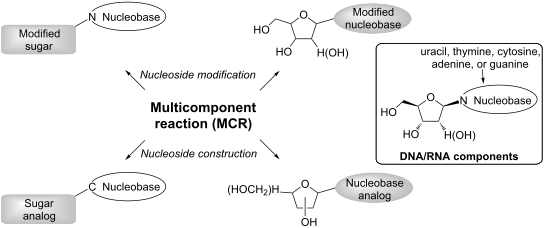
- rather limited. Zhang et al. obtained a series of pyrimidine nucleoside-thazolidinone hybrids 15 from 5-formyl-3',5'-di-O-acetyl-2'-deoxyuridine (14), an arylamine and mercaptoacetic acid (Scheme 6) [65]. The reactions were performed in a ionic liquid ([bmim]PF6). Products 15 were obtained in good to
- ]BF4 revealed that this solvent, when used in the fifth reaction cycle, still produced the target product in a good yield [92]. Biological activities of hybrids 63, 64 and 65 were evaluated [91][92]. Among them, hybrid 63a exhibited anti-leishmanian activity (IC50 = 10.6 ± 1.3 µM) [92]. The SAR study
- yields of products 69b and 70b derived from 5-formyl-2'-deoxyuridine (27) were slightly higher than yields of derivatives 69a and 70a obtained from the O-acetylated nucleoside 14. The syntheses of hybrids 71 [95] and 72 [96] represent examples of the Knoevenagel-initiated domino reactions where the


Influence of perylenediimide–pyrene supramolecular interactions on the stability of DNA-based hybrids: Importance of electrostatic complementarity
Beilstein J. Org. Chem. 2014, 10, 1589–1595, doi:10.3762/bjoc.10.164
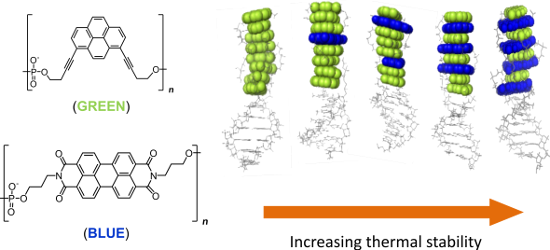
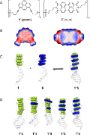
- sciences. They play a crucial role in the stacking of nucleobases, thus stabilising the DNA double helix. The following paper describes a series of chimeric DNA–polycyclic aromatic hydrocarbon (PAH) hybrids. The PAH building blocks are electron-rich pyrene and electron-poor perylenediimide (PDI), and were
- incorporated into complementary DNA strands. The hybrids contain different numbers of pyrene–PDI interactions that were found to directly influence duplex stability. As the pyrene–PDI ratio approaches 1:1, the stability of the duplexes increases with an average value of 7.5 °C per pyrene–PDI supramolecular
- engage in any sort of Watson–Crick related hydrogen bonding, the individual strands interact via an interstrand stacking motif [45][46][47][48]. Herein we describe a series of DNA-based hybrids (Figure 1 and Table 1) containing electron-rich 1,8-dialkynylpyrenes (Y) and electron-poor perylenediimides



Pyrene-modified PNAs: Stacking interactions and selective excimer emission in PNA2DNA triplexes
Beilstein J. Org. Chem. 2014, 10, 1495–1503, doi:10.3762/bjoc.10.154
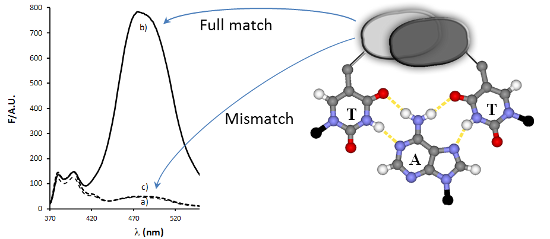
- , 10 mM NaH2PO4·H2O, 0.1 mM EDTA, pH 7.0, 1.25% DMF). All the samples were first incubated at 90 °C for 5 min, then slowly cooled to room temperature. Thermal denaturation profiles (A260 versus T) of the hybrids were measured with a UV–vis Lambda Bio 20 spectrophotometer equipped with a Peltier





