Search results
Search for "multicomponent reactions" in Full Text gives 186 result(s) in Beilstein Journal of Organic Chemistry.
Copper-catalyzed multicomponent reactions for the efficient synthesis of diverse spirotetrahydrocarbazoles
Beilstein J. Org. Chem. 2022, 18, 796–808, doi:10.3762/bjoc.18.80
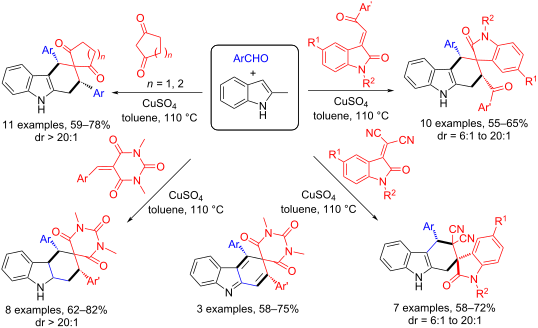
- underwent a [4 + 2] cycloaddition reaction (reaction 1 in Scheme 1) [69][70][71][72][73][74]. This metal-catalyzed one-pot reaction not only combined the advantages of a traditional Diels–Alder reaction and the recently developed multicomponent reactions, but also meets the goal of green and sustainable
- -acetate for the efficient synthesis of diverse spiro tetrahydrocarbazoles. In the presence of CuSO4, the multicomponent reactions of aromatic aldehydes, 2-methylindole and various cyclic dieneophiles such as 3-phenacylideneoxindoles, isatylidene malononitriles and the in situ generated 5-arylidene-1,3





Inductive heating and flow chemistry – a perfect synergy of emerging enabling technologies
Beilstein J. Org. Chem. 2022, 18, 688–706, doi:10.3762/bjoc.18.70
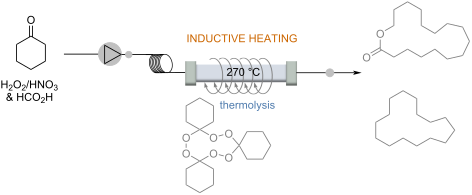
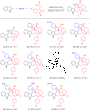
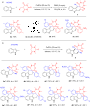
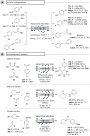
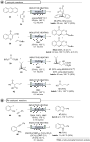
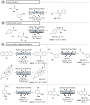
- electromagnetic field. Other comparisons include the Pd-mediated transfer hydrogenations using ethanol in cyclohexene (Scheme 9, case A), multicomponent reactions (Scheme 9, case B), pericyclic reactions (Scheme 10, case A) and Pd-catalyzed reactions (Scheme 10, case B) [53]. Noteworthy, packed bed fillings used
- for the transfer hydrogenations (Pd) are reusable for several reductions without the need to adjust the overall reaction conditions (flow rate and residence time, temperature etc.). Multicomponent reactions (MCRs) are of particular interest in the field of flow chemistry because this enabling
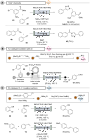
- consisting of O-allylation and Claisen rearrangement for the continuous synthesis of 2-allyl-4,6-difluorophenol (SiC = silicon carbide) [52]. Continuous flow reactions and comparison with batch reaction (oil bath). A. Pd-catalyzed transfer hydrogenations using ethanol in cyclohexene [53], B. multicomponent




New efficient synthesis of polysubstituted 3,4-dihydroquinazolines and 4H-3,1-benzothiazines through a Passerini/Staudinger/aza-Wittig/addition/nucleophilic substitution sequence
Beilstein J. Org. Chem. 2022, 18, 286–292, doi:10.3762/bjoc.18.32
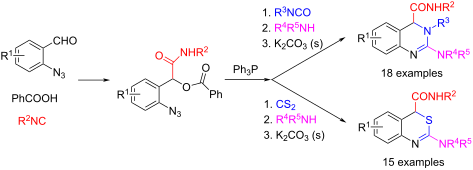
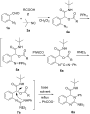
- ]. Continuing our interest in the synthesis of N-heterocycles via the aza-Wittig reaction and multicomponent reactions [36][37][38], we wish to report herein a facile synthesis of polysubstituted 3,4-dihydroquinazolines and 4H-3,1-benzothiazines via sequential Passerini/Staudinger/aza-Wittig/addition




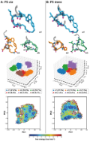
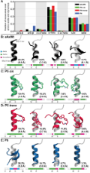
Peptide stapling by late-stage Suzuki–Miyaura cross-coupling
Beilstein J. Org. Chem. 2022, 18, 1–12, doi:10.3762/bjoc.18.1
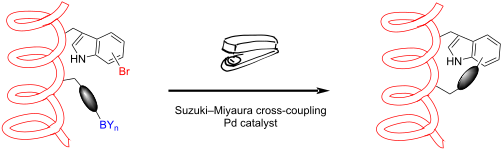
- ], disulfide- [13], thioether- [14][15][16][17][18][19][20], triazole- [21][22], oxime- [23] and hydrazone formation [24] as well as multicomponent reactions such as the Ugi- or Petasis reaction [25][26][27][28][29][30][31][32]. The content of helicity can moreover be changed by the introduction of a photo


Selective sulfonylation and isonitrilation of para-quinone methides employing TosMIC as a source of sulfonyl group or isonitrile group
Beilstein J. Org. Chem. 2021, 17, 2822–2831, doi:10.3762/bjoc.17.193
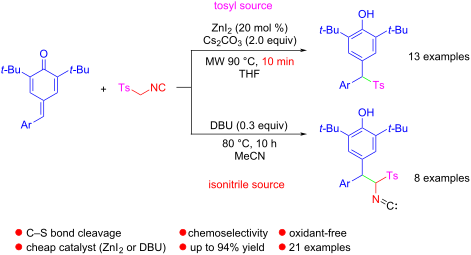
- important C1 synthon. Its special reactivity, such as the ability to react with electrophilic, nucleophilic, and radical reagents [25][26][27][28], determines that it can participate in many types of reactions such as multicomponent reactions [29][30][31][32], tandem reactions [33][34], and insertion


Synthesis of new substituted 7,12-dihydro-6,12-methanodibenzo[c,f]azocine-5-carboxylic acids containing a tetracyclic tetrahydroisoquinoline core structure
Beilstein J. Org. Chem. 2021, 17, 2511–2519, doi:10.3762/bjoc.17.168
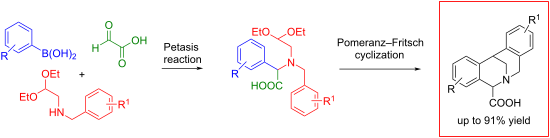
- ; cyclization; multicomponent reactions; synthetic methods; tetrahydroisoquinoline; Introduction The tetrahydroisoquinoline moiety is the key structure in large number of natural and synthetic biologically important molecules. Among them, isoquinoline alkaloids constitute a large family of natural products


Recent advances in the syntheses of anthracene derivatives
Beilstein J. Org. Chem. 2021, 17, 2028–2050, doi:10.3762/bjoc.17.131
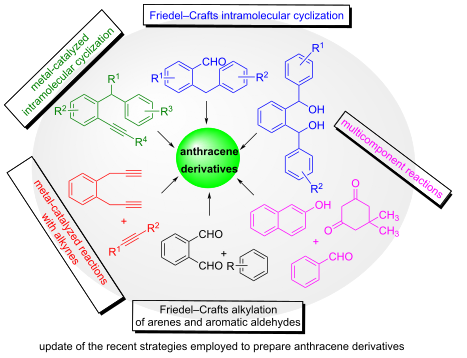
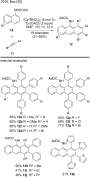
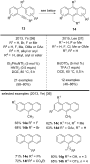
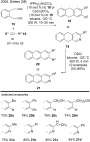
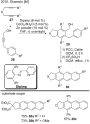
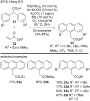
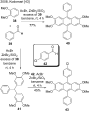
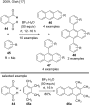
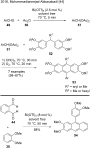
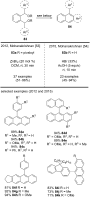
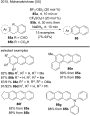
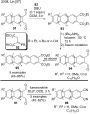
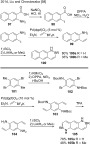
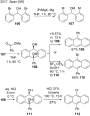
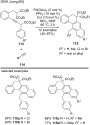
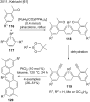
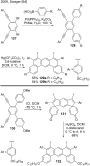
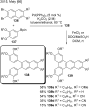
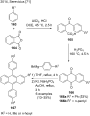
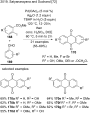
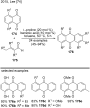
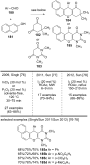
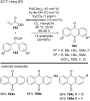
- (diphenylphosphino)ethane (DPPE) as ligand improved the yield of the anthraquinones. Representative examples included anthraquinones 179a and 179b obtained from terminal alkynes and 179c and 179d from internal alkynes [75]. Multicomponent reactions In 2009, Singh and co-workers reported a solvent-free methodology to
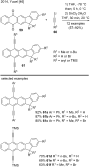
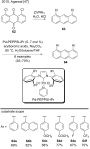
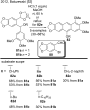
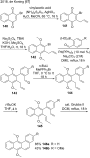
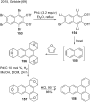
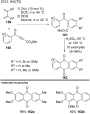
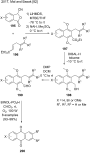
- multicomponent reactions employing 2-hydroxy-1,4-naphthoquinone (186), β-naphthol (181), and aromatic aldehydes. Synthesis of substituted anthraquinones catalyzed by an AlCl3/MeSO3H system. Palladium(II)-catalyzed/visible light-mediated synthesis of anthraquinones. [4 + 2] Anionic annulation reaction for the
















A recent overview on the synthesis of 1,4,5-trisubstituted 1,2,3-triazoles
Beilstein J. Org. Chem. 2021, 17, 1600–1628, doi:10.3762/bjoc.17.114
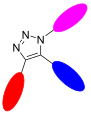
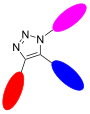
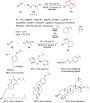
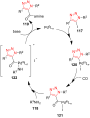
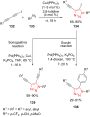
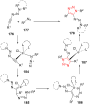
- 1,2,3-triazoles through multicomponent reactions and the relevant mechanistic aspects have been surveyed by Chen, Ren, et al. [27]. The 1,3-dipolar cycloaddition reaction between azides and alkynes is the most efficient pathway for the preparation of disubstituted 1,2,3-triazole derivatives. The copper

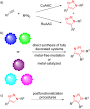














Microwave-assisted multicomponent reactions in heterocyclic chemistry and mechanistic aspects
Beilstein J. Org. Chem. 2021, 17, 819–865, doi:10.3762/bjoc.17.71
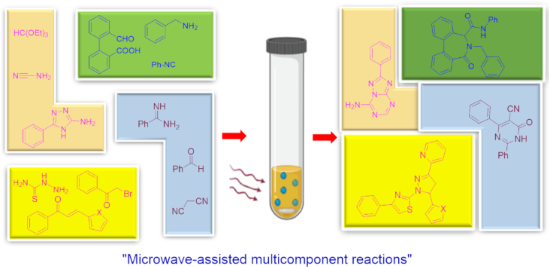
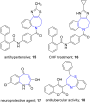
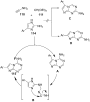
- Shivani Gulati Stephy Elza John Nagula Shankaraiah Department of Medicinal Chemistry, National Institute of Pharmaceutical Education and Research (NIPER), Hyderabad 500 037, India 10.3762/bjoc.17.71 Abstract Microwave-assisted (MWA) multicomponent reactions (MCRs) have successfully emerged as one
- -MCRs and their mechanistic insights over the past decade and shed light on its advantage over the conventional approach. Keywords: cycloaddition; Knoevenagel condensation; Michael addition; microwave; multicomponent reactions; Introduction Recently, organic chemists are focussed to develop
- capacity and modes to achieve the uphill task easily [19]. The contemporary organic chemistry procedure involving microwave heating has paved way for the molecular diversity that helps in reducing the time required for the drug discovery process. As multicomponent reactions and microwave reactions hold






Effective microwave-assisted approach to 1,2,3-triazolobenzodiazepinones via tandem Ugi reaction/catalyst-free intramolecular azide–alkyne cycloaddition
Beilstein J. Org. Chem. 2021, 17, 678–687, doi:10.3762/bjoc.17.57
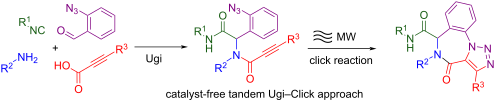
- harder while the microwave-assisted catalyst-free conditions were effective for both terminal and non-terminal alkynes. Keywords: click chemistry; microwave chemistry; multicomponent reactions; triazolobenzodiazepines; Ugi reaction; Introduction Benzannulated heterocycles are among the most important


Amino- and polyaminophthalazin-1(2H)-ones: synthesis, coordination properties, and biological activity
Beilstein J. Org. Chem. 2021, 17, 558–568, doi:10.3762/bjoc.17.50
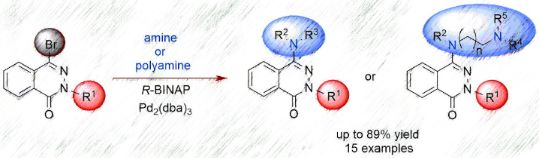
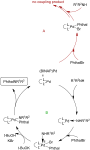
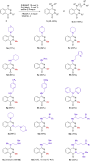
- phthalazinone derivatives 5 and 6 (Scheme 1, route B). In the literature, the number of reported synthetic methods for 4-aminophthalazin-1(2H)-ones is limited to a few examples and they usually involve two main approaches: 1) the application of multicomponent reactions starting from, e.g., the available o





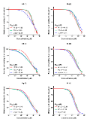

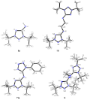
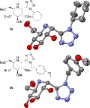
Mesoionic tetrazolium-5-aminides: Synthesis, molecular and crystal structures, UV–vis spectra, and DFT calculations
Beilstein J. Org. Chem. 2021, 17, 385–395, doi:10.3762/bjoc.17.34
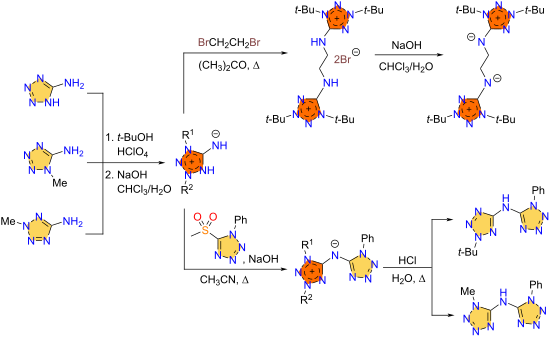
- -generator and blowing agent [1][2]. Moreover, it is a useful building block in organic synthesis, including various multicomponent reactions opening the way to diverse fused heterocycles [3]. Salts with anionic tetrazole, i.e., aminotetrazolates 2, and cationic ones, i.e., aminotetrazolium salts 3, are




Direct synthesis of anomeric tetrazolyl iminosugars from sugar-derived lactams
Beilstein J. Org. Chem. 2021, 17, 115–123, doi:10.3762/bjoc.17.12
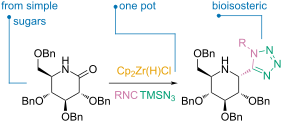
- one-pot Mannich/Michael sequence leading to oligocyclic compounds [24], and employment in subsequent Joulié–Ugi multicomponent reactions [25]. This work is an extension of these efforts and seeks to investigate the possibility of incorporating the Ugi–azide multicomponent reaction in this workflow. A




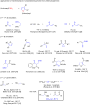
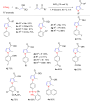
Three-component reactions of aromatic amines, 1,3-dicarbonyl compounds, and α-bromoacetaldehyde acetal to access N-(hetero)aryl-4,5-unsubstituted pyrroles
Beilstein J. Org. Chem. 2020, 16, 2920–2928, doi:10.3762/bjoc.16.241
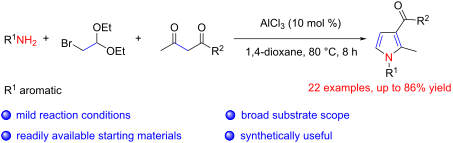
- pyrrole syntheses [9][10][11], which have been developed to harvest the pyrrole frameworks. In the past few years, the interest in developing new methods to synthesize this heterocyclic motif has rapidly grown; transition metal-catalyzed cyclization [12][13][14] and multicomponent reactions [15][16][17




One-pot multicomponent green Hantzsch synthesis of 1,2-dihydropyridine derivatives with antiproliferative activity
Beilstein J. Org. Chem. 2020, 16, 2862–2869, doi:10.3762/bjoc.16.235
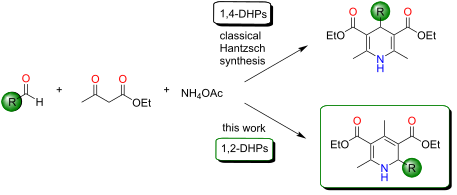
- reaction; Introduction A multicomponent approach towards the synthesis of the desired product offers a number of advantages over a stepwise method. Such advantages include the development of a design that is: cheaper, simpler, economical, and environmentally friendly [1][2]. Multicomponent reactions are
- not new to research. The pioneer multicomponent reactions are the Hantzsch (1882), Biginelli (1891), Mannich (1912), Passerini (1921), and Ugi (1959) reactions [3]. The significance of such a phenomenal approach for the synthesis of novel compounds first began as a way of increasing the chemical
- under argon, they obtained a mixture of the two regioisomers (1,4-DHP/1,2-DHP 32:68), proving further the complexity of this reaction [19]. Therefore, continuing our studies for the development and application of environmentally friendly methodologies for multicomponent reactions [20], we attempted to



Controlling the stereochemistry in 2-oxo-aldehyde-derived Ugi adducts through the cinchona alkaloid-promoted electrophilic fluorination
Beilstein J. Org. Chem. 2020, 16, 1963–1973, doi:10.3762/bjoc.16.163
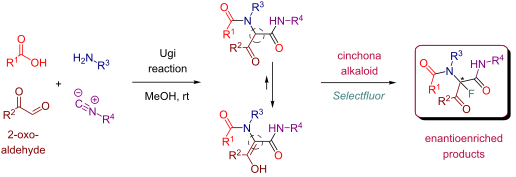
- alkaloid-promoted electrophilic fluorination producing enantioenriched post-Ugi adducts fluorinated at the peptidyl position. Keywords: cinchona alkaloids; electrophilic fluorination; enantioselective synthesis; 2-oxo-aldehydes; Ugi reaction; Introduction Multicomponent reactions (MCRs) [1][2][3][4][5][6


Regiodivergent synthesis of functionalized pyrimidines and imidazoles through phenacyl azides in deep eutectic solvents
Beilstein J. Org. Chem. 2020, 16, 1915–1923, doi:10.3762/bjoc.16.158
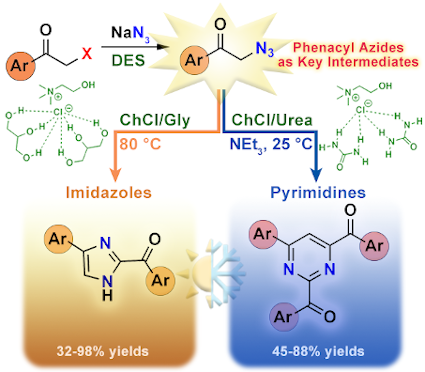
- the broad tunability of their physicochemical properties and the ability to act not only as solvents but also as catalysts and reagents, DESs have progressively replaced toxic and volatile organic solvents (VOCs) in countless heterocyclodehydration processes and multicomponent reactions (MCRs) [1][2


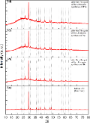
Natural dolomitic limestone-catalyzed synthesis of benzimidazoles, dihydropyrimidinones, and highly substituted pyridines under ultrasound irradiation
Beilstein J. Org. Chem. 2020, 16, 1881–1900, doi:10.3762/bjoc.16.156
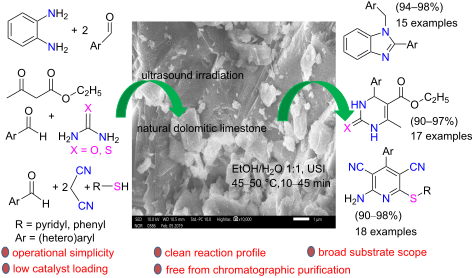
- –proline, trimethylsilyl chloride (TMSCl), Amberlite® IR-120, indion 190, trifluoroethanol, YCl3, HClO4–SiO2, MMZY zeolite, Er(OTf)3, etc. [22][23][24][25][26][27][28][29][30]. Developments in already established multicomponent reactions (MCRs) are interesting topics in organic synthesis. For instance, the


One-pot synthesis of 1,3,5-triazine-2,4-dithione derivatives via three-component reactions
Beilstein J. Org. Chem. 2020, 16, 1447–1455, doi:10.3762/bjoc.16.120
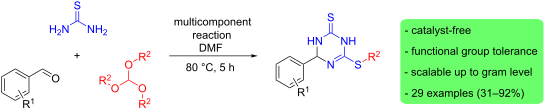
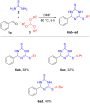
- structures of 1,3,5-triazine-2,4-dithione derivatives were characterized by spectroscopic techniques as well as by single crystal X-ray diffraction. Keywords: aldehydes; multicomponent reactions; nitrogen heterocycles; thiourea; triazinethiones; Introduction The construction of nitrogen-containing
- benign methodologies for the generation of structurally diverse triazinethione derivatives is still challenging in organic synthetic chemistry and medicinal chemistry. Multicomponent reactions (MCRs) gained much interest among synthetic organic chemists as well as in combinatorial chemistry and drug
- discovery as versatile tools for the construction of different biologically active compounds by combining three or more starting materials into a single product in one convergent chemical step [19][20][21][22][23]. Among multicomponent reactions, aldehydes have emerged as one of the most useful class of


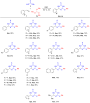


Synthesis of pyrrolidinedione-fused hexahydropyrrolo[2,1-a]isoquinolines via three-component [3 + 2] cycloaddition followed by one-pot N-allylation and intramolecular Heck reactions
Beilstein J. Org. Chem. 2020, 16, 1225–1233, doi:10.3762/bjoc.16.106
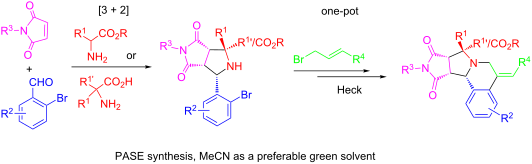
- ]isoquinolines and related ring systems [11][12][13][14][15], while medicinal chemists have also been interested in making related compounds for biological screening and drug development [16][17]. Multicomponent reactions (MCRs) have been developed as highly efficient tools for assembling heterocyclic scaffolds


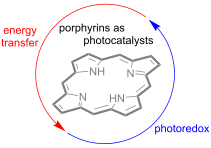
Recent applications of porphyrins as photocatalysts in organic synthesis: batch and continuous flow approaches
Beilstein J. Org. Chem. 2020, 16, 917–955, doi:10.3762/bjoc.16.83
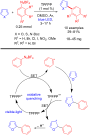
- –84% yields (Scheme 59) [97]. The Ugi-type multicomponent reactions between imines, carboxylic acids, and isocyanides, and Mannich-type reactions between iminium and carbonyl groups have found many applications in organic synthesis [108]. Che’s group employed the methodology of oxidation of an amine




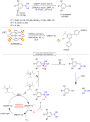


Microwave-assisted efficient and facile synthesis of tetramic acid derivatives via a one-pot post-Ugi cascade reaction
Beilstein J. Org. Chem. 2020, 16, 663–669, doi:10.3762/bjoc.16.63
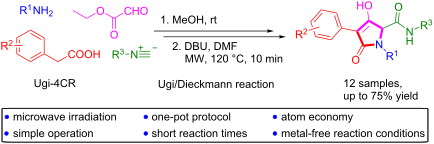
- has the potential to produce a large number of tetramic acid analogues, which cannot be easily accessed by the classic synthetic methods. Keywords: Dieckmann cyclization; multicomponent reactions; nitrogen heterocycles; one-pot reaction; Ugi reaction; Introduction Nitrogen-containing heterocycles
- medicinal chemistry. Multicomponent reactions (MCRs) [22][23][24] are emerging tools for assembling complex molecules in a rapid and efficient manner. The four-component Ugi reaction followed by a suitable post modification of [25][26] has become a popular research field for diversity-oriented synthesis [27


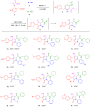

A systematic review on silica-, carbon-, and magnetic materials-supported copper species as efficient heterogeneous nanocatalysts in “click” reactions
Beilstein J. Org. Chem. 2020, 16, 551–586, doi:10.3762/bjoc.16.52
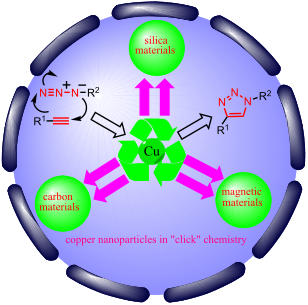
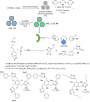
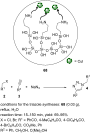
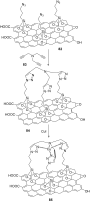
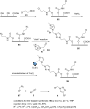
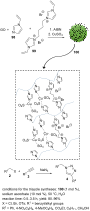
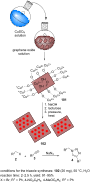
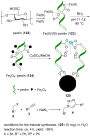
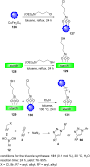
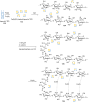
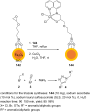
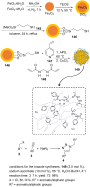
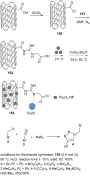
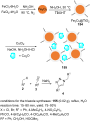
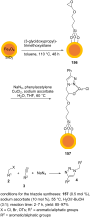
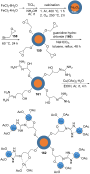
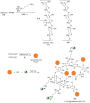
- reactions, Ugi–Smiles reactions, Mizoroki–Heck reactions, aldol reactions, oxidation and dehydration reactions, Mannich reactions, and multicomponent reactions. Because of the mentioned reasons as well as due to the low toxicity of silica nanoparticles, they are often a good option [24]. For this review

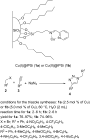
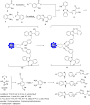


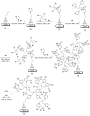


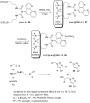











Ultrasonic-assisted unusual four-component synthesis of 7-azolylamino-4,5,6,7-tetrahydroazolo[1,5-a]pyrimidines
Beilstein J. Org. Chem. 2020, 16, 281–289, doi:10.3762/bjoc.16.27
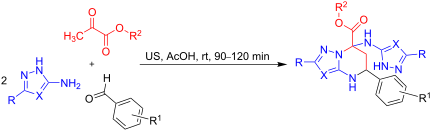
- α,β-unsaturated ketones [8][9][10][11] or via their multicomponent analogues. On the other hand, multicomponent reactions (MCRs) directly leading to tetrahydroazolopyrimidine heterocyclic systems have also been published [4][5][16][17][18][19][20][21][22][23][24]. In particular, multicomponent
- . Therefore, the present work is devoted to the study of multicomponent reactions involving 3-amino-1,2,4-triazole or 5-aminopyrazoles, aromatic aldehydes, and pyruvic acid or its esters under ultrasonication. Results and Discussion It was discovered that MCRs involving 3-amino-1,2,4-triazole or 5-amino-1H
- reactions involving pyruvic acids (pyruvates) and different α-aminoazoles. Synthesis of 4-arylamino-substituted tetrahydroquinolines. Ultrasound-assisted multicomponent reactions of 3-amino-1,2,4-triazole or 5-amino-1H-pyrazole-4-carbonitrile, aldehydes, and pyruvic acid/ethyl pyruvate. Synthesis of 3-cyano


Combination of multicomponent KA2 and Pauson–Khand reactions: short synthesis of spirocyclic pyrrolocyclopentenones
Beilstein J. Org. Chem. 2020, 16, 200–211, doi:10.3762/bjoc.16.23
- ; chemoinformatics; Cu-catalysis; cycloadditions; molecular scaffolds; multicomponent reactions; Introduction The screening of small molecule libraries is a well-established approach in early-stage drug discovery to identify hit candidates for the development of drug leads. The application of unconventional
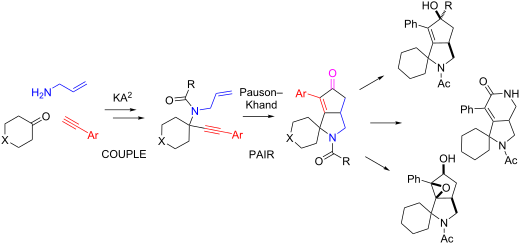
- reference set of brand-name blockbuster drugs (orange squares). Synthetic strategies for accessing pyrrolocyclopentenone derivatives, including the novel couple/pair approach that combines the KA2 and PK multicomponent reactions. L.A. = Lewis acid; PK = Pauson–Khand. Couple/pair approach using combined KA2
- and Pauson–Khand multicomponent reactions. Follow-up chemistry on compound 5 taking advantage of the enone chemistry. Reaction conditions. (i) NaBH4 (2 equiv), CeCl3.7H2O (2 equiv), DMC/MeOH 1:1 (20 mL/mmol), 25 °C, 1 h; (ii) m-CPBA (1 equiv), DCM (6.5 mL/mmol), 0 °C, 4 h; (iii) EtMgBr 3 M in Et2O (5