


Search results
Search for "natural compounds" in Full Text gives 103 result(s) in Beilstein Journal of Organic Chemistry.
Synthesis of a leopolic acid-inspired tetramic acid with antimicrobial activity against multidrug-resistant bacteria
- Luce Mattio,
- Loana Musso,
- Leonardo Scaglioni,
- Andrea Pinto,
- Piera Anna Martino and
- Sabrina Dallavalle
Beilstein J. Org. Chem. 2018, 14, 2482–2487, doi:10.3762/bjoc.14.224
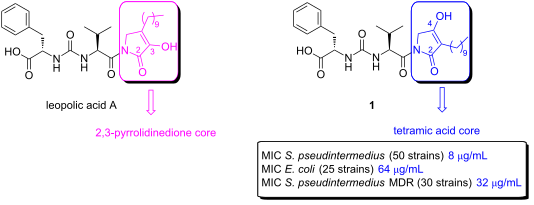
- -decyl-2,3-pyrrolidinedione ring linked to the ureido dipeptide L-Phe-L-Val. The 2,3-pyrrolidinedione ring is a quite unusual skeleton. A limited number of compounds containing this system have been synthesized so far [5][6][7] and, to the best of our knowledge, natural compounds with a 2,3

Graphical Abstract

Figure 1: Structures of leopolic acid A and compound 1.

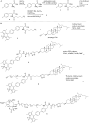
Scheme 1: Synthesis of 3-decyltetramic intermediate 13. Reagent and conditions: a) TEA, THF, 0 °C to rt, 2.5 ...

Scheme 2: Synthesis of dipeptide L-Phe-L-Val intermediate 20. Reagents and conditions: a) PTSA·H2O, benzyl al...

Scheme 3: Synthesis of compound 1. Reagents and conditions: a) n-BuLi, THF, −60 °C, 220 min, 60%; b) H2, Pd/C...
Microfluidic light-driven synthesis of tetracyclic molecular architectures
- Javier Mateos,
- Nicholas Meneghini,
- Marcella Bonchio,
- Nadia Marino,
- Tommaso Carofiglio,
- Xavier Companyó and
- Luca Dell’Amico
Beilstein J. Org. Chem. 2018, 14, 2418–2424, doi:10.3762/bjoc.14.219
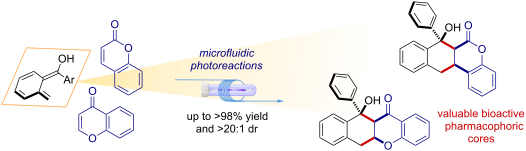
- for the synthesis of biologically active natural compounds [16] and industrially relevant drugs [17] reminiscent of the bioactive tetralinolic pharmacophore core [18]. Acidic treatment of 4a generated, after a simple extraction, the corresponding α,β-unsaturated compound 7a in 97% yield. A further

Graphical Abstract

Figure 1: a) Light-driven reaction between 2-MBP A and maleimide B for the synthesis of C through a [4 + 2] c...

Figure 2: Generality and limits of the light-driven [4 + 2] cyclization reaction between 2-MBP 1a–g and couma...

Figure 3: Generality and limits of the light-driven [4 + 2] cyclization reaction between 2-MBP 1a–f and chrom...

Scheme 1: MFP parallel setup for higher scale production of 4a (top) and different molecular scaffolds 6a–9a ...
One hundred years of benzotropone chemistry
- Arif Dastan,
- Haydar Kilic and
- Nurullah Saracoglu
Beilstein J. Org. Chem. 2018, 14, 1120–1180, doi:10.3762/bjoc.14.98
- and in a number of other natural compounds that have shown a highly diverse range of biological activity [1][2][3][4][5][6][7][8][9], like the inhibitory activity of inositol monophosphatase [10][11], antitumor [12], antibiotic [12][13], and antibacterial activity [14] and lipoxygenase inhibitor

Graphical Abstract

Scheme 1: Tropone (1), tropolone (2) and their resonance structures.

Figure 1: Natural products containing a tropone nucleus.

Figure 2: Possible isomers 11–13 of benzotropone.

Scheme 2: Synthesis of benzotropones 11 and 12.

Scheme 3: Oxidation products of benzotropylium fluoroborate (16).

Scheme 4: Oxidation of 7-bromo-5H-benzo[7]annulene (22).

Scheme 5: Synthesis of 4,5-benzotropone (11) using o-phthalaldehyde (27).

Scheme 6: Synthesis of 4,5-benzotropone (11) starting from oxobenzonorbornadiene 31.

Scheme 7: Acid-catalyzed cleavage of oxo-bridge of 34.

Scheme 8: Synthesis of 4,5-benzotropone (11) from o-xylylene dibromide (38).

Scheme 9: Synthesis of 4,5-benzotropone (11) via the carbene adduct 41.

Scheme 10: Heck coupling strategy for the synthesis of 11.

Scheme 11: Synthesis of benzofulvalenes via carbonyl group of 4,5-benzotropone (11).

Figure 3: Some cycloheptatrienylium cations.

Scheme 12: Synthesis of condensation product 63 and its subsequent oxidative cyclization products.

Figure 4: A novel series of benzo[7]annulenes prepared from 4,5-benzotropone (11).

Scheme 13: Preparation of substituted benzo[7]annulene 72 using the Mukaiyama-Michael reaction.

Figure 5: Possible benzo[7]annulenylidenes 73–75.

Scheme 14: Thermal and photochemical decomposition of 7-diazo-7H-benzo[7]annulene (76) and the trapping of int...

Scheme 15: Synthesis of benzoheptafulvalene 86.

Scheme 16: Synthesis of 7-(diphenylmethylene)-7H-benzo[7]annulene (89).

Scheme 17: Reaction of 4,5-benzotropone (11) with dimethyl diazomethane.

Scheme 18: Synthesis of dihydrobenzomethoxyazocine 103.

Scheme 19: Synthesis and reducibility of benzo-homo-2-methoxyazocines.

Scheme 20: Synthesis of 4,5-benzohomotropones 104 and 115 from 4,5-benzotropones 11 and 113.

Scheme 21: A catalytic deuterogenation of 4,5-benzotropone (11) and synthesis of 5-monosubstituted benzo[7]ann...

Scheme 22: Synthesis of methyl benzo[7]annulenes 131 and 132.

Scheme 23: Ambident reactivity of halobenzo[7]annulenylium cations 133a/b.

Scheme 24: Preparation of benzo[7]annulenylidene–iron complexes 147.

Scheme 25: Synthesis of 1-ethynylbenzotropone (150) and the etheric compound 152 from 4,5-benzotropone (11) wi...

Scheme 26: Thermal decomposition of 4,5-benzotropone (11).

Scheme 27: Reaction of 4,5-benzotropone (11) with 1,2-ethanediol and 1,2-ethanedithiol.

Scheme 28: Conversions of 1-benzosuberone (162) to 2,3-benzotropone (12).

Scheme 29: Synthesis strategies for 2,3-bezotropone (12) using 1-benzosuberones.

Scheme 30: Oxidation-based synthesis of 2,3-benzotropone (12) via 1-benzosuberone (162).

Scheme 31: Synthesis of 2,3-benzotropone (12) from α-tetralone (171) via ring-expansion.

Scheme 32: Preparation of 2,3-benzotropone (12) by using of benzotropolone 174.

Figure 6: Benzoheptafulvenes as condensation products of 2,3-benzotropone (12).

Scheme 33: Conversion of 2,3-benzotropone (12) to tosylhydrazone salt 182 and gem-dichloride 187.

Figure 7: Benzohomoazocines 191–193 and benzoazocines 194–197.

Scheme 34: From 2,3-benzotropone (12) to carbonium ions 198–201.

Scheme 35: Cycloaddition reactions of 2,3-benzotropone (12).
Scheme 36: Reaction of 2,3-benzotropone (12) with various reagents and compounds.

Figure 8: 3,4-Benzotropone (13) and its resonance structure.

Scheme 37: Synthesis of 6,7-benzobicyclo[3.2.0]hepta-3,6-dien-2-one (230).

Figure 9: Photolysis and thermolysis products of 230.

Figure 10: Benzotropolones and their tautomeric structures.

Scheme 38: Synthesis strategies of 4,5-benzotropolone (238).

Scheme 39: Synthesis protocol for 2-hydroxy-4,5-benzotropone (238) using oxazole-benzo[7]annulene 247.

Figure 11: Some quinoxaline and pyrazine derivatives 254–256 prepared from 4,5-benzotropolone (238).

Scheme 40: Nitration product of 4,5-benzotropolone (238) and its isomerization to 1-nitro-naphthoic acid (259)....

Scheme 41: Synthesis protocol for 6-hydroxy-2,3-benzotropone (239) from benzosuberone (162).
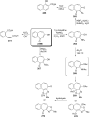
Scheme 42: Various reactions via 6-hydroxy-2,3-benzotropone (239).

Scheme 43: Photoreaction of 6-hydroxy-2,3-benzotropone (239).

Scheme 44: Synthesis of 7-hydroxy-2,3-benzotropone (241) from benzosuberone (162).

Scheme 45: Synthesis strategy for 7-hydroxy-2,3-benzotropone (241) from ketone 276.

Scheme 46: Synthesis of 7-hydroxy-2,3-benzotropone (241) from β-naphthoquinone (280).

Scheme 47: Synthesis of 7-hydroxy-2,3-benzotropone (241) from bicyclic endoperoxide 213.

Scheme 48: Synthesis of 7-hydroxy-2,3-benzotropone (241) by ring-closing metathesis.

Figure 12: Various monosubstitution products 289–291 of 7-hydroxy-2,3-benzotropone (241).

Scheme 49: Reaction of 7-hydroxy-2,3-benzotropone (241) with various reagents.

Scheme 50: Synthesis of 4-hydroxy-2,3-benzotropones 174 and 304 from diketones 300/301.

Scheme 51: Catalytic hydrogenation of diketones 300 and 174.

Scheme 52: Synthesis of halo-benzotropones from alkoxy-naphthalenes 306, 307 and 310.

Figure 13: Unexpected byproducts 313–315 during synthesis of chlorobenzotropone 309.

Figure 14: Some halobenzotropones and their cycloadducts.

Scheme 53: Multisep synthesis of 2-chlorobenzotropone 309.

Scheme 54: A multistep synthesis of 2-bromo-benzotropone 26.

Scheme 55: A multistep synthesis of bromo-2,3-benzotropones 311 and 316.

Scheme 56: Oxidation reactions of 8-bromo-5H-benzo[7]annulene (329) with some oxidants.

Scheme 57: Synthesis of 2-bromo-4,5-benzotropone (26).

Scheme 58: Synthesis of 6-chloro-2,3-benzotropone (335) using LiCl and proposed intermediate 336.

Scheme 59: Reaction of 7-bromo-2,3-benzotropone (316) with methylamine.

Scheme 60: Reactions of bromo-2,3-benzotropones 26 and 311 with dimethylamine.

Scheme 61: Reactions of bromobenzotropones 311 and 26 with NaOMe.

Scheme 62: Reactions of bromobenzotropones 26 and 312 with t-BuOK in the presence of DPIBF.

Scheme 63: Cobalt-catalyzed reductive cross-couplings of 7-bromo-2,3-benzotropone (316) with cyclic α-bromo en...

Figure 15: Cycloadduct 357 and its di-π-methane rearrangement product 358.

Scheme 64: Catalytic hydrogenation of 2-chloro-4,5-benzotropone (311).

Scheme 65: Synthesis of dibromo-benzotropones from benzotropones.

Scheme 66: Bromination/dehydrobromination of benzosuberone (162).

Scheme 67: Some transformations of isomeric dibromo-benzotropones 261A/B.

Scheme 68: Transformations of benzotropolone 239B to halobenzotropolones 369–371.

Figure 16: Bromobenzotropolones 372–376 and 290 prepared via bromination/dehydrobromination strategy.

Scheme 69: Synthesis of some halobenzotropolones 289, 377 and 378.

Figure 17: Bromo-chloro-derivatives 379–381 prepared via chlorination.

Scheme 70: Synthesis of 7-iodo-3,4-benzotropolone (382).

Scheme 71: Hydrogenation of bromobenzotropolones 369 and 370.

Scheme 72: Debromination reactions of mono- and dibromides 290 and 375.

Figure 18: Nitratation and oxidation products of some halobenzotropolenes.
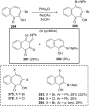
Scheme 73: Azo-coupling reactions of some halobenzotropolones 294, 375 and 378.

Figure 19: Four possible isomers of dibenzotropones 396–399.

Figure 20: Resonance structures of tribenzotropone (400).

Scheme 74: Two synthetic pathways for tribenzotropone (400).

Scheme 75: Synthesis of tribenzotropone (400) from dibenzotropone 399.

Scheme 76: Synthesis of tribenzotropone (400) from 9,10-phenanthraquinone (406).

Scheme 77: Synthesis of tribenzotropone (400) from trifluoromethyl-substituted arene 411.

Figure 21: Dibenzosuberone (414).

Figure 22: Reduction products 415 and 416 of tribenzotropone (400).

Figure 23: Structures of tribenzotropone dimethyl ketal 417 and 4-phenylfluorenone (412) and proposed intermed...

Figure 24: Structures of benzylidene- and methylene-9H-tribenzo[a,c,e][7]annulenes 419 and 420 and chiral phos...

Figure 25: Structures of tetracyclic alcohol 422, p-quinone methide 423 and cation 424.

Figure 26: Structures of host molecules 425–427.

Scheme 78: Synthesis of non-helical overcrowded derivatives syn/anti-431.

Figure 27: Hexabenzooctalene 432.

Figure 28: Structures of possible eight isomers 433–440 of naphthotropone.

Scheme 79: Synthesis of naphthotropone 437 starting from 1-phenylcycloheptene (441).

Scheme 80: Synthesis of 10-hydroxy-11H-cyclohepta[a]naphthalen-11-one (448) from diester 445.

Scheme 81: Synthesis of naphthotropone 433.

Scheme 82: Synthesis of naphthotropones 433 and 434 via cycloaddition reaction.

Scheme 83: Synthesis of naphthotropone 434 starting from 452.

Figure 29: Structures of tricarbonyl(tropone)irons 458, and possible cycloadducts 459.

Scheme 84: Synthesis of naphthotropone 436.

Scheme 85: Synthesis of precursor 465 for naphthotropone 435.

Scheme 86: Generation of naphthotropone 435 from 465.

Figure 30: Structures of tropylium cations 469 and 470.

Figure 31: Structures of tropylium ions 471+.BF4−, 472+.BF4−, and 473+.BF4−.

Scheme 87: Synthesis of tropylium ions 471+.BF4− and 479+.ClO4−.

Scheme 88: Synthesis of 1- and 2-methylanthracene (481 and 482) via carbene–carbene rearrangement.

Figure 32: Trapping products 488–490.

Scheme 89: Generation and chemistry of a naphthoannelated cycloheptatrienylidene-cycloheptatetraene intermedia...

Scheme 90: Proposed intermediates and reaction pathways for adduct 498.

Scheme 91: Exited-state intramolecular proton transfer of 505.

Figure 33: Benzoditropones 506 and 507.

Scheme 92: Synthesis of benzoditropone 506e.

Scheme 93: Synthetic approaches for dibenzotropone 507 via tropone (1).

Scheme 94: Formation mechanisms of benzoditropone 507 and 516 via 515.

Scheme 95: Synthesis of benzoditropones 525 and 526 from pyromellitic dianhydride (527).

Figure 34: Possible three benzocyclobutatropones 534–536.

Scheme 96: Synthesis of benzocyclobutatropones 534 and 539.

Scheme 97: Synthesis attempts for benzocyclobutatropone 545.

Scheme 98: Generation and trapping of symmetric benzocyclobutatropone 536.

Scheme 99: Synthesis of chloro-benzocyclobutatropone 552 and proposed mechanism of fluorenone derivatives.

Scheme 100: Synthesis of tropolone analogue 559.

Scheme 101: Synthesis of tropolones 561 and 562.

Figure 35: o/p-Tropoquinone rings (563 and 564) and benzotropoquinones (565–567).

Scheme 102: Synthesis of benzotropoquinone 566.

Scheme 103: Synthesis of benzotropoquinone 567 via a Diels–Alder reaction.

Figure 36: Products 575–577 through 1,2,3-benzotropoquinone hydrate 569.

Scheme 104: Structures 578–582 prepared from tropoquinone 567.

Figure 37: Two possible structures 583 and 584 for dibenzotropoquinone, and precursor compound 585 for 583.
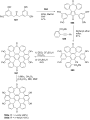
Scheme 105: Synthesis of saddle-shaped ketone 592 using dibenzotropoquinone 584.
Mannich base-connected syntheses mediated by ortho-quinone methides
- Petra Barta,
- Ferenc Fülöp and
- István Szatmári
Beilstein J. Org. Chem. 2018, 14, 560–575, doi:10.3762/bjoc.14.43
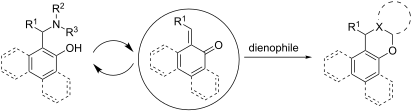
- reaction is an important, one-pot, multicomponent, C–C bond forming reaction that is widely used in the syntheses of many biologically active and natural compounds [1][2][3][4][5]. Originally, the Mannich product is formed through a three-component reaction containing a C–H acid, formaldehyde and a
- presence of a large excess of ethyl vinyl ether as o-QM trapping agent, they isolated several 2-ethoxychromane derivatives 16. However, yields as low as 36% were found in some cases. o-QMs derived from Mannich adducts also appear to be key intermediates in the syntheses of biologically active natural
- compounds. Wilson et al. successfully achieved the total synthesis of xyloketals 17 and 18, including cycloaddition of substituted dihydrofurans and 1-(2,4-dihydroxy-3-(morpholinomethyl)phenyl)ethanone via o-QM intermediates [69]. Osyanin et al. reported the synthesis of Uvaria scheffleri alkaloids

Graphical Abstract

Scheme 1: Formation of amidoalkylnaphthols 4 via o-QM intermediate 3.

Scheme 2: Asymmetric syntheses of triarylmethanes starting from diarylmethylamines.

Scheme 3: Proposed mechanism for the formation of 2,2-dialkyl-3-dialkylamino-2,3-dihydro-1H-naphtho[2,1-b]pyr...

Scheme 4: Cycloadditions of isoflavonoid-derived o-QMs and various dienophiles.

Scheme 5: [4 + 2] Cycloaddition reactions between aminonaphthols and cyclic amines.

Scheme 6: Brønsted acid-catalysed reaction between aza-o-QMs and 2- or 3-substituted indoles.

Scheme 7: Formation of 3-(α,α-diarylmethyl)indoles 52 in different synthetic pathways.

Scheme 8: Alkylation of o-QMs with N-, O- or S-nucleophiles.

Scheme 9: Formation of DNA linkers and o-QM mediated polymers.
Vinylphosphonium and 2-aminovinylphosphonium salts – preparation and applications in organic synthesis
- Anna Kuźnik,
- Roman Mazurkiewicz and
- Beata Fryczkowska
Beilstein J. Org. Chem. 2017, 13, 2710–2738, doi:10.3762/bjoc.13.269

- performed a reaction of vinylphosphonium salts with a cyclic diketoester in the presence of sodium hydride which resulted in bicyclo[3.3.0]octenes 55 in 82–97% yield (Scheme 37) . The latter compounds were further used in the synthesis of natural compounds [50]. 2.3. Other synthetic uses of vinylphosphonium
- (104) led to the formation of 1,3-indanedione derivatives 105 in yields of 63–70% (Scheme 59) [72]. Nucleophilic displacement of the triphenylphosphonium group in α,β-di(alkoxycarbonyl)vinylphosphonium salts: Coumarins are an important class of natural compounds [73]. Yavari et al. developed a method

Graphical Abstract

Scheme 1: Generation of phosphorus ylides from vinylphosphonium salts.

Scheme 2: Intramolecular Wittig reaction with the use of vinylphosphonium salts.

Scheme 3: Alkylation of diphenylvinylphosphine with methyl or benzyl iodide.

Scheme 4: Methylation of isopropenyldiphenylphosphine with methyl iodide.

Scheme 5: Alkylation of phosphines with allyl halide derivatives and subsequent isomerization of intermediate...

Scheme 6: Alkylation of triphenylphosphine with vinyl triflates in the presence of (Ph3P)4Pd.

Scheme 7: Mechanism of alkylation of triphenylphosphine with vinyl triflates in the presence of (Ph3P)4Pd as ...

Scheme 8: β-Elimination of phenol from β-phenoxyethyltriphenylphosphonium bromide.

Scheme 9: β-Elimination of phenol from β-phenoxyethylphosphonium salts in an alkaline environment.

Scheme 10: Synthesis and subsequent dehydrohalogenation of α-bromoethylphosphonium bromide.

Scheme 11: Synthesis of tributylvinylphosphonium iodides via Peterson-type olefination of α-trimethylsilylphos...

Scheme 12: Synthesis of 1-cycloalkenetriphenylphosphonium salts by electrochemical oxidation of triphenylphosp...

Scheme 13: Suggested mechanism for the electrochemical synthesis of 1-cycloalkenetriphenylphosphonium salts.

Scheme 14: Generation of α,β-(dialkoxycarbonyl)vinylphosphonium salts by addition of triphenylphosphine to ace...

Scheme 15: Synthesis of 2-(N-acylamino)vinylphosphonium halides by imidoylation of β-carbonyl ylides with imid...

Scheme 16: Imidoylation of β-carbonyl ylides with imidoyl halides generated in situ.

Scheme 17: Synthesis of 2-benzoyloxyvinylphosphonium bromide from 2-propynyltriphenylphosphonium bromide.

Scheme 18: Synthesis of 2-aminovinylphosphonium salts via nucleophilic addition of amines to 2-propynyltriphen...

Scheme 19: Deacylation of 2-(N-acylamino)vinylphosphonium chlorides to 2-aminovinylphosphonium salts.

Scheme 20: Resonance structures of 2-aminovinylphosphonium salts and tautomeric equilibrium between aminovinyl...

Scheme 21: Synthesis of 2-aminovinylphosphonium salts by reaction of (formylmethyl)triphenylphosphonium chlori...

Scheme 22: Generation of ylides by reaction of vinyltriphenylphosphonium bromide with nucleophiles and their s...

Scheme 23: Intermolecular Wittig reaction with the use of vinylphosphonium bromide and organocopper compounds ...

Scheme 24: Intermolecular Wittig reaction with the use of ylides generated from vinylphosphonium bromides and ...

Scheme 25: Direct transformation of vinylphosphonium salts into ylides in the presence of potassium tert-butox...

Scheme 26: A general method for synthesis of carbo- and heterocyclic systems by the intramolecular Wittig reac...

Scheme 27: Synthesis of 2H-chromene by reaction of vinyltriphenylphosphonium bromide with sodium 2-formylpheno...

Scheme 28: Synthesis of 2,5-dihydro-2,3-dimethylfuran by reaction of vinylphosphonium bromide with 3-hydroxy-2...

Scheme 29: Synthesis of 2H-chromene and 2,5-dihydrofuran derivatives in the intramolecular Wittig reaction wit...

Scheme 30: Enantioselective synthesis of 3,6-dihydropyran derivatives from vinylphosphonium bromide and enanti...

Scheme 31: Synthesis of 2,5-dihydrothiophene derivatives in the intramolecular Wittig reaction from vinylphosp...

Scheme 32: Synthesis of bicyclic pyrrole derivatives in the reaction of vinylphosphonium halides and 2-pyrrolo...

Scheme 33: Stereoselective synthesis of bicyclic 2-pyrrolidinone derivatives in the reaction of vinylphosphoni...

Scheme 34: Stereoselective synthesis of 3-pyrroline derivatives in the intramolecular Wittig reaction from vin...

Scheme 35: Synthesis of cyclic alkenes in the intramolecular Wittig reaction from vinylphosphonium bromide and...

Scheme 36: Synthesis of 1,3-cyclohexadienes by reaction of 1,3-butadienyltriphenylphosphonium bromide with eno...

Scheme 37: Synthesis of bicyclo[3.3.0]octenes by reaction of vinylphosphonium salts with cyclic diketoester.

Scheme 38: Synthesis of quinoline derivatives in the intramolecular Wittig reaction from 2-(2-acylphenylamino)...

Scheme 39: Stereoselective synthesis of γ-aminobutyric acid in the intermolecular Wittig reaction from chiral ...

Scheme 40: Synthesis of allylamines in the intermolecular Wittig reaction from 2-aminovinylphosphonium bromide...

Scheme 41: A general route towards α,β-di(alkoxycarbonyl)vinylphosphonium salts and their subsequent possible ...

Scheme 42: Generation of resonance-stabilized phosphorus ylides via the reaction of triphenylphosphine with di...

Scheme 43: Synthesis of resonance-stabilized phosphorus ylides in the reaction of triphenylphosphine, dialkyl ...

Scheme 44: Synthesis of resonance-stabilized phosphorus ylides via the reaction of triphenylphosphine with dia...

Scheme 45: Generation of resonance-stabilized phosphorus ylides in the reaction of acetylenedicarboxylate, tri...

Scheme 46: Synthesis of resonance-stabilized phosphorus ylides via the reaction of dialkyl acetylenedicarboxyl...

Scheme 47: Synthesis of resonance-stabilized ylides derived from semicarbazones, aromatic amides, and 3-(aryls...

Scheme 48: Synthesis of resonance-stabilized ylides via the reaction of triphenylphosphine with dialkyl acetyl...

Scheme 49: Synthesis of resonance-stabilized ylides in the reaction of triphenylphosphine, dialkyl acetylenedi...

Scheme 50: Synthesis of N-acylated α,β-unsaturated γ-lactams via resonance-stabilized phosphorus ylides derive...

Scheme 51: Synthesis of resonance-stabilized phosphorus ylides derived from 6-amino-N,N'-dimethyluracil and th...

Scheme 52: Generation of resonance-stabilized phosphorus ylides in the reaction of triphenylphosphine, dialkyl...

Scheme 53: Synthesis of resonance-stabilized phosphorus ylides via the reaction of triphenylphosphine with dia...

Scheme 54: Synthesis of 1,3-dienes via intramolecular Wittig reaction with the use of resonance-stabilized yli...

Scheme 55: Synthesis of 1,3-dienes in the intramolecular Wittig reaction from ylides generated from dimethyl a...

Scheme 56: Synthesis of 4-(2-quinolyl)cyclobutene-1,2,3-tricarboxylic acid triesters and isomeric cyclopenteno...

Scheme 57: Synthesis of 4-arylquinolines via resonance-stabilized ylides in the intramolecular Wittig reaction....

Scheme 58: Synthesis of furan derivatives via resonance-stabilized ylides in the intramolecular Wittig reactio...

Scheme 59: Synthesis of 1,3-indanedione derivatives via resonance-stabilized ylides in the intermolecular Witt...

Scheme 60: Synthesis of coumarin derivatives via nucleophilic displacement of the triphenylphosphonium group i...

Scheme 61: Synthesis of 6-formylcoumarin derivatives and their application in the synthesis of dyads.

Scheme 62: Synthesis of di- and tricyclic coumarin derivatives in the reaction of pyrocatechol with two vinylp...

Scheme 63: Synthesis of mono-, di-, and tricyclic derivatives in the reaction of pyrogallol with one or two vi...

Scheme 64: Synthesis of 1,4-benzoxazine derivative by nucleophilic displacement of the triphenylphosphonium gr...

Scheme 65: Synthesis of 7-oxo-7H-pyrido[1,2,3-cd]perimidine derivative via nucleophilic displacement of the tr...

Scheme 66: Application of vinylphosphonium salts in the Diels–Alder reaction with dienes.

Scheme 67: Synthesis of pyrroline derivatives from vinylphosphonium bromide and 5-(4H)-oxazolones.

Scheme 68: Synthesis of pyrrole derivatives in the reactions of vinyltriphenylphosphonium bromide with protona...

Scheme 69: Synthesis of dialkyl 2-(alkylamino)-5-aryl-3,4-furanedicarboxylates via intermediate α,β-di(alkoxyc...

Scheme 70: Synthesis of 1,4-benzoxazine derivatives from acetylenedicarboxylates, phosphines, and 1-nitroso-2-...
15N-Labelling and structure determination of adamantylated azolo-azines in solution
- Sergey L. Deev,
- Alexander S. Paramonov,
- Tatyana S. Shestakova,
- Igor A. Khalymbadzha,
- Oleg N. Chupakhin,
- Julia O. Subbotina,
- Oleg S. Eltsov,
- Pavel A. Slepukhin,
- Vladimir L. Rusinov,
- Alexander S. Arseniev and
- Zakhar O. Shenkarev
Beilstein J. Org. Chem. 2017, 13, 2535–2548, doi:10.3762/bjoc.13.250
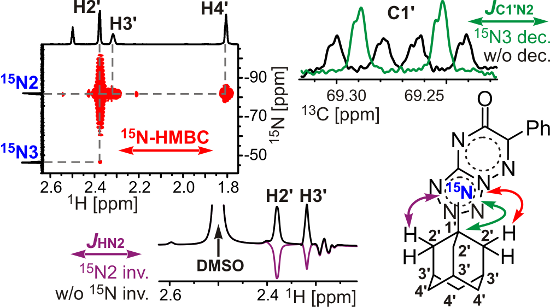
- natural compounds is a widely used approach in medicinal chemistry [1]. The increased lipophilicity of adamantane-containing compounds compared with non-adamantylated derivatives [2] leads to considerably higher solubility of these compounds in blood plasma and their easier penetration through cell

Graphical Abstract

Figure 1: (A) Adamantylated azoles and derivatives of 1,2,4-triazolo[5,1-c][1,2,4]triazine with antiviral act...

Scheme 1: Synthesis and adamantylation of 15N-labelled 13-15N2 and JHN and JCN data confirming the structures...

Scheme 2: Synthesis and adamantylation of 15N-labelled 20-15N2 and JHN and JCN data confirming the structures...

Scheme 3: Synthesis and adamantylation of 15N-labelled 23-15N2 and JHN and JCN data confirming the structure ...

Scheme 4: Isomerization of 15a in the presence of tetrazolo[1,5-b][1,2,4]triazin-7-one 13-15N2 and isotopic e...
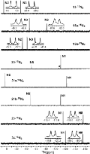
Figure 2: 1D 15N NMR spectra of 30–70 mM 13-15N2, 15a,b-15N2, 20-15N2, 21a,b-15N2, 23-15N2 and 24-15N2 in DMS...

Figure 3: Signals of the C1' and C6 atoms in the proton-decoupled 1D 13C NMR spectra of 30–42 mM 15a,b-15N2, ...
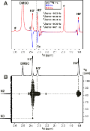
Figure 4: Detection and quantification of the 1H-15N spin–spin interactions in compound 15a-15N2 (DMSO-d6, 45...
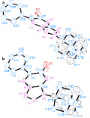
Figure 5: ORTEP diagrams of the X-ray structures of compounds 15a-15N2 (a) and 15b-15N2 (b). For clarity, the...

Scheme 5: Mechanism of the isomerization of compounds 15a and 15b.
Phosphonic acid: preparation and applications
- Charlotte M. Sevrain,
- Mathieu Berchel,
- Hélène Couthon and
- Paul-Alain Jaffrès
Beilstein J. Org. Chem. 2017, 13, 2186–2213, doi:10.3762/bjoc.13.219
- 135. For some compounds, the reaction with H2O2 occurred at rt and then SO2 is added to complete the oxidation reaction. The work-up is, however, tedious because some excess of P4 must be removed without any contact with oxygen. This procedure was applied to natural compounds including lipophilic

Graphical Abstract

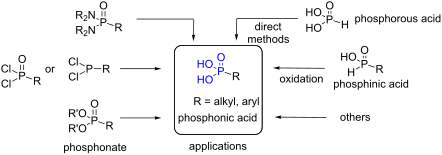
Figure 1: Summary of the synthetic routes to prepare phosphonic acids detailed in this review. The numbers in...

Figure 2: Chemical structure of dialkyl phosphonate, phosphonic acid and illustration of the simplest phospho...

Figure 3: Illustration of some phosphonic acid exhibiting bioactive properties. A) Phosphonic acids for biome...

Figure 4: Illustration of the use of phosphonic acids for their coordination properties and their ability to ...

Figure 5: Hydrolysis of dialkyl phosphonate to phosphonic acid under acidic conditions.

Figure 6: Examples of phosphonic acids prepared by hydrolysis of dialkylphosphonate with HCl 35% at reflux (16...

Figure 7: A) and B) Observation of P–C bond breaking during the hydrolysis of phosphonate with concentrated H...

Figure 8: Mechanism of the hydrolysis of dialkyl phosphonate with HCl in water.

Figure 9: Hydrolysis of bis-tert-butyl phosphonate 28 into phosphonic acid 29 [137].

Figure 10: A) Hydrolysis of diphenyl phosphonate into phosphonic acid in acidic media. B) Examples of phosphon...

Figure 11: Suggested mechanism occurring for the first step of the hydrolysis of diphenyl phosphonate into pho...

Figure 12: A) Hydrogenolysis of dibenzyl phosphonate to phosphonic acid. B) Compounds 33, 34 and 35 were prepa...

Figure 13: A) Preparation of phosphonic acid from diphenyl phosphonate with the Adam’s catalyst. B) Compounds ...

Figure 14: Suggested mechanism for the preparation of phosphonic acid from dialkyl phosphonate using bromotrim...

Figure 15: A) Reaction of the phosphonate-thiophosphonate 37 with iodotrimethylsilane followed by methanolysis...

Figure 16: Synthesis of hydroxymethylenebisphosphonic acid by reaction of tris(trimethylsilyl) phosphite with ...

Figure 17: Synthesis of the phosphonic acid disodium salt 48 by reaction of mono-hydrolysed phosphonate 47 wit...

Figure 18: Phosphonic acid synthesized by the sequence 1) bromotrimethylsilane 2) methanolysis or hydrolysis. ...

Figure 19: Polyphosphonic acids and macromolecular compounds prepared by the hydrolysis of dialkyl phosphonate...

Figure 20: Examples of organometallic complexes functionalized with phosphonic acids that were prepared by the...

Figure 21: Side reaction observed during the hydrolysis of methacrylate monomer functionalized with phosphonic...

Figure 22: Influence of the reaction time during the hydrolysis of compound 76.

Figure 23: Dealkylation of dialkyl phosphonates with boron tribromide.

Figure 24: Dealkylation of diethylphosphonate 81 with TMS-OTf.

Figure 25: Synthesis of substituted phenylphosphonic acid 85 from the phenyldichlorophosphine 83.

Figure 26: Hydrolysis of substituted phenyldichlorophosphine oxide 86 under basic conditions.

Figure 27: A) Illustration of the synthesis of chiral phosphonic acids from phosphonodiamides. B) Examples of ...

Figure 28: A) Illustration of the synthesis of the phosphonic acid 98 from phosphonodiamide 97. B) Use of cycl...

Figure 29: Synthesis of tris(phosphonophenyl)phosphine 109.

Figure 30: Moedritzer–Irani reaction starting from A) primary amine or B) secondary amine. C) Examples of phos...

Figure 31: Phosphonic acid-functionalized polymers prepared by Moedritzer–Irani reaction.

Figure 32: Reaction of phosphorous acid with imine in the absence of solvent.

Figure 33: A) Reaction of phosphorous acid with nitrile and examples of aminomethylene bis-phosphonic acids. B...

Figure 34: Reaction of carboxylic acid with phosphorous acid and examples of compounds prepared by this way.

Figure 35: Synthesis of phosphonic acid by oxidation of phosphinic acid (also identified as phosphonous acid).

Figure 36: Selection of reaction conditions to prepare phosphonic acids from phosphinic acids.

Figure 37: Synthesis of phosphonic acid from carboxylic acid and white phosphorus.

Figure 38: Synthesis of benzylphosphonic acid 136 from benzaldehyde and red phosphorus.

Figure 39: Synthesis of graphene phosphonic acid 137 from graphite and red phosphorus.
Solid-state studies and antioxidant properties of the γ-cyclodextrin·fisetin inclusion compound
- Joana M. Pais,
- Maria João Barroca,
- Maria Paula M. Marques,
- Filipe A. Almeida Paz and
- Susana S. Braga
Beilstein J. Org. Chem. 2017, 13, 2138–2145, doi:10.3762/bjoc.13.212

- compound is evaluated by the DPPH assay. Keywords: antioxidant activity; co-lyophilization; fisetin; gamma-cyclodextrin; molecular encapsulation; solid-state analysis; Introduction Flavonoids, natural compounds with numerous beneficial actions on human health, including antioxidant [1], anti-inflammatory

Graphical Abstract

Scheme 1: Structural representation of fisetin as guest (a) and γ-CD as host (b) used in the present study, d...
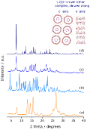
Figure 1: Powder X-ray diffraction patterns (PXRD) for (a) fisetin, (b) γ-CD heptahydrate and (c) the γ-CD·fi...
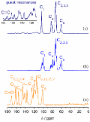
Figure 2: 13C{1H} CP/MAS NMR spectra for (a) fisetin, (b) γ-CD host, and (c) γ-CD·fisetin. The inset shows an...

Figure 3: TG traces for fisetin (orange dashed line), γ-CD (blue dotted line), their 1:1 physical mixture (bl...

Figure 4: Antioxidant activity of the inclusion compound γ-CD·fisetin, compared with pure fisetin, as determi...
p-tert-Butylthiacalix[4]arenes functionalized by N-(4’-nitrophenyl)acetamide and N,N-diethylacetamide fragments: synthesis and binding of anionic guests
- Alena A. Vavilova and
- Ivan I. Stoikov
Beilstein J. Org. Chem. 2017, 13, 1940–1949, doi:10.3762/bjoc.13.188

- organic chemistry [13][14][15][16][17][18][19][20][21][22][23]. Anion-receptor biomimetics aimed at developing synthetic analogs of the natural compounds that offer a deeper understanding of a number of biological processes. The design of anion receptors is quite a challenge for several reasons. The

Graphical Abstract

Scheme 1: Synthesis of 1,3-di- and tetrasubstituted thiacalix[4]arenes 2 and 3. Conditions: (i) macrocycle 1 ...

Scheme 2: Synthesis of monosubstituted thiacalix[4]arene 4. Conditions: (i) macrocycle 1 (1 equiv), 2-chloro-N...

Scheme 3: Synthesis of tetra- and 1,2-disubstituted thiacalix[4]arenes 5 and 6, respectively. Conditions: (i)...

Figure 1: Investigated hosts 2, 3, 7–10.

Figure 2: UV absorption spectra of the complexation system obtained by titration of the receptor 6 (c(6) = 2....
BODIPY-based fluorescent liposomes with sesquiterpene lactone trilobolide
- Ludmila Škorpilová,
- Silvie Rimpelová,
- Michal Jurášek,
- Miloš Buděšínský,
- Jana Lokajová,
- Roman Effenberg,
- Petr Slepička,
- Tomáš Ruml,
- Eva Kmoníčková,
- Pavel B. Drašar and
- Zdeněk Wimmer
Beilstein J. Org. Chem. 2017, 13, 1316–1324, doi:10.3762/bjoc.13.128
- Ludmila Skorpilova Silvie Rimpelova Michal Jurasek Milos Budesinsky Jana Lokajova Roman Effenberg Petr Slepicka Tomas Ruml Eva Kmonickova Pavel B. Drasar Zdenek Wimmer Department of Chemistry of Natural Compounds, University of Chemistry and Technology Prague, Technická 5, 166 28 Prague 6, Czech
- theranostic applications. Keywords: BODIPY conjugates; cancer targeting; drug delivery; liposomes; natural compounds; sesquiterpene lactone trilobolide; Introduction Targeted (smart) drug delivery is a method for specific delivering of an active compound preferentially to some cells or tissues in the human

Graphical Abstract

Figure 1: Chemical structures of the basic compounds used in this study.
Scheme 1: Synthesis of the BODIPY building block (part A) and construct 6 (part B).

Figure 2: Absorbance and fluorescence spectra of compounds 3–6. UV spectra (part A) were recorded with a conc...

Figure 3: NO production in primary rat macrophages. The cells were treated with Tb, compounds 4, 5, and Tb-co...

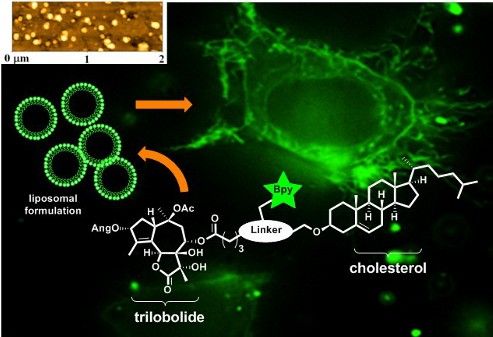
Figure 4: Atomic force microscopy images of liposomes, 5 µm area: A) 2D image, B) 3D image (Ra = 2.4 nm); 2 µ...

Figure 5: Panel of images from live-cell fluorescence microscopy: intracellular localization of construct 6 i...

Figure 6: Panel of images from live-cell fluorescence microscopy: intracellular localization of liposomes wit...
Strategies in megasynthase engineering – fatty acid synthases (FAS) as model proteins
- Manuel Fischer and
- Martin Grininger
Beilstein J. Org. Chem. 2017, 13, 1204–1211, doi:10.3762/bjoc.13.119
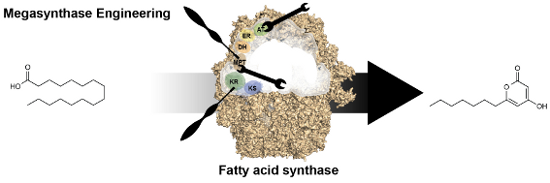
- Megasynthases are large multienzyme proteins that produce a plethora of important natural compounds by catalyzing the successive condensation and modification of precursor units. Within the class of megasynthases, polyketide synthases (PKS) are responsible for the production of a large spectrum of bioactive
- approaches. Several reports on the engineering of PKS have proven the feasibility of the concept [43][44], but megasynthase design as a tool for the custom synthesis of natural compounds or complex precursor molecules has remained elusive to date [45][46]. Towards the desirable goal to produce PK by

Graphical Abstract

Figure 1: Megasynthases – chemistry and modes of action. a) Products of PKS and FAS megasynthases. b) Reactio...

Figure 2: Compartmentalization of synthesis. a) Surface depiction of fungal FAS (PDB-code: 3hmj) with the upp...

Figure 3: Strategies of megasynthase engineering. a) Mix-and-match approach: A hypothetical chimeric PKS is a...

Figure 4: Preserve-and-adapt approach with FAS. C. ammoniagenes FAS has been engineered in two cooperatively ...
Secondary metabolome and its defensive role in the aeolidoidean Phyllodesmium longicirrum, (Gastropoda, Heterobranchia, Nudibranchia)
- Alexander Bogdanov,
- Cora Hertzer,
- Stefan Kehraus,
- Samuel Nietzer,
- Sven Rohde,
- Peter J. Schupp,
- Heike Wägele and
- Gabriele M. König
Beilstein J. Org. Chem. 2017, 13, 502–519, doi:10.3762/bjoc.13.50
- -oxochatancin (16). Determining the metabolome of P. longicirrum and its bioactivity, makes it evident that this seemingly vulnerable soft bodied animal is well protected from fish by its chemical arsenal. Keywords: chemical defense; chemoecology; natural compounds; Nudibranchia; Phyllodesmium longicirrum

Graphical Abstract
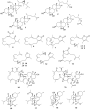
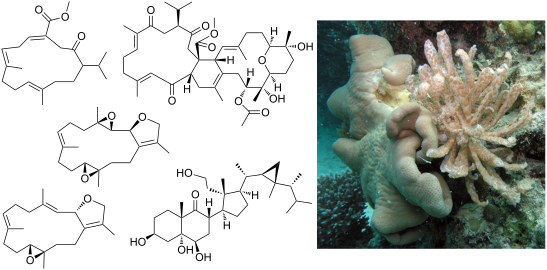
Figure 1: Secondary metabolites isolated in this study from P. longicirrum.

Figure 2: Structures of secondary metabolites from P. longicirrum as described by Coll et al. in 1985 [13].

Figure 3: Significant 1H,1H COSY correlations as found in compound 1.

Figure 4: Secosterols [22,24] related to 3β,5α,6β-trihydroxy-9-oxo-9,11-secogorgostan-11-ol (1) from P. longicirrum.

Figure 5: Conformational structure of 1 (key NOESY correlations are indicated with blue arrows; coupling cons...

Figure 6: Structure of cembranoid 5. 1H,1H spin systems (A, B and C) are indicated in bold, arrows show key H...

Figure 7: Compound 5 and the most closely related cembranoids from soft corals.

Figure 8: Proposed configuration and selected NOE correlations of bisepoxide 12 (key NOE correlations are ind...

Figure 9: Structures of bisglaucumlids A–C (23–25).

Figure 10: Proposed configuration of the eastern part (rings B, C and D) of isobisglaucumlides B and C (14 and ...

Figure 11: Effect of Phyllodesmium metabolites in different concentrations on predation by Canthigaster soland...

Figure 12: Phylogenetic tree of octocorals relevant as putative food sources for Phyllodesmium spp. Phylogram ...
Synthesis and evaluation of anti-oxidant and cytotoxic activities of novel 10-undecenoic acid methyl ester based lipoconjugates of phenolic acids
- Naganna Narra,
- Shiva Shanker Kaki,
- Rachapudi Badari Narayana Prasad,
- Sunil Misra,
- Koude Dhevendar,
- Venkateshwarlu Kontham and
- Padmaja V. Korlipara
Beilstein J. Org. Chem. 2017, 13, 26–32, doi:10.3762/bjoc.13.4
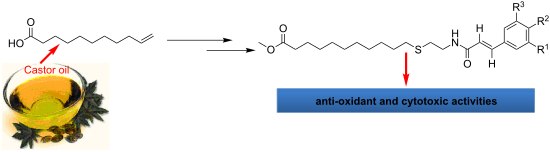
- are a class of natural compounds which are found ubiquitously in the plant kingdom. They are reported to possess a wide range of biological properties like anti-oxidant, antimicrobial, anti-inflammatory, anticarcinogenic and antiviral activities [1]. The phenolic acids are also reported to show in

Graphical Abstract

Scheme 1: Synthetic procedure for the preparation of 10-undecenoic acid methyl ester-based lipoconjugates of ...
Identification, synthesis and mass spectrometry of a macrolide from the African reed frog Hyperolius cinnamomeoventris
- Markus Menke,
- Pardha Saradhi Peram,
- Iris Starnberger,
- Walter Hödl,
- Gregory F.M. Jongsma,
- David C. Blackburn,
- Mark-Oliver Rödel,
- Miguel Vences and
- Stefan Schulz
Beilstein J. Org. Chem. 2016, 12, 2731–2738, doi:10.3762/bjoc.12.269
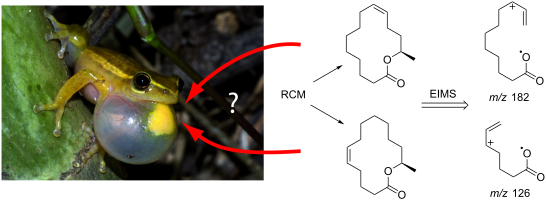
- several isomers, helpful for the structure elucidation of natural compounds, e.g., in chemical ecology or fragrance research. The mass spectral fragmentation of macrolides differs markedly from that of open-chain esters, because initial bond cleavage often does not lead to the release of an uncharged

Graphical Abstract

Figure 1: Macrolactones produced in scent glands of frogs: (Z)-Tetradec-5-en-13-olide (1) or (Z)-tetradec-9-e...

Figure 2: Total ion chromatogram of the gular gland extract of Hyperolius cinnamomeoventris. X: frog anaesthe...

Scheme 1: Synthesis of (9Z,13R)-tetradec-9-en-13-olide (2).

Scheme 2: Synthesis of (5Z,13R)-tetradec-5-en-13-olide ((R)-1). The enantiomer was obtained in a similar sequ...
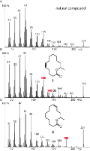
Figure 3: Mass spectra of A) the natural compound A, B) (Z)-tetradec-5-en-13-olide (1), and C) (Z)-tetradec-9...
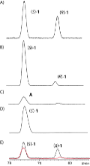
Figure 4: Total ion chromatogram of the enantiomer separation of (Z)-1 on a chiral β-TBDMS- Hydrodex phase. T...

Figure 5: Proposed mass spectrometric fragmentation of macrolides 1 and 2 leading to diagnostic ions of the i...
Sydnone C-4 heteroarylation with an indolizine ring via Chichibabin indolizine synthesis
- Florin Albota,
- Mino R. Caira,
- Constantin Draghici,
- Florea Dumitrascu and
- Denisa E. Dumitrescu
Beilstein J. Org. Chem. 2016, 12, 2503–2510, doi:10.3762/bjoc.12.245

- its derivatives exhibit remarkable biological activities and optical properties. Indolizine is a privileged structure for the design of new drugs and its framework is present in many natural compounds. As a consequence, the synthesis, chemical, physicochemical and biological properties of indolizines

Graphical Abstract

Figure 1: Sydnone-pyrroloazines hybrids 1, indolizine (2), sydnone 3, indolizines attached directly to C-4 of...

Scheme 1: Synthesis of pyridinium bromides 8 and sydnone-indolizine hybrids 9 through the Chichibabin reactio...

Figure 2: The molecular structure of 9d with thermal ellipsoids drawn at the 50% probability level. (a) Inver...

Figure 3: Centrosymmetric C–H···O hydrogen bonded dimeric motif in the crystal of 9d.

Scheme 2: The synthesis and mechanism of formation of sydnone-indolizines 12.

Figure 4: Molecular structure of 12c with atoms represented as thermal ellipsoids at the 50% probability leve...

Figure 5: Intramolecular distortion in 12c.
Efficient mechanochemical synthesis of regioselective persubstituted cyclodextrins
- Laszlo Jicsinszky,
- Marina Caporaso,
- Katia Martina,
- Emanuela Calcio Gaudino and
- Giancarlo Cravotto
Beilstein J. Org. Chem. 2016, 12, 2364–2371, doi:10.3762/bjoc.12.230
- friendly procedures. Ball mill assisted syntheses are good alternatives to overcome solubility difficulties in syntheses or isolation of natural compounds from vegetables using CDs [9][10]. Environmentally benign synthetic methods of CD derivatives have been recently reviewed [11]. The key intermediate in

Graphical Abstract

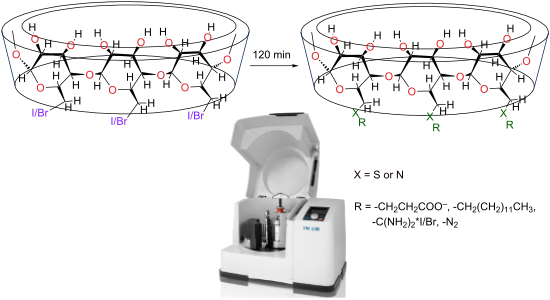
Scheme 1: Synthesis of per-6-derivatized CDs. Ball milling conditions: 1500 steel balls of 1 mm diameter and ...
Diastereoselective synthesis of 3,4-dihydro-2H-pyran-4-carboxamides through an unusual regiospecific quasi-hydrolysis of a cyano group
- Mikhail Yu. Ievlev,
- Oleg V. Ershov,
- Mikhail Yu. Belikov,
- Angelina G. Milovidova,
- Viktor A. Tafeenko and
- Oleg E. Nasakin
Beilstein J. Org. Chem. 2016, 12, 2093–2098, doi:10.3762/bjoc.12.198

- ; Introduction Dihydro- and tetrahydropyran moieties are very important structural fragments in organic synthesis. They are part of many natural compounds, biologically active substances and drugs [1][2][3][4]. For instance, Zanamivir and Laninamivir which are recommended for the treatment and prophylaxis of

Graphical Abstract

Scheme 1: An exclusive approach to 3,4-dihydro-2H-pyran-4-carboxamides from non-pyran sources.

Scheme 2: Known approach to pyran derivatives based on ketonitriles 1.

Figure 1: The molecular structure of 2a with atom-numbering scheme. Displacement ellipsoids are drawn at the ...

Scheme 3: Plausible reaction pathways for 3,4-dihydro-2H-pyran-4-carbxamides 2 formation.
Rearrangements of organic peroxides and related processes
- Ivan A. Yaremenko,
- Vera A. Vil’,
- Dmitry V. Demchuk and
- Alexander O. Terent’ev
Beilstein J. Org. Chem. 2016, 12, 1647–1748, doi:10.3762/bjoc.12.162

Graphical Abstract
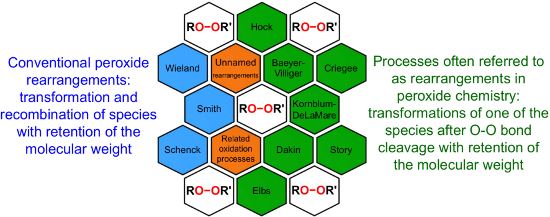
Figure 1: The named transformations considered in this review.

Scheme 1: The Baeyer–Villiger oxidation.

Scheme 2: The general mechanism of the peracid-promoted Baeyer–Villiger oxidation.

Scheme 3: General mechanism of the Lewis acid-catalyzed Baeyer–Villiger rearrangement.

Scheme 4: The theoretically studied mechanism of the BV oxidation reaction promoted by H2O2 and the Lewis aci...

Scheme 5: Proton movements in the transition states of the Baeyer–Villiger oxidation.

Scheme 6: The dependence of the course of the Baeyer–Villiger oxidation on the type of O–O-bond cleavage in t...
Scheme 7: The acid-catalyzed Baeyer–Villiger oxidation of cyclic epoxy ketones 22.

Scheme 8: Oxidation of isophorone oxide 29.

Scheme 9: Synthesis of acyl phosphate 32 from acyl phosphonate 31.

Scheme 10: Synthesis of aflatoxin B2 (36).

Scheme 11: The Baeyer–Villiger rearrangement of ketones 37 to lactones 38.

Scheme 12: Synthesis of 3,4-dimethoxybenzoic acid (40) via Baeyer–Villiger oxidation.

Scheme 13: Oxone transforms α,β-unsaturated ketones 43 into vinyl acetates 44.

Scheme 14: The Baeyer–Villiger oxidation of ketones 45 using diaryl diselenide and hydrogen peroxide.

Scheme 15: Baeyer–Villiger oxidation of (E)-2-methylenecyclobutanones.

Scheme 16: Oxidation of β-ionone (56) by H2O2/(BnSe)2 with formation of (E)-2-(2,6,6-trimethylcyclohex-1-en-1-...

Scheme 17: The mechanism of oxidation of ketones 58a–f by hydrogen peroxide in the presence of arsonated polys...

Scheme 18: Oxidation of ketone (58b) by H2O2 to 6-methylcaprolactone (59b) catalyzed by Pt complex 66·BF4.

Scheme 19: Oxidation of ketones 67 with H2O2 in the presence of [(dppb}Pt(µ-OH)]22+.

Scheme 20: The mechanism of oxidation of ketones 67 in the presence of [(dppb}Pt(µ-OH)]22+ and H2O2.

Scheme 21: Oxidation of benzaldehydes 69 in the presence of the H2O2/MeReO3 system.

Scheme 22: Oxidation of acetophenones 72 in the presence of the H2O2/MeReO3 system.

Scheme 23: Baeyer–Villiger oxidation of 2-adamantanone (45c) in the presence of Sn-containing mesoporous silic...

Scheme 24: Aerobic Baeyer–Villiger oxidation of ketones 76 using metal-free carbon.

Scheme 25: A regioselective Baeyer-Villiger oxidation of functionalized cyclohexenones 78 into a dihydrooxepin...

Scheme 26: The oxidation of aldehydes and ketones 80 by H2O2 catalyzed by Co4HP2Mo15V3O62.

Scheme 27: The cleavage of ketones 82 with hydrogen peroxide in alkaline solution.

Scheme 28: Oxidation of ketones 85 to esters 86 with H2O2–urea in the presence of KHCO3.

Scheme 29: Mechanism of the asymmetric oxidation of cyclopentane-1,2-dione 87a with the Ti(OiPr)4/(+)DET/t-BuO...

Scheme 30: The oxidation of cis-4-tert-butyl-2-fluorocyclohexanone (93) with m-chloroperbenzoic acid.

Scheme 31: The mechanism of the asymmetric oxidation of 3-substituted cyclobutanone 96a in the presence of chi...

Scheme 32: Enantioselective Baeyer–Villiger oxidation of cyclic ketones 98.

Scheme 33: Regio- and enantioselective Baeyer–Villiger oxidation of cyclic ketones 101.

Scheme 34: The proposed mechanism of the Baeyer–Villiger oxidation of acetal 105f.

Scheme 35: Synthesis of hydroxy-10H-acridin-9-one 117 from tetramethoxyanthracene 114.

Scheme 36: The Baeyer–Villiger oxidation of the fully substituted pyrrole 120.

Scheme 37: The Criegee rearrangement.

Scheme 38: The mechanism of the Criegee reaction of a peracid with a tertiary alcohol 122.

Scheme 39: Criegee rearrangement of decaline ethylperoxoate 127 into ketal 128.

Scheme 40: The ionic cleavage of 2-methoxy-2-propyl perester 129.

Scheme 41: The Criegee rearrangement of α-methoxy hydroperoxide 136.
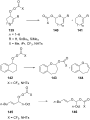
Scheme 42: Synthesis of enol esters and acetals via the Criegee rearrangement.

Scheme 43: Proposed mechanism of the transformation of 1-hydroperoxy-2-oxabicycloalkanones 147a–d.

Scheme 44: Transformation of 3-hydroxy-1,2-dioxolanes 151 into diketone derivatives 152.

Scheme 45: Criegee rearrangement of peroxide 153 with the mono-, di-, and tri-O-insertion.

Scheme 46: The sequential Criegee rearrangements of adamantanes 157a,b.

Scheme 47: Synthesis of diaryl carbonates 160a–d from triarylmethanols 159a–d through successive oxygen insert...

Scheme 48: The synthesis of sesquiterpenes 162 from ketone 161 with a Criegee rearrangement as one key step.

Scheme 49: Synthesis of trans-hydrindan derivatives 164, 165.

Scheme 50: The Hock rearrangement.

Scheme 51: The general scheme of the cumene process.

Scheme 52: The Hock rearrangement of aliphatic hydroperoxides.
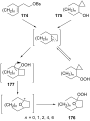
Scheme 53: The mechanism of solvolysis of brosylates 174a–c and spiro cyclopropyl carbinols 175a–c in THF/H2O2....

Scheme 54: The fragmentation mechanism of hydroperoxy acetals 178 to esters 179.

Scheme 55: The acid-catalyzed rearrangement of phenylcyclopentyl hydroperoxide 181.

Scheme 56: The peroxidation of tertiary alcohols in the presence of a catalytic amount of acid.

Scheme 57: The acid-catalyzed reaction of bicyclic secondary alcohols 192 with hydrogen peroxide.

Scheme 58: The photooxidation of 5,6-disubstituted 3,4-dihydro-2H-pyrans 196.

Scheme 59: The oxidation of tertiary alcohols 200a–g, 203a,b, and 206.

Scheme 60: Transformation of functional peroxide 209 leading to 2,3-disubstitued furans 210 in one step.

Scheme 61: The synthesis of carbazoles 213 via peroxide rearrangement.

Scheme 62: The construction of C–N bonds using the Hock rearrangement.

Scheme 63: The synthesis of moiety 218 from 217 which is a structural motif in the antitumor–antibiotic of CC-...

Scheme 64: The in vivo oxidation steps of cholesterol (219) by singlet oxygen.

Scheme 65: The proposed mechanism of the rearrangement of cholesterol-5α-OOH 220.

Scheme 66: Photochemical route to artemisinin via Hock rearrangement of 223.

Scheme 67: The Kornblum–DeLaMare rearrangement.

Scheme 68: Kornblum–DeLaMare transformation of 1-phenylethyl tert-butyl peroxide (225).

Scheme 69: The synthesis 4-hydroxyenones 230 from peroxide 229.

Scheme 70: The Kornblum–DeLaMare rearrangement of peroxide 232.

Scheme 71: The reduction of peroxide 234.

Scheme 72: The Kornblum–DeLaMare rearrangement of endoperoxide 236.

Scheme 73: The rearrangement of peroxide 238 under Kornblum–DeLaMare conditions.

Scheme 74: The proposed mechanism of rearrangement of peroxide 238.

Scheme 75: The Kornblum–DeLaMare rearrangement of peroxides 242a,b.

Scheme 76: The base-catalyzed rearrangements of bicyclic endoperoxides having electron-withdrawing substituent...

Scheme 77: The base-catalyzed rearrangements of bicyclic endoperoxides 249a,b having electron-donating substit...

Scheme 78: The base-catalyzed rearrangements of bridge-head substituted bicyclic endoperoxides 251a,b.

Scheme 79: The Kornblum–DeLaMare rearrangement of hydroperoxide 253.

Scheme 80: Synthesis of β-hydroxy hydroperoxide 254 from endoperoxide 253.

Scheme 81: The amine-catalyzed rearrangement of bicyclic endoperoxide 263.

Scheme 82: The base-catalyzed rearrangement of meso-endoperoxide 268 into 269.

Scheme 83: The photooxidation of 271 and subsequent Kornblum–DeLaMare reaction.

Scheme 84: The Kornblum–DeLaMare rearrangement as one step in the oxidation reaction of enamines.

Scheme 85: The Kornblum–DeLaMare rearrangement of 3,5-dihydro-1,2-dioxenes 284, 1,2-dioxanes 286, and tert-but...

Scheme 86: The Kornblum–DeLaMare rearrangement of epoxy dioxanes 290a–d.

Scheme 87: Rearrangement of prostaglandin H2 292.

Scheme 88: The synthesis of epicoccin G (297).

Scheme 89: The Kornblum–DeLaMare rearrangement used in the synthesis of phomactin A.

Scheme 90: The Kornblum–DeLaMare rearrangement in the synthesis of 3H-quinazolin-4-one 303.

Scheme 91: The Kornblum–DeLaMare rearrangement in the synthesis of dolabriferol (308).

Scheme 92: Sequential transformation of 3-substituted 2-pyridones 309 into 3-hydroxypyridine-2,6-diones 311 in...

Scheme 93: The Kornblum–DeLaMare rearrangement of peroxide 312 into hydroxy enone 313.

Scheme 94: The Kornblum–DeLaMare rearrangement in the synthesis of polyfunctionalized carbonyl compounds 317.

Scheme 95: The Kornblum–DeLaMare rearrangement in the synthesis of (Z)-β-perfluoroalkylenaminones 320.

Scheme 96: The Kornblum–DeLaMare rearrangement in the synthesis of γ-ketoester 322.

Scheme 97: The Kornblum–DeLaMare rearrangement in the synthesis of diterpenoids 326 and 328.

Scheme 98: The synthesis of natural products hainanolidol (331) and harringtonolide (332) from peroxide 329.

Scheme 99: The synthesis of trans-fused butyrolactones 339 and 340.

Scheme 100: The synthesis of leucosceptroid C (343) and leucosceptroid P (344) via the Kornblum–DeLaMare rearra...

Scheme 101: The Dakin oxidation of arylaldehydes or acetophenones.

Scheme 102: The mechanism of the Dakin oxidation.

Scheme 103: A solvent-free Dakin reaction of aromatic aldehydes 356.

Scheme 104: The organocatalytic Dakin oxidation of electron-rich arylaldehydes 358.

Scheme 105: The Dakin oxidation of electron-rich arylaldehydes 361.

Scheme 106: The Dakin oxidation of arylaldehydes 358 in water extract of banana (WEB).

Scheme 107: A one-pot approach towards indolo[2,1-b]quinazolines 364 from indole-3-carbaldehydes 363 through th...

Scheme 108: The synthesis of phenols 367a–c from benzaldehydes 366a-c via acid-catalyzed Dakin oxidation.

Scheme 109: Possible transformation paths of the highly polarized boric acid coordinated H2O2–aldehyde adduct 3...

Scheme 110: The Elbs oxidation of phenols 375 to hydroquinones.

Scheme 111: The mechanism of the Elbs persulfate oxidation of phenols 375 affording p-hydroquinones 376.

Scheme 112: Oxidation of 2-pyridones 380 under Elbs persulfate oxidation conditions.

Scheme 113: Synthesis of 3-hydroxy-4-pyridone (384) via an Elbs oxidation of 4-pyridone (382).

Scheme 114: The Schenck rearrangement.

Scheme 115: The Smith rearrangement.

Scheme 116: Three main pathways of the Schenck rearrangement.

Scheme 117: The isomerization of hydroperoxides 388 and 389.

Scheme 118: Trapping of dioxacyclopentyl radical 392 by oxygen.

Scheme 119: The hypothetical mechanism of the Schenck rearrangement of peroxide 394.

Scheme 120: The autoxidation of oleic acid (397) with the use of labeled isotope 18O2.

Scheme 121: The rearrangement of 18O-labeled hydroperoxide 400 under an atmosphere of 16O2.

Scheme 122: The rearrangement of the oleate-derived allylic hydroperoxides (S)-421 and (R)-425.

Scheme 123: Mechanisms of Schenck and Smith rearrangements.

Scheme 124: The rearrangement and cyclization of 433.

Scheme 125: The Wieland rearrangement.

Scheme 126: The rearrangement of bis(triphenylsilyl) 439 or bis(triphenylgermyl) 441 peroxides.

Scheme 127: The oxidative transformation of cyclic ketones.

Scheme 128: The hydroxylation of cyclohexene (447) in the presence of tungstic acid.

Scheme 129: The oxidation of cyclohexene (447) under the action of hydrogen peroxide.

Scheme 130: The reaction of butenylacetylacetone 455 with hydrogen peroxide.

Scheme 131: The oxidation of bridged 1,2,4,5-tetraoxanes.

Scheme 132: The proposed mechanism for the oxidation of bridged 1,2,4,5-tetraoxanes.

Scheme 133: The rearrangement of ozonides.

Scheme 134: The acid-catalyzed oxidative rearrangement of malondialdehydes 462 under the action of H2O2.
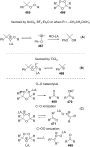
Scheme 135: Pathways of the Lewis acid-catalyzed cleavage of dialkyl peroxides 465 and ozonides 466.

Scheme 136: The mechanism of the transformation of (tert-butyldioxy)cyclohexanedienones 472.

Scheme 137: The synthesis of Vitamin K3 from 472a.

Scheme 138: Proposed mechanism for the transformation of 478d into silylated endoperoxide 479d.

Scheme 139: The rearrangement of hydroperoxide 485 to form diketone 486.

Scheme 140: The base-catalyzed rearrangement of cyclic peroxides 488a–g.

Scheme 141: Synthesis of chiral epoxides and aldols from peroxy hemiketals 491.

Scheme 142: The multistep transformation of (R)-carvone (494) to endoperoxides 496a–e.

Scheme 143: The decomposition of anthracene endoperoxide 499.

Scheme 144: Synthesis of esters 503 from aldehydes 501 via rearrangement of peroxides 502.

Scheme 145: Two possible paths for the base-promoted decomposition of α-azidoperoxides 502.

Scheme 146: The Story decomposition of cyclic diperoxide 506a.

Scheme 147: The Story decomposition of cyclic triperoxide 506b.

Scheme 148: The thermal rearrangement of endoperoxides A into diepoxides B.

Scheme 149: The transformation of peroxide 510 in the synthesis of stemolide (511).

Scheme 150: The possible mechanism of the rearrangement of endoperoxide 261g.

Scheme 151: The photooxidation of indene 517.

Scheme 152: The isomerization of ascaridole (523).

Scheme 153: The isomerization of peroxide 525.

Scheme 154: The thermal transformation of endoperoxide 355.

Scheme 155: The photooxidation of cyclopentadiene (529) at a temperature higher than 0 °C.

Scheme 156: The thermal rearrangement of endoperoxides 538a,b.

Scheme 157: The transformation of peroxides 541.

Scheme 158: The thermal rearrangements of strained cyclic peroxides.

Scheme 159: The thermal rearrangement of diacyl peroxide 551 in the synthesis of C4-epi-lomaiviticin B core 553....

Scheme 160: The 1O2 oxidation of tryptophan (554) and rearrangement of dioxetane intermediate 555.

Scheme 161: The Fe(II)-promoted cleavage of aryl-substituted bicyclic peroxides.

Scheme 162: The proposed mechanism of the Fe(II)-promoted rearrangement of 557a–c.

Scheme 163: The reaction of dioxolane 563 with Fe(II) sulfate.

Scheme 164: Fe(II)-promoted rearrangement of 1,2-dioxane 565.

Scheme 165: Fe(II) cysteinate-promoted rearrangement of 1,2-dioxolane 568.

Scheme 166: The transformation of 1,2-dioxanes 572a–c under the action of FeCl2.

Scheme 167: Fe(II) cysteinate-promoted transformation of tetraoxane 574.

Scheme 168: The CoTPP-catalyzed transformation of bicyclic endoperoxides 600a–d.

Scheme 169: The CoTPP-catalyzed transformation of epoxy-1,2-dioxanes.

Scheme 170: The Ru(II)-catalyzed reactions of 1,4-endoperoxide 261g.

Scheme 171: The Ru(II)-catalyzed transformation as a key step in the synthesis of elyiapyrone A (610) from 1,4-...

Scheme 172: Peroxides with antimalarial activity.

Scheme 173: The interaction of iron ions with artemisinin (616).

Scheme 174: The interaction of FeCl2 with 1,2-dioxanes 623, 624.

Scheme 175: The mechanism of reaction 623 and 624 with Fe(II)Cl2.

Scheme 176: The reaction of bicyclic natural endoperoxides G3-factors 631–633 with FeSO4.

Scheme 177: The transformation of terpene cardamom peroxide 639.
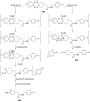
Scheme 178: The different ways of the cleavage of tetraoxane 643.

Scheme 179: The LC–MS analysis of interaction of tetraoxane 646 with iron(II)heme 647.

Scheme 180: The rearrangement of 3,6-epidioxy-1,10-bisaboladiene (EDBD, 649).

Scheme 181: Easily oxidized substrates.

Scheme 182: Biopathway of synthesis of prostaglandins.

Scheme 183: The reduction and rearrangements of isoprostanes.

Scheme 184: The partial mechanism for linoleate 658 oxidation.

Scheme 185: The transformation of lipid hydroperoxide.

Scheme 186: The acid-catalyzed cleavage of the product from free-radical oxidation of cholesterol (667).

Scheme 187: Two pathways of catechols oxidation.

Scheme 188: Criegee-like or Hock-like rearrangement of the intermediate hydroperoxide 675 in dioxygenase enzyme...

Scheme 189: Carotinoides 679 cleavage by carotenoid cleavage dioxygenases.
Total synthesis of leopolic acid A, a natural 2,3-pyrrolidinedione with antimicrobial activity
- Atul A. Dhavan,
- Rahul D. Kaduskar,
- Loana Musso,
- Leonardo Scaglioni,
- Piera Anna Martino and
- Sabrina Dallavalle
Beilstein J. Org. Chem. 2016, 12, 1624–1628, doi:10.3762/bjoc.12.159

- acids) are widespread among the fungal metabolites and show a number of biological activities, i.e., antibacterial, antiviral, antifungal and anticancer. More than one hundred of them have been isolated from a variety of natural sources [3]. Conversely, natural compounds with a simple 2,3

Graphical Abstract

Figure 1: Structure of leopolic acid A.

Scheme 1: Synthesis of leopolic acid A. Reagents and conditions: a) p-methoxybenzylamine, EtOH, rt, 12 h, 98%...
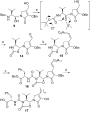
Scheme 2: Synthesis of compound 17. Reagents and conditions: a) Oxalyl chloride, DMSO, CH2Cl2, TEA, −78 °C to...
A selective and mild glycosylation method of natural phenolic alcohols
- Mária Mastihubová and
- Monika Poláková
Beilstein J. Org. Chem. 2016, 12, 524–530, doi:10.3762/bjoc.12.51

- increases their water solubility. Further it influences the physicochemical and pharmacological properties of these phenols and often reduces their potential toxicity. Moreover, p-hydroxyarylalkyl glycosides are also key starting building blocks for the synthesis of more complex bioactive natural compounds

Graphical Abstract

Figure 1: Structures of vanillyl β-D-glucoside (1), salidroside (2) and isoconiferin (3).

Scheme 1: Reagents and conditions: a) Ac2O, pyridine, rt, 10 h, >98%; b) NaBH4, H3PO4, −5 °C, 85–95%.

Scheme 2: Reagents and conditions: a) Ac2O, H2SO4, 5 °C to rt, 30 min, >94%; b) 1. NaBH4, THF, 5 °C, 10 min, ...

Figure 2: Synthesized glycosyl donors.

Scheme 3: General reaction scheme for the synthesis of p-hydroxyphenylalkyl glycosides.

Figure 3: Overview of protected and deprotected products.
Thermal and oxidative stability of Atlantic salmon oil (Salmo salar L.) and complexation with β-cyclodextrin
- Daniel I. Hădărugă,
- Mustafa Ünlüsayin,
- Alexandra T. Gruia,
- Cristina Birău (Mitroi),
- Gerlinde Rusu and
- Nicoleta G. Hădărugă
Beilstein J. Org. Chem. 2016, 12, 179–191, doi:10.3762/bjoc.12.20
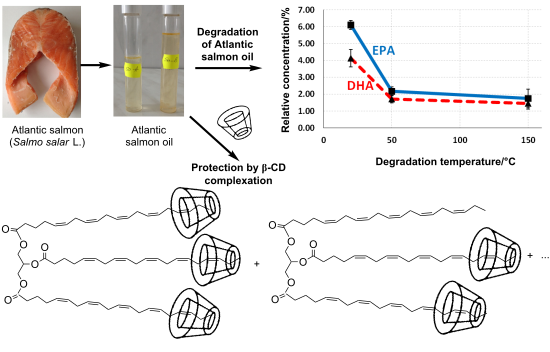
- Daniel I. Hadaruga Mustafa Unlusayin Alexandra T. Gruia Cristina Birau (Mitroi) Gerlinde Rusu Nicoleta G. Hadaruga Department of Applied Chemistry, Organic and Natural Compounds Engineering, Polytechnic University of Timişoara, Carol Telbisz 6, 300001 Timişoara, Romania Department of Fish

Graphical Abstract
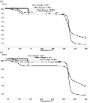
Figure 1: Superimposed thermograms for β-CD (solid line) and (a) β-CD/ASO_1:1_a&b (duplicate) or (b) β-CD/ASO...
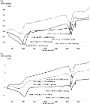
Figure 2: Superimposed DSC data for β-CD (solid line) and (a) β-CD/ASO_3:1_a&b (duplicate) or (b) β-CD/ASO_3:...

Figure 3: The equation of the KF chemical reaction.

Figure 4: Superimposed volume versus time linear correlations (all three specific intervals) from the KFT ana...

Figure 5: Superimposed volume versus time linear correlations (all three specific intervals) from the KFT ana...
Dicarboxylic esters: Useful tools for the biocatalyzed synthesis of hybrid compounds and polymers
- Ivan Bassanini,
- Karl Hult and
- Sergio Riva
Beilstein J. Org. Chem. 2015, 11, 1583–1595, doi:10.3762/bjoc.11.174

- acids and their derivatives (esters and anhydrides) have been used as acylating agents in lipase-catalyzed reactions in organic solvents. The synthetic outcomes have been dimeric or hybrid derivatives of bioactive natural compounds as well as functionalized polyesters. Keywords: biocatalysis
- esterifications of sugars and steroids, using acylating agents different from simple aliphatic acids [7][8][9]. Specifically, years ago Dordick and coworkers proposed the so-called ‘combinatorial biocatalysis’ as an approach to easily produce small libraries of derivatives of bioactive natural compounds using a
- , these molecules have allowed the synthesis of dimeric or hybrid derivatives of bioactive natural compounds as well as the biocatalyzed production of functionalized polyesters. Review 1. Synthetic exploitation of dicarboxylic esters a) Synthesis of activated esters In most of the biocatalyzed

Graphical Abstract

Scheme 1: Activated derivatives of dicarboxylic acids.

Figure 1: Example of natural compounds selectively acylated with dicarboxylic esters.

Figure 2: C6-dicarboxylic acid diesters derivatives of NAG-thiazoline.

Figure 3: Sylibin dimers obtained by CAL-B catalyzed trans-acylation reactions.

Scheme 2: Biocatalyzed synthesis of paclitaxel derivatives.

Figure 4: 5-Fluorouridine derivatives obtained by CAL-B catalysis.

Scheme 3: Biocatalyzed synthesis of hybrid diesters 17 and 18.

Scheme 4: Hybrid derivatives of sylibin.

Figure 5: Bolaamphiphilic molecules containing (L)- and/or (D)-isoascorbic acid moieties.

Figure 6: Doxorubicin (29) trapped in a polyester made of glycolate, sebacate and 1,4-butandiol units.

Figure 7: Polyesters containing functionalized pentofuranose derivatives.

Figure 8: Polyesters containing disulfide moieties.

Figure 9: Polyesters containing epoxy moieties.

Figure 10: Biocatalyzed synthesis of polyesters containing glycerol.

Figure 11: Iataconic (34) and malic (35) acid.

Figure 12: Oxidized poly(hexanediol-2-mercaptosuccinate) polymer.

Figure 13: C-5-substituted isophthalates.

Figure 14: Curcumin-based polyesters.

Figure 15: Silylated polyesters.

Figure 16: Polyesters containing reactive ether moieties.

Figure 17: Polyesters obtained by CAL-B-catalyzed condensation of dicarboxylic esters and N-substituted dietha...

Figure 18: Polyesters comprising mexiletine (38) moieties.

Figure 19: Poly(amide-co-ester)s comprising a terminal hydroxy moiety.

Figure 20: Polymer comprising α-oxydiacid moieties.

Figure 21: Telechelics with methacrylate ends.

Figure 22: Telechelics with allyl-ether ends.

Figure 23: Telechelics with ends functionalized as epoxides.
Structure and conformational analysis of spiroketals from 6-O-methyl-9(E)-hydroxyiminoerythronolide A
- Ana Čikoš,
- Irena Ćaleta,
- Dinko Žiher,
- Mark B. Vine,
- Ivaylo J. Elenkov,
- Marko Dukši,
- Dubravka Gembarovski,
- Marina Ilijaš,
- Snježana Dragojević,
- Ivica Malnar and
- Sulejman Alihodžić
Beilstein J. Org. Chem. 2015, 11, 1447–1457, doi:10.3762/bjoc.11.157
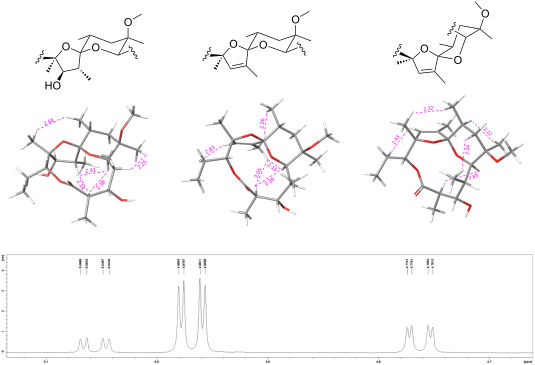
- . As a structural subunit, spiroketal ring systems [16][17] are present in a wide range of natural compounds. Their rigidity makes them useful for conformational control in heterocycles, but also for stabilizing a highly specific conformation within otherwise flexible larger natural compounds. For

Graphical Abstract

Scheme 1: Synthetic route to spiroketals 2–4. Reaction conditions: a) Na2S2O5/HCOOH/EtOH/water/70 °C, b) DCl/...

Figure 1: Modelling-derived structure of 2 showing key nOe interactions (calculated distances in Å).
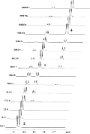
Figure 2: Time-dependent 1H NMR spectra of 2, 3 and 4 (13-H multiplets region). The experiments were performe...

Figure 3: Interconversion kinetics of compounds 2 (blue), 3 (orange) and 4 (grey).

Figure 4: Modelling-derived structure of 3 showing key nOe interactions (calculated distances in Å).

Figure 5: Modelling-derived structure of compound 4 showing key nOe interactions (calculated distances in Å).

Figure 6: Comparison of the spiroketal ring system stereochemistry and conformations in compounds 2–4.

Figure 7: Overlay of the computed structures of 3 (green) and 4 (blue).
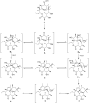
Scheme 2: Postulated mechanism for the formation of compounds 2–4.
Cross-metathesis reaction of α- and β-vinyl C-glycosides with alkenes
- Ivan Šnajdr,
- Kamil Parkan,
- Filip Hessler and
- Martin Kotora
Beilstein J. Org. Chem. 2015, 11, 1392–1397, doi:10.3762/bjoc.11.150

- Ivan Snajdr Kamil Parkan Filip Hessler Martin Kotora Department of Organic Chemistry, Charles University in Prague, Hlavova 8, 153 00 Praha 2, Czech Republic, Fax: (+) 420 221 951 326 Department of Chemistry of Natural Compounds, University of Chemistry and Technology, Prague, Technická 5, 160 00

Graphical Abstract

Scheme 1: Synthesis of vinyl C-deoxyribosides α-2 and β-2.

Figure 1: Alkenes 3 used in cross-metathesis reactions with 2.

Scheme 2: Hydrogenation of β-4b–β-4d to β-5b–β-5d.

Scheme 3: Deprotection of β-4e and β-5b to β-6e and β-7b.
Natural phenolic metabolites with anti-angiogenic properties – a review from the chemical point of view
- Qiu Sun,
- Jörg Heilmann and
- Burkhard König
Beilstein J. Org. Chem. 2015, 11, 249–264, doi:10.3762/bjoc.11.28
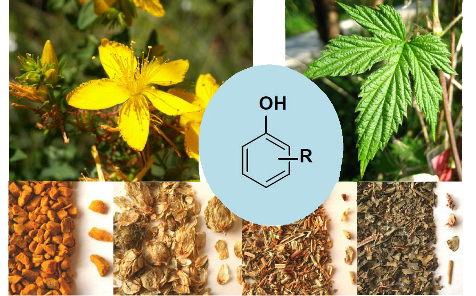
- biological and pharmacological aspects of anti-angiogenic compounds, including natural compounds containing a phenolic substructure [12][13][14]. To complement this previously discussed pharmacological point of view, this review focuses on recent reports of anti-angiogenic, natural, phenolic compounds
- bioactivity of the natural compounds are typically limited. Thus far, no example of very strong anti-angiogenic activity in the nanomolar range has been found. Thus, synthetic approaches for the production, diversification and optimization are required. The modification of the polyphenol structures to improve

Graphical Abstract

Figure 1: Structure of 4-hydroxybenzyl alcohol (HBA, 1).

Figure 2: Structure–activity relationship of curcumin analogs.

Scheme 1: Synthesis of curcumin (3). Reagents and conditions: (a) vanillin, 1,2,3,4-tetrahydroquinoline, HOAc...

Figure 3: Backbone and substitution of monocarbonyl analogs of curcumin (MACs) showing their structural diver...

Scheme 2: Exemplary synthesis of MAC representatives. Reagents and conditions: (a) 40% KOH, EtOH, 5 °C; stirr...

Scheme 3: Synthesis of ellagic acid (7). Reagents and conditions: (a) H2SO4, CH3OH; (b) (1) o-chloranil, Et2O...

Figure 4: Structure of resveratrol and its analogs.

Scheme 4: Synthesis of quinolone-substituted phenol 20. Reagents and conditions: (a) Ac2O, 2-hydroxybenzaldeh...

Scheme 5: Synthesis of quinolone-substituted phenol 23. Reagents and conditions: (a) Ac2O, 2-hydroxybenzaldeh...

Figure 5: Design of 4-amino-2-sulfanylphenol derivatives and their structure–activity relationship.

Scheme 6: Synthesis of 4-amino-2-sulfanylphenol derivatives. Reagents and conditions: (a) R1SO2Cl, pyridine, ...

Figure 6: Structures of two series of natural-like acylphloroglucinols.

Scheme 7: Synthesis of acylphloroglucinol derivatives 35–41. Reagents and conditions: (a) acyl chloride, AlCl3...

Scheme 8: Synthesis of acylphloroglucinol derivatives 43–51. Reagents and conditions: (a) isoprene, Amberlyst...

Figure 7: Analogs of (−)-EGCG for the prevention of oxidation and improvement of the bioavailability of the c...

Scheme 9: Synthesis of xanthohumol 58. Reagents and conditions: (a) MOMCl, diisopropylethylamine, CH2Cl2; (b)...

Scheme 10: Synthesis of genistein 60. Reagents and conditions: (a) 4-hydroxyphenylacetonitrile, anhydrous HCl,...

Scheme 11: Synthesis of fisetin (67) and quercetin (68). Reagents and conditions: (a) 3,4-dimethoxybenzaldehyd...

Figure 8: Structure of (2S)-7,2’,4’-trihydroxy-5-methoxy-8-(dimethylallyl)flavanone (69).



