Search results
Search for "oligosaccharide" in Full Text gives 107 result(s) in Beilstein Journal of Organic Chemistry.
Total synthesis of a Streptococcus pneumoniae serotype 12F CPS repeating unit hexasaccharide
Beilstein J. Org. Chem. 2017, 13, 164–173, doi:10.3762/bjoc.13.19
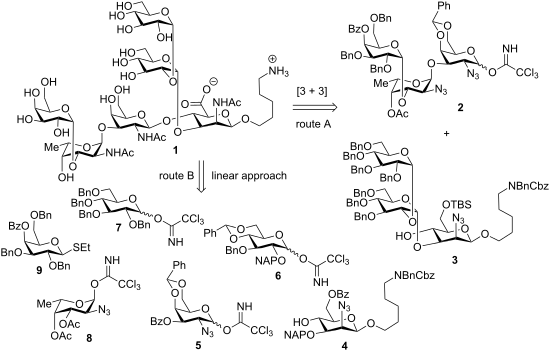
- + 3] total synthesis approach prompted us to retreat to the linear avenue (Scheme 1, route B) towards the target oligosaccharide in order to avoid the sterically demanding late-stage glycosylation. Differentially protected mannosazide 4 served as the starting point for stepwise assembly from the
- approach. A convergent [3 + 3] total synthesis strategy failed, most likely due to steric crowding around the trisaccharide acceptor. The synthesis of 1 is an illustrative example of the challenges associated with state-of-the-art oligosaccharide assembly including steric, conformational, remote


Silyl-protective groups influencing the reactivity and selectivity in glycosylations
Beilstein J. Org. Chem. 2017, 13, 93–105, doi:10.3762/bjoc.13.12

- provide an alternative orthogonal protective group to the more conventional acetyl, benzoyl and benzyl groups. Particularly in oligosaccharide synthesis where many orthogonal hydroxy protective groups are required silicon protective groups have frequently been introduced in both glycosyl donors and
- benzoylated thioglycosides with high chemoselectivity and was therefore used in a range of high yielding oligosaccharide syntheses [38]. The bifunctional silicon protective group DTBS (Figure 1) has been used both to increase and decrease the reactivity of glycosyl donors. The 4,6-O-DTBS-protected


Synthesis and NMR studies of malonyl-linked glycoconjugates of N-(2-aminoethyl)glycine. Building blocks for the construction of combinatorial glycopeptide libraries
Beilstein J. Org. Chem. 2016, 12, 1939–1948, doi:10.3762/bjoc.12.183
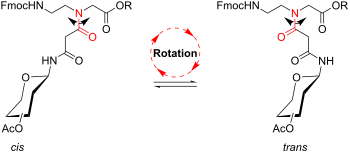
- , on the other hand, may provide sufficient amounts of pure material for such studies. Despite the great achievements in oligosaccharide synthesis during the past decades, the preparation of complex oligosaccharides can be tedious, lengthy or circuitous, and the often intrinsic intricacy of a chemical
- saccharide synthesis makes it sometimes impossible to prepare a certain saccharide or glycoconjugate [9]. Therefore, gaining access to new glycoconjugates which are easily accessible by chemical synthesis and which are able to mimic the interaction between a specific protein and its natural oligosaccharide


TMSBr-mediated solvent- and work-up-free synthesis of α-2-deoxyglycosides from glycals
Beilstein J. Org. Chem. 2016, 12, 1758–1764, doi:10.3762/bjoc.12.164

- exclusively when the secondary hydroxyl glucoside 24 was used (Table 4, entry 13). Notably, the disubstituted side product was not observed in this reaction. On the basis of these results, we demonstrated the applicability of the methodology in oligosaccharide synthesis by synthesising trisaccharide 66 in two


Automated glycan assembly of a S. pneumoniae serotype 3 CPS antigen
Beilstein J. Org. Chem. 2016, 12, 1440–1446, doi:10.3762/bjoc.12.139
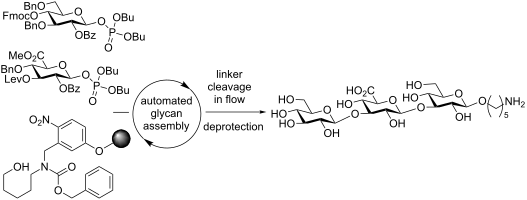
- oligosaccharide mixture of different chain lengths and frame shifts. Access to defined synthetic S. pneumoniae CPS structures is desirable. Known syntheses of S. pneumoniae serotype 3 CPS rely on a time-consuming and low-yielding late-stage oxidation step, or use disaccharide building blocks which limits
- variability. Herein, we report the first iterative automated glycan assembly (AGA) of a conjugation-ready S. pneumoniae serotype 3 CPS trisaccharide. This oligosaccharide was assembled using a novel glucuronic acid building block to circumvent the need for a late-stage oxidation. The introduction of a washing
- containing oligosaccharides of different lengths and frame shifts [19]. Synthetic oligosaccharide antigens enable structure–activity relationship (SAR) studies of bacterial antigens [20] to better understand antibody binding and help to improve existing vaccine formulations. Two synthetic routes to prepare


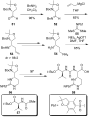
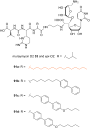
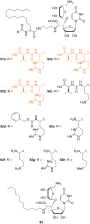
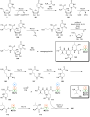
Muraymycin nucleoside-peptide antibiotics: uridine-derived natural products as lead structures for the development of novel antibacterial agents
Beilstein J. Org. Chem. 2016, 12, 769–795, doi:10.3762/bjoc.12.77
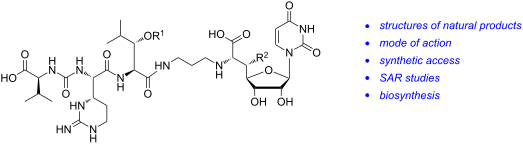
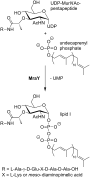
- , transformation to a disaccharide and transport to the extracellular side of the membrane (Figure 4, steps B, C); finally, polymerisation to long oligosaccharide chains and cross-linking occur (Figure 4, steps D, F). In the cytosol, uridine diphosphate-N-acetylglucosamine (UDP-GlcNAc), that is formed from

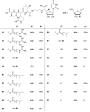
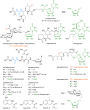




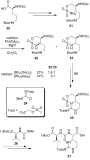








Synthesis and in vitro cytotoxicity of acetylated 3-fluoro, 4-fluoro and 3,4-difluoro analogs of D-glucosamine and D-galactosamine
Beilstein J. Org. Chem. 2016, 12, 750–759, doi:10.3762/bjoc.12.75
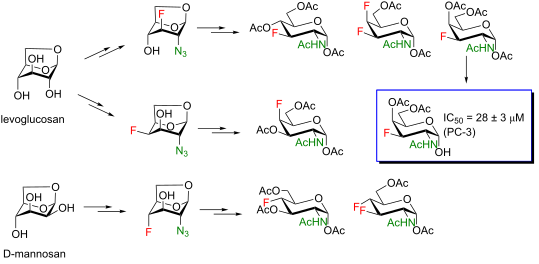
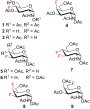
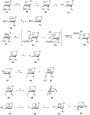
- -2-azido-hexopyranoses have potential as synthons in oligosaccharide assembly. Keywords: amino sugars; cytotoxicity; fluorinated carbohydrates; fluorine; hexosamines; Introduction Derivatives of D-glucosamine (GlcN) and D-galactosamine (GalN) are essential amino sugar components of glycans in





Elucidation of a masked repeating structure of the O-specific polysaccharide of the halotolerant soil bacteria Azospirillum halopraeferens Au4
Beilstein J. Org. Chem. 2016, 12, 636–642, doi:10.3762/bjoc.12.62
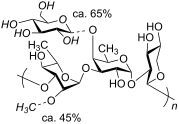
- revealed that its reason is a non-stoichiometric side-chain glucosylation and methylation of the main polysaccharide chain but at this stage, a straightforward structure elucidation of the OPS by NMR spectroscopy [16] was complicated. In order to obtain oligosaccharide fragments of the OPS a Smith
- oligosaccharide, selective solvolysis with CF3CO2H was employed. Recently, this method has been successfully used for the structure elucidation of the O-specific polysaccharides of Escherichia coli (e.g. [20]). The reagent was found to cleave selectively the glycosidic linkage of 6-deoxyhexoses (Rha, Fuc
- indicated that the degree of O-methylation was ca. 45% and the degree of side-chain glucosylation was ca. 65%. Conclusion Based on the chemical and NMR spectroscopic data, it was concluded that the OPS of A. halopraeferens Au4 has a masked repeating structure and consists of four types of oligosaccharide


Enabling technologies and green processes in cyclodextrin chemistry
Beilstein J. Org. Chem. 2016, 12, 278–294, doi:10.3762/bjoc.12.30
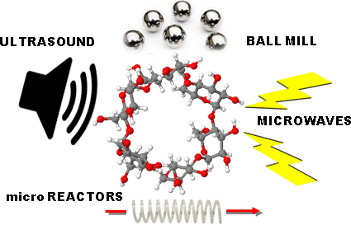
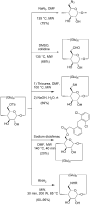
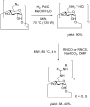
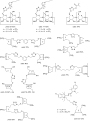
- -monotosylated α-, β-, and γ-CDs [94]. The further reaction of the prepared compounds resulted in a CD derived cyclic oligosaccharide, which contained one mannose residue, in the form of 2,3-mannoepoxide. Type 3) reactions in the further derivatization of regioselectively activated – by sulfonic esters or



Interactions of cyclodextrins and their derivatives with toxic organophosphorus compounds
Beilstein J. Org. Chem. 2016, 12, 204–228, doi:10.3762/bjoc.12.23
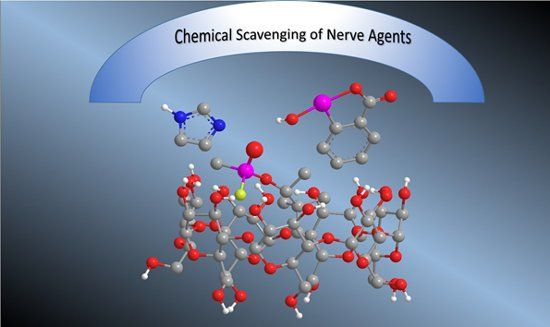
- from external associative complexes. UV-visible and fluorescence spectroscopy often provided useful information, while IR was rarely used. Finally, NMR and X-ray crystal structures gave more details on the inclusion mode and the interactions of the pesticide into the oligosaccharide cavity. In addition
- phosphorus substituents for the CD cavity. Transformations of NOPs mediated by CDs According to the above mentioned results, CDs provide interesting scaffolds able to bind organophosphorus compounds. The complex stabilization between the substrate and the oligosaccharide relies on weak interactions such as
- the oligosaccharide. per-Substitution of the primary face of β-CD improves the activity, but without linear correlation with the number of groups introduced [76]. Modifications at the C-2 and C-3 positions Synthesis of 2-monosubstituted β-CD derivatives: A three-step protocol is usually followed to


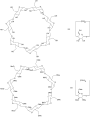
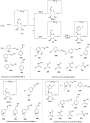
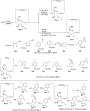



Physical properties and biological activities of hesperetin and naringenin in complex with methylated β-cyclodextrin
Beilstein J. Org. Chem. 2015, 11, 2763–2773, doi:10.3762/bjoc.11.297
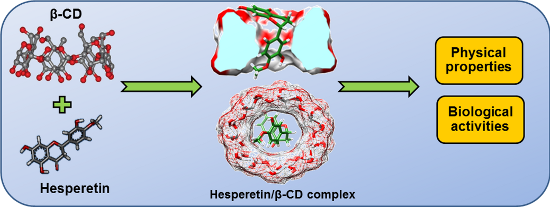
- several benefits, the use of these flavonoids is frequently limited by their low water solubility and stability with a consequence of exerting rather low biological activity. The natural β-cyclodextrin (β-CD) is a cyclic oligosaccharide consisting of seven D-glucopyranose units linked by α-(1,4


Towards inhibitors of glycosyltransferases: A novel approach to the synthesis of 3-acetamido-3-deoxy-D-psicofuranose derivatives
Beilstein J. Org. Chem. 2015, 11, 1547–1552, doi:10.3762/bjoc.11.170

- , the insertion of an N-acetylglucosaminyl moiety (GlcNAc-) into an oligosaccharide chain was identified as the crucial step catalyzed by N-acetylglucosaminyltransferases (GnTs) in the presence of a metal co-factor. In this catalytic reaction, UDP-GlcNAc [uridine 5′-(2-acetamido-2-deoxy-D-glucopyranosyl
- diphosphate)] acts as the donor of the GlcNAc residue while a hydroxy group situated at a specific site of the growing oligosaccharide chain serves as the acceptor [9]. The target-directed search for effective GnTs inhibitors based on the rational design of model compounds remains a difficult task due to the


Glycodendrimers: tools to explore multivalent galectin-1 interactions
Beilstein J. Org. Chem. 2015, 11, 739–747, doi:10.3762/bjoc.11.84
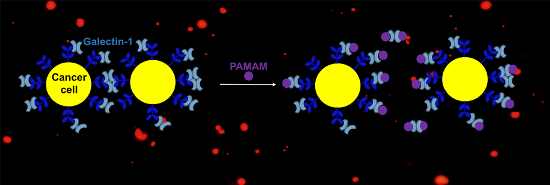
- ) through bivalent binding of 90K/Mac-2BP, a cell surface glycoprotein [29]. To further the understanding of structural specificity in binding events, Iurisci et al. designed multivalent oligosaccharide ligands to inhibit galectin-1 induced homotypic cellular aggregation in the A375 cell line [30]. Belitsky




Automated solid-phase synthesis of oligosaccharides containing sialic acids
Beilstein J. Org. Chem. 2015, 11, 617–621, doi:10.3762/bjoc.11.69
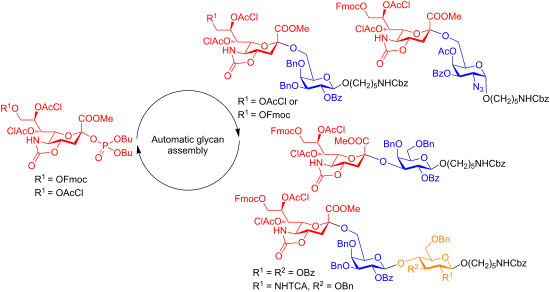
- latter linkage has to be incorporated either by using a preformed sialic acid–Gal disaccharide building block [11] or by enzymatic sialylation [27] following the cleavage and deprotection of an oligosaccharide. Terminal sialic acids are typically α-(2,3) or α-(2,6) linked to galactose (Gal) such as in


Binding mode and free energy prediction of fisetin/β-cyclodextrin inclusion complexes
Beilstein J. Org. Chem. 2014, 10, 2789–2799, doi:10.3762/bjoc.10.296
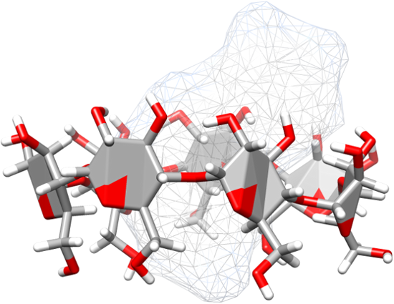
- cell defense and cell protection from oxidative conditions [15]. Though several pharmaceutical uses of fisetin are possible, the application is frequently confined by its low water solubility (<1 mg/g) [16]. β-Cyclodextrin (β-CD, Figure 2) is a cyclic oligosaccharide composed of seven α-D-glucopyranose


Galactan synthesis in a single step via oligomerization of monosaccharides
Beilstein J. Org. Chem. 2014, 10, 2658–2663, doi:10.3762/bjoc.10.279
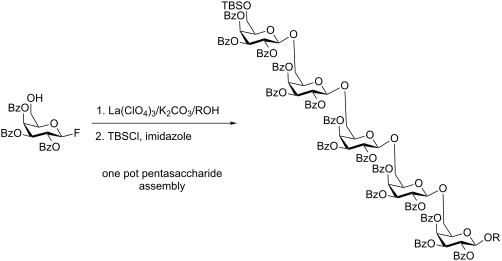
- : arabinogalactan protein; glycosyl fluoride; glycosylation; oligosaccharides; Introduction Despite numerous recent advances in the synthesis of complex oligosaccharides, unlike polypeptide or oligonucleotide assembly, their preparation remains far from a routine endeavor. The critical step in oligosaccharide
- assembly is the construction of the acetal or ketal glycosidic bond that links individual sugar residues together. The synthesis of an n-mer oligosaccharide generally requires at least n−1 separate glycosylation reactions, regardless of whether the molecule is assembled in a linear or convergent manner
- . Additionally, numerous other steps involving protecting group removal and installation are required to assure regio- and stereoselective glycan assembly. One-pot strategies for oligosaccharide synthesis can streamline the process by sequential iterative glycosylations, without the need for work-up and


Synthesis of aromatic glycoconjugates. Building blocks for the construction of combinatorial glycopeptide libraries
Beilstein J. Org. Chem. 2014, 10, 2453–2460, doi:10.3762/bjoc.10.256
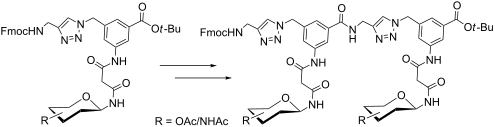
- acids; aniline; carbohydrates; glycoconjugates; glycopeptides; Introduction Glycans or other complex oligosaccharide structures, present on the surface of every prokaryotic and eukaryotic cell, are important for a large number of biological recognition processes like, for example, intercellular
- difficult due to the micro heterogenity of naturally occurring saccharides. For this reason chemical oligosaccharide synthesis is the only alternative for providing sufficient amounts of pure material for detailed biological studies. However, the synthetic preparation of complex oligosaccharides is still
- difficult despite the great achievements in this field during the past decades. Therefore, the application of oligosaccharide mimetics which may be synthesized more easily in larger amounts appears to be a useful tool to investigate, for instance, specific carbohydrate–protein or carbohydrate–carbohydrate


A versatile δ-aminolevulinic acid (ΑLA)-cyclodextrin bimodal conjugate-prodrug for PDT applications with the help of intracellular chemistry
Beilstein J. Org. Chem. 2014, 10, 2414–2420, doi:10.3762/bjoc.10.251
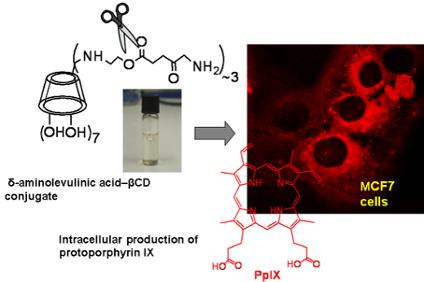
- , with inherently poor cell permeability and consequently challenging pharmaceutical formulations [5]. We have recently published [6] the covalent conjugation of PpIX to β-cyclodextrin (β-CD), a water-soluble cyclic oligosaccharide host capable of carrying hydrophobic molecules, such as drugs, in its


Synthesis of novel conjugates of a saccharide, amino acids, nucleobase and the evaluation of their cell compatibility
Beilstein J. Org. Chem. 2014, 10, 2406–2413, doi:10.3762/bjoc.10.250

- order: saccharide–amino acids–nucleobase (i.e., SAN-type, 1–4). Although oligosaccharide moieties serve as constituents of glycoproteins in a broad range of cell–cell and cell–matrix recognition events, the introduction of glucuronic acid into peptides at the N-terminus (Figure 1) is rare and worth the


Synthesis and immunological evaluation of protein conjugates of Neisseria meningitidis X capsular polysaccharide fragments
Beilstein J. Org. Chem. 2014, 10, 2367–2376, doi:10.3762/bjoc.10.247
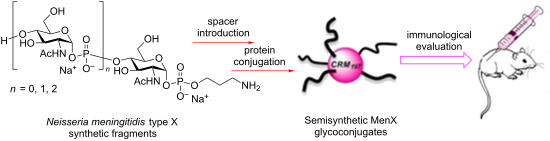
- into a mixture of bis(N-succinimidyl) adipate (10 equiv) in DMSO (250 μL). After 3 hours under vigorous stirring, the activated oligosaccharide was purified by precipitation of the reaction mixture in nine volumes (9 mL) of ethyl acetate. The pellet obtained by subsequent centrifugation was washed with


Expanding the scope of cyclopropene reporters for the detection of metabolically engineered glycoproteins by Diels–Alder reactions
Beilstein J. Org. Chem. 2014, 10, 2235–2242, doi:10.3762/bjoc.10.232
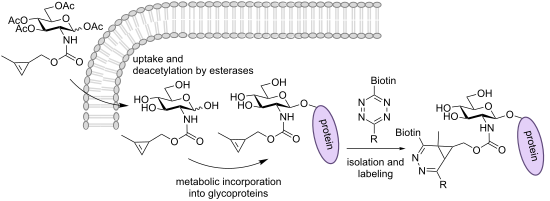
- Biology and Konstanz Research School Chemical Biology (KoRS-CB), Universitätsstraße 10, 78457 Konstanz, Germany 10.3762/bjoc.10.232 Abstract Monitoring glycoconjugates has been tremendously facilitated by the development of metabolic oligosaccharide engineering. Recently, the inverse-electron-demand
- ; metabolic oligosaccharide engineering; Introduction The glycan chains of glycoproteins and lipids have been shown to be involved in numerous biological recognition and regulation events [1]. Glycan research, especially the visualization of glycoconjugates in vitro and in vivo, has significantly profited
- from the recent developments in the area of metabolic oligosaccharide engineering (MOE) and the chemical reporter strategy [2][3][4]. In this approach, functional groups with a unique reactivity are incorporated into glycoconjugates via the cell’s biosynthetic machinery and are subsequently reacted in



Efficient routes toward the synthesis of the D-rhamno-trisaccharide related to the A-band polysaccharide of Pseudomonas aeruginosa
Beilstein J. Org. Chem. 2014, 10, 1488–1494, doi:10.3762/bjoc.10.153
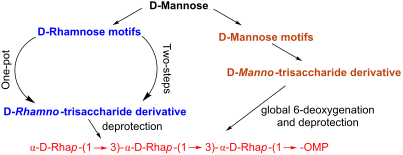
- -rhamno-trisaccharide; deoxygenation on thioglycoside; multivalent glycosystems; one-pot sequential glycosylation; Pseudomonas aeruginosa; Introduction With the firm establishment of the critical roles played by oligosaccharides in diverse biological processes [1][2][3][4], the field of oligosaccharide
- candidates. Thus, we targeted the trisaccharide [α-D-Rhap-(1→3)-α-D-Rhap-(1→3)-α-D-Rhap] as our synthetic goal toward construction of a probable vaccine candidate against P. aeruginosa. The synthesis of the D-rhamnose-based oligosaccharide from the D-mannose motif has received substantial attention over the
- -manno-trisaccharide derivative (bearing 4,6-O-benzylidene protection on each mannose unit) offer great potential in future oligosaccharide syntheses based on 6-deoxy hexoses. Repeating unit of the A-band polysaccharide of P. aeruginosa. Retrosynthetic analysis. Preparation of the monomeric building


Postsynthetic functionalization of glycodendrons at the focal point
Beilstein J. Org. Chem. 2014, 10, 1482–1487, doi:10.3762/bjoc.10.152
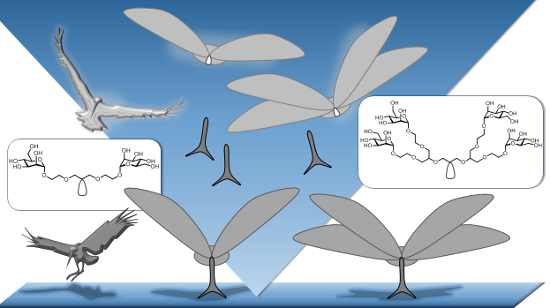
- more complex glycodendrons, including the use of alternative protecting groups. Certainly, thiol-ene and metathesis reaction should be particularly useful also for oligosaccharide glycodendrons, which might be even more sensitive than the herein used molecules. a) Dendrons (right) are branched


Olefin cross metathesis based de novo synthesis of a partially protected L-amicetose and a fully protected L-cinerulose derivative
Beilstein J. Org. Chem. 2014, 10, 1023–1031, doi:10.3762/bjoc.10.102
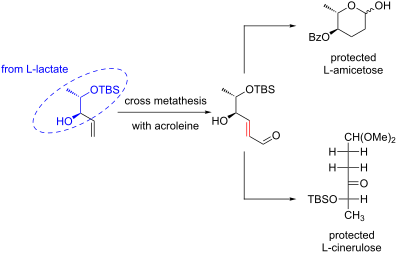
- or more oligosaccharide side chains [1]. While it was assumed for quite some time that the carbohydrate side chain merely influences the pharmacokinetics, more recent investigations led to the conclusion that the oligosaccharide moiety contributes essentially to the mechanisms of action, e.g


Molecular architecture with carbohydrate functionalized β-peptides adopting 314-helical conformation
Beilstein J. Org. Chem. 2014, 10, 948–955, doi:10.3762/bjoc.10.93

- attracted interest due to their use as structural elements as peptidomimetics [38][39], oligosaccharide mimetics [40][41] and induction of secondary structures [42][43][44][45][46]. Carbohydrate-derived β-amino acids used in this study were obtained by conjugate addition (Michael addition) of ammonia to a