


Search results
Search for "bacteria" in Full Text gives 370 result(s) in Beilstein Journal of Organic Chemistry. Showing first 200.
Cyclometalated iridium complexes-catalyzed acceptorless dehydrogenative coupling reaction: construction of quinoline derivatives and evaluation of their antimicrobial activities
Beilstein J. Org. Chem. 2022, 18, 1507–1517, doi:10.3762/bjoc.18.159
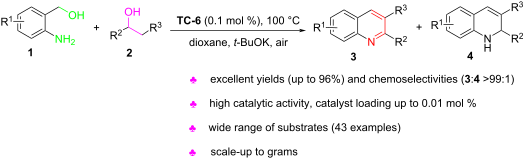
- against Gram-positive bacteria and compound 3ck against C. albicans were better than the reference drug norfloxacin. Keywords: acceptorless dehydrogenative coupling reaction; antibacterial; cyclometalated iridium complexes; quinolines; Introduction As an important class of heterocyclic compounds
- -triazoquinoline derivatives, and the biological activity evaluation showed that most of the compounds had a higher antibacterial activity (the optimal MIC value was 6.25 mg/mL) against Gram-positive bacteria, Gram-negative bacteria and all tested fungi than the standard ciprofloxacin (Figure 1a). Bodke's group
- Gram-positive bacteria. In particular, the antibacterial activity of compound 3ad against Staphylococcus aureus (MIC = 2 μg/mL) was much higher than that of the positive control norfloxacin. Meanwhile, the antifungal activity of compound 3ck (MIC = 64 μg/mL) was stronger than norfloxacin. However, 3an


Characterization of a new fusicoccane-type diterpene synthase and an associated P450 enzyme
Beilstein J. Org. Chem. 2022, 18, 1396–1402, doi:10.3762/bjoc.18.144
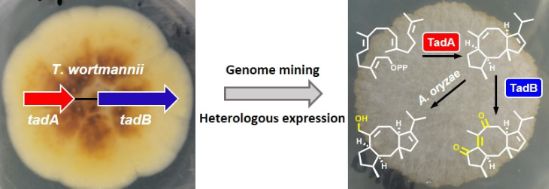
- their abundant structural architectures [1]. Fusicoccane (FC)-type terpenoids are a subgroup of diterpenoids possessing a unique 5-8-5 tricyclic skeleton, which can be produced by plants, fungi and bacteria [2]. This type of diterpenoids, represented by fusicoccin A and cotylenin A, can serve as
- nature. To date, only five distinct FC-type DTSs, including fungi-derived PaFS/SdnA/MgMS and bacteria-derived CotB2/CpCS, have been reported (Figure 1) [20][21][22][23][24], implying that there still exists a large enzymatic space remaining to be explored. Herein, we characterize a two-gene cluster from


On drug discovery against infectious diseases and academic medicinal chemistry contributions
Beilstein J. Org. Chem. 2022, 18, 1355–1378, doi:10.3762/bjoc.18.141
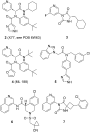
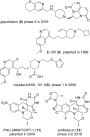
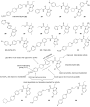
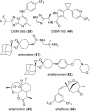
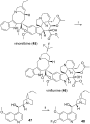
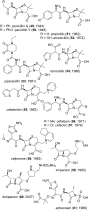
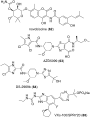
- ] was a SmithKline Beecham/GSK patent which disclosed in 1999 the effect on the growth of Gram-negative and Gram-positive bacteria of compounds such as E-105 (9) [116]. Extensive hit to lead programs were undertaken in quite a few pharmaceutical companies and in 2008 Novexel, a spinoff of Aventis/Sanofi







Synthesis of tryptophan-dehydrobutyrine diketopiperazine and biological activity of hangtaimycin and its co-metabolites
Beilstein J. Org. Chem. 2022, 18, 1159–1165, doi:10.3762/bjoc.18.120
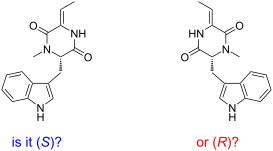
- inactivity of 4 against bacteria was confirmed in this study, and also 2 is an inactive metabolite of S. spectabilis, while for 1 moderate growth retardation against A. baumannii and B. subtilis, and growth inhibition against PMBN-treated E. coli was observed. However, the low activity of 1 in these assays
- , growth control (no inhibitor), SC, sterile control (no bacteria), DMSO, culture medium supplemented with 1% DMSO, reflecting the DMSO concentrations in the hangtaimycin-containing samples. Structures of hangtaimycin (1) and its co-metabolites. First synthetic route towards TDD (4). Second synthetic route


Experimental and theoretical studies on the synthesis of 1,4,5-trisubstituted pyrrolidine-2,3-diones
Beilstein J. Org. Chem. 2022, 18, 1140–1153, doi:10.3762/bjoc.18.118
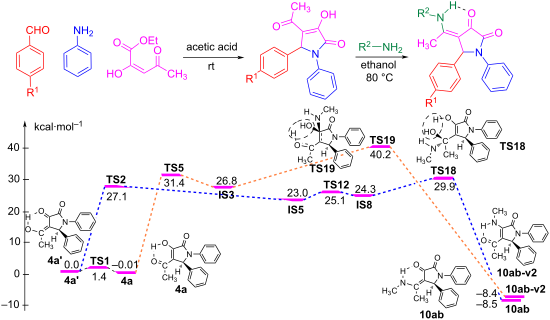
- the fungal endophyte Acremonium zeae and its chemical structure was elucidated in 2002 (Figure 2). This natural 3-pyrrolin-2-one derivative exhibits potent antivity against Gram-positive bacteria [12]. Moreover, 1,5-dihydro-2H-pyrrol-2-ones and especially, 3-hydroxy-1,5-dihydro-2H-pyrrol-2-ones are
- also important substructures in a variety of non-natural compounds and their pharmacological effects against bacteria [13][14][15][16], inflammation [17][18], viruses [19], radical [20], and cancer [21][22][23][24][25][26] have been proven. It is undoubtedly true that heterocyclic compounds containing


A Streptomyces P450 enzyme dimerizes isoflavones from plants
Beilstein J. Org. Chem. 2022, 18, 1107–1115, doi:10.3762/bjoc.18.113
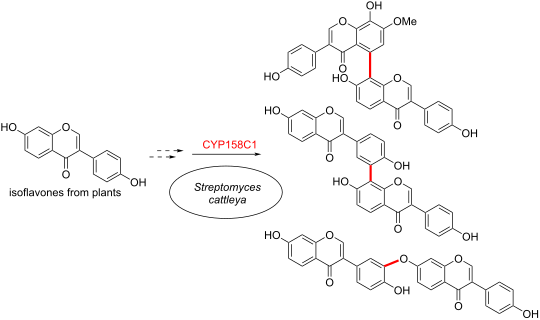
- , which extends the insights into P450-mediated biaryl coupling reactions in biosynthesis. Keywords: biaryl coupling; cytochrome P450; dimerization; isoflavone; natural product; Introduction Dimerization is a ubiquitous biotransformation in nature. Almost all forms of life, including bacteria, fungi
- [1][10][11][12][13][14]. In plants and fungi, laccases and cytochrome P450 monooxygenases play pivotal roles in the biaryl bond formation of various polyketide dimers [10][15][16]. In contrast, in bacteria, P450 enzymes are the dominant catalysts, but no laccases have been reported for dimerization
- of polyphenols in plants is mostly catalyzed by laccases, the dimerization of (iso)flavones by a P450 in Streptomyces may represent a convergent evolution in enzyme chemistry between plants and bacteria. Conclusion In conclusion, we have characterized three novel isoflavone dimers from S. cattleya


New azodyrecins identified by a genome mining-directed reactivity-based screening
Beilstein J. Org. Chem. 2022, 18, 1017–1025, doi:10.3762/bjoc.18.102
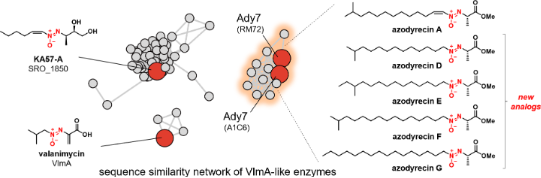
- , antifungal, nematicidal, and cytotoxic activities (Figure 1) [1][2][3]. Since the discovery of the natural azoxy compound macrozamin in 1951 as the first example of a nitrogen–nitrogen bond-containing natural product [4], azoxy compounds have been isolated from various natural sources including bacteria




Efficient production of clerodane and ent-kaurane diterpenes through truncated artificial pathways in Escherichia coli
Beilstein J. Org. Chem. 2022, 18, 881–888, doi:10.3762/bjoc.18.89
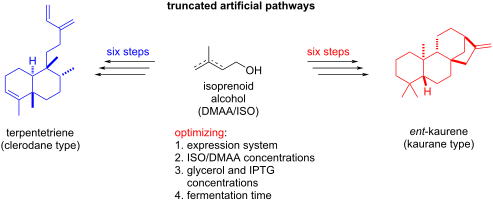
- diterpenoids are two categories of diterpenoids that are widely distributed in terrestrial plants, fungi, and a few bacteria and possess broad pharmacological bioactivities [1][2][3]. Representative natural products containing these skeletons are terpentecin (cytotoxic and antibiotic), salvinorin A (kappa


The stereochemical course of 2-methylisoborneol biosynthesis
Beilstein J. Org. Chem. 2022, 18, 818–824, doi:10.3762/bjoc.18.82
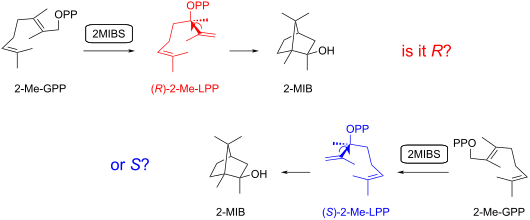
- recognized that many soil bacteria including various genera from the actinobacteria [3][4][5][6][7] and myxobacteria [8] produce the volatile musty odour compound 2-methylisoborneol (1). The compound is also found in marine Streptomyces strains [9] and aquatic cyanobacteria that can cause drinking water
- from Micromonospora humi can convert DMAPP into (R)-2-Me-IPP with a methyltransferase [27], naturally providing the C6 building block for this hypothetical alternative pathway towards 1 (Scheme 1B). Today the genomes of many bacteria from the genus Streptomyces have been made available, showing that
- the genes for the biosynthesis of 1 are present in about half of the species [28], which is reflected by the frequent detection of 1 among the volatiles emitted by a large number of streptomycetes and closely related bacteria [3][4][5][6][7]. A series of side products of the 2MIBS has been identified


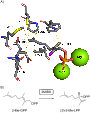


Identification of the new prenyltransferase Ubi-297 from marine bacteria and elucidation of its substrate specificity
Beilstein J. Org. Chem. 2022, 18, 722–731, doi:10.3762/bjoc.18.72
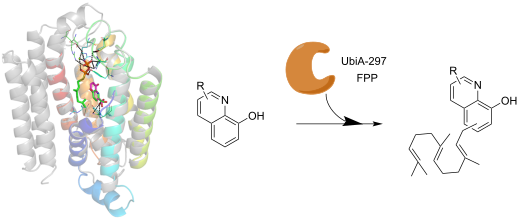
- prenyltransferase; Introduction Marine bacteria harbor an enormous potential to produce structurally diverse natural products, including prenylated aromatic metabolites [1][2]. Prenylation of metabolites most often confers increased biological activities due to enhanced lipophilicity, solubility, and improved
- biosynthetic repertoire of marine bacteria [14][15], the diversity of the encoded and yet often unexplored bacterial Ptases of Flavobacteria and Saccharomonospora strains sparked our interest. In this study we investigated three yet poorly described homologous Ptases within the UbiA superfamily and evaluated
- their substrate scope by heterologous production and enzymatic bioassays. Results of our study showcase that marine bacteria harbor still a broad unexplored enzymatic repertoire. Results and Discussion In silico analysis of Ptases in marine Flavobacteria and the genus Saccharomonospora In a first step


Structural basis for endoperoxide-forming oxygenases
Beilstein J. Org. Chem. 2022, 18, 707–721, doi:10.3762/bjoc.18.71
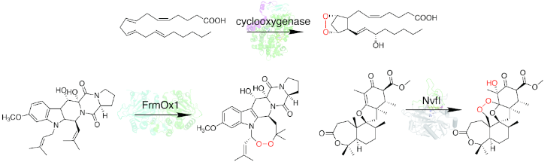
- endoperoxide containing alkaloids, terpenoids, and polyketides have been isolated from plants, animals, bacteria, fungi, and other organisms (Figure 1) [6][7]. Because of the high reactivity of the cyclic peroxide O–O bond, these compounds exhibit various biological activities [1][2][3][4][5]. For example


Cholyl 1,3,4-oxadiazole hybrid compounds: design, synthesis and antimicrobial assessment
Beilstein J. Org. Chem. 2022, 18, 631–638, doi:10.3762/bjoc.18.63
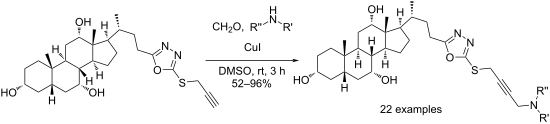
- acid with the heterocyclic moiety 1,3,4-oxadizole was synthesized, and tested for antimicrobial activity against Gram-positive, Gram-negative bacteria, and fungi. Among the synthesized compounds, the most potent derivatives against S. aureus were 4t, 4i, 4p, and 4c with MIC values between 31 and 70 µg
- /mL, while compound 4p was the most active one against Bacillus subtilis with a MIC value of 70 µg/mL. Interestingly, compounds 4a and 4u exerted selective activity against Gram-positive bacteria. The synthesized compounds showed good activity against A. fumigatus and C. albicans and compound 4v
- exhibited selective activity against fungi only. Keywords: antibacterial; cholic acid; heterocyclic; Mannich reaction; oxadiazole; Introduction Microbial infections caused by Gram-negative and Gram-positive bacteria embarrass the health care system worldwide [1]. Pathogens such as Escherichia coli


The asymmetric Henry reaction as synthetic tool for the preparation of the drugs linezolid and rivaroxaban
Beilstein J. Org. Chem. 2022, 18, 438–445, doi:10.3762/bjoc.18.46
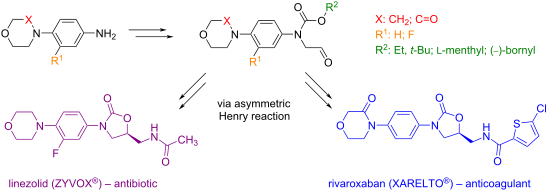
- -2-one antibiotics only the S-enantiomers are able to block bacterial ribosomes, which leads to the prevention of translation processes in bacteria [9][10]. With regards to these facts, a high enantiomeric purity is one of the fundamental requirements in the production of such pharmaceutical


Amamistatins isolated from Nocardia altamirensis
Beilstein J. Org. Chem. 2022, 18, 360–367, doi:10.3762/bjoc.18.40
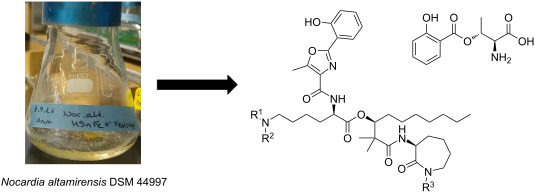
- must be able to control the uptake of this important nutrient from the environment. In bacteria and fungi this is usually accomplished with the help of siderophores [2]. Siderophores are small molecules which, upon secretion, solubilize and coordinate ferric iron with high affinity. The ability to bind
- filamentous Actinobacteria, which live as saprophytes and were reported from a variety of environments. Although the soil is likely the primary reservoir of these bacteria, a considerable number of Nocardia strains was isolated from human tissue and can be associated with infectious diseases [5]. The genus


Anomeric 1,2,3-triazole-linked sialic acid derivatives show selective inhibition towards a bacterial neuraminidase over a trypanosome trans-sialidase
Beilstein J. Org. Chem. 2022, 18, 208–216, doi:10.3762/bjoc.18.24
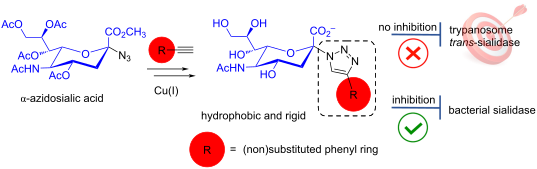
- (GH) families and play fundamental roles in the biology of humans, viruses, bacteria and parasitic protozoa by cleaving glycosidic linkages and releasing (or transferring) sialic acid from sialylated substrates [2]. In fact, sialidases have been associated with the pathogenesis of various diseases and



Glycosylated coumarins, flavonoids, lignans and phenylpropanoids from Wikstroemia nutans and their biological activities
Beilstein J. Org. Chem. 2022, 18, 200–207, doi:10.3762/bjoc.18.23
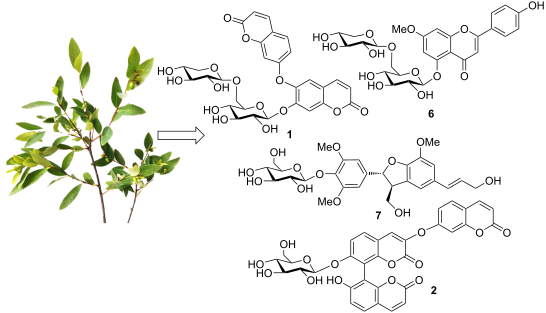
- antimicrobial activities [27], the antimicrobial activity of compounds 1–4 was also evaluated against the bacteria Escherichia coli, Staphylococcus aureus subsp. aureus, Salmonella enterica subsp. enterica, and Pseudomonas aeruginosa. However, all of them were found to be devoid of inhibitory activity (MIC >250
- assay was conducted by the previously described method [29]. Add the sample to be tested into the 96-well culture plate, the maximum concentration of the used compounds was 100 μM. Add bacteria liquid to each well, the final concentration is 5 × 10⁵ CFU/mL. Incubate at 37 °C for 24 h, the OD value at



Tenacibactins K–M, cytotoxic siderophores from a coral-associated gliding bacterium of the genus Tenacibaculum
Beilstein J. Org. Chem. 2022, 18, 110–119, doi:10.3762/bjoc.18.12
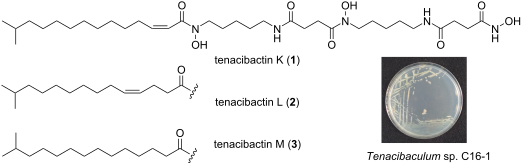
- repeated cadaverine–succinic acid motifs terminated by a hydroxamic acid functionality, were elucidated by NMR and negative MS/MS experiments. Compounds 1–3 were inactive against bacteria and a yeast but displayed cytotoxicity against 3Y1 rat embryonic fibroblasts and P388 murine leukemia cells at GI50 in
- attractive resource of new therapeutics, which are not found from terrestrial bioresources [4][5][6]. While a large majority of marine microbe-derived natural products are from fungi and actinomycetes, less attention has been paid to non-actinomycetal bacteria [6][7][8][9]. Particularly, secondary
- metabolites from Gram-negative bacteria are still quite limited, despite the predominance of this group in the marine environment [10][11]. The genus Tenacibaculum belongs to the family Flavobacteriaceae within the phylum Bacteroidetes. Members of this genus are Gram-negative, aerobic, motile by gliding, and


1,2-Naphthoquinone-4-sulfonic acid salts in organic synthesis
Beilstein J. Org. Chem. 2022, 18, 53–69, doi:10.3762/bjoc.18.5
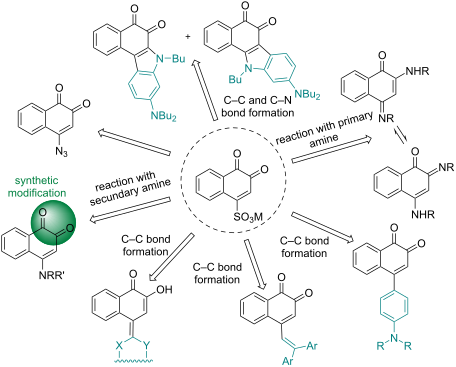
- hydrocarbons (PAHs) [5][6]. Among all of the compounds in this class, 1,2- and 1,4-naphthoquinones stand out, as they are present in plants, fungi, lichens, bacteria, algae, viruses, insects, and higher organisms and perform several biochemical functions, such as defense, transference of electrons in various
- the synthesis of dyes. Then, he prepared several naphthalene sulfonic derivatives and tested them for their effects on bacteria and viruses, but none of the compounds presented important activity. Hashimoto and co-workers [54] were the first to apply β-NQSNa for the qualitative analysis of


Unsaturated fatty acids and a prenylated tryptophan derivative from a rare actinomycete of the genus Couchioplanes
Beilstein J. Org. Chem. 2021, 17, 2939–2949, doi:10.3762/bjoc.17.203
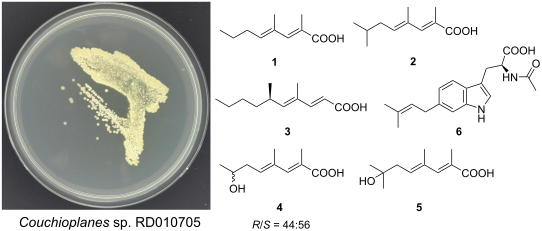
- were weakly inhibitory against Kocuria rhizophila at MIC 100 μg/mL and none were cytotoxic against P388 at the same concentration. Keywords: Couchioplanes; prenylated tryptophan; rare actinomycete; unsaturated fatty acid; Introduction Actinomycetes, a subgroup of filamentous Gram-positive bacteria
- H-13 (Figure 6). Thus, an S-configuration, corresponding to an ʟ-chirality for tryptophan, was assigned. Compounds 1–6 were not cytotoxic against P388 murine leukemia cells (IC50 > 100 μM), nor antimicrobial against five bacteria, Bacillus subtilis, Staphylococcus aureus, Ralstonia solanacearum
- necessary for their biosynthesis. Prenylated indoles are widely distributed among bacteria, fungi and plants, and all seven positions are subject of prenylation except for the bridgehead carbons [34]. Compound 6 is the acetylated derivative of 6-(3,3-dimethylallyl)-ʟ-tryptophan from Streptomyces sp. SN-593


Total synthesis of the O-antigen repeating unit of Providencia stuartii O49 serotype through linear and one-pot assemblies
Beilstein J. Org. Chem. 2021, 17, 2915–2921, doi:10.3762/bjoc.17.199
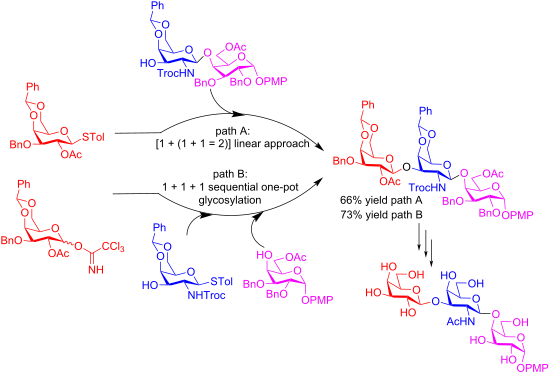
- Tanmoy Halder Somnath Yadav Department of Chemistry, Indian Institute of Technology (ISM), Dhanbad, 826004, Jharkhand, India 10.3762/bjoc.17.199 Abstract Capsular polysaccharides of pathogenic bacteria have been reported to be effective vaccines against diseases caused by them. Providencia
- polysaccharides are one of the important constituents of the surface lipopolysaccharides (LPS) of the cell wall of Gram-negative bacteria. These antigens are responsible for several functions that include adhesion to the host cells and are also found to contribute to the evasion of the host immune responses
- ]. Providencia is a genus of Gram-negative bacteria that belongs to the enterobacteria family and is responsible for causing several enteric infections including urinary tract infections. Providencia includes mainly five virulent species – P. alcalifaciens, P. rettgeri, P. rustigianii, P. stuartii, and P


Host–guest interaction and properties of cucurbit[8]uril with chloramphenicol
Beilstein J. Org. Chem. 2021, 17, 2832–2839, doi:10.3762/bjoc.17.194
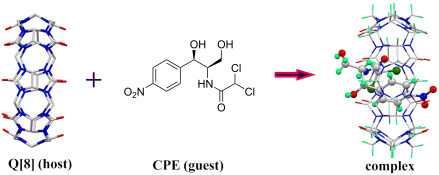
- Streptomyces venezuelae [1], which has a certain inhibitory effect on many Gram-positive and -negative cocci bacteria, as well as anaerobic bacteria [2], and is used for the treatment of typhoid, meningitis, chlamydia, eye infections, purulent wounds and other diseases [3]. Chloramphenicol is slightly soluble
- properties than CPE alone. Ana I. Ramos et al. [7] studied the inclusion compound of CPE and cyclodextrin and reported its effect on Enterococcus, Bacillus, Staphylococcus and other bacteria. As a new type of supramolecular host compound, cucurbit[n]urils [8][9][10][11][12][13][14][15][16][17][18][19] (Q[n]s


Biological properties and conformational studies of amphiphilic Pd(II) and Ni(II) complexes bearing functionalized aroylaminocarbo-N-thioylpyrrolinate units
Beilstein J. Org. Chem. 2021, 17, 2812–2821, doi:10.3762/bjoc.17.192
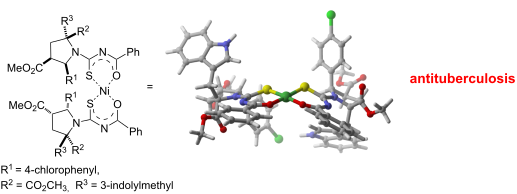
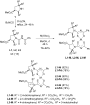
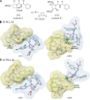
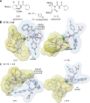
- spectroscopic techniques. The biological properties of the freshly prepared compounds were screened against S. aureus, B. subtilis, A. hydrophila, E. coli, and A. baumannii bacteria and antituberculosis activity against M. tuberculosis H37Rv strains. Also, the antifungal activity was studied against C. albicans
- organometallic compounds were screened for their antibacterial activity against a range of Gram-positive (Staphylococcus aureus, Bacillus subtilis) and Gram-negative (Aeromonas hydrophila, Escherichia coli, Acinetobacter baumannii) bacteria and antimycobacterial activity against M. tuberculosis H37Rv strains
- anti(myco)bacterial and antifungal activity of newly prepared organometallic compounds were investigated against some Gram-positive, Gram-negative bacteria, M. tuberculosis H37Rv strains and C. albicans, C. tropicalis, C. glabrata fungi. The screened novel complexes showed different degrees of

Cryogels: recent applications in 3D-bioprinting, injectable cryogels, drug delivery, and wound healing
Beilstein J. Org. Chem. 2021, 17, 2553–2569, doi:10.3762/bjoc.17.171
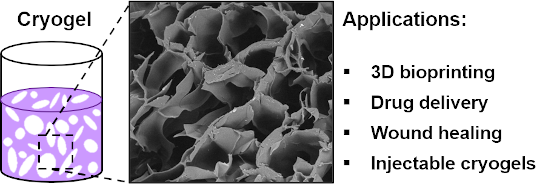
- explored [43], as within the colon are many polysaccharides and a large number of bacteria which secrete enzymes [41]. Within this work, varying the concentration of various pH-sensitive polymers was considered in terms of swelling, and it was shown that abrupt changes in swelling could be obtained at a






Visible-light-mediated copper photocatalysis for organic syntheses
Beilstein J. Org. Chem. 2021, 17, 2520–2542, doi:10.3762/bjoc.17.169
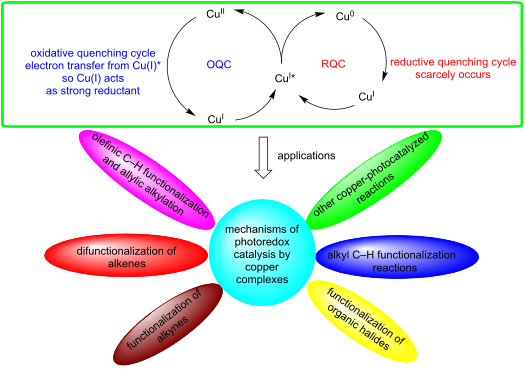
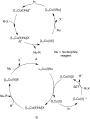
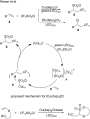
- ; mechanisms of copper photocatalysis; photoinduced copper-based catalysis; photoredox catalysis; special features of copper photocatalysis; Introduction Solar light is an inexhaustible and free energy source for green plants and bacteria. Photosynthetic organisms absorb solar energy and convert it into






Targeting active site residues and structural anchoring positions in terpene synthases
Beilstein J. Org. Chem. 2021, 17, 2441–2449, doi:10.3762/bjoc.17.161
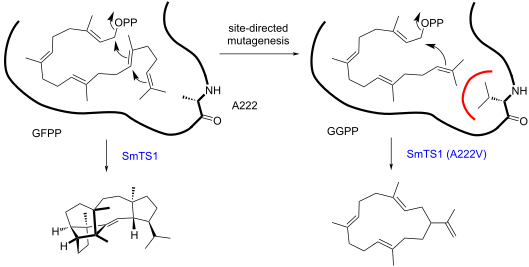
- from Streptomyces mobaraensis (SmTS1) represents the first identified type I sesterterpene synthase (StTPS) from bacteria [16]. This enzyme converts GFPP into multiple products seven of which could be isolated and structurally characterised as sestermobaraenes A–F (1–6) and sestermobaraol (7) (Figure 2





