Search results
Search for "binding site" in Full Text gives 186 result(s) in Beilstein Journal of Organic Chemistry.
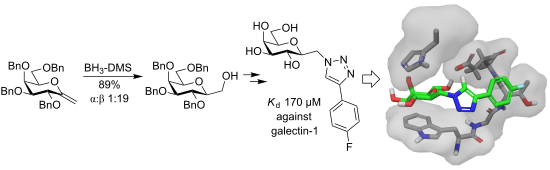
Stereo- and regioselective hydroboration of 1-exo-methylene pyranoses: discovery of aryltriazolylmethyl C-galactopyranosides as selective galectin-1 inhibitors
Beilstein J. Org. Chem. 2019, 15, 1046–1060, doi:10.3762/bjoc.15.102


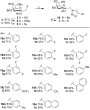

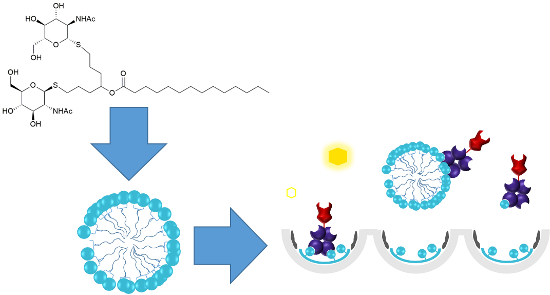
Towards the preparation of synthetic outer membrane vesicle models with micromolar affinity to wheat germ agglutinin using a dialkyl thioglycoside
Beilstein J. Org. Chem. 2019, 15, 937–946, doi:10.3762/bjoc.15.90
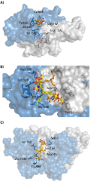
- sites as it was observed for 5C2 and 5C4. The first GlcNAc moiety of 8C2 and 8C4 interacts with Asp29A, Asp129B, Ser148B and Tyr159B and nearly superimposes with GlcNAc in the WGA crystalline structure (site D2A1). The second GlcNAc moiety is at the vicinity of Ser19A and Tyr30A residues (A2 binding
- site), therefore mimicking the binding of two GlcNAc molecules on WGA. The distance between the two GlcNAc residues is 11–12 Å [41]. The alkyl chains (acetyl or butyl) fit in the non-polar environment provided by Trp150B and by Gly158B or by the acyl moiety of Lys33A (pose B, Figure 6). Nevertheless


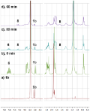


![[Graphic 2]](/bjoc/content/inline/1860-5397-15-90-i4.svg?max-width=637&scale=0.472728) ) and (○) ...
) and (○) ...
Design, synthesis and spectroscopic properties of crown ether-capped dibenzotetraaza[14]annulenes
Beilstein J. Org. Chem. 2019, 15, 617–622, doi:10.3762/bjoc.15.57

- differentiated Lewis-basic binding sites, however, from a broader perspective, the nature of the DBTAA binding site can be easily switched into a Lewis-acidic one after appropriate metal insertion (e.g., with zinc(II) ions) [33]. The crown-capped DBTAA’s were synthesized by refluxing 1,4,10-trioxa-7,13


Computational characterization of enzyme-bound thiamin diphosphate reveals a surprisingly stable tricyclic state: implications for catalysis
Beilstein J. Org. Chem. 2019, 15, 145–159, doi:10.3762/bjoc.15.15
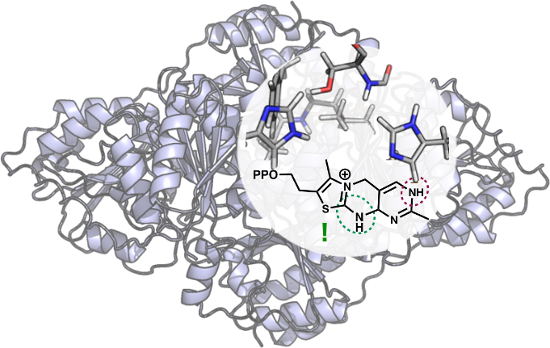
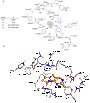
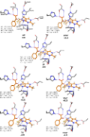
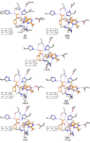
- . Keywords: binding site; DFT; enzyme mechanism; quantum chemical calculations; ThDP-dependent; Introduction Enzymes that depend on thiamin diphosphate (ThDP, Scheme 1) can be found in a wide range of metabolic pathways. Although they are known to catalyze the formation of C–N, C–O and C–S bonds, ThDP




Protein–protein interactions in bacteria: a promising and challenging avenue towards the discovery of new antibiotics
Beilstein J. Org. Chem. 2018, 14, 2881–2896, doi:10.3762/bjoc.14.267
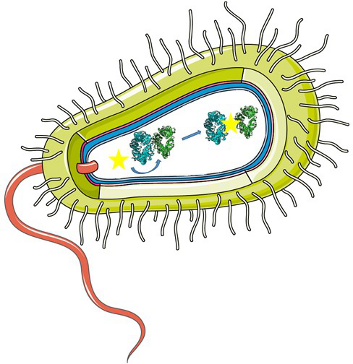
- database [82] was searched for structurally similar compounds leading to the identification of the meta-substituted tetrazole 33 (Figure 7), which was found to have a similar dissociation constant. Moreover, in order to predict the orientation of the fragments in the binding site, molecular docking of 33
- binding to the E. coli Zip A in the FtsZ binding site by means of 2D-HSQC NMR experiments and later submitted the selected compounds to cell division inhibition assays and MIC determination against a broad panel of bacterial strains which included S. aureus, B. subtilis, S. pneumoniae, H. influenzae, M
- –protein interaction, nonetheless considering the challenges involved in targeting PPIs, it is significant that the authors demonstrated by NMR that compounds from this library bind to ZipA at the FtsZ binding site and that small molecule disruptors of the ZipA/FtsZ interaction could inhibit cell division




Novel solid-phase strategy for the synthesis of ligand-targeted fluorescent-labelled chelating peptide conjugates as a theranostic tool for cancer
Beilstein J. Org. Chem. 2018, 14, 2665–2679, doi:10.3762/bjoc.14.244
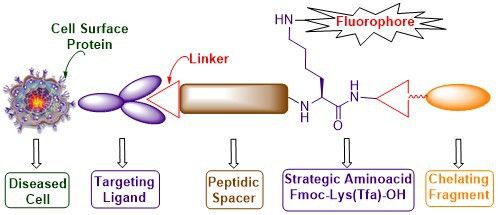
- modified by removal of the L-glutamic acid residue to give the pteroic acid moiety (Figure 2). The binding affinity of the modified folate is relatively weaker than folic acid [41]. The targeting ligand, pteroic acid, is covalently coupled to 8-aminocaprylic acid to separate the active binding site of



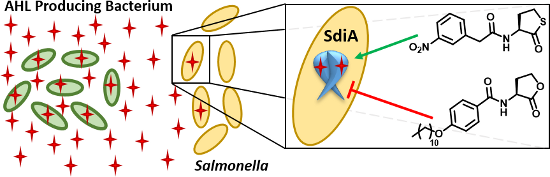
Non-native autoinducer analogs capable of modulating the SdiA quorum sensing receptor in Salmonella enterica serovar Typhimurium
Beilstein J. Org. Chem. 2018, 14, 2651–2664, doi:10.3762/bjoc.14.243
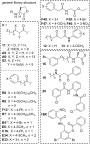
- profiles in SdiA was also of interest. Lastly, we included compound 23, 1-octanoyl-rac-glycerol (Figure 1B), in our assays as X-ray crystallographic studies revealed it was present in the AHL binding site of SdiA (from EHEC) when purified in the absence of AHL (i.e., a complex that originally was thought
- ], which has an isothiocyanate (itc) at its acyl tail terminus installed for potential covalent capture in the AHL-binding site (vide infra). These 23 compounds were selected for further characterization to determine their relative inhibitory potencies in SdiA. Characterization of the efficacies and
- , the agonism reporter assay data support SdiA as a less selective receptor for AHL-type agonists (assuming these non-native ligands target the AHL-binding site). Perhaps more interestingly, as SdiA appears to be activated strongly by non-native AHLs that typically inhibit other LuxR-type receptors



Targeting the Pseudomonas quinolone signal quorum sensing system for the discovery of novel anti-infective pathoblockers
Beilstein J. Org. Chem. 2018, 14, 2627–2645, doi:10.3762/bjoc.14.241
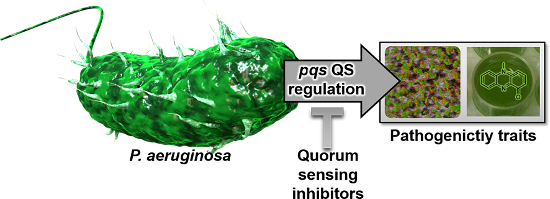
- showed activity in the nanomolar range (Figure 8). Furthermore, a tetrazolopyrimidinone scaffold 19 has been reported to inhibit PqsD through a putative blockade of the CoA binding site [61]. The Böttcher group used a library of HHQ as well as PQS analogues to screen for PqsD inhibition [62]. To this end
- 2-ABA-CoA shows a short half-life, the reaction product 2-ABA was used as a surrogate to compare its binding mode with that of the hit fragments. Even though the screening hits occupy the same binding site as the native cleavage product 2-ABA, the binding mode is different. The fragments bridge the
- -inducer binding site in complex with 36 was solved at 2.95 Å resolution (Figure 16), as well as a co-crystal structure of the native HHQ C9-congener NHQ [76] demonstrating a competitive binding mode. When compared to the native ligand NHQ, 36 shows similar hydrophobic interactions (Figure 16). In addition


Pathoblockers or antivirulence drugs as a new option for the treatment of bacterial infections
Beilstein J. Org. Chem. 2018, 14, 2607–2617, doi:10.3762/bjoc.14.239
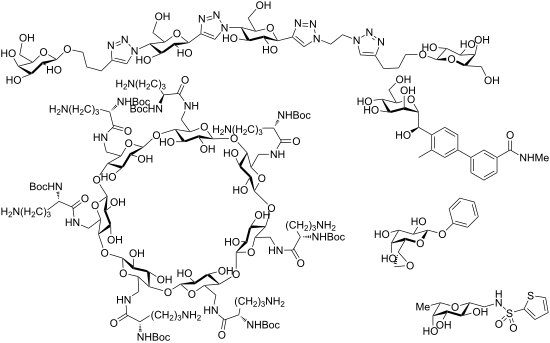
- stability [21]. Such biphenyl mannoside-derived compounds are the current state of the art and are being further developed by the company Fimbrion (St Louis, MO) in collaboration with GlaxoSmithKline. In many cases, lectins have more than one carbohydrate binding site or are clustered in proximity
- , as very potent ligands of this protein. Beyond blocking the binding site of FmlH on the pili of E. coli, these compounds proved effective at promoting eradication of bacteria from murine kidney in synergy with a mannoside for FimH [29]. P. aeruginosa is one of the highly resistant ESKAPE pathogens
- sequence of LecB differs among clinical isolates of this highly variable pathogen, with some mutations in close proximity to the carbohydrate binding site, but carbohydrate-binding function is preserved across all lectins investigated [42][43]. The glycopeptide dendrimer 13 (Figure 3) showed potent




Synthesis of 3-aminocoumarin-N-benzylpyridinium conjugates with nanomolar inhibitory activity against acetylcholinesterase
Beilstein J. Org. Chem. 2018, 14, 2545–2552, doi:10.3762/bjoc.14.231
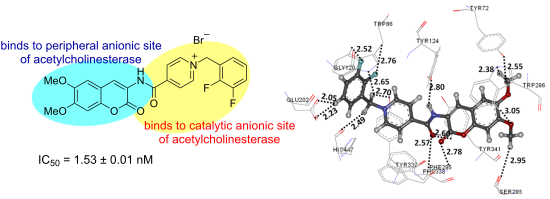
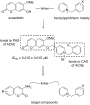
- target enzyme by a dual binding site mechanism whereby the coumarin portion binds with the peripheral anionic site while the N-benzylpyridinium residue binds with the catalytic anionic site of the enzyme. Keywords: acetylcholinesterase inhibitor; 3-aminocoumarin; N-benzylpyridinium; dual binding site
- widely accepted hypothesis. AChE inhibition can increase ACh levels in the synaptic clefts and then alleviate the cognitive deficit in AD patients. The design of novel acetylcholinesterase inhibitors (AChEIs) has been mostly based on a dual-binding site strategy whereby the designed molecules
- . Hybrid compounds such as huperzine A–tacrine hybrids [5], donepezil–tacrine hybrid related derivatives [6][7] and tacrine–indole hybrids [8] with dual-binding site properties exhibit potent AChE inhibition activities. In addition, coumarin compounds linked with various side chain moieties [9][10][11] as



The enzymes of microbial nicotine metabolism
Beilstein J. Org. Chem. 2018, 14, 2295–2307, doi:10.3762/bjoc.14.204
- kDa subunit with an FAD binding site, and an 87.7 kDa subunit containing the molybdopterin site, respectively [9][10]. Consistent with this identification, expression of the active enzyme required molybdopterin [9], and pAO1 contains a number of genes that have been identified as coding for proteins





Dynamic light scattering studies of the effects of salts on the diffusivity of cationic and anionic cavitands
Beilstein J. Org. Chem. 2018, 14, 2212–2219, doi:10.3762/bjoc.14.195
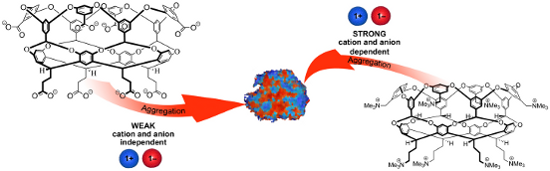
- . More specifically, both octacarboxylate 1 and positand 2 have a non-polar cavity that can function as an anion (but not to our knowledge a cation) binding site. Anion binding to the cavity of positively charged 2 is stronger than to negatively charged 1 [13][14], but nevertheless anion binding to 1 can
- be as strong as 4.60 kcal mol−1. Host 2 has a second anion binding site in the form of the crown of trimethylammoniums “under” the primary bowl [14], and correspondingly the four chelating carboxylates of the crown of 1 may be a reasonable cation binding site. Furthermore, in addition to these
- , Figure S3), which revealed only trace amounts of host aggregation (≈5%). Furthermore, even at 100 mM salt concentration, 1H NMR spectroscopy failed to show any significant association of Cs+ to the crown of four carboxylates. Thus, although this crown is the most obvious potential cation binding site, we


Tetrathiafulvalene – a redox-switchable building block to control motion in mechanically interlocked molecules
Beilstein J. Org. Chem. 2018, 14, 2163–2185, doi:10.3762/bjoc.14.190
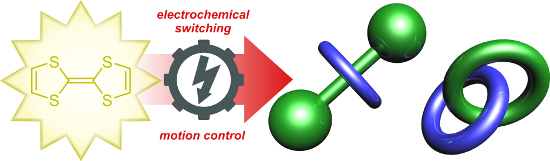
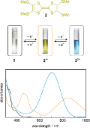
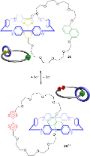
- between the TTF unit and the wheel inducing a motion of the wheel towards the now energetically preferred green-colored binding site. Therefore, the most populated and consequently the ground-state co-conformation in the oxidized state is the wheel on the green station. Because of the reversibility of TTF
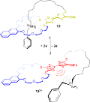
- groups of Becher and Stoddart reported on a series of similar, but non-degenerate [2]rotaxanes [74][75]. After several structural optimizations, the bistable rotaxane 14 with a high switching efficiency was reported in 2003 (Figure 12) [76]. In the unswitched state, host 3 is located at the TTF binding
- site. Chemical oxidation to the dication TTF2+ triggers a translational motion of the wheel towards the 1,5-dihydroxynaphthalene station (green) as shown by UV–vis and 2D NMR experiments. Chemical reduction with zinc powder restored the spectroscopic properties of the starting state and back-shuttling











A switchable [2]rotaxane with two active alkenyl groups
Beilstein J. Org. Chem. 2018, 14, 2074–2081, doi:10.3762/bjoc.14.181
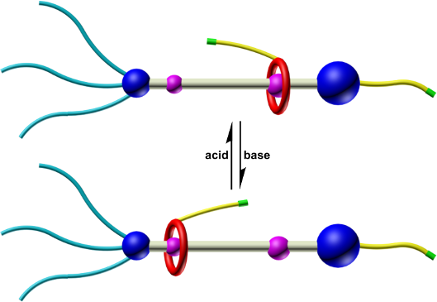
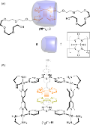
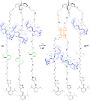
- ]rotaxane R1, the DB24C8 macrocycle is functionalized with an alkenyl unit on one of the benzene groups. Two distinguishable recognition sites, a dibenzylammonium (DBA) and an amide binding site, are introduced to the axle and linked with a long alkyl chain. The amide moiety could act as another combining


Diazirine-functionalized mannosides for photoaffinity labeling: trouble with FimH
Beilstein J. Org. Chem. 2018, 14, 1890–1900, doi:10.3762/bjoc.14.163

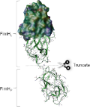
- comprising a lectin domain FimHL hosting the α-D-mannose-specific carbohydrate binding site and a pilin domain FimHP connecting the protein to the fimbrial shaft (Figure 2). Complexation of α-D-mannopyranoside ligands involves the entire mannoside glycon moiety whereas the aglycon portion sticks out of the
- binding site, undergoing interactions with the protein surface, which add to affinity. Especially CH–π or π–π interactions of a sugar ligand with the side chains of Y48 and Y137, called the “tyrosine gate” [19][20], are known to considerably increase the affinity of a specific mannoside for FimH
- mannosides 3–5 as photolabile ligands of FimH and evaluated their potential affinity by computer-aided docking. Docking studies Mannosides 3–5 (Figure 3) were docked into the FimH carbohydrate binding site using FlexX as implemented in Sybyl 6.9 [21][22][23]. Ligand structures were minimized using the Tripos




Synthesis of 9-arylalkynyl- and 9-aryl-substituted benzo[b]quinolizinium derivatives by Palladium-mediated cross-coupling reactions
Beilstein J. Org. Chem. 2018, 14, 1871–1884, doi:10.3762/bjoc.14.161
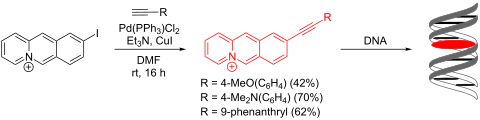
- ct DNA with the methoxy-substituted derivative 2b led to an increase of the low emission intensity by a factor of 3 (Figure 8B). Although this effect is rather small, it indicates the suppression of a deactivation pathway in the excited state upon the accommodation of 2b in a constrained binding site
- of ct DNA, presumably due to the restriction of the conformational flexibility inside the binding site [65]. Conclusion In summary, different synthetic approaches toward the Pd-mediated coupling reactions of benzo[b]quinolizinium derivatives were assessed that enable the functionalization and further


Defining the hydrophobic interactions that drive competence stimulating peptide (CSP)-ComD binding in Streptococcus pneumoniae
Beilstein J. Org. Chem. 2018, 14, 1769–1777, doi:10.3762/bjoc.14.151
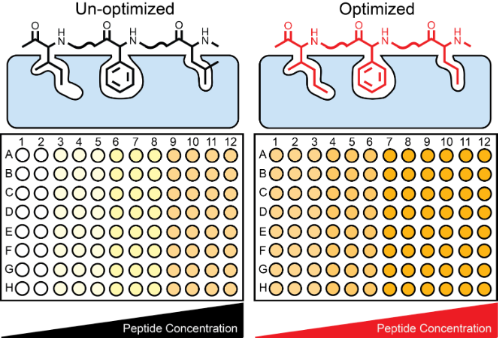
- binding site, either by not occupying the entire binding pockets or by having some unfavorable steric clashes (Figure 2). To do so, one can either use computational models, when structural information of the protein/receptor is available [30], or utilize conservative point mutations within the ligand
- CSP for the receptor binding site was evaluated using the same assay conditions as described above, except that in this case native CSP (for this purpose, CSP2) was added to every well in a set concentration (250 nM). This concentration was chosen to afford full activation of the QS circuit, as


The phenyl vinyl ether–methanol complex: a model system for quantum chemistry benchmarking
Beilstein J. Org. Chem. 2018, 14, 1642–1654, doi:10.3762/bjoc.14.140
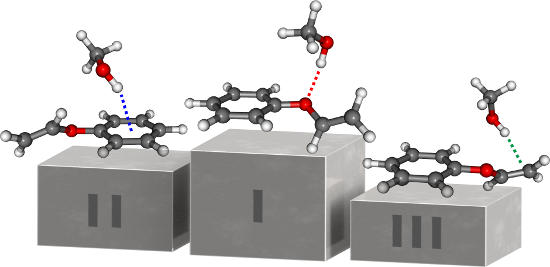
- dispersion interactions [48]. The aim of the presented study is the unambiguous experimental identification of the preferred binding site of a first methanol solvent molecule to the multivalent hydrogen bond scaffold of phenyl vinyl ether, followed by a classification of theoretical methods in terms of
- contribution from the ether oxygen to the phenyl ring. The latter leads to a slightly decreased electron density at the binding site for the methanol molecule and therefore weakens the hydrogen bond. These findings are in line with observations in previous studies on diphenyl ether–alcohol complexes [20][21


Novel unit B cryptophycin analogues as payloads for targeted therapy
Beilstein J. Org. Chem. 2018, 14, 1281–1286, doi:10.3762/bjoc.14.109
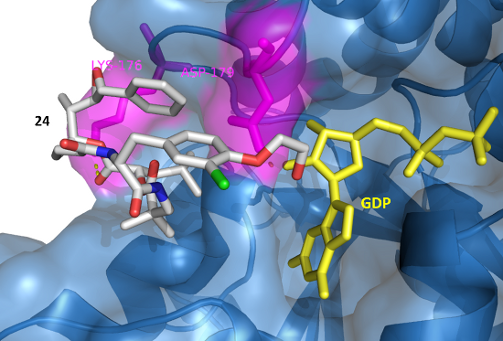
- research group. Docking and modelling of cryptophycin derivatives There is no X-ray analysis of cryptophycin–tubulin complexes available to provide information on the binding site. Based on biochemical evidence, binding close to the vinca-alkaloid binding site of β-tubulin, the so called “peptide-site
- oriented towards the GDP binding site that might influence GTP hydrolysis. Compound 22 with the triethylene glycol-based substituent prevents correct binding, the binding energy was decreased and mainly nonspecific interactions outside the binding pocket were observed (Figure 3). This was not the case for


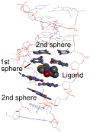
An overview of recent advances in duplex DNA recognition by small molecules
Beilstein J. Org. Chem. 2018, 14, 1051–1086, doi:10.3762/bjoc.14.93
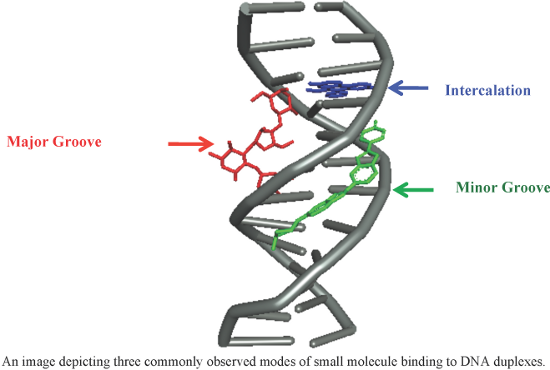
- . However, these energetic costs are balanced and outweighed by favorable contributions from the hydrophobic transfer of drugs from solution to DNA-binding site [28][29]. Groove binding usually does not influence huge structural/conformational changes in the DNA duplex; this mode of binding may be
- telomere foci clearly because of their fluorescent nature. Later on, the authors successfully designed tandem tetramer Py–Im polyamides with 4 hairpins and 3 hinges targeting 24 bp of the human telomere sequences [88]. Thus, the authors set the new record for the longest binding site of synthetic, non






Synthesis and in vitro biochemical evaluation of oxime bond-linked daunorubicin–GnRH-III conjugates developed for targeted drug delivery
Beilstein J. Org. Chem. 2018, 14, 756–771, doi:10.3762/bjoc.14.64
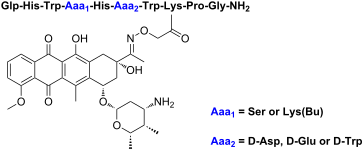
- receptor binding studies, we can assume that the binding site of the receptor is not essentially disturbed by the converted conformation, but it might be possible that the receptor internalization is influenced by the structure of the bound ligand. Considering all these data, we can conclude that the



Carbohydrate inhibitors of cholera toxin
Beilstein J. Org. Chem. 2018, 14, 484–498, doi:10.3762/bjoc.14.34
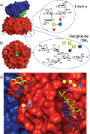
- 0.5 r.m.s.) from exact rotational symmetry. Five long α-helices surround the central cylindrical pore through which the A2-subunit is threaded. Each subunit of a B-pentamer has a single binding site for the GM1 oligosaccharide on the face of the pentamer distal to the A1-subunit [12][14]. GM1 is a
- induced upon binding [21]. More recently, a second binding site has been discovered on the edge of the B-subunit sitting closer to the A-subunit face (Figure 2) [13][22][23][24][25], This secondary binding site recognises fucosylated structures including blood group oligosaccharides of the Lewis-y family
- the highest affinity site on the SLT-1 B-subunit has a Kd of only 1 mM [26], yet the toxin achieves sub-nanomolar affinity at a cell membrane. The purpose of the CTB blood group oligosaccharide binding site remains a topic for debate, but it may be responsible for the reported blood group dependence







Stimuli-responsive oligonucleotides in prodrug-based approaches for gene silencing
Beilstein J. Org. Chem. 2018, 14, 436–469, doi:10.3762/bjoc.14.32
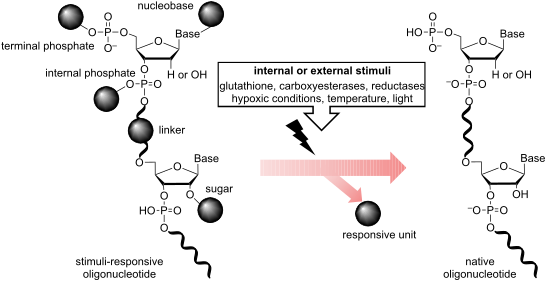
- binding site (miRNA masking) [8]. Although many ONs are under investigation for clinical use, several hurdles remain to be overcome for the exploitation of ONs as therapeutic compounds. Among the major limitations of unmodified ONs, poor stability in vivo, low delivery and lack of specificity to target


Fluorogenic PNA probes
Beilstein J. Org. Chem. 2018, 14, 253–281, doi:10.3762/bjoc.14.17
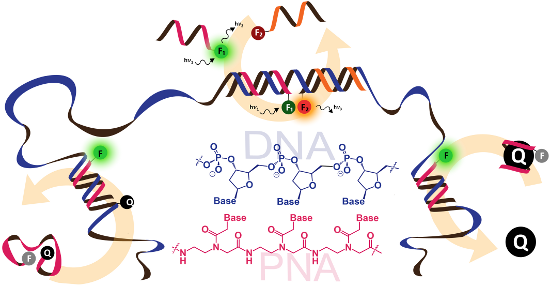
- ratio by preventing the binding of the CCP on the DNA strand in the region remote from the PNA binding site, which is quite problematic in the detection of long DNA targets derived from PCR. On the other hand, addition of an organic solvent, such as N-methylpyrrolidinone [118], or a surfactant [119][120




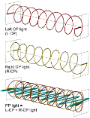
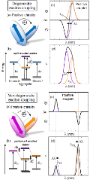
Polarization spectroscopy methods in the determination of interactions of small molecules with nucleic acids – tutorial
Beilstein J. Org. Chem. 2018, 14, 84–105, doi:10.3762/bjoc.14.5
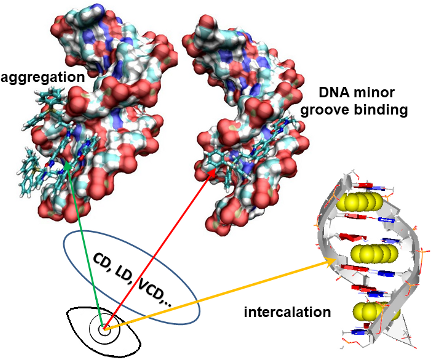
- determine exact concentrations. Also, short oligonucleotides can fail in representing a biologically significant structural model, because of heterogeneous binding sites due to the “capping” effect, whereby a ligand can bind similarly to the end base pairs and to a binding site along the helix [19
- also mentioned in chapter 2.1., achiral ligands upon binding to DNA or RNA can eventually acquire an induced CD (ICD) spectrum, especially when their transition moments are uniformly oriented with respect to the DNA/RNA binding site, which could give useful information about modes of interaction and
- ) competition experiments between two ligands aiming for the same binding site would require a specific design; and so on. 3.1. Practical information Cuvettes: quartz, preferably high-quality manufactured with precisely parallel walls (e.g., fluorimetric cuvettes) and minimal residual strain. Cylindrical cells