Search results
Search for "cellulose" in Full Text gives 105 result(s) in Beilstein Journal of Organic Chemistry.
First chemoenzymatic stereodivergent synthesis of both enantiomers of promethazine and ethopropazine
Beilstein J. Org. Chem. 2014, 10, 3038–3055, doi:10.3762/bjoc.10.322




Synthesis of uniform cyclodextrin thioethers to transport hydrophobic drugs
Beilstein J. Org. Chem. 2014, 10, 2920–2927, doi:10.3762/bjoc.10.310
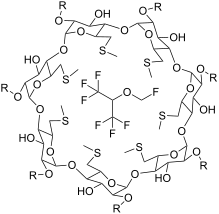
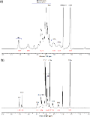
- amphiphiles, such as methyl cellulose [47], poly(N-isopropylacrylamide) (pNiPAAm) [48], and also for methylated CDs [49], and CDs completely modified with oligoethylene glycol units [50]. While the LCST transition of the statistical derivative 2b1 was within a rather broad temperature range (30–40 °C), the




Encapsulation of biocides by cyclodextrins: toward synergistic effects against pathogens
Beilstein J. Org. Chem. 2014, 10, 2603–2622, doi:10.3762/bjoc.10.273
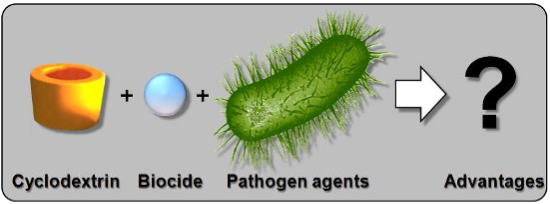
- some 2D gCOSY NMR experiments which proved the formation of inclusion complexes. The deposition of the polymer onto cellulose and the antimicrobial activity against E. coli and Salmonella revealed that triclosan was more effective. Atomic force microscopy was used to understand the biocidal mechanism
- , Dong et al. published on the inclusion of ciprofloxacin by grafting β-CD on cellulose fibers (Figure 8) [65]. The β-CD-grafted cellulose was prepared by the formation of CA-β-CD obtained after the dehydration of the two adjacent carboxyl groups of the citric acid (CA) to form a cyclic anhydride, which
- reacts with the hydroxyl groups of β-CD. Next, the CA-β-CDs were covalently bound to the hydroxyl groups of cellulose after the formation of a new cyclic anhydride. Under the best conditions ([CA-β-CD] = 300 g/L, pH 3.4, 15 min, 160 °C), the grafted ratio of β-CD onto cellulose fibers was 9.7%. The


Synthesis and characterization of a hyper-branched water-soluble β-cyclodextrin polymer
Beilstein J. Org. Chem. 2014, 10, 2586–2593, doi:10.3762/bjoc.10.271
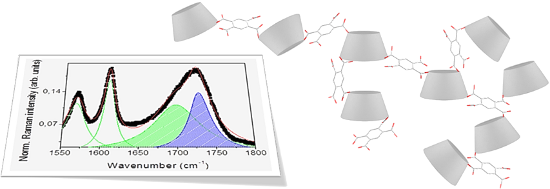
- solution in ethanol. Then, they were left to dry in air and finally heated on a hot plate. Ultrafiltration was conducted employing cellulose membrane discs with three different cut-off sizes: 3, 10 and 30 kDa. The 3 kDa membrane discs were purchased from Millipore, Bedford, USA, whereas the 10 and 30 kDa




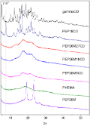
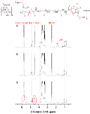
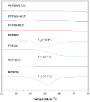
Loose-fit polypseudorotaxanes constructed from γ-CDs and PHEMA-PPG-PEG-PPG-PHEMA
Beilstein J. Org. Chem. 2014, 10, 2461–2469, doi:10.3762/bjoc.10.257
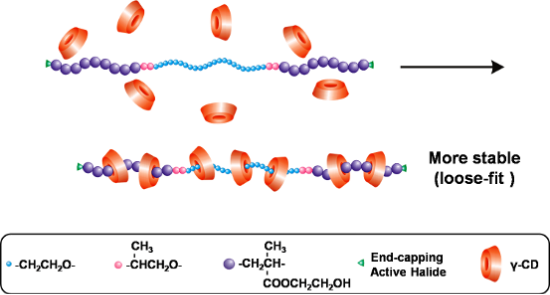
- polymerization was stopped after breaking the Pyrex reactor, and the product was dialyzed using a cellulose membrane (molecular weight cut-off (MWCO) = 3500) and lyophilized, resulting in a yield of 84.3%. Synthesis of PHEMA via ATRP As previously reported [31], PHEMA (DP = 29, PDI = 1 .19) was synthesized by




A versatile δ-aminolevulinic acid (ΑLA)-cyclodextrin bimodal conjugate-prodrug for PDT applications with the help of intracellular chemistry
Beilstein J. Org. Chem. 2014, 10, 2414–2420, doi:10.3762/bjoc.10.251
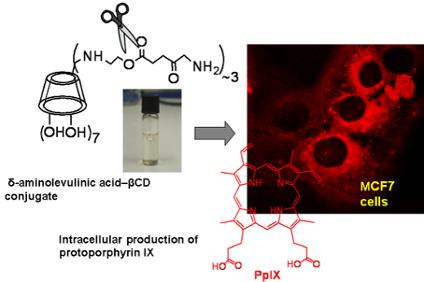
- dicyclohexylurea and the supernatant was collected and condensed to dryness. The solid residue was dissolved in a small volume of water and dialyzed from a benzoylated cellulose membrane (MWCO ~2000) for 24 h. The solvent of the dialyzed solution was evaporated and the residue was lyophilized, to afford an off


Molecular recognition of AT-DNA sequences by the induced CD pattern of dibenzotetraaza[14]annulene (DBTAA)–adenine derivatives
Beilstein J. Org. Chem. 2014, 10, 2175–2185, doi:10.3762/bjoc.10.225
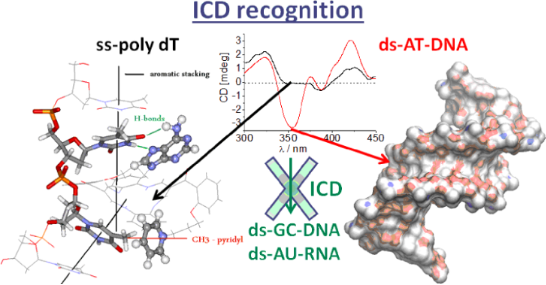
- the appearance of a strong negative band at 350 nm, which is characteristic for ds-AT-DNA. Another application could be related to oligo (dT)-cellulose commonly used for tRNA purification [23]. In particular, the difference in AP3/AP3am ICD pattern between cellulose-tagged dT and coupled double


Building complex carbon skeletons with ethynyl[2.2]paracyclophanes
Beilstein J. Org. Chem. 2014, 10, 2013–2020, doi:10.3762/bjoc.10.209

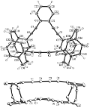
- extensive column chromatography/recrystallization. Isomer 11 is chiral and could be separated on a column impregnated with cellulose tris(3,5-dimethylphenyl)carbamate. The bridge-extended cyclophane precursor 18 furnished the ring-enlarged cyclophanes 19 and 20 on Glaser–Hay coupling. Cross-coupling of 4
- chiral compound, was resolved into its enantiomers on a OD-column impregnated with cellulose tris(3,5-dimethylphenyl) carbamate using hexane/propan-2-ol (9:1) as an eluent and a UV-detector set at 254 nm. A baseline separation was achieved and the two enantiomers had [α]D25 = −44 ° (c 0.375, hexane




Supercritical carbon dioxide: a solvent like no other
Beilstein J. Org. Chem. 2014, 10, 1878–1895, doi:10.3762/bjoc.10.196
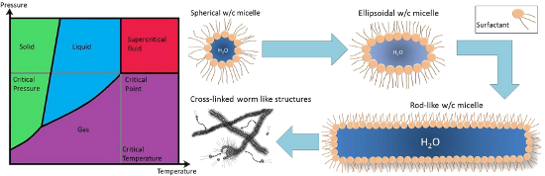
- ]. There is also promise being seen with organic hydroxylated and oxygenated compounds such as cellulose triacetate [87], cyclodextrins [88], amorphous poly(lactic acid) and glucopyranoside [89] (Table 2, compounds 25–28) as well as polymers with incorporated ether linkages [87]. Beckman and Enick et al


The chemoenzymatic synthesis of clofarabine and related 2′-deoxyfluoroarabinosyl nucleosides: the electronic and stereochemical factors determining substrate recognition by E. coli nucleoside phosphorylases
Beilstein J. Org. Chem. 2014, 10, 1657–1669, doi:10.3762/bjoc.10.173

- residue of FMAU was realized by the concerted action of E. coli thymidine phosphorylase (TP) absorbed on DEAE cellulose for the intermediary generation of the phosphate 12a and E. coli purine nucleoside phosphorylase (PNP) for the condensation of the latter with bases. The two most challenging features of


A promising cellulose-based polyzwitterion with pH-sensitive charges
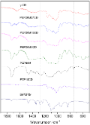
Beilstein J. Org. Chem. 2014, 10, 1549–1556, doi:10.3762/bjoc.10.159
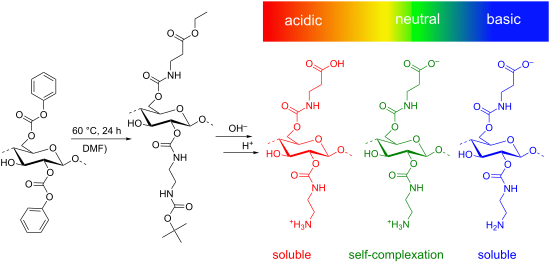
- groups could be efficiently synthesized from cellulose phenyl carbonate. Polyanion, polycation, and polyzwitterion are accessible by orthogonal removal of protecting groups. The molecular structure was proofed by FTIR- and NMR spectroscopy. Characteristic properties of the cellulose derivatives, e.g
- . Keywords: carbonate; cellulose; complexation; multivalent glycosystems; NMR; polyzwitterion; Introduction Ionic polymers are important naturally occurring macromolecules and various synthetic polyelectrolytes play an important role in commercial applications [1]. Naturally occurring biopolymers are for
- . While polyzwitterions based on N-functionalized chitosan [14][15] or 6-desoxy-6-aminocelluloses [16] are composed like synthetic polybetaines, a few cellulose-based zwitterions are described where the isoelectric point and the properties in solution could be tuned by varying the substitution pattern [17


Bis(β-lactosyl)-[60]fullerene as novel class of glycolipids useful for the detection and the decontamination of biological toxins of the Ricinus communis family
Beilstein J. Org. Chem. 2014, 10, 1504–1512, doi:10.3762/bjoc.10.155
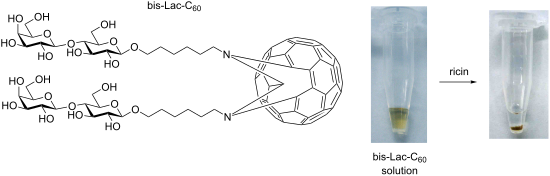
- dimethyl sulfoxide (2 mL), and the solution was poured into a dialysis tube (Cellulose Dialyzer Tubing VT351, molecular weight cut-off: 3500, Nacalai Tesque, Inc., Japan) suffused with distilled water (20 mL). After 2 days of dialysis, the solution was subjected to ultrafiltration at 3,000g for 15 min by


Multichromophoric sugar for fluorescence photoswitching
Beilstein J. Org. Chem. 2014, 10, 1471–1481, doi:10.3762/bjoc.10.151
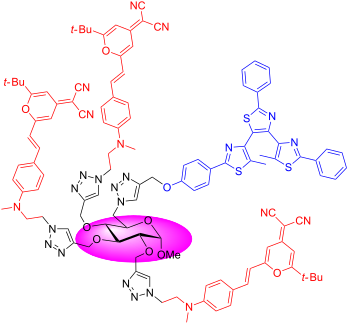
- (700 rpm, monitoring by TLC), and poured into distilled water after cooling to room temperature. The precipitate was then filtred through a cellulose acetate filter (porosity 2 µm) under vacuum and washed with water, then purified by column chromatography using pure EtOAc, then EtOAc/acetone (gradient
- stirred at 110 °C during 15 min under microwave irradiation (700 rpm, monitoring by TLC). After cooling to room temperature, the reaction mixture was poured into 20 to 25 mL of distilled water. The precipitate was then filtred through cellulose acetate filter (porosity 2 µm) under vacuum and washed with
- . The precipitate was then filtred through a cellulose acetate filter (porosity 2 µm) under vacuum and washed with water, then purified by column chromatogrphy using EtOAc:ethanol (9:1) to give 66% of the desired compound (45.8 mg, 0.022 mmol) as a red solid; mp 181–183 °C; Rf = 0.53 (EtOAc/acetone = 4




Automated solid-phase peptide synthesis to obtain therapeutic peptides
Beilstein J. Org. Chem. 2014, 10, 1197–1212, doi:10.3762/bjoc.10.118

- addition, SPPS can be carried out on cellulose papers, in which reagents are spotted onto porous membranes [65]. The typical reactions proceed only in the volume that has been infused into the solid pores. Again, coupling and deprotection reactions as well as washing steps take place simultaneously. The




Atherton–Todd reaction: mechanism, scope and applications
Beilstein J. Org. Chem. 2014, 10, 1166–1196, doi:10.3762/bjoc.10.117

- modification of fibers or polymers (e.g., plasma technique). Without a polymerizable group, phosphoramidates can be used as an additive in polymers. Gaan et al. [113] have studied the thermal decomposition of cotton cellulose treated with different phosphoramidates. More specifically, they have shown that a




Stability of SG1 nitroxide towards unprotected sugar and lithium salts: a preamble to cellulose modification by nitroxide-mediated graft polymerization
Beilstein J. Org. Chem. 2013, 9, 1589–1600, doi:10.3762/bjoc.9.181
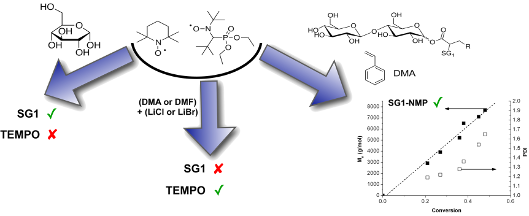
- of applications of cellulose, a glucose-based polysaccharide, is limited by its inherently poor mechanical properties. The grafting of synthetic polymer chains by, for example, a “grafting from” process may provide the means to broaden the range of applications. The nitroxide-mediated polymerization
- (NMP) method is a technique of choice to control the length, the composition and the architecture of the grafted copolymers. Nevertheless, cellulose is difficult to solubilize in organic media because of inter- and intramolecular hydrogen bonds. One possibility to circumvent this limitation is to
- solubilize cellulose in N,N-dimethylformamide (DMF) or N,N-dimethylacetamide (DMA) with 5 to 10 wt % of lithium salts (LiCl or LiBr), and carry out grafted polymerization in this medium. The stability of nitroxides such as SG1 has not been studied under these conditions yet, even though these parameters are


A3-Coupling catalyzed by robust Au nanoparticles covalently bonded to HS-functionalized cellulose nanocrystalline films
Beilstein J. Org. Chem. 2013, 9, 1388–1396, doi:10.3762/bjoc.9.155
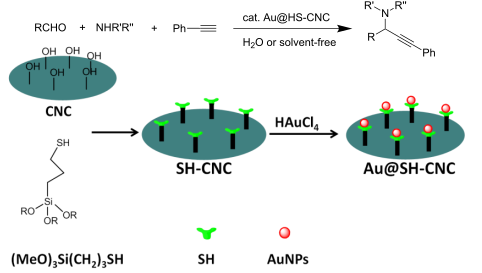
- Jian-Lin Huang Derek G. Gray Chao-Jun Li Department of Chemistry, McGill University, 801 Sherbrooke Street West, Montreal, Quebec H3A0B8, Canada 10.3762/bjoc.9.155 Abstract We decorated HS-functionalized cellulose nanocrystallite (CNC) films with monodisperse Au nanoparticles (AuNPs) to form a
- ) either in water or without solvent. Most importantly, the catalyst could be used repetitively more than 11 times without significant deactivation. Our strategy also promotes the use of naturally renewable cellulose to prepare reusable nanocomposite catalysts for organic synthesis. Keywords: A3-coupling
- reaction; cellulose nanocrystallites (CNCs) films; gold catalysis; water or without solvent; Introduction Organic synthesis is usually performed in organic solvents; however, from a green chemistry perspective, evaporation and discharge of organic solvents not only generates chemical waste but also causes


Metal-free aerobic oxidations mediated by N-hydroxyphthalimide. A concise review
Beilstein J. Org. Chem. 2013, 9, 1296–1310, doi:10.3762/bjoc.9.146

- cellulose fibers promoted by the NaClO/NaBr system (Scheme 16). According to the proposed mechanism PINO radical is oxidized to the corresponding N-oxammonium cation, which in turn is responsible for the oxidation of the C6 alcoholic function. The surface modification of cellulose fibers by selectively
- catalytic system allowed higher conversion of hydroxyl groups. A comparison study on the effect of TEMPO and PINO radicals on the oxidation efficiency toward cellulose led to the conclusion that the NHPI/AQ oxidation mediator affords the highest content of carboxylic groups and better preserves the
- /NHPI-mediated aerobic oxidation mechanism. DADCAQ/TCNHPI mediated aerobic oxidation of ethylbenzene. NHPI/xanthone/TMAC mediated aerobic oxidation of ethylbenzene. NHPI/AQ-mediated aerobic oxidation of α-isophorone. NHPI/AQ-mediated oxidation of cellulose fibers by NaClO/NaBr system. NHPI/AQ mediated


C–C Bond formation catalyzed by natural gelatin and collagen proteins
Beilstein J. Org. Chem. 2013, 9, 1111–1118, doi:10.3762/bjoc.9.123

- Bruker Avance 300 spectrometer. Chemical shifts are denoted in δ (ppm) relative to tetramethylsilane (TMS δ = 0) as an internal standard or relative to residual solvent peaks. Samples were analyzed by chiral-phase HPLC using a Varian 920-LC Liquid Chromatograph and a column Phenomenex Lux Cellulose-1


Polymerization of novel methacrylated anthraquinone dyes
Beilstein J. Org. Chem. 2013, 9, 453–459, doi:10.3762/bjoc.9.48

- ][4][5][6] and are used for the coloration of cotton and cellulose fibers as well as for synthetic materials such as polyamides [7]. Besides azo dyes, they represent the second largest class of textile pigments [8], and unlike these dyes, anthraquinone derivatives are resistant against degradation due



The β-cyclodextrin/benzene complex and its hydrogen bonds – a theoretical study using molecular dynamics, quantum mechanics and COSMO-RS
Beilstein J. Org. Chem. 2013, 9, 118–134, doi:10.3762/bjoc.9.15
- solvation-free-energy differences was used to distinguish amylose helices from cellulose sheets by analysing the different reactivity of oxygen atoms O2, O3 and O6 of the sugar units with and without methylation, in line with experimental data [13]. Cyclodextrin-complex formation with substituted benzenes



Polysiloxane ionic liquids as good solvents for β-cyclodextrin-polydimethylsiloxane polyrotaxane structures
Beilstein J. Org. Chem. 2012, 8, 1610–1618, doi:10.3762/bjoc.8.184
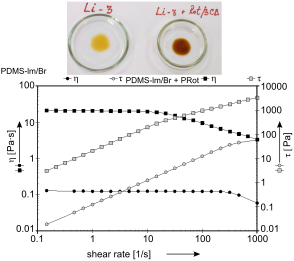
- supermolecules formed by ILs with different host molecules), leading to interesting phenomena, properties and applications [7][8][9][10][11][12]. This includes the dissolution of cellulose and cyclodextrins (CDs) with ILs [12], synthesis of ILs containing slide-ring gels [7], synthesis of IL-CD inclusion


Combined bead polymerization and Cinchona organocatalyst immobilization by thiol–ene addition
Beilstein J. Org. Chem. 2012, 8, 1126–1133, doi:10.3762/bjoc.8.125
- cellulose paper thimble and purified by Soxhlet extraction with CH2Cl2 (70 mL) for 12 h, and then the purified beads were left to dry at room temperature for 24 h (67% yield for 10a, 67% yield for 10b, 63% yield for 10c, 64% yield for 10d). Catalyst loadings were determined by CHN analysis. Preparation of
- :1), MeOH (200 mL) and CH2Cl2 (50 mL). The polymer beads were then transferred to a cellulose paper thimble and purified by Soxhlet extraction with CH2Cl2 (70 mL) for 12 h, and then the purified beads were left to dry at room temperature for 24 h (75% yield for 11a, 85% yield for 11b). Catalyst
- (1–2 repetitions). CH2Cl2 (50 mL) was added, the suspension was filtered by vacuum, and the polymer beads washed with water (1000 mL), THF–H2O (200 mL, 1:1), MeOH (200 mL) and CH2Cl2 (50 mL). The polymer beads were then transferred to a cellulose paper thimble and purified by Soxhlet extraction with


Investigation of the network of preferred interactions in an artificial coiled-coil association using the peptide array technique
Beilstein J. Org. Chem. 2012, 8, 640–649, doi:10.3762/bjoc.8.71
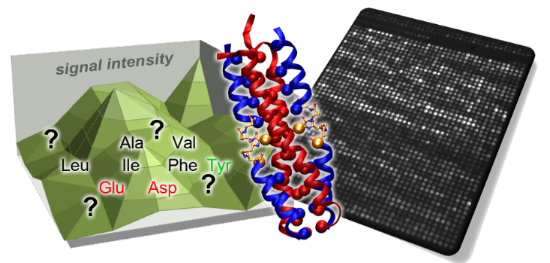
- investigate the Acid-pp–chimera interaction, a peptide array (1764 spots), featuring multiple substitutions at positions a/d/e/g of the central heptad of the wt Acid-pp sequence (Figure 2a), was created on cellulose membrane and probed for binding to the αβγ-chimera. The chimeric sequence B3β2γ, containing
- is an excellent and reliable technique for generating natural sequences that suitably interact with unknown patterns forming artificial coiled-coils. Experimental SPOT-synthesis (analogous to a procedure from [26]): Cellulose-bound peptide arrays were prepared according to standard SPOT synthesis
- protocols by using a SPOT synthesizer (Intavis, Köln, Germany) as described in detail in [15]. The peptides were synthesized on amino-functionalized cellulose membranes (Whatman, Maidstone, Great Britain) of the ester type prepared by modifying cellulose paper with Fmoc-β-alanine as the first spacer residue


Cyanoethylation of the glucans dextran and pullulan: Substitution pattern and formation of nanostructures and entrapment of magnetic nanoparticles
Beilstein J. Org. Chem. 2012, 8, 551–566, doi:10.3762/bjoc.8.63
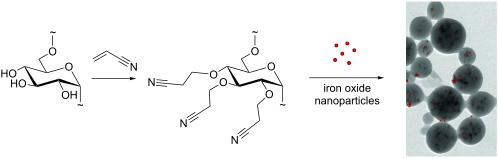
- spectroscopy (PEELS). Keywords: cyanoethyldextran; cyanoethylpullulan; ferromagnetic nanoparticles; glycan nanostructures; substitution pattern; Introduction Cyanoethylation has been widely applied to polysaccharides, e.g., to cellulose [1], inulin [2], and starch [3]. Onda reported on cyanoethylation of
- nanoparticles is usually mediated by carboxylate groups [19]. The interaction of magnetic nanoparticles, coated with glucans (cellulose, pullulan and dextran), with human cells was reported by Heinze et al. [17][20]. A prerequisite for any application in pharmaceutical as well as technological fields is the
- ]. Verraest described the substituent distribution in O-cyanoethylinulin by HPLC analysis and 13C NMR spectroscopy [7]. The structure and the solution properties of cyanoethylcellulose were investigated by FT–IR and 13C NMR spectroscopy, as well as by light scattering [21][22]. Cellulose and starch