Search results
Search for "cyclisation" in Full Text gives 189 result(s) in Beilstein Journal of Organic Chemistry.
A concise flow synthesis of indole-3-carboxylic ester and its derivatisation to an auxin mimic
Beilstein J. Org. Chem. 2017, 13, 2549–2560, doi:10.3762/bjoc.13.251
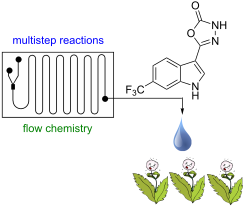
- subjected to heterogeneous hydrogenation conditions to produce the indole product 12 through a reductive cyclisation sequence. From the corresponding ester functionalised indole 12 we anticipated that condensation with hydrazine would furnish the corresponding acyl hydrazine 13 which could be cyclised to
- -toxic byproducts (base·HCl, H2O) and uses industrially favourable hydrogenation protocols in the key cyclisation step. To commence the study we first conducted a comprehensive screening program to determine flow compatible conditions for the formation of compound 11 optimising for solvent, base
- we determined that when EtOAc was used as the solvent and diluted with EtOH in the presence of acetic acid as an additive this allowed for the successful reductive cyclisation to the indole. As a result we investigated the scaled synthesis of intermediate 11 in EtOAc. Having had previous success with


Synthesis and supramolecular properties of regioisomers of mononaphthylallyl derivatives of γ-cyclodextrin
Beilstein J. Org. Chem. 2017, 13, 2509–2520, doi:10.3762/bjoc.13.248
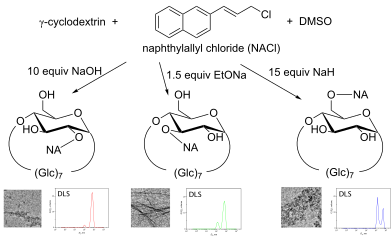
- consequently, longer oligomers can be expected for it. The fraction of suprapolymer with polymerization degree n is then given for negligible cyclisation as where θ is the degree of occupation, i.e., the probability that the particular group, either naphthyl or CD, is in a bound state. θ is determined by the


18-Hydroxydolabella-3,7-diene synthase – a diterpene synthase from Chitinophaga pinensis
Beilstein J. Org. Chem. 2017, 13, 1770–1780, doi:10.3762/bjoc.13.171
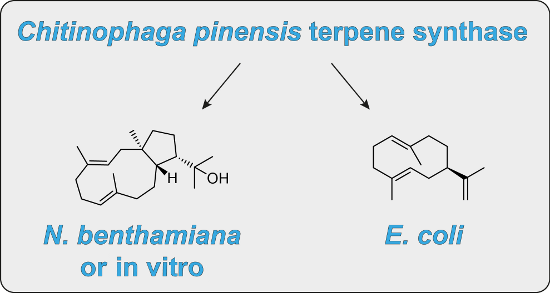
- diphosphate and the pyrophosphate sensor, a highly conserved arginine located 43 amino acids upstream of the NSE triad, and the RY dimer, a highly conserved motif at the C-terminus. The substrate is ionised by extrusion of diphosphate, yielding a highly reactive allyl cation that can react in a cyclisation
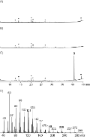
- -hydroxydolabella-3,7-diene synthase (HdS). The proposed cyclisation mechanism from GGPP to 3 is likely a concerted one-step process with 1,11- and 10,14-cyclisation and concomittant attack of water at C15 (Scheme 2). We have recently shown that the absolute configurations of terpenes can be determined by enzymatic
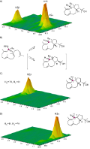
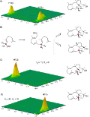
- labelling of C2 (Figure 2). Consistently, the substrate (S)-(1-13C,1-2H)GGPP gave a product with specific incorporation of the deuterium label into the 2β position. Assuming inversion of configuration at C1 for the cyclisation of GGPP to 3 as reported for several other terpene synthases [13][20][21][22




Oxidative dehydrogenation of C–C and C–N bonds: A convenient approach to access diverse (dihydro)heteroaromatic compounds
Beilstein J. Org. Chem. 2017, 13, 1670–1692, doi:10.3762/bjoc.13.162
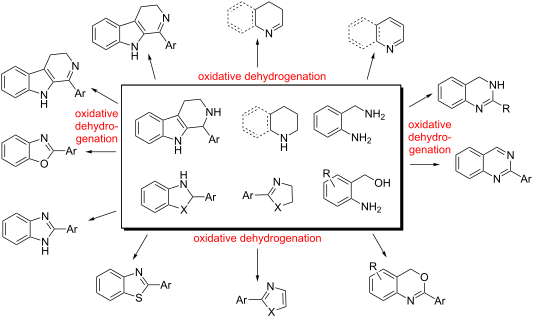
- cyclisation and oxidative dehydrogenation in the presence of barium manganate to produce benzimidazoles, benzoxazoles and benzothiazoles 54, respectively in appropriate solvent at ambient or lower temperature (Scheme 16). Catalytic approaches As a normal evolution of any synthetic approaches, oxidative










Switchable highly regioselective synthesis of 3,4-dihydroquinoxalin-2(1H)ones from o-phenylenediamines and aroylpyruvates
Beilstein J. Org. Chem. 2017, 13, 1350–1360, doi:10.3762/bjoc.13.132
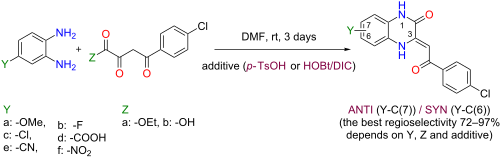
- products 22 and 23 [24] (Scheme 3). The proposed mechanism was based on the isolation of the 4-nitrodiaminobenzene imine intermediate which possessed reduced reactivity for intramolecular cyclisation. This type of reaction was exploited in the literature several times for the synthesis of quinoxalin-2(1H


Synthesis of alkynyl-substituted camphor derivatives and their use in the preparation of paclitaxel-related compounds
Beilstein J. Org. Chem. 2017, 13, 1230–1238, doi:10.3762/bjoc.13.122
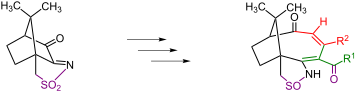
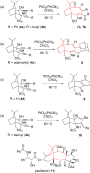
- analogous to the one observed previously with the bis-phenylalkynyl compound [27] as a starting material. Cyclisation of the alkynes and a three-carbon ring enlargement lead in a single step to a rare bicyclic carbon framework that bears some similarity to that of the anticancer drug paclitaxel. Remarkably
- alkyne cyclisation but the ring expansion has not yet taken place. The sulfonamide reduction and formation of the ketone are just about to occur, as the oxygen atom involved is on its way of being transferred from the sulphur onto the carbon atom. The structure of 23 was established by two-dimensional 1H




From chemical metabolism to life: the origin of the genetic coding process
Beilstein J. Org. Chem. 2017, 13, 1119–1135, doi:10.3762/bjoc.13.111

- attachment groups and first units involved in energy exchanges [26]. Alternating drying steps followed by rains or floods resulted in the condensation of phosphate moieties on many primeval compounds. These include serine as serine phosphate and aspartate protected against cyclisation as aspartyl phosphate



Continuous N-alkylation reactions of amino alcohols using γ-Al2O3 and supercritical CO2: unexpected formation of cyclic ureas and urethanes by reaction with CO2
Beilstein J. Org. Chem. 2017, 13, 329–337, doi:10.3762/bjoc.13.36
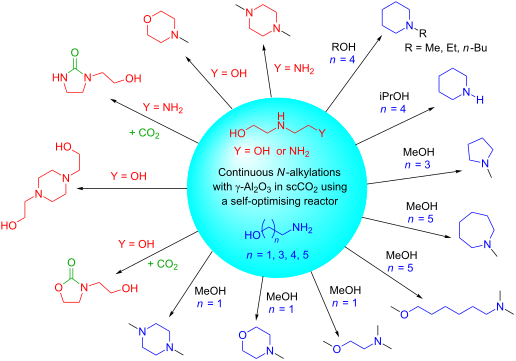
- led to an increase in the rate of cyclisation and methylation which then allowed for faster flow rates to be used under this operating temperature whilst still maintaining the same yield of 2b (Table 1, entry 1). Hence, three times the amount of material could be processed in the same time using this
- several different alcohols by flowing a starting mixture of 1 with the alcohol as the solvent (Table 2, entries 2–4). As might be expected, the cyclisation to N-alkylated piperidines was observed for the primary alcohols. The yield of the corresponding N-alkylated piperidine falls as the longer chain
- alcohols were run in the absence of scCO2 the yields of the corresponding N-alkylated products were lower and more piperidine 2a was observed. These results suggest that the rate of intermolecular alkylation is faster in scCO2, while the rate of intramolecular cyclisation is not significantly affected by


Nucleophilic displacement reactions of 5′-derivatised nucleosides in a vibration ball mill
Beilstein J. Org. Chem. 2017, 13, 87–92, doi:10.3762/bjoc.13.11
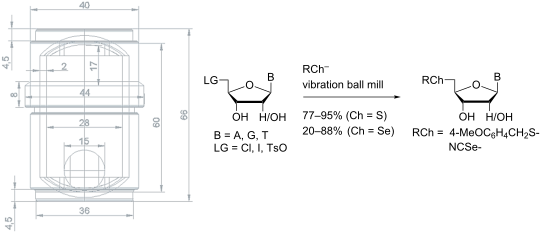
- ′-tosylates in five to 60 minutes. Under these conditions, commonly-encountered nucleoside cyclisation byproducts (especially of purine nucleosides) were not observed. Liquid-assisted grinding of the same 5'-iodide and 5′-tosylate substrates with potassium selenocyanate in the presence of DMF produced the
- reactions require the use of high-boiling, dipolar aprotic solvents and anionic nucleophiles under anhydrous conditions at elevated temperatures (up to 150 °C). Competing intramolecular cyclisation reactions between both purine and pyrimidine nucleobases and (especially) the 5′-position of the (deoxy
- liquid [13][14][15]. Recently, Jicsinszky et al. described using a planetary ball mill to perform substitution reactions of 6I-O-(p-toluenesulfonyl)-β-cyclodextrin (Ts-β-CD) with azide, halide or thiolate nucleophiles and thereby avoided intramolecular cyclisation (commonly found under solution-phase


Biochemical and structural characterisation of the second oxidative crosslinking step during the biosynthesis of the glycopeptide antibiotic A47934
Beilstein J. Org. Chem. 2016, 12, 2849–2864, doi:10.3762/bjoc.12.284
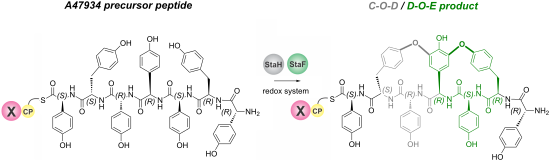
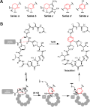
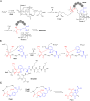
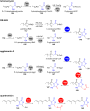
- , which is generated by the actions of cytochrome P450 (Oxy) enzymes that affect the crosslinking of aromatic side chains of amino acid residues contained within the GPA heptapeptide precursor. Given the crucial role peptide cyclisation plays in GPA activity, the characterisation of this process is of
- great importance in understanding the biosynthesis of these important antibiotics. Here, we report the cyclisation activity and crystal structure of StaF, the D-O-E ring forming Oxy enzyme from A47934 biosynthesis. Our results show that the specificity of StaF is reduced when compared to Oxy enzymes
- that this is due to the ability of the StaF/X-domain complex to allow substrate reorganisation after initial complex formation has occurred. These results highlight the importance of testing different peptide/protein carrier constructs for in vitro GPA cyclisation assays and show that different Oxy




New syntheses of (±)-tashiromine and (±)-epitashiromine via enaminone intermediates
Beilstein J. Org. Chem. 2016, 12, 2609–2613, doi:10.3762/bjoc.12.256

- [3] (Figure 1). To date this natural product and its unnatural epimer 2 have been the targets of numerous enantioselective and racemic syntheses [4][5][6][7][8][9]. Typical approaches to accessing the alkaloid’s indolizidine skeleton have included a key cyclisation onto the nitrogen atom of either a
- electrophilic substituents are attached to the nitrogen, alkylating or acylating cyclisation onto the enamine carbon site leads to the formation of bicyclic systems with nitrogen located at the bridgehead. Our approach to the synthesis of indolizidines is thus unusual in that it entails the formation of the C-7
- planned reaction sequence was the alkylating cyclisation of the liberated alcohols 8a–c to produce the indolizidine nucleus (Scheme 2). The cyclisation was achieved by initially treating these deprotected enaminones with imidazole and triphenylphosphine at ambient temperature in acetonitrile followed by


Construction of bis-, tris- and tetrahydrazones by addition of azoalkenes to amines and ammonia
Beilstein J. Org. Chem. 2016, 12, 2471–2477, doi:10.3762/bjoc.12.241
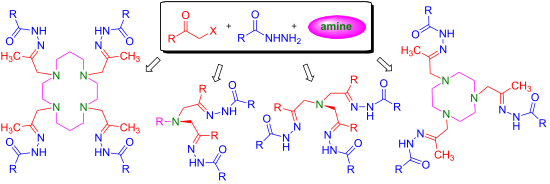
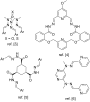
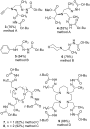
- -hydrazone ligand 10. Cyclisation of 11b into 1,4,6,10-tetraazaadamantane derivative. Reaction of α-halogen-substituted hydrazones 1 with benzylamine. Synthesis of trishydrazones 11. Supporting Information Supporting Information File 493: Experimental procedures, characterization data for new compounds





Useful access to enantiomerically pure protected inositols from carbohydrates: the aldohexos-5-uloses route
Beilstein J. Org. Chem. 2016, 12, 2343–2350, doi:10.3762/bjoc.12.227

- intramolecular aldol condensation was also performed on aldohexos-5-uloses of the L-lyxo and D-xylo series bearing a methyl protection on position 4 or a benzyl protection on position 3 (compounds 4 [35] and 10 [38], respectively). The stereo-outcome and the yields confirmed the cyclisation results obtained for


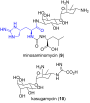
Enduracididine, a rare amino acid component of peptide antibiotics: Natural products and synthesis
Beilstein J. Org. Chem. 2016, 12, 2325–2342, doi:10.3762/bjoc.12.226
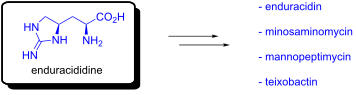
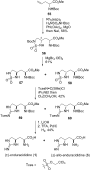
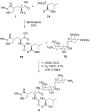
- enzyme mppR is a pyruvate aldose that catalyses the dehydration/cyclisation of 20 to give cyclic guanidine 21 [52], where transamination by mppQ gives enduracididine (1). Further transformation to L-β-hydroxyenduracididine (5) is then catalysed by mppO [52][53]. Synthetic investigations Synthesis of
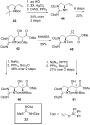
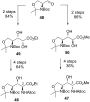
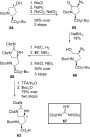
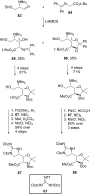
- protecting group manipulation and installation of the guanidine using S-methylisothiourea 33 (Scheme 5). Mitsunobu cyclisation followed by deprotection and oxidation afforded the azido acids 38 and 39 in 40% yield over 8 steps from amino azides 36 and 37. Synthesis of β-hydroxyenduracididine by Nieuwenhze et
- the guanidine group using isothiourea 33 before cyclisation was effected using Mitsunobu conditions. After a six-step conversion of alkene 44 to nosyl intermediate 42, the synthesis diverged to access both C-2 diastereomers. Displacement of nosylate 42 with sodium azide followed by reduction and amine












A detailed view on 1,8-cineol biosynthesis by Streptomyces clavuligerus
Beilstein J. Org. Chem. 2016, 12, 2317–2324, doi:10.3762/bjoc.12.225
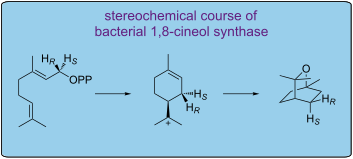
- Jan Rinkel Patrick Rabe Laura zur Horst Jeroen S. Dickschat Kekulé-Institute of Organic Chemistry and Biochemistry, University of Bonn, Gerhard-Domagk-Straße 1, 53121 Bonn, Germany 10.3762/bjoc.12.225 Abstract The stereochemical course of the cyclisation reaction catalysed by the bacterial 1,8
- -cineol synthase from Streptomyces clavuligerus was investigated using stereospecifically deuterated substrates. In contrast to the well investigated plant enzyme from Salvia officinalis, the reaction proceeds via (S)-linalyl diphosphate and the (S)-terpinyl cation, while the final cyclisation reaction is
- monooxygenases and acyl transferases [12][13]. Very few cases are known in which terpene cyclases generate an achiral product as exemplified by the monoterpene 1,8-cineol (eucalyptol, 1) and the sesquiterpenes germacrene B (2) and α-humulene (3) (Figure 1). A direct 1,6-cyclisation of the monoterpene precursor


Isosorbide and dimethyl carbonate: a green match
Beilstein J. Org. Chem. 2016, 12, 2256–2266, doi:10.3762/bjoc.12.218
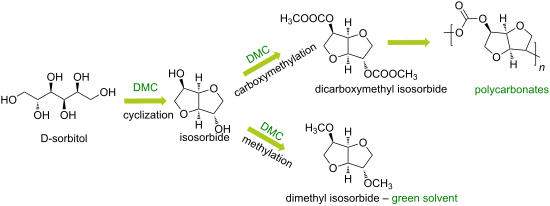
- double cyclisation reaction that requires 2 equiv of base for each tetrahydrofuran formed. The reaction mechanism is quite complex (Scheme 2) since it encompasses two carboxymethylation reactions (via BAc2) followed by two intramolecular cyclisations (via BAl2). In order to avoid the use of excess base
- amount of DBU used was, in the latter case (entry 6, Table 2) only 2.5 mol % for each tetrahydrofuranic cycle. The same synthetic approach can be also employed for the cyclisation of D-mannitol. The synthesis of isosorbide via DMC chemistry takes advantage of the enhanced reactivity of DMC in the
- intermediate, as well as the intramolecular cyclisation reaction (BAl2 mechanism). It is also noteworthy that in general alkylation reactions promoted by DMC chemistry are conducted at temperatures above 150 °C [24][25][26][27][28][29][30][31][32][33][34][35], but in this case study the intramolecular


Solvent-free synthesis of novel para-menthane-3,8-diol ester derivatives from citronellal using a polymer-supported scandium triflate catalyst
Beilstein J. Org. Chem. 2016, 12, 2046–2054, doi:10.3762/bjoc.12.193
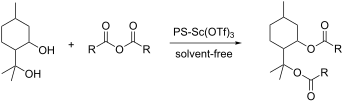
- -diol (3) [1][2]. These chemical derivatives have a wide range of uses in pharmaceuticals, cosmetics, toothpastes, insect repellents, cleaning agents and other products [3]. The synthesis of menthol involves the acid-catalysed cyclisation of 1 to form isopulegol 4 as a stable intermediate. The latter is
- citronellal para-Menthane-3,8-diol (3) was synthesised according to our earlier developed procedure, which has not been reported in open literature. The synthesis procedure involves the acid-catalysed cyclisation of 1 in aqueous sulfuric acid (Scheme 2) at 100 °C. After which the oil simply separates from the


Scope and limitations of a DMF bio-alternative within Sonogashira cross-coupling and Cacchi-type annulation
Beilstein J. Org. Chem. 2016, 12, 2005–2011, doi:10.3762/bjoc.12.187

- annulation (Scheme 3) [42][43]. Specifically, employing ortho-amino (5) or ortho-hydroxyaryl iodides (6) in the Sonogashira process generated an alkyne intermediate that, upon increasing the reaction temperature from 30 °C to 60 °C, could undergo 5-endo-dig cyclisation to forge functionalised and



Practical synthetic strategies towards lipophilic 6-iodotetrahydroquinolines and -dihydroquinolines
Beilstein J. Org. Chem. 2016, 12, 1851–1862, doi:10.3762/bjoc.12.174

- substituent, each with a different means of cyclisation. A versatile and stable quinolin-2-one intermediate was identified, which could be reduced to the corresponding THQ with borane reagents, or to the DHQ with diisobutylaluminium hydride via a novel elimination that is more favourable at higher
- temperatures. Coupling these strongly electron-donating scaffolds to electron-accepting moieties caused the resulting structures to exhibit strong fluorescence. Keywords: cyclisation; dihydroquinoline; elimination; reduction; tetrahydroquinoline; Introduction Tetrahydroquinolines (THQ) and dihydroquinolines
- the inexpensive 3,3-dimethylallyl bromide/chloride, followed by cyclisation mediated by Lewis acids, or under acidic conditions [5][6]. A second, analogous approach involves an initial acylation with the commercially available 3,3-dimethylacryloyl chloride, followed by Friedel–Crafts cyclisations that


Mechanistic investigations on six bacterial terpene cyclases
Beilstein J. Org. Chem. 2016, 12, 1839–1850, doi:10.3762/bjoc.12.173
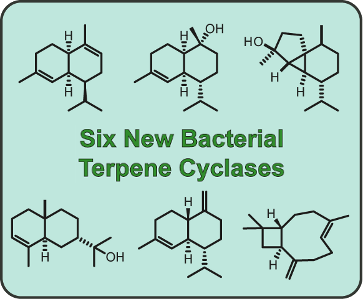
- containing water or deuterium oxide allowed for detailed insights into the cyclisation mechanisms of the bacterial terpene cyclases. Keywords: absolute configuration; biosynthesis; enzyme mechanisms; structure elucidation; terpenes; Introduction Terpenes are structurally fascinating natural products with
- highest identity with pentalenene synthases (39% identical residues with pentalenene synthase from Streptomyces exfoliatus UC5319) [11]. Intriguingly, both compounds are made from FPP via an initial 1,11-cyclisation. The cyclisation mechanisms of the bacterial terpene cyclases were investigated by
- isotopic labelling experiments. The proposed biosynthesis of 7-epi-α-eudesmol (4) starts with a 1,10-cyclisation of FPP to the (E,E)-germacradienyl cation (B) which is attacked by water to form hedycaryol (4a). Its reprotonation at C-1 initiates a second cyclisation to cation C that undergoes deprotonation


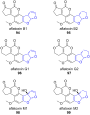
Biosynthesis of oxygen and nitrogen-containing heterocycles in polyketides
Beilstein J. Org. Chem. 2016, 12, 1512–1550, doi:10.3762/bjoc.12.148
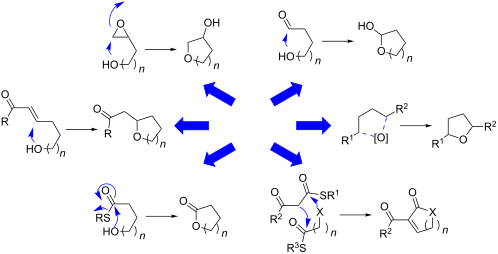
- cyclisation modes triggers the interest on the responsible enzymes. Due to the relevance of heterocycles, understanding the enzymology of heterocycle formation is also an important milestone on the way to using the enzymes as chemoenzymatic tools in natural product synthesis and medicinal chemistry [6][7
- ) domains as well as ketoreductase (KR), dehydratase (DH), enoyl reductase (ER) and thioesterase (TE) domains [6][8]. The PKS intermediates remain tethered to the megaenzyme via a thioester linkage during the whole process. Among these domains, only TE domains participate in cyclisation reactions as part of
- 1.1.1 and 1.2.1), during the cleavage of the fully elongated precursor from the PKS (as for example for tetronates, tetramates and pyridinones, see chapters 1.7.1, 2.2.1 and 2.1.3) or during post-PKS tailoring (as for example during oxidative cyclisation in aureothin biosynthesis, see chapter 1.2.2






The hydrolysis of geminal ethers: a kinetic appraisal of orthoesters and ketals
Beilstein J. Org. Chem. 2016, 12, 1467–1475, doi:10.3762/bjoc.12.143
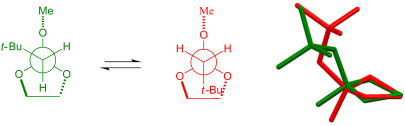
- former affords a leaving group covalently tethered to a cation which renders the overall rate apparently slow, perhaps through a favoured re-cyclisation. It is noteworthy that the hydroxonium catalytic coefficient for the hydrolysis – albeit measured in water – of a similar yet acyclic ketal (i.e., 2,2


Discovery of an inhibitor of the production of the Pseudomonas aeruginosa virulence factor pyocyanin in wild-type cells
Beilstein J. Org. Chem. 2016, 12, 1428–1433, doi:10.3762/bjoc.12.137
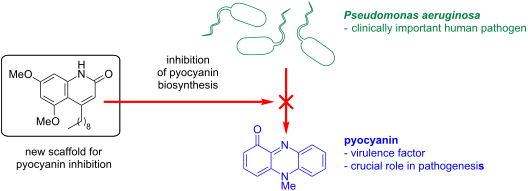
- intramolecular cyclisation of an analogous β-ketoamide in sulphuric acid [27], or pallidum catalysed intramolecular cyclisation of an acetylene derivative under acidic conditions [28]. The 4-alkylquinolin-2(1H)-one molecular scaffold of compound 4 is clearly distinct from that of AHLs; to the best of our


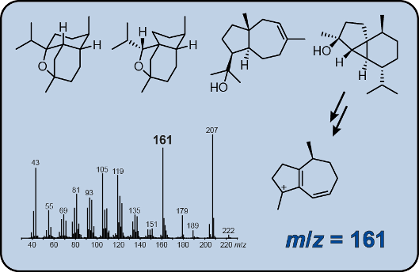
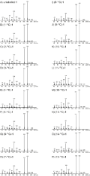
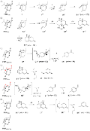
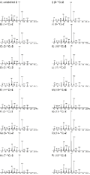
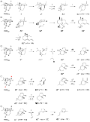
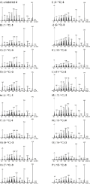
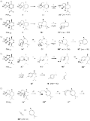
The EIMS fragmentation mechanisms of the sesquiterpenes corvol ethers A and B, epi-cubebol and isodauc-8-en-11-ol
Beilstein J. Org. Chem. 2016, 12, 1380–1394, doi:10.3762/bjoc.12.132
- carry a labelling (>99% 13C) in specific positions that can easily be located, if the cyclisation mechanism of the terpene cyclase is known. Furthermore, 13C NMR spectroscopy can be used to experimentally locate the labelling if the cyclisation mechanism is unidentified. As we have shown in two previous
- be a valuable source of information for many questions in natural product chemistry [23]. Many recent examples have shown how isotopic labelling experiments can unravel the complex and sometimes surprising cyclisation cascades that are catalysed by terpene cyclases in the conversion of simple linear


Cyclisation mechanisms in the biosynthesis of ribosomally synthesised and post-translationally modified peptides
Beilstein J. Org. Chem. 2016, 12, 1250–1268, doi:10.3762/bjoc.12.120
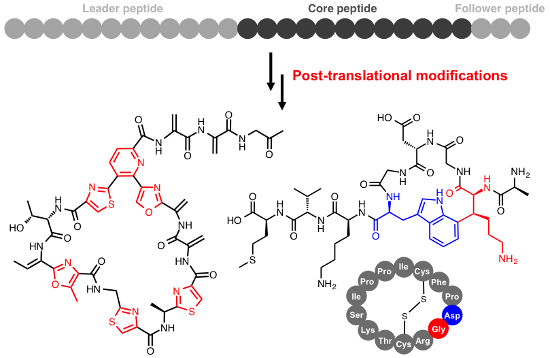
- amount of RiPP chemical diversity is generated from cyclisation reactions, and the current mechanistic understanding of these reactions will be discussed here. These cyclisations involve a diverse array of chemical reactions, including 1,4-nucleophilic additions, [4 + 2] cycloadditions, ATP-dependent
- heterocyclisation to form thiazolines or oxazolines, and radical-mediated reactions between unactivated carbons. Future prospects for RiPP pathway discovery and characterisation will also be highlighted. Keywords: biosynthesis; cyclisation; enzymes; peptides; RiPPs; Introduction Nature employs a number of routes
- predictably than molecules made from multi-domain megasynthases such as polyketides and non-ribosomal peptides. Cyclisation is a common post-translational modification in RiPP pathways and includes a multitude of transformations. These modifications are usually essential for the proper biological activity of