


Search results
Search for "fatty acid" in Full Text gives 124 result(s) in Beilstein Journal of Organic Chemistry.
From steroids to aqueous supramolecular chemistry: an autobiographical career review
Beilstein J. Org. Chem. 2016, 12, 684–701, doi:10.3762/bjoc.12.69
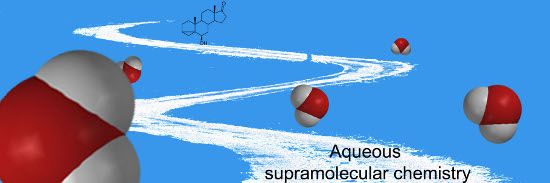
- the guest must adopt a J- or U-shape within the cavity; a motif that is sometimes seen when fatty acids bind to fatty-acid transport proteins. Finally, the third and highest energy guest motif within the capsule can be observed with guests such as C26H54. This guest packs with each methyl terminus in





Elucidation of a masked repeating structure of the O-specific polysaccharide of the halotolerant soil bacteria Azospirillum halopraeferens Au4
Beilstein J. Org. Chem. 2016, 12, 636–642, doi:10.3762/bjoc.12.62
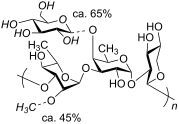
- , including survival of bacteria under salinity [10][11][12][13]. Preliminary chemical data on the LPS of A. halopraeferens type strain Au4, including fatty acid and monosaccharide composition, have been reported [14]. As biological functions of the LPS are expected to depend on their structures, this study


Biosynthesis of α-pyrones
Beilstein J. Org. Chem. 2016, 12, 571–588, doi:10.3762/bjoc.12.56
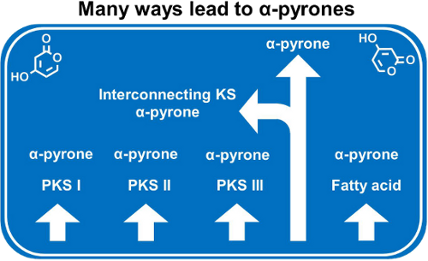
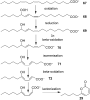
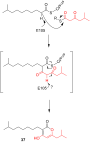
- C (57, Figure 14), which have been isolated from different Pseudomonas strains [62][63]. Compounds 55 and 56 had been initially tested positive for antimycobacterial and antiparasitic activities and both inhibited fatty acid biosynthesis [62]. The new derivative 57, possessing a longer eastern acyl
- ellagitannin biosynthesis [73]. The ellagitannins can then be hydrolyzed to ellagic acid (22), and subsequently converted to urolithins (23–27). In microorganisms the PKS-derived origin was independently postulated for numerous compounds. The polyketide biosynthesis has much in common with fatty acid
- reduced by further enzymes involved. In fatty acid biosynthesis usually a complete reductive cycle takes place, i.e., a ketoreductase (KR) generates a hydroxy group, a dehydratase (DH) reduces to an alkene double bond, and an enoyl reductase (ER) yields a completely saturated acyl-backbone. These






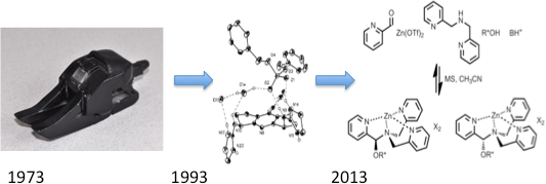
Art, auto-mechanics, and supramolecular chemistry. A merging of hobbies and career
Beilstein J. Org. Chem. 2016, 12, 362–376, doi:10.3762/bjoc.12.40
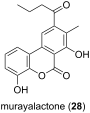
- trielaidin over trielroselaidin (differing only by double bond position in each fatty acid chain, Figure 11) and a second synthetic receptor that did the opposite. Thus, if successful, the demonstration of a differential sensing approach that could classify glycerides, determine their structural features





Thermal and oxidative stability of Atlantic salmon oil (Salmo salar L.) and complexation with β-cyclodextrin
Beilstein J. Org. Chem. 2016, 12, 179–191, doi:10.3762/bjoc.12.20
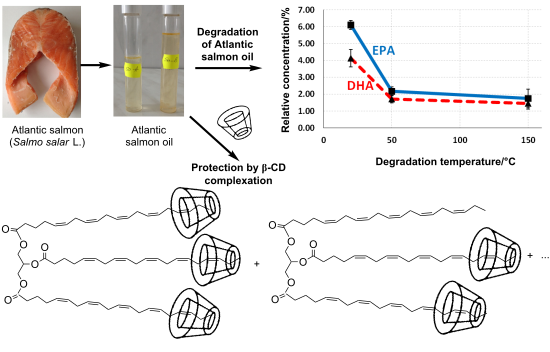
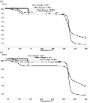
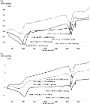
- well with the KFT kinetic data for β-CD/ASO complexes. Keywords: Atlantic salmon oil (ASO); β-cyclodextrin; differential scanning calorimetry; Karl Fischer titration; omega-3 fatty acid; thermogravimetry; Introduction Functional food products containing omega-3 supplementation are becoming more and
- more popular and are promoted for their beneficial effects on human health, especially in cardiovascular and brain disorders [1][2] as well as for mental health [3][4][5]. The main source of omega-3 fatty acid (FA) containing compounds is fish oil [6]. Many fish species are used as the oil source. They
- strongly reduced after thermal and oxidative degradation. It is obvious that protection against oxidation for these omega-3 fatty acid glycerides is needed. Thus, good yields from preparation of β-CD/ASO complexes by co-crystallization and kneading have been obtained. Furthermore, thermal and KFT analyses



Recent highlights in biosynthesis research using stable isotopes
Beilstein J. Org. Chem. 2015, 11, 2493–2508, doi:10.3762/bjoc.11.271
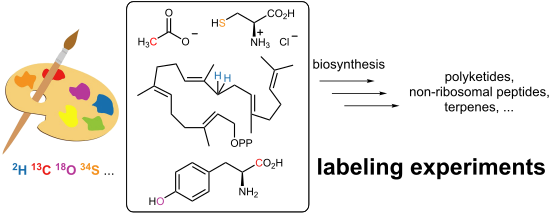
- . The basic principle of labeling an organic molecule in a way that is incognito for metabolism, but easy to follow for the researcher still remains the same. The first application of this idea probably was the investigation on fatty acid degradation by Knoop in 1904, even long before isotopes were
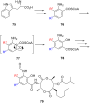
- may not precisely follow the IUPAC rules. Review Polyketides Polyketide synthases (PKS) are multidomain enzymes that catalyze the formation of natural products via reaction steps similar to fatty acid biosynthesis, in which C2-units are fused in Claisen condensations and modified in an iterative or
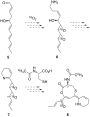
- modular fashion [15]. In contrast to fatty acid synthases (FAS), PKSs do not necessarily process the initially formed 3-keto functions through a complete reductive cycle, which leads to structurally diverse products as shown in Figure 1 for lovastatin (1), an inhibitor of 3-hydroxy-3-methylglutaryl CoA









Lewis acid-promoted hydrofluorination of alkynyl sulfides to generate α-fluorovinyl thioethers
Beilstein J. Org. Chem. 2015, 11, 1902–1909, doi:10.3762/bjoc.11.205

- molecular weight carboxylic acids are found widely in metabolism, often as their co-enzyme A esters, and they then undergo condensation reactions through enols or enolates to generate C–C bonds typified by the processes of long chain fatty acid biosynthesis. α-Fluorovinyl thioethers, illustrated in Figure 2


Cross metathesis of unsaturated epoxides for the synthesis of polyfunctional building blocks
Beilstein J. Org. Chem. 2015, 11, 1876–1880, doi:10.3762/bjoc.11.201
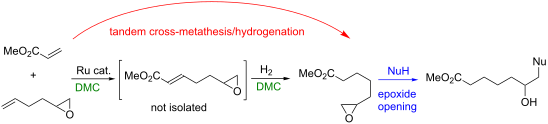
- a concentration of 0.5 M to operate with full conversion. This characteristic was previously observed in cross metathesis of fatty acid methyl esters with methyl acrylate [13]. Finally, neither toluene as solvent nor Hoveyda 2nd generation catalyst have led to improvements of the reaction


Dicarboxylic esters: Useful tools for the biocatalyzed synthesis of hybrid compounds and polymers
Beilstein J. Org. Chem. 2015, 11, 1583–1595, doi:10.3762/bjoc.11.174

- lipases and proteases in organic solvents. Moreover, both substrates and acylating agents’ scope could be significantly expanded. Lipases, whose natural substrates are fatty acid triglycerides, and proteases, enzymes acting on peptides and proteins, were found to be able to catalyze, i.e., the


A novel and widespread class of ketosynthase is responsible for the head-to-head condensation of two acyl moieties in bacterial pyrone biosynthesis
Beilstein J. Org. Chem. 2015, 11, 1412–1417, doi:10.3762/bjoc.11.152
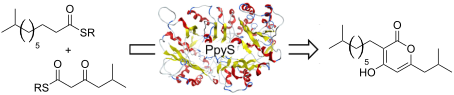
- and they all share the thiolase fold [9]. The crystal structure of a mammalian [10] and a fungal [11] fatty acid synthase confirmed the dimeric nature of the KS. Recently KS have been described, whose substrates deviate from the usual ones. Examples are the widespread class of KS catalyzing the
- OleA, which is part of the olefin biosynthesis in Xanthomonas campestris by promoting a head-to-head condensation of two long-chain fatty acid thioesters to form a long-chain β-ketoacid that can be further processed to an olefin [14]. KS with acylating activity have been reported in the cervimycin [15
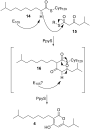
- either ACP (acyl carrier protein) or CoA (coenzyme A) bound thioesters depending whether they originate from fatty acid biosynthesis or degradation, respectively. Due to the variability of the first substrate regarding chain length and starting unit, the different photopyrones A–H (1–8) are produced. We



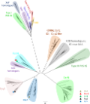
Potential of acylated peptides to target the influenza A virus
Beilstein J. Org. Chem. 2015, 11, 589–595, doi:10.3762/bjoc.11.65
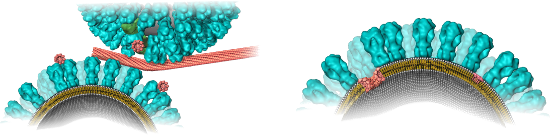
- influenza A/Aichi/2/1968 H3N2 (X31) and avian pathogenic A/FPV/Rostock/34 H7N1. Inspired by the strategy of Matsubara et al. we attached a C18 fatty acid chain to this peptide, called PeBGF, to assemble multivalent structures which enhanced the antiviral potential compared to the monomeric form. In this


Chemoselective O-acylation of hydroxyamino acids and amino alcohols under acidic reaction conditions: History, scope and applications
Beilstein J. Org. Chem. 2015, 11, 446–468, doi:10.3762/bjoc.11.51
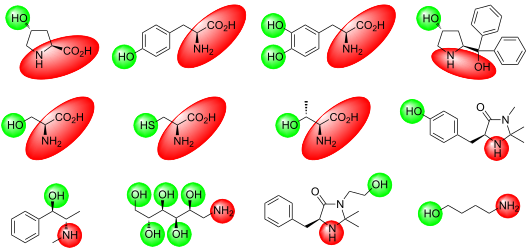
- poorly soluble hydroxyamino acids efficiently, 4) it should preferably be fully miscible with a wide range of acyl halides and carboxylic anhydrides (including long-chained fatty-acid derived ones) and if possible, 5) the acid constituent(s) should have only a moderate affinity for amines such that


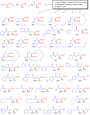
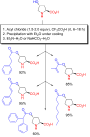
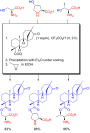


Electrochemical oxidation of cholesterol
Beilstein J. Org. Chem. 2015, 11, 392–402, doi:10.3762/bjoc.11.45
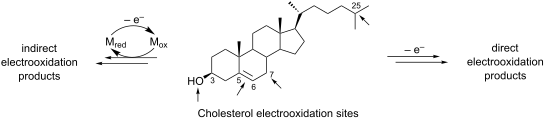
- oxidation current. However, cholesterol in blood is mainly present in form of its fatty acid esters. If the total cholesterol amount is needed, the cholesterol esters must be hydrolyzed prior to analysis by the use of cholesterol esterase [51]. A poor stability of the enzymes and an influence of various


Formation of nanoparticles by cooperative inclusion between (S)-camptothecin-modified dextrans and β-cyclodextrin polymers
Beilstein J. Org. Chem. 2015, 11, 147–154, doi:10.3762/bjoc.11.14
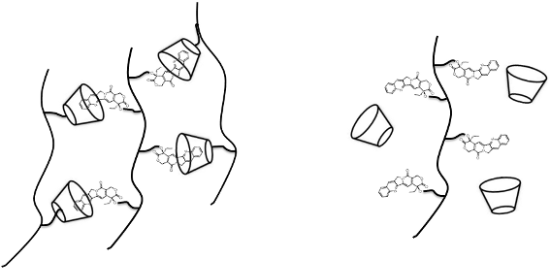
- of nanoparticles. It has been shown that CD polymers can form nanoparticles when associated with various amphiphilic polymers such as dextran modified with fatty acid chains [15] or adamantane [16] in aqueous solution. Simply by mixing solutions of β-CD polymers and the hydrophobic-modified dextrans


Effects of RAMEA-complexed polyunsaturated fatty acids on the response of human dendritic cells to inflammatory signals
Beilstein J. Org. Chem. 2014, 10, 3152–3160, doi:10.3762/bjoc.10.332
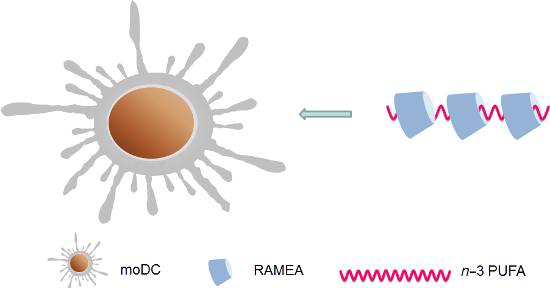
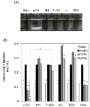
- lipopolysaccharide and polyinosinic:polycytidylic acid, mimicking bacterial and viral infections, respectively. The response of unstimulated and activated moDC to n−3 fatty acid treatment was tested by measuring the cell surface expression of CD1a used as a phenotypic and CD83 as an activation marker of inflammatory
- diseases [7]. Intake of dietary fats may influence inflammation in the gastrointestinal tract. In a long-term study conducted on 170 805 women a reduced risk of ulcerative colitis was observed for the participants with high intake of n−3 PUFAs [8]. The fatty acid composition of the diet, in particular, the
- proportion of different types of PUFAs, has an influence on the fatty acid composition of immune cells which is a chemical trigger for immune response, such as inflammation [9]. Supplementation of the diet of healthy human volunteers with n−3 PUFAs was unambiguously beneficial: the number of monocytes and




First chemoenzymatic stereodivergent synthesis of both enantiomers of promethazine and ethopropazine
Beilstein J. Org. Chem. 2014, 10, 3038–3055, doi:10.3762/bjoc.10.322

- rate and enantioselectivity of the enzymatic reactions could be significantly improved by using fatty acid vinyl esters. After analyzing the effect of those acyl group donors general findings can be presented: (i) (S)-(+)-5 alcohol with excellent enantiomeric excess (>99% ee) could be obtained after a
- relatively high volatility (hence possibility of easy recovery of the product and remaining substrate), and (ii) lower cost when compared to the employed long-chain fatty acid vinyl esters, as well as the fact that (iii) vinyl acetate displayed acceptable impact on the performance of the lipases, we reasoned




A study on the inhibitory mechanism for cholesterol absorption by α-cyclodextrin administration
Beilstein J. Org. Chem. 2014, 10, 2827–2835, doi:10.3762/bjoc.10.300
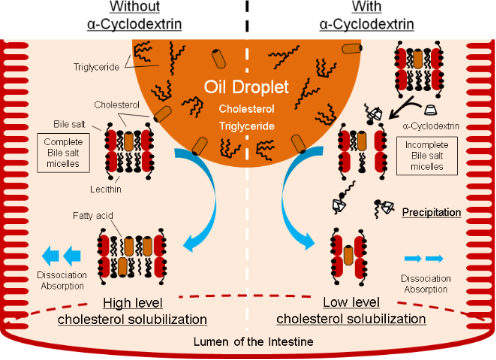
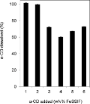
- . reported that one mol of C16–C18 fatty acid was complexed with three mol of α-CD [2], it is possible that (1-palmitoyl-2-oleoyl)lecithin, a major component of lecithin [32], was complexed with up to six α-CD molecules. These results suggest that the two fatty acids of lecithin were complexed with four or
- results of Minekus et al. [36]. RM did not decrease micellar cholesterol solubility in FeSSIF. It has been reported that RM decreases postprandial triglyceride elevation, and it was suggested that the mechanism was the stabilization of mixed micelles of fatty acids, fatty acid esters and bile salts [37
- has beneficial effects on body weight control, lipid metabolism, glucose metabolism, prebiotics, allergy suppression and other functions [9][10][11][12][13][14][15][16][17]. It is thought that the mechanism behind the lowering of blood triglycerides by α-CD was the latter’s complexation with the fatty





A green approach to the synthesis of novel phytosphingolipidyl β-cyclodextrin designed to interact with membranes
Beilstein J. Org. Chem. 2014, 10, 2654–2657, doi:10.3762/bjoc.10.278
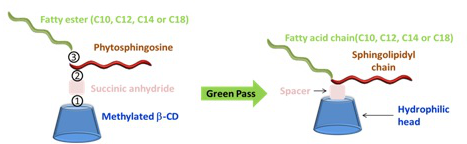
- using a green methodology. Reactions using greener and safer catalysts with more environmentally friendly purification solvents were performed. Four unreported mono-substituted cyclodextrins bearing a phytosphingolipidyl chain and a fatty acid chain (C10, C12, C14 and C18) were successfully obtained
- (yield = 80%, see Scheme 1). Indeed, COMU is an efficient peptide coupling reagent and can be used in the synthesis of cyclodextrin derivatives. Insertion of fatty acid chain In previous work, the synthesis of the reaction of permethylated 6-amino-6-deoxy-β-cyclodextrin and vinyl ester catalyzed by


Synthesis and biological evaluation of novel N-α-haloacylated homoserine lactones as quorum sensing modulators
Beilstein J. Org. Chem. 2014, 10, 2539–2549, doi:10.3762/bjoc.10.265
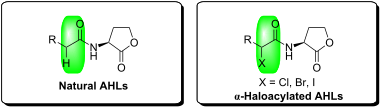
- atoms, that could be involved in such interactions seem an interesting strategy to be explored. Surprisingly, most of the studies focus on altering the fatty acid tail or the lactone ring of the AHL molecules [14][19], while modifications at the α-carbon position with respect to the carbonyl function of
- conditions were used for the preparation of AHLs with unfunctionalized acyl chains in a convenient way. The brominated fatty acids 5, except the commercially available α-bromohexanoic acid (5a), were prepared by a Hell–Volhard–Zelinsky bromination of the corresponding fatty acid 4 with molecular bromine and
- appropriate α-bromo fatty acid 5 with (S)-homoserine lactone 1 (Scheme 2). For α-iodo fatty acids 7, two different routes were evaluated. Iodinated fatty acids 7e,f were prepared via reaction of the corresponding fatty acids 4e,f with iodine and chlorosulfonic acid [28]. However, this transformation was not



Sacrolide A, a new antimicrobial and cytotoxic oxylipin macrolide from the edible cyanobacterium Aphanothece sacrum
Beilstein J. Org. Chem. 2014, 10, 1808–1816, doi:10.3762/bjoc.10.190
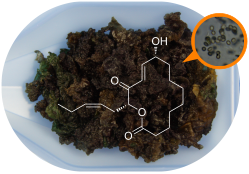
- isolation of an unusual ω-1 fatty acid (9Z,12Z)-9,12,15-hexadecatrienoic acid from a freshwater periphytic cyanobacterium Nostoc verrucosum [4]. Aphanothece sacrum is also an edible cyanobacterium, which is an endemic species in the Aso water system in the Kyushu District, Japan. It inhabits oligotrophic


Streptopyridines, volatile pyridine alkaloids produced by Streptomyces sp. FORM5
Beilstein J. Org. Chem. 2014, 10, 1421–1432, doi:10.3762/bjoc.10.146
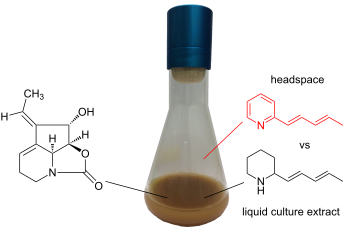
- compounds with bouquets composed of up to 100 different compounds [1][2][3][4][5][6]. Major volatile classes comprise aliphatic compounds derived from fatty acid metabolism, terpenes, aromatic compounds, sulfur compounds, and pyrazines [1]. Apart from pyrazines, indole, and a few strain specific compounds


Selective allylic hydroxylation of acyclic terpenoids by CYP154E1 from Thermobifida fusca YX
Beilstein J. Org. Chem. 2014, 10, 1347–1353, doi:10.3762/bjoc.10.137
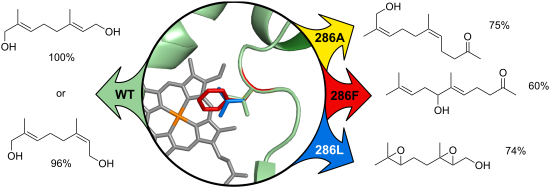
- (15%). To assess whether the concept of regioselectivity hotspots near the heme was transferable, residues that are equivalent to the two hotspot positions in CYP102A1 were mutated in CYP153A from Marinobacter aquaeolei. In the fatty acid ω-hydroxylase CYP153A, L354 corresponds to A328 in CYP102A1


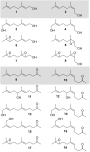


Automated solid-phase peptide synthesis to obtain therapeutic peptides
Beilstein J. Org. Chem. 2014, 10, 1197–1212, doi:10.3762/bjoc.10.118

- a cooperative effect [94], which means that albumin binding significantly increases until an appropriate fatty acid chain length is reached. In 1998, seven binding sites of this multifunctional transport protein were identified by Curry et al. using X-ray crystallographic studies [95]. Later on
- modified by fatty acid acylation [97]. The synthesis of these lipidated peptides can be performed by amidation, S- or O-esterification as well as thioether or -sulfide formation. Owing to the strength of the covalent bonds, amidation and O-esterfication are preferred over the other strategies [97
- enables specific amide-bond formation by the reaction of an activated carboxylic group of the fatty acid with the Nε-group of the lysine. The introduction of a glutamyl spacer can be helpful in order to increase the solubility of the drug candidates [99][106]. Lipidation of peptide hormones has led to


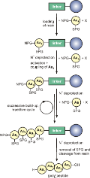


Amino acid motifs in natural products: synthesis of O-acylated derivatives of (2S,3S)-3-hydroxyleucine
Beilstein J. Org. Chem. 2014, 10, 1135–1142, doi:10.3762/bjoc.10.113
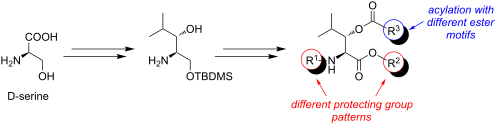
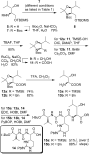
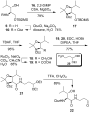
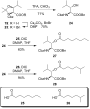
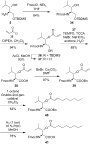
- ], as monosulfuric acid ester [6] or as potential acylation site for fatty acid side chains such as in A- and B-series muraymycin nucleoside antibiotics (Figure 1) [7][8][9]. In the case of these muraymycin congeners, acylation of the 3-hydroxy position with fatty acid side chains, which are ω
- active site located on the cytosolic side of the membrane [10][11][12][13][14]. For previously reported SAR studies on muraymycins and their analogues, the fatty acid side chain was either neglegted or replaced with a structurally distinct lipophilic mimic [15][16][17]. Mansour and co-workers found a
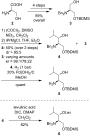
- moiety to the muraymycin scaffold. As part of our synthetic studies on muraymycins and their analogues [19][20][21][22][23][24], including investigations on the unusual ω-functionalized fatty acid motif found in muraymycin A1 (1a) [25], we identified the need for a highly stereoselective synthesis of (2S




Isocyanide-based multicomponent reactions towards cyclic constrained peptidomimetics
Beilstein J. Org. Chem. 2014, 10, 544–598, doi:10.3762/bjoc.10.50

- ], the CB1 receptor of cannabinoid and fatty acid amide hydrolase [114][118][119][120][121]. In this context, Hulme and co-workers described a Passerini multicomponent approach towards cis-constrained norstatine mimics, a class of HIV-1 protease inhibitors with a tetrazole core (Scheme 45) [122]. They





