


Search results
Search for "multicomponent reactions" in Full Text gives 186 result(s) in Beilstein Journal of Organic Chemistry.
Unexpected one-pot formation of the 1H-6a,8a-epiminotricyclopenta[a,c,e][8]annulene system from cyclopentanone, ammonia and dimethyl fumarate. Synthesis of highly strained polycyclic nitroxide and EPR study
Beilstein J. Org. Chem. 2019, 15, 2664–2670, doi:10.3762/bjoc.15.259

- to the N–O· group. Keywords: domino reactions; EPR; nitroxide; spin relaxation; Introduction Domino reactions have attracted much attention as an approach for the synthesis of complex molecules in a few steps [1]. The utility of multicomponent reactions involving amines, activated olefins and


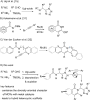
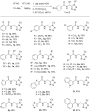
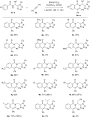
Combining the Ugi-azide multicomponent reaction and rhodium(III)-catalyzed annulation for the synthesis of tetrazole-isoquinolone/pyridone hybrids
Beilstein J. Org. Chem. 2019, 15, 2447–2457, doi:10.3762/bjoc.15.237

- tetrazole ring takes part in the catalytic reaction mechanism by chelating Rh(III) upon activation of the amide ortho-position. This work illustrates the synthetic potential of combining isocyanide-based multicomponent reactions with metal-catalyzed transformations to generate structural diversity and
- /pyridone hybrids by means of a reaction sequence comprising an Ugi-azide-4CR and a Rh(III)-catalyzed annulation as key steps (Scheme 1D). Results and Discussion In previous works, our group has described a variety of synthetic approaches that combine the diversity-generating character of multicomponent
- reactions (MCRs) with the large synthetic scope of metal-catalyzed cyclization protocols [49][50][51][52][53][54]. In this sense, we envisioned that the application of modern Ru(II) or Rh(III)-catalyzed annulations on Ugi-azide-4CR-derived scaffolds could be a promising strategy to generate novel hybrid




Multicomponent reactions III
Beilstein J. Org. Chem. 2019, 15, 1974–1975, doi:10.3762/bjoc.15.192
- Thomas J. J. Muller Heinrich-Heine Universität Düsseldorf, Institut für Organische Chemie und Makromolekulare Chemie, Universitätsstraße 1, D-40225 Düsseldorf, Germany 10.3762/bjoc.15.192 Keywords: MCR; multicomponent reactions; In times of steadily increasing relevance of sustainability and
- environmental concern, the concept of multicomponent reactions (MCRs) [1] has become a particularly powerful principle of synthetic design, combining synthetic efficiency with conceptual efficacy. The importance of rapid lead finding and identification has demanded novel ways of synthetic approaches, ultimately
- issue on multicomponent reactions proceeds the previously released issues from 2011 and 2014 [5][6]. Moreover, by the majority of the contributing authors it also becomes a vivid testimony of last year's 7th International Conference on Multicomponent Chemistry and Related Reactions that was held in
Vicinal difunctionalization of alkenes by four-component radical cascade reaction of xanthogenates, alkenes, CO, and sulfonyl oxime ethers
Beilstein J. Org. Chem. 2019, 15, 1822–1828, doi:10.3762/bjoc.15.176

- functionalities, have the potential for further elaboration. Keywords: CO; multicomponent reaction; radicals; sulfonyl oxime ethers; xanthogenates; Introduction Multicomponent reactions constitute a powerful and highly efficient tool in organic synthesis to build up intricate compounds from simple molecules in
- multicomponent reactions, specific four-component reactions are still rare [26][27][28]. The present procedure, which is easy to carry out using an autoclave in a single operation, shows that a fine tuning of the reaction conditions (pressure and temperature) and reagents polarities offer a straightforward


Recent advances on the transition-metal-catalyzed synthesis of imidazopyridines: an updated coverage
Beilstein J. Org. Chem. 2019, 15, 1612–1704, doi:10.3762/bjoc.15.165
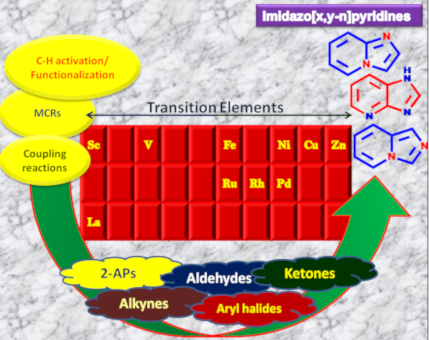
- development and (ii) for the modifications needed thereof in the R&D sector. Keywords: C–H activation/functionalization; coupling reactions; imidazopyridines; multicomponent reactions; transition metal catalysis; Introduction The structural diversity and biological importance of nitrogen-containing
- organic reactions. In the syntheses of IPs, various forms of copper viz., salts, complexes, MOFs, oxides, and nanoparticles (NPs) have been used as the catalytic system in both multicomponent reactions (MCRs) as well as derivatization methodologies. The role of palladium in synthetic chemistry Pd
- , and multicomponent coupling reactions [92][93]. Review Multicomponent reactions for the synthesis of imidazopyridines One of the major challenges in organic synthesis is the creation of diverse and complex molecules from simple and readily available substrates. MCRs constitute one of the most


A novel three-component reaction between isocyanides, alcohols or thiols and elemental sulfur: a mild, catalyst-free approach towards O-thiocarbamates and dithiocarbamates
Beilstein J. Org. Chem. 2019, 15, 1523–1533, doi:10.3762/bjoc.15.155
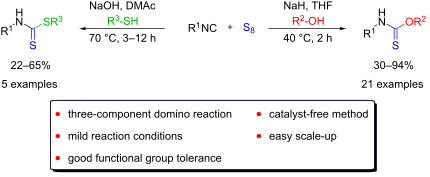
- yield [70]. In certain cases, sulfur can be trapped by in situ generated carbenes to afford O-thiocarbamates [71][72]. Thioureas and S-thiocarbamates are also accessible through multicomponent reactions starting from isocyanides and sulfur [73][74][75]. The cumbersome synthesis of isothiocyanates from
- reaction times. More recently, a novel three-component method has been published starting from readily available amines and sodium bromodifluoracetate [84], but this synthetic route provides halogenated waste, as well. As a continuation of our interest in the development of multicomponent reactions [85][86

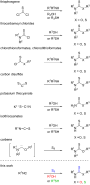

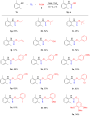


Efficiency Effsyn of complex syntheses as multicomponent reactions, its algorithm and calculations based on concrete criteria
Beilstein J. Org. Chem. 2019, 15, 1425–1433, doi:10.3762/bjoc.15.142
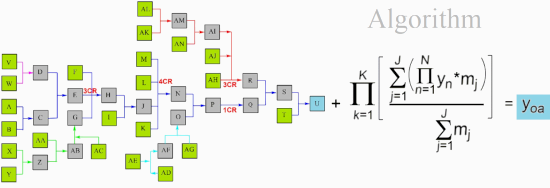
- synthesis, notably multicomponent reactions (MCRs). An algorithm has been developed to precisely evaluate even highly complex syntheses with regards to their synthesis efficiency Effsyn as a tool for strict compliance with green chemistry requirements, and for economic progress. The mathematical operations



One-pot activation–alkynylation–cyclization synthesis of 1,5-diacyl-5-hydroxypyrazolines in a consecutive three-component fashion
Beilstein J. Org. Chem. 2019, 15, 1360–1370, doi:10.3762/bjoc.15.136
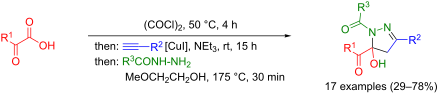
- -hydroxypyrazolines in moderate to good yields. The structures were unambiguously corroborated by comprehensive NMR spectroscopy and X-ray structure analyses of selected derivatives. Keywords: activation; alkynylation; C–C coupling; copper; cyclization; multicomponent reactions; Introduction Pyrazoles [1][2] and
- multicomponent reactions [43][44][45][46][47]. Particularly interesting are alkynediones, because, as densely functionalized trielectrophiles, the alkyne, ynone and dicarbonyl functionalities can be selectively addressed. We have established two complementary one-pot pathways to alkynediones, a glyoxylation
- cyclizing processes, eventually in a one-pot fashion. Further studies exploring the dense electrophilic reactivity of ynediones in consecutive multicomponent reactions are still underway. Experimental Typical procedure for the three-component synthesis of compound 5b: In an oven-dried Schlenk flask equipped


Doebner-type pyrazolopyridine carboxylic acids in an Ugi four-component reaction
Beilstein J. Org. Chem. 2019, 15, 1281–1288, doi:10.3762/bjoc.15.126
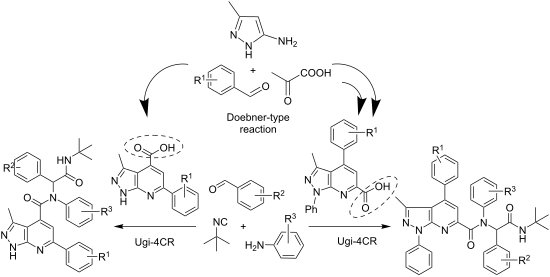
- convergent and versatile manner using diversity generation strategies: combination of two multicomponent reactions and conditions-based divergence strategy. The target products contain as pharmacophores pyrazolopyridine and peptidomimetic moieties with four points of diversity introduced from readily
- compounds characterized by several important features, e.g., molecular complexity and diversity at different levels, high variability and easy accessibility from relatively simple reagents. These challenges can be overcome by using multicomponent reactions (MCRs) but also other strategies can be applied in
- addition to MCRs for generating diversity, e.g., build/couple/pair- (BCP), single reactant replacement- (SRR), modular reaction sequences- (MRS), conditions-based divergence- (CBD) and combination of multicomponent reactions (MCR2) strategies (for more details and examples see [1][2][3] and Scheme 1). A


Steroid diversification by multicomponent reactions
Beilstein J. Org. Chem. 2019, 15, 1236–1256, doi:10.3762/bjoc.15.121
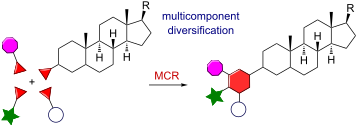
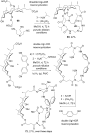
- structural diversification of steroids by means of multicomponent reactions (MCRs) have significantly increased over the last decade. This review covers the most relevant strategies dealing with the use of steroidal substrates in MCRs, including the synthesis of steroidal heterocycles and macrocycles as well
- supramolecular chemistry applications. Keywords: conjugation; heterocycles; macrocycles; multicomponent reactions; steroids; Review 1 Introduction The utilization of multicomponent reactions (MCRs) [1] for the derivatization of biomolecules has continuously grown over the last years. These diversity-oriented



Ugi reaction-derived prolyl peptide catalysts grafted on the renewable polymer polyfurfuryl alcohol for applications in heterogeneous enamine catalysis
Beilstein J. Org. Chem. 2019, 15, 1210–1216, doi:10.3762/bjoc.15.118
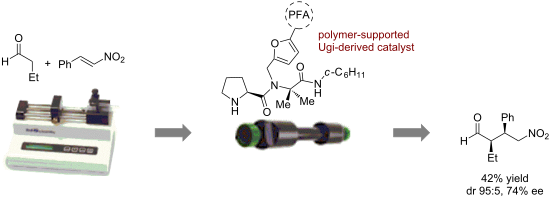
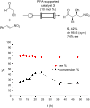
- asymmetric Michael addition of n-butanal to β-nitrostyrene that was used as a model reaction. This work supports the potential of multicomponent reactions towards the assembly of catalysts and their simultaneous functionalization for immobilization. Keywords: flow chemistry; heterogeneous catalysis
- ; multicomponent reactions; organocatalysis; polyfurfuryl alcohol; Introduction The immobilization of secondary amine-based catalysts onto organic polymers and silica gel has emerged as an effective strategy that combines the power of heterogeneous and organocatalysis [1][2][3]. Asymmetric catalysis using polymer
- polymerizable handle suitable for subsequent copolymerization with a monomeric counterpart. In this regard, multicomponent reactions (MCRs) provide a great opportunity for the simultaneous assembly of the catalyst along with the functionalization polymerizable handle. Orru and co-workers were the first to


Multicomponent reactions (MCRs): a useful access to the synthesis of benzo-fused γ-lactams
Beilstein J. Org. Chem. 2019, 15, 1065–1085, doi:10.3762/bjoc.15.104
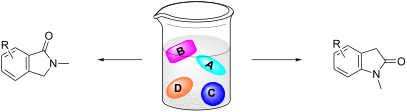
- methods include the efficiency in saving raw materials and working time. However, there is still a need of new catalytic systems to allow the enantioselective preparation of these heterocycles by multicomponent reactions. Keywords: indolin-2-ones; isoindolinones; γ-lactams; multicomponent reactions; 2
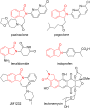
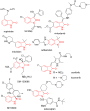
- of heterocycles by multicomponent reactions (MCRs) [49][50][51][52][53][54][55], the synthesis of three- and four-membered heterocycles through MCRs has been reviewed recently [56], and taking into account the increasing amount of procedures developed in the last years for the preparation of
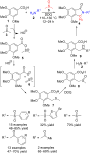
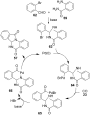
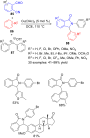
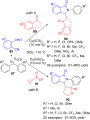
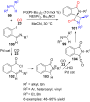
- multicomponent reactions with amines and isocyanides by several research groups to make highly functionalized lactams. After the pioneering works by Ley [87] and Zhang [88], other contributions have been reported in the last years. For example, Shaabani et al. [89] used diamines 41, isocyanides 42 and two










A three-component, Zn(OTf)2-mediated entry into trisubstituted 2-aminoimidazoles
Beilstein J. Org. Chem. 2019, 15, 1061–1064, doi:10.3762/bjoc.15.103
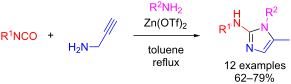
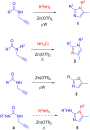
- propargylureas (leading to 2-imidazolones) and extend the range of Lewis acid-catalyzed azole syntheses based on N-carbonyl propargylamines. Keywords: alkyne hydroamination; cyclocondensation; Lewis acid catalysis; multicomponent reactions; propargylurea; Introduction The pioneering publications of Beller and



Novel (2-amino-4-arylimidazolyl)propanoic acids and pyrrolo[1,2-c]imidazoles via the domino reactions of 2-amino-4-arylimidazoles with carbonyl and methylene active compounds
Beilstein J. Org. Chem. 2019, 15, 1032–1045, doi:10.3762/bjoc.15.101
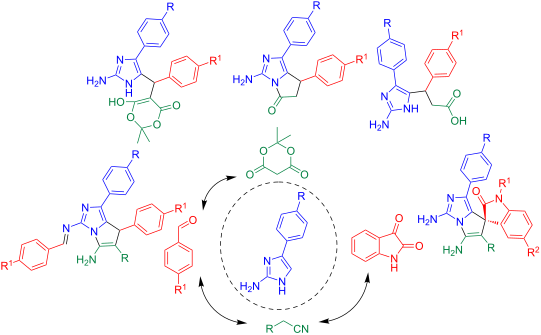
- considered as the analogues of both 3,3’-spirooxindole and 2-aminoimidazole marine sponge alkaloids. Keywords: 2-amino-4-arylimidazole; (2-amino-4-arylimidazolyl)propanoic acid; isatin; Meldrum’s acid; multicomponent reactions; pyrrolo[1,2-c]imidazole; 3,3’-spirooxindoles; Introduction Heterocyclic
- that mimic the core structure of marine alkaloids due to the presence of several reaction centres, which allow their further chemical modification. In the present work we disclose our results on the multicomponent reactions between 2-amino-4-arylimidazoles, aromatic aldehydes or isatins and cyclic or


Synthesis of (macro)heterocycles by consecutive/repetitive isocyanide-based multicomponent reactions
Beilstein J. Org. Chem. 2019, 15, 906–930, doi:10.3762/bjoc.15.88
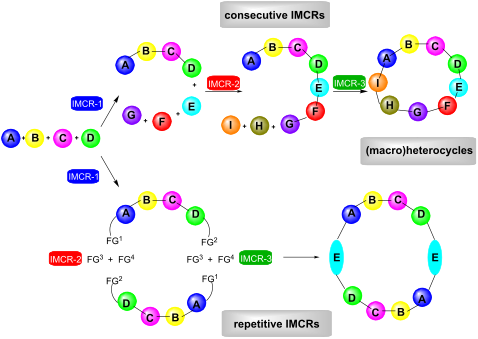
- Angelica de Fatima S. Barreto Carlos Kleber Z. Andrade Universidade de Brasília, Instituto de Química, Laboratório de Química Metodológica e Orgânica Sintética (LaQMOS), 70910-970 Brasília-DF, Brazil 10.3762/bjoc.15.88 Abstract Isocyanide-based multicomponent reactions are a versatile tool in the
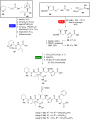
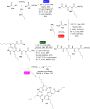
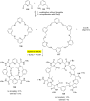
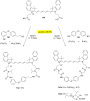
- synthesis of heterocycles. This review describes recently developed approaches based on the combination of consecutive or repetitive isocyanide-based multicomponent reactions for the synthesis of structurally diverse heterocycles. These strategies have also allowed the synthesis of a plethora of
- macroheterocycles in a reduced number of steps. Keywords: consecutive/repetitive multicomponent reactions; isocyanide; isocyanide-based multicomponent reactions; (macro)heterocycles; Passerini reaction; Ugi reaction; Introduction Isocyanide (isonitrile) chemistry was first described by Lieke in 1859 [1] and forms







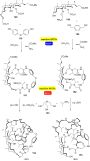


Efficient synthesis of pyrazolopyridines containing a chromane backbone through domino reaction
Beilstein J. Org. Chem. 2019, 15, 874–880, doi:10.3762/bjoc.15.85

- new fused heterocyclic backbones has always been a major challenge in the field of organic synthesis [1][2][3]. Multicomponent reactions (MCRs) and domino reactions are known as efficient synthetic approaches for the synthesis of complex molecules [4][5][6]. Domino reactions have been defined by


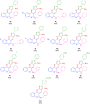


Synthesis of a novel category of pseudo-peptides using an Ugi three-component reaction of levulinic acid as bifunctional substrate, amines, and amino acid-based isocyanides
Beilstein J. Org. Chem. 2019, 15, 852–857, doi:10.3762/bjoc.15.82
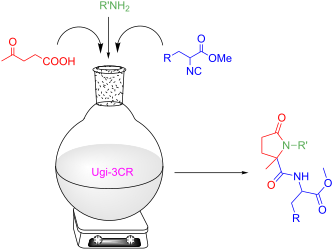
- molecules using multicomponent reactions (MCRs). MCRs transform three or more starting materials into a single product in an atom- and step-economical way in diversity- and target-oriented syntheses in modern organic synthesis. In addition, MCRs are characterized by high yields, time efficiency, low waste
- aliphatic amines and ordinary isocyanides with excellent yields [24]. In 2003, Mironov et al. reported the Ugi reaction of levulinic acid, isocyanides and primary amines in aqueous media with high yields [25]. In addition, Banfi et al. have shown that by using levulinic acid in multicomponent reactions and
- post-multicomponent reactions, diversities of bicyclic drug-like heterocyclic compounds can be obtained [26]. Results and Discussion In continuation of our interest on the synthesis of novel pseudo-peptides [27][28][29] via multicomponent reactions, herein we investigate the Ugi-4C-3CR of levulinic


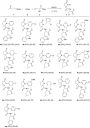


Synthesis of 2H-furo[2,3-c]pyrazole ring systems through silver(I) ion-mediated ring-closure reaction
Beilstein J. Org. Chem. 2019, 15, 679–684, doi:10.3762/bjoc.15.62

- -inflammatory [5], and antidiabetic agents [6]. The numerous known methods for the preparation of these compounds are generally based on multicomponent reactions of an aromatic aldehyde, a β-keto ester, a hydrazine and malononitrile [7]. In a similar reaction using a pyridinium ylide instead of malononitrile


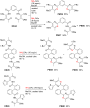
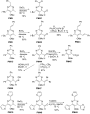
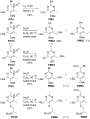
The LANCA three-component reaction to highly substituted β-ketoenamides – versatile intermediates for the synthesis of functionalized pyridine, pyrimidine, oxazole and quinoxaline derivatives
Beilstein J. Org. Chem. 2019, 15, 655–678, doi:10.3762/bjoc.15.61
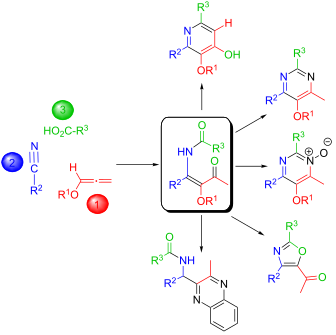
- reactions are possible. Keywords: allenes; condensations; multicomponent reactions; oxazoles; pyrimidines; quinoxalines; Introduction Multicomponent reactions are known to create unique product skeletons in an atom economic, efficient and time saving fashion. In many cases, compounds bearing functional






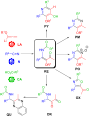
Catalyst-free assembly of giant tris(heteroaryl)methanes: synthesis of novel pharmacophoric triads and model sterically crowded tris(heteroaryl/aryl)methyl cation salts
Beilstein J. Org. Chem. 2019, 15, 642–654, doi:10.3762/bjoc.15.60
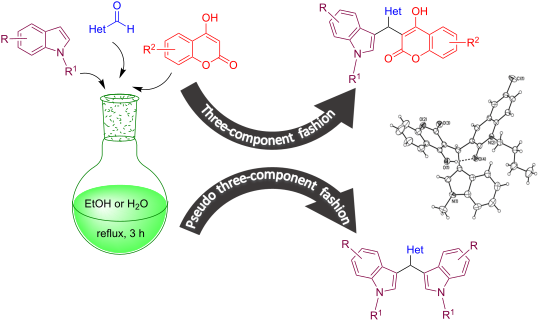
- /HPF6 and studied by NMR and by DFT and GIAO-DFT. Keywords: model heteroarylmethylium salts; multicomponent; one-pot catalyst-free assembly; pharmacophoric triads; three-component synthesis; tris(heteroaryl)methanes; Yonemitsu-type reaction; Introduction During the last few decades multicomponent
- reactions (MCRs) have gained importance as a suitable strategy for the synthesis of diverse synthetic and naturally occurring compounds of biological and practical interest. This approach offers several advantages including simplicity, high reaction rates, and high bond-forming efficiency [1][2][3][4][5


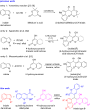


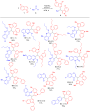

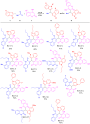


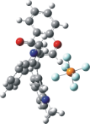

Selectivity in multiple multicomponent reactions: types and synthetic applications
Beilstein J. Org. Chem. 2019, 15, 521–534, doi:10.3762/bjoc.15.46
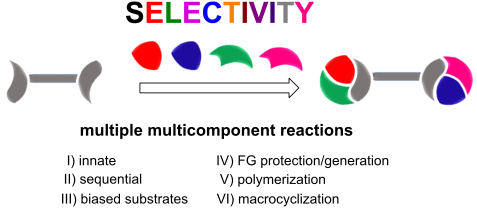
- of Bologna, Via Belmeloro, 6, 40126, Bologna, Italy 10.3762/bjoc.15.46 Abstract Multiple multicomponent reactions reach an unparalleled level of connectivity, leading to highly complex adducts. Usually, only one type of transformation involving the same set of reactants takes place. However, in some
- reactions; reaction discovery; selectivity; Introduction Organic synthesis has become fundamental in science and technology, affecting many aspects of our lives. Therefore, there is a big need for the optimized preparation of a variety of compounds [1][2][3]. In this context, multicomponent reactions (MCRs
- multicomponent reactions (MMCRs) display impressive power regarding connectivity and bond-forming efficiency and can be considered as ideal synthetic processes in many aspects [5]. These features may be maximized if the controlled incorporation of distinct reactant units, belonging to the same class, along the


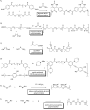


Design of indole- and MCR-based macrocycles as p53-MDM2 antagonists
Beilstein J. Org. Chem. 2019, 15, 513–520, doi:10.3762/bjoc.15.45
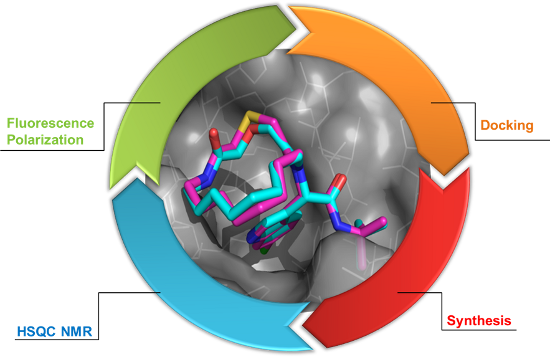
- ][12]. For this reason a great effort is ongoing to utilize multicomponent reactions for the synthesis of macrocycles [8][13][14][15][16][17][18][19][20][21][22][23][24][25]. The p53 protein is a well-studied protein which has a leading role in protecting our organism from cancer. It was found that



Thiol-free chemoenzymatic synthesis of β-ketosulfides
Beilstein J. Org. Chem. 2019, 15, 378–387, doi:10.3762/bjoc.15.34
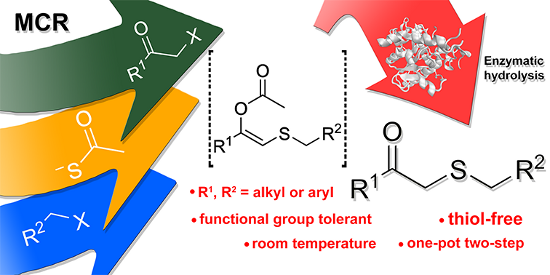
- role as precursors in the synthesis of bioactive compounds [13][26][27], substrates for multicomponent reactions [28], and lately, have successfully been applied in polymer photodecoration [29][30]. They can easily be reduced into chiral hydroxy derivatives [31] and properly oxidised at sulfur to
- generate the corresponding chiral sulfoxides or sulfone derivatives [32]. Multicomponent reactions (MCRs), in which three or more reagents react giving rise to generally complex molecules in one-pot, have arisen as a powerful tool to connect fragments in a simple manner, avoiding cost and time-consuming


Mn-mediated sequential three-component domino Knoevenagel/cyclization/Michael addition/oxidative cyclization reaction towards annulated imidazo[1,2-a]pyridines
Beilstein J. Org. Chem. 2018, 14, 3078–3087, doi:10.3762/bjoc.14.287
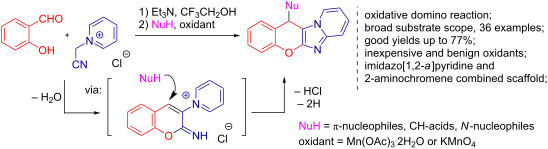
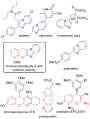
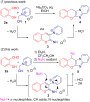
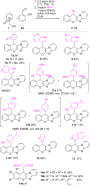
- given to domino reactions with an oxidation step, revealing possibilities for shifting the equilibrium by making products more stable or in situ generating reactive intermediates [2][3][4][5][6][7][8][9][10][11][12][13]. In its turn, multicomponent reactions (MCRs), usually occurring as domino processes



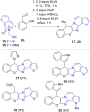


Synthesis of indole–cycloalkyl[b]pyridine hybrids via a four-component six-step tandem process
Beilstein J. Org. Chem. 2018, 14, 2907–2915, doi:10.3762/bjoc.14.269
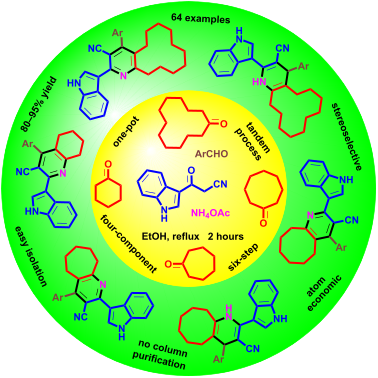
- received less attention. For instance, the multicomponent reactions of aldehydes, 3-(1H-indol-3-yl)-3-oxopropanenitriles and 5-aminopyrazol or naphthylamine afforded indole substituted fused pyridine derivatives [56]. 2-Indole substituted pyridine derivatives have also been prepared through AlCl3-induced C





