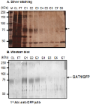
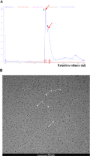
Search results
Search for "regulation" in Full Text gives 151 result(s) in Beilstein Journal of Organic Chemistry.
Synthesis of acylglycerol derivatives by mechanochemistry
Beilstein J. Org. Chem. 2019, 15, 811–817, doi:10.3762/bjoc.15.78
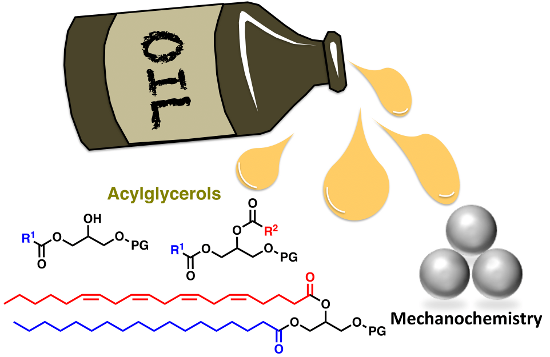
- yields up to 91% (Scheme 4). Particularly interesting was the formation of DAG (18:0/20:4) 5d, an important lipidic backbone present in the biologically relevant phosphatidylinositol 4,5-bisphosphate (PIP2) [22]. In fact, diacylglycerols have proven to play vital roles in regulation of lipid bilayer and


Azologization of serotonin 5-HT3 receptor antagonists
Beilstein J. Org. Chem. 2019, 15, 780–788, doi:10.3762/bjoc.15.74
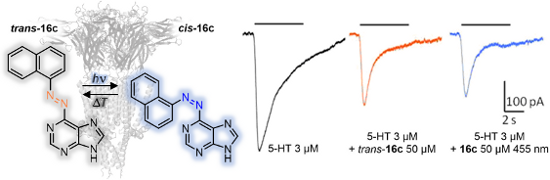
- -HT3A and 5-HT3B receptor subunits [22][23][24]. 5-HT3 receptors are highly expressed in the brainstem, especially in areas involved in the vomiting reflex and in the dorsal horn of the spinal cord [25]. These receptors are also expressed presynaptically providing regulation of the neurotransmitters
- improve prospective antagonists and obtain a systematic tool for receptor investigation, spatial and temporal restriction of ligand binding and concomitant activity regulation is desirable. Fuelled by light, the growing field of photopharmacology provides a noninvasive method to trigger a drug’s


Design and synthesis of multivalent α-1,2-trimannose-linked bioerodible microparticles for applications in immune response studies of Leishmania major infection
Beilstein J. Org. Chem. 2019, 15, 623–632, doi:10.3762/bjoc.15.58
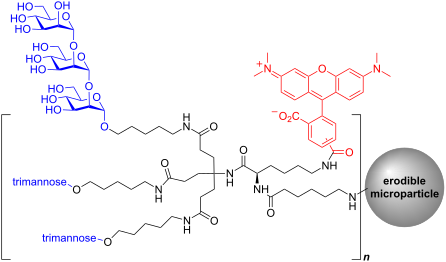
- administration to L. major infected mice (Figure 4). Results and Discussion To further probe the biological mechanisms responsible for L. major immune regulation, a new adjuvant-like pathogen-associated molecular probe was designed to promote pathogen recognition receptor (PRR)-mediated internalization and slow


Synthesis and biological activity of methylated derivatives of the Pseudomonas metabolites HHQ, HQNO and PQS
Beilstein J. Org. Chem. 2019, 15, 187–193, doi:10.3762/bjoc.15.18
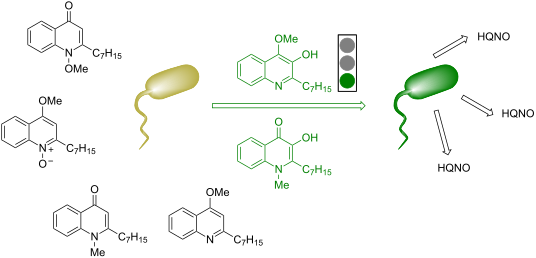
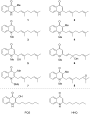
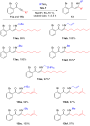
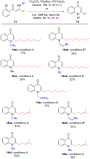
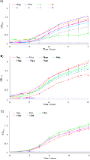
- (HHQ, 1) are important signaling molecules involved in quorum sensing and as such play an important role in virulence regulation [3][10][11][12]. Another metabolite from the AQ biosynthesis pathway of P. aeruginosa is 2-heptyl-1-hydroxy-4(1H)-quinolone (generally referred to as 2-heptyl-4




Repurposing the anticancer drug cisplatin with the aim of developing novel Pseudomonas aeruginosa infection control agents
Beilstein J. Org. Chem. 2018, 14, 3059–3069, doi:10.3762/bjoc.14.284
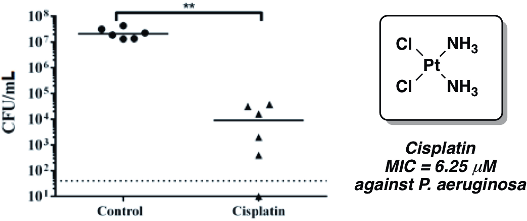
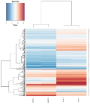
- ). Together with the transcriptome profiling, this result confirmed that cisplatin was able to interact with the P. aeruginosa DNA, resulting in up-regulation of stress response genes. This mechanism was also similar to the mechanism of action by another DNA crosslinker, mitomycin C which kills bacterial




Green synthesis of new chiral 1-(arylamino)imidazo[2,1-a]isoindole-2,5-diones from the corresponding α-amino acid arylhydrazides in aqueous medium
Beilstein J. Org. Chem. 2018, 14, 2923–2930, doi:10.3762/bjoc.14.271
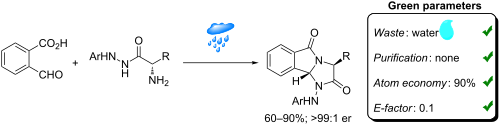
- have been known as an important herbicides for bud growth inhibition [2][3][4][5][6] and plant growth regulation [7][8][9][10][11]. Several research groups have turned to the synthesis of these structural analogues (Figure 1) [12]. For example, the stereoselective synthesis of chiral 1H-imidazo[2,1-a




Protein–protein interactions in bacteria: a promising and challenging avenue towards the discovery of new antibiotics
Beilstein J. Org. Chem. 2018, 14, 2881–2896, doi:10.3762/bjoc.14.267
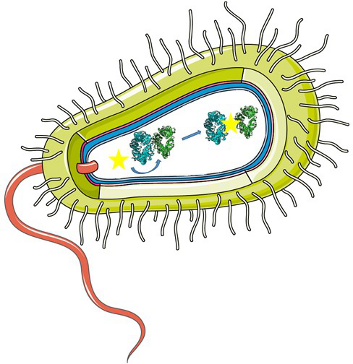
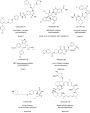
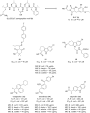
- regulation of gene expression, DNA replication, signal transduction, virulence, etc. and therefore represent potential fruitful targets for antibacterial drug discovery. Recently, scientific efforts have helped towards the understanding and the deciphering of the protein-interaction networks (PINs) that




Synthesis and biological evaluation of 1,2-disubstituted 4-quinolone analogues of Pseudonocardia sp. natural products
Beilstein J. Org. Chem. 2018, 14, 2680–2688, doi:10.3762/bjoc.14.245

- -position [14][15]. As a measure of modulation of QS in P. aeruginosa, it was desired to measure the amount of pyocyanin produced by bacterial cultures after treatment with the compounds. This virulence factor is known to be under the regulation of PQS signalling system, and is capable of disrupting many
- work in each case, and suggests that it may be possible to attain selective therapeutic treatment of a specific species. Furthermore, the saturated series of analogues were demonstrated to inhibit the production of pyocyanin by P. aeruginosa, a virulence factor known to be under QS regulation





Non-native autoinducer analogs capable of modulating the SdiA quorum sensing receptor in Salmonella enterica serovar Typhimurium
Beilstein J. Org. Chem. 2018, 14, 2651–2664, doi:10.3762/bjoc.14.243
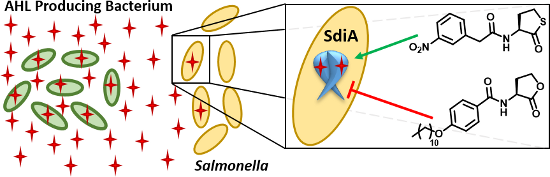
- has lagged behind [4]. In recent years, non-bacteriocidal approaches have emerged as a new therapeutic strategy to treat infection with potentially a lesser propensity for resistance development and spread [4][5][6]. Interfering with the regulation of virulence phenotypes represents one such approach



Targeting the Pseudomonas quinolone signal quorum sensing system for the discovery of novel anti-infective pathoblockers
Beilstein J. Org. Chem. 2018, 14, 2627–2645, doi:10.3762/bjoc.14.241
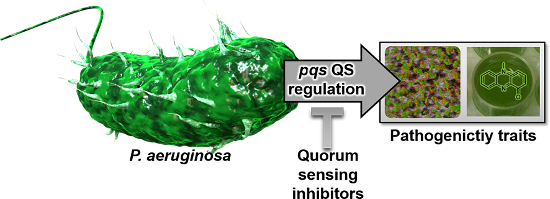
- and other pathogenicity traits to overwhelm and colonise the host in the infection process [5] and pqs QS plays a crucial role in the regulation of many of those. It is astonishing, that expression of 182 genes is altered in response to exogenous PQS [33]. Evidence has been gathered, that these
- response. In terms of pathogenicity traits, they are involved in the regulation of genes encoding for enzymes responsible for phenazine biosynthesis (pyocyanin production), hydrogen cyanide synthesis, Lectins LecA and LecB and additional genes involved in biofilm formation, enzymes for rhamnolipid
- synthesis, a Resistance-Nodulation-Cell division (RND) efflux pump encoded by mexGHI-opmD operon, components of Type 3 and Type 6 secretion as well as the exotoxin ExoS, and siderophore synthases [33]. In addition to virulence regulation, some remarkable secondary effects have been attributed to the PQS


Impact of Pseudomonas aeruginosa quorum sensing signaling molecules on adhesion and inflammatory markers in endothelial cells
Beilstein J. Org. Chem. 2018, 14, 2580–2588, doi:10.3762/bjoc.14.235
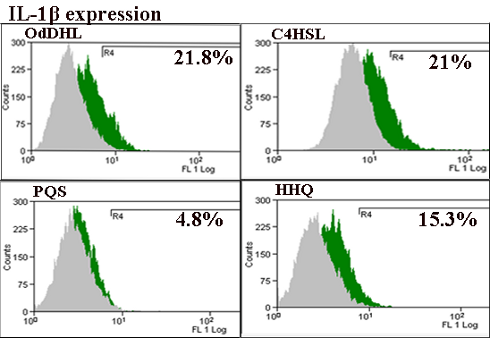
- and blood dissemination of the infection [3]. The regulation of the virulence factors expression is coordinated by quorum sensing (QS), an intercellular communication system based on cell density dependent molecules with autoinductory properties that play a pivotal role in the pathogenesis of various
- therapeutic strategies against P. aeruginosa infections, which are very difficult to treat. The vascular endothelium is crucial for cell and tissue homeostasis and regulation of inflammatory response. The loss of its integrity causes plasma, proteins and cells to build up in the interstitial space, resulting


Comparative cell biological study of in vitro antitumor and antimetastatic activity on melanoma cells of GnRH-III-containing conjugates modified with short-chain fatty acids
Beilstein J. Org. Chem. 2018, 14, 2495–2509, doi:10.3762/bjoc.14.226
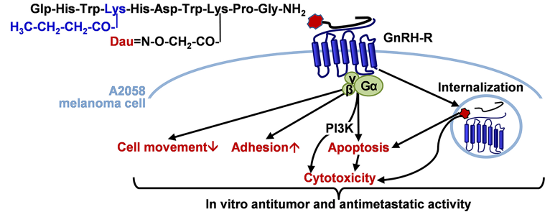
- the regulation of gonadal steroidogenesis and gametogenesis by integrating the nervous and endocrine system in the pituitary gland [4]. Regarding the targeted chemotherapy, it is highly advantageous that several native GnRH analogs, including the two human isoforms (GnRH-I and GnRH-II), and their


Bioinspired cobalt cubanes with tunable redox potentials for photocatalytic water oxidation and CO2 reduction
Beilstein J. Org. Chem. 2018, 14, 2331–2339, doi:10.3762/bjoc.14.208
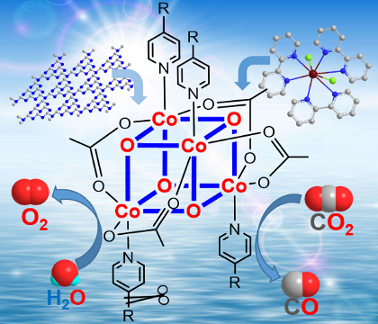
- reactions. The “Co4O4” cubane complex Co4O4(CO2Me)4(RNC5H4)4 (R = CN, Br, H, Me, OMe), serves as a molecular catalyst for the efficient and stable photocatalytic water oxidation and CO2 reduction. A comprehensive structure–function analysis emerged herein, highlights the regulation of electronic
- redox potentials reflect a dependence on the electronic properties of the ligand. This again underlines, that the ligands are playing a significant role in the regulation of the redox properties of the 1-R complexes. To further estimate the impact of ligand substitution, the complexes were analyzed by


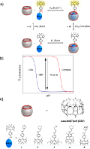
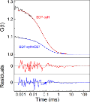
Rational design of boron-dipyrromethene (BODIPY) reporter dyes for cucurbit[7]uril
Beilstein J. Org. Chem. 2018, 14, 1961–1971, doi:10.3762/bjoc.14.171
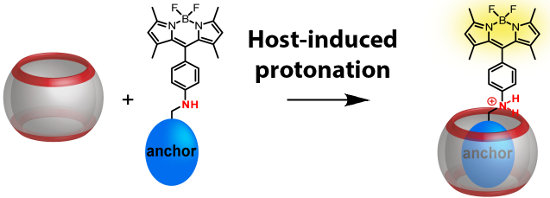
- combination of properties has enabled numerous applications in the life sciences, for example, for protein binding [5][6], stabilization [7], immobilisation [8], isolation [9], self-assembly [10][11], and regulation [12], or for drug solubilisation and delivery [13][14][15]. The combination of CBs with




An overview of recent advances in duplex DNA recognition by small molecules
Beilstein J. Org. Chem. 2018, 14, 1051–1086, doi:10.3762/bjoc.14.93
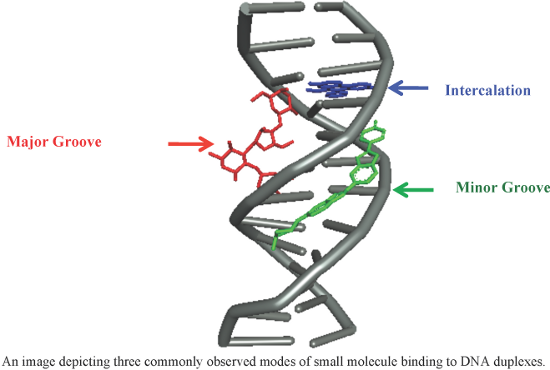
- structural analogs of distamycin, netropsin and thiazotropsins were developed to test their DNA binding affinity, sequence specificity and cytotoxicity, thereby eventually developing a general approach for the regulation of gene expression by DNA binding small molecules. However, all these analogs do not






Nanoreactors for green catalysis
Beilstein J. Org. Chem. 2018, 14, 716–733, doi:10.3762/bjoc.14.61
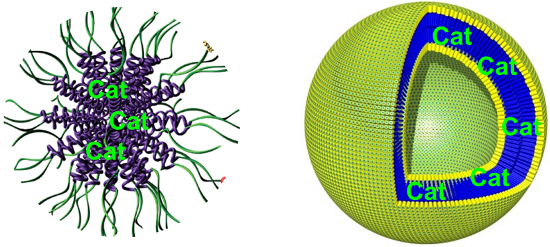
- individually incorporated into the polymersomes and mixed together in solution; in both of the cases the final product formation was monitored by UV–vis spectroscopy. The control over the pH allowed the regulation of the enzymatic cascade (no product was observed at pH 8 in both of the reactive systems), as


Stimuli-responsive oligonucleotides in prodrug-based approaches for gene silencing
Beilstein J. Org. Chem. 2018, 14, 436–469, doi:10.3762/bjoc.14.32
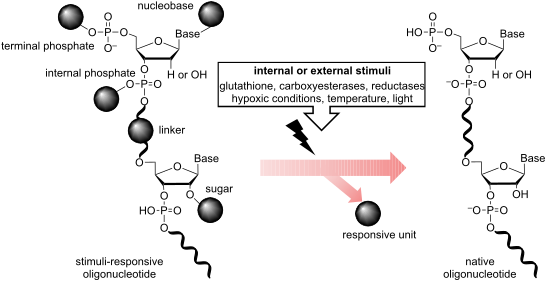
- such as gene regulation is to circumvent the poor chemical stability of nucleic acids in biological media due to their low resistance to nucleases and to overcome their low cell uptake due to their polyanionic nature. In the present review, we aimed to identify various ON prodrugs that are responsive
- in vitro as in HeLa cells. Modifications at the nucleobase For selected reviews on this topic, see [79][80]. From all possible photoresponsive modifications introduced into ONs, modifications of the nucleobases are the most widely used for the regulation of gene expression under light activation. For


Aminosugar-based immunomodulator lipid A: synthetic approaches
Beilstein J. Org. Chem. 2018, 14, 25–53, doi:10.3762/bjoc.14.3
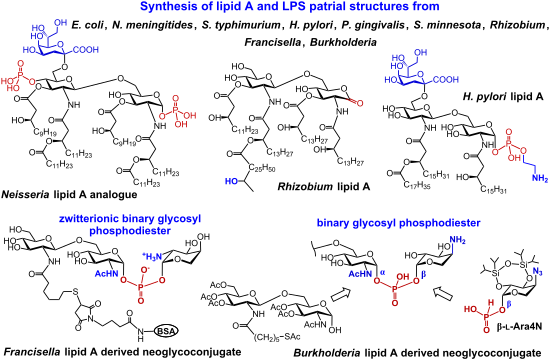
- ). Application of natural or synthetic TLR4 antagonists represents one of the most effective approaches for down-regulation of the TLR4-mediated signaling. So far, several lipid A variants which can block the LPS-binding site on human (h)MD-2 have been identified: tetraacylated lipid IVa [47] and a non
- -pathogenic lipid A from R. sphaeroides [22][48], which served as structural basis for the synthetic antisepsis drug candidate eritoran [49][50]. Inadequate regulation of the TLR4-mediated signaling was recognized as crucial factor in the pathogenesis of chronic inflammatory, autoimmune and infectious
- diseases [51][52][53]. A number of studies also suggested a possible implication of TLR4 in cardiovascular disorders [54] and Alzheimer desease – associated pathology [55]. Therapeutic down-regulation of the TLR4 signaling is believed to be beneficial for treatment of numerous chronic and acute






A concise flow synthesis of indole-3-carboxylic ester and its derivatisation to an auxin mimic
Beilstein J. Org. Chem. 2017, 13, 2549–2560, doi:10.3762/bjoc.13.251
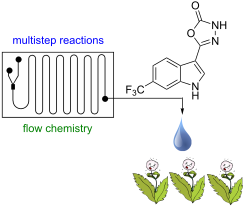
- , this created a convenient staging point to generate intermediate holding batches of material for subsequent on demand processing. Overall we envisage this laboratory scale design to offer several opportunities for further development enabling quick up regulation of production in the future


p-tert-Butylthiacalix[4]arenes functionalized by N-(4’-nitrophenyl)acetamide and N,N-diethylacetamide fragments: synthesis and binding of anionic guests
Beilstein J. Org. Chem. 2017, 13, 1940–1949, doi:10.3762/bjoc.13.188

- in the regulation of anions is a cause of many diseases [7][8][9][10][11][12]. Thus, selective synthetic receptors can be used in medicine as medicinal and diagnostic agents. However, the design and synthesis of the systems for recognizing anions remains one of the important scientific challenges in


The chemistry and biology of mycolactones
Beilstein J. Org. Chem. 2017, 13, 1596–1660, doi:10.3762/bjoc.13.159
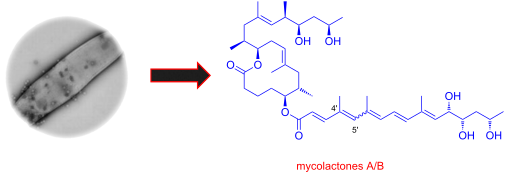
- ]. While N-WASP is ubiquitously expressed, WASP is only found in cells of the hematopoietic lineage and appears to be critically involved in the regulation of the immune system [95]. WASP and N-WASP exist in a basal auto-inhibited state, a closed conformation in which the C-terminal verprolin homology
- -treated cells die by apoptosis. Interestingly, the addition of wiskostatin, which was previously shown to counteract cytotoxic effects of mycolactones [93], even enhanced mycolactone toxicity. By using a real-time PCR (qPCR) screening of 84 genes involved in the regulation of apoptosis, autophagy and
- -regulation of Bim. Furthermore, the suggested interaction of mycolactone A/B with FKBP12 is supported by the protective effects of an excess of FK506 against mycolactone-induced apoptosis. However, further experimental validation of the mycolactone-FKBP12 interaction, e.g., by SPR, NMR or X-ray









Grip on complexity in chemical reaction networks
Beilstein J. Org. Chem. 2017, 13, 1486–1497, doi:10.3762/bjoc.13.147
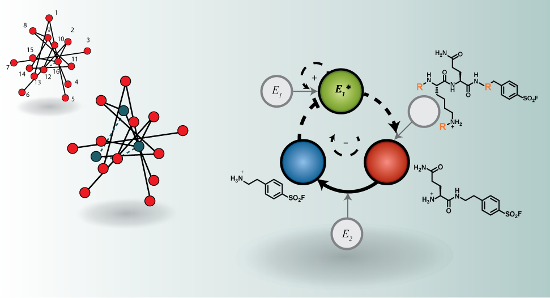
- connections, certain patterns of interconnections, so-called “network motifs”, are relatively common [23]. Hence, underneath the complexity, local regulation based on minimal systems comprises a fairly simple set of basic events (i.e., activation and inhibition). Minimal network motifs have the advantage of
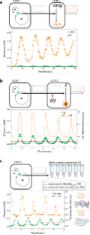
- networks exhibiting oscillatory behavior. Within this framework, Figure 4b shows an in vitro implementation of an oscillator comprising a positive and a delayed negative feedback loop [90]. The canonical gene regulation pathway uses the information encoded in DNA templates T1−T3. Similarly, a genetic
- predator–prey network. Adapted with permission from [88], copyright 2013 American Chemical Society. (b) The gene regulation pathway and of an oscillator based on a positive and delayed negative feedback motif, with experimentally observed oscillations shown to be in good agreement with the simulations




From chemical metabolism to life: the origin of the genetic coding process
Beilstein J. Org. Chem. 2017, 13, 1119–1135, doi:10.3762/bjoc.13.111
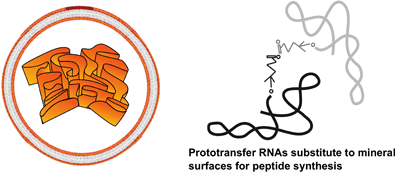
- construction of cells, as well as transport across membranes, movement for exploration (including predation), protection against accidents and management of competition, but also repair, sensing and regulation. Almost all of these actions are operated by proteins in extant living organisms. A major question



Glyco-gold nanoparticles: synthesis and applications
Beilstein J. Org. Chem. 2017, 13, 1008–1021, doi:10.3762/bjoc.13.100
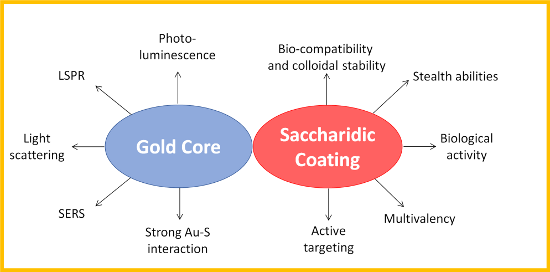
- metallic NPs. Carbohydrate–carbohydrate interactions (CCIs), generally characterized by KD values in the millimolar range, are very difficult to detect. Updated data confirm the crucial role of these bindings in the regulation of many cellular processes [72], however, researches related to the use of
- -inflammatory response in dendritic cells via interaction with the lectin DC-SIGN, as indicated by the up-regulation of several maturation markers and increased secretion of pro-inflammatory cytokines interleukin 6 (IL-6) and tumor necrosis factor α (TNF-α) [97]. These data indicate that a multivalent system of
- titers of specific IgG antibodies towards type 14 polysaccharide compared with GAuNP exclusively displaying Pn14. The GAuNP technology has also been applied in the regulation of important genes of the apoptotic pathway. New GAuNP systems displaying cMyc targeting siRNA resulted capable of inducing


Expression, purification and structural analysis of functional GABA transporter 1 using the baculovirus expression system
Beilstein J. Org. Chem. 2017, 13, 874–882, doi:10.3762/bjoc.13.88
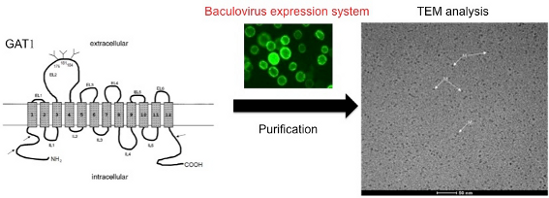
- mechanism as a common transport mechanism for the GAT1 protein [13][17][18][19][20]. Since the GABAergic system has been implicated in many nervous system diseases [21][22][23][24], the regulation of GABA activity is of considerable medical interest [25][26] and the predominant GABAergic nerve ending
- but not the terminal trimming of N-glycans is involved in the regulation of the correct membrane glycoprotein folding since the inhibition of N-glycosylation processing by 1-deoxymannojirimycin (dMM) results in a mannose-rich type of N-glycan that does not affect either the protein stability or