


Search results
Search for "selenium" in Full Text gives 105 result(s) in Beilstein Journal of Organic Chemistry.
Selected synthetic strategies to cyclophanes
- Sambasivarao Kotha,
- Mukesh E. Shirbhate and
- Gopalkrushna T. Waghule
Beilstein J. Org. Chem. 2015, 11, 1274–1331, doi:10.3762/bjoc.11.142
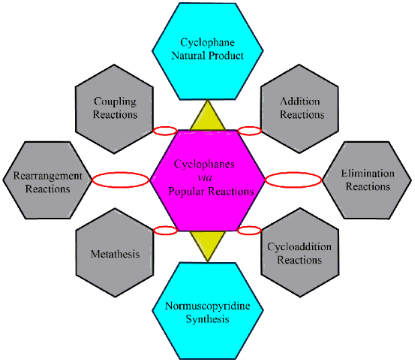
- systems which are found in streptorubin B and metacycloprodigiosin [148][149][150]. In this context, the cyclooctene 164 was reacted with the intermediate formed in situ from chloramine-T and elemental selenium [151] and yielded the allylic amine derivative 165 (75%). An N-alkylation with propargyl

Graphical Abstract

Figure 1: General representation of cyclophanes.

Figure 2: cyclophanes one or more with heteroatom.

Figure 3: Metathesis catalysts 12–17 and C–C coupling catalyst 18.

Figure 4: Natural products containing the cyclophane skeleton.

Figure 5: Turriane family of natural products.

Scheme 1: Synthesis of [3]ferrocenophanes through Mannich reaction. Reagents and conditions: (i) excess HNMe2...

Scheme 2: Synthesis of cyclophanes through Michael addition. Reagents and conditions: (i) xylylene dibromide,...

Scheme 3: Synthesis of normuscopyridine analogue 37 through an oxymercuration–oxidation strategy. Reagents an...

Scheme 4: Synthesis of tribenzocyclotriyne 39 through Castro–Stephens coupling reaction. Reagents and conditi...

Scheme 5: Synthesis of cyclophane 43 through Glaser–Eglinton coupling. Reagents and conditions: (i) 9,10-bis(...

Scheme 6: Synthesis of the macrocyclic C-glycosyl cyclophane through Glaser coupling. Reagents and conditions...

Scheme 7: Synthesis of cyclophane-containing complex 49 through Glaser–Eglinton coupling reaction. Reagents a...

Scheme 8: Synthesis of cyclophane 53 through Glaser–Eglinton coupling. Reagents and conditions: (i) K2CO3, ac...

Figure 6: Cyclophanes 54–56 that have been synthesized through Glaser–Eglinton coupling.

Figure 7: Synthesis of tetrasubstituted [2.2]paracyclophane 57 and chiral cyclophyne 58 through Eglinton coup...

Scheme 9: Synthesis of cyclophane through Glaser–Hay coupling reaction. Reagents and conditions: (i) CuCl2 (1...

Scheme 10: Synthesis of seco-C/D ring analogs of ergot alkaloids through intramolecular Heck reaction. Reagent...

Scheme 11: Synthesis of muscopyridine 73 via Kumada coupling. Reagents and conditions: (i) 72, THF, ether, 20 ...

Scheme 12: Synthesis of the cyclophane 79 via McMurry coupling. Reagents and conditions: (i) 75, decaline, ref...

Scheme 13: Synthesis of stilbenophane 81 via McMurry coupling. Reagents and conditions: (i) TiCl4, Zn, pyridin...

Scheme 14: Synthesis of stilbenophane 85 via McMurry coupling. Reagents and conditions: (i) NBS (2 equiv), ben...
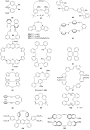
Figure 8: List of cyclophanes prepared via McMurry coupling reaction as a key step.

Scheme 15: Synthesis of paracyclophane by cross coupling involving Pd(0) catalyst. Reagents and conditions: (i...

Scheme 16: Synthesis of the cyclophane 112 via the pinacol coupling and 113 by RCM. Reagents and conditions: (...

Scheme 17: Synthesis of cyclophane derivatives 122a–c via Sonogoshira coupling. Reagents and conditions: (i) C...

Scheme 18: Synthesis of cyclophane 130 via Suzuki–Miyaura reaction as a key step. Reagents and conditions: (i)...

Scheme 19: Synthesis of the mycocyclosin via Suzuki–Miyaura cross coupling. Reagents and conditions: (i) benzy...

Scheme 20: Synthesis of cyclophanes via Wurtz coupling reaction Reagents and conditions: (i) PhLi, Et2O, C6H6,...

Scheme 21: Synthesis of non-natural glycophanes using alkyne metathesis. Reagents and conditions: (i) G-I (12)...

Figure 9: Synthesis of cyclophanes via ring-closing alkyne metathesis.

Scheme 22: Synthesis of crownophanes by cross-enyne metathesis. Reagents and conditions: (i) G-II (13), 5 mol ...

Scheme 23: Synthesis of (−)-cylindrocyclophanes A (156) and (−)-cylindrocyclophanes F (155). Reagents and cond...

Scheme 24: Synthesis of cyclophane 159 derivatives via SM cross-coupling and RCM. Reagents and conditions: (i)...

Scheme 25: Sexithiophene synthesis via cross metathesis. Reagents and conditions: (i) 161, Pd(PPh3)4, K2CO3, T...

Scheme 26: Synthesis of pyrrole-based cyclophane using enyne metathesis. Reagents and conditions: (i) Se, chlo...

Scheme 27: Synthesis of macrocyclic derivatives by RCM. Reagents and conditions: (i) G-I/G-II, CH2Cl2, 0.005 M...

Scheme 28: Synthesis of enantiopure β-lactam-based dienyl bis(dihydrofuran) 179. Reagents and conditions: (i) ...

Scheme 29: Synthesis of a [1.1.6]metaparacyclophane derivative 183 via SM cross coupling. Reagents and conditi...

Scheme 30: Synthesis of a [1.1.6]metaparacyclophane derivative 190 via SM cross coupling. Reagents and conditi...

Scheme 31: Template-promoted synthesis of cyclophanes involving RCM. Reagents and conditions: (i) acenaphthene...

Scheme 32: Synthesis of [3.4]cyclophane derivatives 200 via SM cross coupling and RCM. Reagents and conditions...
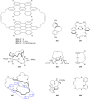
Figure 10: Examples for cyclophanes synthesized by RCM.

Scheme 33: Synthesis of the longithorone C framework assisted by fluorinated auxiliaries. Reagents and conditi...

Scheme 34: Synthesis of the longithorone framework via RCM. Reagents and conditions: (i) 213, NaH, THF, rt, 10...

Scheme 35: Synthesis of floresolide B via RCM as a key step. Reagents and conditions: (i) G-II (13, 0.1 equiv)...

Scheme 36: Synthesis of normuscopyridine (223) by the RCM strategy. Reagents and condition: (i) Mg, THF, hexen...

Scheme 37: Synthesis of muscopyridine (73) via RCM. Reagents and conditions: (i) 225, NaH, THF, 0 °C to rt, 1....

Scheme 38: Synthesis of muscopyridine (73) via RCM strategy. Reagents and conditions: (i) NaH, n-BuLi, 5-bromo...

Scheme 39: Synthesis of pyridinophane derivatives 223 and 245. Reagents and conditions: (i) PhSO2Na, TBAB, CH3...

Scheme 40: Synthesis of metacyclophane derivatives 251 and 253. Reagents and conditions: (i) 240, NaH, THF, rt...

Scheme 41: Synthesis of normuscopyridine and its higher analogues. Reagents and conditions: (i) alkenyl bromid...

Scheme 42: Synthesis of fluorinated ferrocenophane 263 via a [2 + 2] cycloaddition. Reagents and conditions: (...

Scheme 43: Synthesis of [2.n]metacyclophanes 270 via a [2 + 2] cycloaddition. Reagents and conditions: (i) Ac2...

Scheme 44: Synthesis of metacyclophane 273 by a [2 + 2 + 2] co-trimerization. Reagents and conditions: (i) [Rh...

Scheme 45: Synthesis of paracyclophane 276 via a [2 + 2 + 2] cycloaddition reaction. Reagents and conditions: ...

Scheme 46: Synthesis of cyclophane 278 via a [2 + 2 + 2] cycloaddition reaction. Reagents and conditions: (i) ...

Scheme 47: Synthesis of cyclophane 280 via a [2 + 2 + 2] cycloaddition. Reagents and conditions: (i) [(Rh(cod)(...

Scheme 48: Synthesis of taxane framework by a [2 + 2 + 2] cycloaddition. Reagents and conditions: (i) Cp(CO)2 ...

Scheme 49: Synthesis of cyclophane 284 and 285 via a [2 + 2 + 2] cycloaddition reaction. Reagents and conditio...

Scheme 50: Synthesis of pyridinophanes 293a,b and 294a,b via a [2 + 2 + 2] cycloaddition. Reagents and conditi...

Scheme 51: Synthesis of pyridinophanes 296 and 297 via a [2 + 2 + 2] cycloaddition. Reagents and conditions: (...

Scheme 52: Synthesis of triazolophane by a 1,3-dipolar cycloaddition. Reagents and conditions: (i) propargyl b...

Scheme 53: Synthesis of glycotriazolophane 309 by a click reaction. Reagents and conditions: (i) LiOH, H2O, Me...

Figure 11: Cyclophanes 310 and 311 prepared via click chemistry.

Scheme 54: Synthesis of cyclophane via the Dötz benzannulation. Reagents and conditions: (i) THF, 100 °C, 12 h...

Scheme 55: Synthesis of [6,6]metacyclophane by a Dötz benzannulation. Reagents and conditions: (i) THF, 100 °C...

Scheme 56: Synthesis of cyclophanes by a Dötz benzannulation. Reagents and conditions: (i) THF, 65 °C, 3 h; (i...

Scheme 57: Synthesis of muscopyridine (73) via an intramolecular DA reaction of ketene. Reagents and condition...

Scheme 58: Synthesis of bis[10]paracyclophane 336 via Diels–Alder reaction. Reagents and conditions: (i) DMAD,...

Scheme 59: Synthesis of [8]paracyclophane via DA reaction. Reagents and conditions: (i) maleic anhydride, 3–5 ...

Scheme 60: Biomimetic synthesis of (−)-longithorone A. Reagents and conditions: (i) Me2AlCl, CH2Cl2, −20 °C, 7...

Scheme 61: Synthesis of sporolide B (349) via a [4 + 2] cycloaddition reaction. Reagents and conditions: (i) P...

Scheme 62: Synthesis of the framework of (+)-cavicularin (352) via a [4 + 2] cycloaddition. Reagents and condi...

Scheme 63: Synthesis of oxazole-containing cyclophane 354 via Beckmann rearrangement. Reagents and conditions:...

Scheme 64: Synthesis of cyclophanes 360a–c via benzidine rearrangement. Reagents and conditions: (i) 356a–d, K2...

Scheme 65: Synthesis of cyclophanes 365a–c via benzidine rearrangement. Reagents and conditions: (i) BocNHNH2,...

Scheme 66: Synthesis of metacyclophane 367 via Ciamician–Dennstedt rearrangement. Reagents and conditions: (i)...

Scheme 67: Synthesis of cyclophane by tandem Claisen rearrangement and RCM as key steps. Reagents and conditio...

Scheme 68: Synthesis of cyclophane derivative 380. Reagents and conditions: (i) K2CO3, CH3CN, allyl bromide, r...

Scheme 69: Synthesis of metacyclophane via Cope rearrangement. Reagents and conditions: (i) MeOH, NaBH4, rt, 1...

Scheme 70: Synthesis of cyclopropanophane via Favorskii rearrangement. Reagents and conditions: (i) Br2, CH2Cl2...

Scheme 71: Cyclophane 389 synthesis via photo-Fries rearrangement. Reagents and conditions: (i) DMAP, EDCl/CHCl...

Scheme 72: Synthesis of normuscopyridine (223) via Schmidt rearrangement. Reagents and conditions: (i) ethyl s...

Scheme 73: Synthesis of crownophanes by tandem Claisen rearrangement. Reagents and conditions: (i) diamine, Et3...

Scheme 74: Attempted synthesis of cyclophanes via tandem Claisen rearrangement and RCM. Reagents and condition...

Scheme 75: Synthesis of muscopyridine via alkylation with 2,6-dimethylpyridine anion. Reagents and conditions:...

Scheme 76: Synthesis of cyclophane via Friedel–Craft acylation. Reagents and conditions: (i) CS2, AlCl3, 7 d, ...

Scheme 77: Pyridinophane 418 synthesis via Friedel–Craft acylation. Reagents and conditions: (i) 416, AlCl3, CH...

Scheme 78: Cyclophane synthesis involving the Kotha–Schölkopf reagent 421. Reagents and conditions: (i) NBS, A...

Scheme 79: Cyclophane synthesis involving the Kotha–Schölkopf reagent 421. Reagents and conditions: (i) BEMP, ...

Scheme 80: Cyclophane synthesis by coupling with TosMIC. Reagents and conditions: (i) (a) ClCH2OCH3, TiCl4, CS2...

Scheme 81: Synthesis of diaza[32]cyclophanes and triaza[33]cyclophanes. Reagents and conditions: (i) DMF, NaH,...

Scheme 82: Synthesis of cyclophane 439 via acyloin condensation. Reagents and conditions: (i) Na, xylene, 75%;...

Scheme 83: Synthesis of multibridged binuclear cyclophane 442 by aldol condensation. Reagents and conditions: ...

Scheme 84: Synthesis of various macrolactones. Reagents and conditions: (i) iPr2EtN, DMF, 77–83%; (ii) TBDMSCl...

Scheme 85: Synthesis of muscone and muscopyridine via Yamaguchi esterification. Reagents and conditions: (i) 4...

Scheme 86: Synthesis of [5]metacyclophane via a double elimination reaction. Reagents and conditions: (i) LiBr...

Figure 12: Cyclophanes 466–472 synthesized via Hofmann elimination.

Scheme 87: Synthesis of cryptophane via Baylis–Hillman reaction. Reagents and conditions: (i) methyl acrylate,...

Scheme 88: Synthesis of cyclophane 479 via double Chichibabin reaction. Reagents and conditions: (i) excess 478...

Scheme 89: Synthesis of cyclophane 483 via double Chichibabin reaction. Reagents and conditions: (i) 481, OH−;...

Scheme 90: Synthesis of cyclopeptide via an intramolecular SNAr reaction. Reagents and conditions: (i) TBAF, T...

Scheme 91: Synthesis of muscopyridine (73) via C-zip ring enlargement reaction. Reagents and conditions: (i) H...

Figure 13: Mechanism of the formation of compound 494.

Scheme 92: Synthesis of indolophanetetraynes 501a,b using the Nicholas reaction as a key step. Reagents and co...

Scheme 93: Synthesis of cyclophane via radical cyclization. Reagents and conditions: (i) cyclododecanone, phen...

Scheme 94: Synthesis of (−)-cylindrocyclophanes A (156) and (−)-cylindrocyclophanes F (155). Reagents and cond...

Scheme 95: Cyclophane synthesis via Wittig reaction. Reagents and conditions: (i) LiOEt (2.1 equiv), THF, −78 ...

Figure 14: Representative examples of cyclophanes synthesized via Wittig reaction.

Scheme 96: Synthesis of the [6]paracyclophane via isomerization of Dewar benzene. Reagents and conditions: (i)...
Bis(vinylenedithio)tetrathiafulvalene analogues of BEDT-TTF
- Erdal Ertas,
- İlknur Demirtas and
- Turan Ozturk
Beilstein J. Org. Chem. 2015, 11, 403–415, doi:10.3762/bjoc.11.46
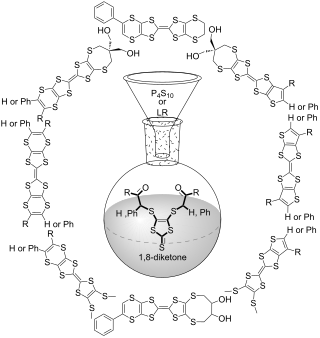
- , led to the production of superconducting salts based on TTF type donors containing a heteroatom such as sulfur, selenium, oxygen, etc. [17][18][19][20]. Among a large number of tetrathiafulvalene analogues, bis(ethyleneditiho)tetrathiafulvalene (BEDT-TTF, 3), also known as ET, has been the most

Graphical Abstract

Figure 1: Chemical structure of the TTF analogues and TCNQ.

Figure 2: Oxidation states of TTF.

Figure 3: 1,4-Dithiin and thiophene fused TTF analogues from 1,8-diketone.

Scheme 1: Reaction mechanism of fused 1,4-dithiin and thiophene ring systems.

Scheme 2: Reaction conditions (i) LR, toluene, reflux, overnight; (ii) P4S10, toluene, reflux, 3 h.

Scheme 3: Proposed mechanism for side products.

Scheme 4: Reaction conditions (i) Hg(OAc)2, AcOH/CHCl3, rt, 1h; (ii) (EtO)3P, N2, 3 h, 110 °C.

Scheme 5: Reaction conditions (i) iPr2NEt, MEMCl, THF, rt, 12 h; (ii) LiAlH4, dry ether, rt, 24 h; (iii) tosy...

Scheme 6: Reagents and conditions (i) P4S10, toluene, reflux, dark, 3 h; (ii) P4S10, toluene, reflux, 3 h; (i...

Scheme 7: Reagents and conditions (i) Hg(OAc)2–AcOH, CHCl3, 3 h, rt; (ii) (EtO)3P, 110 °C, N2, 2 h.

Scheme 8: Charge transfer complex of 5,5',6,6'-tetraphenyl-2,2'-bi([1,3]dithiolo[4,5-b][1,4]dithiinylidene) 52...

Scheme 9: Reaction conditions (i) (EtO)3P, 110 °C, N2, 2 h.

Scheme 10: Reaction conditions (i) EtOH, reflux, overnight; (ii) diisopropylethylamine in CH2Cl2, room tempera...

Scheme 11: Reaction and conditions (i) P4S10, NaHCO3, toluene, reflux, 3 h; (ii) P4S10, p-TSA, toluene, reflux...
Attempts to prepare an all-carbon indigoid system
- Şeref Yildizhan,
- Henning Hopf and
- Peter G. Jones
Beilstein J. Org. Chem. 2015, 11, 363–372, doi:10.3762/bjoc.11.42

- ): representing the basic cross-conjugated π-electron system of the indigoid compounds [7][8][9]. Whereas the replacement of Y in 2 (X = O) by sulfur and selenium [10][11] or even tellurium [12][13] has been known for some time, derivatives of “phosphaindigo” (Y = various substituted phosphorus derivatives) have

Graphical Abstract

Scheme 1: From indigo to heteroindigo derivatives and all-carbon-indigo.

Scheme 2: Attempts to prepare the α-methylene ketones 12 and 13.
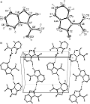
Figure 1: a) Both independent molecules of compound 13 in the crystal; ellipsoids represent 50% probability l...

Scheme 3: Dimerization of 13 under McMurry conditions.
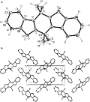
Figure 2: a) The molecule of compound 17 in the crystal; ellipsoids represent 50% probability levels. Only th...

Scheme 4: Dimerization of indan-1-one (18) by a stepwise approach.

Scheme 5: Methylenation of 19 and bisalkylation of the product 23 with 1,2-dibromoethane.

Figure 3: The molecule of compound 23 in the crystal. Ellipsoids represent 50% probability levels. Only the a...
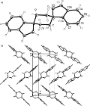
Figure 4: a) The molecule of compound 24 in the crystal. Ellipsoids represent 50% probability levels. Only th...

Figure 5: One of the two independent molecules of compound 25 in the crystal. Ellipsoids represent 50% probab...

Scheme 6: Cross-conjugated hydrocarbons by Thiele condensation.

Figure 6: a) The molecule of compound 30 in the crystal. Ellipsoids represent 50% probability levels. Only th...
Electrochemical selenium- and iodonium-initiated cyclisation of hydroxy-functionalised 1,4-dienes
- Philipp Röse,
- Steffen Emge,
- Jun-ichi Yoshida and
- Gerhard Hilt
Beilstein J. Org. Chem. 2015, 11, 174–183, doi:10.3762/bjoc.11.18

- and pyran derivatives under indirect electrochemical conditions generating selenium or iodonium cations. The reactions proceed in good yields and regioselectivities for the formation of single diastereomers. Keywords: cyclic ethers; cyclisation; 1,4-dienes; electrochemistry; iodonium; selenium
- in electrochemical reactions using selenium cations. Several methods applying electrochemically generated selenium cations with alkenes or alkynes including seleno-etherification and lactonisation, epoxidation and oxoselenylation sequences have been reported in the last decades [20][21][22][23][24
- ][25][26][27]. The reactions often proceed in a regio- and stereoselective fashion and tolerate a wide range of functionalities. Next to selenium cation induced reactions we put our focus on using halonium cations. The advantage of this type of reaction is its lower toxicity and the easy access towards

Graphical Abstract

Scheme 1: Cobalt-catalysed 1,4-hydrovinylation.

Scheme 2: Electrochemical selenoalkoxylation of 2.

Scheme 3: Electrochemical iodoalkoxylation of 2.
Cross-dehydrogenative coupling for the intermolecular C–O bond formation
- Igor B. Krylov,
- Vera A. Vil’ and
- Alexander O. Terent’ev
Beilstein J. Org. Chem. 2015, 11, 92–146, doi:10.3762/bjoc.11.13
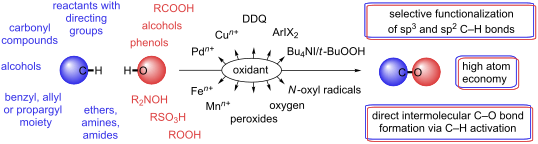

Graphical Abstract

Scheme 1: Cross-dehydrogenative coupling.

Scheme 2: Cross-dehydrogenative C–O coupling.

Scheme 3: Regioselective ortho-acetoxylation of meta-substituted arylpyridines and N-arylamides.
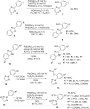
Scheme 4: ortho-Acyloxylation and alkoxylation of arenes directed by pyrimidine, benzoxazole, benzimidazole a...

Scheme 5: Cu(OAc)2/AgOTf/O2 oxidative system in the ortho-alkoxylation of arenes.
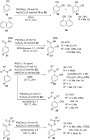
Scheme 6: Pd(OAc)2/persulfate oxidative system in the ortho-alkoxylation and acetoxylation of arenes with nit...
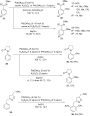
Scheme 7: ortho-Acetoxylation and methoxylation of O-methyl aryl oximes, N-phenylpyrrolidin-2-one, and (3-ben...

Scheme 8: Ruthenium-catalyzed ortho-acyloxylation of acetanilides.

Scheme 9: Acetoxylation and alkoxylation of arenes with amide directing group using Pd(OAc)2/PhI(OAc)2 oxidat...

Scheme 10: Alkoxylation of azoarenes, 2-aryloxypyridines, picolinamides, and N-(1-methyl-1-(pyridin-2-yl)ethyl...

Scheme 11: Acetoxylation of compounds containing picolinamide and quinoline-8-amine moieties using the Pd(OAc)2...

Scheme 12: (CuOH)2CO3 catalyzed oxidative ortho-etherification using air as oxidant.

Scheme 13: Copper-catalyzed aerobic alkoxylation and aryloxylation of arenes containing pyridine-N-oxide moiet...

Scheme 14: Cobalt-catalyzed aerobic alkoxylation of arenes and alkenes containing pyridine N-oxide moiety.

Scheme 15: Non-symmetric double-fold C–H ortho-acyloxylation.

Scheme 16: N-nitroso directed ortho-alkoxylation of arenes.

Scheme 17: Selective alkoxylation and acetoxylation of alkyl groups.

Scheme 18: Acetoxylation of 2-alkylpyridines and related compounds.
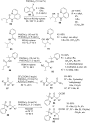
Scheme 19: Acyloxylation and alkoxylation of alkyl fragments of substrates containing amide or sulfoximine dir...

Scheme 20: Palladium-catalyzed double sp3 C–H alkoxylation of N-(quinolin-8-yl)amides for the synthesis of sym...

Scheme 21: Copper-catalyzed acyloxylation of methyl groups of N-(quinolin-8-yl)amides.

Scheme 22: One-pot acylation and sp3 C–H acetoxylation of oximes.

Scheme 23: Possible mechanism of oxidative esterification catalyzed by N-heterocyclic nucleophilic carbene.

Scheme 24: Oxidative esterification employing stoichiometric amounts of aldehydes and alcohols.

Scheme 25: Selective oxidative coupling of aldehydes with alcohols in the presence of amines.

Scheme 26: Iodine mediated oxidative esterification.

Scheme 27: Oxidative C–O coupling of benzyl alcohols with methylarenes under the action of Bu4NI/t-BuOOH syste...

Scheme 28: Oxidative coupling of methyl- and ethylarenes with aromatic aldehydes under the action of Bu4NI/t-B...

Scheme 29: Cross-dehydrogenative C–O coupling of aldehydes with t-BuOOH in the presence of Bu4NI.

Scheme 30: Bu4NI-catalyzed α-acyloxylation reaction of ethers and ketones with aldehydes and t-BuOOH.

Scheme 31: Oxidative coupling of aldehydes with N-hydroxyimides and hexafluoroisopropanol.

Scheme 32: Oxidative coupling of alcohols with N-hydroxyimides.

Scheme 33: Oxidative coupling of aldehydes and primary alcohols with N-hydroxyimides using (diacetoxyiodo)benz...

Scheme 34: Proposed mechanism of the oxidative coupling of aldehydes and N-hydroxysuccinimide under action of ...

Scheme 35: Oxidative coupling of aldehydes with pivalic acid (172).

Scheme 36: Oxidative C–O coupling of aldehydes with alkylarenes using the Cu(OAc)2/t-BuOOH system.

Scheme 37: Copper-catalyzed acyloxylation of C(sp3)-H bond adjacent to oxygen in ethers using benzyl alcohols.

Scheme 38: Oxidative C–O coupling of aromatic aldehydes with cycloalkanes.

Scheme 39: Ruthenium catalyzed cross-dehydrogenative coupling of primary and secondary alcohols.

Scheme 40: Cross-dehydrogenative C–O coupling reactions of β-dicarbonyl compounds with sulfonic acids, acetic ...

Scheme 41: Acyloxylation of ketones, aldehydes and β-dicarbonyl compounds using carboxylic acids and Bu4NI/t-B...

Scheme 42: Acyloxylation of ketones using Bu4NI/t-BuOOH system.

Scheme 43: Cross-dehydrogenative C–O coupling of β-dicarbonyl compounds and their heteroanalogues with N-hydro...

Scheme 44: Cross-dehydrogenative C–O coupling of β-dicarbonyl compounds and their heteroanalogues with t-BuOOH....

Scheme 45: Oxidative C–O coupling of 2,6-dialkylphenyl-β-keto esters and thioesters with tert-butyl hydroxycar...

Scheme 46: α’-Acyloxylation of α,β-unsaturated ketones using KMnO4.

Scheme 47: Possible mechanisms of the acetoxylation at the allylic position of alkenes by Pd(OAc)2.

Scheme 48: Products of the oxidation of terminal alkenes by Pd(II)/AcOH/oxidant system.

Scheme 49: Acyloxylation of terminal alkenes with carboxylic acids.

Scheme 50: Synthesis of linear E-allyl esters by cross-dehydrogenative coupling of terminal alkenes wih carbox...

Scheme 51: Pd(OAc)2-catalyzed acetoxylation of Z-vinyl(triethylsilanes).

Scheme 52: α’-Acetoxylation of α-acetoxyalkenes with copper(II) chloride in acetic acid.

Scheme 53: Oxidative acyloxylation at the allylic position of alkenes and at the benzylic position of alkylare...

Scheme 54: Copper-catalyzed alkoxylation of methylheterocyclic compounds using di-tert-butylperoxide as oxidan...

Scheme 55: Oxidative C–O coupling of methylarenes with β-dicarbonyl compounds or phenols.

Scheme 56: Copper-catalyzed esterification of methylbenzenes with cyclic ethers and cycloalkanes.

Scheme 57: Oxidative C–O coupling of carboxylic acids with toluene catalyzed by Pd(OAc)2.

Scheme 58: Oxidative acyloxylation at the allylic position of alkenes with carboxylic acids using the Bu4NI/t-...

Scheme 59: Cross-dehydrogenative C–O coupling of carboxylic acids with alkylarenes using the Bu4NI/t-BuOOH sys...

Scheme 60: Oxidative C–O cross-coupling of methylarenes with ethyl or isopropylarenes.

Scheme 61: Phosphorylation of benzyl C–H bonds using the Bu4NI/t-BuOOH oxidative system.

Scheme 62: Selective C–H acetoxylation of 2,3-disubstituted indoles.

Scheme 63: Acetoxylation of benzylic position of alkylarenes using DDQ as oxidant.

Scheme 64: C–H acyloxylation of diarylmethanes, 3-phenyl-2-propen-1-yl acetate and dimethoxyarene using DDQ.

Scheme 65: Cross-dehydrogenative C–O coupling of 1,3-diarylpropylenes and 1,3-diarylpropynes with alcohols.

Scheme 66: One-pot azidation and C–H acyloxylation of 3-chloro-1-arylpropynes.

Scheme 67: Cross-dehydrogenative C–O coupling of 1,3-diarylpropylenes, (E)-1-phenyl-2-isopropylethylene and is...

Scheme 68: Cross-dehydrogenative C–O coupling of alkylarenes and related compounds with N-hydroxyphthalimide.

Scheme 69: Acetoxylation at the benzylic position of alkylarenes mediated by N-hydroxyphthalimide.

Scheme 70: C–O coupling of methylarenes with aromatic carboxylic acids employing the NaBrO3/NaHSO3 system.

Scheme 71: tert-Butyl peroxidation of allyl, propargyl and benzyl ethers catalyzed by Fe(acac)3.

Scheme 72: Cross-dehydrogenative C–O coupling of ethers with carboxylic acids mediated by Bu4NI/t-BuOOH system....

Scheme 73: Oxidative acyloxylation of dimethylamides and dioxane with 2-aryl-2-oxoacetic acids accompanied by ...

Scheme 74: tert-Butyl peroxidation of N-benzylamides and N-allylbenzamide using the Bu4NI/t-BuOOH system.

Scheme 75: Cross-dehydrogenative C–O coupling of aromatic carboxylic acids with ethers using Fe(acac)3 as cata...

Scheme 76: Cross-dehydrogenative C–O coupling of cyclic ethers with 2-hydroxybenzaldehydes using iron carbonyl...
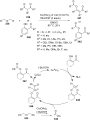
Scheme 77: Cross-dehydrogenative C–O coupling of ethers with β-dicarbonyl compounds and phenols using copper c...

Scheme 78: Cross-dehydrogenative C–O coupling of 2-hydroxybenzaldehyde with dioxane catalyzed by Cu2(BPDC)2(BP...

Scheme 79: Ruthenium chloride-catalyzed acyloxylation of β-lactams.

Scheme 80: Ruthenium-catalyzed tert-butyl peroxydation amides and acetoxylation of β-lactams.

Scheme 81: PhI(OAc)2-mediated α,β-diacetoxylation of tertiary amines.

Scheme 82: Electrochemical oxidative methoxylation of tertiary amines.

Scheme 83: Cross-dehydrogenative C–O coupling of ketene dithioacetals with carboxylic acids in the presence of...

Scheme 84: Cross-dehydrogenative C–O coupling of enamides with carboxylic acids using iodosobenzene as oxidant....

Scheme 85: Oxidative alkoxylation, acetoxylation, and tosyloxylation of acylanilides using PhI(O(O)CCF3)2 in t...

Scheme 86: Proposed mechanism of the oxidative C–O coupling of actetanilide with O-nucleophiles in the presenc...

Scheme 87: Three-component coupling of aldehydes, anilines and alcohols involving oxidative intermolecular C–O...

Scheme 88: Oxidative coupling of phenols with alcohols.

Scheme 89: 2-Acyloxylation of quinoline N-oxides with arylaldehydes in the presence of the CuOTf/t-BuOOH syste...

Scheme 90: Cross-dehydrogenative C–O coupling of azoles with primary alcohols.

Scheme 91: Oxidation of dipyrroles to dipyrrins and subsequent oxidative alkoxylation in the presence of Na3Co...

Scheme 92: Oxidative dehydrogenative carboxylation of alkanes and cycloalkanes to allylic esters.

Scheme 93: Pd-catalyzed acetoxylation of benzene.
Come-back of phenanthridine and phenanthridinium derivatives in the 21st century
- Lidija-Marija Tumir,
- Marijana Radić Stojković and
- Ivo Piantanida
Beilstein J. Org. Chem. 2014, 10, 2930–2954, doi:10.3762/bjoc.10.312

- homolytic aromatic substitution of diarylimine (Scheme 3) in respect to the Pd(0)-mediated cyclisation of imidoyl-selenides (Scheme 12) [16]. Authors proposed insertion of a Pd(0) species into the carbon–selenium bond, followed by carbo-palladation onto the phenyl ring. This intermediate then undergoes

Graphical Abstract

Scheme 1: The Grignard-based synthesis of 6-alkyl phenanthridine.

Scheme 2: Radical-mediated synthesis of 6-arylphenanthridine [14].

Scheme 3: A t-BuO• radical-assisted homolytic aromatic substitution mechanism proposed for the conversion of ...

Scheme 4: Synthesis of 5,6-unsubstituted phenanthridine starting from 2-iodobenzyl chloride and aniline [17].

Scheme 5: Phenanthridine synthesis initiated by UV-light irradiation photolysis of acetophenone O-ethoxycarbo...

Scheme 6: PhI(OAc)2-mediated oxidative cyclization of 2-isocyanobiphenyls with CF3SiMe3 [19,20].

Scheme 7: Targeting 6-perfluoroalkylphenanthridines [21,22].

Scheme 8: Easily accessible biphenyl isocyanides reacting under mild conditions (room temp., visible light ir...

Scheme 9: Microwave irradiation of Diels–Alder adduct followed by UV irradiation of dihydrophenanthridines yi...

Scheme 10: A representative palladium catalytic cycle.

Scheme 11: The common Pd-catalyst for the biphenyl conjugation results simultaneously in picolinamide-directed...

Scheme 12: Pd(0)-mediated cyclisation of imidoyl-selenides forming 6-arylphenanthridine derivatives [16]. The inse...

Scheme 13: Palladium-catalysed phenanthridine synthesis.

Scheme 14: Aerobic domino Suzuki coupling combined with Michael addition reaction in the presence of a Pd(OAc)2...

Scheme 15: Rhodium-catalysed alkyne [2 + 2 + 2] cycloaddition reactions [36].

Scheme 16: The O-acetyloximes derived from 2′-arylacetophenones underwent N–O bond cleavage and intramolecular ...

Scheme 17: C–H arylation with aryl chloride in the presence of a simple diol complex with KOt-Bu (top) [39]; for s...

Scheme 18: The subsequent aza-Claisen rearrangement, ring-closing enyne metathesis and Diels–Alder reaction – ...

Scheme 19: Phenanthridine central-ring cyclisation with simultaneous radical-driven phosphorylation [42].

Scheme 20: Three component reaction yielding the benzo[a]phenanthridine core in excellent yields [44].
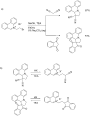
Scheme 21: a) Reaction of malononitrile and 1,3-indandione with BEP to form the cyclised DPP products; b) pH c...

Figure 1: Schematic presentation of the intercalative binding mode by the neighbour exclusion principle and i...

Figure 2: Urea and guanidine derivatives of EB with modified DNA interactions [57].

Figure 3: Structure of mono- (3) and bis-biguanide (4) derivative. Fluorescence (y-axis normalised to startin...

Scheme 22: Bis-phenanthridinium derivatives (5–7; inert aliphatic linkers, R = –(CH2)4– or –(CH2)6–): rigidity...

Figure 4: Series of amino acid–phenanthridine building blocks (general structure 10; R = H; Gly) and peptide-...

Figure 5: General structure of 45 bis-ethidium bromide analogues. Reproduced with permission from [69]. Copyright...

Scheme 23: Top: Recognition of poly(U) by 12 and ds-polyAH+ by 13; bottom: Recognition of poly(dA)–poly(dT) by ...

Figure 6: The bis-phenanthridinium–adenine derivative 15 (LEFT) showed selectivity towards complementary UMP;...

Figure 7: The neomycin–methidium conjugate targeting DNA:RNA hybrid structures [80].

Figure 8: Two-colour RNA intercalating probe for cell imaging applications: Left: Chemical structure of EB-fl...

Figure 9: The ethidium bromide nucleosides 17 (top) and 18 (bottom). DNA duplex set 1 and 2 (E = phenanthridi...

Figure 10: Left: various DNA duplexes; DNA1 and DNA2 used to study the impact on the adjacent basepair type on...

Figure 11: Structure of 4,9-DAP derivative 19; Rright: MIAPaCa-2 cells stained with 10 μM 19 after 60 and 120 ...

Figure 12: Examples of naturally occurring phenanthridine analogues.
Selenium halide-induced bridge formation in [2.2]paracyclophanes
- Laura G. Sarbu,
- Henning Hopf,
- Peter G. Jones and
- Lucian M. Birsa
Beilstein J. Org. Chem. 2014, 10, 2550–2555, doi:10.3762/bjoc.10.266
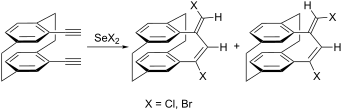
- Analytical Chemistry, Technical University of Braunschweig, Hagenring 30, D-38106 Braunschweig, Germany 10.3762/bjoc.10.266 Abstract An addition/elimination sequence of selenium halides to pseudo-geminally bis(acetylene) substituted [2.2]paracyclophanes leads to new bridges with an endo-exo-diene
- substructure. The reactions have been found to be sensitive to the substitution of the ethynyl group. The formation of dienes with a zig-zag configuration is related to that observed for non-conjugated cyclic diynes of medium ring size. Keywords: acetylenes; dienes; [2.2]paracyclophane; selenium halides
- between bis(acetylene) 1 and other acetylene derivatives has been reported to provide new π-bridges in [2.2]paracyclophane [14]. Furthermore, a new way for bridging [2.2]paracyclophanes has been accomplished by the addition of selenium monochloride to pseudo-geminally substituted bis(propargylic) alcohols

Graphical Abstract

Scheme 1: Reactions of selenium dichloride and selenium dibromide with pseudo-geminal bis(acetylene) 1.

Scheme 2: Reaction of phenylselenyl chloride with pseudo-geminal bis(acetylene) 1.

Scheme 3: Plausible reaction mechanism for the addition of phenylselenyl chloride to pseudo-geminal bis(acety...

Scheme 4: Reactions of selenium dichloride and selenium dibromide with 4,13-bis(propyn-1-yl)[2.2]paracyclopha...

Figure 1: Molecular structure of compound 13. Ellipsoids represent 50% probability levels. Selected molecular...
Magnesium bis(monoperoxyphthalate) hexahydrate as mild and efficient oxidant for the synthesis of selenones
- Andrea Temperini,
- Massimo Curini,
- Ornelio Rosati and
- Lucio Minuti
Beilstein J. Org. Chem. 2014, 10, 1267–1271, doi:10.3762/bjoc.10.127

- and it is considered safer to use in both small- and large-scale reactions [18]. The only disadvantage of MMPP is its poor solubility in non-polar solvents such as dichloromethane. To the best of our knowledge the use of MMPP for the over oxidation of the selenium atom to the corresponding selenone

Graphical Abstract

Scheme 1: General transformation of selenides to selenones.

Scheme 2: Phenylselenone 2 as useful leaving group for the synthesis of different organic molecules.
Simple two-step synthesis of 2,4-disubstituted pyrroles and 3,5-disubstituted pyrrole-2-carbonitriles from enones
- Murat Kucukdisli,
- Dorota Ferenc,
- Marcel Heinz,
- Christine Wiebe and
- Till Opatz
Beilstein J. Org. Chem. 2014, 10, 466–470, doi:10.3762/bjoc.10.44
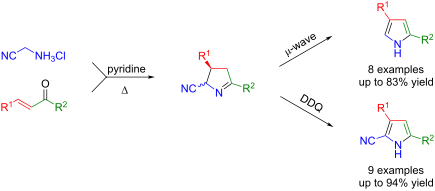
- the literature. They can be obtained from enones by Michael addition of nitromethane, partial reduction and dehydrogenation of the resulting pyrroline with selenium or sulfur in moderate yields (3 steps) [40][41]. Alternatively, a Nef reaction of the nitromethane adducts gives masked 1,4-dicarbonyls

Graphical Abstract

Scheme 1: Synthesis and conversion of 3,4-dihydro-2H-pyrrole-2-carbonitriles 6.
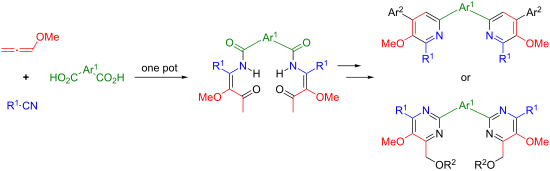
The Flögel-three-component reaction with dicarboxylic acids – an approach to bis(β-alkoxy-β-ketoenamides) for the synthesis of complex pyridine and pyrimidine derivatives
- Mrinal K. Bera,
- Moisés Domínguez,
- Paul Hommes and
- Hans-Ulrich Reissig
Beilstein J. Org. Chem. 2014, 10, 394–404, doi:10.3762/bjoc.10.37
- compounds. An alternative option for the side chain functionalization of 4- or 6-methyl substituted pyrimidines involves an oxidation with selenium dioxide (Riley oxidation [66][67][68]). To explore the synthetic potential of the newly prepared compounds we exemplarily oxidized bis(pyrimidine) 23a by this
- method in order to finally prepare a macrocyclic compound such as 34 (Scheme 7). Treatment of 23a with an excess of selenium dioxide at 90 °C resulted in the formation of an inseparable mixture of two different aldehydes (probably the dialdehyde and the monoaldehyde). After reduction of the mixture with

Graphical Abstract

Scheme 1: Flögel-three-component reaction of lithiated alkoxyallenes, nitriles and carboxylic acids providing...

Scheme 2: Synthesis of bis(β-ketoenamides) 13–15 by three-component reactions of lithiated methoxyallene 8 wi...

Scheme 3: Cyclocondensations of β-ketoenamides 13 and 14 to 4-hydroxypyridines 16, 18a and 18b, their subsequ...

Scheme 4: Cyclocondensations of β-ketoenamides 13–15 with ammonium acetate to bis(pyrimidine) derivatives 23a...

Scheme 5: Conversion of mono-pyrimidine derivative 24b into unsymmetrically substituted biphenylen-bridged py...

Scheme 6: Condensation of β-ketoenamides 14 and 20 with hydroxylamine hydrochloride to pyridine-N-oxides 28 a...

Scheme 7: Riley oxidation of bis(pyrimidine) derivative 23a and conversion of diol 32a into macrocycle 34.

Figure 1: Optimized geometries of (a) E-configured and (b) Z-configured macrocycle 34 at B3LYP/6-31G(d,p) lev...

Scheme 8: Dihydroxylation of the macrocyclic olefin 34 to diol 35 and subsequent esterification to the bis-(R...
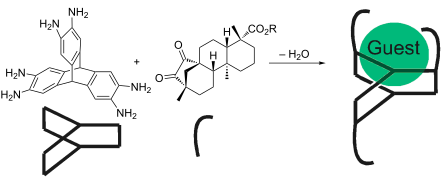
Novel supramolecular affinity materials based on (−)-isosteviol as molecular templates
- Christina Lohoelter,
- Malte Brutschy,
- Daniel Lubczyk and
- Siegfried R. Waldvogel
Beilstein J. Org. Chem. 2013, 9, 2821–2833, doi:10.3762/bjoc.9.317
- , (−)-isosteviol can be oxidized under Riley conditions (Table 1, reaction conditions a: selenium dioxide/xylene) [62][63] to give the corresponding diketone 9 [66]. Subsequent esterification with 3,5-dinitrobenzylic chloride under basic conditions (Table 1, reaction conditions b for R = DNB) [67] proceeds with a

Graphical Abstract

Figure 1: Unique structural features of (−)-isosteviol.

Figure 2: Triphenylene ketal based on (−)-isosteviol.

Figure 3: Structural features of triptycene derivatives.

Scheme 1: Functionalization of triphenylene ketal 2a.

Figure 4: Hexaammoniumtriptycene hexachloride 4 and 15-oxo-derivatives 5a–c of (–)-isosteviol.

Scheme 2: Quinoxalines based on diketone 5b.

Scheme 3: Condensation of 5b with hexaammoniumtriptycene hexachloride.

Figure 5: Molecular modelling structures (Spartan ’08 V1.0.0) of (a) all-syn-8 and (b) anti,anti,syn-8.

Scheme 4: Synthesis of nitrobenzylic ester derivatives 10 and 11, starting from (−)-isosteviol 1.

Scheme 5: Condensation of the nitrobenzyl esters 10 and 11 with hexaammoniumtriptycene hexachloride 4.

Scheme 6: Hydrogenolysis to tricarboxylic acid all-syn-16.

Scheme 7: Alkylation of all-syn-16 renders terminal alkene all-syn-17.

Figure 6: (a) Top view on the molecular structure of all-syn-17 with the terminal alkene fragments labelled i...

Scheme 8: Alkylation of (−)-isosteviol diketone 9 with 5-bromo-1-pentene.

Scheme 9: Direct synthesis of alkylated triptycene 17 by condensation of 18 with hexaammoniumtriptycene hexac...

Scheme 10: Olefin metathesis of all-syn-17.

Figure 7: Extracts of the 13C NMR spectra of starting material and product.

Figure 8: Molecular modelling structure (MacroModel 9.3.5) of collapsed 19, (a) top view; (b) side view.

Figure 9: Screening of aromatic analytes with affinity materials 3, 7, 8, 17 and 19.

Figure 10: Primary data of anti,anti,syn-8 and a [3 + 2] cage compound (increasing pseudocumene concentrations...

Figure 11: Screening of protic analytes with affinity materials 3, 8, 14 and 15.
The renaissance of organic radical chemistry – deja vu all over again
- Corey R. J. Stephenson,
- Armido Studer and
- Dennis P. Curran
Beilstein J. Org. Chem. 2013, 9, 2778–2780, doi:10.3762/bjoc.9.312
- ][14][15][16], e) radical trifluoromethylation [17] and radical fluorination [18][19][20], f) natural product synthesis [21], g) new main group radical chemistry involving elements like boron [22], phosphorous [23] and selenium [24], tellurium [25], among others, h) synthesis or functionalization of
New syntheses of 5,6- and 7,8-diaminoquinolines
- Maroš Bella and
- Viktor Milata
Beilstein J. Org. Chem. 2013, 9, 2669–2674, doi:10.3762/bjoc.9.302

- treatment of hydrochloride 5 with selenium dioxide in water at room temperature afforded selenadiazoloquinoline 6 in 76% yield (Scheme 2) in comparison with 18% yield obtained by heating of diaminoquinoline 3 with selenium dioxide in dioxane under reflux [9]. To date, pyridoquinoxaline 8 has been prepared

Graphical Abstract

Scheme 1: Synthesis of 7,8-diaminoquinoline hydrochloride (5).

Scheme 2: Application of hydrochloride 5 in the syntheses of nitrogen heterocycles.

Scheme 3: Synthesis of 4-chloro-5,6-diaminoquinoline (11).
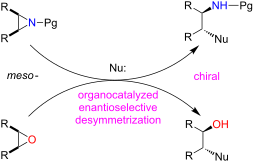
Organocatalyzed enantioselective desymmetrization of aziridines and epoxides
- Ping-An Wang
Beilstein J. Org. Chem. 2013, 9, 1677–1695, doi:10.3762/bjoc.9.192
- enantioselectivities were obtained under the reverse ratio of the reagents. Della Sala’s group [47] has demonstrated the first example of a meso-aziridine desymmetrization with selenium nucleophiles to produce chiral β-aminoselenides in high enantioselectivities (up to 99% ee). Surprisingly, when the sterically

Graphical Abstract

Figure 1: The catalyzed enantioselective desymmetrization.
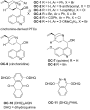
Figure 2: Cinchona alkaloid-derived catalysts OC-1 to OC-11.

Scheme 1: The enantioselective desymmetrization of meso-aziridines in the presence of selected Cinchona alkal...

Figure 3: Cinchona alkaloid-derived catalysts OC-12 to OC-19.

Scheme 2: The enantioselective ring-opening of aziridines in the presence of OC-16.

Scheme 3: OC-16 catalyzed enantioselective ring-opening of aziridines.

Figure 4: The chiral phosphoric acids catalysts OC-20 and OC-21.

Scheme 4: OC-20 and OC-21 catalyzed enantioselective desymmetrization of meso-aziridines.

Figure 5: The proposed mechanism for chiral phosphorous acid-induced enantioselctive desymmetrization of meso...

Scheme 5: OC-21 catalyzed enantioselective desymmetrization of meso-aziridines by Me3SiSPh.

Scheme 6: OC-21 catalyzed the enantioselective desymmetrization of meso-aziridines by Me3SiSePh/PhSeH.

Figure 6: L-Proline and its derivatives OC-22 to OC-27.

Scheme 7: OC-23 catalyzed enantioselective desymmetrization of meso-aziridines.

Figure 7: Proposed bifunctional mode of action of OC-23.

Figure 8: The chiral thioureas OC-28 to OC-44 for the desymmetrization of meso-aziridines.

Scheme 8: Desymmetrization of meso-aziridines with OC-41.

Figure 9: The chiral guanidines (OC-45 to OC-48).

Scheme 9: OC-46 catalyzed desymmetrization of meso-aziridines by arylthiols.

Scheme 10: Desymmetrization of cis-aziridine-2,3-dicarboxylate.

Figure 10: The proposed activation mode of OC-46.

Scheme 11: The enantioselective desymmetrization of meso-aziridines by amine/CS2 in the presence of OC-46.

Figure 11: The chiral 1,2,3-triazolium chlorides OC-49 to OC-55.

Scheme 12: The enantioselective desymmetrization of meso-aziridines by Me3SiX (X = Cl or Br) in the presence o...

Figure 12: Early organocatalysts for enantioselective desymmetrization of meso-epoxides.

Scheme 13: Attempts of enantioselective desymmetrization of meso-epoxides in the presence of OC-58 or OC-60.

Scheme 14: The enantioselective desymmetrization of a meso-epoxide containing one P atom.
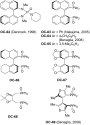
Figure 13: Some chiral phosphoramide and chiral phosphine oxides.

Scheme 15: OC-62 catalyzed enantioselective desymmetrization of meso-epoxides by SiCl4.

Figure 14: The proposed mechanism of the chiral HMPA-catalyzed desymmetrization of meso-epoxides.

Scheme 16: The enantioselective desymmetrization of meso-epoxides in the presence of OC-63.

Figure 15: The Chiral phosphine oxides (OC-70 to OC-77) based on an allene backbone.

Scheme 17: OC-73 catalyzed enantioselective desymmetrization of meso-epoxides by SiCl4.

Figure 16: Chiral pyridine N-oxides used in enantioselective desymmetrization of meso-epoxides.
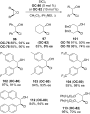
Scheme 18: Catalyzed enantioselective desymmetrization of meso-epoxides in the presence of OC-80 or OC-82.

Figure 17: Chiral pyridine N-oxides OC-85 to OC-94.

Scheme 19: Enantioselective desymmetrization of cis-stilbene oxide by using OC-85 to OC-92 as catalysts.

Figure 18: A novel family of helical chiral pyridine N-oxides OC-95 to OC-97.

Scheme 20: Desymmetrization of meso-epoxides catalyzed by OC-95 to OC-97.

Scheme 21: OC-98 catalyzed enantioselective desymmetrization of meso-epoxides by SiCl4.
Organocatalytic asymmetric selenofunctionalization of tryptamine for the synthesis of hexahydropyrrolo[2,3-b]indole derivatives
- Qiang Wei,
- Ya-Yi Wang,
- Yu-Liu Du and
- Liu-Zhu Gong
Beilstein J. Org. Chem. 2013, 9, 1559–1564, doi:10.3762/bjoc.9.177
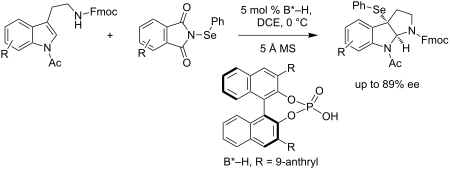
- products; selenofunctionalization; Introduction Selenofunctionalization of carbon–carbon double bonds provides practicable opportunities for rapid construction of molecule complexity [1][2][3][4][5][6][7][8], because the versatile carbon–selenium bond could either stabilize carbanions [9][10], serve as a

Graphical Abstract

Figure 1: Catalysts and seleno reagents evaluated in this study.

Figure 2: Generality for substitution at the indoline moiety. The reaction was performed in 0.1 mmol scale in...

Figure 3: X-ray crystallography of 4a catalyzed by (S)-3b.

Scheme 1: The plausible reaction mechanism.

Scheme 2: Scale up of the protocol and synthetic application.
Photoinduced synthesis of unsymmetrical diaryl selenides from triarylbismuthines and diaryl diselenides
- Yohsuke Kobiki,
- Shin-ichi Kawaguchi,
- Takashi Ohe and
- Akiya Ogawa
Beilstein J. Org. Chem. 2013, 9, 1141–1147, doi:10.3762/bjoc.9.127
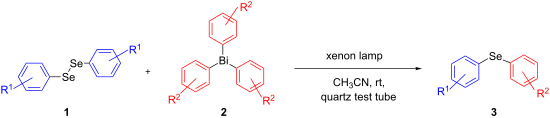
- triphenylbismuthine (2a, 0.5 mmol) were placed in a Pyrex test tube ( = 9 mm) with CHCl3 (4 mL), and the mixture was irradiated by a xenon lamp for 5 h at room temperature. As a result, 0.042 mmol (21% yield based on the amount of selenium atoms) of diphenyl selenide (3aa) was obtained after the isolation by silica
- affords unsymmetrical diaryl selenides in good yields. This method is efficient, because two arylseleno groups from diaryl selenides can be used as a selenium source, and its advantage is that the reaction proceeds in the absence of transition-metal catalysts. Experimental General comments Compounds 1a

Graphical Abstract

Scheme 1: Photoinduced radical reaction of diaryl diselenide with triphenylbismuthine.

Scheme 2: Photoinduced reaction of diphenyl disulfide with triphenylbismuthine.

Scheme 3: A plausible reaction pathway for the photoinduced reaction of diaryl diselenide with triarylbismuth...
Isotopically labeled sulfur compounds and synthetic selenium and tellurium analogues to study sulfur metabolism in marine bacteria
- Nelson L. Brock,
- Christian A. Citron,
- Claudia Zell,
- Martine Berger,
- Irene Wagner-Döbler,
- Jörn Petersen,
- Thorsten Brinkhoff,
- Meinhard Simon and
- Jeroen S. Dickschat
Beilstein J. Org. Chem. 2013, 9, 942–950, doi:10.3762/bjoc.9.108
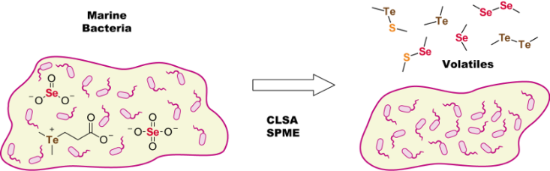
- sulfur source for the MeSH volatiles, whereas incorporation of labeling from sulfate was not observed. Moreover, the utilization of selenite and selenate salts by marine alphaproteobacteria for the production of methylated selenium volatiles was explored and resulted in the production of numerous
- methaneselenol-derived volatiles via reduction and methylation. The pathway of selenate/selenite reduction, however, proved to be strictly separated from sulfate reduction. Keywords: dimethylsulfoniopropionate; Roseobacter clade; selenium metabolism; sulfur metabolism; volatiles; Introduction The Roseobacter
- -serine to L-cysteine. Elemental sulfur, hydrogen sulfide, or thiosulfate can be funneled via the lithotrophic sulfur oxidation (Sox) pathway to sulfate [18][19][20][21][22]. Analogous degradation steps for the selenium and tellurium derivatives of DMSP (dimethylseleniopropionate, DMSeP, and

Graphical Abstract

Figure 1: Roseobacter clade metabolites.

Scheme 1: Degradation of DMSP via (A) demethylation pathway and (B) cleavage pathways. FH4: tetrahydrofolate.

Scheme 2: Sulfate reduction pathway and incorporation of sulfur into the amino acid pool. PAP: adenosine 3’,5...

Figure 2: Volatiles from P. gallaeciensis DSM 17395 and R. pomeroyi DSS-3. Feeding of [2H6]DMSP results in de...

Figure 3: Chromatograms of headspace extracts from P. gallaeciensis DSM 17395 after feeding of DMTeP by the u...

Figure 4: Chromatograms of headspace extracts obtained after feeding of [2H6]DMSP by the use of SPME from (A) ...

Figure 5: Chromatograms of headspace extracts from (A) R. pomeroyi DSS-3 wild type, (B) R. pomeroyi DSS-3 dmdA...

Scheme 3: Synthesis of 34S-labeled thiosulfate and sulfate.
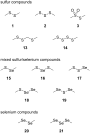
Figure 6: Volatiles from P. gallaeciensis after feeding of selenate and selenite.
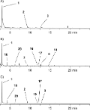
Figure 7: Chromatograms of headspace extracts from P. gallaeciensis grown on (A) 50% MB2216, (B) 50% MB2216 +...

Figure 8: Additional sulfur volatiles.
Inter- and intramolecular enantioselective carbolithiation reactions
- Asier Gómez-SanJuan,
- Nuria Sotomayor and
- Esther Lete
Beilstein J. Org. Chem. 2013, 9, 313–322, doi:10.3762/bjoc.9.36

- , such as halogen–lithium exchange, tin–lithium exchange, selenium–lithium exchange or reductive lithiation [1][2][3][4][5][6][7][8]. Once the organolithium has been generated, the intramolecular carbolithiation reaction usually takes place with high stereochemical control, as a consequence of a rigid

Graphical Abstract

Scheme 1: Intermolecular carbolithiation.

Scheme 2: Carbolithiation of cinnamyl and dienyl derivatives.

Scheme 3: Carbolithiation of cinnamyl alcohol.

Scheme 4: Carbolithiation of styrene derivatives.

Scheme 5: Carbolithiation of α-aryl O-alkenyl carbamates.

Scheme 6: Carbolithiation-rearrangement of N-alkenyl-N-arylureas.

Scheme 7: Carbolithiation of N,N-dimethylaminofulvene.

Scheme 8: Carbolithiation of enynes.

Scheme 9: Intramolecular carbolithiation.

Scheme 10: Carbolithiation of 5-alkenylcarbamates.

Scheme 11: Carbolithiation of cinnamylpiperidines.

Scheme 12: Carbolithiation of alkenylpyrrolidines.

Scheme 13: Enantioselective carbolithiation of N-allyl-2-bromoanilines.
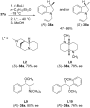
Scheme 14: Effect of the ligand in the carbolithiation reaction.

Scheme 15: Effect of the alkene substitution in the carbolithiation reaction.
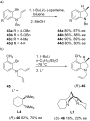
Scheme 16: Effect of the ring substitution in the carbolithiation reaction.

Scheme 17: Enantioselective carbolithiation of allyl aryl ethers.

Scheme 18: Formation of six-membered rings: pyrroloisoquinolines.

Scheme 19: Formation of six-membered rings: tetrahydroquinolines.
The chemistry of bisallenes
- Henning Hopf and
- Georgios Markopoulos
Beilstein J. Org. Chem. 2012, 8, 1936–1998, doi:10.3762/bjoc.8.225
- overall yields were very good (78–91%); the relative yields of the three dimers were not determined, however. A monosubstituted bisallene has been prepared by Braverman and co-workers by treatment of the sulfonium or selenium salt 108 with DBU in acetone at 0 °C, providing a mixture of 109 and 110 in a 7

Graphical Abstract

Figure 1: Loschmidt’s structure proposal for benzene (1) (Scheme 181 from [3]) and the corresponding modern stru...

Figure 2: The first isolated bisallenes.

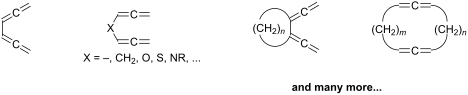
Figure 3: Carbon skeletons of selected bisallenes discussed in this review.

Scheme 1: The preparation of 1,2,4,5-hexatetraene (2).

Scheme 2: The preparation of a conjugated bisallene by the DMS-protocol.

Scheme 3: Preparation of the 3-deuterio- and 3,4-dideuterio derivatives of 24.

Scheme 4: A versatile method to prepare alkylated conjugated bisallenes and other allenes.

Scheme 5: A preparation of 3,4-dimethyl-1,2,4,5-hexatetraene (38).

Scheme 6: A (C6 + 0)-approach to 1,2,4,5-hexatetraene (2).

Scheme 7: The preparation of a fully alkylated bisallenes from a 2,4-hexadiyne-1,6-diol diacetate.

Scheme 8: The preparation of the first phenyl-substituted conjugated bisallenes 3 and 4.

Scheme 9: Selective hydrogenation of [5]cumulenes to conjugated bisallenes: another (C6 + 0)-route.

Scheme 10: Aryl-substituted conjugated bisallenes by a (C3 + C3)-approach.

Scheme 11: Hexaphenyl-1,2,4,5-hexatetraene (59) by a (C3 + C3)-approach.

Scheme 12: An allenation route to conjugated bisallenes.

Scheme 13: The preparation of 3,4-difunctionalized conjugated bisallenes.

Scheme 14: Problems during the preparation of sulfur-substituted conjugated bisallenes.

Scheme 15: The preparation of 3,4-dibromo bisallenes.

Scheme 16: Generation of allenolates by an oxy-Cope rearrangement.

Scheme 17: A linear trimerization of alkynes to conjugated bisallenes: a (C2 + C2 + C2)-protocol.

Scheme 18: Preparation of a TMS-substituted conjugated bisallene by a C3-dimerization route.

Scheme 19: A bis(trimethylsilyl)bisallene by a C3-coupling protocol.

Scheme 20: The rearrangement of highly substituted benzene derivatives into their conjugated bisallenic isomer...

Scheme 21: From fully substituted benzene derivatives to fully substituted bisallenes.

Scheme 22: From a bicyclopropenyl to a conjugated bisallene derivative.

Scheme 23: The conversion of a bismethylenecyclobutene into a conjugated bisallene.

Scheme 24: The preparation of monofunctionalized bisallenes.

Scheme 25: Preparation of bisallene diols and their cyclization to dihydrofurans.

Scheme 26: A 3,4-difunctionalized conjugated bisallene by a C3-coupling process.

Scheme 27: Preparation of a bisallenic diketone by a coupling reaction.

Scheme 28: Sulfur and selenium-substituted bisallenes by a [2.3]sigmatropic rearrangement.

Scheme 29: The biallenylation of azetidinones.

Scheme 30: The preparation of a fully ferrocenylated conjugated bisallene.

Scheme 31: The first isomerization of a 1,5-hexadiyne to a 1,2,4,5-hexatetraene.

Scheme 32: The preparation of alkynyl-substituted bisallenes by a C3-dimerization protocol.

Scheme 33: Preparation of another completely ferrocenylated bisallene.

Scheme 34: The cyclization of 1,5-hexadiyne (129) to 3,4-bismethylenecyclobutene (130) via 1,2,4,5-hexatetraen...
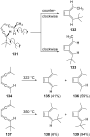
Scheme 35: Stereochemistry of the thermal cyclization of bisallenes to bismethylenecyclobutenes.

Scheme 36: Bisallene→bismethylenecyclobutene ring closures in the solid state.

Scheme 37: A bisallene cyclization/dimerization reaction.

Scheme 38: A selection of Diels–Alder additions of 1,2,4,5-hexatetraene with various double-bond dienophiles.

Scheme 39: The stereochemistry of the [2 + 4] cycloaddition to conjugated bisallenes.

Scheme 40: Preparation of azetidinone derivatives from conjugated bisallenes.

Scheme 41: Cycloaddition of heterodienophiles to a conjugated bisallene.

Scheme 42: Addition of triple-bond dienophiles to conjugated bisallenes.

Scheme 43: Sulfur dioxide addition to conjugated bisallenes.

Scheme 44: The addition of a germylene to a conjugated bisallene.

Scheme 45: Trapping of conjugated bisallenes with phosphinidenes.

Scheme 46: The cyclopropanantion of 1,2,4,5-hexatetraene (2).

Scheme 47: Photochemical reactions involving conjugated bisallenes.

Scheme 48: Base-catalyzed isomerizations of conjugated bisallenes.

Scheme 49: Ionic additions to a conjugated bisallene.

Scheme 50: Oxidation reactions of a conjugated bisallene.
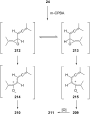
Scheme 51: The mechanism of oxidation of the bisallene 24.

Scheme 52: CuCl-catalyzed cyclization of 1,2,4,5-hexatetraene (2).

Scheme 53: The conversion of conjugated bisallenes into cyclopentenones.

Scheme 54: Oligomerization of a conjugated bisallene by nickel catalysts.
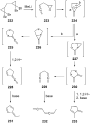
Scheme 55: Generation of 1,2,5,6-heptatetraene (229) as a reaction intermediate.

Scheme 56: The preparation of a stable derivative of 1,2,5,6-heptatetraene.

Scheme 57: A bisallene with a carbonyl group as a spacer element.

Scheme 58: The first preparation of 1,2,6,7-octatetraene (242).

Scheme 59: Preparation of 1,2,6,7-octatetraenes by (C4 + C4)-coupling of enynes.

Scheme 60: Preparation of 1,2,6,7-octatetraenes by (C4 + C4)-coupling of homoallenyl bromides.

Scheme 61: Preparation of 1,2,6,7-octatetraenes by alkylation of propargylic substrates.

Scheme 62: Preparation of two highly functionalized 1,2,6,7-octatetraenes.

Scheme 63: Preparation of several higher α,ω-bisallenes.

Scheme 64: Preparation of different alkyl derivatives of α,ω-bisallenes.

Scheme 65: The preparation of functionalized 1,2,7,8-nonatetraene derivatives.

Scheme 66: Preparation of functionalized α,ω-bisallenes.

Scheme 67: The preparation of an α,ω-bisallene by direct homologation of an α,ω-bisalkyne.

Scheme 68: The gas-phase pyrolysis of 4,4-dimethyl-1,2,5,6-heptatetraene (237).
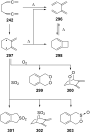
Scheme 69: Gas-phase pyrolysis of 1,2,6,7-octatetraene (242).

Scheme 70: The cyclopropanation of 1,2,6,7-octatetraene (242).

Scheme 71: Intramolecular cyclization of 1,2,6,7-octatetraene derivatives.

Scheme 72: The gas-phase pyrolysis of 1,2,7,8-nonatetraene (265) and 1,2,8,9-decatetraene (266).

Scheme 73: Rh-catalyzed cyclization of a functionalized 1,2,7,8-nonatetraene.

Scheme 74: A triple cyclization involving two different allenic substrates.

Scheme 75: Bicyclization of keto derivatives of 1,2,7,8-nonatetraene.

Scheme 76: The preparation of complex organic compounds from functionalized bisallenes.

Scheme 77: Cycloisomerization of an α,ω-bisallene containing a C9 tether.

Scheme 78: Organoborane polymers from α,ω-bisallenes.

Scheme 79: Preparation of trans- (337) and cis-1,2,4,6,7-octapentaene (341).

Scheme 80: The preparation of 4-methylene-1,2,5,6-heptatetraene (349).

Scheme 81: The preparation of acetylenic bisallenes.

Scheme 82: The preparation of derivatives of hydrocarbon 351.

Scheme 83: The construction of macrocyclic alleno-acetylenes.

Scheme 84: Preparation and reactions of 4,5-bismethylene-1,2,6,7-octatetraene (365).

Scheme 85: Preparation of 1,2-bis(propadienyl)benzene (370).

Scheme 86: The preparation of 1,4-bis(propadienyl)benzene (376).

Scheme 87: The preparation of aromatic and heteroaromatic bisallenes by metal-mediated coupling reactions.

Scheme 88: Double cyclization of an aromatic bisallene.

Scheme 89: Preparation of an allenic [15]paracyclophane by a ring-closing metathesis reaction of an aromatic α...

Scheme 90: Preparation of a macrocyclic ring system containing 1,4-bis(propadienyl)benzene units.

Scheme 91: Preparation of copolymers from 1,4-bis(propadienyl)benzene (376).

Scheme 92: A boration/copolymerization sequence of an aromatic bisallene and an aromatic bisacetylene.

Scheme 93: Formation of a layered aromatic bisallene.

Figure 4: The first members of the semicyclic bisallene series.

Scheme 94: Preparation of the first bis(vinylidene)cyclobutane derivative.
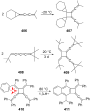
Scheme 95: Dimerization of strain-activated cumulenes to bis(vinylidene)cyclobutanes.

Scheme 96: Photodimerization of two fully substituted butatrienes in the solid state.

Scheme 97: Preparation of the two parent bis(vinylidene)cyclobutanes.

Scheme 98: The preparation of 1,3-bis(vinylidene)cyclopentane and its thermal isomerization.

Scheme 99: The preparation of the isomeric bis(vinylidene)cyclohexanes.

Scheme 100: Bi- and tricyclic conjugated bisallenes.
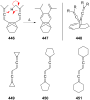
Scheme 101: A selection of polycyclic bisallenes.

Scheme 102: The first endocyclic bisallenes.

Figure 5: The stereochemistry of 1,2,6,7-cyclodecatetraene.

Scheme 103: The preparation of several endocyclic bisallenes.

Scheme 104: Synthesis of diastereomeric derivatives of 1,2,6,7-cyclodecatetraene.

Scheme 105: Preparation of a derivative of 1,2,8,9-cyclotetradecatetraene.

Scheme 106: The preparation of keto derivatives of cyclic bisallenes.

Scheme 107: The preparation of cyclic biscumulenic ring systems.

Scheme 108: Cyclic bisallenes in natural- and non-natural-product chemistry.

Scheme 109: The preparation of iron carbonyl complexes from cyclic bisallenes.

Figure 6: A selection of unknown exocyclic bisallenes that should have interesting chemical properties.

Scheme 110: The thermal isomerization of 1,2-diethynylcyclopropanes and -cyclobutanes.

Scheme 111: Intermediate generation of a cyclooctapentaene.

Scheme 112: Attempted preparation of a cyclodecahexaene.

Scheme 113: The thermal isomerization of 1,5,9-cyclododecatriyne (511) into [6]radialene (514).

Scheme 114: An isomerization involving a diketone derived from a conjugated bisallene.

Scheme 115: Typical reaction modes of heteroorganic bisallenes.

Scheme 116: Generation and thermal behavior of acyclic hetero-organic bisallenes.

Scheme 117: Generation of bis(propadienyl)thioether.

Scheme 118: The preparation of a bisallenic sulfone and its thermal isomerization.

Scheme 119: Bromination of the bisallenic sulfone 535.

Scheme 120: Metalation/hydrolysis of the bisallenic sulfone 535.

Scheme 121: Aromatic compounds from hetero bisallenes.

Scheme 122: Isomerization/cyclization of bispropargylic ethers.

Scheme 123: The preparation of novel aromatic systems by base-catalyzed isomerization of bispropargyl ethers.

Scheme 124: The isomerization of bisacetylenic thioethers to bicyclic thiophenes.

Scheme 125: Aromatization of macrocyclic bispropargylic sulfides.

Scheme 126: Preparation of ansa-compounds from macrocyclic bispropargyl thioethers.

Scheme 127: Alternate route for cyclization of a heterorganic bisallene.
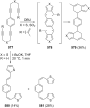
Scheme 128: Multiple isomerization/cyclization of “double” bispropargylic thioethers.

Scheme 129: Preparation of a bisallenyl disulfide and its subsequent bicyclization.

Scheme 130: Thermal cyclization of a bisallenyl thiosulfonate.

Scheme 131: Some reactions of heteroorganic bisallenes with two sulfur atoms.

Scheme 132: Further methods for the preparation of heteroorganic bisallenes.

Scheme 133: Cyclization reactions of heteroorganic bisallenes.

Scheme 134: Thermal cycloadditions of bisallenic tertiary amines.

Scheme 135: Cyclization of a bisallenic tertiary amine in the presence of a transition-metal catalyst.

Scheme 136: A Pauson–Khand reaction of a bisallenic ether.

Scheme 137: Formation of a 2:1adduct from two allenic substrates.

Scheme 138: A ring-forming silastannylation of a bisallenic tertiary amine.

Scheme 139: A three-component cyclization involving a heterorganic bisallene.

Scheme 140: Atom-economic construction of a complex organic framework from a heterorganic α,ω-bisallene.
Supramolecular hydrogels formed from poly(viologen) cross-linked with cyclodextrin dimers and their physical properties
- Yoshinori Takashima,
- Yang Yuting,
- Miyuki Otsubo,
- Hiroyasu Yamaguchi and
- Akira Harada
Beilstein J. Org. Chem. 2012, 8, 1594–1600, doi:10.3762/bjoc.8.182
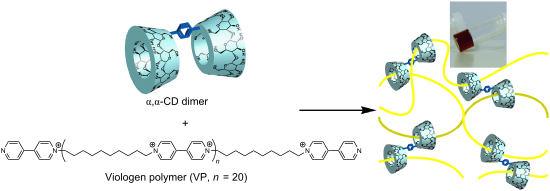
- adding selenium or platinum complexes yields supramolecular assemblies of bis(molecular tube)s cross-linked with the β-CD dimer, which form nanofibers [12][13][14][15]. Moreover, mechanically linked polyrotaxane with the α-CD and poly(ethylene glycol) (PEG) produces a hydrogel material, which exhibits

Graphical Abstract

Figure 1: Chemical structures of the CD dimer (α,α-CD dimer, α,β-CD dimer, and β,β-CD dimer) and guest deriva...

Figure 2: Photographs of hydrogelation with various concentrations of α,α-CD dimer/VP in water. Aqueous solut...

Figure 3: Hydrogelation of VP with various CD derivatives (VP unit/CD 4:1) at 25 °C. (a) Concentrations of CD...

Figure 4: 500 MHz 1H NMR spectra of VP (VP unit 2 mM) with α-CD and PyC10Py (VP unit/CD/PyC10Py 1:2:8) in D2O...

Figure 5: G' and G'' of the α,α-CD dimer/VP hydrogel as a function of frequency (ω). Applied shear strain amp...
Synthesis and characterization of Sant-75 derivatives as Hedgehog-pathway inhibitors
- Chao Che,
- Song Li,
- Bo Yang,
- Shengchang Xin,
- Zhixiong Yu,
- Taofeng Shao,
- Chuanye Tao,
- Shuo Lin and
- Zhen Yang
Beilstein J. Org. Chem. 2012, 8, 841–849, doi:10.3762/bjoc.8.94
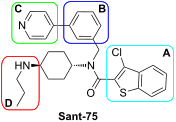
- the presence of catalytic NaOMe, followed by treatment with NH4Cl. Then, condensation of 13 with acetylacetaldehyde dimethyl acetal in 1,4-dioxane afforded 6-methyl-2-(4-pyridinyl)pyrimidine 14 in 62% yield [47]. Consequent allylic oxidation of 14 with selenium dioxide gave 11e in moderate yield

Graphical Abstract

Figure 1: Structures of Smo antagonists and agonists.

Scheme 1: General synthetic route for Sant-75. Reagents and conditions: (a) Pd(PPh3)4, PhMe, Na2CO3, H2O, 85 ...

Scheme 2: Substituent-modifications on the motif A. Reagents and conditions: (a) CH2Cl2, Et3N; (b) CH2Cl2, TF...

Scheme 3: Substituent-modifications on the motif A. Reagents and conditions: (a) (i) FeCl3, Zn, H2O, DMF, 100...

Scheme 4: Core modification on the motif A. Reagents and conditions: (a) BOP, DIEA, DMF; (b) CH2Cl2, TFA.

Figure 2: Core modification on the motif B.

Scheme 5: Synthesis of key intermediate biaryl aldehydes. Reagents and conditions: (a) Pd(OAc)2, PPh3, 1,4-di...

Scheme 6: Chemical modifications on the motif C. Reagents and conditions: (a) Pd(OAc)2, PPh3, 1,4-dioxane, Na2...

Scheme 7: Chemical modifications on the motif D. Reagents and conditions: (a) R2COCl, CH2Cl2.
Synthesis of functionalized macrocyclic derivatives of trioxabicyclo[3.3.0]nonadiene
- Sabine Leber,
- Gert Kollenz and
- Curt Wentrup
Beilstein J. Org. Chem. 2012, 8, 738–743, doi:10.3762/bjoc.8.83

- the bisdioxine-derived macrocycles. Okazaki and co-workers designed bowl-shaped [8] and lantern-shaped [9] molecules containing a functionalized aryl group, which allowed the preparation of, among other things, stable simple enols [8] and a variety of unusual sulfur [9], selenium [10][11] and

Graphical Abstract

Scheme 1: Synthesis of macrocyclic bisdioxine derivatives (R,S-form of 4 and S-form of 5 shown; see Supporting Information File 1 for deta...

Scheme 2: Synthesis of the 1,2,4-trisubstituted aryl derivatives.

Scheme 3: Synthesis of the 1,2,3-trisubstituted aryl derivatives.

Scheme 4: Synthesis of the tetraoxaadamantane derivative 14.
Synthesis and oxidation of some azole-containing thioethers
- Andrei S. Potapov,
- Nina P. Chernova,
- Vladimir D. Ogorodnikov,
- Tatiana V. Petrenko and
- Andrei I. Khlebnikov
Beilstein J. Org. Chem. 2011, 7, 1526–1532, doi:10.3762/bjoc.7.179
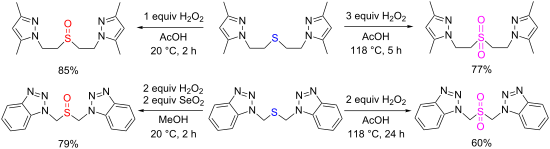
- . Selenium dioxide-catalyzed oxidation of benzotriazole thioether by H2O2, however, proceeds selectively and yields sulfoxide only. Keywords: azole; oxidation; sulfone; sulfoxide; thioether; Introduction Compounds comprising two pyrazole moieties linked by an aliphatic spacer act as bidentate chelating
- 1, entry 4). It is evident that hydrogen peroxide alone is not an effective oxidant for thioether 5, therefore other oxidizing systems should be evaluated. Selenium(IV) oxide was reported to be an efficient catalyst in a thioether oxidation reaction promoted by H2O2 [17]. However, the performance of
- sulfone can be selectively isolated by varying the oxidation conditions. Sulfone can be prepared by the addition of an excess of H2O2 in acetic acid at elevated temperature, while sulfoxide is selectively formed upon the addition of H2O2 and selenium dioxide in methanol. Experimental General methods

Graphical Abstract

Scheme 1: Synthesis of azole-containing thioethers.

Scheme 2: Synthesis of dithioether.

Scheme 3: Oxidation of thioethers to sulfoxides and sulfones.

Scheme 4: Preparation of functional derivatives.

Figure 1: Energies and isosurfaces of the highest occupied molecular orbitals (HOMO) of azole-containing thio...
A novel high-yield synthesis of aminoacyl p-nitroanilines and aminoacyl 7-amino-4-methylcoumarins: Important synthons for the synthesis of chromogenic/fluorogenic protease substrates
- Xinghua Wu,
- Yu Chen,
- Herve Aloysius and
- Longqin Hu
Beilstein J. Org. Chem. 2011, 7, 1030–1035, doi:10.3762/bjoc.7.117

- reach completion. After the completion of selenocarboxylation as monitored by LC-MS, a solution of azide in THF was added by syringe or cannulation. The reaction started immediately with the precipitation of gray selenium and the formation of nitrogen gas, and was complete within 2 h at room temperature
- isopropanol solution of sodium hydrogenselenide [22]. To a suspension of selenium (40 mg, 0.5 mmol) in deaerated isopropanol (5 mL) was added sodium borohydride (24 mg, 0.6 mmol) in one portion at room temperature. The mixture was stirred under a nitrogen atmosphere to provide a colorless solution of NaHSe in
- isopropanol, which was ready to be used. Preparation of an aqueous solution of sodium hydrogenselenide [22]. To a suspension of selenium (40 mg, 0.5 mmol) in deaerated distilled water (5 mL) was added sodium borohydride (40 mg, 1.0 mmol) in one portion at 5 °C. The mixture was vigorously stirred under a

Alkene selenenylation: A comprehensive analysis of relative reactivities, stereochemistry and asymmetric induction, and their comparisons with sulfenylation
- Vadim A. Soloshonok and
- Donna J. Nelson
Beilstein J. Org. Chem. 2011, 7, 744–758, doi:10.3762/bjoc.7.85

- straightforward and general methods for the preparation of the corresponding selenium derivatives, which are useful intermediates in organic synthesis, often with interesting biological applications [4][5]. Thus, organoselenium compounds are reported to have antitumor [6][7][8], antimicrobial [7][8], antiviral [7
- ][8], and anti-oxidant [9][10] properties. It is interesting to note that the current applications of organoselenium derivatives have outpaced those of conventional inorganic selenium compounds [6][7][8][9][10]. This potential in biological applications [11] of organoselenium compounds is enhanced by
- reactivity of organoselenium compounds, it is expected that chiral selenium containing derivatives could be synthetically useful as chiral auxiliaries or intermediates for the development of a novel asymmetric methodology platform [15][16][17][18]. Furthermore, compared with sulfur analogs [44], chiral

Graphical Abstract

Figure 1: Chiral aryl selenium electrophiles 1–3.

Scheme 1: Plausible mechanism of alkene selenenylation.

Figure 2: Plot of log krel values for PhSeCl addition to alkenes versus their corresponding IEs. Point number...

Figure 3: Plot of log krel values for PhSeCl addition to alkenes versus their corresponding HOMOs, analogous ...

Figure 4: Plot of log krel versus HOMO shows data grouped by branching at α position. Data are from Table 3; point n...

Scheme 2: Major products from reactions of 1 and 2 with representative alkenols.

Figure 5: Structure of intermediate complex 9.

Figure 6: Plot of log krel values for PhSCl addition to alkenes versus their IEs. Data are from Table 6.



