Search results
Search for "antibacterial" in Full Text gives 374 result(s) in Beilstein Journal of Organic Chemistry. Showing first 200.
DDQ in mechanochemical C–N coupling reactions
Beilstein J. Org. Chem. 2022, 18, 639–646, doi:10.3762/bjoc.18.64
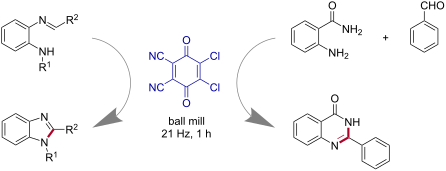
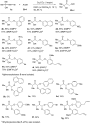
- established from the X-ray crystallography data. Various methodologies are available in the literature toward constructing quinazolin-4(3H)-one derivatives [40][45][46]. Quinazolin-4(3H)-ones and its derivatives possess several biological activities such as antibacterial [47], antiviral [48], antitumor [49


Cholyl 1,3,4-oxadiazole hybrid compounds: design, synthesis and antimicrobial assessment
Beilstein J. Org. Chem. 2022, 18, 631–638, doi:10.3762/bjoc.18.63
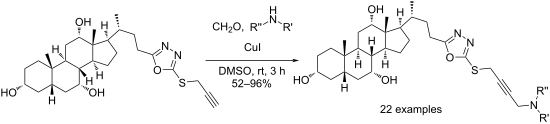
- exhibited selective activity against fungi only. Keywords: antibacterial; cholic acid; heterocyclic; Mannich reaction; oxadiazole; Introduction Microbial infections caused by Gram-negative and Gram-positive bacteria embarrass the health care system worldwide [1]. Pathogens such as Escherichia coli
- , Staphylococcus aureus, Klebsiella pneumoniae, and Staphylococcus pneumoniae were responsible for most of bacteremia deaths related to antimicrobial resistance in 2019 [2]. Current antibacterial drugs are facing various challenges, due to the inability to accumulate inside human cells made them inactive [3] and
- biological activities such as anti-COVID-19 [5], anticancer [6][7][8], antibacterial activity against Staphylococcus aureus and Bacillus subtilis [9][10], antifungal agents against Candida albicans and phytopathogenic fungi [11][12], and antiproliferative against different cell lines (e.g., PC3, HCT-116, and


Chemistry of polyhalogenated nitrobutadienes, 17: Efficient synthesis of persubstituted chloroquinolinyl-1H-pyrazoles and evaluation of their antimalarial, anti-SARS-CoV-2, antibacterial, and cytotoxic activities
Beilstein J. Org. Chem. 2022, 18, 524–532, doi:10.3762/bjoc.18.54
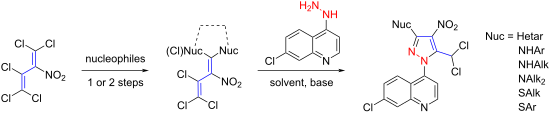
- ± 0.04 µM (100 ng/mL, 200 nM), respectively. Two compounds (3b and 10d) have also been tested for anti-SARS-CoV-2, antibacterial, and cytotoxic activity. Keywords: antimalarial activity; anti-SARS-CoV-2 activity; chloroquine; 2-nitroperchlorobutadiene; nucleophilic vinylic substitution; 1H-pyrazoles
- falciparum strain [19]. Certain 7-chloroquinolinyl-pyrazole derivatives have also shown antibacterial [20], hypoglycemic as well as antioxidant activity [21] or can be used as selective nonpeptide neurotensin receptor type 2 compounds [22]. Some azolylquinolines have been used as agrochemical fungicides
- persubstituted pyrazoles were unknown until now. In addition, it is known that polyhalogenated nitrobutadienes are versatile synthetic precursors for many bioactive heterocycles such as insecticidal neonicotinoids [34]. Evaluation of biological properties Antibacterial and cytotoxic properties The general


Sesquiterpenes from the soil-derived fungus Trichoderma citrinoviride PSU-SPSF346
Beilstein J. Org. Chem. 2022, 18, 479–485, doi:10.3762/bjoc.18.50
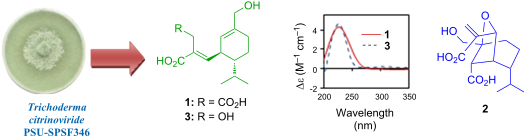
- Trichoderma citrinoviride produces structurally diverse secondary metabolites including diterpenes [1][2], alkaloids [3], sorbicillinoids [4][5], long chain alcohols [6], and cyclonerane sesquiterpenes [7]. Some of them display antibacterial [1][2][7], cytotoxic [3], anti-inflammatory [4], and antimicroalgal
- amount were evaluated for their antibacterial activity against S. aureus ATCC25923 and methicillin-resistant S. aureus SK1, antifungal activity against C. neoformans ATCC90113 as well as cytotoxic activity against KB, MCF-7, and noncancerous Vero (African green monkey kidney fibroblast) cells. None of


Tosylhydrazine-promoted self-conjugate reduction–Michael/aldol reaction of 3-phenacylideneoxindoles towards dispirocyclopentanebisoxindole derivatives
Beilstein J. Org. Chem. 2022, 18, 469–478, doi:10.3762/bjoc.18.49
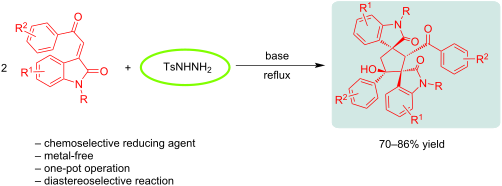
- , antitubercular, antidiabetic, antibacterial as well as cholinesterase inhibition (Figure 1) [3][4][5][6][7]. These unique chemical and biological characteristics of bispirooxindoles have stimulated the concentration of the synthetic community on developing new synthetic strategies towards their synthesis [8][9


Cs2CO3-Promoted reaction of tertiary bromopropargylic alcohols and phenols in DMF: a novel approach to α-phenoxyketones
Beilstein J. Org. Chem. 2022, 18, 420–428, doi:10.3762/bjoc.18.44
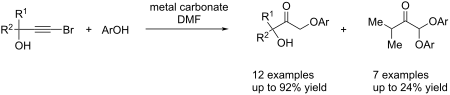
- ], amyloid-β protein production inhibitory [52], urease inhibitory [53], farnesyl transferase inhibitory (kurasoin A and B) [54][55], antitumor and antibacterial (doxorubicin, olivomycin A, chromomycin A3, carminomycin I, epothilones) [56][57][58] activities. Experimental General information 1Н and 13С NMR



Menadione: a platform and a target to valuable compounds synthesis
Beilstein J. Org. Chem. 2022, 18, 381–419, doi:10.3762/bjoc.18.43
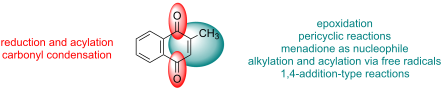
- shown a wide range of biological activities of menadione, such as anticancer [15][16][17][18][19][20][21][22], antibacterial [23][24][25][26], antifungal [27][28], antimalarial [29][30][31][32], antichagasic [33], and anthelmintic [34] effects. In these cases, the redox cycle of menadione, followed by


Four bioactive new steroids from the soft coral Lobophytum pauciflorum collected in South China Sea
Beilstein J. Org. Chem. 2022, 18, 374–380, doi:10.3762/bjoc.18.42
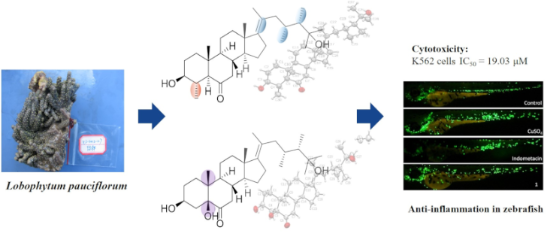
- containing side chains with 23,24-dimethyl groups and (17)20E double bond, have been reported to be frequently isolated from soft corals of this genus, some of them exhibited anti-inflammatory [4], cytotoxic [5][6], and antibacterial activities [7]. To search for bioactive natural products, we have


Synthesis of novel [1,2,4]triazolo[1,5-b][1,2,4,5]tetrazines and investigation of their fungistatic activity
Beilstein J. Org. Chem. 2022, 18, 243–250, doi:10.3762/bjoc.18.29
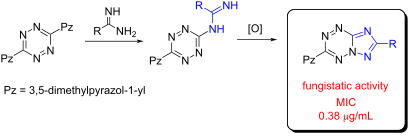
- particular, imidazo[1,2-a]pyridines and imidazo[1,2-a]pyrimidines exhibit a wide spectrum of biological activity, including antiviral and antibacterial ones [1][2]. A promising approach for the development of new drugs is the synthesis and bioscreening of high nitrogen-containing azoloazines, including azolo
- ]tetrazines [3], antibacterial, antifungal, and anti-infammatory activities of dihydro- and tetrahydro[1,2,4]triazolo[4,3-b][1,2,4,5]tetrazines [4][5][6], antituberculosis activity of [1,2,4]triazolo[4,3-b]- and imidazo[1,2-b][1,2,4,5]tetrazines [7][8][9], antibacterial and fungistatic action of thiazolo[3,2
- -b][1,2,4,5]tetrazines [10], fungistatic activity of imidazo[1,2-b][1,2,4,5]tetrazines [11], antibacterial and antiglycation activity of imidazo[1,2-b]- and [1,2,4]triazolo[4,3-b][1,2,4,5]tetrazines [12][13][14] as well as antitumor activity of [1,2,4]triazolo[4,3-b][1,2,4,5]tetrazines [15][16] and


Glycosylated coumarins, flavonoids, lignans and phenylpropanoids from Wikstroemia nutans and their biological activities
Beilstein J. Org. Chem. 2022, 18, 200–207, doi:10.3762/bjoc.18.23
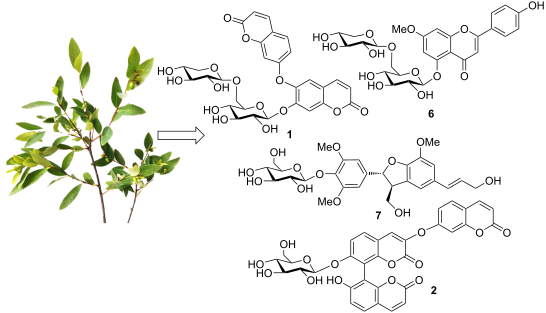
- for the first time. All co-isolates were evaluated for their in vitro inhibitory effects on nitric oxide (NO) production induced by lipopolysaccharide (LPS) in murine RAW264.7 macrophage cells. The antibacterial activity of the selected compounds was also tested. Our work enriches the structure
- large quantity of phenolic substances found in plants and microorganisms [5]. These naturally occurring coumarins were well documented due to their diverse chemical structures and promising biological properties, such as anticancer, antitubercular, anti-inflammatory, anticoagulant, antibacterial, and
- against nitric oxide (NO) production in LPS-stimulated RAW 264.7 mouse macrophages. The antibacterial activities of compounds 1–4 against Escherichia coli, Staphylococcus aureus subsp. aureus, Salmonella enterica subsp. enterica, and Pseudomonas aeruginosa were also tested, however, none of them showed



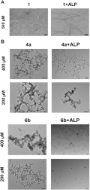
Synthesis and bioactivity of pyrrole-conjugated phosphopeptides
Beilstein J. Org. Chem. 2022, 18, 159–166, doi:10.3762/bjoc.18.17
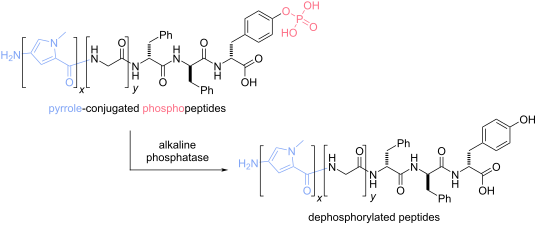
- ][11], collagen mimic [12], antibacterial [13][14], biomineralization [15][16], mimicry of amyloids [17], cell cultures [18], and tissue engineering [19]. Particularly, the use of enzyme-instructed self-assembly (EISA) [20][21] of peptide assemblies has expanded the applications of peptide assemblies



1,2-Naphthoquinone-4-sulfonic acid salts in organic synthesis
Beilstein J. Org. Chem. 2022, 18, 53–69, doi:10.3762/bjoc.18.5
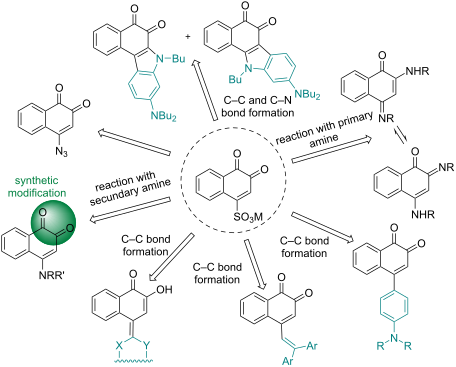
- oxidative processes in aerobic metabolism, photosynthesis, oxidative phosphorylation, blood clotting, and other electron transport reactions [7][8]. These biochemical functions give them several biological activities, such as antibacterial, fungicidal, antimalarial, trypanocidal, and antitumor. For this
- with antibacterial, fungicidal, antimalarial, antiviral, trypanocidal, leishmanicidal, and antitumor activity serve as inspiration for the pharmaceutical industry [21][22][23][24]. However, they are considered as Pan Assay Interference compounds (PAINS) because they display biological activity in many


Host–guest interaction and properties of cucurbit[8]uril with chloramphenicol
Beilstein J. Org. Chem. 2021, 17, 2832–2839, doi:10.3762/bjoc.17.194
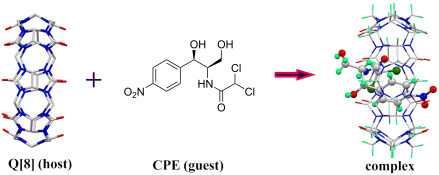
- (CPE) was investigated using single-crystal X-ray diffraction spectroscopy, isothermal titration calorimetry (ITC) and UV–vis, NMR and IR spectroscopy. The effects of Q[8] on the stability, in vitro release performance and antibacterial activity of CPE were also studied. The results showed that CPE and
- antibacterial results showed that the minimum inhibitory concentration (MIC) of CPE and CPE@Q[8] toward Escherichia coli (E. coli) was 1.5 × 10⁻³ and 1.0 × 10⁻³ mol/L, respectively, and toward Staphylococcus aureus (S. aureus), the MIC was 2.0 × 10⁻³ mol/L for both CPE and CPE@Q[8]. Therefore, Q[8] enhanced the
- inhibitory activity of CPE against E. coli. Keywords: antibacterial activity; chloramphenicol; cucurbit[8]uril; host–guest interaction; in vitro cumulative release; stability; Introduction Chloramphenicol (CPE, Figure 1A) is a broad-spectrum antibiotic resulting from the metabolism of chorismic acid in


Biological properties and conformational studies of amphiphilic Pd(II) and Ni(II) complexes bearing functionalized aroylaminocarbo-N-thioylpyrrolinate units
Beilstein J. Org. Chem. 2021, 17, 2812–2821, doi:10.3762/bjoc.17.192
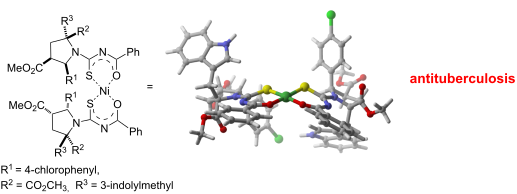
- organometallic compounds were screened for their antibacterial activity against a range of Gram-positive (Staphylococcus aureus, Bacillus subtilis) and Gram-negative (Aeromonas hydrophila, Escherichia coli, Acinetobacter baumannii) bacteria and antimycobacterial activity against M. tuberculosis H37Rv strains
- . Antifungal activity of the novel compounds was also evaluated against Candida albicans, Candida tropicalis and Candida glabrata strains. Antibacterial and antituberculosis (TB) activities From the observed data (Table 1) it can be seen that the tested compounds showed moderate antibacterial activity, in the
- %), 1287.2101 (67.1%), 1286.2068 (100.0%), 1285.2084 (81.7%), 1284.2073 (40.8%); anal. calcd for C62H58Cl2N6O10PdS2: C, 57.9; H, 4.5; N, 6.5; S, 5.0%; found: C, 58.4; H, 4.3; N, 6.6; S, 5.1. Biological tests The antibacterial activity of the complexes against standard bacterial strains (Staphylococcus aureus

Photophysical, photostability, and ROS generation properties of new trifluoromethylated quinoline-phenol Schiff bases
Beilstein J. Org. Chem. 2021, 17, 2799–2811, doi:10.3762/bjoc.17.191
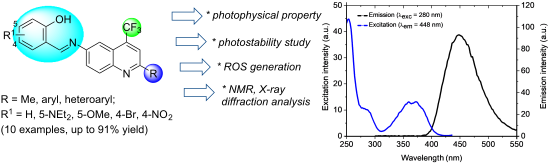
- imines, Schiff bases have the general organic function -C=N- [2], and are known to have a wide range of biological activities, including antioxidant [3], antitubercular [4], antibacterial [5], antimicrobial [6], and antifungal properties [7], in addition to their role as chemosensors [8] (Figure 1
- ). Quinolines are another important class of compounds and have numerous medicinal chemistry applications due to their biological applicability [9] and promising antimycobacterial [10], antimalarial [11][12], and antibacterial [13] activities. On the other hand, 6-aminoquinoline compounds demonstrate


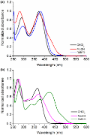


The PIFA-initiated oxidative cyclization of 2-(3-butenyl)quinazolin-4(3H)-ones – an efficient approach to 1-(hydroxymethyl)-2,3-dihydropyrrolo[1,2-a]quinazolin-5(1H)-ones
Beilstein J. Org. Chem. 2021, 17, 2787–2794, doi:10.3762/bjoc.17.189
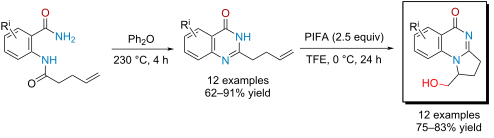
- anti-inflammatory [9], antibacterial [10], antiarrythmic [11] activity; some representatives are CNS suppressors and poly-ADP ribose polymerase (PARP) inhibitors [12] (see Figure 1). Several approaches to obtain 2,3-dihydropyrrolo[1,2-a]quinazolin-5(1H)-one derivatives of type 1 are known in the


Recent advances in the asymmetric phosphoric acid-catalyzed synthesis of axially chiral compounds
Beilstein J. Org. Chem. 2021, 17, 2729–2764, doi:10.3762/bjoc.17.185
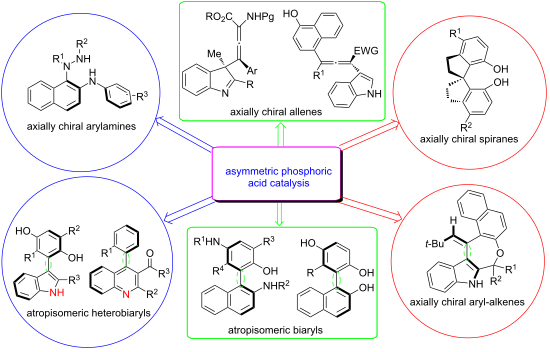
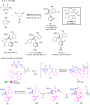
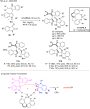
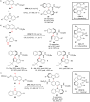
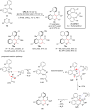
- antibacterial effects [76]. In this context, Miller and co-workers reported the performance of C2-symmetric chiral phosphoric acids (C2-type) and phosphothreonine-embedded, peptidic phosphoric acids (pThr-type CPAs) to catalyze a wide range of atroposelective cyclodehydration reactions for the synthesis of












Synthetic strategies toward 1,3-oxathiolane nucleoside analogues
Beilstein J. Org. Chem. 2021, 17, 2680–2715, doi:10.3762/bjoc.17.182
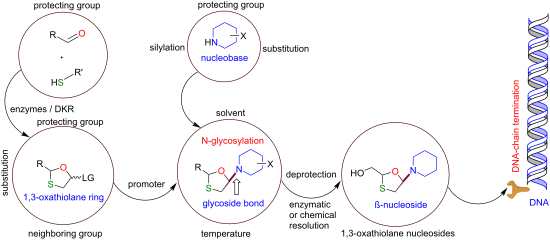
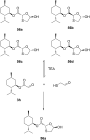
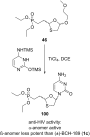
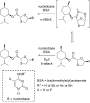
- -counterparts, with more favorable toxicological profiles and a greater stability [10]. A variety of nucleoside analogues as possible antiviral agents has appeared, possessing the unusual β-ʟ-configuration. Work has been motivated by the fact that, while retaining strong antiviral and/or antibacterial activity








Cryogels: recent applications in 3D-bioprinting, injectable cryogels, drug delivery, and wound healing
Beilstein J. Org. Chem. 2021, 17, 2553–2569, doi:10.3762/bjoc.17.171
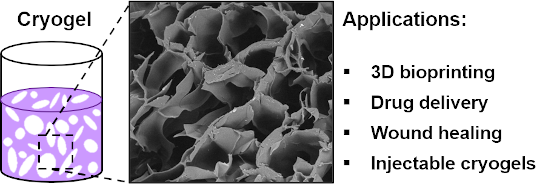
- antibacterial properties as well [113]. Physically crosslinked chitosan-gluconic acid cryogels have also been reported by Takei et al., who investigated applying differing methods of sterilisation, using either ethanol washing [114], or by autoclaving the cryogels [115]. Interestingly, the cryogels retained
- their haemostatic properties following autoclaving at 121 °C for 20 min, and showed comparable healing rates compared to ethanol sterilisation (Figure 8). A unique take to the development of cryogels as injectable gels is the work achieved by Zhao et al. in developing an injectable antibacterial and
- , gelatin sponge, gauze, and QCSG/CNT0 [116]. Cryogels comprising the natural biopolymers silk fibroin and chitosan, with tannic acid and ferric ions (Fe3+) incorporated have been reported as multifunctional devices for wound healing providing hemostasis, exudate absorbance, antibacterial effects, and






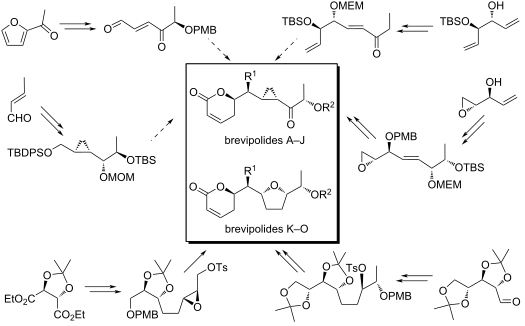
Strategies for the synthesis of brevipolides
Beilstein J. Org. Chem. 2021, 17, 2399–2416, doi:10.3762/bjoc.17.157
- revealed various results, including toxicity to brine shrimp [9], DNA intercalation as well as antibacterial and fungal [4][9], and strong insecticidal activity against the 3rd instar larva of the cotton leaf worm Spodoptera littoralis (Biosd.) [7]. The essential oil extracted from the leaf of Hyptis
- folk medicines [2][3][5][6][7][8][9][10] to pest management [2][3]. These traditional applications stimulated researchers to conduct biological studies with these plant extracts. A variety of bioactivities were then evidenced, such as antifungal, antibacterial [4][9] insecticidal [7], and radical


Isolation and characterization of new phenolic siderophores with antimicrobial properties from Pseudomonas sp. UIAU-6B
Beilstein J. Org. Chem. 2021, 17, 2390–2398, doi:10.3762/bjoc.17.156
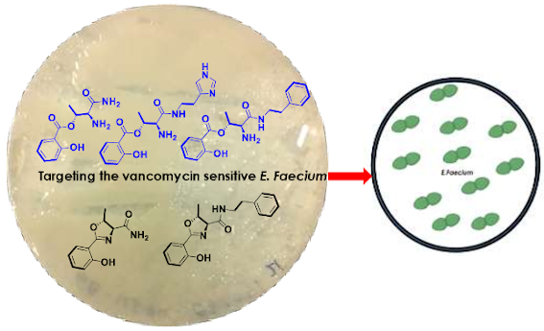
- -spectrum biological functions which include antifungal [9][10][11] and antibacterial activities [12][13][14]. Natural product scaffolds isolated from species of this genus have contributed immensely as leads to drug discovery and development [15]. For instance, clofazimine [16], the antimycobacterial agent
- used for the treatment of leprosy and inflammation was inspired by the natural product phenazine [17][18]. Also, pseudomononic acid (mupirocin) isolated from Pseudomonas fluorescens by Fuller and co-workers in 1971 was discovered to possess novel antibacterial activities against 310 clinical isolates


Synthesis and antimicrobial activity of 1H-1,2,3-triazole and carboxylate analogues of metronidazole
Beilstein J. Org. Chem. 2021, 17, 2377–2384, doi:10.3762/bjoc.17.154
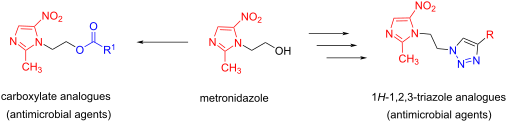
- metronidazole derivatives. The antimicrobial (antifungal and antibacterial) activity of the prepared compounds was studied. All compounds (except 2 and 3) showed a potent inhibition rate of fungal growth as compared to control and metronidazole. The synthetic compounds also showed higher bacterial growth
- inhibition zones were recorded after 7 days of treatment and compared with growth area of fungi growing in control conditions. Antibacterial activity To determine the bacterial growth inhibiting effects of compounds, bacterial OD600 was measured at different time points i.e., 12, 24, 36 and 48 h (Figure 8
- metronidazole. Conclusion In summary, a series of novel metronidazole 1H-1,2,3-triazole and carboxylate derivatives (5a–i and 7a–e) were synthesized via “click” chemistry, and evaluated for their antimicrobial activity (antifungal and antibacterial) in vitro. All the synthesized compounds (except 2 and 3 for


A visible-light-induced, metal-free bis-arylation of 2,5-dichlorobenzoquinone
Beilstein J. Org. Chem. 2021, 17, 2315–2320, doi:10.3762/bjoc.17.149
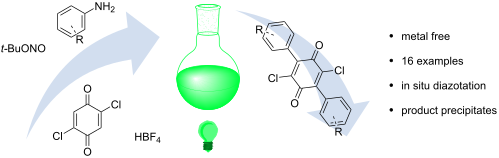
- salts; Green Chemistry; Meerwein arylation; photoredox; Introduction Quinones or quinoid-based structures are ubiquitous in nature [1][2][3]. These versatile structures have shown promising antimalarial [4][5], antibacterial [6], and chemotherapeutic [6][7][8] properties. Their inherent oxidative


Transition-metal-free intramolecular Friedel–Crafts reaction by alkene activation: A method for the synthesis of some novel xanthene derivatives
Beilstein J. Org. Chem. 2021, 17, 2203–2208, doi:10.3762/bjoc.17.142
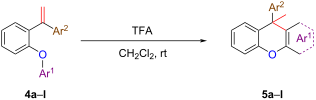
- anticarcinogenic [1][2], antiviral [3], antibacterial [4][5], and anti-inflammatory [6]. Because of their pharmaceutical activity, they are used in photodynamic therapy [7][8][9]. In addition, they have an important place in the dye industry due to their photochemical and photophysical properties. They are also


Nomimicins B–D, new tetronate-class polyketides from a marine-derived actinomycete of the genus Actinomadura
Beilstein J. Org. Chem. 2021, 17, 2194–2202, doi:10.3762/bjoc.17.141
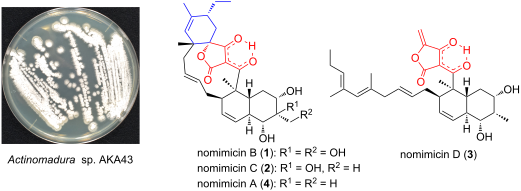
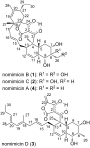
- , an antibacterial oxime derivative from Micromonospora [14]. Along the lines of these previous studies, metabolite analysis of actinomycetes from the DSW of Sagami Bay was further conducted, and three new tetronate-class polyketides, nomimicins B (1), C (2), and D (3) were found from a rare