


Search results
Search for "bacteria" in Full Text gives 370 result(s) in Beilstein Journal of Organic Chemistry. Showing first 200.
Synthesis of 5-arylacetylenyl-1,2,4-oxadiazoles and their transformations under superelectrophilic activation conditions
Beilstein J. Org. Chem. 2021, 17, 2417–2424, doi:10.3762/bjoc.17.158

- against cancer [6][7], tuberculosis [8], Gram-positive bacteria [9], and they are used in treatment of epilepsy [10] and Alzheimer disease [11][12][13]. The synthesis of compounds of the 1,2,4-oxadiazole series is an actual task in organic and medicinal chemistry (see selected reviews on this topic [14


Synthesis and antimicrobial activity of 1H-1,2,3-triazole and carboxylate analogues of metronidazole
Beilstein J. Org. Chem. 2021, 17, 2377–2384, doi:10.3762/bjoc.17.154
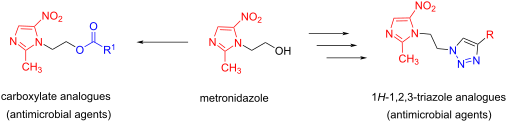
- significantly higher by demonstrating minimum OD among all tested compounds, while compound 7e and metronidazole treated bacteria exhibited maximum OD. Similarly, a slight OD enhancement was recorded in bacterial growth under all tested compounds from 24–48 h. However, the trend of suppressed bacterial OD by


A visible-light-induced, metal-free bis-arylation of 2,5-dichlorobenzoquinone
Beilstein J. Org. Chem. 2021, 17, 2315–2320, doi:10.3762/bjoc.17.149
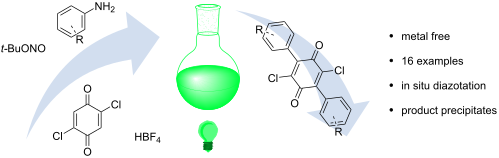
- nature makes them crucial players in both the regulation of reactive oxygen species and biological stress levels in human tissue [9], as well as in the photosynthesis of plants and bacteria [10]. Aside from their use in therapeutics, quinones possess unique photophysical and electronic properties

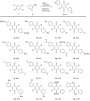

Synthesis of O6-alkylated preQ1 derivatives
Beilstein J. Org. Chem. 2021, 17, 2295–2301, doi:10.3762/bjoc.17.147
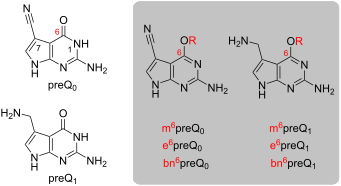
- in the biosynthetic pathway of the hypermodified tRNA nucleoside queuosine (Q) (Scheme 1) [5]. The core structure of the nucleobase is 7-aminomethyl-7-deazaguanine, a pyrrolo[2,3-d]pyrimidine also termed prequeuosine base (preQ1) [6][7]. In many bacteria, preQ1 binds to specific mRNA domains and


Nomimicins B–D, new tetronate-class polyketides from a marine-derived actinomycete of the genus Actinomadura
Beilstein J. Org. Chem. 2021, 17, 2194–2202, doi:10.3762/bjoc.17.141
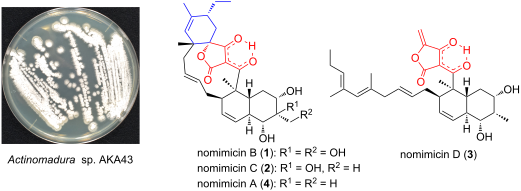
- absolute configuration was determined by combination of NOESY/ROESY and ECD analyses. Nomimicins B, C, and D showed antimicrobial activity against Gram-positive bacteria, Kocuria rhizophila and Bacillus subtilis, with MIC values in the range of 6.5 to 12.5 μg/mL. Nomimicins B and C also displayed



Constrained thermoresponsive polymers – new insights into fundamentals and applications
Beilstein J. Org. Chem. 2021, 17, 2123–2163, doi:10.3762/bjoc.17.138
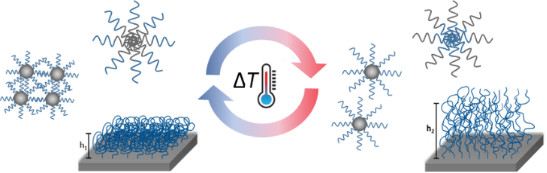
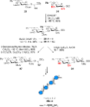
- ., bacteria, biomolecules [15], enzymes [16]) or physical stimuli (e.g., light [17][18][19], temperature [12][18], mechanical forces, as well as electric [20][21] and magnetic fields [22][23][24]) [1][25][26]. As a result of these environmental triggers, smart materials exhibit a defined reversible change in


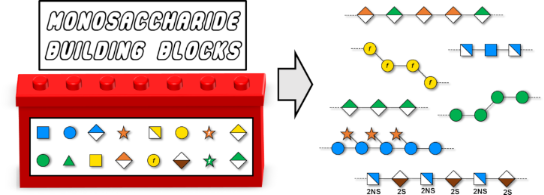
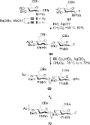
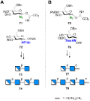
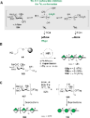
Progress and challenges in the synthesis of sequence controlled polysaccharides
Beilstein J. Org. Chem. 2021, 17, 1981–2025, doi:10.3762/bjoc.17.129












Natural products in the predatory defence of the filamentous fungal pathogen Aspergillus fumigatus
Beilstein J. Org. Chem. 2021, 17, 1814–1827, doi:10.3762/bjoc.17.124

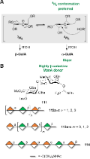
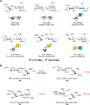
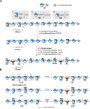
- ; non-ribosomal peptides; polyketides; secondary metabolism; virulence; Introduction To thrive in their natural habitats all organisms from bacteria and fungi to plants and animals need access to sufficient nutritional sources and have to defend themselves against both, competitors and predators
- -melanin Melanins are a heterogenous group of hydrophobic phenolic polymers that are found in a range of organisms including bacteria, plants, fungi and even animals. The melanin pigments are of mostly dark colours like black or brown and are associated with virulence in plant- and animal-pathogenic fungi


Volatile emission and biosynthesis in endophytic fungi colonizing black poplar leaves
Beilstein J. Org. Chem. 2021, 17, 1698–1711, doi:10.3762/bjoc.17.118
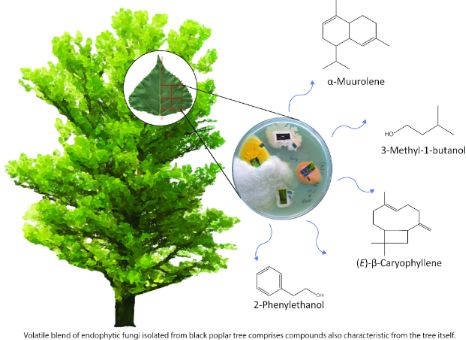
- thaliana [16]. Besides terpenoids, other plant VOCs are also known to mediate plant–insect interactions. For instance, 2-phenylethanol (3) is a typical attractant for pollinators, but is also involved in direct and indirect plant defense [17][18][19]. Endophytic microorganisms are fungi or bacteria that
- precursors GPP, FPP, and GGPP into the different terpene skeletons [42][43][44]. However, our knowledge on terpene synthases of endophytic fungi is scarce, specifically in comparison to the vast knowledge on these enzymes in plants and bacteria [44][45]. Typical monoterpenes like limonene and linalool (5


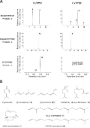

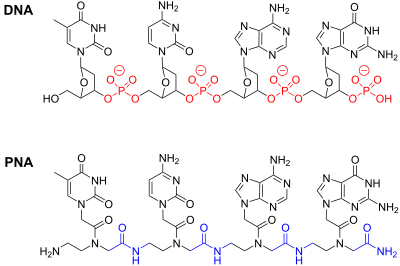
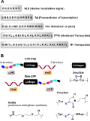
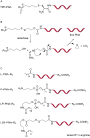
Chemical approaches to discover the full potential of peptide nucleic acids in biomedical applications
Beilstein J. Org. Chem. 2021, 17, 1641–1688, doi:10.3762/bjoc.17.116









Double-headed nucleosides: Synthesis and applications
Beilstein J. Org. Chem. 2021, 17, 1392–1439, doi:10.3762/bjoc.17.98
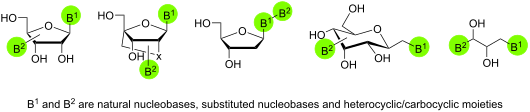
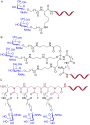
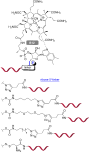
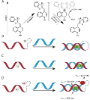
- double-headed nucleosides was assessed through in vitro studies on Gram-positive bacteria Staphylococcus aureus, Listeria inovanii and Gram-negative bacteria Klebsiella pneumoniae, Salmonella sp., and Escherichia coli [20]. Triazolyl double-headed nucleosides showed efficacy against eosinophil-derived


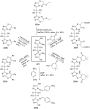

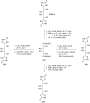


Analogs of the carotane antibiotic fulvoferruginin from submerged cultures of a Thai Marasmius sp.
Beilstein J. Org. Chem. 2021, 17, 1385–1391, doi:10.3762/bjoc.17.97
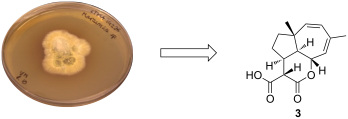
- assay in 96-well microtiter plates with YM6.3 media (10 g/L malt extract, 4 g/L glucose, 4 g/L yeast extract, pH 6.3) for filamentous fungi and yeasts, and with BD DifcoTM Mueller Hinton Broth for bacteria. The antimicrobial assays were performed as previously described [13]. Cytotoxicity assay The
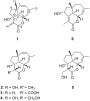
- ) and 13C NMR (176 MHz) in methanol-d4. Supporting Information Supporting Information File 170: HRESIMS profiles and copies of NMR spectra for compounds 1–6 in CD3OD, and for metabolite 3 also in CDCl3; minimum inhibitory concentrations (MIC) of 1–6 for bacteria, yeasts and fungi as well as half



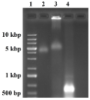
Antiviral therapy in shrimp through plant virus VLP containing VP28 dsRNA against WSSV
Beilstein J. Org. Chem. 2021, 17, 1360–1373, doi:10.3762/bjoc.17.95
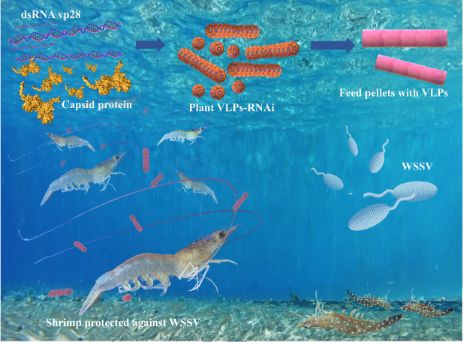
- % mortality rate, respectively, being gradually lost after 30 dpt, Also Witteveldt et al. [67] observed that viral protection in P. monodon was reduced 21 days after administering orally VP28 expressed in bacteria as an antiviral treatment. Furthermore, Ufaz et al. [20] showed that the protective effect of



A new glance at the chemosphere of macroalgal–bacterial interactions: In situ profiling of metabolites in symbiosis by mass spectrometry
Beilstein J. Org. Chem. 2021, 17, 1313–1322, doi:10.3762/bjoc.17.91
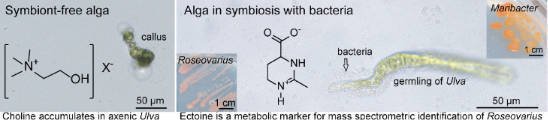
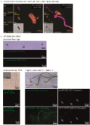
- , Germany Microverse Cluster, Friedrich Schiller University Jena, Germany 10.3762/bjoc.17.91 Abstract Symbiosis is a dominant form of life that has been observed numerous times in marine ecosystems. For example, macroalgae coexist with bacteria that produce factors that promote algal growth and
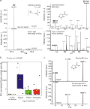
- used mass spectrometry profiling and imaging techniques with high spatial resolution and sensitivity to gain a new perspective on the mutualistic interactions between bacteria and macroalgae. Using atmospheric pressure scanning microprobe matrix-assisted laser desorption/ionisation high-resolution mass
- -pyrimidinecarboxylic acid) was found in bacterial presence. Ectoine was used as a metabolic marker for localisation studies of Roseovarius sp. within the tripartite community because it was produced exclusively by these bacteria. By combining confocal laser scanning microscopy (cLSM) and AP-SMALDI-HRMS, we proved that


N-tert-Butanesulfinyl imines in the asymmetric synthesis of nitrogen-containing heterocycles
Beilstein J. Org. Chem. 2021, 17, 1096–1140, doi:10.3762/bjoc.17.86



β-Lactamase inhibition profile of new amidine-substituted diazabicyclooctanes
Beilstein J. Org. Chem. 2021, 17, 711–718, doi:10.3762/bjoc.17.60
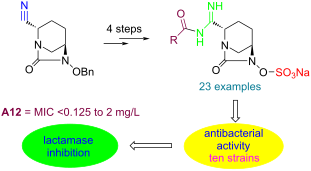
- mechanisms [1] in microorganisms ultimately leading to the initiation of antibiotic resistance and survival of the microorganisms [2]. In case of Gram-negative pathogenic bacteria, production of β-lactamases [3] is the main arsenal of these microorganisms against antibiotics. The number of β-lactamases is
- increasing day by day thereby indicating the strength of these pathogens in compromising the efficacy of new antibiotics after a certain period of time. Recently, the WHO warned about the seriousness of carbapenemase-resistant Gram-negative bacteria as a global threat and urged for the development of new
- remedies [4]. β-Lactams (BL) have served as the first line antibiotics since the introduction of penicillin. However, due to existence and continuous increase in β-lactamases [5], multidrug therapy is becoming the new modality of bacterial treatment against multiple-drug resistant (MDR) bacteria. Multidrug




Breakdown of 3-(allylsulfonio)propanoates in bacteria from the Roseobacter group yields garlic oil constituents
Beilstein J. Org. Chem. 2021, 17, 569–580, doi:10.3762/bjoc.17.51
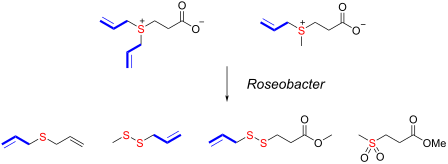
- -(allylmethylsulfonio)propanoate (AllMSP), were synthesized and fed to marine bacteria from the Roseobacter clade. These bacteria are able to degrade DMSP into dimethyl sulfide and methanethiol. The DMSP analogues were also degraded, resulting in the release of allylated sulfur volatiles known from garlic. For unknown
- compounds, structural suggestions were made based on their mass spectrometric fragmentation pattern and confirmed by the synthesis of reference compounds. The results of the feeding experiments allowed to conclude on the substrate tolerance of DMSP degrading enzymes in marine bacteria. Keywords: Allium
- preferred gas-phase reaction. The ecology of marine bacteria in their interaction with algae is particularly interesting in which the bacteria can promote the algal growth, but can also kill their host [10][11]. For both processes, the phytohormone indole-3-acetic acid is used as a messenger molecule [10


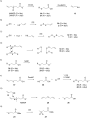


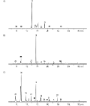
Biochemistry of fluoroprolines: the prospect of making fluorine a bioelement
Beilstein J. Org. Chem. 2021, 17, 439–460, doi:10.3762/bjoc.17.40
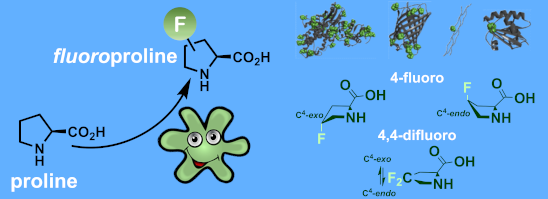
- auxotrophic E. coli in media with hyperosmotic sodium chloride concentrations [75]. To obtain high in vivo concentrations of the proline analogue, they took advantage of the phenomenon that proline and similar solutes actively accumulate in cells in response to the hyperosmotic shock in bacteria [76]. This


Identification of volatiles from six marine Celeribacter strains
Beilstein J. Org. Chem. 2021, 17, 420–430, doi:10.3762/bjoc.17.38
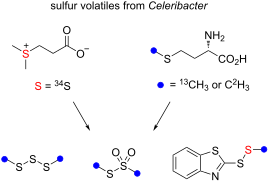
- Celeribacter strains are capable of methionine and DMSP degradation to widespread sulfur volatiles, but the analysis of trace compounds in natural samples must be taken with care. Keywords: GC–MS; isotopes; Roseobacter; sulfur metabolism; volatiles; Introduction Bacteria from the roseobacter group belong to
- marine organisms, e.g., Thalassococcus halodurans DSM 26915T has been isolated from the marine sponge Halichondria panicea [5], and Phaeobacter gallaeciensis DSM 26640T is an isolate from the scallop Pecten maximus [6]. Important interactions are also observed between bacteria from the roseobacter group
- ][9]. Especially in algal blooms bacteria of the roseobacter group are highly abundant [10], and here they belong to the main players involved in the enzymatic degradation of the algal sulfur metabolite 3-(dimethylsulfonio)propanoate (DMSP, Scheme 1) [11]. Its catabolism leads either through the




Synthesis of legonmycins A and B, C(7a)-hydroxylated bacterial pyrrolizidines
Beilstein J. Org. Chem. 2021, 17, 334–342, doi:10.3762/bjoc.17.31

- . These species include both Gram-positive and Gram-negative bacteria, indicating that pyrrolizidines are potential secondary metabolites of a variety of bacterial genera. The most recent addition to the bacterial pyrrolizidine literature also concerns their biosynthesis and addresses the origin of the


19F NMR as a tool in chemical biology
Beilstein J. Org. Chem. 2021, 17, 293–318, doi:10.3762/bjoc.17.28


The fluorescence of a mercury probe based on osthol
Beilstein J. Org. Chem. 2021, 17, 22–27, doi:10.3762/bjoc.17.3
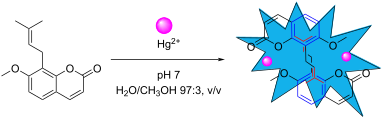
- probe; mercury; recognition mechanism; Introduction Mercury is a dangerous heavy-metal pollutant. Inorganic mercury (Hg2+) can be transformed into methyl mercury (MeHg+) by sulfate-reducing bacteria [1][2][3]. MeHg+ can accumulate in organisms through the food chain, resulting in serious and


Secondary metabolites of Bacillus subtilis impact the assembly of soil-derived semisynthetic bacterial communities
Beilstein J. Org. Chem. 2020, 16, 2983–2998, doi:10.3762/bjoc.16.248
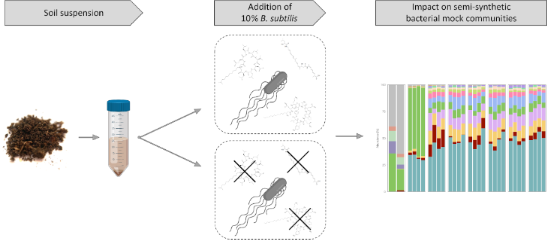
- to understand their ecological role. Keywords: Bacillus subtilis; bacterial community; chemical ecology; Lysinibacillus fusiformis; nonribosomal peptides; surfactin; Introduction In nature, bacteria live in complex communities where they interact with various other microorganisms. Most microbial
- investigate the functions and interactions of community members, such as metabolite cross-feeding interactions, and to eventually engineer them [5][6][7]. The soil is one of the five main habitats of bacteria and archaea [8]. Soil is very heterogeneous since it exhibits spatial variability in terms of
- nutrient availability and geochemical features [9]. Therefore, soil consists of microbial hotspots, indicating faster process rates than the average soil [10]. One such microbial hotspot is the rhizosphere, harbouring microbial communities where various interactions between bacteria, fungi, and plants take


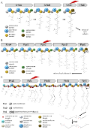
Selected peptide-based fluorescent probes for biological applications
Beilstein J. Org. Chem. 2020, 16, 2971–2982, doi:10.3762/bjoc.16.247

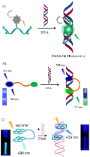
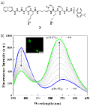
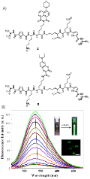
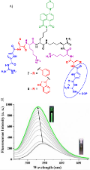
- antibiotic, is used for the treatment of resistant bacterial infections. Its interaction with a small peptidic segment of the bacteria cell wall is a classic example of molecular recognition [6][7]. Peptides are often substrates for protease enzymes [8][9]. Enzymologists have studied the chemical principles
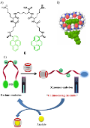
- bacteria [57]. It is a glycolipid consisting of a variable polysaccharide domain connected to a conserved glucosamine-based phospholipid called lipid A. It is highly negatively charged due to two phosphorylated groups in the lipid A part and carboxylated groups in the polysaccharide part. It is amphiphilic
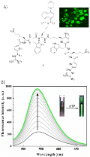
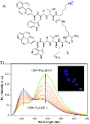
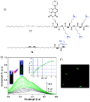
- fluorescent intensity except bovine serum albumin (BSA), which leads to a small enhancement. The size of the spherical self-assembled liposomes increases upon LPS binding, confirmed by DLS and AFM studies. Finally, PDA liposomes are utilized for fluorescence staining of the membrane of E. coli bacteria




Ultrasound-assisted Strecker synthesis of novel 2-(hetero)aryl-2-(arylamino)acetonitrile derivatives
Beilstein J. Org. Chem. 2020, 16, 2929–2936, doi:10.3762/bjoc.16.242
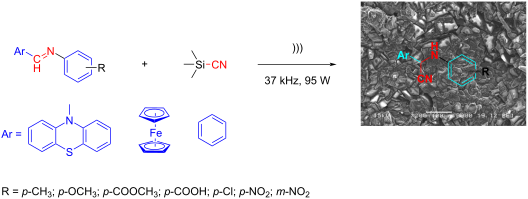
- activity. The viability of Salmonella typhimurium TA98 and TA 100, respectively, was assessed by exposing the histidine dependent bacteria to compound 2c, 2i, and 2l, respectively, directly on minimal glucose agar plates in the presence or absence of the metabolic activation system S9. The number of





