


Search results
Search for "cytotoxic" in Full Text gives 311 result(s) in Beilstein Journal of Organic Chemistry. Showing first 200.
Synthesis of legonmycins A and B, C(7a)-hydroxylated bacterial pyrrolizidines
Beilstein J. Org. Chem. 2021, 17, 334–342, doi:10.3762/bjoc.17.31

- cytotoxic against a variety of cancer cell lines, and both bohemamine and NP25302 inhibit HL-60 cell adhesion to Chinese hamster ovary cells expressing intercellular adhesion molecule ICAM-1 (CD-54). This interest led us to develop a total synthesis of NP25302 [25] and its 5-normethyl analog and, as


Chemical constituents of Chaenomeles sinensis twigs and their biological activity
Beilstein J. Org. Chem. 2020, 16, 3078–3085, doi:10.3762/bjoc.16.257
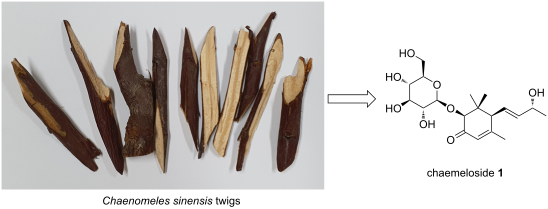
- [14], lignans [15], and oxylipins [21] with cytotoxic, anti-inflammatory, or potential neuroprotective activities. In order to search for minor constituents of other structure classes in C. sinensis twigs, the MeOH extract and the four solvent-partitioned fractions were further investigated to afford
- continuing search for cytotoxic, antineuroinflammatory, and neurotrophic secondary metabolites from C. sinensis [13][14][15][21], the isolates (1–12) were tested for these biological activities. The cytotoxicity was evaluated on the basis of the growth inhibitory effects of the isolated compounds 1–12
- ) exhibited mild growth inhibitory effects against A549 and BT549 cell lines with IC50 values of 27.1 and 22.7 μM, respectively (Table 2). Betulinic acid (10) is a well-known anticancer agent inhibiting eukaryotic topoisomerase I [36] and its derivatives have been reported to display cytotoxic activity [13


Selected peptide-based fluorescent probes for biological applications
Beilstein J. Org. Chem. 2020, 16, 2971–2982, doi:10.3762/bjoc.16.247

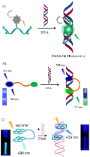
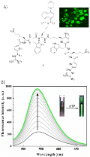
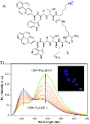
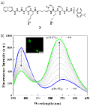
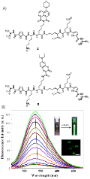
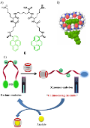
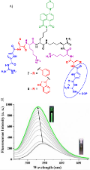
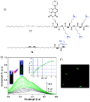
- 4 binds with dsDNA in a combined intercalation and minor groove binding mode, whereas probe 5 binds with the outer surface of dsDNA. These two probes are low cytotoxic and probe 4 has been successfully used for imaging of nuclear DNA (Figure 5B, inset). Protein detection Specific peptides and




Synthesis of imidazo[1,5-a]pyridines via cyclocondensation of 2-(aminomethyl)pyridines with electrophilically activated nitroalkanes
Beilstein J. Org. Chem. 2020, 16, 2903–2910, doi:10.3762/bjoc.16.239

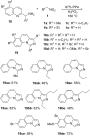
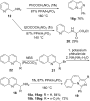
- imidazo[1,5-a]pyridine core is also considered to be one of the privileged pharmacophoric scaffolds and can be found in many biologically active compounds, for example, the potent antitumor agent C 1311 inhibiting topoisomerase II [4][5][6][7][8][9] or pirmagrel, a cytotoxic immunosuppressant and DNA


Bifurcated synthesis of methylene-lactone- and methylene-lactam-fused spirolactams via electrophilic amide allylation of γ-phenylthio-functionalized γ-lactams
Beilstein J. Org. Chem. 2020, 16, 2769–2775, doi:10.3762/bjoc.16.227
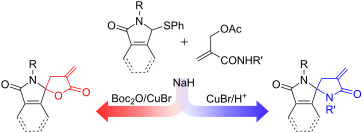
- -lactone derivatives spiro-fused to an oxindole (A), one of which exhibited a potent cytotoxic activity [9]. Our research group succeeded the enantiopure synthesis of these compounds, in which enantioselective allylation of an isatin derivative with an amido-functionalized allylstannane was employed as a
- key reaction (Scheme 1b) [10][11]. More recently, an amide-functionalized allyl boronate was developed as an alternative reagent for the allylstannane [12][13][14][15][16], which led to the syntheses of not only cytotoxic methylene-lactones spiro-fused to a lactam ring (B) but also their analogous
- results suggest that cytotoxic activity of this type of spirolactams against P388 cells is simply related to the methylene lactone structure [28]. Conclusion In conclusion, we have achieved a new bifurcated syntheses of N-alkyl and N-phenyl-substituted spirolactams bearing a methylene-lactone or methylene



Muyocopronones A and B: azaphilones from the endophytic fungus Muyocopron laterale
Beilstein J. Org. Chem. 2020, 16, 2100–2107, doi:10.3762/bjoc.16.177
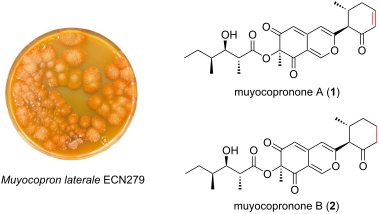
- ], tau aggression [3], and heat shock protein 90 [4], in addition to their antimicrobial, cytotoxic, anticancer, and anti-inflammatory effects [5]. To date, over 400 azaphilones have been reported from various fungal strains, the majority of which have been produced by ascomycetes belonging to the




Syntheses of spliceostatins and thailanstatins: a review
Beilstein J. Org. Chem. 2020, 16, 1991–2006, doi:10.3762/bjoc.16.166

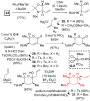
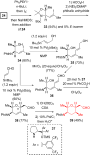
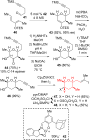
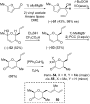
- William A. Donaldson Department of Chemistry, Marquette University, P. O. Box 1881, Milwaukee, WI 53201-1881, USA 10.3762/bjoc.16.166 Abstract The spliceostatins/thailanstatins are a family of linear peptides/polyketides that inhibit pre-mRNA splicing, and as such act as potent cytotoxic
- human spliceosome, splicing factor 3b [6], which inhibits pre-mRNA splicing, and as such act as potent cytotoxic compounds. A review of the discovery, target identification, and biological applications of the compounds that exhibit these binding characteristics has been published [7]. These compounds








4-Hydroxy-3-methyl-2(1H)-quinolone, originally discovered from a Brassicaceae plant, produced by a soil bacterium of the genus Burkholderia sp.: determination of a preferred tautomer and antioxidant activity
Beilstein J. Org. Chem. 2020, 16, 1489–1494, doi:10.3762/bjoc.16.124
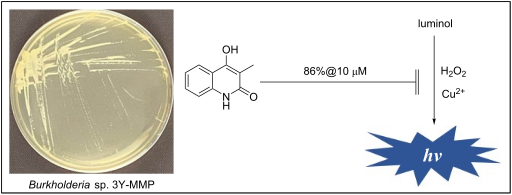
- tuberculosis H37Ra at IC90 6.8 μM while weakly cytotoxic to MRC-5 human lung-derived fibroblasts with GI50 84.7 μM [30]. It did not inhibit the production of nitric oxide in RAW 264.7 murine macrophage-like cells [31]. In our hands, 1 was inactive against any of the tested strains including Staphylococcus


Synthesis and anticancer activity of bis(2-arylimidazo[1,2-a]pyridin-3-yl) selenides and diselenides: the copper-catalyzed tandem C–H selenation of 2-arylimidazo[1,2-a]pyridine with selenium
Beilstein J. Org. Chem. 2020, 16, 1075–1083, doi:10.3762/bjoc.16.94
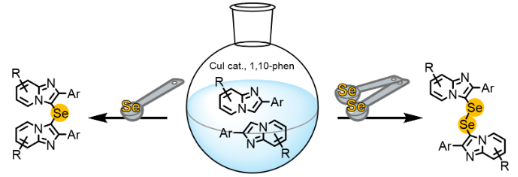
- Figure 6, 2f also exhibited cytotoxicity against U251 human glioblastoma cells and HKBMM human malignant meningioma cells. Importantly, the diselenide 2f was more cytotoxic toward HeLa cancer cells than to human brain microvascular endothelial (HBME) cells, which are noncancerous (Figure 7). Hence, the
- diselenide 2f may possibly be highly cytotoxic toward various cancer cell lines and relatively low cytotoxic against noncancer cells. Conclusion The Cu-catalyzed double C–H selenations of imidazo[1,2-a]pyridines with Se powder afforded novel bis(2-arylimidazopyridin-3-yl) diselenides in satisfactory yields
- yield is given. The cytotoxic effect of the bis(2-arylimidazo[1,2-a]pyridin-3-yl) diselenides 2 and selenides 3 on human cervical cancer HeLa cells. HeLa cells were exposed with or without each compound at 25 µM for 24 h. The cell viability of HeLa cells was confirmed by MTT assays. The data are


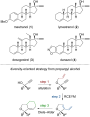
Diversity-oriented synthesis of 17-spirosteroids
Beilstein J. Org. Chem. 2020, 16, 880–887, doi:10.3762/bjoc.16.79

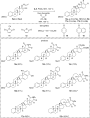
- cytotoxic anthraquinone moiety and obtained positive, yet limited, cytotoxic activities [63][64]. Furthermore, a steroidal anti-estrogen–doxorubicin conjugate was synthesized by Hanson, showing a 70-fold increase of activity compared to doxorubicin in inhibiting cell proliferation and promoting cell death




Combining enyne metathesis with long-established organic transformations: a powerful strategy for the sustainable synthesis of bioactive molecules
Beilstein J. Org. Chem. 2020, 16, 738–755, doi:10.3762/bjoc.16.68
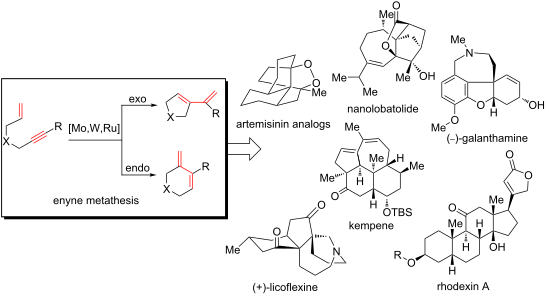
- constitute a broad family of natural macrolides that act as powerful cytotoxic agents against various cancer cell lines. Due to the stereochemical intricacy and high cytotoxicity, these compounds have attracted a great deal of attention from synthetic chemists. The application of an intermolecular enyne
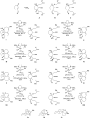
- , thereby affording the triene intermediate in a substantial yield. Additional transformations using conventional methods efficiently provided (−)-amphidinolide E (3). Amphidinolide K, another important bioactive macrolide endowed with specific cytotoxic activity against L1210 and KB cancer cells, was also
- 11). This innovative methodology allowed the installation of the vicinal exo‐methylene branches characteristic for the cytotoxic marine natural product amphidinolide V as well as the determination of its absolute configuration. It further enabled the synthesis of a set of diastereomers and analogs of




Microwave-assisted efficient and facile synthesis of tetramic acid derivatives via a one-pot post-Ugi cascade reaction
Beilstein J. Org. Chem. 2020, 16, 663–669, doi:10.3762/bjoc.16.63
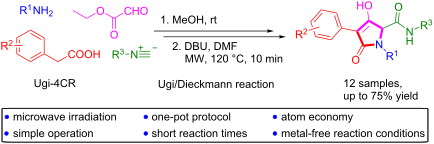
- exhibit a wide range of biological activities, including antibiotic [8], antiviral [9], antifungal [10], phytotoxic [11], cytotoxic [12][13], and enzyme inhibitory activities against bacterial DNA-directed RNA polymerase [14]. The wide range of biological activity and structural variation of this class of


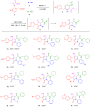

Rapid, two-pot procedure for the synthesis of dihydropyridinones; total synthesis of aza-goniothalamin
Beilstein J. Org. Chem. 2020, 16, 135–139, doi:10.3762/bjoc.16.15

- be cytotoxic against human leukaemia, kidney, ovarian and prostate cancer cell lines (IC50 = 25 µM, U251 cell line) [14][15][16]. In an attempt to increase the bioavailability of (R)-(+)-goniothalamin 2, aza-goniothalamin 1 was designed and synthesised; however, aza-goniothalamin 1 was found to have



Potent hemithioindigo-based antimitotics photocontrol the microtubule cytoskeleton in cellulo
Beilstein J. Org. Chem. 2020, 16, 125–134, doi:10.3762/bjoc.16.14
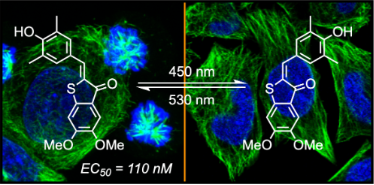
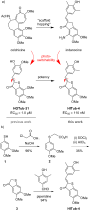
- developed HTI-based antimitotics with cytotoxic potencies in the low micromolar range (Figure 1a) [18]. In this work, we wished to enhance the bioactivity of the distinctive dark-active HTI-based tubulin-binding antimitotics while retaining the benefits of the HTI scaffold, namely robust, fatigue-resistant
- (Figure 1a). Indanocine is a cytotoxic indanone-based CDI (EC50 ≈ 10–40 nM) [22] with similar cell culture potency to colchicine (EC50 ≈ 3–20 nM) [23] that likewise disrupts MTs, arrests cells in the G2/M phase, and induces apoptosis. Although the size and geometry of thioindoxyl and indanone rings differ



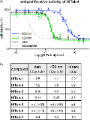


Light-controllable dithienylethene-modified cyclic peptides: photoswitching the in vivo toxicity in zebrafish embryos
Beilstein J. Org. Chem. 2020, 16, 39–49, doi:10.3762/bjoc.16.6
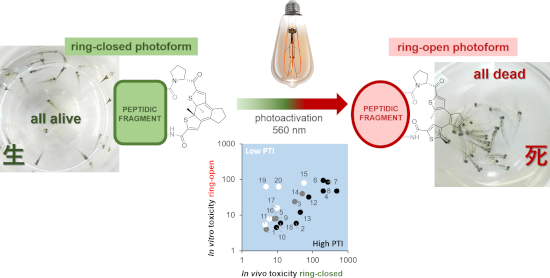
- [51], are excluded from the legislation governing animal testing, i.e., experiments do not require ethical approval. In this study, we selected 19 photoswitchable DAE-modified cytotoxic peptides from our previous SAR evaluation [30] and established with them the D. rerio embryotoxicity assay. For each
- photoswitchable peptides explored in this study. (A) The reversible photoisomerization of the dithienylethene photoswitch core. (B) Photoconversion between ring-open and ring-closed photoforms of DAE-derived peptides. (C) Structures of the non-photoswitchable cytotoxic peptide GS (1), and one of our first
- the ring-open photoforms (B, open circles). The compound numbers are shown next to the data points, and the color code is the same as in Figure 3. Phototherapeutic cytotoxic action against HeLa cells of GS 1 and its photoswitchable analogues 2–20, correlated with the new in vivo results and earlier in


Pigmentosins from Gibellula sp. as antibiofilm agents and a new glycosylated asperfuran from Cordyceps javanica
Beilstein J. Org. Chem. 2019, 15, 2968–2981, doi:10.3762/bjoc.15.293
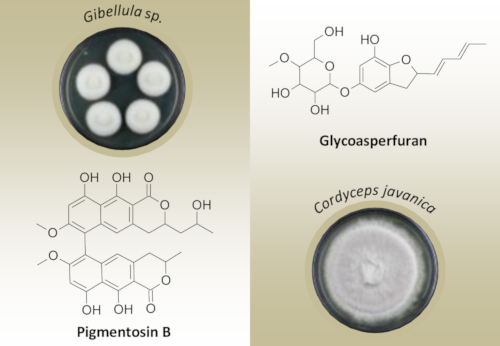
- possess nonselective activities in biological systems and exhibit antimicrobial [28], cytotoxic [29], antimycobacterial [30], and antimalarial [31] effects. Pigmentosin A (1) and its new derivative pigmentosin B (2) exhibited weak activity against B. subtilis, with MIC values of 12.5 and 100 μg/mL


Chemical synthesis of tripeptide thioesters for the biotechnological incorporation into the myxobacterial secondary metabolite argyrin via mutasynthesis
Beilstein J. Org. Chem. 2019, 15, 2922–2929, doi:10.3762/bjoc.15.286
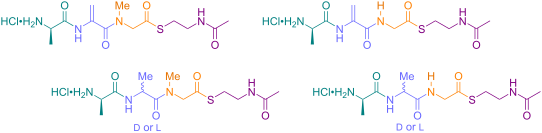
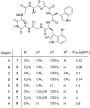
- myxobacterium Archangium gephyra (Figure 1) [5][6]. These cyclic peptides have interesting biological activities such as cytotoxic activity presumably via proteasome inhibition and immunomodulatory effects, and they also show good antibiotic effects against P. aeruginosa [7][8][9]. The structure–activity



Skeletocutins M–Q: biologically active compounds from the fruiting bodies of the basidiomycete Skeletocutis sp. collected in Africa
Beilstein J. Org. Chem. 2019, 15, 2782–2789, doi:10.3762/bjoc.15.270

- isolated and characterized five previously undescribed secondary metabolites, skeletocutins M–Q (1–5), along with the known metabolite tyromycin A (6) from the fruiting bodies of the polypore Skeletocutis sp. The new compounds did not exhibit any antimicrobial, cytotoxic, or nematicidal activities. However
- antimicrobial, cytotoxic, and nematicidal activities, as described in the Experimental section. However, compounds 1–5 were devoid of activity in these assays, whereas tyromycin A (6) and skeletocutin A–L had been reported before to be active against several Gram-positive bacteria [4], namely Bacillus subtilis


Diversity-oriented synthesis of spirothiazolidinediones and their biological evaluation
Beilstein J. Org. Chem. 2019, 15, 2774–2781, doi:10.3762/bjoc.15.269

- of thiazolidinedione were used to study the cytotoxic activity in comparison with camptothecin and etoposide on Jurkat, K562, HEK293, HELA, A549 and U937 cell lines. Compounds 20 and 17 showed the highest activity (IC50 = 0.29 and 0.36 nM, respectively) for leukemic monocytic lymphoma cells (U937


Plasma membrane imaging with a fluorescent benzothiadiazole derivative
Beilstein J. Org. Chem. 2019, 15, 2644–2654, doi:10.3762/bjoc.15.257
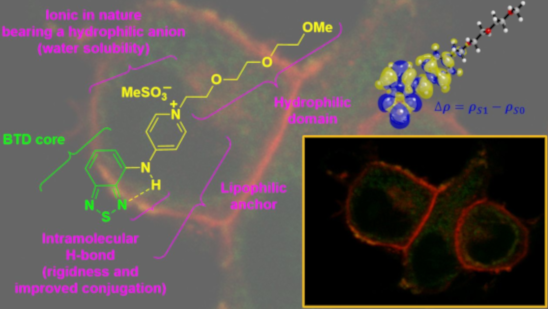
- effects and the concentrations to use the probe without causing any harm to the cells (Figure 5). Only at concentrations up to 100 μM cytotoxic effects were noted and at 10 μM no effect was observed for the designed BTD-4APTEG. For the subsequent bioimaging experiments, the fluorophore was tested at 1 μM
- , that is at a concentration 100-fold lower than that of the cytotoxic effect. The new compound was then tested as bioimaging probe in live and fixed cells (Figure 6). As can be seen, the green fluorescent dye BTD-4APTEG was found most concentrated at the plasma membranes of the MCF-7 cells in both, live
- MTT analysis after 24 h treatment with the developed dye BTD-4APTEG. No statistically significant cytotoxic effect was observed after 24 h incubation with the new dye BTD-4APTEG at 10 μM. However, the dye induced strong cytotoxic effects in all tested cell lines at 100 µM (p < 0.05). MCF-7 cells


Nanangenines: drimane sesquiterpenoids as the dominant metabolite cohort of a novel Australian fungus, Aspergillus nanangensis
Beilstein J. Org. Chem. 2019, 15, 2631–2643, doi:10.3762/bjoc.15.256
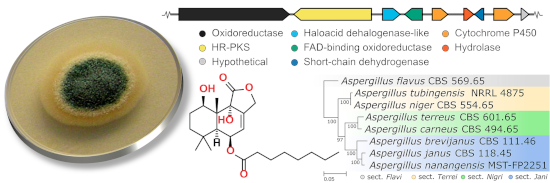
- activity observed for 2, 3, 6 and 8. Compounds 2, 5, 8, 9 and 10 exhibited low levels of cytotoxicity against the four mammalian cell lines tested, while 3, 6 and 7 were considerably more cytotoxic. Notably, 4 showed strong activity against the mouse myeloma NS-1 cell line, but no activity against the


Synthesis of novel sulfide-based cyclic peptidomimetic analogues to solonamides
Beilstein J. Org. Chem. 2019, 15, 2544–2551, doi:10.3762/bjoc.15.247

- affecting its growth, at very low concentrations, namely 10 μM, and were not cytotoxic to human fibroblasts at the same concentration. Due to the well-known relationship of the α-hemolysins expression with the accessory gene regulator (agr) of the S. aureus, we can suggest that these two peptidomimetics may




α,ß-Didehydrosuberoylanilide hydroxamic acid (DDSAHA) as precursor and possible analogue of the anticancer drug SAHA
Beilstein J. Org. Chem. 2019, 15, 2524–2533, doi:10.3762/bjoc.15.245

- 11b has been studied since it was the most cytotoxic among all. FITC (fluorescein-5-isothiocyanate)–annexin V/PI flow cytometry of HepG2 cells On HeLa cells, the efficacy of 11b was measured through the application of other apoptotic parameters like phosphatidylserine (PS) externalization, a known


Current understanding and biotechnological application of the bacterial diterpene synthase CotB2
Beilstein J. Org. Chem. 2019, 15, 2355–2368, doi:10.3762/bjoc.15.228
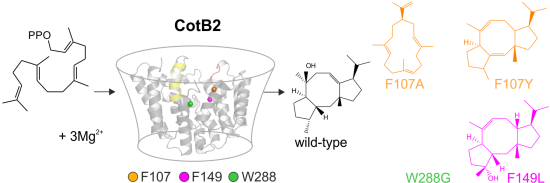
- family was widened by molecules isolated from other marine organisms, like sponges, sea whips and the brown algae of this genus Dictyota [70]. Two modifications would transform 3,7,18-dolabellatriene (12, Scheme 3) into a potent cytotoxic molecule with activity towards murine leukemia cells or human non


Mono- and bithiophene-substituted diarylethene photoswitches with emissive open or closed forms
Beilstein J. Org. Chem. 2019, 15, 2344–2354, doi:10.3762/bjoc.15.227
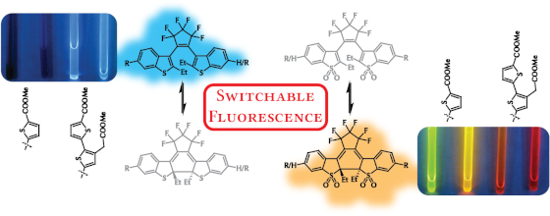
- ring-closure reaction was fully reversible by irradiation with longer wavelengths. This offers the possibility of reversible switching a DAE only with visible, avoiding harmful (cytotoxic) UV irradiation. In view of the forthcoming solubilizing strategies applicable to fluorescent DAEs and intended for





