


Search results
Search for "detection" in Full Text gives 544 result(s) in Beilstein Journal of Organic Chemistry. Showing first 200.
Cryogels: recent applications in 3D-bioprinting, injectable cryogels, drug delivery, and wound healing
Beilstein J. Org. Chem. 2021, 17, 2553–2569, doi:10.3762/bjoc.17.171
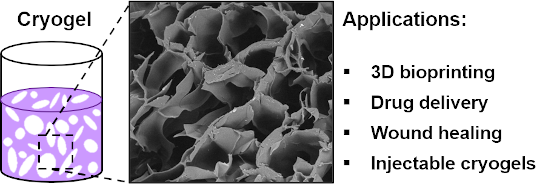
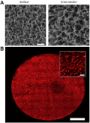
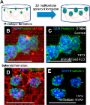
- stem cells in cell-based therapies, detection of low levels of biomarkers in the blood (i.e., tumour cells, pathogenic microorganisms, etc.) for disease diagnosis, and general isolation of biological substances for clinical and environmental microbiology hold opportunities for cryogels [13][42][61






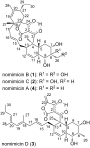
Nomimicins B–D, new tetronate-class polyketides from a marine-derived actinomycete of the genus Actinomadura
Beilstein J. Org. Chem. 2021, 17, 2194–2202, doi:10.3762/bjoc.17.141
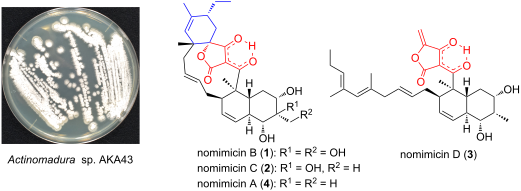
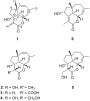
- give 0.23 g of brown oil that was further purified by preparative HPLC (Cosmosil 5C18-ARII, 10 × 250 mm, 4 mL/min, UV detection at 254 nm) with 73% MeCN in 0.1% HCO2H solution to yield nomimicin A (4, 33 mg, tR 21.5 min). Fractions 5 (2:1) and 6 (1:1) were combined and concentrated to provide 0.48 g of
- 5C18-ARII, 10 × 250 mm, 4 mL/min, UV detection at 254 nm) with 52% MeCN in 0.1% HCO2H solution to yield nomimicin B (1, 16.1 mg, tR 19.5 min) and nomimicin C (2, 12.2 mg, tR 21.5 min). Similarly, evaporation of the solvent gave 3.0 g of extract from 2 L of A11M culture. The extract was subjected to
- :3, and 8:2, v/v). The ODS fraction 5 (6:4) was concentrated to give 72.6 mg of semipure material. Final purification using preparative HPLC (Cosmosil XTerra Prep RP18, 10 × 250 mm, 4 mL/min, UV detection at 254 nm) with 38% MeCN in 10 mM NH4HCO3 solution yielded nomimicin D (3, 6.0 mg, tR 30.5 min



Catalyzed and uncatalyzed procedures for the syntheses of isomeric covalent multi-indolyl hetero non-metallides: an account
Beilstein J. Org. Chem. 2021, 17, 2102–2122, doi:10.3762/bjoc.17.137

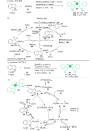
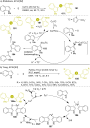
- ]. Following the assumption (formation of triselenide 145) made by Wilshire [94] together with the detection of the oxidized products isatins in the reaction mixture, a disproportionation mechanism of SeO2 can be drawn giving bis(indol-3-yl)triselenide 145 and SeVI (Scheme 18e). The triselenide 145 converts





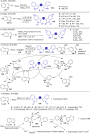


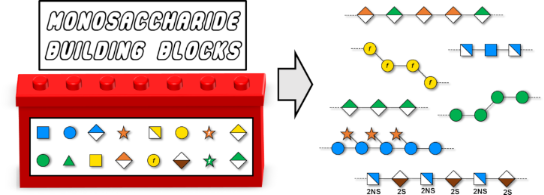
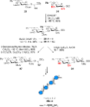
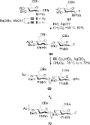
Progress and challenges in the synthesis of sequence controlled polysaccharides
Beilstein J. Org. Chem. 2021, 17, 1981–2025, doi:10.3762/bjoc.17.129




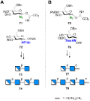


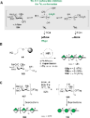
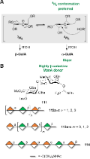


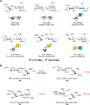




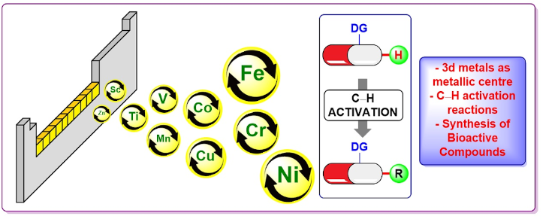
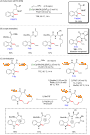
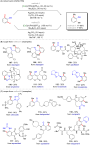
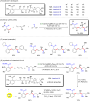
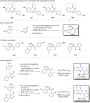
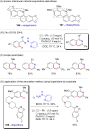
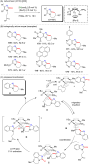
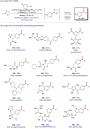
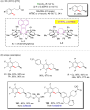
On the application of 3d metals for C–H activation toward bioactive compounds: The key step for the synthesis of silver bullets
Beilstein J. Org. Chem. 2021, 17, 1849–1938, doi:10.3762/bjoc.17.126
















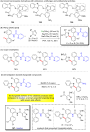
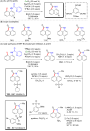
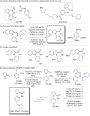
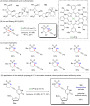












Cerium-photocatalyzed aerobic oxidation of benzylic alcohols to aldehydes and ketones
Beilstein J. Org. Chem. 2021, 17, 1727–1732, doi:10.3762/bjoc.17.121

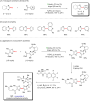
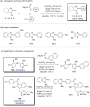
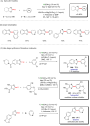
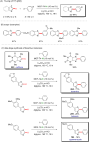
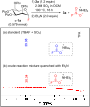
- transfer (LMCT) process, which reduces the CeIV species to CeIII, similarly as reported by Zuo and co-workers [57]. We chose (n-Bu4N)2CeIVCl6 as the CeIV source to ensure a sufficient solubility in organic solvents and to facilitate the detection of the species. The CeIV(OBn)Cln complex was prepared by


A systems-based framework to computationally describe putative transcription factors and signaling pathways regulating glycan biosynthesis
Beilstein J. Org. Chem. 2021, 17, 1712–1724, doi:10.3762/bjoc.17.119
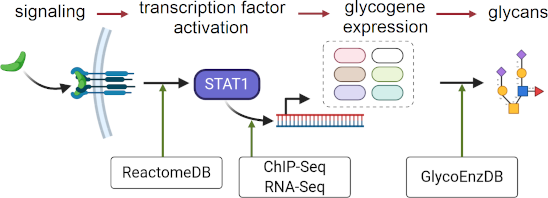
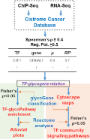
- , glycosaminoglycans, and glycolipids. Thus, multiple glycan changes may accompany oncological transformation. TF–glycogene communities in luminal and basal breast cancer Cytoscape plots were generated for luminal breast cancer (Figure 4a). Here, using the bipartite graph community detection methods [20], we
- (TFs and glycogenes), we treated TF–glycogene networks as bipartite and applied the corresponding procedure for community detection [20]. Firstly, the bipartite TF–glycogene graphs are projected into two different unipartite graphs, where TFs and glycogenes are placed into separate graphs. The edge




Chemical approaches to discover the full potential of peptide nucleic acids in biomedical applications
Beilstein J. Org. Chem. 2021, 17, 1641–1688, doi:10.3762/bjoc.17.116
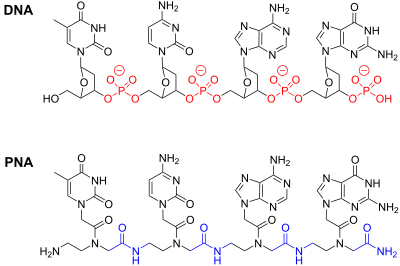
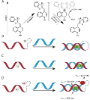
- underexplored technology [131]. Chemically reactive crosslinking PNA nucleobases: PNA has become a highly useful probe for detection of nucleic acids. Not surprisingly, chemists have developed reactive nucleobases for covalently crosslinking PNA and nucleic acid targets. 4-Amino-6-oxo-2-vinylpyrimidine (AOVP
- in cells and animal models Delivery and uptake of oligonucleotides to target tissues and cells is one of the greatest challenges for development of nucleic acid detection probes and therapeutics [14]. This problem is especially critical for in vivo applications of PNA because unmodified PNA, despite









Recent advances in the application of isoindigo derivatives in materials chemistry
Beilstein J. Org. Chem. 2021, 17, 1533–1564, doi:10.3762/bjoc.17.111
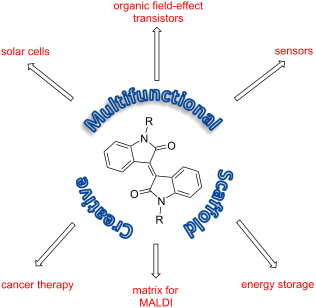
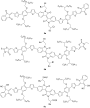
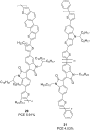
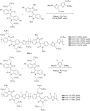
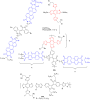
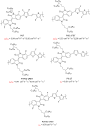
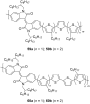
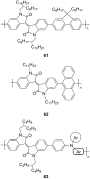
- = 0.07 cm2⋅V−1⋅s−1. Isoindigo-based sensor devices Isoindigo derivatives have begun to find an application in the design of sensor devices for the detection of simple and complex molecules in various aggregation states. Thus, it was shown that polymer structures based on isoindigo and thiophene 59a,b and
- towards n-butanol. The lower limit of detection was 100 ppm with a response time of less than 10 s. The ability of polymeric isoindigo derivatives to strongly bind to carbon nanotubes due to π-stacking was used to create sensors for the determination of NO2 in the gaseous state (see polymer 61) and
- glucose in solution (see polymer 62) [108][109]. The limit of sensitivity of the sensor for nitrogen dioxide was 60 ppm and for glucose 0.026 mM. For the example of the fairly simple arylamine series 63, the possibility of using isoindigo polymer for the detection of explosives (trinitrophenol and














Substituted nitrogen-bridged diazocines
Beilstein J. Org. Chem. 2021, 17, 1503–1508, doi:10.3762/bjoc.17.107
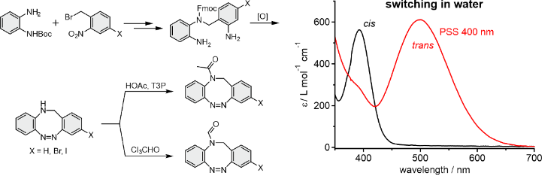
- . Moreover, the photoconversion yield for the E→Z isomerization is quantitative (within the detection limit of UV and NMR spectroscopy). A high efficiency in switching the biological activity off is important to avoid side effects of residual concentrations of the active form [13]. Water solubility and high


Double-headed nucleosides: Synthesis and applications
Beilstein J. Org. Chem. 2021, 17, 1392–1439, doi:10.3762/bjoc.17.98
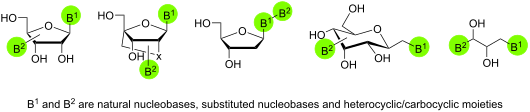
- was hybridized with a DNA target. The double-headed nucleoside 41 has potential in DNA invader probes as well as in RNA targeting and detection [23]. 1,3-Furanosyl double-headed nucleosides In this section, all double-headed nucleosides with furanosyl ring structures are collected. The first





Analogs of the carotane antibiotic fulvoferruginin from submerged cultures of a Thai Marasmius sp.
Beilstein J. Org. Chem. 2021, 17, 1385–1391, doi:10.3762/bjoc.17.97
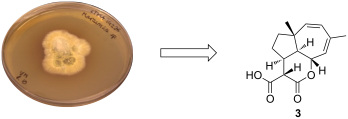
- min, flow rate: 0.6 mL/min, UV detection 200–600 nm, was used to obtain the HRESIMS data. NMR spectra were acquired on a Bruker Avance III 700 MHz spectrometer (Bremen, Germany) equipped with a 5 mm TCI cryoprobe (1H NMR (700 MHz), 13C NMR (175 MHz)). Optical rotations of the metabolites were measured
- % FA served as mobile phase, running a gradient of 10 min at 5% acetonitrile + 0.1% FA, then increasing to 100% within 70 min, flow rate: 40 mL/min, UV detection at 200–600 nm. Pre-fractions were further separated using a Luna C18(2) 250 × 21 mm, 7 μm column (Phenomenex, Aschaffenburg, Germany) and



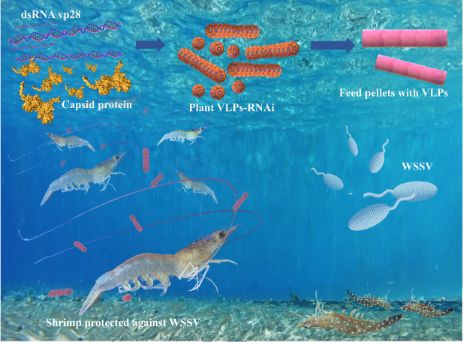
Antiviral therapy in shrimp through plant virus VLP containing VP28 dsRNA against WSSV
Beilstein J. Org. Chem. 2021, 17, 1360–1373, doi:10.3762/bjoc.17.95
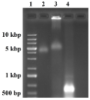
- ). Pellets with VLP-dsRNAvp28 prepared with commercial binders (Dry Oil® and NutriKelp®) are described in Supporting Information File 1. Detection of WSSV by real-time quantitative PCR. The real-time PCR (qPCR) for quantitation of WSSV was performed using DNA isolated from shrimp muscle tissue and TaqMan
- concentration range of the standard curve was 3.9 × 10⁹ to 3.9 × 10⁴ copies/ng. The ABI StepOnePlus v2.0 sequence detection system software (Applied Biosystems, USA) was used. Amplification reactions included all shrimp were analyzed (alive, dying and dead) from each experimental group. The viral load of WSSV
- considered significant. For the WSSV detection, an analysis of variance (ANOVA) was used to compare the average number of copies of WSSV and the average number of copies between treatments was analyzed with the Tukey’s test (a = 0.05). The Student's t-test was used to obtain significant differences (t – 95



Icilio Guareschi and his amazing “1897 reaction”
Beilstein J. Org. Chem. 2021, 17, 1335–1351, doi:10.3762/bjoc.17.93
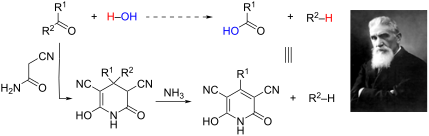
- involvement of Guareschi in the first edition of the Italian Pharmacopoeia was accompanied by the production of an extensive commentary to be used by both pharmacists and industrialists. In connection with his interest in chemistry and art, Guareschi described a color reaction for the selective detection of











A new glance at the chemosphere of macroalgal–bacterial interactions: In situ profiling of metabolites in symbiosis by mass spectrometry
Beilstein J. Org. Chem. 2021, 17, 1313–1322, doi:10.3762/bjoc.17.91
- (1024 × 1024) were acquired using a Zeiss cLSM 880 (Carl Zeiss AG, Oberkochen, Germany) with a Plan-Apochromat 20 × 0.8 and 488 nm Argon-laser excitation (5% transmission). Emission wavelengths for SYBR Gold (490–650 nm) and chlorophyll A (653–735 nm) were separated via the spectral detection unit


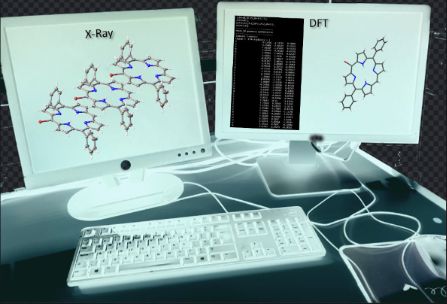
Structural effects of meso-halogenation on porphyrins
Beilstein J. Org. Chem. 2021, 17, 1149–1170, doi:10.3762/bjoc.17.88
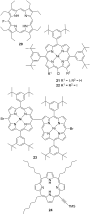
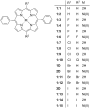
- bisporophyrin via reaction of the starting material with PhLi followed by in situ oxidation to a radical anion and dimerization [55]. While formation of 5,10,15-trisubstituted porphyrins and 5,10,15,20-tetrasubstituted porphyrins was anticipated as side products, the detection of the title compound 4 was




Metal-free glycosylation with glycosyl fluorides in liquid SO2
Beilstein J. Org. Chem. 2021, 17, 964–976, doi:10.3762/bjoc.17.78

- can be performed in widely available glass pressure tubes. Detection of the FSO2− species by 19F NMR (471 MHz, D2O). Computational study of reaction mechanism α-11 + MeOH → α-13c in the presence of and in absence of SO2 (Gaussian 09, Revision D.01; Gaussian, Inc.; m052x method and the 6-31+g(d) basis



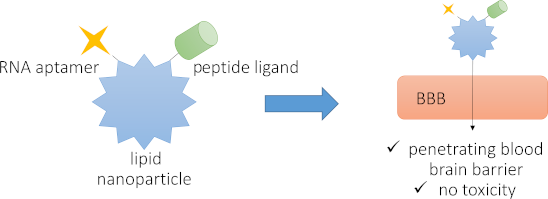
Enhanced target cell specificity and uptake of lipid nanoparticles using RNA aptamers and peptides
Beilstein J. Org. Chem. 2021, 17, 891–907, doi:10.3762/bjoc.17.75
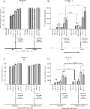
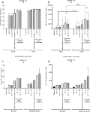
- percentage of Cy5-positive cell detection and a higher MFI compared to the hCMEC/D3 barrier (Figure 2D and Supporting Information File 1, Figure S4). Collectively, these data suggest that the candidate LNPs, particularly LNP B9 G-3 T7, may increase uptake through tight junctions and prove useful in
- Nano ZS (Malvern Instruments, UK), having He–Ne 633 nm laser at an angle of detection of 90°, with an incubation time of 60 s. Samples were diluted 50-fold in Milli-Q water and placed into the disposable plastic cuvettes for measurement performed in triplicates (n ≥ 3) to obtain a mean value. NTA
- h later, the apical layer was removed, and the basolateral cells were washed, trypsinized, and resuspended in 1× PBS. Detection of Cy5 was measured by flow cytometry on a BD Accuri™ C6 device (Becton, Dickinson and Company, NJ), and the data was analyzed using FlowJo™ Version 10.7.1 (Becton



Microwave-assisted multicomponent reactions in heterocyclic chemistry and mechanistic aspects
Beilstein J. Org. Chem. 2021, 17, 819–865, doi:10.3762/bjoc.17.71
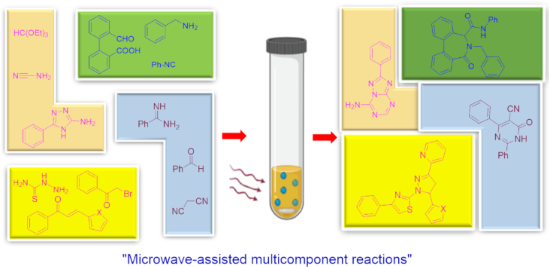
- organic synthesis (2000–10), witnessed microwaves with optic fibre or IR pyrometers for temperature detection along with specific glass reaction vessels that can withstand pressure and temperature in the reaction generated especially by low boiling solvents. Microwave-assisted heating reduces reaction






Synthesis and physicochemical evaluation of fluorinated lipopeptide precursors of ligands for microbubble targeting
Beilstein J. Org. Chem. 2021, 17, 511–518, doi:10.3762/bjoc.17.45
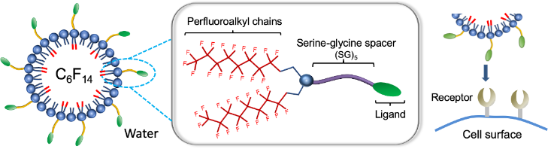
- blood circulation times by allowing them to evade immune detection. PEGs often play a key role in the design of the ligands as a spacer between the nanocarrier surface and the lipid. PEGs have, however, some shortcomings, such as a broad molecular weight distribution, large steric hindrance, and the


Identification of volatiles from six marine Celeribacter strains
Beilstein J. Org. Chem. 2021, 17, 420–430, doi:10.3762/bjoc.17.38
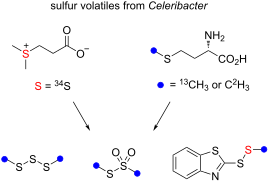
- (indole-2H5)tryptophan were performed, but none of these experiments resulted in a detectable incorporation of labeling. Conclusively, a non-biological origin of this part of the molecule seems likely, which may also explain why the detection of 41 in Celeribacter was not always reproducible. Notably, 2




1,2,3-Triazoles as leaving groups: SNAr reactions of 2,6-bistriazolylpurines with O- and C-nucleophiles
Beilstein J. Org. Chem. 2021, 17, 410–419, doi:10.3762/bjoc.17.37
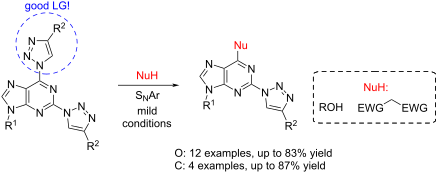
- Agilent Technologies 1200 Series chromatograph equipped with an Agilent XDB-C18 (4.6 × 50 mm, 1.8 µm) column was used. Eluent A: 0.1% TFA solution with 5% v/v MeCN added; eluent B – MeCN. Gradient: 10–95% B 5 min, 95% B 5 min, 95–10% B 2 min. Flow: 1 mL/min. Wavelength of detection was 260 nm. LC–MS was


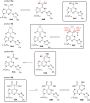
Regioselective chemoenzymatic syntheses of ferulate conjugates as chromogenic substrates for feruloyl esterases
Beilstein J. Org. Chem. 2021, 17, 325–333, doi:10.3762/bjoc.17.30
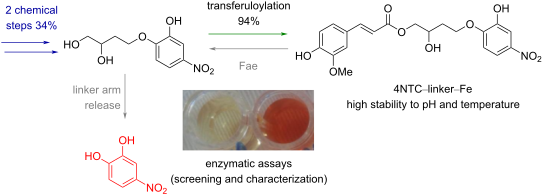
- , France 10.3762/bjoc.17.30 Abstract Generally, carbohydrate-active enzymes are studied using chromogenic substrates that provide quick and easy color-based detection of enzyme-mediated hydrolysis. For feruloyl esterases, commercially available chromogenic ferulate derivatives are both costly and limited
- lignocellulosic matrix. Moreover, Faes are useful tools to obtain commercially relevant ferulic acid, which represents up to 3 wt % of plant the cell wall dry weight [8]. So far, the detection and characterization of Faes has mainly relied on either the use of HPLC or on UV–visible spectrophotometry, using
- ] and (ii) spontaneous oxidation and subsequent dimerization forming the insoluble blue 5-bromo-4-chloro-substituted indigo dye [15]. In an alternative demonstration, 1a was also used for colony level detection of FAE using yeast cells (Yarrowia lipolytica [30]) that actually coexpressed AnFaeA and


19F NMR as a tool in chemical biology
Beilstein J. Org. Chem. 2021, 17, 293–318, doi:10.3762/bjoc.17.28
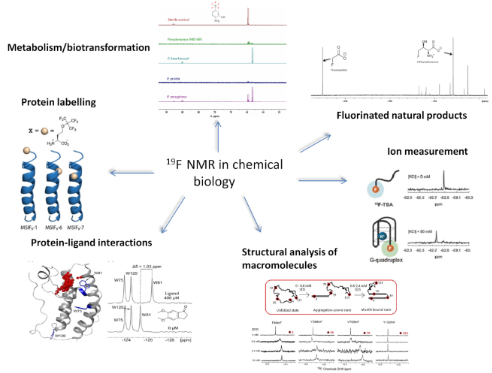
- estrogen receptor (ER) co-activator peptides and enabled the sensitive detection of their protein–peptide interaction inhibition by the ER antagonist tamoxifen [20]. Significantly, different secondary structure conformational preferences were also found among the diastereomers of perfluoro-tert
- the aforementioned issues, Virta and co-workers have explored the application of trifluoromethyl analogues of guanosine, cytidine and uridine based in 2’-O-[(4-trifluoromethyltriazol-1-yl)methyl] reporter groups as 19F NMR probes for the detection of RNA secondary structures (Figure 14). As shown by
- , but only one could be detected (SF5-catechol) despite the 19F NMR analysis showing the presence of multiple fluorometabolites. Detection and biosynthesis of natural organofluorine compounds As naturally-occurring organofluorine compounds are so rare, it is possible to easily detect them in a crude


1,2,3-Triazoles as leaving groups in SNAr–Arbuzov reactions: synthesis of C6-phosphonated purine derivatives
Beilstein J. Org. Chem. 2021, 17, 193–202, doi:10.3762/bjoc.17.19
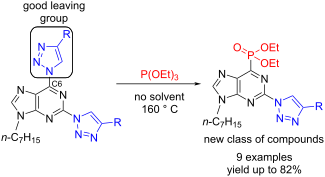
- an Agilent Technologies 1200 Series system equipped with an XBridge C18 column, 4.6 × 150 mm, particle size 3.5 μm, with a flow rate of 1 mL/min, using eluent A–0.1% TFA/H2O with 5 vol % MeCN and eluent B–MeCN as the mobile phase. The wavelength of detection was 260 nm. Gradient: 30–95% B 5 min, 95





