


Search results
Search for "glycosylation" in Full Text gives 197 result(s) in Beilstein Journal of Organic Chemistry.
O-Alkylated heavy atom carbohydrate probes for protein X-ray crystallography: Studies towards the synthesis of methyl 2-O-methyl-L-selenofucopyranoside
Beilstein J. Org. Chem. 2016, 12, 2828–2833, doi:10.3762/bjoc.12.282

- derivatives are nowadays used as powerful tools in organic chemistry [6]. Synthetic selenoglycosides are versatile synthons in glycosylation reactions as glycosyl donors for the synthesis of glycosides and oligosaccharides, where their aglycon acts as a leaving group [7][8][9]. They can be selectively
- activated due to their enhanced reactivity in the presence of other chalcogen-containing glycosides such as O- or S-glycosides. By exploiting these properties, one-pot multi-step glycosylation reactions have been developed recently [10][11]. Natural selenosugars, such as methylseleno N-acetyl-β-D
- Fischer-type glycosylation and pure allyl α-fucoside (7) was obtained after crystallization in 43% yield (Scheme 2). Selective protection of the 3,4-cis-diol as an acetonide followed by methylation of the hydroxy group in position 2 yielded derivative 8 in 85% yield over two steps. Then, the acetonide


Enzymatic synthesis and phosphorolysis of 4(2)-thioxo- and 6(5)-azapyrimidine nucleosides by E. coli nucleoside phosphorylases
Beilstein J. Org. Chem. 2016, 12, 2588–2601, doi:10.3762/bjoc.12.254

- only 5-phenyl- and 5-tert-butyl-6-azauracils displayed very low substrate activity. The role of structural peculiarities and electronic properties in the substrate recognition by E. coli nucleoside phosphorylases is discussed. Keywords: enzymatic glycosylation; PM3 and ab initio calculations
- extract of Streptococcus faecalis as biocatalysts [26]. Later on, the conversion of 6-azapyrimidines into their ribonucleosides was observed during the cultivation of Streptococcus faecalis [27][28] and E. coli [29] cells, as well as an enzymatic glycosylation of 14C-labeled 6-azapyrimidines employing the
- '-deoxyriboside 4SUd (Figure 2). The inertness of 2SUra towards glycosylation catalyzed by both UP and TP was surprising in the light of the works of Kalckar and Friedkin which studied TP from horse liver [1][32][33][34]. Moreover, Hatano et al. [35] briefly described a very efficient conversion of 2-thiouracil


Facile synthesis of a 3-deazaadenosine phosphoramidite for RNA solid-phase synthesis
Beilstein J. Org. Chem. 2016, 12, 2556–2562, doi:10.3762/bjoc.12.250

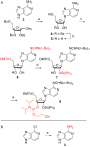
- ). Then, glycosylation with 1-O-acetyl-2,3,5-tri-O-benzoyl-ß-D-ribofuranose gave the desired nucleoside 2 in high yield. Unfortunately, all our attempts to find appropriate conditions to reduce the 6-azido group to the corresponding amine failed. In short, these trials included i) hydrogenation under Pd/C


Inhibition of peptide aggregation by means of enzymatic phosphorylation
Beilstein J. Org. Chem. 2016, 12, 2462–2470, doi:10.3762/bjoc.12.240
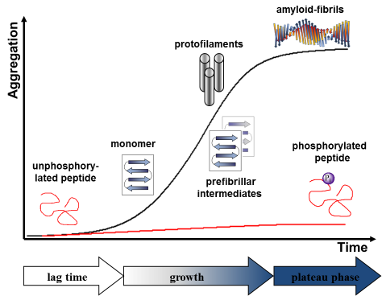
- characteristics, outstanding stability, regular fibrous architecture and high synthetic accessibility with numerous chemoselective ligation and modification methods [24][25][26]. Also, various post-translational modifications, like phosphorylation or glycosylation have been studied as aggregation triggers [27][28


The weight of flash chromatography: A tool to predict its mass intensity from thin-layer chromatography
Beilstein J. Org. Chem. 2016, 12, 2351–2357, doi:10.3762/bjoc.12.228
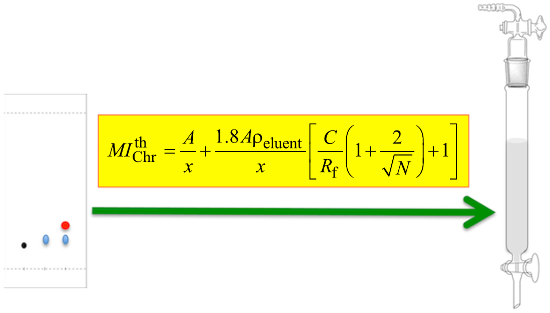
- with a particularly low MIChr, compared to the other examples, corresponded to a filtration on silica gel rather than to a flash chromatography. The last example (Scheme 1d) is a S-glycosylation (isolated yield = 62%) leading to compound 4 [20]. For this crude reaction mixture containing 61% of 4, a


![[Graphic 14]](/bjoc/content/inline/1860-5397-12-228-i34.png?max-width=637&scale=1.18182) with x for reaction b (Scheme 1).
with x for reaction b (Scheme 1).


![[Graphic 15]](/bjoc/content/inline/1860-5397-12-228-i35.png?max-width=637&scale=1.18182) (N = 35) with Rf for the reactions of Scheme 1.
(N = 35) with Rf for the reactions of Scheme 1.
Synthesis of the C8’-epimeric thymine pyranosyl amino acid core of amipurimycin
Beilstein J. Org. Chem. 2016, 12, 1765–1771, doi:10.3762/bjoc.12.165
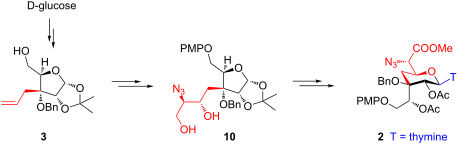
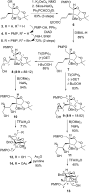
- the formation of the pyranose ring skeleton to give 2,7-dioxabicyclo[3.2.1]octane 12. Functional group manipulation in 12 gave 21 that on stereoselective β-glycosylation afforded the pyranosyl thymine nucleoside 2 – a core of amipurimycin. Keywords: amipurimycin; 1,3-anhydrosugar; anti-fungal agent
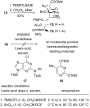
- -acetylamino)-6-chloropurine 17, under a variety of reaction conditions, of solvents, temperature, Lewis acids as well as the use of the thymine nucleobase 18 (Scheme 4) failed to provide the desired nucleoside. Knowing the fact that the glycosylation reaction is severely influenced by numerous factors
- including solvent, Lewis acid, and protecting groups on the nucleobase or sugar; we thought of synthesizing the peracylated anhydrosugar to alter its reactivity towards glycosylation [22]. In this regard, anhydrosugar 15 was subjected to 10% Pd/C and Et3SiH (for deprotection of the benzyl functionality and






TMSBr-mediated solvent- and work-up-free synthesis of α-2-deoxyglycosides from glycals
Beilstein J. Org. Chem. 2016, 12, 1758–1764, doi:10.3762/bjoc.12.164

- functionalities at C6 [10][38][39][40][41][42] have also been developed to improve the stereoselectivity. However, additional required steps involving the introduction and removal of directing groups are reducing the efficiency. Thioglycosides are some of the most commonly used donors for glycosylation reactions
- the aforementioned methods. Furthermore, organic solvents in laboratories are associated with numerous health hazards [64], and most of them are consumed during chemical reactions, work-up and purification procedures. Especially, dichloromethane, one of the most general solvents for glycosylation
- reactions, is acknowledged as an acute inhalation hazard and carcinogen [65][66]. To date, only a few studies of glycosylation under neat conditions have been published. In these methods either the need of heating [67][68][69] or the use of ball milling [70][71][72] was demanded. Moreover, the selectivity


Organic chemistry meets polymers, nanoscience, therapeutics and diagnostics
Beilstein J. Org. Chem. 2016, 12, 1638–1646, doi:10.3762/bjoc.12.161
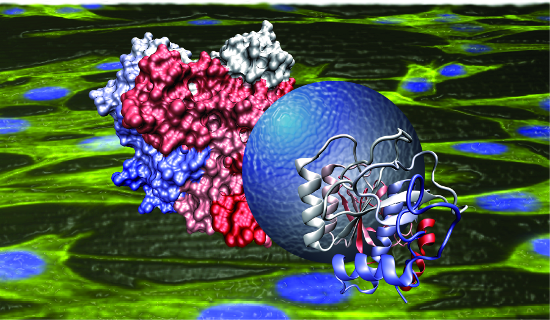
- equally importantly identify if the therapeutic acted by a mechanism novel to the training set. The capabilities of this sensor are quite impressive, but you may ask "what is it on the cell surface that the sensor is responding too?" We have an excellent clue to that question: changes in glycosylation
- (through mutation or glycolosis) generate very strong sensor responses, implicating that our sensor responds to changes in glycosylation [86] which is probably also the mechanism in play for our successful determination of biofilms using this platform [87]. Whither next? You can probably tell from the




Beta-hydroxyphosphonate ribonucleoside analogues derived from 4-substituted-1,2,3-triazoles as IMP/GMP mimics: synthesis and biological evaluation
Beilstein J. Org. Chem. 2016, 12, 1476–1486, doi:10.3762/bjoc.12.144
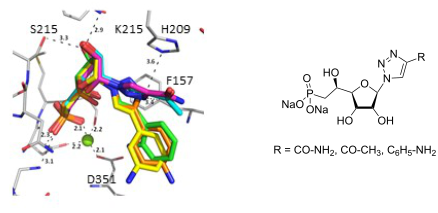
- )-hexofuranose (2) was obtained in good yield from 1,2,5-tri-O-acetyl-3-O-benzoyl-6-deoxy-6-diethylphosphono-(α,β)-ribo-(5S)-hexofuranose [15] following a glycosylation procedure using sodium azide as nucleophilic entity and tin(IV) chloride as Lewis acid. Under these conditions, the reaction appeared highly
- compound isolated from the glycosylation reaction corresponds to a single anomer as only one signal for the anomeric proton was detectable in the 1H NMR spectra. The beta-configuration of the azido-sugar-phosphonate intermediate 2 was established on the basis of the 1H,1H NMR spectra showing a cross-peak


Automated glycan assembly of a S. pneumoniae serotype 3 CPS antigen
Beilstein J. Org. Chem. 2016, 12, 1440–1446, doi:10.3762/bjoc.12.139
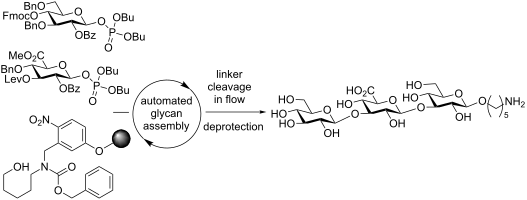
- step with the activator prior to each glycosylation cycle greatly increased the yields by neutralizing any residual base from deprotection steps in the synthetic cycle. This process improvement is applicable to AGA of many other oligosaccharides. Keywords: automation; glycosylation; protecting groups
- ]. The building blocks were synthesized in high yields using standard protecting group chemistry (see Supporting Information File 1). Solid support 4 was prepared according to an established procedure [28]. The automated glycosylation protocol employed three times three equivalents of building block to
- ensure complete glycosylation of the nucleophile (Scheme 1). The glycosyl phosphate building blocks 1 and 2 were activated by stoichiometric amounts of TMSOTf (trimethylsilyl trifluoromethanesulfonate) at −30 °C and reacted at this temperature for 30 min. Then the temperature was raised to −15 °C and


Muraymycin nucleoside-peptide antibiotics: uridine-derived natural products as lead structures for the development of novel antibacterial agents
Beilstein J. Org. Chem. 2016, 12, 769–795, doi:10.3762/bjoc.12.77
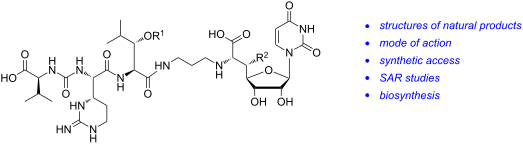
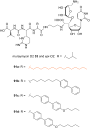
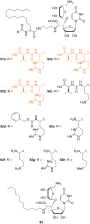
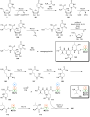
- in 96% yield (98% de) [92][95]. A novel β-selective glycosylation of the 5'-hydroxy group was also established. Thus, 14 was reacted with the ribosyl fluoride 15 and BF3·Et2O, which afforded the glycosylated product 16 in 77% yield and with a β/α-selectivity of 24:1 [91][92]. This reaction was













Elucidation of a masked repeating structure of the O-specific polysaccharide of the halotolerant soil bacteria Azospirillum halopraeferens Au4
Beilstein J. Org. Chem. 2016, 12, 636–642, doi:10.3762/bjoc.12.62
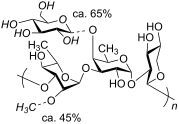
- significant shifts of the Xyl C-2, Fuc C-3 and C-4, Rha and Rha2Me C-3 signals to a lower field of δ 77.3–81.0, as compared with their positions in the respective unsubstituted monosaccharides [19], indicated the modes of sugar glycosylation in the OPS. The C-2–C-6 chemical shifts of Glc were characteristic


A selective and mild glycosylation method of natural phenolic alcohols
Beilstein J. Org. Chem. 2016, 12, 524–530, doi:10.3762/bjoc.12.51

- isoconiferin, and their glycosyl analogues were prepared by a simple reaction sequence. The highly efficient synthetic approach was achieved by utilizing acetylated glycosyl bromides as well as aromatic moieties and mild glycosylation promoters. The aglycones, p-O-acetylated arylalkyl alcohols, were prepared
- by the reduction of the corresponding acetylated aldehydes or acids. Various stereoselective 1,2-trans-O-glycosylation methods were studied, including the DDQ–iodine or ZnO–ZnCl2 catalyst combination. Among them, ZnO–iodine has been identified as a new glycosylation promoter and successfully applied
- to the stereoselective glycoside synthesis. The final products were obtained by conventional Zemplén deacetylation. Keywords: diastereoselectivity; p-hydroxyphenylalkyl glycosides; mild promoters; natural products; 1,2-trans-glycosylation; Introduction Arylalkyl (substituted benzyl, phenethyl and


Mycothiol synthesis by an anomerization reaction through endocyclic cleavage
Beilstein J. Org. Chem. 2016, 12, 328–333, doi:10.3762/bjoc.12.35

- cell from toxic chemicals. The inhibition of the mycothiol biosynthesis is considered as a treatment for tuberculosis. Mycothiol contains an α-aminoglycoside, which is difficult to prepare stereoselectively by a conventional glycosylation reaction. In this study, mycothiol was synthesized by an
- Knapp et al., complete α-stereoselective glycosylation reactions were difficult in mycothiol synthesis. The complete α-stereoselective glycosylation reaction of aminoglycosides is still generally difficult at this moment [26][27][28]. Oscarson and our group recently demonstrated that reactions of
- . Results and Discussion Based on the results of our previous study, we expected that an anomerization would be useful for the stereoselective synthesis of α-aminoglycosides, which is normally difficult by conventional glycosylation reactions. β-Glycoside 2, which is synthesized by assistance from the


Enabling technologies and green processes in cyclodextrin chemistry
Beilstein J. Org. Chem. 2016, 12, 278–294, doi:10.3762/bjoc.12.30
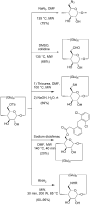
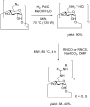
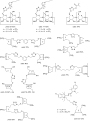
- excluded. A good example of a mixed reaction mechanism is the glycosylation reported by Tyagi et al. [88], where SN2 glycosylation seems to be dominant, with no neighbouring group participation, which is typical of glycosylation reactions of activated acetylated carbohydrates. A more pure SN2 reaction is



Versatile synthesis and biological evaluation of novel 3’-fluorinated purine nucleosides
Beilstein J. Org. Chem. 2015, 11, 2509–2520, doi:10.3762/bjoc.11.272

- direct glycosylation for the synthesis of 3’-fluorine modified guanosine derivatives is highly advantageous compared to the previously reported methods utilizing orthogonal protecting groups, selective deprotection, and fluorination of the starting guanosine [34]. Biological evaluation Newly synthesized
- -amino-6-chloropurine were glycosylated with the protected 3’-deoxy-3’-fluororibose 25 to provide the corresponding key intermediates 26, 42, and 48. These intermediates were then further derivatized to furnish final products 1–3 and 5–23. The glycosylation of 6-methylpurine 28 with 25 furnished 3’-deoxy

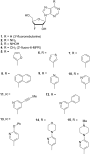


Synthesis of D-fructose-derived spirocyclic 2-substituted-2-oxazoline ribosides
Beilstein J. Org. Chem. 2015, 11, 2289–2296, doi:10.3762/bjoc.11.249

- oxacarbenium-ion intermediate by a nitrile and subsequent intramolecular nucleophilic attack of the vicinal C2 ether or a free hydroxy group [32][33][34]. Such glycooxazolines are exploited for the generation of N-glycan structures [35]. In O-glycosylation reactions, an oxacarbenium-ion intermediate interacts


Towards inhibitors of glycosyltransferases: A novel approach to the synthesis of 3-acetamido-3-deoxy-D-psicofuranose derivatives
Beilstein J. Org. Chem. 2015, 11, 1547–1552, doi:10.3762/bjoc.11.170

- processes, such as cell–cell communication, signal transduction, activation and response of the immune system etc. [1][2]. On the other hand, an uncontrolled glycosylation caused by genetic mutations of GTs leads to structural changes in various glycoconjugates which contribute to many mammalian diseases [3


Synthesis of icariin from kaempferol through regioselective methylation and para-Claisen–Cope rearrangement
Beilstein J. Org. Chem. 2015, 11, 1220–1225, doi:10.3762/bjoc.11.135

- -prenylation of 3-O-methoxymethyl-4′-O-methyl-5-O-prenyl-7-O-benzylkaempferol (8) via para-Claisen–Cope rearrangement catalyzed by Eu(fod)3 in the presence of NaHCO3, and the glycosylation of icaritin (3) are the key steps. Keywords: Claisen–Cope rearrangement; flavonol; icariin; prenylation; regioselectivity
- rearrangement and the bis-glycosylation are the key features of this linear synthesis. Previously, we succeeded in the selective methylation of 4′-OH in kaempferol. In this work, we focus on developing an efficient procedure for the selective prenylation of flavonols for facile access to icariin (1). Results
- [16][29]. With icaritin (3) in hand, the selective glycosylation was investigated (Scheme 4). The alkylation of OH in kaempferol followed a specific reactivity order: 7 > 4′ > 3 >> 5 [19]. We initially attempted the 7-OH glycosylation with tetra-O-acetylglucopyranosyl bromide (15) [30] as the donor


N-Alkyl derivatives of diosgenyl 2-amino-2-deoxy-β-D-glucopyranoside; synthesis and antimicrobial activity
Beilstein J. Org. Chem. 2015, 11, 869–874, doi:10.3762/bjoc.11.97
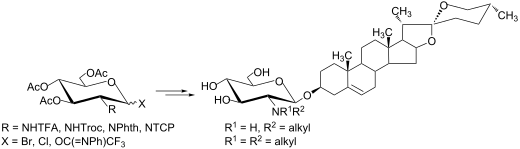
- . Keywords: antimicrobial activities; D-glucosamine; diosgenin glycosylation; N-alkylation; Introduction Saponins are a group of steroid or triterpenoid glycosides, widely distributed in the plant kingdom [1]. Saponins are characteristic by their foaming properties in aqueous solution, causing them to be
- -hydroxy derivatives of D-glucose and L-rhamnose [49]. Glycosylation of diosgenin with twelve different derivatives of D-glucosamine (2a–d, 3a–d, and 5a–d), was examined using “normal” and “reverse” procedures [50] (Table 1). In the “normal” procedure, the promoter (silver triflate or trimethylsilyl
- diethyl ether. The results summarized in Table 1 indicate that the “reverse” procedure is much more effective than the “normal” procedure. Running of the diosgenin glycosylation also depends on the kind of the solvent used. It is particularly important when bromide 2a is used as a glycosyl donor. Reaction


Orthogonal dual-modification of proteins for the engineering of multivalent protein scaffolds
Beilstein J. Org. Chem. 2015, 11, 784–791, doi:10.3762/bjoc.11.88
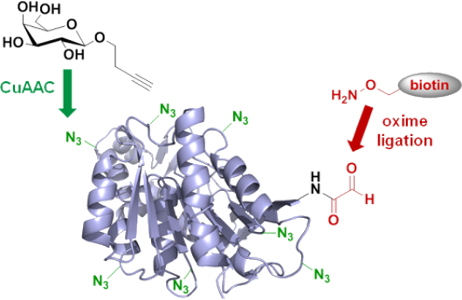
- galactose alkyne 2 via CuAAC and different degrees of glycosylation could be achieved depending of the amount of Cu2+ applied in the reaction, though the maximum number of galactose units per protein that could be attached appeared to be five (data not shown). By applying a sequential oxime/CuAAC ligation


DNA display of glycoconjugates to emulate oligomeric interactions of glycans
Beilstein J. Org. Chem. 2015, 11, 707–719, doi:10.3762/bjoc.11.81
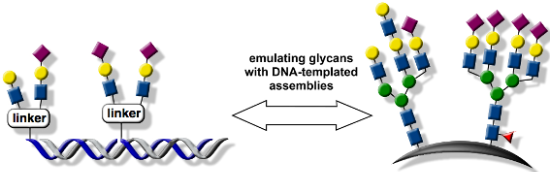
- sequence dependent and not uniquely due to the high glycosylation of the DNAs. The tertiary structure of the glycan conjugates predisposed the ligands productively thus resulting in a high affinity. A variation of this strategy using mRNA also yielded peptidoglycans with high affinity to 2G12 [33]. DNA–PNA


Automated solid-phase synthesis of oligosaccharides containing sialic acids
Beilstein J. Org. Chem. 2015, 11, 617–621, doi:10.3762/bjoc.11.69
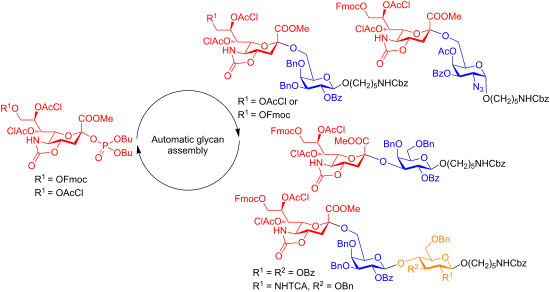
- 10.3762/bjoc.11.69 Abstract A sialic acid glycosyl phosphate building block was designed and synthesized. This building block was used to prepare α-sialylated oligosaccharides by automated solid-phase synthesis selectively. Keywords: α-sialylation; automated synthesis; glycosylation; sialic acid; solid
- ][13][14][15], where the trans-fused cyclic protecting group in the glycosylation transition state likely stabilizes the positive charge on the intermediate acetonitrile adduct and decreases the generation of a positive charge at the anomeric center by their strong dipole moment [2][16][17]. Based on
- automated glycan assembly have to be accessible in sufficient quantities, stable for storage and activated at a specific temperature to provide the desired linkage in high yield. The optimal glycosylation temperature was determined to ensure fast and efficient reactions at the highest possible temperature


Synthesis of a hexasaccharide partial sequence of hyaluronan for click chemistry and more
Beilstein J. Org. Chem. 2015, 11, 604–607, doi:10.3762/bjoc.11.67
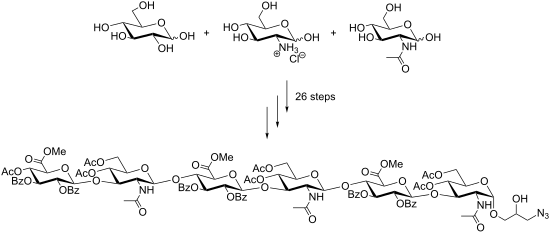
- disaccharides were coupled through initial activation of 4 with NIS and TfOH to furnish the corresponding protected tetrasaccharide. Furthermore, treatment of the glycosylation product with Olah's reagent and an additional amount of pyridine generated the tetrasaccharide glycosyl acceptor 6 by removal of the

Electrochemical oxidation of cholesterol
Beilstein J. Org. Chem. 2015, 11, 392–402, doi:10.3762/bjoc.11.45
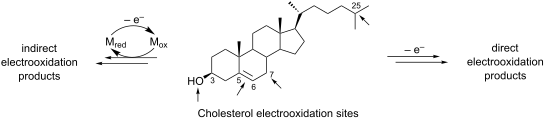
- byproducts was diminished with this system. The presented system proved suitable for the electrochemical glycosylation of 3β-hydroxy-Δ5-steroids [43]. In this case, 2,3,4,6-tetra-O-acetyl-D-glucopyranose was used as a nucleophile (Scheme 10). The anodic oxidation of cholesterol (1) carried out in





