Search results
Search for "membrane" in Full Text gives 396 result(s) in Beilstein Journal of Organic Chemistry. Showing first 200.
Cationic oligonucleotide derivatives and conjugates: A favorable approach for enhanced DNA and RNA targeting oligonucleotides
Beilstein J. Org. Chem. 2021, 17, 1828–1848, doi:10.3762/bjoc.17.125
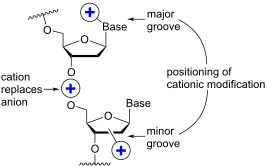
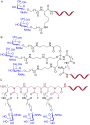
- membrane permeability of ASOs. A reduction in the net negative charge may have beneficial delivery-related effects in addition to other possible effects such as improved resistance towards nuclease degradation or increased binding to the negatively charged RNA complements, the latter as a result of reduced


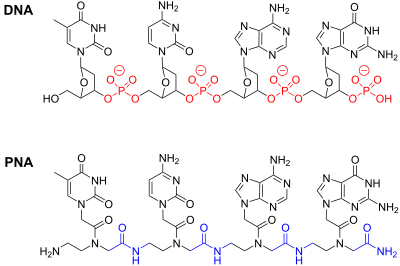
Chemical approaches to discover the full potential of peptide nucleic acids in biomedical applications
Beilstein J. Org. Chem. 2021, 17, 1641–1688, doi:10.3762/bjoc.17.116









Antiviral therapy in shrimp through plant virus VLP containing VP28 dsRNA against WSSV
Beilstein J. Org. Chem. 2021, 17, 1360–1373, doi:10.3762/bjoc.17.95
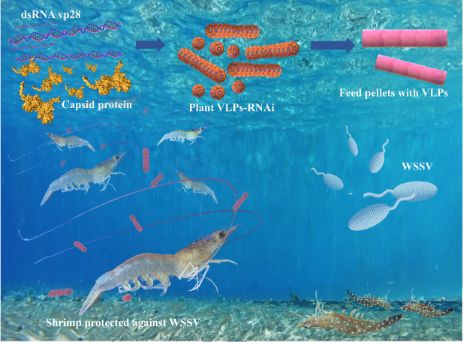
- entry, binding and assembly of the virion. Previous studies have shown that silencing these structural proteins in WSSV challenge assays, increases shrimp survival [10][11][17][18][19][20][21]. The VP28 glycoprotein plays an important role in systemic infection by interacting with cell membrane proteins
- mg each) were homogenized in 900 µL (1:10 ratio; mg/µL) of TN buffer (20 mM Tris-HCl, 400 mM NaCl, pH 7.4). The homogenized solution was centrifuged in two steps at 1800 and 3000g for 20 min, respectively, at 4 °C. The supernatant was recovered and filtered through a membrane filter (0.45 µm VWR



A new glance at the chemosphere of macroalgal–bacterial interactions: In situ profiling of metabolites in symbiosis by mass spectrometry
Beilstein J. Org. Chem. 2021, 17, 1313–1322, doi:10.3762/bjoc.17.91
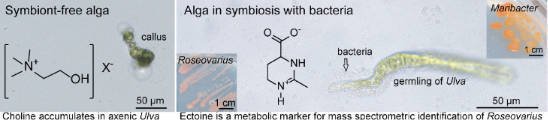
- polar metabolite was linked to the metabolic homeostasis of Ulva lactuca during tidal cycles [30]. Choline is the precursor of the membrane constituent phosphatidylcholine [31]. We inferred that the accumulation of choline in axenic U. mutabilis germlings might correlate with the absence of the key
- bacterial morphogen thallusin, which induces cell wall and rhizoid formation. The accompanying formation of cell wall protrusions might disrupt the cell membrane arrangement indicated by choline accumulation. Screening the tripartite community Ulva–Roseovarius–Maribacter identified ectoine as a metabolic


A comprehensive review of flow chemistry techniques tailored to the flavours and fragrances industries
Beilstein J. Org. Chem. 2021, 17, 1181–1312, doi:10.3762/bjoc.17.90
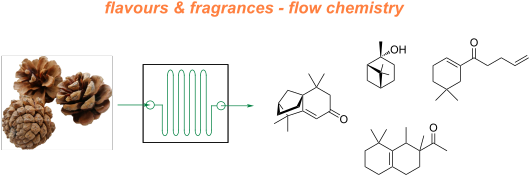
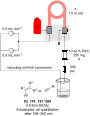
- such as membrane-based continuous separators [52][53][54][55] has come a long way in aiding with in-line purification and work-up issues. Table 4 provides a general summary list of advantages and disadvantages of a flow approach. There are multiple possible configuration and module combinations of
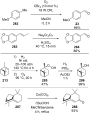
- coated multichannel microreactor with an integrated zeolite ZSM-5 membrane (Scheme 28) [156][157]. The heterogeneous catalyst used was a Cs-exchanged faujasite NaX. The membrane maximised the outcomes in comparison to tested fixed-bed and microreactors. The ZSM-5 membrane allowed fast water exclusion
- faujasite NaX was reported [158], along with a ZIF-8/NaA composite membrane microreactor [159]. These systems embodied more active and stable catalysts which were able to consequently operate for over 50 hours with delivery of excellent product yields (>95%). Also these systems, instead of using membranes


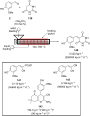









Synthesis of 10-O-aryl-substituted berberine derivatives by Chan–Evans–Lam coupling and investigation of their DNA-binding properties
Beilstein J. Org. Chem. 2021, 17, 991–1000, doi:10.3762/bjoc.17.81
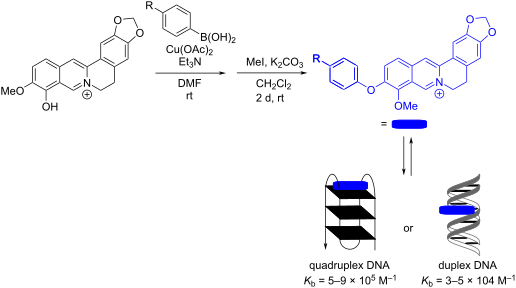
- : 6.0 mM Na2HPO4, 2.0 mM NaH2PO4, 1.0 mM Na2EDTA; pH 7.0. All buffer solutions were prepared from purified water (resistivity 18 MΩ cm) and biochemistry-grade chemicals. The buffer solutions were filtered through a PVDF membrane filter (pore size 0.45 μm) prior to use. Structures and numbering of


Enhanced target cell specificity and uptake of lipid nanoparticles using RNA aptamers and peptides
Beilstein J. Org. Chem. 2021, 17, 891–907, doi:10.3762/bjoc.17.75
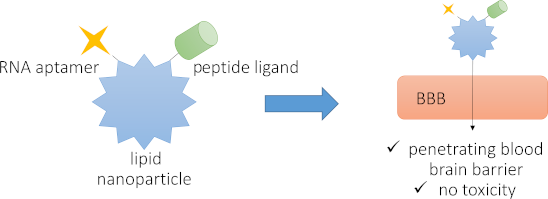
- dipalmitoyl-Dap-T7 and dipalmitoyl-Dap-Tat (Figure 1A). Double lipidation ensures a more stable lipid-membrane-anchoring compared to a single fatty acid chain or cholesteryl variant [27][28][29]. The careful choice of Dap and palmitic acid allows for the entire synthesis to be performed on solid support with
- allowed to slowly reach rt, transferred to a 1 mL Hamilton syringe, and extruded 10 times at rt through two 100 nm Nucleopore membrane filters (Whatman) using Avanti Mini Extruder (Avanti Polar Lipids, Inc., USA). Complementary oligonucleotides GP160:A-1 (1.4 nmol, 30 μL 1× PBS pH 7.4) and CCR5:G-3 (1.4
- subsequently incubated overnight at 4 °C with Claudin 5–Alexa Fluor 488 (catalog number 35-258-8, Thermo Fisher Scientific, MA) at 5 µg/mL in 1% BSA–PBS. Thereafter, cells were washed three times with ice-cold PBS. The membrane was subsequently cut out of the insert with a scalpel blade and, using tweezers



DNA with zwitterionic and negatively charged phosphate modifications: Formation of DNA triplexes, duplexes and cell uptake studies
Beilstein J. Org. Chem. 2021, 17, 749–761, doi:10.3762/bjoc.17.65
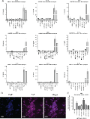
- ) and for the N+-modified oligos (Figure 3B, H, and K, respectively). Confocal microscope sections that dissect the nucleus were collected showing that the FAM-ON imaged were in the cytoplasm when localised adjacent to the nucleus and not on the cell surface. Staining of the cell membrane, along with
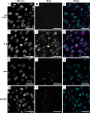
- -ON for 12 hours, then stained with CellBrite Fix 640 (Biotium) to identify the cell membrane before fixation with 4% paraformaldehyde. Nuclear DNA was then stained with Hoechst 3342 and images collected with a Leica SP5 DM6000B scanning confocal microscope. Overlaid pseudo-coloured panels of a
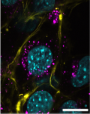
- section are shown: nuclear DNA (blue), 4Ts-FAM/ON (magenta), cell membrane (yellow). Scale bar: 20 μm. The synthesis of ONs with Ts and N+ modification using the Staudinger reaction during the solid-phase DNA synthesis. Conditions: (i) 0.5 M TsN3, MeCN, 37 °C, 30 min for Ts modification; 0.7 M 4


Simulating the enzymes of ganglioside biosynthesis with Glycologue
Beilstein J. Org. Chem. 2021, 17, 739–748, doi:10.3762/bjoc.17.64
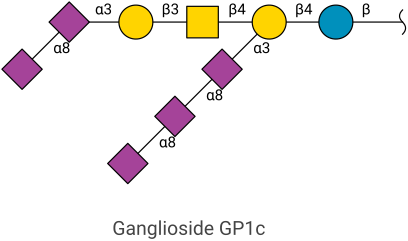
- then to subsequent ceramide-linked glycoconjugate acceptors, before transport and eventual incorporation into the plasma membrane via vesicular fusion. Gangliosides, which function as antigenic determinants [4], may play a role in membrane organization [5], cell signaling [6], apoptosis [7], and in
- memory formation through neuromodulation of synaptic transmission [8]. Gangliosides are recycled in the lysosome through the action of glycohydrolases. The inhibition of membrane recycling has been shown to lead to an accumulation of lysosomal gangliosides resulting in neuronal death [9]. Congenital





Synthesis and properties of oligonucleotides modified with an N-methylguanidine-bridged nucleic acid (GuNA[Me]) bearing adenine, guanine, or 5-methylcytosine nucleobases
Beilstein J. Org. Chem. 2021, 17, 622–629, doi:10.3762/bjoc.17.54
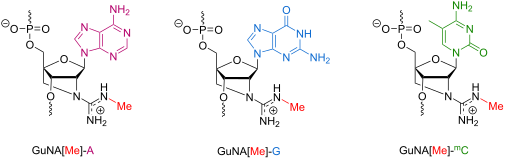
- ]. The modification of oligonucleotides with GuNA[H]-T improved the nuclease resistance, cell membrane permeability, and binding affinity toward complementary single-stranded DNAs (ssDNAs) and RNAs (ssRNAs). We also synthesized and evaluated a GuNA[H]-T analog bearing a methyl group in the guanidine
Synthesis and physicochemical evaluation of fluorinated lipopeptide precursors of ligands for microbubble targeting
Beilstein J. Org. Chem. 2021, 17, 511–518, doi:10.3762/bjoc.17.45
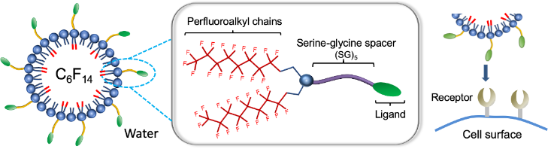
- was stepwisely elongated, and eventually conjugated with the (perfluoroalkyl)ethyl acids (Scheme 2). After the cleavage from the resin, the Fmoc groups of the amino acids were removed, and the F-lipopeptides were purified using a dialysis membrane. According to mass spectrometry, FTIR, and HPLC


19F NMR as a tool in chemical biology
Beilstein J. Org. Chem. 2021, 17, 293–318, doi:10.3762/bjoc.17.28
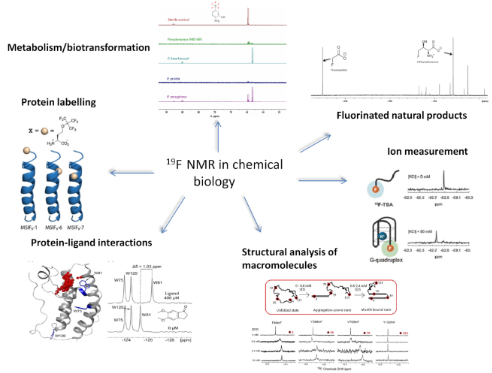
- study both soluble proteins [26] and membrane proteins [27]. Fluorine tags such at TFET (17) or BFTA (18) offer a good degree of sensitive and narrow 19F NMR line widths due to rapid rotation about the trifluoromethyl symmetry axis. Thus, they are very effective tools when studying small conformational
- further expanded the applications of n-FABS into the screening and direct IC50 measurement of bioactive substrates within intact living cells [45]. By studying mammalian cells expressing the membrane protein fatty acid amide hydrolase (FAAH), they showed that it is possible to screen and identify target
- inhibitors in situ using 19F NMR spectroscopy (Figure 6). For this, the activity of the membrane-bound FAAH enzyme was evaluated by monitoring the hydrolysis of a fluorinated anandamide analogue ARN1203, a previously reported FAAH substrate, to arachidonic acid and 1-amino-3-fluoropropanol in the presence


Multiswitchable photoacid–hydroxyflavylium–polyelectrolyte nano-assemblies
Beilstein J. Org. Chem. 2021, 17, 166–185, doi:10.3762/bjoc.17.17
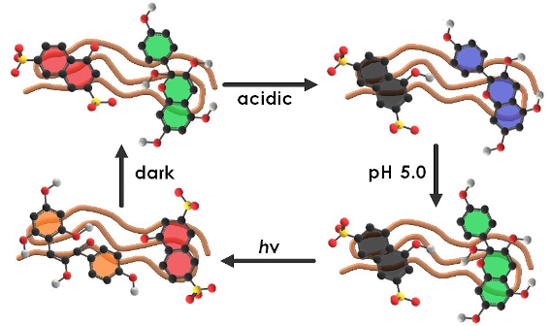
- (allylamine) with M = 15000 g/mol, the photoacid 1-naphthol-3,6-disulfonate (>90%), and pelargonidin chloride were purchased from Sigma-Aldrich. Deionized water was filtered through two 25 mm syringe filters with a hydrophile membrane consisting of polytetrafluoroethylene with 200 nm pore size. Prior to




Supramolecular polymerization of sulfated dendritic peptide amphiphiles into multivalent L-selectin binders
Beilstein J. Org. Chem. 2021, 17, 97–104, doi:10.3762/bjoc.17.10
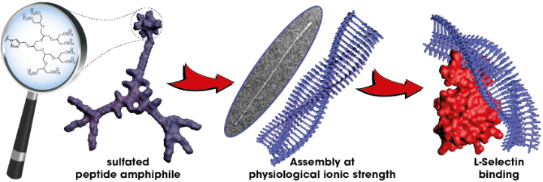
- , these interactions occur in a multivalent fashion, allowing to overcome drawbacks of the limited strength of noncovalent bonds and to tune the selectivity at the same time [1][2]. The binding of viruses to the membrane of their host cells [3][4][5] as well as the recognition of carbohydrates by lectins



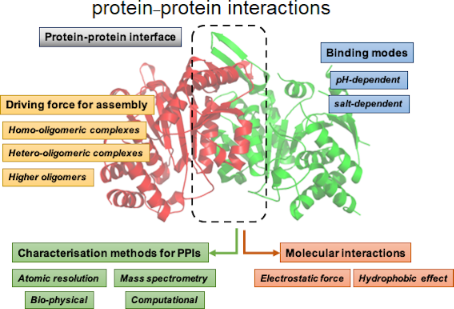
Molecular basis for protein–protein interactions
Beilstein J. Org. Chem. 2021, 17, 1–10, doi:10.3762/bjoc.17.1
- known as a capsid [78]. Some viruses also have lipid envelopes containing glycoproteins, which interact with the host cell membrane to facilitate the viral entry into the cell [79]. The simplest explanation for viral capsid assembly is protein assembly units colliding (following Brownian motion) in a


Secondary metabolites of Bacillus subtilis impact the assembly of soil-derived semisynthetic bacterial communities
Beilstein J. Org. Chem. 2020, 16, 2983–2998, doi:10.3762/bjoc.16.248
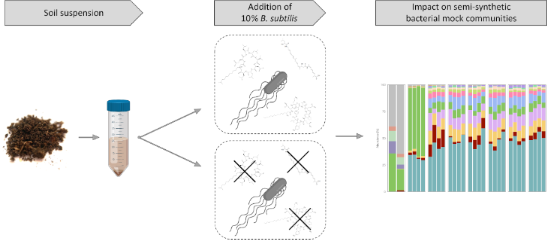
- ][44]. It is presumed that the antifungal plipastatin, expressed from the ppsA-E gene cluster, acts as an inhibitor of phospholipase A2, forming pores in the fungal membrane and causing morphological changes in the fungal membrane and cell wall [45][46]. This antifungal potential was demonstrated


Selected peptide-based fluorescent probes for biological applications
Beilstein J. Org. Chem. 2020, 16, 2971–2982, doi:10.3762/bjoc.16.247

- -aminobutyric acid associate with membrane-bound protein receptors and trigger changes in receptor shape and activity with subsequent signaling across the membrane. Noncovalent H-bonding and van der Waals interactions are the basis for the selective molecular recognition between a G-coupled protein receptor and
- membrane-bound receptors interact strongly with short peptidic segments of a larger protein chain, for example, recognition of the RGD sequence (arginine–glycine–aspartic acid; Arg–Gly–Asp) by integrin receptors. They use noncovalent interactions including salt bridges [5]. Vancomycin, a glycopeptide
- chondroitin sulphate. Sensores 10 and 11 even could detect heparin selectively from their mixtures and have been utilized for heparin detection in diluted bovine serum. Lipopolysaccharide detection Endotoxic lipopolysaccharide (LPS) is an important component in the outer cell membrane of Gram-negative



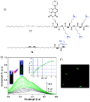

Synthesis and investigation of quadruplex-DNA-binding, 9-O-substituted berberine derivatives
Beilstein J. Org. Chem. 2020, 16, 2795–2806, doi:10.3762/bjoc.16.230
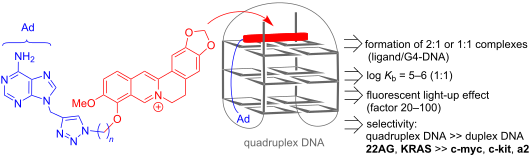
- (resistivity ≥ 18 MΩ cm) and filtered through a membrane filter (0.45 µm pore size). K-phosphate-buffer (22AG, a2): 25 mM K2HPO4, 70 mM KCl; pH 7.0; Na-cacodylate buffer (F21T, Fa2T, FmycT, FkitT, and FkrasT): 90 µM LiCl, 10 mM KCl, 10 mM Na(CH3)2AsO2 × 3H2O, pH 7.2–7.3. The K-phosphate buffer solutions and


Encrypting messages with artificial bacterial receptors
Beilstein J. Org. Chem. 2020, 16, 2749–2756, doi:10.3762/bjoc.16.225
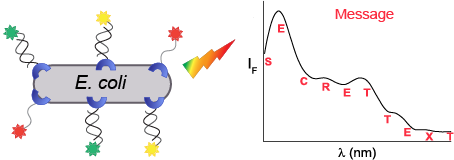
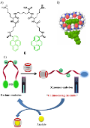
- receptors is described. We show that the binding of DNA-based artificial receptors to E. coli expressing His-tagged outer membrane protein C (His-OmpC) induces a Förster resonance energy transfer (FRET) between the dyes, which results in the generation of a unique fluorescence fingerprint. Because the
- simpler way to modify the bacterial membrane is by adding to X-ODN-1 a complementary strand (Y-ODN-2) that is modified with the desired functionality (Y) (Figure 1A). In this way, the structure of the artificial receptors can be ‘programmed’ by a simple self-assembly process, which provides the means to
- reversibly change the properties of the cell. For example, we have shown that synthetic receptors appended with a thiol or a folate group enable bacteria expressing the His-tagged outer membrane protein C (His-OmpC) to bind to gold surfaces or cancer cells, respectively [2]. We have also shown that this




Optical detection of di- and triphosphate anions with mixed monolayer-protected gold nanoparticles containing zinc(II)–dipicolylamine complexes
Beilstein J. Org. Chem. 2020, 16, 2687–2700, doi:10.3762/bjoc.16.219
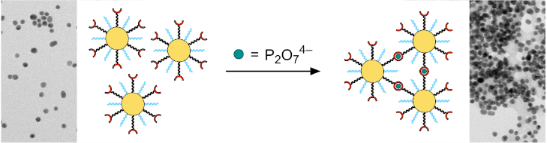
- structure and properties of the products. The obtained nanoparticles NPrac-1 were purified by using a combination of size exclusion chromatography and membrane filtration. They dispersed freely in water after isolation, giving a stable solution. The 1H NMR spectrum in D2O showed the typical broadened


Comparative ligand structural analytics illustrated on variably glycosylated MUC1 antigen–antibody binding
Beilstein J. Org. Chem. 2020, 16, 2540–2550, doi:10.3762/bjoc.16.206
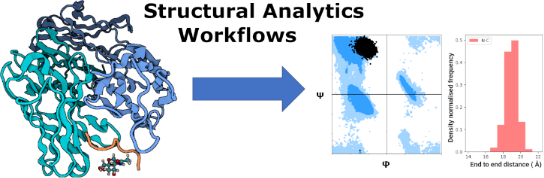
- secretions and are heavily O-glycosylated [7]. Mucins serve several functions: including protecting the body from pathogens by forming chemical barriers and cellular signaling. Mucin 1 (MUC1) is tethered to the cellular membrane and is found to be aberrantly glycosylated and overexpressed in several



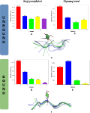
Conformational preferences of fluorine-containing agrochemicals and their implications for lipophilicity prediction
Beilstein J. Org. Chem. 2020, 16, 2469–2476, doi:10.3762/bjoc.16.200
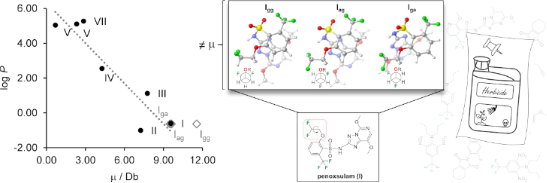
- on conformation, membrane permeation, pharmacokinetic properties, among other parameters [7]. From a conformational analysis point of view, the fluorine atom presents minimal steric effects; on the other hand, due to its high electronegativity, the C–F bond is highly polarized, which characterizes it


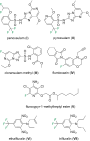
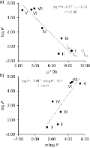

The B & B approach: Ball-milling conjugation of dextran with phenylboronic acid (PBA)-functionalized BODIPY
Beilstein J. Org. Chem. 2020, 16, 2272–2281, doi:10.3762/bjoc.16.188
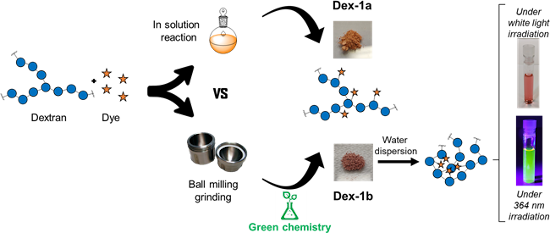
- 0.044 mmol), 17 mg of PBA-BODIPY (1, 0.044 mmol), and 6.6 mL of dry dimethyl sulfoxide. The mixture was stirred for 6 h, then the product was precipitated in cold ethanol (50 mL), and filtered over a 0.2 µm nylon membrane. The powder was recovered and dispersed (6.8 mg/mL) in ethanol and sonicated for 5
- min at 59 kHz. The dispersion was filtered over a 0.2 µm nylon membrane recovering both solid and solution. This protocol was repeated and then the solid was washed over the filter with ethanol (2 × 30 mL) and dried under vacuum to obtain 250 mg of Dex-1a as orange solid. FTIR data are shown in Figure
- was recovered, dissolved in DMSO (6.6 mL) and the product precipitated from cold ethanol (50 mL) and filtered over a 0.2 µm nylon membrane. The powder was recovered and dispersed (6.8 mg/mL) in ethanol and sonicated for 5 min at 59 kHz. The dispersion was filtered over a 0.2 µm nylon membrane


Photosensitized direct C–H fluorination and trifluoromethylation in organic synthesis
Beilstein J. Org. Chem. 2020, 16, 2151–2192, doi:10.3762/bjoc.16.183
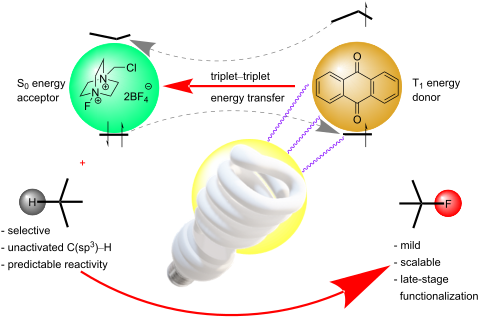
- liability for phospholipidosis [20], iii) an increased membrane permeability [21] and iv) the mitigation of undesired binding to the human ether a-go-go-related gene (hERG) K+ channel associated with cardiovascular toxicity [22]. Moreover, the radiochemical properties of the 18F nucleus render them crucial




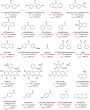
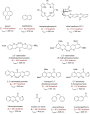


Automated high-content imaging for cellular uptake, from the Schmuck cation to the latest cyclic oligochalcogenides
Beilstein J. Org. Chem. 2020, 16, 2007–2016, doi:10.3762/bjoc.16.167
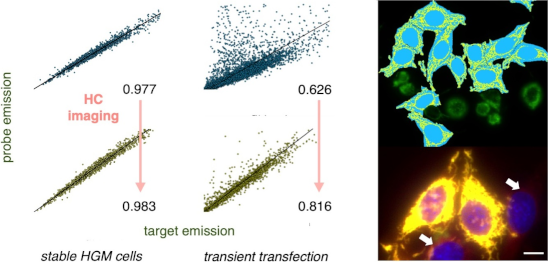
- challenge is most pronounced with large substrates, such as proteins, oligonucleotides, or nanoparticles, due to the permeability barriers formed by the lipophilic core of the cell membrane [18][19]. In recent decades, the use of arginine-rich cell-penetrating peptides (CPPs) as carriers has emerged as an
- attractive approach to tackle this central challenge [1][2][3][11][12][13][14]. The noncovalent interaction between the guanidinium cations from CPPs and cell membrane-associated anions, such as phospholipids, proteoglycans, or sialic acids, is considered to enhance the cell surface accumulation of
- added to minimize the passive diffusion across the membrane and to maximize the solubility in water. Biotin was used to interface the transporter and streptavidin to probe the COC-mediated protein delivery. A chloroalkane, finally, was needed for the HC CAPA. The trifunctional transporter 23 was first