


Search results
Search for "monomer" in Full Text gives 364 result(s) in Beilstein Journal of Organic Chemistry. Showing first 200.
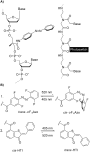
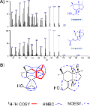
Reversible photoswitching of the DNA-binding properties of styrylquinolizinium derivatives through photochromic [2 + 2] cycloaddition and cycloreversion
Beilstein J. Org. Chem. 2020, 16, 111–124, doi:10.3762/bjoc.16.13
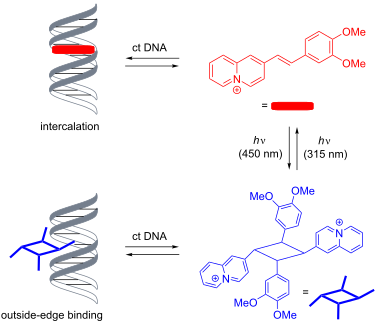
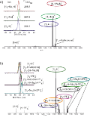
- identify possible primary photoprocesses (Figure 7A). The initial maximum of the monomer 3b decreased substantially by approximately half within a second, whereas further reaction was indicated by the appearance of the absorption maximum of 4b at 317–331 nm. Notably, no additional intermediate absorption
- cyclobutane 4b at 315 nm in H2O, the monomer 3b formed, as indicated by the development of its characteristic absorption band (Figure 7B). After 30 min, the reaction was almost complete, however, dimer 4b still remained in solution in the photostationary state. Interactions of the photodimer 4b with DNA The
- absorption and CD spectroscopy (Figure 10). In the course of the photoreaction, the formation of 3b was indicated by the emergence of its characteristic long-wavelength absorption band, whose shape and shift matched its DNA-bound form. The association of the released monomer 3b with DNA was also clearly





Carbazole-functionalized hyper-cross-linked polymers for CO2 uptake based on Friedel–Crafts polymerization on 9-phenylcarbazole
Beilstein J. Org. Chem. 2019, 15, 2856–2863, doi:10.3762/bjoc.15.279
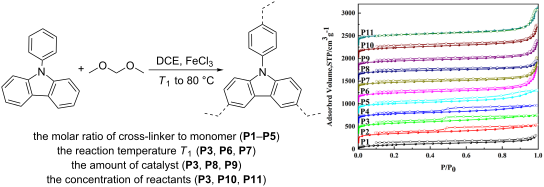
- polymers (HCPs), a series of 9-phenylcarbazole (9-PCz) HCPs (P1–P11) has been made by changing the molar ratio of cross-linker to monomer, the reaction temperature T1, the used amount of catalyst and the concentration of reactants. Fourier transform infrared spectroscopy was utilized to characterize the
- structure of the obtained polymers. The TG analysis of the HCPs showed good thermal stability. More importantly, a comparative study on the porosity revealed that: the molar ratio of cross-linker to monomer was the main influence factor of the BET specific surface area. Increasing the reaction temperature
- outstanding porous properties. Studies of the effects on porosity of HCPs are significant, but almost all investigations focused on the role of monomer length and geometry on the porosity [6][19][20][21][22][23][24][25][26][27][28][29][30][31][32]. Researchers have synthesized a series of carbazole-based


Formation of alkyne-bridged ferrocenophanes using ring-closing alkyne metathesis on 1,1’-diacetylenic ferrocenes
Beilstein J. Org. Chem. 2019, 15, 2534–2543, doi:10.3762/bjoc.15.246

- analogue of the formula [Fe{C5H4COO(CH2)3 C≡}2]2 in a ratio of approximately 4:1. Related NMR spectra can be found in Supporting Information File 1 (Figures S9 and S10). Separation of the monomer 2b could be achieved with column chromatography on silica gel with a yield of 53%. The ring-closed dimer
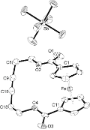
- remained in a mixture with excess monomer. Single crystals of compound 2b suitable for X-ray diffraction analysis could be obtained at room temperature from a DCM or CDCl3 solution layered with hexane, respectively. An ORTEP drawing of 2b is shown in Figure 6. The ferrocenophane crystallises in the




In search of visible-light photoresponsive peptide nucleic acids (PNAs) for reversible control of DNA hybridization
Beilstein J. Org. Chem. 2019, 15, 2500–2508, doi:10.3762/bjoc.15.243
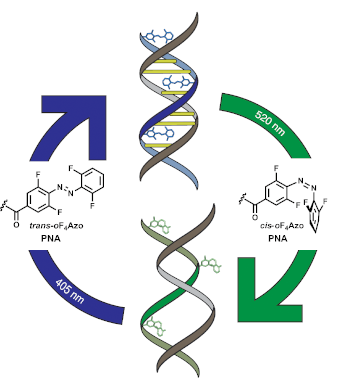
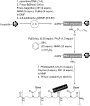
- , 12-mer long sequences are a suitable starting point for our preliminary tests. An overview of all the sequences of this study can be found in Table 1 and Table 2. Contrary to the previous synthetic approach of azobenzene-containing PNAs [35][36][41], in which the preformed monomer building block was
- , the large separation between the n → π* bands of the trans and the cis-forms (Δλ = 69 nm; Figure S24, Supporting Information File 1) did not lead to the quasi-quantitative conversion for the cis-isomer, as for the photoswitchable PNA monomer 1 and the molecular transducer [43][46]. This slightly lower
- cis-form did not show any decomposition under these conditions (Figure S27C, Supporting Information File 1), unlike when the oF4Azo was grafted onto a pyrrole scaffold [48]. Next, we explored if the inclusion of oF4Azo as monomer surrogate within the PNA sequence could affect its hybridization to a



Anion-driven encapsulation of cationic guests inside pyridine[4]arene dimers
Beilstein J. Org. Chem. 2019, 15, 2486–2492, doi:10.3762/bjoc.15.241
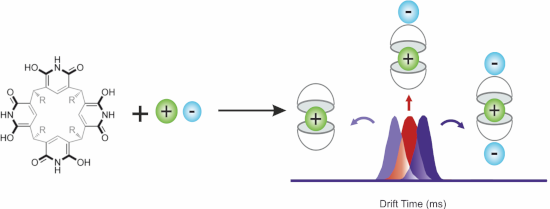
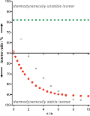
- , Supporting Information File 1). This ion further dissociates to a neutral monomer and to the [1 − 2H + Me4N]− ion, which can only result from two HA eliminations and dissociation of the H-bonded capsule. Elimination of two HA molecules and formation of [1 + Me4N − 2H]− would be unexpected from a complex with
- ) without (PBE0/def2-TZVP) and with (PBE0-D3/def2-TZVP) dispersion correction because in the gas phase dispersion plays an important role in the formation of supramolecular complexes [24][25][26][27][28][29][30]. Conformational analysis was first performed for both tautomers of the monomer to ensure that
- region showing dimeric ions. Calculated ESP surfaces (in au) superimposed on the total electron density (0.004 au) for 1 and 2: a) monomer, bottom view b) monomer, side view c) monomer, top view, d) dimer, side view and e) dimer, bottom view. Red, blue and green surfaces indicate negative, positive and




Current understanding and biotechnological application of the bacterial diterpene synthase CotB2
Beilstein J. Org. Chem. 2019, 15, 2355–2368, doi:10.3762/bjoc.15.228
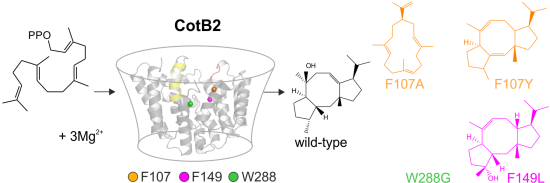
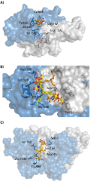
- synthase CotB2wt·Mg2+3·F-Dola in the closed, active conformation (PDB-ID 6GGI; [37]). (A) The two monomers of CotB2 are shown in cartoon representation with the α-helices drawn as cylinders and colored in light brown. One monomer of CotB2 is shown in gray surface representation. The location of the
- cleaved diphosphate is shown in orange. (B) View of panel A rotated by 45°. For clarity, one monomer has been removed. The view is into the active site of CotB2. Conformational changes of CotB2 upon ligand binding. Superposition of CotB2’s open (teal), pre-catalytic (black, CotB2wt·Mg2+B·GGSDP), and fully


Fluorescent phosphorus dendrimers excited by two photons: synthesis, two-photon absorption properties and biological uses
Beilstein J. Org. Chem. 2019, 15, 2287–2303, doi:10.3762/bjoc.15.221
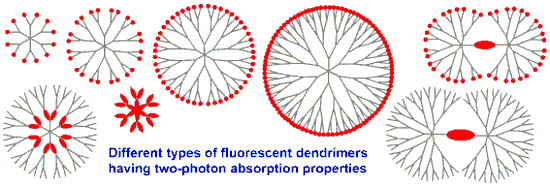
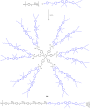
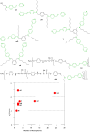
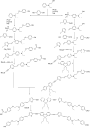
- bearing 24 fluorophores, compared to 1,400 GM for the corresponding monomer and 780 GM for the quantum dot QD518 (CdSe) [45]. In both previous cases, an essential additive effect was observed, depending on the number of fluorophores grafted to the dendrimers. However, an influence of the structure of the
- derivatives grafted on the surface of phosphorhydrazone dendrimers. In this case, a β-diketone functionalized by a phenol was first grafted on the surface of the dendrimer [47], then BF3 was added to obtain the dioxaborines (Scheme 3). Monomer, dimer, and all generations of the dendrimer from zero (6 terminal
- water-soluble dumbbell-like dendrimers retains a similar TPA response as that of the model monomer in ethanol, as shown by σ2 values of 104 GM for G1, 119 for G2, and 127 for G3, in water [56]. The same type of synthetic method was applied to another TPA fluorophore functionalized by two phenols, but










Genome mining in Trichoderma viride J1-030: discovery and identification of novel sesquiterpene synthase and its products
Beilstein J. Org. Chem. 2019, 15, 2052–2058, doi:10.3762/bjoc.15.202
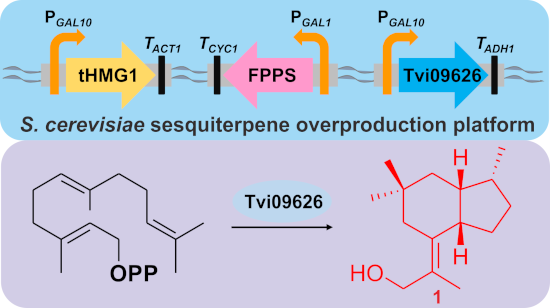
- aspartate-rich motif, 276NSE/DTE triad, 366RY dimer and 230R monomer (Figure S1, Supporting Information File 1) [29][30][31]. Furthermore, in a phylogenetic analysis (Figure 2), Tvi09626 belonged to Clade V of Class I terpene synthases. In previous studies, terpene synthases have been studied in the genus



Morphology-tunable and pH-responsive supramolecular self-assemblies based on AB2-type host–guest-conjugated amphiphilic molecules for controlled drug delivery
Beilstein J. Org. Chem. 2019, 15, 1925–1932, doi:10.3762/bjoc.15.188
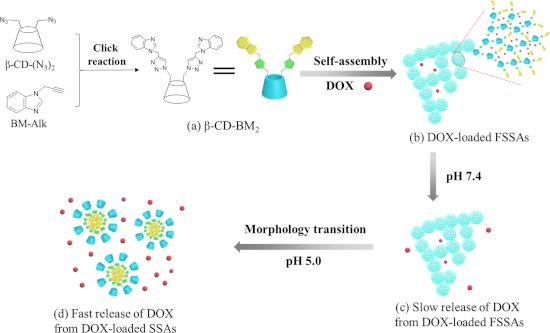
- the characteristic signals for BM and propargyl groups in 1H NMR spectrum (Figure S1B-c, Supporting Information File 1), accompanied with the GC–MS results (156.1), indicated the successful preparation of BM-Alk. Finally, the targeted monomer β-CD-BM2 was synthesized through the click reaction between
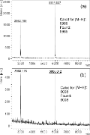
- spectrometry was 1497.5266 [M + H+], which was in accordance with the theoretical value of 1496.5236. On the basis of the above results, AB2-type host–guest-conjugated amphiphilic monomer β-CD-BM2 has been successfully synthesized. Supramolecular self-assembly behavior of β-CD-BM2 The morphology of the self
- -loaded FSSAs could be considered to deliver and release DOX in cancer cells. Conclusion In summary, an AB2-type host–guest-conjugated amphiphilic monomer, β-cyclodextrin-benzimidazole2 (β-CD-BM2), was successfully prepared to construct pH-responsive supramolecular self-assemblies. On the basis of the pH




Tautomerism as primary signaling mechanism in metal sensing: the case of amide group
Beilstein J. Org. Chem. 2019, 15, 1898–1906, doi:10.3762/bjoc.15.185
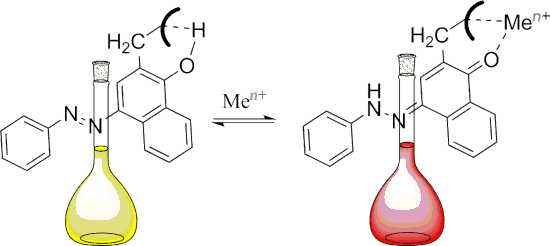
- assignment of the monomer molecules, consequently, its absorption maximum should be blue shifted compared to the monomeric species. If we assume that in ethanol or in dimethylformamide only the monomeric keto form is present, the blue shift of the absorption in acetonitrile indicates that the keto form here


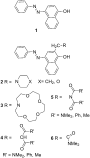



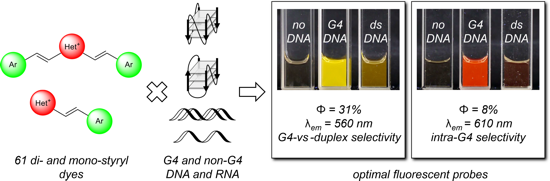
Identification of optimal fluorescent probes for G-quadruplex nucleic acids through systematic exploration of mono- and distyryl dye libraries
Beilstein J. Org. Chem. 2019, 15, 1872–1889, doi:10.3762/bjoc.15.183
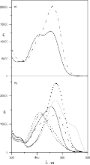
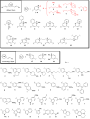
- lines); c = 10 µM in all cases. Band assignment (when possible): M, monomer; H, H-aggregate; J, J-aggregate. Representative absorption spectra of the distyryl dyes (c = 10 µM in MeOH) demonstrating the influence of the molecular structure on the optical properties. A) Variation of Ar groups. B







Design, synthesis and biological evaluation of immunostimulating mannosylated desmuramyl peptides
Beilstein J. Org. Chem. 2019, 15, 1805–1814, doi:10.3762/bjoc.15.174

- investigated in the mouse model using ovalbumin as an antigen. Their activities were compared to the previously described mannosylated adamantane-containing desmuramyl peptide and peptidoglycan monomer. Tested compounds exhibited adjuvant activity and the strongest enhancement of IgG production was stimulated
- of the peptidoglycan monomer (PGM, Figure 1) which is used in this work. PGM is a well-defined and characterized disaccharide pentapeptide, β-ᴅ-GlcNAc-(1→4)-ᴅ-MurNAc-ʟ-Ala-ᴅ-isoGln-mesoDAP(εNH2)-ᴅ-Ala-ᴅ-Ala, originating from Brevibacterium divaricatum [8][9]. Peptidoglycans activate macrophages via


Host–guest interactions in nor-seco-cucurbit[10]uril: novel guest-dependent molecular recognition and stereoisomerism
Beilstein J. Org. Chem. 2019, 15, 1705–1711, doi:10.3762/bjoc.15.166
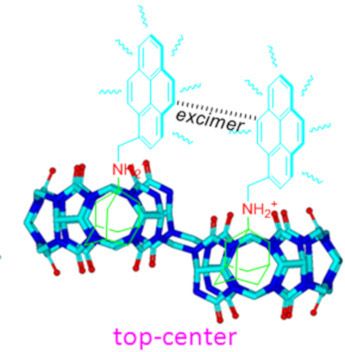
- Xiaodong Zhang Wei Wu Zhu Tao Xin-Long Ni Key Laboratory of Macrocyclic and Supramolecular Chemistry of Guizhou Province, Guizhou University, Guiyang 550025, China 10.3762/bjoc.15.166 Abstract The unique monomer and excimer fluorescence emissions of pyrene were first exploited as distinctly
- , the top–center isomer of G2 within both host-1 and host-2 could be characterized because of the novel monomer and excimer photophysical property of pyrene as fluorophore. As a result, we demonstrated here a novel guest-controlled molecular recognition and stereoisomerism for the first time. Results
- of G1 in host-1 and host-2, despite the clear split of resonances corresponding to the protons on the hosts. A number of studies suggest that pyrene is one of the most useful fluorogenic units, being sensitive to conformational change because of its relatively efficient monomer and excimer emissions


Synthesis, enantioseparation and photophysical properties of planar-chiral pillar[5]arene derivatives bearing fluorophore fragments
Beilstein J. Org. Chem. 2019, 15, 1601–1611, doi:10.3762/bjoc.15.164
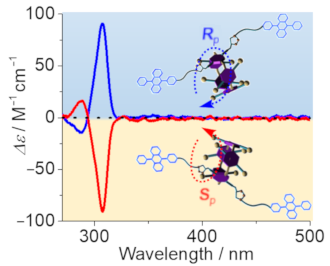
- of 89.5%. This is comparable to the monomer DPA-6, while P5A-Py with two perylene (Py) pigments grafted on the pillar[5]arene showed a significantly reduced quantum yield of 46.4% vs 78.2% for the monomer Py-6. The oxygen-through-annulus rotation of the phenolic units was inhibited for both compounds
- showed strong absorptions in the visible range and high fluorescence quantum yield, e.g., P5A-DPA showed absorption at 350–410 nm and a quantum yield of 89.5% which is comparable to the monomer DPA-6. On the other hand, P5A-Py with two perylene (Py) pigments grafted on the pillar[5]arene showed intense



Reaction of oxiranes with cyclodextrins under high-energy ball-milling conditions
Beilstein J. Org. Chem. 2019, 15, 1448–1459, doi:10.3762/bjoc.15.145
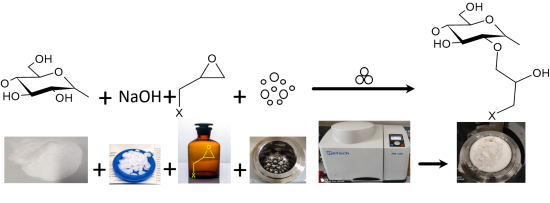
- is lower than in the monomer. Particularly interesting results were observed when the same property of γ-CDP was compared to the corresponding (3-glycidyloxy)propylsilane γ-CD composite (next section). The complexation efficacy of the prepared CDPs is summarised in Table 4. No significant differences


Selenophene-containing heterotriacenes by a C–Se coupling/cyclization reaction
Beilstein J. Org. Chem. 2019, 15, 1379–1393, doi:10.3762/bjoc.15.138

- subsequent electrochemical characterization of polymer P(DTS) P2 at various scan rates in a monomer-free electrolyte is shown (right). The other examples for P1, P3, and P4 are shown in Supporting Information File 1, Figure S14. After the oxidation of the monomer in the first scan, polymerization starts by
- P1–P4 in a monomer-free electrolyte showed broad and unstructured redox waves typical for conducting polymers reflecting the inhomogeneity of the material containing various electrophoric moieties due to variations in the (conjugated) chain length and conformational issues [52]. As well the
- of heterotriacenes 1–4. Electrochemical properties of poly(heterotriacenes) P1–P4 and film loss after conducting 30 scans in a monomer-free electrolyte solution. Supporting Information Supporting Information File 524: Additional spectral and crystallographic data. Acknowledgements We gratefully


Bambusuril analogs based on alternating glycoluril and xylylene units
Beilstein J. Org. Chem. 2019, 15, 1268–1274, doi:10.3762/bjoc.15.124
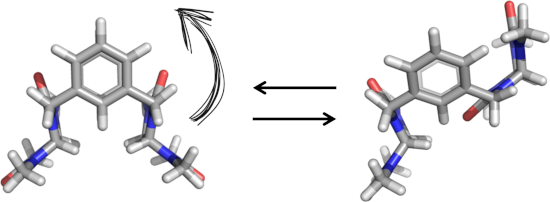
- Tomas Lizal Vladimir Sindelar Department of Chemistry and RECETOX, Masaryk University, Kamenice 5, 625 00 Brno, Czech Republic 10.3762/bjoc.15.124 Abstract The glycoluril monomer is a popular building block in supramolecular chemistry as it is used for the synthesis of versatile host molecules
- simple example of a chromophoric monomer (Scheme 1). The reaction took place under basic conditions using LiH in dry THF [16]. The LiClO4 salt was used originally as a template in order to drive the reaction towards the three-membered macrocycle (n = 3). Later it was found that the salt does not have a


Self-assembly behaviors of perylene- and naphthalene-crown macrocycle conjugates in aqueous medium
Beilstein J. Org. Chem. 2019, 15, 1203–1209, doi:10.3762/bjoc.15.117
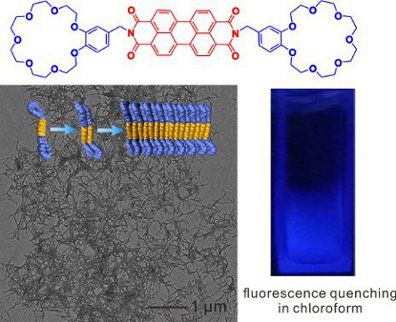
- water [56]. Following this water-centered view, we further explored a new type of supramolecular polymeric adhesive based on B21C7 derived low–molecular weight (LMW) monomer, in which the water molecules serve as essential co-monomers to the polymerization process, rather than as solvent [57]. Compared


Mechanochemical synthesis of hyper-crosslinked polymers: influences on their pore structure and adsorption behaviour for organic vapors
Beilstein J. Org. Chem. 2019, 15, 1154–1161, doi:10.3762/bjoc.15.112
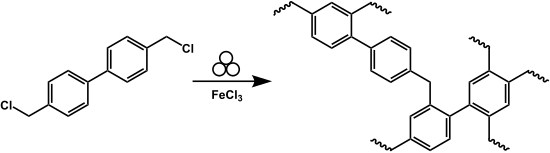
- chloromethylene groups has occurred [43]. While this vibration is dominant in the monomer, it has completely vanished in the IR (infrared) spectrum of the polymer (Figure 2A). Moreover, several other changes in the spectrum are observed for the polymer as well. Especially in the region of the C–Hoop the vibration
- that even small amounts of the monomer (3.2 mmol) lead to a swift and rise in vessel pressure exceeding 12 bar (Figure 3A) caused by the released HCl in the course of the reaction. This behaviour can be handled under laboratory conditions but is hampering the potential scale up of the process. In the
- adsorptive solvent was dried using molecular sieves 4 Å and degassed under vacuum. A: Mechanochemical polymerization of BCMBP (4,4’-bis(chloromethyl)-1,1’-biphenyl) towards the porous polymer HCP. B: Picture of a vial of BCMBP (left) and LAG-HCP (right). A: IR spectra of the monomer BCMBP and NG-HCP showing


Electrophilic oligodeoxynucleotide synthesis using dM-Dmoc for amino protection
Beilstein J. Org. Chem. 2019, 15, 1116–1128, doi:10.3762/bjoc.15.108
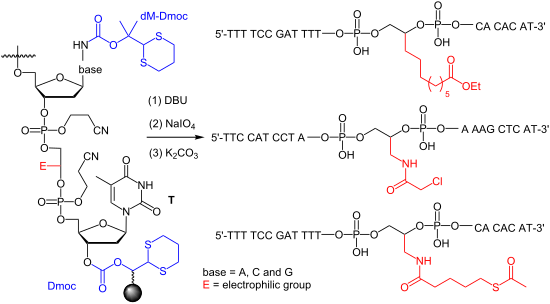
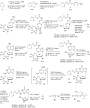
- steps from 1,3-dithiane (6) according to a procedure we reported previously [44]. The dC phosphoramidite monomer 3a was synthesized from compound 9 [45]. The formation of the hindered O-tert-alkyl N-arylcarbamate 10 was found highly challenging [44][46][47]. We tried many conditions and finally found
- 14 to give the target monomer 3a (Scheme 2). The dA phosphoramidite monomer 3b was synthesized similarly starting from 15 [48]. The amino group of 15 was carbamylated with 5 in the presence of two equivalents LDA to give 16. The silyl groups were removed, and compound 17 was tritylated to give 18
- , which was phosphitylated to give 3b. The dG phosphoramidite monomer 3c had to be synthesized using a slightly different procedure (Scheme 2). The amide function in the nucleobase in the silyl protected nucleoside 19 [45] was temporarily protected with TBSCl to give 20 [49]. This intermediate was not





Mechanochemical synthesis of poly(trimethylene carbonate)s: an example of rate acceleration
Beilstein J. Org. Chem. 2019, 15, 963–970, doi:10.3762/bjoc.15.93
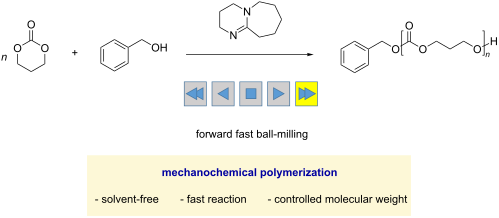
- brief ball milling of monomer and base [10]. The remarkable reactivity exemplified that the general concepts of mechanochemical synthesis are applicable to polymerization reactions. Other examples of polymer syntheses have followed. The Borchardt research team reported the efficient mechanochemical
- polymerization usually requires long reaction times to achieve high conversions (Table 1) [27]. The DBU-catalyzed polymerization of trimethylene carbonate in chloroform, tetrahydrofuran, toluene, and methylene chloride converted less than 5% monomer into poly(trimethylene carbonate) (PTMC) within 1 h (Table 1
- [28]. In the case of ball-milling polymerization, the time required for the physical mixing of monomer, catalyst, and initiator would result in a delayed initiation of the polymerization. However, the relatively slow propagation rate of DBU-mediated trimethyl carbonate polymerization allowed for well


Catalytic asymmetric oxo-Diels–Alder reactions with chiral atropisomeric biphenyl diols
Beilstein J. Org. Chem. 2019, 15, 955–962, doi:10.3762/bjoc.15.92
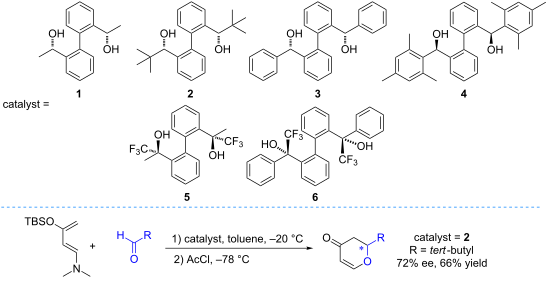
- structure with continuous and alternative inter- and intramolecular hydrogen bonds, whereas 6 forms a monomer without intermolecular hydrogen bonds for supramolecular formation. Together with compounds 1, 2 and 5, all were found to be active organocatalysts in oxo-DA reactions, with 2 resulting in the


Towards the preparation of synthetic outer membrane vesicle models with micromolar affinity to wheat germ agglutinin using a dialkyl thioglycoside
Beilstein J. Org. Chem. 2019, 15, 937–946, doi:10.3762/bjoc.15.90
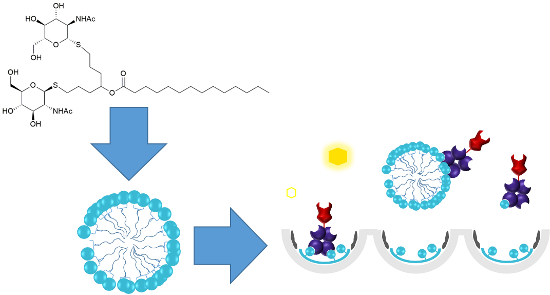
- horseradish peroxidase-labelled (WGA-HRP) to a GlcNAc-polyacrylamide conjugate following the procedure described in Figure 4. WGA is a homodimer in which each monomer is organized into four domains (A–D) containing adjacent “primary” (B and C) and “secondary” (A and D) domains binding sites with different
- GlcNAc monomer displays only 35 mM (Table 1). Compounds 4 and 7 bearing one and two glucose residues served as negative controls as WGA has no affinity towards glucose. This result clearly shows the high potential of the lipophilic n-alkyl thioglycoconjugates for lectine binding. In particular, compound
- 8 showed the highest inhibitory effect of this study with an IC50 of 11 µM corresponding to a 3000-fold improvement compared to the monomer control. This result suggests a higher participation of sugar units in the lectin binding for this compound. Docking calculation for model glycolipids To




![[Graphic 2]](/bjoc/content/inline/1860-5397-15-90-i4.svg?max-width=637&scale=0.472728) ) and (○) ...
) and (○) ...
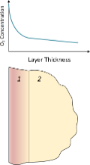
Synthesis of polydicyclopentadiene using the Cp2TiCl2/Et2AlCl catalytic system and thin-layer oxidation of the polymer in air
Beilstein J. Org. Chem. 2019, 15, 733–745, doi:10.3762/bjoc.15.69
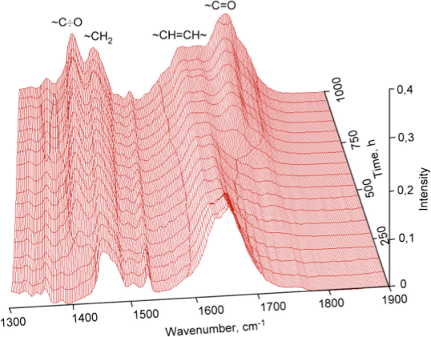
- ; polydicyclopentadiene; thin layers; Introduction Currently, polymerization of dicyclopentadiene and norbornene derivatives applying various catalyst systems is of great interest [1][2][3][4][5][6][7]. Dicyclopentadiene (DCPD) is a secondary product of the ethylene and propylene production and is used as a monomer to
- toluene solution of the monomer. However, before adding the catalytic complex, the monomer solution was placed in an adiabatic mixing reactor until the temperature was stabilized. To limit the development of the polymer chain and as a deactivator of the catalyst system, propylene oxide was used. The
- (curve 1) and 10 mmol/L (curve 2). The remaining conditions are the same: Ti/Al ratio 1:1.5, concentration of DCPD 1.5 mol/L. Mw(1) = 5.13·104, Mn(1) = 2.69·104, PDI(1) = 1.91; Mw(2) = 1.32·104, Mn(2) = 4.84·103, PDI(2) = 2.73 of additional monomer. Oxidizing of thin layers of PDCPD in air Oxidation in




Polyaminoazide mixtures for the synthesis of pH-responsive calixarene nanosponges
Beilstein J. Org. Chem. 2019, 15, 633–641, doi:10.3762/bjoc.15.59

- nanosponge materials with tunable properties. Nanosponges (NSs) [7][8][9][10][11][12][13][14] are hyper-cross-linked polymers or copolymers obtained by reacting supramolecular host species as the monomer units with suitable reticulating agents. Of course, the structural, physical and chemical features of the
- obtained material critically depend on the host monomer and the linker used, on their molar ratio and, in the case of copolymers, on the molar ratio between the parent comonomers. Therefore, by a proper choice of the components, tunability in the properties of the materials obtained can be achieved. In
- -triazol-1-yl)alkylidene chains as the linkers between the calixarene monomer units. Even these materials were proven effective in sequestrating organic model pollutants, such as p-nitroaniline derivatives or dyes, from aqueous solution. However, their synthesis required much longer times in comparison





