Search results
Search for "proline" in Full Text gives 216 result(s) in Beilstein Journal of Organic Chemistry. Showing first 200.
Recent progress in the racemic and enantioselective synthesis of monofluoroalkene-based dipeptide isosteres
Beilstein J. Org. Chem. 2017, 13, 2637–2658, doi:10.3762/bjoc.13.262
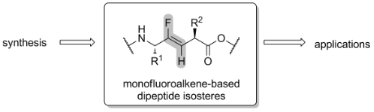
- favour a linear and less hindered shape [14]. A notable exception is found in the case of the proline, where the s-cis isomer is favoured [15]. With the monofluoroalkene moiety, it is possible to mimic selectively one or the other isomer as no equilibrium exists between them. As such, the (Z
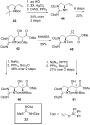
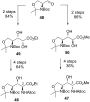
- give the (Z)-monofluoroalkene 67 as a single isomer (dr > 95:5). Conversion of the ester into the corresponding Weinreb amide, followed by addition of an organolithium reagent gave the corresponding ketone 69. Four further steps gave the ring skeleton for the proline residue of 71, i.e., formation of
- , which is a promising inhibitor of the non-structural protein NS5A, an interesting target of the chronic hepatitis C virus [52]. The monofluoroalkene replaced the amide group, and the use of a dipeptide isostere containing a proline residue favoured a γ-turn substructure which is necessary for the


Synthesis of 1,3-cis-disubstituted sterically encumbered imidazolidinone organocatalysts
Beilstein J. Org. Chem. 2017, 13, 2577–2583, doi:10.3762/bjoc.13.254

- ][3][4][5][6][7]. Initially, proline and proline-derived catalysts have been widely used in asymmetric iminium and enamine organocatalysis [8][9][10][11][12]. Since the beginning of the 21th century imidazolidinone-based organocatalysts developed by MacMillan and co-workers, which are easily


Hydrolysis, polarity, and conformational impact of C-terminal partially fluorinated ethyl esters in peptide models
Beilstein J. Org. Chem. 2017, 13, 2442–2457, doi:10.3762/bjoc.13.241
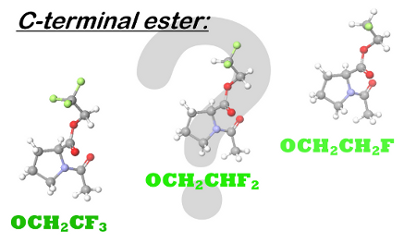
- profiles can be altered by the presence of even a single fluorinated amino acid in the sequence. Perhaps the most studied molecules exhibiting such effects are the proline analogues, with the proline-to-fluoroproline exchange providing the first proof-of-principle and experimental basis for a number of
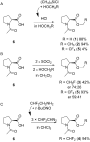
- very low yield of the desired product 5 (4%). The monofluoro- and trifluoroethyl esters 3 and 5 were then prepared via the corresponding chloranhydride, which was generated as described (Scheme 1B) [51]. The drawback of this method is that generation of chloranhydride from N-acetylated proline leads to
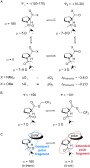
- states, s-trans and s-cis (Scheme 2), with the former being thermodynamically preferred in most cases [66][67]. The intrinsic contextual preference in the amide isomerism around the proline residue is usually characterized using small molecular models such as esters of N-acetylproline, similar to those







Dialkyl dicyanofumarates and dicyanomaleates as versatile building blocks for synthetic organic chemistry and mechanistic studies
Beilstein J. Org. Chem. 2017, 13, 2235–2251, doi:10.3762/bjoc.13.221
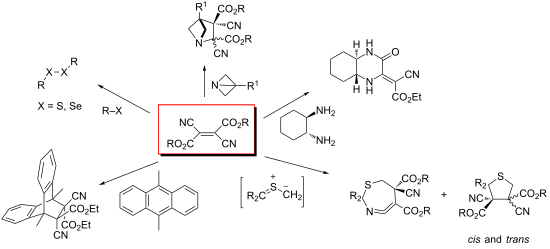
- reactions with E-1b is hydrazine and its derivatives. The parent hydrazine used as the hydrate reacts with E-1 in ethanol at room temperature, and in the case of diisopropyl dicyanofumarate (E-1c), the crystalline enehydrazine was isolated in 82% yield [62]. In addition, the N-benzyl-protected (S)-proline


A mechanochemical approach to access the proline–proline diketopiperazine framework
Beilstein J. Org. Chem. 2017, 13, 2169–2178, doi:10.3762/bjoc.13.217
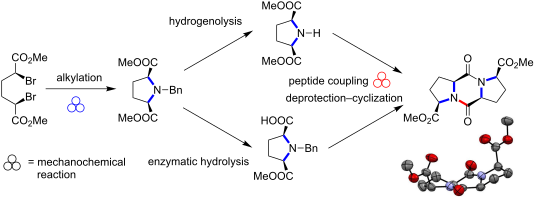
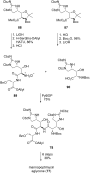
- , France Institut de Chimie des Substances Naturelles, CNRS UPR 2301, Université Paris-Saclay, 1 Avenue de la Terrasse, 91198 Gif-sur-Yvette, France 10.3762/bjoc.13.217 Abstract Ball milling was exploited to prepare a substituted proline building block by mechanochemical nucleophilic substitution
- . Subsequently, the mechanocoupling of hindered proline amino acid derivatives was developed to provide proline–proline dipeptides under solvent-free conditions. A deprotection–cyclization sequence yielded the corresponding diketopiperazines that were obtained with a high stereoselectivity which could be
- feature, used for the preparation of biologically active peptides and peptidomimetics [7], for applications in organocatalysis [8][9][10], and for the preparation of novel materials [11][12]. An interesting sub-family of these compounds are DKPs derived from the amino acid proline and its analogues, which


Mechanochemical synthesis of small organic molecules
Beilstein J. Org. Chem. 2017, 13, 1907–1931, doi:10.3762/bjoc.13.186
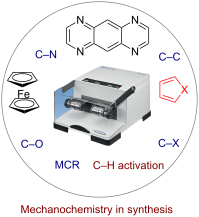
- -free conditions were performed using a combination of (S)-binam-L-Pro (A, 5 mol %) and benzoic acid (10 mol %) as organocatalyst [49]. Juaristi and co-workers investigated the mechanistic aspects of α,α-dipeptide derivatives of a (S)-proline- (A′)-catalyzed asymmetric aldol reaction (Scheme 2b) under
- -(S)-proline derived catalyst [49]. b) Report using α,α-dipeptide-based catalyst [50]. Mechanochemical Michael reaction [51]. Mechanochemical organocatalytic asymmetric Michael reaction [52]. Mechanochemical Morita–Baylis–Hillman (MBH) reaction [53]. Mechanochemical Wittig reactions [55




A concise and practical stereoselective synthesis of ipragliflozin L-proline
Beilstein J. Org. Chem. 2017, 13, 1064–1070, doi:10.3762/bjoc.13.105

- 10.3762/bjoc.13.105 Abstract A concise and practical stereoselective synthesis of ipragliflozin L-proline was presented starting from 2-[(5-iodo-2-fluorophenyl)methyl]-1-benzothiophene and 2,3,4,6-tetra-O-pivaloyl-α-D-glucopyranosyl bromide without catalyst via iodine–lithium–zinc exchange. The overall
- yield was 52% in three steps and the product purity was excellent. Two key diastereomers were prepared with efficient and direct access to the α-C-arylglucoside. Keywords: arylzinc derivative; β-C-arylglucoside; diastereomer impurity; ipragliflozin L-proline; stereoselective synthesis; Introduction
- , (ipragliflozin L-proline 1, (1S)-1,5-anhydro-1-C-{3-[(1-benzothiophen-2-yl)methyl]-4-fluorophenyl}-D-glucitol (2S)-pyrrolidine-2-carboxylic acid (1:1), Figure 1), was launched into the Japanese market in January 2014 [7][8]. Due to its efficacy and safety, 1 can be used as monotherapy or in combination with


Conformational study of L-methionine and L-cysteine derivatives through quantum chemical calculations and 3JHH coupling constant analyses
Beilstein J. Org. Chem. 2017, 13, 925–937, doi:10.3762/bjoc.13.94

- derivatives of tryptophan [20], phenylalanine and tyrosine [21], aspartic acid [22], proline [23] and histidine [24]. These studies have provided significant results to understand the importance of the corresponding amino acids in processes in which they take part in the polypeptide chain. Furthermore, these




Synthesis of D-manno-heptulose via a cascade aldol/hemiketalization reaction
Beilstein J. Org. Chem. 2017, 13, 795–799, doi:10.3762/bjoc.13.79

- L-proline at room temperature for three days proceeded sluggishly, leading to the desired product in a very low yield. Gratifyingly, when the L-proline-catalyzed aldol reaction was performed at 70 °C for one day, the TLC indicated the complete consumption of aldehyde 3, and the generated 4,5-anti
- excellent anti-selectivity for the L-proline-catalyzed aldol reaction can be explained by the Houk–List transition state model [43][44][45]. Compound 13 was then acetylated to afford differentially protected ketoheptose building block 2 in 83% yield. The structure of 2 was unambiguously confirmed by 1H, 13C


Ultrasound-promoted organocatalytic enamine–azide [3 + 2] cycloaddition reactions for the synthesis of ((arylselanyl)phenyl-1H-1,2,3-triazol-4-yl)ketones
Beilstein J. Org. Chem. 2017, 13, 694–702, doi:10.3762/bjoc.13.68
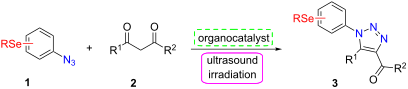
- , entries 9 and 10). Reactions performed with other catalysts (L-proline and pyrrolidine) gave lower yields of 3a than those using 1 mol % of Et2NH (Table 1, entry 7 vs entries 11 and 12). From Table 1, optimum reaction conditions to obtain 1-(5-methyl-1-(2-(phenylselanyl)phenyl)-1H-1,2,3-triazol-4-yl)ethan


Synthesis of new pyrrolidine-based organocatalysts and study of their use in the asymmetric Michael addition of aldehydes to nitroolefins
Beilstein J. Org. Chem. 2017, 13, 612–619, doi:10.3762/bjoc.13.59
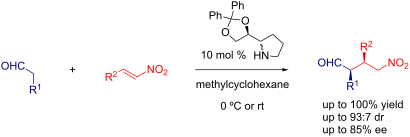
- selected as a benchmark reaction to study their behaviour as organocatalysts. Compounds with a related structure prepared from proline by Diez et al. have proven to work well as organocatalysts in the Michael addition of cyclohexanones to nitrostyrenes [19][20]. We first tested organocatalysts OC1–OC4 in


Transition-metal-catalyzed synthesis of phenols and aryl thiols
Beilstein J. Org. Chem. 2017, 13, 589–611, doi:10.3762/bjoc.13.58

- combination of CuI and bidentate ligand could promote the conversion of aryl halides to the corresponding phenols in a mixed solvent system of DMSO/H2O (1:1). Using iodobenzene as model substrate, various ligands were successfully tested: L-proline (yield 70%), 2-hydroxyacetophenone (yield 85%), N,N-dimethyl
- , the Qi group reported a similar protocol to achieve the coupling of aryl iodides and thiourea by CuI/L-proline-catalyzed reaction in the presence of Cs2CO3 as base in DMSO [98]. In 2004, the Itoh group demonstrated that Pd2(dba)3/Xantphos (L14) could catalyze the coupling of aryl halides and aryl or


Pd- and Cu-catalyzed approaches in the syntheses of new cholane aminoanthraquinone pincer-like ligands
Beilstein J. Org. Chem. 2017, 13, 564–570, doi:10.3762/bjoc.13.55

- ability, chromophoric properties, and antitumor activity as well [40]. We compared several CuI-based catalytic systems in the arylation of amine 3b with 4-iodotoluene as a model substrate. We found out that the CuI/L-proline combination with K2CO3 led to the target aniline 4 in excellent yield (Scheme 3
- anthraquinones. Further attempts to apply the Cu-based catalytic system in this reaction with L-proline and other commonly used N,N, N,O, and O,O bidentate ligands were fruitless. Previously, some of us successfully used the classic conditions of the Buchwald–Hartwig amination for the preparation of bis-amino


Polyketide stereocontrol: a study in chemical biology
Beilstein J. Org. Chem. 2017, 13, 348–371, doi:10.3762/bjoc.13.39




Posttranslational isoprenylation of tryptophan in bacteria
Beilstein J. Org. Chem. 2017, 13, 338–346, doi:10.3762/bjoc.13.37
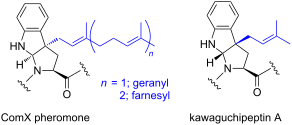
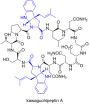
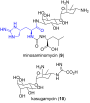
- tricyclic skeleton that bears a newly formed pyrrolidine, similar to proline. The post-translational dimethylallylation of two tryptophan residues of a cyclic peptide, kawaguchipeptin A, from cyanobacteria has also been reported. Interestingly, the modified tryptophan residues of kawaguchipeptin A have the
- either a geranyl or farnesyl group at the gamma position to form tricyclic skeleton that bears a newly formed pyrrolidine, which is similar to proline (Figure 3A) [26][27][28]. The posttranslational modification of ComX pheromones with an isoprenoid plays an essential role for specific quorum sensing




Multicomponent synthesis of spiropyrrolidine analogues derived from vinylindole/indazole by a 1,3-dipolar cycloaddition reaction
Beilstein J. Org. Chem. 2016, 12, 2893–2897, doi:10.3762/bjoc.12.288
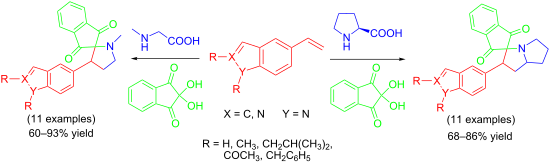
- stereospecific cyclic adducts. Keywords: L-proline; ninhydrin; sarcosine; spiropyrrolidine; 5-vinylindazole; 5-vinylindole; Introduction The [3 + 2] cycloaddition between azomethine ylides and olefins/acetylene as dipolarophiles is an important reaction to access a number of novel heterocyclic spiro scaffolds
- in the construction of functionalized spiro compounds. We report herein the facile synthesis of novel spiropyrrolidine compounds through a one-pot three-component reaction involving N-substituted vinylindole/indazole, ninhydrin and sarcosine/L-proline. The present multicomponent reaction (MCR) leads
- cyclic amino acid L-proline (6) which was reacted with 3 under the optimized reaction conditions. The corresponding stereo- and regiospecific isomers of spiropyrrolidines 8 were obtained in good yields (Table 1, entries 12–22). The stereochemical assignments for compounds 8 were supported by 2D NMR data


Interactions between cyclodextrins and cellular components: Towards greener medical applications?
Beilstein J. Org. Chem. 2016, 12, 2644–2662, doi:10.3762/bjoc.12.261
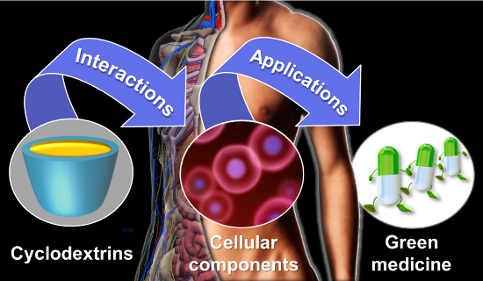
- ., alanine, valine, leucine, isoleucine, proline, phenylalanine, tryptophan, cysteine and methionine), they can be easily included inside the CDs. This complexation leads to modification of the protein. For sake of clarity, only some typical examples are reported in this section. In their paper on the


Towards the development of continuous, organocatalytic, and stereoselective reactions in deep eutectic solvents
Beilstein J. Org. Chem. 2016, 12, 2620–2626, doi:10.3762/bjoc.12.258
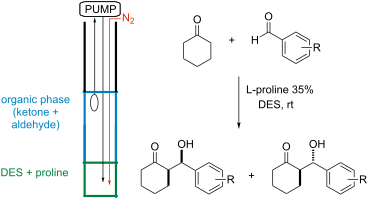
- synthesis of enantiomerically enriched products by testing different experimental set-ups. L-Proline-catalysed cross-aldol reactions were efficiently performed in continuo, with high yield (99%), anti-stereoselectivity, and enantioselectivity (up to 97% ee). Moreover, using two different DES mixtures, the
- . Keywords: continuous process; DES; organocatalysis; proline; stereoselective aldol reaction; Introduction The aldol reaction is a powerful synthetic tool to create new C–C bonds [1]. It offers several possibilities to control the stereochemical outcome of the process and to afford stereochemically defined
- chiral products [2]. Among all the possible options, the L-proline-catalysed stereoselective cross-aldol reaction remains the greener choice. After the pioneering works by List and Barbas [3], a huge effort was made by the scientific community to improve both the yield and the stereoselectivity of the


Enduracididine, a rare amino acid component of peptide antibiotics: Natural products and synthesis
Beilstein J. Org. Chem. 2016, 12, 2325–2342, doi:10.3762/bjoc.12.226
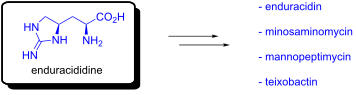
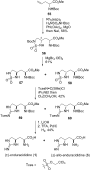
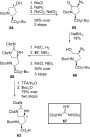
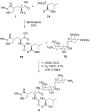
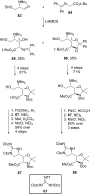
- -enduracididine by Yuan et al.: In 2015, Yuan et al. reported their synthesis of protected L-allo-enduracididine 63 from L-4-hydroxyproline 64 (Scheme 12) [66]. The C-4 stereocentre was installed through inversion of the hydroxy group of proline derivative 64 via mesylation and azide displacement to afford 65












p-Nitrophenyl carbonate promoted ring-opening reactions of DBU and DBN affording lactam carbamates
Beilstein J. Org. Chem. 2016, 12, 2086–2092, doi:10.3762/bjoc.12.197
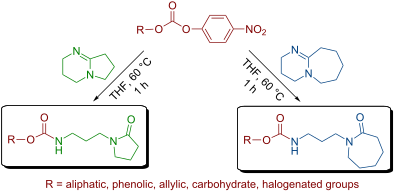
- explore the structural diversity using different p-nitrophenyl carbonates which were prepared by treating an alcohol with p-nitrophenyl chloroformate in CH2Cl2 using pyridine as a base. Thus, homopropargyl alcohol, decanol, cholesterol and N-Boc-trans-4-hydroxy-L-proline methyl ester gave the
- -caprolactam of N-Boc-trans-4-hydroxy-L-proline methyl ester 5b, rotamers due to flipping of the N-Boc group were obtained. Owing to the importance of sugar caprolactams in polymerizations, 2,3-di-O-benzyl-4-O-p-methoxybenzyl-α-methyl-D-glucopyranoside and 2,3,4-tri-O-benzoyl-α-methyl-D-glucopyranoside [30][31


Stereo- and regioselectivity of the hetero-Diels–Alder reaction of nitroso derivatives with conjugated dienes
Beilstein J. Org. Chem. 2016, 12, 1949–1980, doi:10.3762/bjoc.12.184
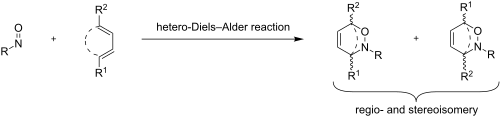
- )-alkoxyamine 123. The reaction of the L-proline derivative 124 and its analogues 125 and 126 with cyclohexadiene (120) gave relatively low de values [112] (Scheme 25). A more comprehensive study on amino acid based acylnitroso dienophiles was performed by Miller et al. [28][113]. For a number of L- and D-amino
- acids and derivatives 129, including proline-derived dienophiles, the stereoselectivity of the reaction with cyclopentadiene (130) was tested, and again only a modest size-dependent (R1) stereoselectivity was found for the products 131 (Table 3). Some more extensive studies on reactions of proline or






Mechanistic investigations on six bacterial terpene cyclases
Beilstein J. Org. Chem. 2016, 12, 1839–1850, doi:10.3762/bjoc.12.173
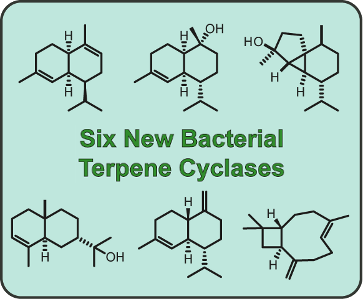
- moiety of the substrate [26]. Mutation within these conserved motifs is usually critical for enyzme functionality [26][41]. The (−)-α-amorphene synthase from S. viridochromogenes DSM 40736 displays the aspartate-rich motif (105DDRAE), the NSE triad (242PDLFSAVKE) starting with a proline instead of the
- usual asparagine, obviously without effect on the enzyme function, the pyrophosphate sensor R-196 and the 327RY dimer. Terpene cyclases with close homology are encoded in more than 40 genome sequenced streptomycetes that all show an altered NSE triad starting with either proline or alanine. The closest


Rh-Catalyzed reductive Mannich-type reaction and its application towards the synthesis of (±)-ezetimibe
Beilstein J. Org. Chem. 2016, 12, 1608–1615, doi:10.3762/bjoc.12.157
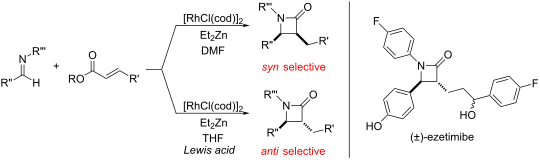
- asymmetric Mannich reaction using a Lewis acid catalyst [1]. (L)-Proline is known as an excellent promoter for the Mannich reaction [2][3][4][5][6], and besides this, the reaction of the silyl enol ether derivatives with imines was used as an effective method [7][8][9]. In this situation, a wide variety of


Multicomponent reactions: A simple and efficient route to heterocyclic phosphonates
Beilstein J. Org. Chem. 2016, 12, 1269–1301, doi:10.3762/bjoc.12.121
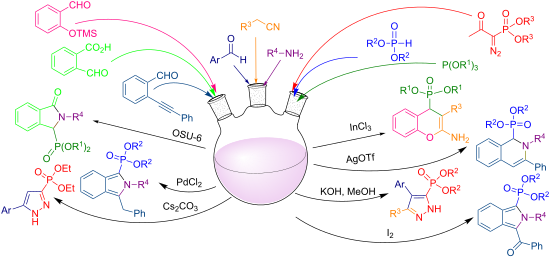
- ]. The desired phosphono-substituted pyrroles were isolated in 41–87% yield under solvent and catalyst-free conditions. Kaboudin et al. described a three-component, catalyst-free decarboxylative coupling of proline (296) with aldehydes 297 and dialkyl phosphonates to afford pyrrolidinylphosphonates 300
- . The corresponding pyrrolidinylphosphonates 300 were isolated in 43–86% yields under refluxing in toluene (Scheme 61) [99]. The reaction was proposed to proceed through the condensation of proline with an aldehyde under formation of oxazolidin-5-ones 298 followed by decarboxylation to give the
- proline with aldehydes and dialkyl phosphites for the synthesis of pyrrolidinylphosphonates. Three-component domino aza-Wittig/phospha-Mannich sequence for the phosphorylation of isatin derivatives. Stereoselective synthesis of phosphorylated trans-1,5-benzodiazepines via a one-pot three-component


Catalytic asymmetric synthesis of biologically important 3-hydroxyoxindoles: an update
Beilstein J. Org. Chem. 2016, 12, 1000–1039, doi:10.3762/bjoc.12.98
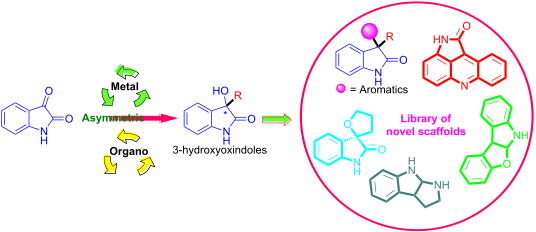
- proline and its derivatives [31]. Recently, Hoveyda and co-workers designed a novel amino acid amide catalyst (cat. 4) for the asymmetric addition of unsaturated organoboranes to carbonyls and imines, producing the corresponding enantiomerically pure alcohols and amines in excellent yields [32]. As shown
- cyanomethylation of isatins with cyanoacetic acid using the L-proline-derived thiourea as the catalyst (cat. 30), giving the cyanomethylated products in good yields (up to 82%) and with excellent enantioselectivities (up to 90% ee, Scheme 44) [61]. The reactions were performed in methyl tert-butyl ether at room