Search results
Search for "small molecules" in Full Text gives 240 result(s) in Beilstein Journal of Organic Chemistry. Showing first 200.
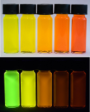
Emission solvatochromic, solid-state and aggregation-induced emissive α-pyrones and emission-tuneable 1H-pyridines by Michael addition–cyclocondensation sequences
Beilstein J. Org. Chem. 2019, 15, 2684–2703, doi:10.3762/bjoc.15.262
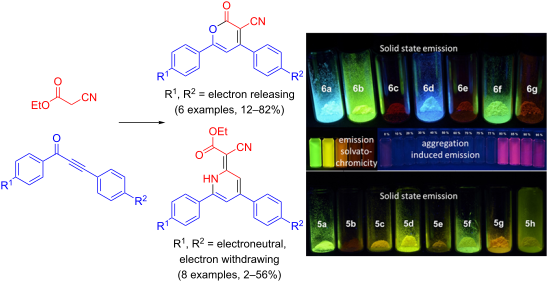
- prerequisites for the application of fluorescent substances in chemistry, medicine and materials science [1]. With this respect emissive small molecules [2], fluorescent proteins [3], and quantum dots have received considerable attention and remarkable progress in their synthesis and photophysics has been




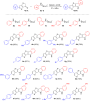
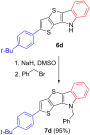
Synthesis of aryl-substituted thieno[3,2-b]thiophene derivatives and their use for N,S-heterotetracene construction
Beilstein J. Org. Chem. 2019, 15, 2678–2683, doi:10.3762/bjoc.15.261

- ]thiophene; thieno[2',3':4,5]thieno[3,2-b]indole; Introduction The thieno[3,2-b]thiophene (TT) unit is highly demanded in modern organic synthesis since TT-based compounds have a variety of applications, e.g., in the field of organic electronics. Indeed, TT-based polymers and small molecules are used as



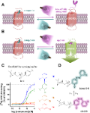
A toolbox of molecular photoswitches to modulate the CXCR3 chemokine receptor with light
Beilstein J. Org. Chem. 2019, 15, 2509–2523, doi:10.3762/bjoc.15.244
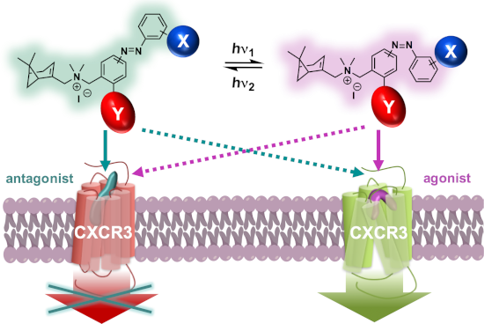
- explored on GPCRs targeted endogenously by small molecules [3][4][11][16][17][18][19][20], small peptides [5][13] and larger peptides [7][21][22]. Most of the targeted GPCRs belong to the three rhodopsin-, secretin- and glutamate-like subfamilies and involve GPCRs that endogenously bind small-molecule



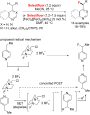
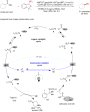
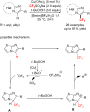
Recent advances in transition-metal-catalyzed incorporation of fluorine-containing groups
Beilstein J. Org. Chem. 2019, 15, 2213–2270, doi:10.3762/bjoc.15.218
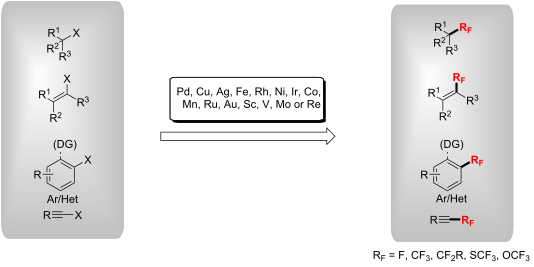
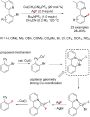
- the electrophilic fluorination reagent F-TEDA-PF6 (Scheme 53). Also, the reaction was applied to late-stage fluorination of small molecules. However, this method uses toxic arylstannanes as starting materials and requires an additional synthetic step from the triflate or halide to the stannanes











Azologization and repurposing of a hetero-stilbene-based kinase inhibitor: towards the design of photoswitchable sirtuin inhibitors
Beilstein J. Org. Chem. 2019, 15, 2170–2183, doi:10.3762/bjoc.15.214
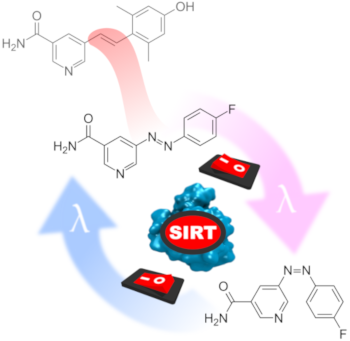
- the biological activity of small molecules in vitro or in vivo comprises numerous opportunities for example in the elucidation of biochemical pathways or the reduction of systemic side effects in drug therapy. Molecular photoswitches, i.e., compounds that undergo changes in their geometry and


Archangelolide: A sesquiterpene lactone with immunobiological potential from Laserpitium archangelica
Beilstein J. Org. Chem. 2019, 15, 1933–1944, doi:10.3762/bjoc.15.189
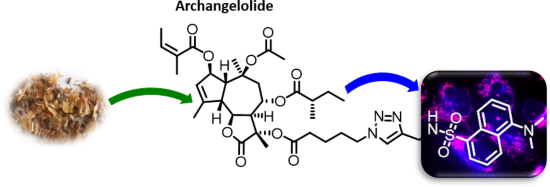
- . Immunobiological properties of compound 1 SLs, natural compounds predominantly isolated from the species Asteraceae and Apiaceae represent a rich source of small molecules with potential pharmacological effects. Indeed, some of them have reached clinical applications as antimalarial (artemisinin; [24]) or




Mechanochemistry of supramolecules
Beilstein J. Org. Chem. 2019, 15, 881–900, doi:10.3762/bjoc.15.86
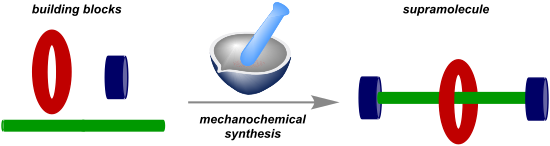
- [7] followed by the lock-and-key concept of Emil Fischer in 1894 [8]. Weak or non-covalent interactions had been used systematically in the early 1960s by Lehn, Cram and Pederson to create targeted supramolecular architectures [9]. Small molecules, anions or cations could be assembled spontaneously


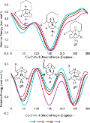
Strong hyperconjugative interactions limit solvent and substituent influence on conformational equilibrium: the case of cis-2-halocyclohexylamines
Beilstein J. Org. Chem. 2019, 15, 818–829, doi:10.3762/bjoc.15.79
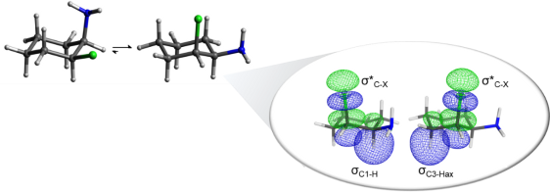
- interactions along the series. The strongly shifted and non-sensitive conformational equilibrium governed by a strong hyperconjugative interaction in cis-2-halocyclohexylamines shows that the conformational analysis of small molecules can still provide surprising results. Experimental Synthesis trans-2





Synthesis of acylglycerol derivatives by mechanochemistry
Beilstein J. Org. Chem. 2019, 15, 811–817, doi:10.3762/bjoc.15.78
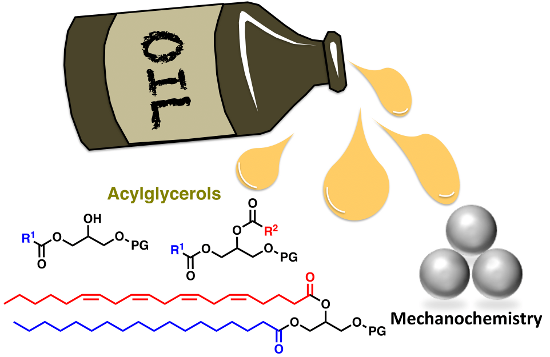
- ]. Among the variety of amphipathic or hydrophobic small molecules that exhibit a lipid structure, diacylglycerols (DAGs) are important due to their signaling functions in cells (DAG signaling) [22][23][24]. Structurally, DAGs are glycerolipids containing two fatty acids esterified to the alcohol glycerol


Azologization of serotonin 5-HT3 receptor antagonists
Beilstein J. Org. Chem. 2019, 15, 780–788, doi:10.3762/bjoc.15.74
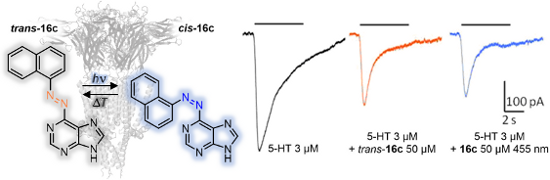
- ) [41] or photochromic ligands (PCLs) [31][42]. The latter ones represent small molecules, which can either be engineered via extension of the chemical structure of a known pharmacophore towards a photochromic moiety or via replacement of certain parts of the biomolecule to generate a photochromic


Back to the future: Why we need enzymology to build a synthetic metabolism of the future
Beilstein J. Org. Chem. 2019, 15, 551–557, doi:10.3762/bjoc.15.49
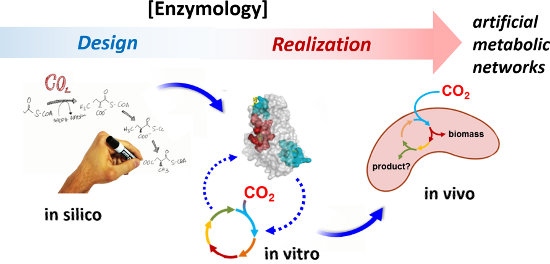
- there are likely to be hundreds if not thousands of unknown reactions and metabolites, often described as catalytic or metabolic “dark matter” [53][60]. Thus, a more detailed understanding of the promiscuity of native enzymes and the interaction of small molecules with the native regulatory network of


LCST phase behavior of benzo-21-crown-7 with different alkyl chains
Beilstein J. Org. Chem. 2019, 15, 437–444, doi:10.3762/bjoc.15.38
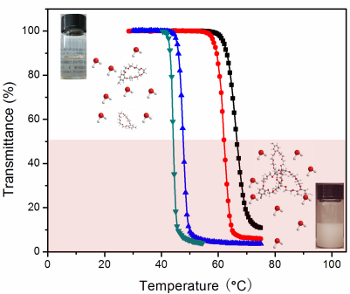
- interactions can realize controlled release and product separation in complex supramolecular systems [35]. More options of small molecules with LCST properties not only give rise to more flexibility for LCST systems and thermo-responsive materials, but would be a great advantage for functionalization. In our


Adhesion, forces and the stability of interfaces
Beilstein J. Org. Chem. 2019, 15, 106–129, doi:10.3762/bjoc.15.12
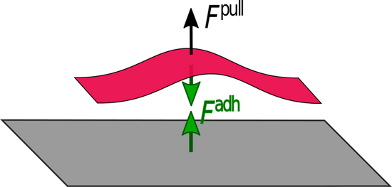
- atom positions. Interactions between atoms or small molecules with closed-shell electron configurations having stabilization energies of up to 50 kJ/mol are typical weak interactions. They are smaller by a factor of roughly ten than Coulomb interactions or covalent bonding. It is a characteristic of
- center. This is justified for small molecules, but this expansion slowly converges or fails for large molecular systems. In molecular orbital theory, the slow convergence of single-center expansions of molecular orbitals, which is mathematically equivalent to the multipole expansion, was cured by the use
- types laying the focus on the role of dispersion interactions. We show that dispersion interactions are essential for the correct description of the structure and stability of systems composed of subsystems, such as dimers or clusters of small molecules, or interfaces between large adsorbents and


Fabrication of supramolecular cyclodextrin–fullerene nonwovens by electrospinning
Beilstein J. Org. Chem. 2019, 15, 89–95, doi:10.3762/bjoc.15.10
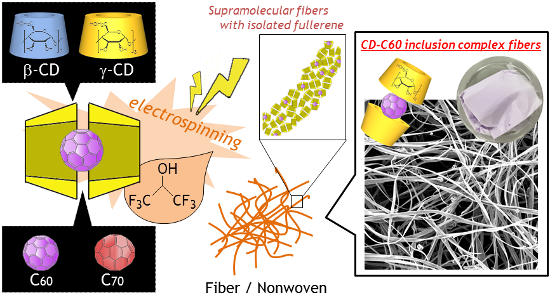
- Abstract Direct electrospinning of small molecules has great potential to fabricate a new class of fiber materials because this approach realizes the creation of various functional materials through the numerous molecular combinations. In this paper, we demonstrate a proof-of-concept to fabricate
- can be assembled into fibers/nonwovens by electrospinning. This result supports the notion that even small molecules (low-molecular weight compounds) with relatively weak inter/intramolecular interactions can be spun similar to the case of polymers. Since then, several small molecules, including
- the concentration for general polymer electrospinning. In addition to the academic potential of spinning small molecules, it may open new industrial applications. However, the functionalization of fiber materials composed of small molecules remains a challenging task. A reasonable approach to


Synthesis, biophysical properties, and RNase H activity of 6’-difluoro[4.3.0]bicyclo-DNA
Beilstein J. Org. Chem. 2019, 15, 79–88, doi:10.3762/bjoc.15.9
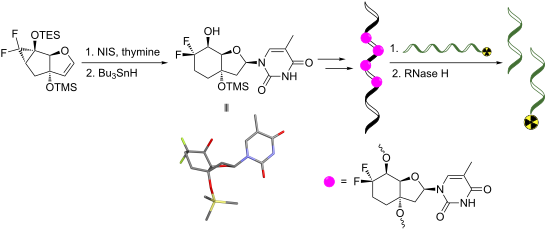
- ; Introduction The fluorine atom is a very attractive substituent in medicinal chemistry due to the beneficial biological effects induced by this atom on the overall drug behaviour [1][2][3][4][5]. The positive influences on the drug behaviour is not limited to small molecules but is also valid for antisense


Regioselective addition of Grignard reagents to N-acylpyrazinium salts: synthesis of substituted 1,2-dihydropyrazines and Δ5-2-oxopiperazines
Beilstein J. Org. Chem. 2019, 15, 72–78, doi:10.3762/bjoc.15.8

- ]. Due to their appearance in an array of biologically active small molecules and natural products, efficient synthetic routes into this class of privileged structures would be very beneficial [7][8]. One approach towards their synthesis involves the addition of nucleophiles to activated pyrazines. We
- -triflate pyrazinium salts to also generate γ-lactones [12]. Grignard reagents have been used as nucleophiles on a variety of N-acyl-activated pyridines in the production of natural products and biologically active small molecules [13][14][15][16][17][18][19][20]. To our surprise, there are no reports on
- their presence in a variety of biologically active small molecules and natural products [23][24][25][26][27][28][29][30]. We previously reported that 3-methoxy-1,2-dihydropyrazines can be easily converted to Δ5-2-oxopiperazines using 1 M HCl(aq) in methanol [9]. When we applied these acidic conditions

Protein–protein interactions in bacteria: a promising and challenging avenue towards the discovery of new antibiotics
Beilstein J. Org. Chem. 2018, 14, 2881–2896, doi:10.3762/bjoc.14.267
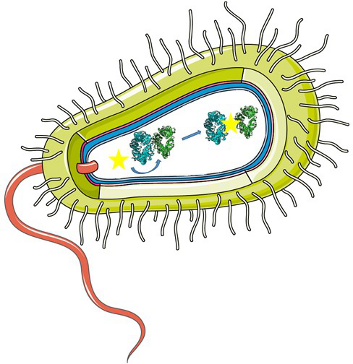
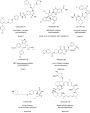
- disrupts the LFA-1/ICAM-1 interaction used for the treatment of dry eye disease [31][32], and tirofiban (6, Figure 2), a platelet glycoprotein IIb/IIIa inhibitor indicated in acute coronary syndrome [33]. In addition to small molecules, natural products have been shown to be able to modulate protein
- antibacterial effects. In addition to small molecules, peptides have also been investigated as disruptors of protein–protein interactions in the sliding clamp. A structure-based approach, using the natural pentapeptide QL(S/D)LF (8, Figure 3) as a template, led to the identification of the short peptide P6 (16
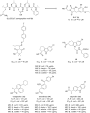
- the bacterial interactome without impacting the eukaryotic cell processes. Keck and co-workers identified four small molecules that disrupt the Escherichia coli SSB interaction with one of its well-studied binding partners, exonuclease I (ExoI) [75]. The screening by means of a high-throughput




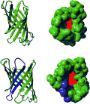
Olefin metathesis catalysts embedded in β-barrel proteins: creating artificial metalloproteins for olefin metathesis
Beilstein J. Org. Chem. 2018, 14, 2861–2871, doi:10.3762/bjoc.14.265
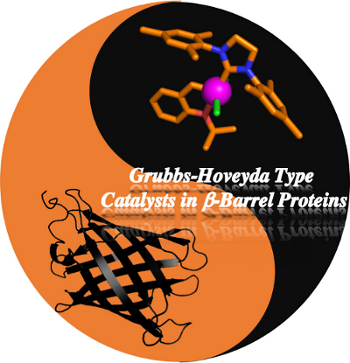
- Gram-negative bacteria [38]. They constitute up to 24 strands, require sophisticated assembly machineries for membrane integration [39] and are usually “plugged” by hydrophilic loops and helices that either ensure the binding of small molecules, or their (energy-dependent) transport across the outer


Ring-opening metathesis of some strained bicyclic systems; stereocontrolled access to diolefinated saturated heterocycles with multiple stereogenic centers
Beilstein J. Org. Chem. 2018, 14, 2698–2707, doi:10.3762/bjoc.14.247
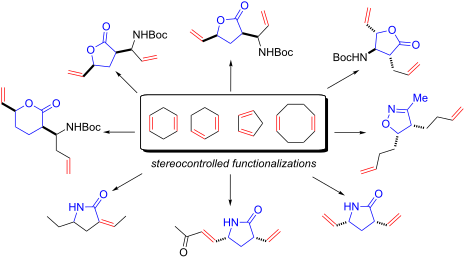
- powerful and widely applied methodology for the synthesis of such derivatives, including alkenylated molecular scaffolds with multiple stereogenic centers [14][15][16] and references cited therein. Diversity-oriented synthesis (DOS), with the aim of the preparation of structurally diverse elements of small
- molecules, has become increasingly important in drug research, and well recognized as a common approach to generate molecular libraries. Results with respect to the various strategies utilized in DOS with special focus on selective and stereocontrolled methods have been published [17][18][19][20]. The major


Non-native autoinducer analogs capable of modulating the SdiA quorum sensing receptor in Salmonella enterica serovar Typhimurium
Beilstein J. Org. Chem. 2018, 14, 2651–2664, doi:10.3762/bjoc.14.243
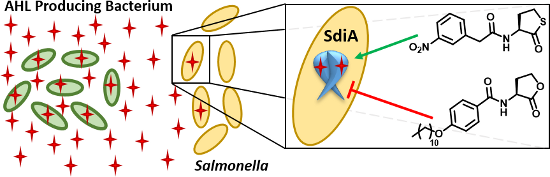
- , Klebsiella, and Enterobacter genera that responds to AHL signals produced by other species and regulates genes involved in several aspects of host colonization. The inhibition of QS using non-native small molecules that target LuxR-type receptors offers a non-biocidal approach for studying, and potentially
- controlling, virulence in these bacteria. To date, few studies have characterized the features of AHLs and other small molecules capable of SdiA agonism, and no SdiA antagonists have been reported. Herein, we report the screening of a set of AHL analogs to both uncover agonists and antagonists of SdiA and to



The design and synthesis of an antibacterial phenothiazine–siderophore conjugate
Beilstein J. Org. Chem. 2018, 14, 2646–2650, doi:10.3762/bjoc.14.242
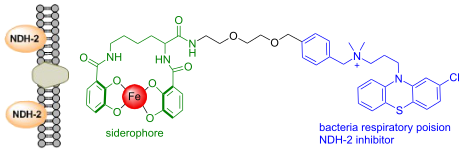
- conjugates can demonstrate enhanced uptake and internalisation to the bacterial cell resulting in significantly reduced MIC values and extended spectrum of activity. Phenothiazines are a class of small molecules that have been identified as a potential treatment for multidrug resistant tuberculosis and


Pathoblockers or antivirulence drugs as a new option for the treatment of bacterial infections
Beilstein J. Org. Chem. 2018, 14, 2607–2617, doi:10.3762/bjoc.14.239
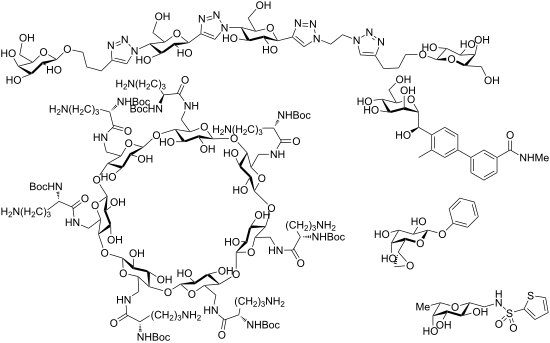
- target the Bacillus anthracis toxin. It is likely that small molecules will also benefit from the knowhow obtained during the antibody-related clinical studies and it is probably only a matter of time before a small molecule drug is approved. Pore forming toxins constitute another large set of virulence
- ]. Despite the challenges associated with the large size of the pore structures, small molecules have also been widely studied as antitoxins and there are examples at various stages of the discovery process [51]. An important example of this concept is the application of cyclodextrins as anti-infectives [57
- infections [61]. While not typically classed as toxins, bacterial proteolytic enzymes, such as collagenases or elastases, often account for host cell damage and immune evasion. Janda and co-workers developed thiol-based small molecules targeting the active site zinc ion in P. aeruginosa elastase LasB showing




Synthesis of new tricyclic 5,6-dihydro-4H-benzo[b][1,2,4]triazolo[1,5-d][1,4]diazepine derivatives by [3+ + 2]-cycloaddition/rearrangement reactions
Beilstein J. Org. Chem. 2018, 14, 1826–1833, doi:10.3762/bjoc.14.155
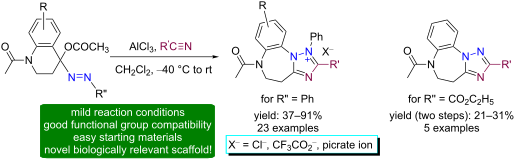
- drug-like profiles such as good anticonvulsant activity against acutely elicited seizure, particularly for the central nervous system [1][2][3][4][5]. Many biologically active small molecules with such a core structure have been marketed for the treatment of various diseases, mostly as psychotropic




Hyper-reticulated calixarene polymers: a new example of entirely synthetic nanosponge materials
Beilstein J. Org. Chem. 2018, 14, 1498–1507, doi:10.3762/bjoc.14.127

- cross-linked polymers [37] in general, and of NSs in particular. Therefore, it is progressively assuming an importance comparable to that of liquid-state NMR for “small” molecules. The 13C{1H} CP-MAS spectra of materials CaNS1–CaNS4 are shown synoptically in Figure 2a. The spectra clearly present all


An overview of recent advances in duplex DNA recognition by small molecules
Beilstein J. Org. Chem. 2018, 14, 1051–1086, doi:10.3762/bjoc.14.93
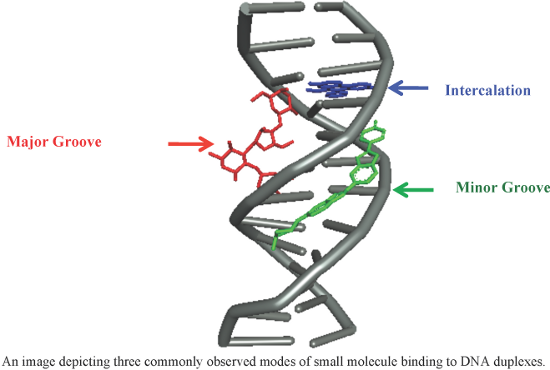
- . This review presents the latest findings in the pursuit of novel synthetic DNA binders. This article provides recent coverage of major strategies (such as groove recognition, intercalation and cross-linking) adopted in the duplex DNA recognition by small molecules, with an emphasis on major works of
- expression has been long perceived and successfully demonstrated as a means of therapeutic development. Since DNA–protein interactions involve significant contacts in the major and minor grooves of DNA for error-free readout, small molecules (natural and synthetic) that bind strongly in the grooves have been
- structures. These variations in the groove widths and shapes shed light on the challenges in programmed DNA recognition in a sequence and shape selective manner. DNA recognition by small molecules can be divided in two broad categories: covalent and non-covalent. Covalent binding (e.g., cis-platin binding to