


Search results
Search for "Carbohydrate" in Full Text gives 310 result(s) in Beilstein Journal of Organic Chemistry. Showing first 200.
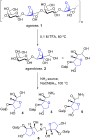
Aqueous semisynthesis of C-glycoside glycamines from agarose
Beilstein J. Org. Chem. 2017, 13, 1222–1229, doi:10.3762/bjoc.13.121

- . The unpolymerized product shows AnGal as a C-threofuranose motif [7] (see agarobiose, 2, Scheme 1) and because C-glycosides are useful moieties for chemical synthesis and medicinal chemistry, agarose hydrolysis products can be considered interesting carbohydrate-based building blocks [8] to be
- laboratories and will be subject of a forthcoming publication. Experimental Reductive amination general procedure Carbohydrate aldehyde hydrate (1.5 mmol) was dissolved in water (25 mL) then ammonium salts (40 equiv) or methylamine hydrochloride (30 equiv) or dimethylamine hydrochloride (8.5 equiv) were added



Glycoscience@Synchrotron: Synchrotron radiation applied to structural glycoscience
Beilstein J. Org. Chem. 2017, 13, 1145–1167, doi:10.3762/bjoc.13.114
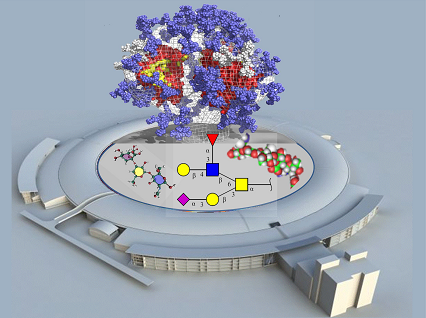
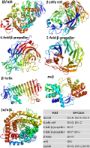
- molecules and macromolecules that form the collection of substrates investigated by glycoscience. The present review illustrates how synchrotron-based experiments have contributed to our understanding in the field of structural glycobiology. Structural characterization of protein–carbohydrate interactions
- of polysaccharides. Insights into the kinetics of catalytic events observed in the crystalline state are also presented as well as some aspects of structure determination of protein in solution. Keywords: antibodies; carbohydrate binding domains; cellulose; glycosaminoglycans; glycolipids; glycosyl
- to some key areas of glycoscience potentially of interest to the growing number of non-specialist users. Structural characterization of protein–carbohydrate interactions are covered as well as some involving glycolipids and colloids and the structure and architecture of polysaccharides. Insights into






Urea–hydrogen peroxide prompted the selective and controlled oxidation of thioglycosides into sulfoxides and sulfones
Beilstein J. Org. Chem. 2017, 13, 1139–1144, doi:10.3762/bjoc.13.113
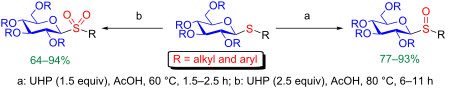
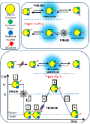
- role in carbohydrate synthesis. Thioglycosides, glycosyl sulfoxides and sulfones have been widely used as glycosyl donors in oligosaccharide synthesis which can be activated under mild reaction conditions [5][6][7][8][9][10]. Glycosyl sulfoxide donors usually provide excellent anomeric selectivity

Correction: Fluorescent carbon dots from mono- and polysaccharides: synthesis, properties and applications
Beilstein J. Org. Chem. 2017, 13, 1136–1138, doi:10.3762/bjoc.13.112
- residues in Scheme 15; the corrected scheme (Scheme 2) is shown below: The carbohydrate polymers in Schemes 20 and 22 were depicted as poly-peroxide with one oxygen atom too many in the repeating unit, repectively; the corrected schemes (Scheme 3 and Scheme 4) are shown below: Corrected Scheme 9 of the


An eco-compatible strategy for the diversity-oriented synthesis of macrocycles exploiting carbohydrate-derived building blocks
Beilstein J. Org. Chem. 2017, 13, 1106–1118, doi:10.3762/bjoc.13.110
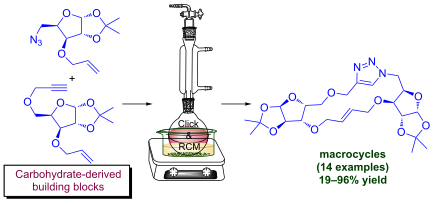
- potential of the new eco-compatible approach for the macrocyclic library generation. Keywords: carbohydrate; click chemistry; diversity-oriented synthesis; macrocycles; ring-closing metathesis; Introduction Macrocycles offer very complex molecular architectures with a diverse range of ring sizes decorated
- with many functional groups found application in pharmaceuticals, agrochemicals, cosmetics and materials science [1][2][3][4]. Carbohydrate-embedded macrocycles represent an important class of macrocyclic compounds in which at least two bonds from a monosaccharide residue form a part of the macrocyclic
- easily available commercial products and are well-endowed with functionalities which enable them to establish catalytic sites as well as secondary binding sites [56]. The abundance of various functional groups in the carbohydrate precursor allows for easy access to multiple building blocks by


Glyco-gold nanoparticles: synthesis and applications
Beilstein J. Org. Chem. 2017, 13, 1008–1021, doi:10.3762/bjoc.13.100
- biological events [1]. Nevertheless, carbohydrates interact with their ligands in a very weak manner, so much faint that nature found in the multi-presentation (the so called “glycocalix”) a solution to have efficient carbohydrate interactions. In fact, the sum of binding affinities for single and isolated
- interaction is ever lower than those measured when a glyco-multivalent presentation is exploited [2]. Following nature’s design, carbohydrate multivalent systems are, at the present time, the most common strategy used to study weak carbohydrate–carbohydrate or carbohydrate–protein interactions and the
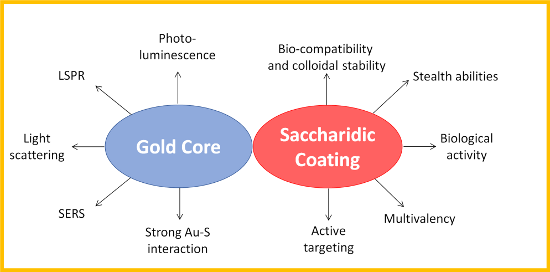
- , gold can be easily and covalently decorated on its surface by exploiting the strong soft–soft interaction between a Au atom and sulfur [8]. Therefore, glyco-gold nanoparticles (GAuNPs) represent a smart, multimodal and versatile nanoplatform to develop carbohydrate-based nanotechnology and nanomedicine


Total synthesis of TMG-chitotriomycin based on an automated electrochemical assembly of a disaccharide building block
Beilstein J. Org. Chem. 2017, 13, 919–924, doi:10.3762/bjoc.13.93
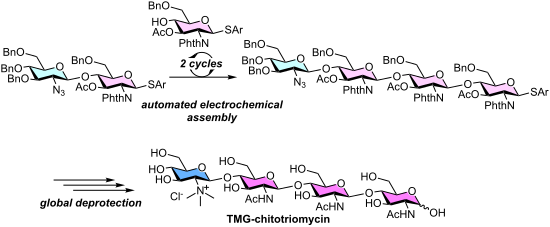
- -chitotriomycin using an automated electrochemical synthesizer for the assembly of carbohydrate building blocks is demonstrated. We have successfully prepared a precursor of TMG-chitotriomycin, which is a structurally-pure tetrasaccharide with typical protecting groups, through the methodology of automated
- synthesizer for the automated electrochemical assembly of carbohydrate building blocks [25]. During the course of our study, we have achieved the synthesis of a potential precursor of TMG-chitotriomycin (1); however, we obtained the tetrasaccharide as a mixture of α- and β-isomers in the terminal glycosidic
- reactions were performed under an Ar atmosphere unless otherwise noted. Materials All materials including solvents were purchased and used without further purification. Carbohydrate building blocks 2a, 2b, and 4 were prepared according to an previous report [11]. Automated synthesis of TMG-chitotriomycin


Expression, purification and structural analysis of functional GABA transporter 1 using the baculovirus expression system
Beilstein J. Org. Chem. 2017, 13, 874–882, doi:10.3762/bjoc.13.88
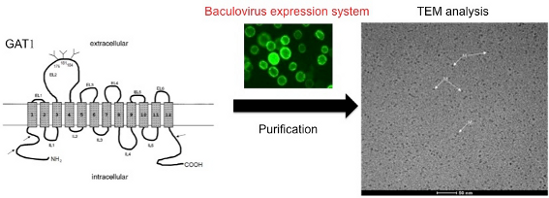
- Jing Hu Chris Weise Christoph Bottcher Hua Fan Jian Yin Wuxi School of Medicine, Key Laboratory of Carbohydrate Chemistry and Biotechnology, Ministry of Education, Jiangnan University, Lihu Avenue 1800, 214122, Wuxi, China Institut für Biochemie und Molekularbiologie, Campus Benjamin Franklin
- 63, Berlin D-14195, Germany Institut für Laboratoriumsmedizin, Klinische Chemie und Pathobiochemie, Charité Universitätsmedizin Berlin, Berlin D-13353, Germany Key Laboratory of Carbohydrate Chemistry and Biotechnology, Ministry of Education, School of Biotechnology, Jiangnan University, Lihu



Opportunities and challenges for the sustainable production of structurally complex diterpenoids in recombinant microbial systems
Beilstein J. Org. Chem. 2017, 13, 845–854, doi:10.3762/bjoc.13.85
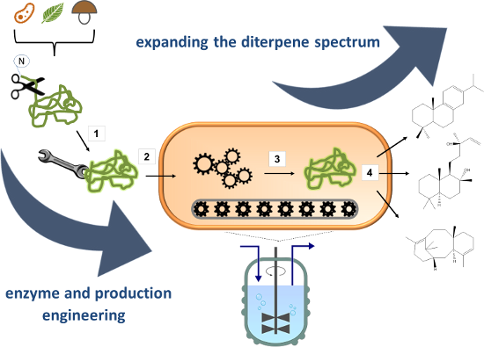
- bacterial host is often not trivial due to complex metabolic coherences. The essential steps in establishing successful production of diterpenoid carbohydrate backbones in heterologous systems can be partitioned into three following areas: 1: formation of central isoprenoid precursors, 2: combination of C5


Synthesis of D-manno-heptulose via a cascade aldol/hemiketalization reaction
Beilstein J. Org. Chem. 2017, 13, 795–799, doi:10.3762/bjoc.13.79

- evaluation of carbohydrate–lectin interactions by conjugation with fluorescent quantum dots via click chemistry [13][14]. Besides, differentially protected D-manno-heptulose building blocks could serve as valuable precursors for the synthesis of C-glycosides [15][16]. The known synthesis of D-manno-heptulose
- protected ketoheptose building block is still attractive due to the versatile functionalization possibilities of the building block into various derivatives of D-manno-heptulose. A de novo synthesis has proved to be an attractive strategy to produce orthogonally protected carbohydrate building blocks from


Cyclodextrins tethered with oligolactides – green synthesis and structural assessment
Beilstein J. Org. Chem. 2017, 13, 779–792, doi:10.3762/bjoc.13.77
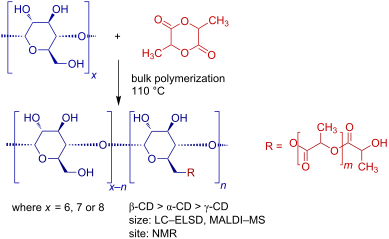
- The properties of cyclodextrin-oligoester covalent conjugates, situated at the border of low and high molecular weight compounds can be influenced by both the carbohydrate and the oligoester components. The properties of such materials like solubility, miscibility with other materials, inclusion




Fluorescent carbon dots from mono- and polysaccharides: synthesis, properties and applications
Beilstein J. Org. Chem. 2017, 13, 675–693, doi:10.3762/bjoc.13.67
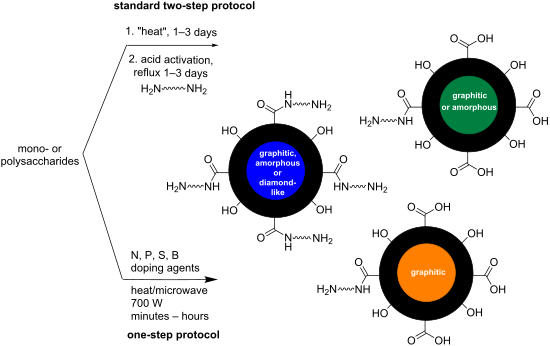
- which to synthesise FCDs with distinct features and interesting applications. This mini-review article will cover the progress in the development of FCDs prepared from carbohydrate sources with an emphasis on their synthesis, functionalization and technical applications, including discussions on current
- [13][24]. Similarly, important carbohydrate-based biopolymers such as cellulose, chitin, chitosan, dextran, cyclodextrin, and hyaluronic acid, which differ not only in elemental composition, but also in chemo-physical properties, have also been successfully utilised in the preparation of CDs, where
- our knowledge, the first reported example involving a carbohydrate moiety (Scheme 1) [18]. The water-soluble nanoparticles exhibited an amorphous core, as deduced by X-ray diffraction (XRD), while Fourier-transformed infrared (FTIR) spectroscopy analysis indicated the presence of a range of oxygen


Exploring endoperoxides as a new entry for the synthesis of branched azasugars
Beilstein J. Org. Chem. 2017, 13, 644–647, doi:10.3762/bjoc.13.63

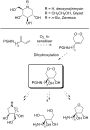
- these building blocks provided access to a variety of derivatives including tetrahydrofurans, epoxides and protected amino-tetraols. Keywords: azasugar; carbohydrate; cycloaddition; endoperoxide; photochemistry; Introduction Azasugars are small organic compounds that can mimic carbohydrates or their
- in treatment of type I Gaucher’s disease and Niemann Pick type C disease (Scheme 1). Historically, azasugars were most commonly synthesised from available carbohydrate starting materials, a strategy that is still extensively employed today [4][5]. However, a variety of alternative synthetic



Biosynthetic origin of butyrolactol A, an antifungal polyketide produced by a marine-derived Streptomyces
Beilstein J. Org. Chem. 2017, 13, 441–450, doi:10.3762/bjoc.13.47
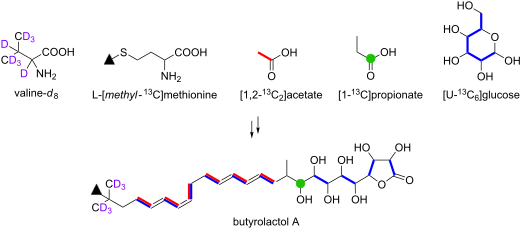
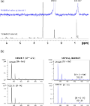
- /carbohydrate/nucleic acid derivatives [1][2]. One of the largest groups of bacterial secondary metabolites is polyketide from which a range of clinically used drugs have been developed. Polyketides still remain in the focus of drug development because of their structural complexity that can provide attractive



Total synthesis of a Streptococcus pneumoniae serotype 12F CPS repeating unit hexasaccharide
Beilstein J. Org. Chem. 2017, 13, 164–173, doi:10.3762/bjoc.13.19
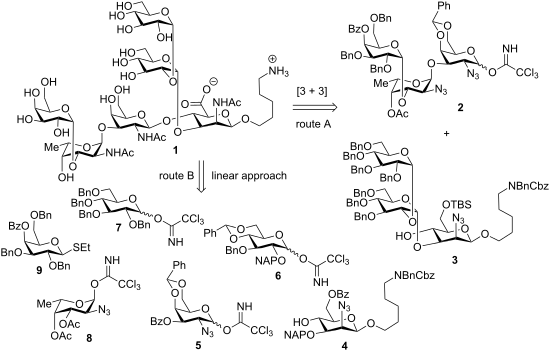
- ] strategy that was not successful due to steric constraints. The synthetic hexasaccharide is the starting point for further immunological investigations. Keywords: carbohydrate antigen; glycosylation; oligosaccharides; Streptococcus pneumoniae; total synthesis; Introduction Streptococcus pneumoniae is a
- polysaccharides (CPS) that surround them, are responsible for about 90% of infections worldwide [7]. The licensed polysaccharide vaccine Pneumovax 23 contains serotype 12F but is not efficacious in young children or elderly people, those at highest risk. The carbohydrate conjugate vaccines Prevanar13™ and


Silyl-protective groups influencing the reactivity and selectivity in glycosylations
Beilstein J. Org. Chem. 2017, 13, 93–105, doi:10.3762/bjoc.13.12

- silylene protective groups are also becoming increasingly popular. In carbohydrate chemistry silyl protective groups have frequently been used primarily as an orthogonal protective group to the more commonly used acyl and benzyl protective groups. However, silyl protective groups have significantly
- or high stereoselectivity. This mini review will summarize these findings. Keywords: Carbohydrate; conformation; glycosylation; reactivity; selectivity; Introduction Silicon-based protective groups of alcohols have a long history in organic chemistry [1][2][3]. The most popular and commercially
- available silyl-protective groups are trimethylsilyl (TMS), triethylsilyl (TES), tert-butyldimethylsilyl (TBS), tert-butyldiphenylsilyl (TBDPS), triisopropylsilyl (TIPS) as well as the diol-protective groups DTBS and TIPDS (Figure 1). Silyl groups have also early been used in the carbohydrate field to


Iodination of carbohydrate-derived 1,2-oxazines to enantiopure 5-iodo-3,6-dihydro-2H-1,2-oxazines and subsequent palladium-catalyzed cross-coupling reactions
Beilstein J. Org. Chem. 2016, 12, 2898–2905, doi:10.3762/bjoc.12.289

- Michal Medvecky Igor Linder Luise Schefzig Hans-Ulrich Reissig Reinhold Zimmer Freie Universität Berlin, Institut für Chemie und Biochemie, Takustrasse 3, D-14195 Berlin, Germany 10.3762/bjoc.12.289 Abstract Iodination of carbohydrate-derived 3,6-dihydro-2H-1,2-oxazines of type 3 using iodine and
- studied syntheses and applications of 3,6-dihydro-2H-1,2-oxazines of type 3 [1][2]. These N,O-heterocycles are easily prepared in enantiopure form by a stereodivergent [3 + 3] cyclization of carbohydrate-derived nitrones 2 and lithiated alkoxyallenes 1 (Scheme 1) [3][4]. Subsequently we investigated
- -alkoxy-γ-amino-aldehydes and ketones [14]. In this context, a series of publications of our group reported on syntheses of carbohydrate mimetics [15][16][17][18][19][20] that are based on aminopyrans, aminooxepanes or other aminopolyols and that were examined for example as ligands of L- and P-selectin


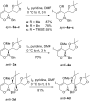


O-Alkylated heavy atom carbohydrate probes for protein X-ray crystallography: Studies towards the synthesis of methyl 2-O-methyl-L-selenofucopyranoside
Beilstein J. Org. Chem. 2016, 12, 2828–2833, doi:10.3762/bjoc.12.282

- carbohydrate epitopes with O-alkylated ring hydroxy groups. In this context, we report the first synthesis of an O-methylated selenoglycoside, specifically methyl 2-O-methyl-L-selenofucopyranoside, a ligand of the lectin tectonin-2 from the mushroom Laccaria bicolor. The synthetic route required a strategic
- : carbohydrate chemistry; fucose; lectin; selenoglycoside; Introduction Since the discovery of seleno mercaptan by Siemens in 1847 [1], organoselenium compounds have attracted high attention. Besides their biological and pharmaceutical relevance, e.g., selenocysteine or ebselen [2][3][4][5], selenium-containing
- complex with selenium-containing ligands can enable the phase determination without the need for recombinant incorporation of amino acid analogues. Buts et al. first reported the use of a selenoglycoside as ligand for a carbohydrate-binding protein, and its use for X-ray crystallographic structure


Orthogonal protection of saccharide polyols through solvent-free one-pot sequences based on regioselective silylations
Beilstein J. Org. Chem. 2016, 12, 2748–2756, doi:10.3762/bjoc.12.271

- ), although, as shown earlier in Table 2, entry 4, direct silylation of the same precursor was quite unfruitful. Conclusion In the first part of this paper we have introduced a very simple approach to carry out the selective TBDMS or TBDPS protection of carbohydrate polyols taking advantage of reactions


Benzothiadiazole oligoene fatty acids: fluorescent dyes with large Stokes shifts
Beilstein J. Org. Chem. 2016, 12, 2739–2747, doi:10.3762/bjoc.12.270
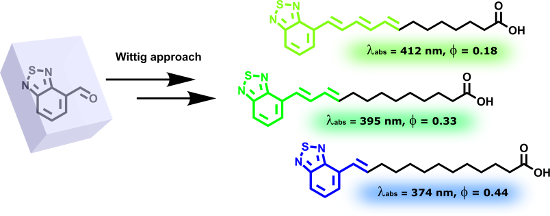
- as the carbohydrate part of glycolipids [7][8]. A further alternative is to render the lipid and especially the fatty acid part fluorescently active by the introduction of fluorescent moieties (Figure 1). Prominent examples in this area are NBD- (nitrobenzoxadiazole) [9][10], BODIPY- (boron


Enzymatic synthesis and phosphorolysis of 4(2)-thioxo- and 6(5)-azapyrimidine nucleosides by E. coli nucleoside phosphorylases
Beilstein J. Org. Chem. 2016, 12, 2588–2601, doi:10.3762/bjoc.12.254

- transglycosylation reaction of the corresponding thioxopyrimidines employing thymidine as a donor of the carbohydrate residue and E. coli TP as a biocatalyst [35]; 6-azauracil (3a) and 6-azathymine (4a) displayed no substrate activity in analogous reactions (cf. [26][27][28][29]). These studies prompted us to


Efficient mechanochemical synthesis of regioselective persubstituted cyclodextrins
Beilstein J. Org. Chem. 2016, 12, 2364–2371, doi:10.3762/bjoc.12.230
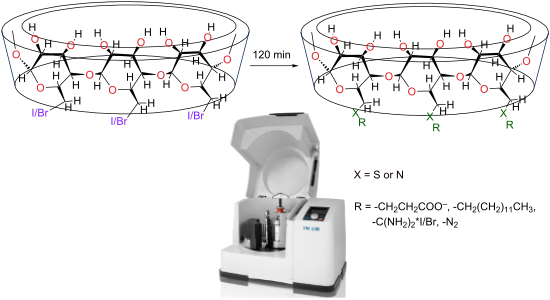
- simplicity and flexibility [18][19][20][21]. While the mechanochemical manipulation of covalent bonds is hardly a brand new concept, its diffusion into carbohydrate chemistry, and particularly into CD derivatization, has been rather slow [22][23]. The ability of HEBM to favour the nucleophilic substitution


Useful access to enantiomerically pure protected inositols from carbohydrates: the aldohexos-5-uloses route
Beilstein J. Org. Chem. 2016, 12, 2343–2350, doi:10.3762/bjoc.12.227

- the stereoselective synthesis of enantiopure inositol derivatives, also the possibility to pick and tag specific positions of the inositol ring, installing the protective groups earlier on the carbohydrate frame through the well-known sugar chemistry, is of extreme interest. Although some attractive


Isosorbide and dimethyl carbonate: a green match
Beilstein J. Org. Chem. 2016, 12, 2256–2266, doi:10.3762/bjoc.12.218
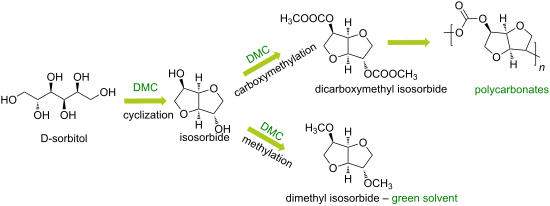
- reactivity of isosorbide and the non-toxic properties of DMC represent indeed a green match leading to several industrial appealing potential applications. Keywords: carbohydrate chemistry; D-sorbitol; dimethyl carbonate; green chemistry; isosorbide; Review Introduction In the last twenty years biorefinery


Superelectrophilic activation of 5-hydroxymethylfurfural and 2,5-diformylfuran: organic synthesis based on biomass-derived products
Beilstein J. Org. Chem. 2016, 12, 2125–2135, doi:10.3762/bjoc.12.202
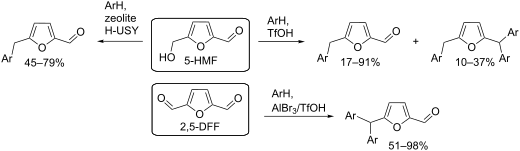
- ; Introduction Nowadays great attention is paid to the use of renewable resources for obtaining fine chemicals and fuels (see numerous reviews [1][2][3][4][5][6][7][8][9][10][11][12][13][14][15][16]). The biorefinery of renewable lignin-carbohydrate materials affords various low-molecular weight organic





