


Search results
Search for "aromatic rings" in Full Text gives 255 result(s) in Beilstein Journal of Organic Chemistry. Showing first 200.
A three-armed cryptand with triazine and pyridine units: synthesis, structure and complexation with polycyclic aromatic compounds
Beilstein J. Org. Chem. 2018, 14, 1370–1377, doi:10.3762/bjoc.14.115
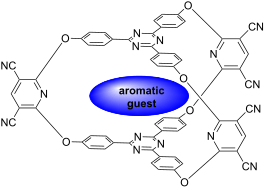
- [32] revealed its selective absorption ability for N2 and CO2 in the solid state. The low complexation ability of cryptand 1 in solution for aromatic guests is due to the unfavorable conformation of the 1,3,5-triphenylbenzene central units in which the peripheral aromatic rings are twisted with
- and the host–guest interactions must be able to equilibrate the previously described ortho–ortho' hindrance and to bring the aromatic rings of the caps to coplanar conformations. In this work, we decided to investigate a new cryptand in which this steric hindrance is removed. Thus, we changed the




Synthesis of chiral 3-substituted 3-amino-2-oxindoles through enantioselective catalytic nucleophilic additions to isatin imines
Beilstein J. Org. Chem. 2018, 14, 1349–1369, doi:10.3762/bjoc.14.114

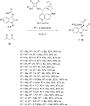
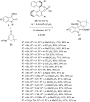
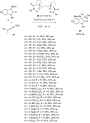
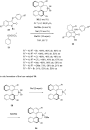
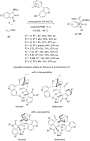
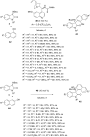
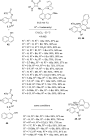
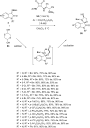
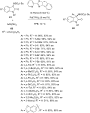
- 43 in good to high yields (78–99%) and uniformly excellent enantioselectivities (94–99% ee) regardless of the electronic character of the aromatic rings of the isatin and 1-naphthol and the position of their substituent (R1 and R2). Moreover, comparable excellent yields (90–97%) and











Selective carboxylation of reactive benzylic C–H bonds by a hypervalent iodine(III)/inorganic bromide oxidation system
Beilstein J. Org. Chem. 2018, 14, 1087–1094, doi:10.3762/bjoc.14.94
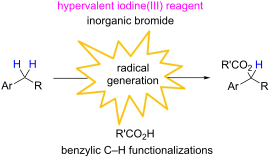
- electrophilic aromatic rings, non-acidic carbonyl groups, and suitable oxygen, nitrogen, and sulfur functionalities. Carbonyloxy radicals derived from typical hypervalent iodine(III) carboxylates by photolysis and other conditions [65][66][67][68] are known to undergo irreversible decarboxylation [69][70


Recent developments in the asymmetric Reformatsky-type reaction
Beilstein J. Org. Chem. 2018, 14, 325–344, doi:10.3762/bjoc.14.21
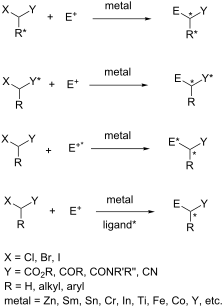
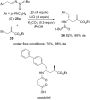
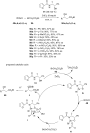
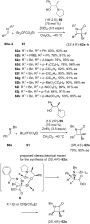
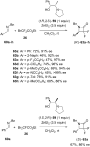
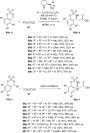
- ) led to the corresponding chiral β-amino esters 71a–p with both high yields (77–99%) and enantioselectivities (79–94% ee). A range of both electron-donating and electron-withdrawing substituents at different positions of the two aromatic rings were compatible. Conclusion This review demonstrates that











Recent advances on organic blue thermally activated delayed fluorescence (TADF) emitters for organic light-emitting diodes (OLEDs)
Beilstein J. Org. Chem. 2018, 14, 282–308, doi:10.3762/bjoc.14.18
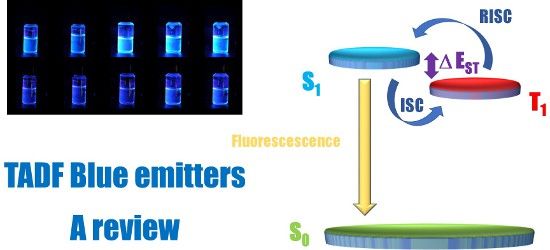
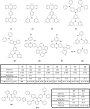
- be realized by totally blocking the structure, what was done with B9 and B10 in which two of the three aromatic rings of triphenylamine were connected to the boron center [39]. By elongating the π-conjugation of the electron-donating group in B10 compared to B9, a more delocalized HOMO level could be
- blue TADF emitters can be cited, the molecules differing by the strategy used to connect the donor(s) to triazine. However, contrarily to azasiline that possesses a six-membered central ring, carbazole only possesses a five-membered central ring, inducing a deviation of the two adjacent aromatic rings




Fluorogenic PNA probes
Beilstein J. Org. Chem. 2018, 14, 253–281, doi:10.3762/bjoc.14.17
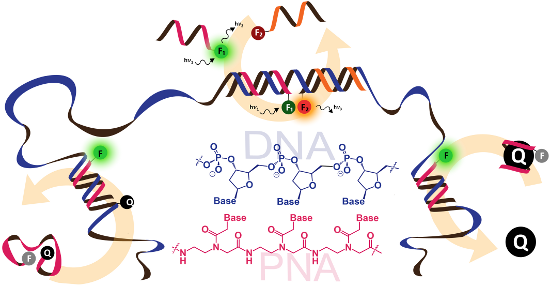
- duplexes and shows a large fluorescence enhancement upon binding [158]. PNA–DNA hybridization facilitates the binding of TO to the PNA–DNA duplexes, resulting in a fluorescence enhancement due to the increased co-planarity and restricted motion of the two conjugated aromatic rings in the TO (Figure 19




CF3SO2X (X = Na, Cl) as reagents for trifluoromethylation, trifluoromethylsulfenyl-, -sulfinyl- and -sulfonylation and chlorination. Part 2: Use of CF3SO2Cl
Beilstein J. Org. Chem. 2017, 13, 2800–2818, doi:10.3762/bjoc.13.273
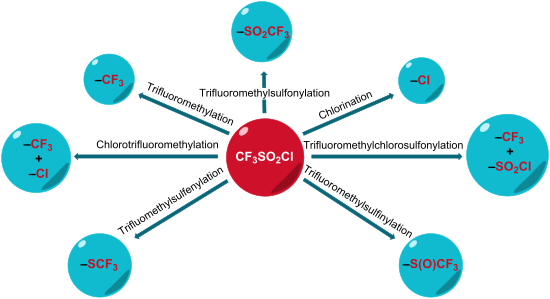
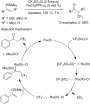
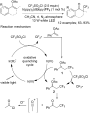
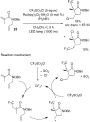
- (CF3SO2)2Zn, which demonstrated great efficiency in introducing the CF3 moiety on (hetero)aromatic rings [34]. Trifluoromethylation of olefins: In 2005, Vogel and co-workers showed that terminal alkenes could be trifluoromethylated by means of CF3SO2Cl via a palladium-catalysed desulfitative Mizoroki–Heck








Development of a fluorogenic small substrate for dipeptidyl peptidase-4
Beilstein J. Org. Chem. 2017, 13, 2690–2697, doi:10.3762/bjoc.13.267
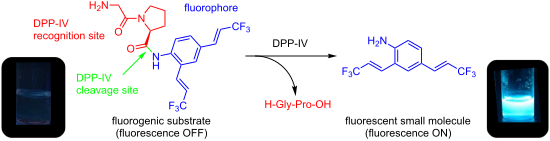
- probes can act as good sensors for enzymes but the fluorophore unit is usually large because fused aromatic rings and an elongated π-conjugated system are necessary to impart appropriate fluorescent properties to the probe [14]. The molecular size of the fluorescent probe is therefore large, which is


Solvent-free copper-catalyzed click chemistry for the synthesis of N-heterocyclic hybrids based on quinoline and 1,2,3-triazole
Beilstein J. Org. Chem. 2017, 13, 2352–2363, doi:10.3762/bjoc.13.232
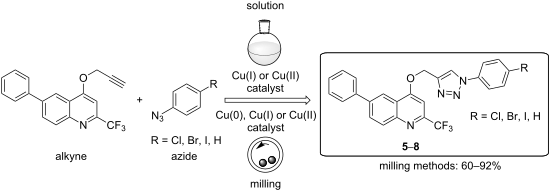
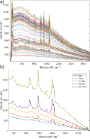
- S15–S19 in Supporting Information File 1. Raman spectra of all studied compounds, the alkyne 4 and the isolated products 5–8, are characterized by strong bands assigned to various vibrations of aromatic rings (Figure 1 and Supporting Information File 1, Table S1). Dried aryl azides were excluded from



Curcuminoid–BF2 complexes: Synthesis, fluorescence and optimization of BF2 group cleavage
Beilstein J. Org. Chem. 2017, 13, 2264–2272, doi:10.3762/bjoc.13.223

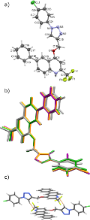
- is in the more favoured anti/anti conformation (Figure 1b) with the torsion angles only slightly differing from the ideal 60° or 180°, respectively. The aromatic rings are almost coplanar with the backbone. In both cases, one of the longer side chains lays mostly within the molecule plane, while the


Solid-state studies and antioxidant properties of the γ-cyclodextrin·fisetin inclusion compound
Beilstein J. Org. Chem. 2017, 13, 2138–2145, doi:10.3762/bjoc.13.212

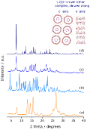
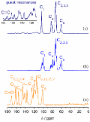
- such as the carbonyl group or the vibrational modes of the aromatic ring. In the γ-CD·fisetin compound the most relevant shifts are associated with the stretching modes of the aromatic rings, as shown in Table 1 (note: for a full list of vibrational bands, see the experimental section). The observation




Novel approach to hydroxy-group-containing porous organic polymers from bisphenol A
Beilstein J. Org. Chem. 2017, 13, 2131–2137, doi:10.3762/bjoc.13.211
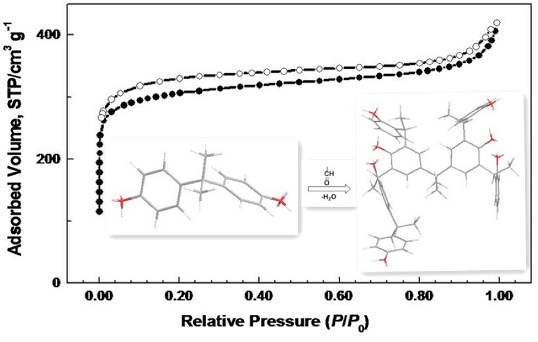
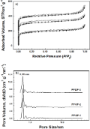
- that are enhanced by weak supramolecular interactions with C–H atoms on the aromatic rings of the polymers [38]. The isosteric heat of adsorption for carbon dioxide is calculated from adsorption data collected at 273 and 298 K using a virial method and the Clausius–Clapeyron equation [39] (Supporting




Complexation of molecular clips containing fragments of diphenylglycoluril and benzocrown ethers with paraquat and its derivatives
Beilstein J. Org. Chem. 2017, 13, 2056–2067, doi:10.3762/bjoc.13.203

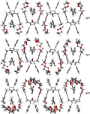
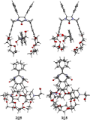
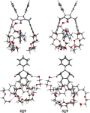
- complexation constant of the clip 6 with paraquat (7), which was: lgK = 1.46 ± 0.01 (−ΔG = 1.96 ± 0.02 kcal/mol). The complex of clip 6 with paraquat (7) may be stabilized through π–π stacking interactions of the electron-deficient aromatic rings of paraquat and the electron donating veratrol fragments of the



p-tert-Butylthiacalix[4]arenes functionalized by N-(4’-nitrophenyl)acetamide and N,N-diethylacetamide fragments: synthesis and binding of anionic guests
Beilstein J. Org. Chem. 2017, 13, 1940–1949, doi:10.3762/bjoc.13.188

- containing only one amide fragment binds to F−, CH3CO2− and H2PO4− ions. Probably, the aromatic rings of the macrocycle with free phenolic groups are arranged in such a manner that the hydroxy groups are located near the amide thereby forming a cavity complementary to the anions studied. In this case


Mechanochemical synthesis of small organic molecules
Beilstein J. Org. Chem. 2017, 13, 1907–1931, doi:10.3762/bjoc.13.186
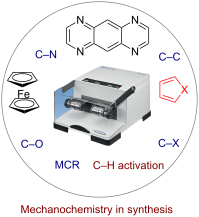
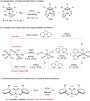
- ). However, NCS-cericammonium nitrate (CAN) successfully yielded mono-chlorinated products [88]. Consecutively, the same group reported metal-free oxidative iodination of electron rich aromatic rings with molecular iodine and oxone (Scheme 25) [98]. This method proved to be highly chemoselective and no




Accessing simply-substituted 4-hydroxytetrahydroisoquinolines via Pomeranz–Fritsch–Bobbitt reaction with non-activated and moderately-activated systems
Beilstein J. Org. Chem. 2017, 13, 1871–1878, doi:10.3762/bjoc.13.182
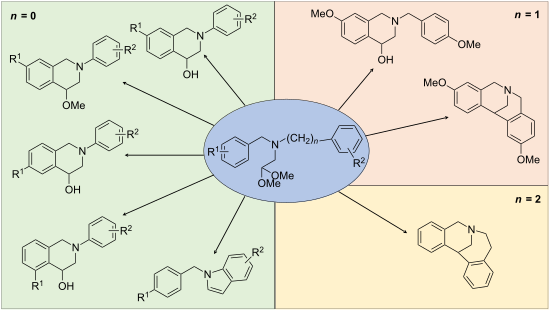
- . Compound 18 (Scheme 7) was generated via a double reductive amination, in analogy to the syntheses of compounds 9a–q. Because none of the aromatic rings contained any activating group, the cyclization was performed with 70% HClO4 as catalyst. However, in the experimental conditions used it was not possible


Mechanochemical synthesis of thioureas, ureas and guanidines
Beilstein J. Org. Chem. 2017, 13, 1828–1849, doi:10.3762/bjoc.13.178
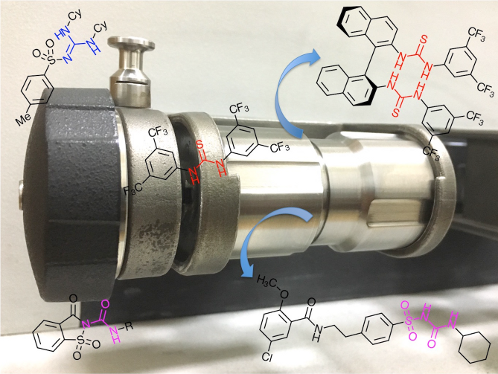
- were screened with electron-donating and electron-withdrawing groups attached to aromatic rings. The reactions were performed in a 1:1 stoichiometry by manual grinding in a mortar and by automated ball milling in a laboratory mixer mill. Also, the performance of solvent-free or neat grinding was






Inclusion complexes of β-cyclodextrin with tricyclic drugs: an X-ray diffraction, NMR and molecular dynamics study
Beilstein J. Org. Chem. 2017, 13, 714–719, doi:10.3762/bjoc.13.70
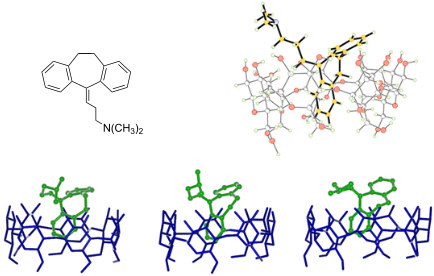
- formulae and atom numbering of cyclobenzaprine (1, left) and amitriptyline (2, right). E and Z symbols are arbitrarily introduced to identify the two aromatic rings. Left: Job’s plot for H3’ chemical shift variations of the complex β-CD/1. Right: Job’s plot for H11 (see Figure 1 for atom numbering




Synthesis and optical properties of new 5'-aryl-substituted 2,5-bis(3-decyl-2,2'-bithiophen-5-yl)-1,3,4-oxadiazoles
Beilstein J. Org. Chem. 2017, 13, 313–322, doi:10.3762/bjoc.13.34
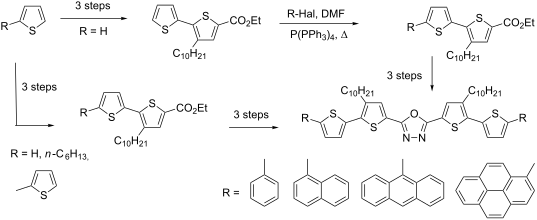
- ) The ethyl esters of 2,2'-bithiophenes 7 having no (7a), an alkyl (7b), or a thienyl (7c) substituent in the C-5' position can be easily obtained by this method. On the other hand, the substitution of the thiophene ring with phenyl or fused aromatic rings is much more challenging and requires the


Spectral and DFT studies of anion bound organic receptors: Time dependent studies and logic gate applications
Beilstein J. Org. Chem. 2017, 13, 222–238, doi:10.3762/bjoc.13.25
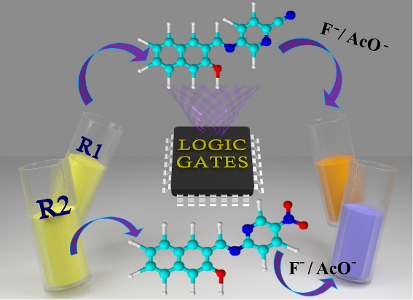
- was found that there were no conformational changes observed in receptors R1 and R2 in the presence of anions indicating the structural stability of the receptor–anion complex. The results show that the HOMOs and LUMOs are spread over both aromatic rings due to the presence of the electron-withdrawing


Phosphated cyclodextrins as water-soluble chiral NMR solvating agents for cationic compounds
Beilstein J. Org. Chem. 2017, 13, 43–53, doi:10.3762/bjoc.13.6
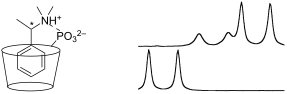
- cationic form were individually tested with six different P-CDs at cyclodextrin concentrations of 5, 10 and 20 mM. All substrates, except for 14, have aromatic rings in their structures. Previous studies [21][31][32] and observations made herein with the P-CDs indicate that host–guest complexes through




New approaches to organocatalysis based on C–H and C–X bonding for electrophilic substrate activation
Beilstein J. Org. Chem. 2016, 12, 2834–2848, doi:10.3762/bjoc.12.283
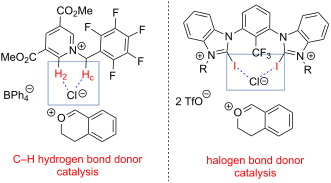
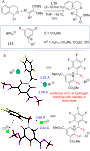
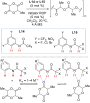
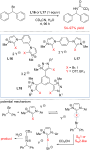
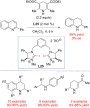
- acceptors and also act as electron-withdrawing substituents when attached to other aromatic rings thus enhancing benzene’s ring C–H hydrogen bonding [29][30][31]. Recent studies by the Flood group and the Craig group suggested that receptors containing arylated 1,2,3-triazoles could form stable










Synthesis of spiro[isoindole-1,5’-isoxazolidin]-3(2H)-ones as potential inhibitors of the MDM2-p53 interaction
Beilstein J. Org. Chem. 2016, 12, 2793–2807, doi:10.3762/bjoc.12.278
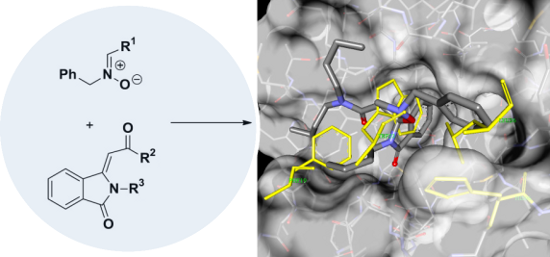
- moiety. The possibility, in the endo TSs, of stacking interactions between aromatic rings, as hypothesized in the literature [45], was taken into account, but the corresponding geometries are too high in energy and evolve to the TSs reported in Figure 5. The profiles of the four reactions are shown in


Continuous-flow synthesis of primary amines: Metal-free reduction of aliphatic and aromatic nitro derivatives with trichlorosilane
Beilstein J. Org. Chem. 2016, 12, 2614–2619, doi:10.3762/bjoc.12.257
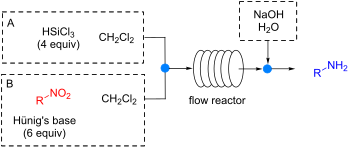
- aromatic rings followed by reduction is the most classical entry for the preparation of anilines [1][2]. Lately, also aliphatic nitro derivatives have become more and more popular: a wide variety of highly functionalized and chiral aliphatic nitro compounds, precursors of the corresponding chiral amines


Facile synthesis of indolo[3,2-a]carbazoles via Pd-catalyzed twofold oxidative cyclization
Beilstein J. Org. Chem. 2016, 12, 2490–2494, doi:10.3762/bjoc.12.243
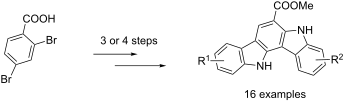
- substituents to aromatic rings was also inconvenient. It could still be necessary to exploit more practical methods and economic procedures to assemble these polycyclic molecules. In this paper, we describe a concise, 3 to 4 steps procedure for the synthesis of indolo[3,2-a]carbazoles via palladium-catalyzed
- materials. The operational simplicity combined with the convenience for introducing substituents to the aromatic rings makes this method useful. Natural indolo[3,2-a]carbazole alkaloids. Retrosynthetic analysis of indolo[3,2-a]carbazoles. Reagents and conditions: (a) H2SO4, MeOH; (b) Ar-NH2, Pd(OAc)2, BINAP





