


Search results
Search for "cancer" in Full Text gives 529 result(s) in Beilstein Journal of Organic Chemistry. Showing first 200.
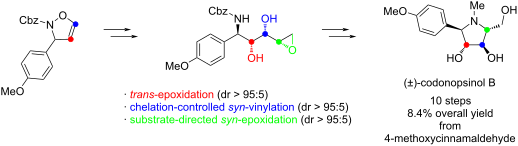
Highly stereocontrolled total synthesis of racemic codonopsinol B through isoxazolidine-4,5-diol vinylation
Beilstein J. Org. Chem. 2021, 17, 2781–2786, doi:10.3762/bjoc.17.188
- . tangshen). This crude drug is called Dangshen in Chinese and Tojin in Japanese and has been used as traditional Chinese medicine with numerous beneficial pharmacological activities to treat multiple diseases [8][9], including cancer [10][11][12][13]. It is assumed that polyacetylenes, phenylpropanoids
- human cancer cell lines has never been described. In view of this, we have developed an efficient and highly diastereoselective approach towards codonopsinol B (1) and its N-nor-methyl analogue 2 from achiral starting materials and evaluated their anticancer activity using four different cancer cell
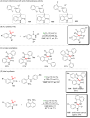
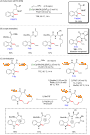
- cancer cell lines [14]. For this reason, the compounds 1 and 2 were prepared first in their racemic form to begin the initial biological studies. Results and Discussion The starting isoxazolidine-4,5-diol 3, possessing the desired 3,4-trans configuration (Scheme 1), will be prepared by using our


GlycoBioinformatics
Beilstein J. Org. Chem. 2021, 17, 2726–2728, doi:10.3762/bjoc.17.184
- transcription factors using next-generation sequencing expression data of glycoenzymes in cancer cell lines. The latter paper uses knowledge from current open access glycomic databases to curate and validate glycan structures reported on proteins in the Protein Data Bank (PDB) database. Overall, the wide
The ethoxycarbonyl group as both activating and protective group in N-acyl-Pictet–Spengler reactions using methoxystyrenes. A short approach to racemic 1-benzyltetrahydroisoquinoline alkaloids
Beilstein J. Org. Chem. 2021, 17, 2716–2725, doi:10.3762/bjoc.17.183
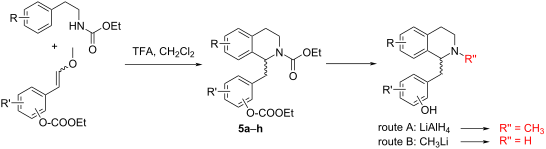
- data on structure–activity relationship are still rare. First, we assessed the antiproliferative activity of the benzylisoquinolines 2a–f, 3a–c and 4 by CellTiter Blue cell viability assay and used tetrandrine as reference compound. In the cervical cancer cell line HeLa, none of the newly tested
- compounds showed antiproliferative effects, in contrast to tetrandrine which potently inhibits cancer cell proliferation. In the multidrug resistant leukemia cell line VCR-R CEM proliferation was measurably reduced upon treatment with two of the investigated compounds, rac-armepavine (2a) and rac
- . Interestingly, macrocyclic bisbenzylisoquinolines such as tetrandrine [48][49] and related alkaloids [50], have been reported to inhibit P‐glycoprotein (P-gp), a crucial factor of multidrug resistance in cancer. This is noteworthy as multidrug resistance is still a major problem in cancer therapy and no


Synthetic strategies toward 1,3-oxathiolane nucleoside analogues
Beilstein J. Org. Chem. 2021, 17, 2680–2715, doi:10.3762/bjoc.17.182
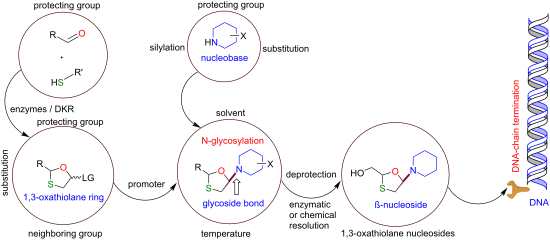
- ][4]. These compounds are the structural analogues of the naturally occurring 2’-deoxynucleosides, the building blocks of DNA. The World Health Organization (WHO) newsroom announced the primary statistics that HIV and cancer remain a significant global public health issue, having claimed over 47.6
- million lives so far [5][6]. The statistics confirm that 1 in 6 deaths happening globally are due to cancer [5]. In 2019, 690,000 people died from HIV-related causes worldwide and by the end of 2019, around 38 million people were living with HIV. From these, 1.7 million people were newly diagnosed [6
- ]. Nucleoside analogues have been in clinical use for almost 50 years and have been the mainstay of treating patients with cancer and viral infections [7][8]. The 2’,3’-dideoxynucleoside analogues, such as AZT (zidovudine), ddI (didanosine), ddC (zalcitabine), and d4T (stavudine), are modified examples of the








Synthesis of new bile acid-fused tetrazoles using the Schmidt reaction
Beilstein J. Org. Chem. 2021, 17, 2611–2620, doi:10.3762/bjoc.17.174
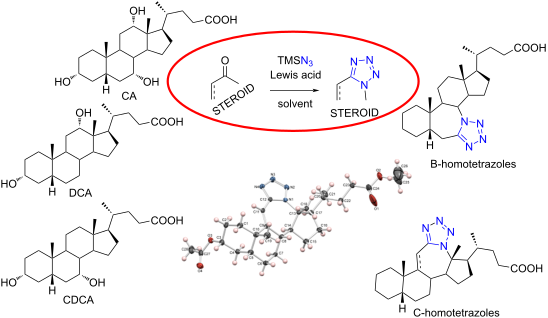
- and metabolic stability of the molecule [16]. Steroid molecules with nitrogen-containing heterocyclic rings are promising candidates for the treatment of many types of cancer or hormonal disorders [17]. There are several examples of steroidal tetrazoles showing anticancer potential (Figure 1) [18][19
- six human tumor cell lines (MCF-7 estrogen receptor positive breast adenocarcinoma, MDA-MB-231 estrogen receptor negative breast adenocarcinoma, PC-3 prostate cancer, HeLa cervix carcinoma, HT-29 colon adenocarcinoma, and A549 adenocarcinomic human alveolar basal epithelial cells). Standard MTT assay
- activity toward the HeLa cell line (IC50 = 6.97 μM), while tetrazole 22 showed strong and selective activity toward the HT-29 cell line (IC50 = 6.06 µM). Compounds 7, 23, and 24, which showed strong cytotoxicity to the breast cancer cell line MDA-MB-231 (in addition to compound 3), also exhibited a


α-Ketol and α-iminol rearrangements in synthetic organic and biosynthetic reactions
Beilstein J. Org. Chem. 2021, 17, 2570–2584, doi:10.3762/bjoc.17.172
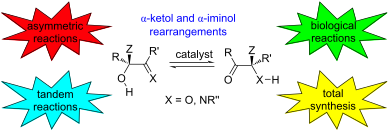
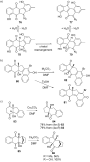
- reduction in conjugation. Another example of a tandem α-ketol rearrangement was used in the total synthesis of delitschiapyrone A (49), a cytotoxic natural product with previously demonstrated efficacy against several cancer cell lines. The final steps of the synthesis include a Diels–Alder reaction between




Cryogels: recent applications in 3D-bioprinting, injectable cryogels, drug delivery, and wound healing
Beilstein J. Org. Chem. 2021, 17, 2553–2569, doi:10.3762/bjoc.17.171
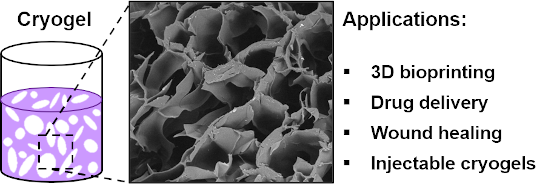
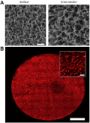
- highlights the fundamentals of macroporous cryogel preparation, cryogel properties that can be useful in the highlighted biomedical applications, followed by a comprehensive review of recent studies in these areas. Research evaluated includes the use of cryogels to combat various types of cancer, for
- pore size range was between 50–300 μm, and small concentrations of laponite found in the gel wall helped with sustained release of a number of proteins with diverse properties [37]. Injectable nanocomposite cryogels have also appeared in research as a method to combat cancer. Bauleth-Ramos et al. used
- accumulating drug payloads into the tumour. Further testing was said to be targeted towards the use of the cryogel as an approach to delay or prevent cancer recurrence through the induction of in situ cancer vaccination mediated by antigens and danger signals released from the apoptotic cancer cells [82






Recent advances in the tandem annulation of 1,3-enynes to functionalized pyridine and pyrrole derivatives
Beilstein J. Org. Chem. 2021, 17, 2462–2476, doi:10.3762/bjoc.17.163
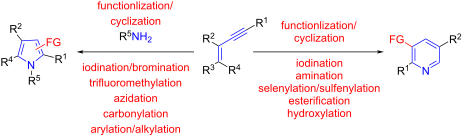
- in many natural products, pharmaceuticals, and bioactive molecules. For instance, some pyridine derivatives have been used for therapy of HIV, cancer, inflammation, microbial infection and so on [1][2][3][4][5]. In addition, it is also an important synthetic unit, which is frequently used as catalyst
- % yield) and monodesulfonated nicotinate 17 (in 70% yield), respectively (Scheme 6). Selenyl- and sulfenylpyridine derivatives are gaining prominence due to the prospective biological activities. They could be used for treatment of HIV, cancer, inflammation, and microbial infection. Therefore, the




Synthesis and investigation on optical and electrochemical properties of 2,4-diaryl-9-chloro-5,6,7,8-tetrahydroacridines
Beilstein J. Org. Chem. 2021, 17, 2450–2461, doi:10.3762/bjoc.17.162

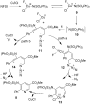
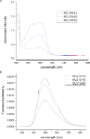
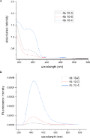
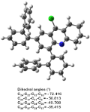
- [44][45]. In particular, they have been widely explored for the treatment of Alzheimer's disease [46][47][48][49][50][51], human cancer [52][53], and tuberculosis [54] (Figure 1). Taking into consideration the significant medicinal potential of tetrahydroacridines and the lack of knowledge concerning






Synthesis of 5-arylacetylenyl-1,2,4-oxadiazoles and their transformations under superelectrophilic activation conditions
Beilstein J. Org. Chem. 2021, 17, 2417–2424, doi:10.3762/bjoc.17.158

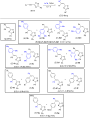
- against cancer [6][7], tuberculosis [8], Gram-positive bacteria [9], and they are used in treatment of epilepsy [10] and Alzheimer disease [11][12][13]. The synthesis of compounds of the 1,2,4-oxadiazole series is an actual task in organic and medicinal chemistry (see selected reviews on this topic [14


Strategies for the synthesis of brevipolides
Beilstein J. Org. Chem. 2021, 17, 2399–2416, doi:10.3762/bjoc.17.157
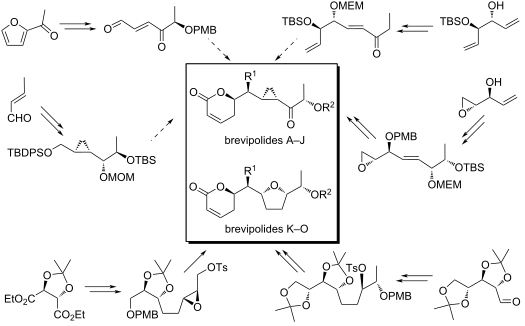
- human cancer cell lines and inhibition of the chemokine receptor CCR5, make them attractive synthetic targets. This review article highlights the recent synthetic methodologies and briefly summarizes their biological activities. Keywords: brevipolides; 5,6-dihydro-α-pyrone; Furukawa-modified Simmons
- has long been used in folk medicines to treat headaches (Panama) and diarrhea (Paraguay) [6], for protection after giving birth (Panama, Indonesia, Malaysia) [6][7][8][9], against worms for newborn infants (Indonesia) [6], for prevention and treatment of different types of cancer (Indonesia) [10
- , C5’S, and C6’S. Most brevipolide members exhibited cytotoxicity against various targets, including human colon, breast, laryngeal, cervix, prostate, and nasopharyngeal cancer cell lines with ED50 and IC50 values ranged in micromolar order [1][4][12]. One member showed activity in an enzyme-based


Phenolic constituents from twigs of Aleurites fordii and their biological activities
Beilstein J. Org. Chem. 2021, 17, 2329–2339, doi:10.3762/bjoc.17.151

- , respectively, only compound 8 showed a significant activity (96.2 ± 1.1% for 3). The other compounds exhibited moderate or no NGF secretion effect. The cytotoxicity of compounds 1–19 was also evaluated against four human cancer cell lines (A549, SK-OV-3, SK-MEL-2, and HCT-15) through an SRB assay. All the
- were expressed as a percentage of the control group (untreated cells). Cytotoxicity assessment. The SRB assay was performed to evaluate cytotoxicity of all the isolated compounds against four cultured human cancer cell lines. The cell lines (National Cancer Institute, Bethesda, MD, USA) were used A549


Post-functionalization of drug-loaded nanoparticles prepared by polymerization-induced self-assembly (PISA) with mitochondria targeting ligands
Beilstein J. Org. Chem. 2021, 17, 2302–2314, doi:10.3762/bjoc.17.148
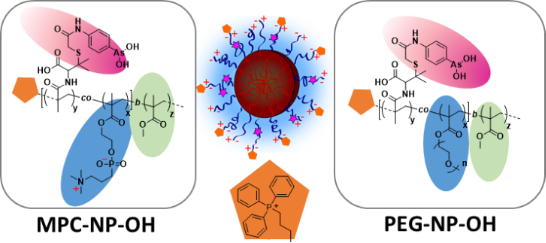
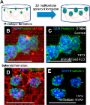
- increase activity [11][12]. These nanoparticles have been decorated with targeting ligands to enhance the accumulation of the drug in cancer tissue. The activity of arsenic drugs could, however, also be enhanced by targeting mitochondria inside the cells, the target of action of arsenic drugs. To the
- cellular internalization as well as accumulation at the diseased tissues by targeting specific over-expressed receptors in cancer cells. However, to this date it is still debateable if active retention truly causes this "homing" effect. It has been shown that due to increased protein corona formation on a




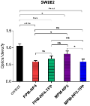


(Phenylamino)pyrimidine-1,2,3-triazole derivatives as analogs of imatinib: searching for novel compounds against chronic myeloid leukemia
Beilstein J. Org. Chem. 2021, 17, 2260–2269, doi:10.3762/bjoc.17.144
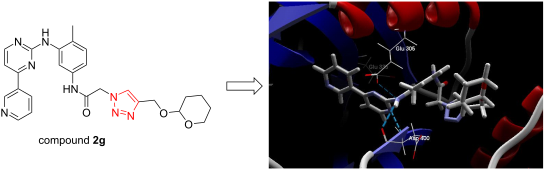
- through isosterism (classical or non-classical) in the design of new active compounds has shown good results [22][23]. Specifically, in the development of new inhibitors for the treatment of cancer [24], its use is associated with producing compounds able to overcoming resistance (primary or secondary


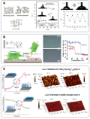
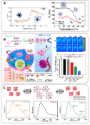
Constrained thermoresponsive polymers – new insights into fundamentals and applications
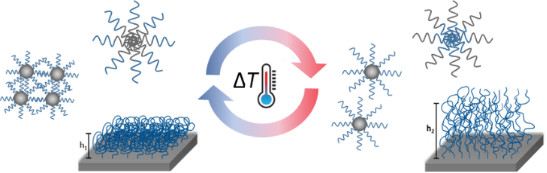
Beilstein J. Org. Chem. 2021, 17, 2123–2163, doi:10.3762/bjoc.17.138


Catalyzed and uncatalyzed procedures for the syntheses of isomeric covalent multi-indolyl hetero non-metallides: an account
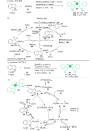
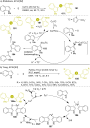
Beilstein J. Org. Chem. 2021, 17, 2102–2122, doi:10.3762/bjoc.17.137

- hydride will become exceptionally crucial when its hydrogen atoms are replaced by this special heterocycle, forming a multi-indolyl hetero non-metallide. In contemporary period, the said molecules have earned extensive importance in pharmacology to prevent cancer of a number of human organs, certified by




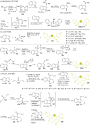

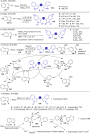


On the application of 3d metals for C–H activation toward bioactive compounds: The key step for the synthesis of silver bullets
Beilstein J. Org. Chem. 2021, 17, 1849–1938, doi:10.3762/bjoc.17.126
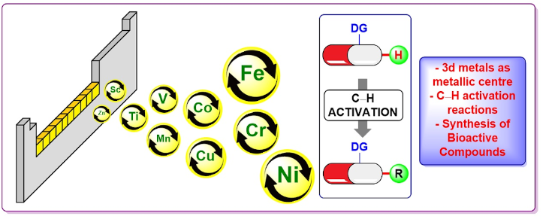
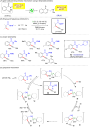
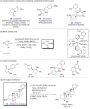
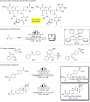
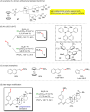
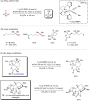
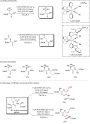
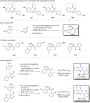
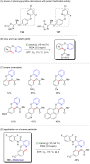
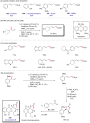
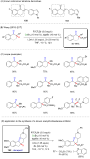
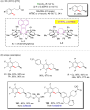
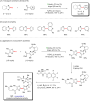
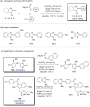
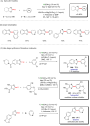
- against different types of diseases, such as cancer [1][2], malaria [3][4], Chagas disease [5][6], HIV [7][8], depression [9][10], amnesia [11], Alzheimer [12], and maybe even in a more recent scenario, COVID-19 [13]. Even though many compounds are found to present activity against these diseases, only a
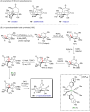
- oxonium species in the methylation step. Abiraterone acetate (53) is a drug used in cancer treatment [138]. The Mn-catalyzed methylation of an abiraterone analogue was achieved by replacing the fluorination step by mesylation in 15% of overall yield and only a single diastereoisomer was observed (Scheme
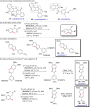
- was demonstrated by the synthesis of bioactive compounds like an IRAP inhibitor (104) and an antibreast cancer agent (105) in good yields (Scheme 34D). Iron is by far the cheapest and most abundant metal to be used from the 3d series, and these facts are reflected by the amount and quality of studies


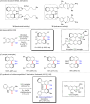





















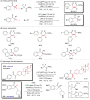


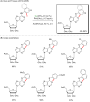

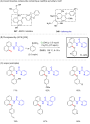

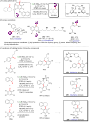

Natural products in the predatory defence of the filamentous fungal pathogen Aspergillus fumigatus
Beilstein J. Org. Chem. 2021, 17, 1814–1827, doi:10.3762/bjoc.17.124
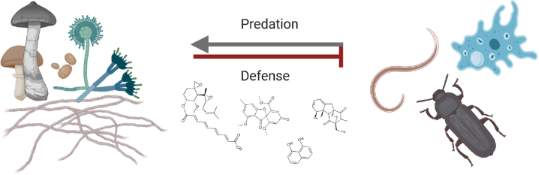
- breast cancer cells by arresting the cell cycle and promoting apoptosis while showing no cytotoxicity against RAW 264.7 cells, thus demonstrating their selectivity [65][67]. Further, fumigaclavine was shown to exhibit antibacterial properties and to contribute to virulence in the model insect Galleria
- [72]. It was further shown to be cytotoxic and inhibiting cell cycle progression at G2/M phase [163]. Fumitremorgin C was shown to effect mammalian cells and inhibit the breast cancer resistance protein which imparts multidrug resistance and thus resistance to chemotherapeutics in breast cancer


A systems-based framework to computationally describe putative transcription factors and signaling pathways regulating glycan biosynthesis
Beilstein J. Org. Chem. 2021, 17, 1712–1724, doi:10.3762/bjoc.17.119
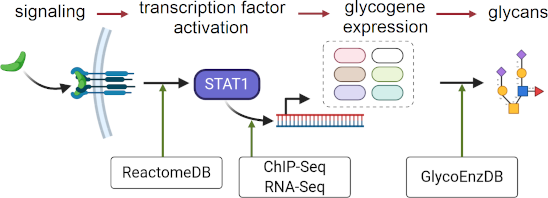
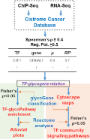
- pathways is largely unknown. In this work, we performed data mining of TF–glycogene relationships from the Cistrome Cancer database (DB), which integrates chromatin immunoprecipitation sequencing (ChIP-Seq) and RNA-Seq data to constitute regulatory relationships. In total, we observed 22,654 potentially
- significant TF–glycogene relationships, which include interactions involving 526 unique TFs and 341 glycogenes that span 29 the Cancer Genome Atlas (TCGA) cancer types. Here, TF–glycogene interactions appeared in clusters or so-called communities, suggesting that changes in single TF expression during both
- relate cell-signaling pathways to TFs and cellular glycosylation state. Whereas analysis results are presented for all 29 cancer types, specific focus is placed on human luminal and basal breast cancer disease progression. Overall, the article presents a computational approach to describe TF–glycogene




Chemical approaches to discover the full potential of peptide nucleic acids in biomedical applications
Beilstein J. Org. Chem. 2021, 17, 1641–1688, doi:10.3762/bjoc.17.116
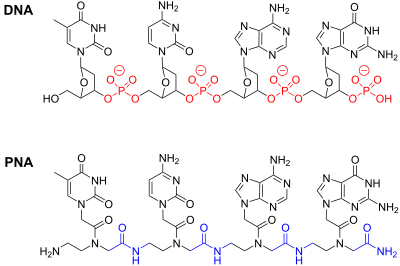
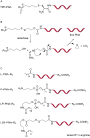
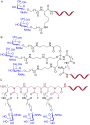
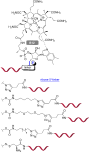
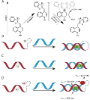
- enabled uptake of the conjugate in DU145 cancer cells as analyzed by fluorescence-activated cell sorting (FACS). However, the conjugate did not inhibit the targeted human telomerase in cells [170]. Langel and co-workers conjugated antisense PNA targeting mRNA of galanin receptor type 1 (GalR1) through









Recent advances in the application of isoindigo derivatives in materials chemistry
Beilstein J. Org. Chem. 2021, 17, 1533–1564, doi:10.3762/bjoc.17.111
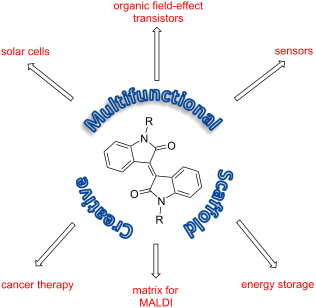
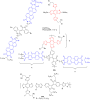
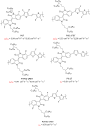
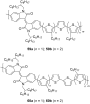
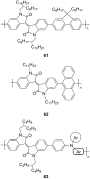
- photoelectrochemical reduction of water, as matrix for MALDI spectrometry and in photothermal cancer therapy are also shown. Data published over the past 5 years, including works published at the beginning of 2021, are given. Keywords: isoindigo; OFET; photoactive polymers; photovoltaics; solar cells; Introduction
- existing polymer conductive binder mixed with carbon additives (Scheme 31). Isoindigo derivatives have begun to find use in biomedical applications. Thus, nanoparticles of isoindigoid polymers have shown good potential as agents for photoacoustic and photothermal cancer therapy [116][117][118][119][120
- [120]. At the same time, in vivo experiments have shown the high efficiency of low-molecular-weight isoindigo 71 in oxygen sensitization for cancer therapy [121]. Therein, a high value (84%) of the singlet oxygen quantum yield was obtained. Conclusion To summarize, it can be concluded that isoindigo is














Iodine-catalyzed electrophilic substitution of indoles: Synthesis of (un)symmetrical diindolylmethanes with a quaternary carbon center
Beilstein J. Org. Chem. 2021, 17, 1464–1475, doi:10.3762/bjoc.17.102
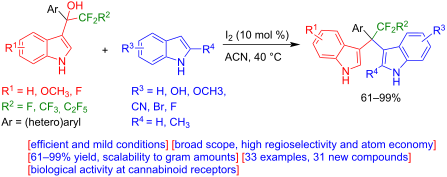
- biological activities (Figure 1) [10]. Unsubstituted DIM (I), for example, exhibits antimicrobial [5], anticancer [11][12][13], and anti-inflammatory effects (Figure 1) [14]. There is preclinical evidence for activity against several types of cancer [15], and DIM has been clinically evaluated for the
- treatment of prostate cancer [16] and showed promise for the treatment of cervical dysplasia [17]. The related trisindoline (II) was reported to possess antibiotic activity [18], while DIM derivatives III and IV also showed anticancer activities (Figure 1). Owing to their exciting biological activities, DIM


Synthesis of 1-indolyl-3,5,8-substituted γ-carbolines: one-pot solvent-free protocol and biological evaluation
Beilstein J. Org. Chem. 2021, 17, 1453–1463, doi:10.3762/bjoc.17.101
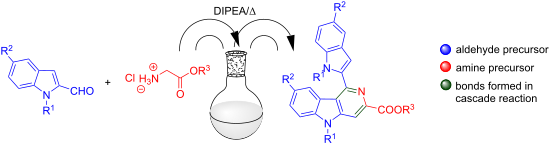
- cancer cells. Keywords: γ-carboline; cascade reaction; cell uptake; cytotoxicity; fluorescence; Introduction Carbolines are privileged aza-heterocycles found in the core of several natural and synthetic compounds and are known for their biological applications. Among the four different isomers, 9H
- effective against cervical cancer (HeLa cells) [8]. Moreover, γ-carbolines are known for their well-established DNA intercalating [9] and anti-Alzheimer [10] properties. The classical Graebe–Ullmann synthesis [11] of γ-carbolines, one of the very early protocols in the domain, is based on the thermal
- with a standard drug, doxorubicin, were screened for their cytotoxicity against various cancer lines (Figure 5, Table 3 and Figure S2, in Supporting Information File 1) such as MCF-7 (breast cancer), HeLa (cervical cancer), HEK293 (human embryonic kidney cells), A431 (skin cancer), A549 (lung cancer







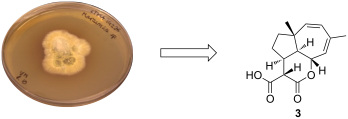
Analogs of the carotane antibiotic fulvoferruginin from submerged cultures of a Thai Marasmius sp.
Beilstein J. Org. Chem. 2021, 17, 1385–1391, doi:10.3762/bjoc.17.97
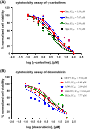
- cytotoxicity was assessed in vitro against mouse fibroblast cell line L929, cervix carcinoma cell line KB3.1, ovarian cancer cell line SKOV-3, human adenocarcinoma cell lines MCF-7 and PC-3, and human epidermoid carcinoma cell line A431, using the MTT (3-(4,5-dimethylthiazol-2-yl)-2,5-diphenyltetrazolium



N-tert-Butanesulfinyl imines in the asymmetric synthesis of nitrogen-containing heterocycles
Beilstein J. Org. Chem. 2021, 17, 1096–1140, doi:10.3762/bjoc.17.86






