


Search results
Search for "fluorescence" in Full Text gives 596 result(s) in Beilstein Journal of Organic Chemistry. Showing first 200.
Phenanthridine–pyrene conjugates as fluorescent probes for DNA/RNA and an inactive mutant of dipeptidyl peptidase enzyme
Beilstein J. Org. Chem. 2023, 19, 550–565, doi:10.3762/bjoc.19.40
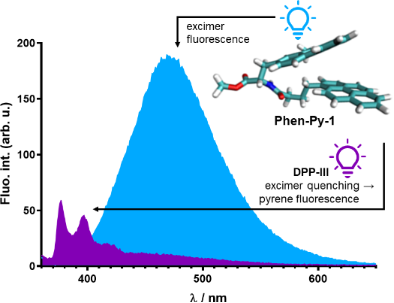
- a pH-dependent excimer formation that is significantly red-shifted relative to the pyrene and phenanthridine fluorescence. While the conjugate with a short linker showed negligible spectrophotometric changes due to the polynucleotide addition, the conjugate with a longer and more flexible linker
- exhibited a micromolar and submicromolar binding affinity for ds-polynucleotides and inactivated a mutant of dipeptidyl peptidase enzyme E451A. Confocal microscopy revealed that the conjugate with the longer linker entered the HeLa cell membranes and blue fluorescence was visualized as the dye accumulated
- signalize complex formation (interaction with a biomolecule, cyclodextrine, metal cation, etc.) or change of receptor conformation [5][6]. Employment of pyrene as a biosensor is complicated due to its large aromatic surface's hydrophobicity and fluorescence sensitivity to oxygen. Therefore, modifications of




CuAAC-inspired synthesis of 1,2,3-triazole-bridged porphyrin conjugates: an overview
Beilstein J. Org. Chem. 2023, 19, 349–379, doi:10.3762/bjoc.19.29
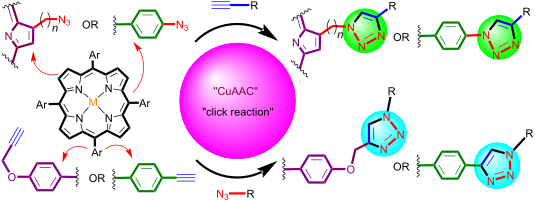
- fluorescence spectra. Synthesis of meso-triazole-bridged porphyrin conjugates In recent years, many chromophoric moieties have been introduced at the meso-position of porphyrins by implying diverse synthetic procedures. Among these, the CuAAC click-mediated reactions are proving to be a popular choice for the
- a photophysical investigation, a weak interaction was observed between two subunits at ground state in porphyrin-ferrocene dyads. Also, the fluorescence of porphyrin was significantly quenched in porphyrin-ferrocene conjugates due to photoinduced electron transfer from ferrocene to porphyrin
- protocol in a 42% yield by using CuI and DIPEA in THF at room temperature (Scheme 11). Their photophysical studies revealed that the fluorescence of zinc porphyrin 58 is strongly quenched due to the copper-corrole 59 in the dyad 60. Also, an efficient excited-state interaction was found between zinc




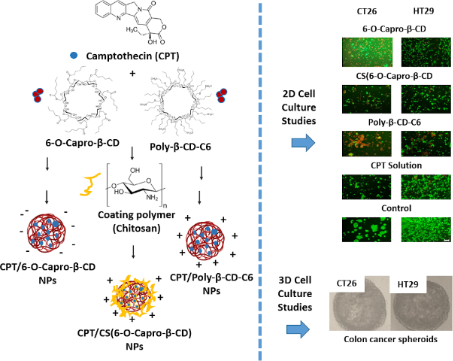
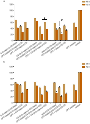
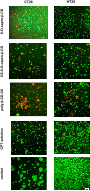
Insight into oral amphiphilic cyclodextrin nanoparticles for colorectal cancer: comprehensive mathematical model of drug release kinetic studies and antitumoral efficacy in 3D spheroid colon tumors
Beilstein J. Org. Chem. 2023, 19, 139–157, doi:10.3762/bjoc.19.14




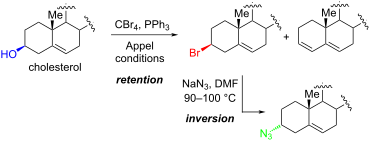
Revisiting the bromination of 3β-hydroxycholest-5-ene with CBr4/PPh3 and the subsequent azidolysis of the resulting bromide, disparity in stereochemical behavior
Beilstein J. Org. Chem. 2023, 19, 91–99, doi:10.3762/bjoc.19.9
- visualized by their fluorescence under UV–lamp (λ = 245 and 365 nm) or staining with iodine vapor or 15% H2SO4 or KMnO4 solution, or Ce(IV)SO4 in H2SO4. Melting points were determined on a Gallenkamp apparatus UK and are uncorrected. NMR spectra were recorded on a Bruker 600 MHz spectrometer at the central




Formal total synthesis of macarpine via a Au(I)-catalyzed 6-endo-dig cycloisomerization strategy
Beilstein J. Org. Chem. 2022, 18, 1589–1595, doi:10.3762/bjoc.18.169
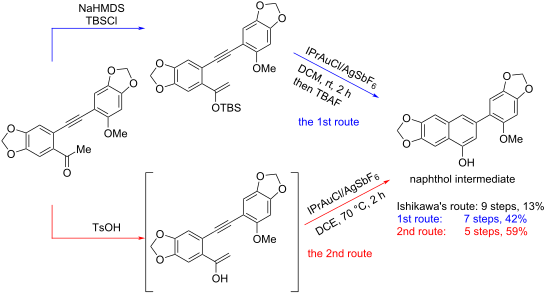
- -inflammatory [4][5][6][7][8], insecticidal, fungicidal, etc [9]. In addition to the above-mentioned activities, macarpine was also used as a DNA probe for flow cytometry and fluorescence microscopy due to its fluorescent properties [10]. Despite some research on the activities of macarpine had been performed


Microelectrode arrays, electrosynthesis, and the optimization of signaling on an inert, stable surface
Beilstein J. Org. Chem. 2022, 18, 1488–1498, doi:10.3762/bjoc.18.156
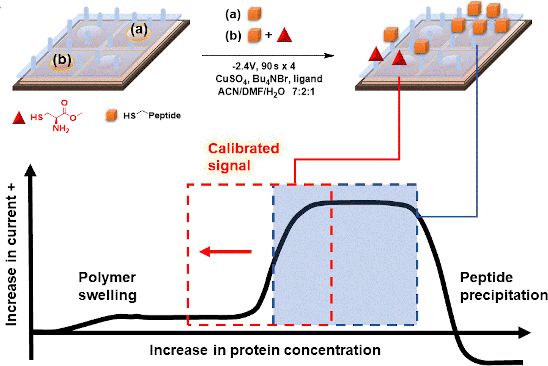
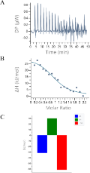
- pyrene to form the exciplex dimer that fluoresces in the red region of the spectrum and does not self-quench. A fluorescence microscope was then used to take an image of the array, and the image used to quantify the fluorescence, and thereby the amount of material present, at each region of the array


Naphthalimide-phenothiazine dyads: effect of conformational flexibility and matching of the energy of the charge-transfer state and the localized triplet excited state on the thermally activated delayed fluorescence
Beilstein J. Org. Chem. 2022, 18, 1435–1453, doi:10.3762/bjoc.18.149
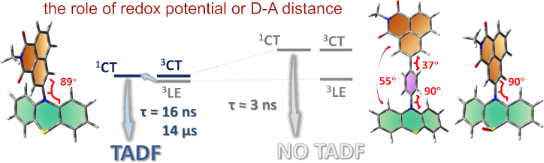
- investigate the joint influence of the conformation flexibility and the matching of the energies of the charge-transfer (CT) and the localized triplet excited (3LE) states on the thermally activated delayed fluorescence (TADF) in electron donor–acceptor molecules, a series of compact electron donor–acceptor
- : charge-transfer; electron donor; intersystem crossing; TADF; triplet state; Introduction Thermally activated delayed fluorescence (TADF) has attracted much attention in recent years, not only for its application in organic light emitting diodes (OLED) [1][2][3] but also as a mean for studying of charge
- . The synthesis of the dyads is based on the ordinary derivatization of the NI and PTZ chromophores [20]. The molecular structures were confirmed by 1H NMR, 13C NMR, and HRMS methods (Experimental section). UV–vis absorption and fluorescence emission spectra The UV–vis absorption spectra of the
Synthesis of C6-modified mannose 1-phosphates and evaluation of derived sugar nucleotides against GDP-mannose dehydrogenase
Beilstein J. Org. Chem. 2022, 18, 1379–1384, doi:10.3762/bjoc.18.142
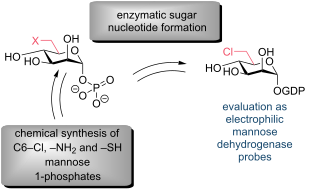
- Asp260 & Asp109 in coordination with Mg2+ and two water molecules in close proximity to C6 [16]. Evaluation of GDP 6-chloro-6-deoxy-ᴅ-mannose against GMD GMD from P. aeruginosa was co-incubated with GDP-mannose 1 and sugar nucleotide 19, and the production of NADH monitored by fluorescence (excitation
- 355 nm; emission 460 nm). Figure 3 illustrates a reduced rate of NADH production by GMD upon incubation with both probe 19 and the native substrate 1 (blue line). No significant increase in fluorescence was observed upon incubation of probe 19 and GMD (green line). However, a moderate level of NADH
- production was restored upon spiking the incubation with GDP-Man 1 after 85 minutes. The rate of fluorescence increase was reduced compared to both the positive control and incubation with 19 and 1 (Figure 3, blue line). This suggests that 19 may bind to GMD, but not as a substrate. Furthermore, we extended


Computational model predicts protein binding sites of a luminescent ligand equipped with guanidiniocarbonyl-pyrrole groups
Beilstein J. Org. Chem. 2022, 18, 1322–1331, doi:10.3762/bjoc.18.137
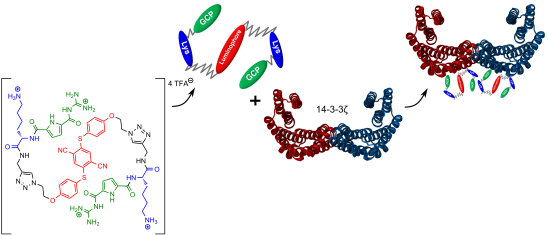
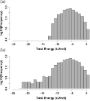
- prediction of two C2 related, dominating binding sites on 14-3-3ζ that may bind to two of the supramolecular ligand molecules. Keywords: AIE luminophores; fluorescence emission; guanidiniocarbonyl-pyrrole; ligand binding; 14-3-3 protein; Introduction The 14-3-3 protein family was one of the first
- overcome this issue is to use fluorescence emission as a read-out tool, such as an emission “on” or “off” behavior [15]. Selective and sensitive fluorescent ligands have been proven to be essential tools for the study of biological systems by biosensing and imaging [16]. There is an increasing demand for
- , Figures S22–S25). This compound 1 was tested in initial binding assays using fluorescence emission as well as native gel electrophoresis. We could indeed show that 1 binds to 14-3-3ζ as detected by native gel electrophoresis and fluorescence titration (Supporting Information File 1). Experiments show that




Ionic multiresonant thermally activated delayed fluorescence emitters for light emitting electrochemical cells
Beilstein J. Org. Chem. 2022, 18, 1311–1321, doi:10.3762/bjoc.18.136
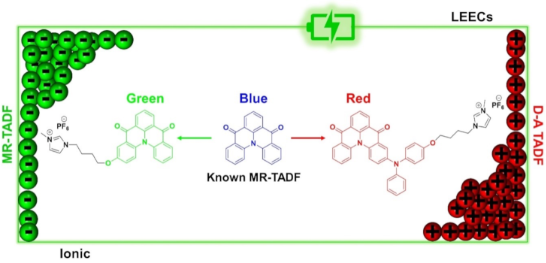
- fluorescence; Introduction Light-emitting electrochemical cells (LEECs) are thin film light-emitting devices typically consisting of an emissive layer containing ionic species that facilitate charge transport and an emissive semiconductor material. The emissive layer is sandwiched between two air-stable
- -radiative decay due to the energy gap law (ΦPL = 11% and 7% under vacuum and in air, respectively) in MeCN [37]. The S1 and T1 levels were measured from the onsets of fluorescence (2.66 eV) and phosphorescence spectra (2.41 eV) in 2-MeTHF glass at 77 K (Figure S26, Supporting Information File 1). DiKTa
- emission in the neat film was also observed for DiKTa (ΦPL = 11%, under N2) [27]. The S1 and T1 levels were measured from the onsets of fluorescence and phosphorescence spectra in the 1 wt % doped mCP film at 77 K (Figure S29 in Supporting Information File 1). The corresponding ΔEST values are 0.20 eV and



Thermally activated delayed fluorescence (TADF) emitters: sensing and boosting spin-flipping by aggregation
Beilstein J. Org. Chem. 2022, 18, 1177–1187, doi:10.3762/bjoc.18.122
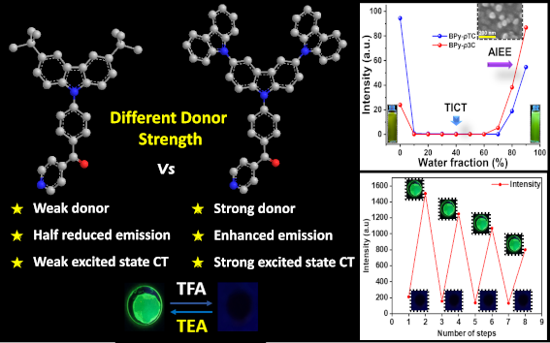
- thermally activated delayed fluorescence (TADF) characteristics are emerging due to the potential applications in optoelectronic devices, time-resolved luminescence imaging, and solid-phase sensing. Herein, we synthesized two (4-bromobenzoyl)pyridine (BPy)-based donor–acceptor (D–A) compounds with varying
- aggregated state as compared to toluene solution. Consequently, a faster reverse intersystem crossing rate (kRISC) was obtained in the aggregated state, facilitating photon upconversion, leading to enhanced delayed fluorescence. Further, the lone-pair electrons of the pyridinyl nitrogen atom were found to be
- sensitive to acidic protons. Hence, the exposure to acid and base vapors using trifluoroacetic acid (TFA) and triethylamine (TEA) led to solid-phase fluorescence switching with fatigue resistance. The current study demonstrates the role of the donor strength and size in tuning ΔEST in the aggregated state


Scope of tetrazolo[1,5-a]quinoxalines in CuAAC reactions for the synthesis of triazoloquinoxalines, imidazoloquinoxalines, and rhenium complexes thereof
Beilstein J. Org. Chem. 2022, 18, 1088–1099, doi:10.3762/bjoc.18.111
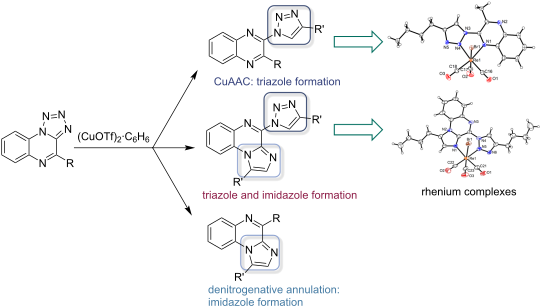
- -diisopropylethylamine; OLED, organic-light emitting diode; SCE, saturated calomel electrode; TADF, thermally activated delayed fluorescence; TEMPO, 2,2,6,6-tetramethylpiperidinyloxyl; TIQ, triazoloimidazoquinoxaline. UV–vis absorption spectra of the obtained metal complexes (18 µM solutions) in acetonitrile at 20 °C


Synthesis, optical and electrochemical properties of (D–π)2-type and (D–π)2Ph-type fluorescent dyes
Beilstein J. Org. Chem. 2022, 18, 1047–1054, doi:10.3762/bjoc.18.106
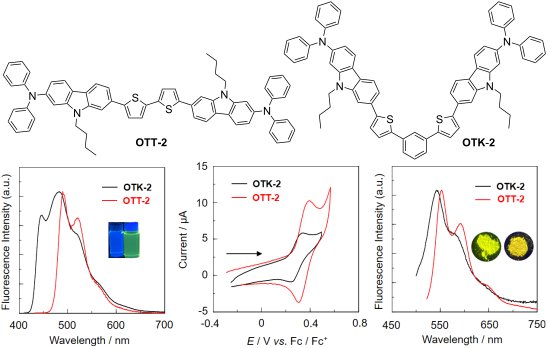
- stannyl D–π unit with 1,3-diiodobenzene, respectively. Their optical and electrochemical properties were investigated by photoabsorption and fluorescence spectroscopy, time-resolved fluorescence spectroscopy, cyclic voltammetry (CV) and molecular orbital (MO) calculations. In toluene the photoabsorption
- and fluorescence maximum wavelengths (λmax,abs and λmax,fl) of OTT-2 appear in a longer wavelength region than those of OTK-2. The fluorescence quantum yield (Φfl) of OTT-2 is 0.41, which is higher than that (Φfl = 0.36) of OTK-2. In the solid state OTT-2 shows relatively intense fluorescence
- properties (Φfl-solid = 0.24 nm), compared with OTK-2 (Φfl-solid = 0.15 nm). CV results demonstrated that OTT-2 and OTK-2 exhibit a reversible oxidation wave. Based on photoabsorption, fluorescence spectroscopy and CV for the two dyes, it was found that the lowest unoccupied molecular orbital (LUMO) energy


Morita–Baylis–Hillman reaction of 3-formyl-9H-pyrido[3,4-b]indoles and fluorescence studies of the products
Beilstein J. Org. Chem. 2022, 18, 926–934, doi:10.3762/bjoc.18.92
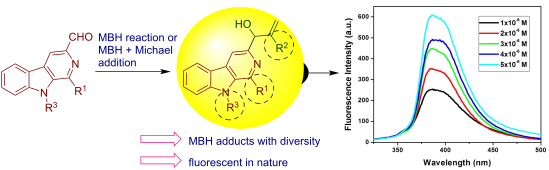
- and substituents was also studied during investigation of fluorescence properties of these derivatives. Keywords: β-carboline; DABCO; fluorescence; MBH reaction; Michael addition; structure–fluorescence activity relationship; Introduction Among the polycyclic alkaloids based on indole, the tricyclic
- by evaluation of their fluorescence properties. Results and Discussion The current study began with the synthesis of substituted 3-formyl-9H-β-carbolines (6a–e), which was accomplished by modifying the previously disclosed process as presented in Scheme 1 [46][47][57]. Pictet–Spengler (P-S
- . Fluorescence studies Fluorescence studies of these C-3-substituted pyrido[3,4-b]indole derivatives were examined and various parameters (contact time, concentration and solvent) were optimized for obtaining the best results using 7dA as a model substrate. Fluorescence emission spectra for optimizing the


Post-synthesis from Lewis acid–base interaction: an alternative way to generate light and harvest triplet excitons
Beilstein J. Org. Chem. 2022, 18, 825–836, doi:10.3762/bjoc.18.83
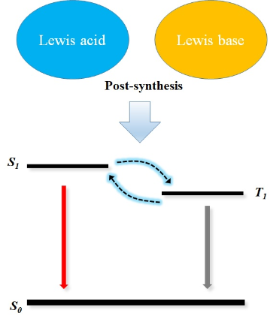
- ; fluorescence; Lewis acid; Lewis base; post-synthesis; Introduction Organic light emitting diodes (OLEDs) show great potential to dominate the next generation of flat-panel displays and efficient light sources attributed to the advantages of self-illumination, high efficiency, wide color gamut, and flexibility
- light, which confirmed that the emission was sensitive to BF3 concentration. Yang et al. used also TFA to shape the fluorescence emission based on the protonation effect between the dissociated H+ and the fluorescent material [32]. Lin et al. used the Lewis acids B(C6F5)3 and AlCl3 to regulate the
- 7 in Figure 5), which consisted of the twisted A–π–D–π–A structure with N-(4-aminophenyl)carbazole (CzPA) as electron donor unit, pyridine as electron acceptor unit, and 9,9-dioctylfluorene (F) as π-conjugated linker [32]. Compound 7 showed remarkable dual-fluorescence properties when mixed with a


Thiophene/selenophene-based S-shaped double helicenes: regioselective synthesis and structures
Beilstein J. Org. Chem. 2022, 18, 809–817, doi:10.3762/bjoc.18.81
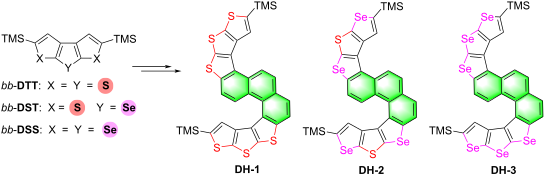
- obviously differ because of changes in their molecular configuration and equal to 2.86, 3.15, and 3.81 eV, respectively [27][28]. As the number of selenium atoms increases from DH-1 to DH-3, the fluorescence intensity (Figure S19 in Supporting Information File 1) and the fluorescence quantum yield (ΦF
- solutions of DH-1 and DH-2 in CHCl3/CH3OH 5:1 (v/v) were employed for growing single crystals. The fluorescence quantum yields (ΦF) of DH-1–3 are characterized in dichloromethane with quinine sulfate in 0.1 N H2SO4 as the control. Synthesis of 5a–c and DH-1–3 Synthesis of 1,3-bis(2-(5-(trimethylsilyl


Mechanochemical halogenation of unsymmetrically substituted azobenzenes
Beilstein J. Org. Chem. 2022, 18, 680–687, doi:10.3762/bjoc.18.69
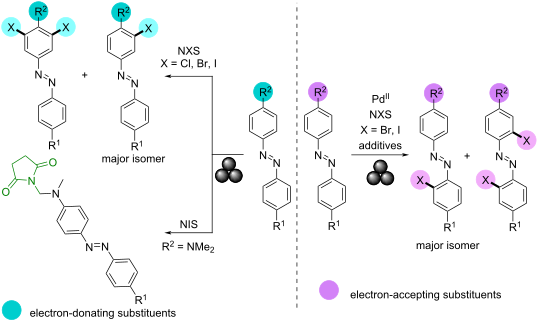
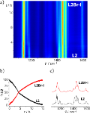
- of L8, fluorescence prevented a more detailed insight into this reaction. The monitoring results confirmed the complete conversion of azobenzenes L6 and L7 to their monopalladated products after about one hour of milling, as well as a reaction course similar to that of the analogous reaction of L1
- (15 μL), and SiO2 (250 mg). b) Two-dimensional (2D) plot of the time-resolved Raman monitoring of LAG of L6 (0.40 mmol) with Pd(OAc)2 (0.42 mmol), TsOH (0.42 mmol), MeCN (0.48 mmol, 25 µL), and SiO2 (250 mg). Only Raman spectra before fluorescence are shown in both parts. Halogenation of azobenzenes





Heteroleptic metallosupramolecular aggregates/complexation for supramolecular catalysis
Beilstein J. Org. Chem. 2022, 18, 597–630, doi:10.3762/bjoc.18.62
- be performed. Supramolecular systems based on non-covalent interactions have drawn considerable attention in assembling efficient light harvesting systems (LHSs) in the last decade [60][61]. Significant attention has been centered to construct artificial LHSs via FRET (fluorescence resonance energy











Syntheses of novel pyridine-based low-molecular-weight luminogens possessing aggregation-induced emission enhancement (AIEE) properties
Beilstein J. Org. Chem. 2022, 18, 580–587, doi:10.3762/bjoc.18.60
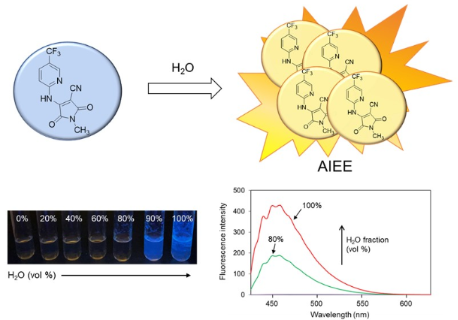
- photophysically and computationally. The photophysical studies revealed that all the synthesized compounds exhibited fluorescence in organic solvents, while N-methyl-4-((pyridin-2-yl)amino)-substituted maleimide derivatives 4a–e, which are based on an acceptor–donor–acceptor (A–D–A) system, exhibited aggregation
- -induced emission enhancement (AIEE) properties in aqueous media. Compounds 4a and 4e, bearing electron-withdrawing groups (Br and CF3, respectively) showed 7.0 and 15 times fluorescence enhancement. Time-dependent density functional theory (TD-DFT) calculations were performed to gain better insight into
- materials because of their applications in areas such as information devices, displays, and clinical diagnosis [1][2][3]. Organic compounds with planar structures and large π systems exhibit strong fluorescence in dilute solutions [4][5]. However, these compounds usually form aggregate structures in high


Synthesis of a new water-soluble hexacarboxylated tribenzotriquinacene derivative and its competitive host–guest interaction for drug delivery
Beilstein J. Org. Chem. 2022, 18, 539–548, doi:10.3762/bjoc.18.56
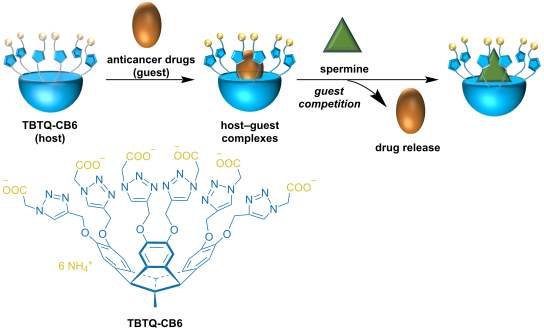
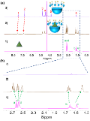
- molecule overexpressed in cancer cells, through host–guest competitive substitution since TBTQ-CB6 has a stronger binding affinity toward SM than MV and DOX. The host–guest interactions of the complexes of TBTQ-CB6 with MV, DOX and SM were investigated by NMR spectroscopy and fluorescence spectroscopy. The
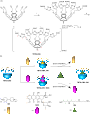
- competitive guest to control the release of MV and DOX. The structures of the target molecule TBTQ-CB6 and its precursors were characterized by NMR spectroscopy and mass spectrometry. The host–guest chemistry of TBTQ-CB6MV, TBTQ-CB6DOX and TBTQ-CB6SM was investigated by NMR spectroscopy and fluorescence
- fluorescence spectroscopy (Figure S10 in Supporting Information File 1). The corresponding Job plot curve (Figure 1b) showed the maximum value at a molar fraction of 0.5 for MV, indicating that TBTQ-CB6 encapsulated MV in a 1:1 stoichiometry. To further evaluate the association affinity of TBTQ-CB6 and MV





Chemistry of polyhalogenated nitrobutadienes, 17: Efficient synthesis of persubstituted chloroquinolinyl-1H-pyrazoles and evaluation of their antimalarial, anti-SARS-CoV-2, antibacterial, and cytotoxic activities
Beilstein J. Org. Chem. 2022, 18, 524–532, doi:10.3762/bjoc.18.54
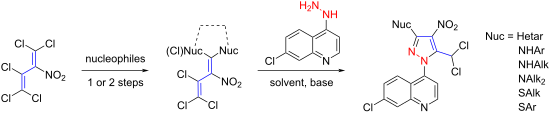
- of the malaria parasite P. falciparum (3D7 strain) using the SYBR Green I-based fluorescence assay [35]. Table 1 summarizes the activity of the compounds against the red blood cell stages of P. falciparum with EC50 values ranging from high nanomolar (200 nM) to low micromolar concentrations (4 µM


BINOL as a chiral element in mechanically interlocked molecules
Beilstein J. Org. Chem. 2022, 18, 508–523, doi:10.3762/bjoc.18.53
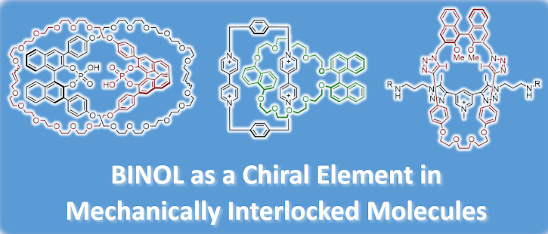
- ) and two NH donors (on the macrocycle). For the anion-recognition experiments, the binding of selected dicarboxylate anions ((S/R)-glutamate, fumarate, and maleate) was investigated by fluorescence titrations. This revealed an impressive chiral discrimination towards (S)-Glu2− with a selectivity of K(S




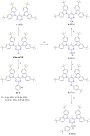
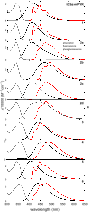
Substituent effect on TADF properties of 2-modified 4,6-bis(3,6-di-tert-butyl-9-carbazolyl)-5-methylpyrimidines
Beilstein J. Org. Chem. 2022, 18, 497–507, doi:10.3762/bjoc.18.52
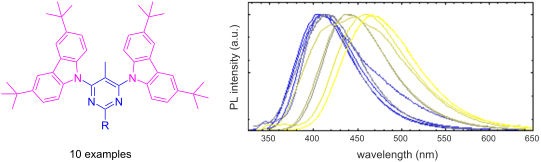
- .18.52 Abstract The interest in organic materials exhibiting thermally activated delayed fluorescence (TADF) significantly increased in recent years owing to their potential application as emitters in highly efficient organic light emitting diodes (OLEDs). Simple modification of the molecular structure
- attached through a phenylene bridge. A modification of the pyrimidine unit with CN, SCH3, and SO2CH3 functional groups at position 2 is shown to enhance the emission yield up to 0.5 with pronounced TADF activity. Keywords: carbazole; pyrimidine; RTP; synthesis; thermally activated delayed fluorescence
- ; Introduction The first reports on highly efficient thermally activated delayed fluorescence (TADF) mechanism and its successful realization in organic light emitting diodes (OLEDs) by Adachi and co-workers [1][2] have drawn the attention to the design and synthesis of various emissive donor–acceptor organic




Comparative study of thermally activated delayed fluorescent properties of donor–acceptor and donor–acceptor–donor architectures based on phenoxazine and dibenzo[a,j]phenazine
Beilstein J. Org. Chem. 2022, 18, 459–468, doi:10.3762/bjoc.18.48
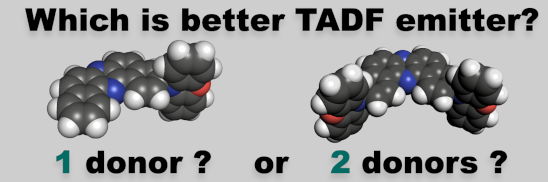
- of Chemistry, Silesian University of Technology, Strzody 9, 44-100 Gliwice, Poland Department of Energy Conversion and Storage, Technical University of Denmark, Anker Engelunds Vej 301, 2800 Kongens Lyngby, Denmark 10.3762/bjoc.18.48 Abstract A new thermally activated delayed fluorescence (TADF
- thermally activated delayed fluorescent behavior. Keywords: charge-transfer; dibenzophenazine; donor–acceptor; organic light-emitting diodes; thermally activated delayed fluorescence; Introduction Thermally activated delayed fluorescence (TADF), which was firstly reported in 1961 by Parker and Hatchard [1
- ], is a fundamental photophysical phenomenon that refers to delayed fluorescence radiated from the singlet excited state (S1) as a consequence of a brief detour to a triplet excited state (Tn) [i.e., intersystem crossing (ISC) and reverse intersystem crossing (rISC)]. Since the revisit of TADF in


Tetraphenylethylene-embedded pillar[5]arene-based orthogonal self-assembly for efficient photocatalysis in water
Beilstein J. Org. Chem. 2022, 18, 429–437, doi:10.3762/bjoc.18.45
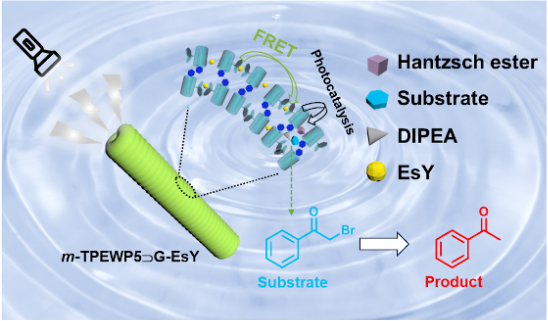
- –guest interactions between m-TPEWP5 and G, fluorescence titration studies were carried out in aqueous solution. As shown in Figure 2a, the free host m-TPEWP5 showed a maximum emission at 465 nm. Upon gradually increasing the concentration of G (0 to 1 equiv) into m-TPEWP5, the fluorescence intensities
- enhanced AIE effect [33][34]. To examine the binding stoichiometric ratio of the host–guest complex, Job’s plot [35] method was employed by using fluorescence titration experiments. As shown in Figure S3 (see Supporting Information File 1), the maximum mole fraction was observed at 0.5 (Figure 2b), which
- , respectively. Initially, we compared the overlapping efficiencies of both donor and acceptor systems by using UV–vis and fluorescence spectroscopy. The absorption band of the EsY acceptor shows good overlapping with the emission band of m-TPEWP5G donor (Figure 4a). We therefore speculated, that there may be an


![[Graphic 5]](/bjoc/content/inline/1860-5397-18-45-i7.svg?max-width=637&scale=1.18182) G-EsY self-assembled photocat...
G-EsY self-assembled photocat...
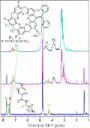


![[Graphic 15]](/bjoc/content/inline/1860-5397-18-45-i17.svg?max-width=637&scale=1.18182) G; (b) m-TPEWP5
G; (b) m-TPEWP5![[Graphic 16]](/bjoc/content/inline/1860-5397-18-45-i18.svg?max-width=637&scale=1.18182) G-EsY. [m-TPEWP5] = 1 × 10⁻⁴ M, [G] = 1 × 10⁻⁴ M, [EsY] = ...
G-EsY. [m-TPEWP5] = 1 × 10⁻⁴ M, [G] = 1 × 10⁻⁴ M, [EsY] = ...

![[Graphic 25]](/bjoc/content/inline/1860-5397-18-45-i27.svg?max-width=637&scale=1.18182) G donor assembly...
G donor assembly...

![[Graphic 43]](/bjoc/content/inline/1860-5397-18-45-i45.svg?max-width=637&scale=1.18182) G-EsY na...
G-EsY na...

![[Graphic 48]](/bjoc/content/inline/1860-5397-18-45-i50.svg?max-width=637&scale=1.18182) G-E...
G-E...



