


Search results
Search for "RNA" in Full Text gives 183 result(s) in Beilstein Journal of Organic Chemistry.
Pyrrolidine nucleotide analogs with a tunable conformation
Beilstein J. Org. Chem. 2014, 10, 1967–1980, doi:10.3762/bjoc.10.205
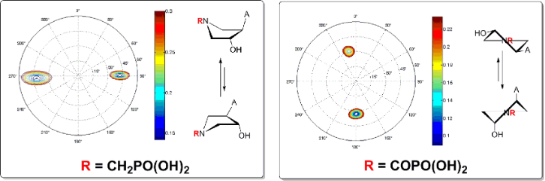
- nucleoside, nucleotide and oligonucleotide spatial structure. The conformation predefines, for example, the stability of DNA:RNA duplexes – complexes between oligodeoxyribonucleotide and a complementary RNA strain [7] or an overall shape of oligonucleotide. It is also well known that the structure of DNA may


Syntheses of 15N-labeled pre-queuosine nucleobase derivatives
Beilstein J. Org. Chem. 2014, 10, 1914–1918, doi:10.3762/bjoc.10.199
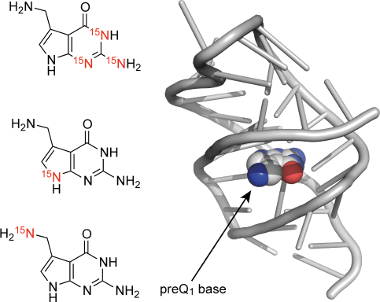
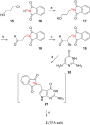
- ]-guanidine as cost-affordable 15N sources. Such derivatives are required to explore the binding process of the preQ1 base to RNA targets using advanced NMR spectroscopic methods. PreQ1 base specifically binds to bacterial mRNA domains and thereby regulates genes that are required for queuosine biosynthesis
- ][7][8]. To explore the binding process of preQ1 base to the RNA and to shed light on the dynamics underpinning this process advanced NMR spectroscopic methods exist for which 15N-labeled preQ1 base derivatives would be highly beneficial. Here, we report efficient routes for the synthesis of three
- preQ1 base. The new derivatives carry the potential for modern NMR spectroscopic applications to study the recognition process of these small molecules with RNA aptamer domains from the three preQ1 riboswitch classes known to this date [4][5][18]. Experimental General.Chemical reagents and solvents were



Synthesis of a bifunctional cytidine derivative and its conjugation to RNA for in vitro selection of a cytidine deaminase ribozyme
Beilstein J. Org. Chem. 2014, 10, 1906–1913, doi:10.3762/bjoc.10.198
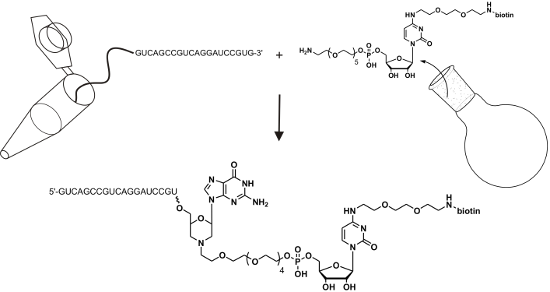
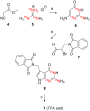
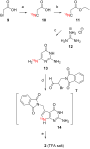
- from aptamers for simple binding of defined ligands, also RNAs for catalysis of chemical reactions have been selected. In the latter case, a key step often is the conjugation of one of the two reactants to the library, requiring suitable strategies for terminal or internal RNA functionalization. With
- derivative suitable for conjugation to RNA and linkage of the conjugated library to a streptavidine-coated surface. Successful conjugation of the cytidine derivative to the 3'-terminus of a model RNA is demonstrated. Keywords: cytidine deaminase; modified nucleoside; nucleic acids; ribozyme; RNA world
- ; SELEX; Introduction Since the discovery of the first catalytic RNA in the ciliate Tetrahymena thermophilia in 1982 [1], a number of naturally occurring ribozymes have been described [2]. Whereas all of these natural ribozymes accelerate transesterifications or, as in the case of the ribosome, the


Structure/affinity studies in the bicyclo-DNA series: Synthesis and properties of oligonucleotides containing bcen-T and iso-tricyclo-T nucleosides
Beilstein J. Org. Chem. 2014, 10, 1840–1847, doi:10.3762/bjoc.10.194
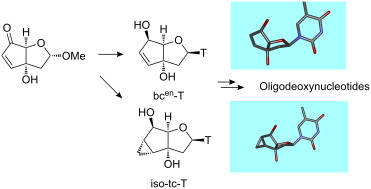
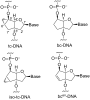
- the gauche orientation with the furanose ring in a near perfect 2’-endo conformation. Both modifications were incorporated into oligodeoxynucleotides and their thermal melting behavior with DNA and RNA as complements was assessed. We found that the iso-tc-T modification was significantly more
- destabilizing in duplex formation compared to the bcen-T modification. In addition, duplexes with complementary RNA were less stable as compared to duplexes with DNA as complement. A structure/affinity analysis, including the already known bc-T and tc-T modifications, does not lead to a clear correlation of the
- orientation of torsion angle γ with DNA or RNA affinity. There is, however, some correlation between furanose conformation (N- or S-type) and affinity in the sense that a preference for a 3’-endo like conformation is associated with a preference for RNA as complement. As a general rule it appears that Tm data



Sacrolide A, a new antimicrobial and cytotoxic oxylipin macrolide from the edible cyanobacterium Aphanothece sacrum
Beilstein J. Org. Chem. 2014, 10, 1808–1816, doi:10.3762/bjoc.10.190
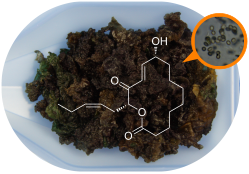
- of the cells, 1 is is not expected to target cell cycle-associated events, such as the synthesis of proteins, DNA, or RNA. Despite their structural diversity, many oxylipins induce a common stress response in plants and animal cells, and this activity is attributed to their ability to modify the


Multicomponent reactions in nucleoside chemistry
Beilstein J. Org. Chem. 2014, 10, 1706–1732, doi:10.3762/bjoc.10.179
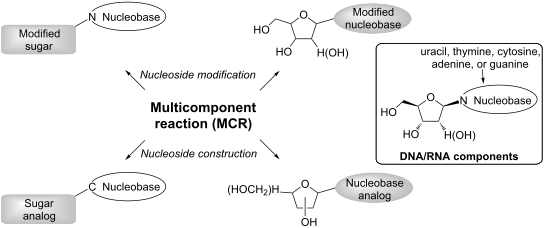
- educts contribute the majority of the novel skeleton of the product” [44]. In this review, we understand educts as compounds that contribute carbon atoms to the MCR product [45]. By the analogy to nucleosides included in the DNA/RNA nucleic acids, this review is limited to MCRs involving furanosyl


Carbohydrate PEGylation, an approach to improve pharmacological potency
Beilstein J. Org. Chem. 2014, 10, 1433–1444, doi:10.3762/bjoc.10.147
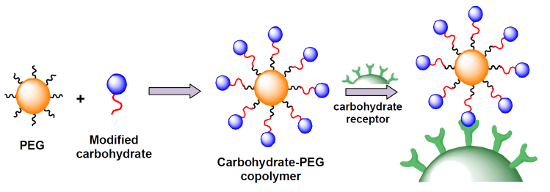
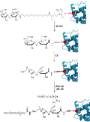
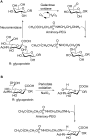
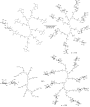
- mannose to PEI via a PEG chain spacer (Figure 3B). This system was used to deliver small interfering RNA (siRNA) into a murine macrophage cell line [44]. Mannose residues as their 2-aminoethyl glycosides were attached by reductive amination to the surface of copolymer micelles of PEG with poly-ε






Streptopyridines, volatile pyridine alkaloids produced by Streptomyces sp. FORM5
Beilstein J. Org. Chem. 2014, 10, 1421–1432, doi:10.3762/bjoc.10.146
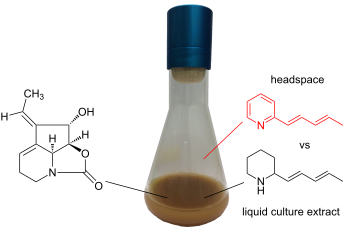
- identification. The streptopyridines showed only weak antibacterial and cytostatic activity (R. Müller, pers. commun.), similar to that described earlier by us for 2-pentylpyridine [31]. The analysis of the 16S-RNA revealed strain FORM5 to be a Streptomyces. It showed 99% sequence similarity to Streptomyces
- synthetic or commercially available reference compound (std). Supporting Information Supporting Information File 102: Total ion chromatograms of strain Streptomyces sp. FORM5, mass spectra, 16S-RNA data, and 1H and 13C NMR spectra of the synthetic compounds. Acknowledgements We thank Silke Wenzel and
- Jennifer Herrmann from the workgroup of Rolf Müller, HIPS, Saarbrücken, Germany, for performing 16S-RNA classification and bioassays. We also thank Axel Zeeck, Göttingen, for the strain FORM5.


Glycosystems in nanotechnology: Gold glyconanoparticles as carrier for anti-HIV prodrugs
Beilstein J. Org. Chem. 2014, 10, 1339–1346, doi:10.3762/bjoc.10.136
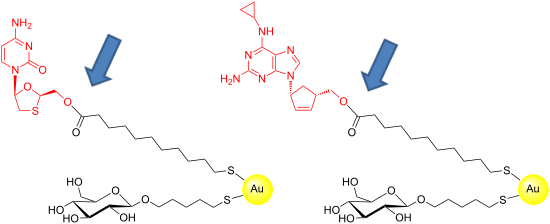
- triphosphorylated to active metabolites that can compete with the natural substrate of RT avoiding the RNA retrotranscription, e.g., the viral replication. Abacavir and lamivudine (being NRTi) inhibit the HIV reverse transcriptase enzyme competitively and act as a chain terminator in DNA synthesis. The lack of a 3


Atherton–Todd reaction: mechanism, scope and applications
Beilstein J. Org. Chem. 2014, 10, 1166–1196, doi:10.3762/bjoc.10.117





Solid-phase-supported synthesis of morpholinoglycine oligonucleotide mimics
Beilstein J. Org. Chem. 2014, 10, 1151–1158, doi:10.3762/bjoc.10.115
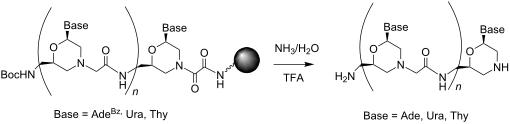
- selective binding with RNA but not with DNA [16][17]. It has been shown that conjugation of PMO with cationic peptides or other cationic residues facilitates penetration of PMO into cells and efficiently prevents the growth of E. coli in vitro and in vivo [18]. Taking the above considerations into account
- was revealed that the MorGly oligomers preferably bind with RNA than with DNA [20]. At the same time, the stability of complementary complexes of modified oligomers was shown to depend on the residues dangling the 4-end of the MorGly oligomers. In this study, the type of the residue dangling the 4-end
- will be used in the further study of the structure and the thermal stability of complementary complexes of the MorGly oligomers with native DNA and RNA to elucidate the role of the hydrogen bonds and base stacking in their formation and stability. The use of highly sophisticated constructs containing



SF002-96-1, a new drimane sesquiterpene lactone from an Aspergillus species, inhibits survivin expression
Beilstein J. Org. Chem. 2013, 9, 2866–2876, doi:10.3762/bjoc.9.323
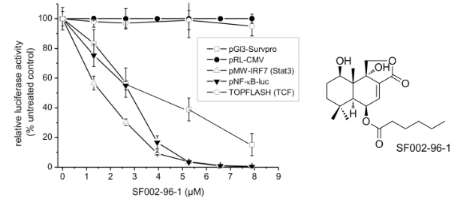
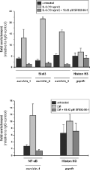
- highest concentration tested (8 µM). To investigate the effect of the compound on the transcription of the survivin gene, quantitative real-time PCR experiments were performed with total RNA isolated from Colo 320 cells treated with different concentrations of the test compound for 8 h as described in the




The regulation and biosynthesis of antimycins
Beilstein J. Org. Chem. 2013, 9, 2556–2563, doi:10.3762/bjoc.9.290
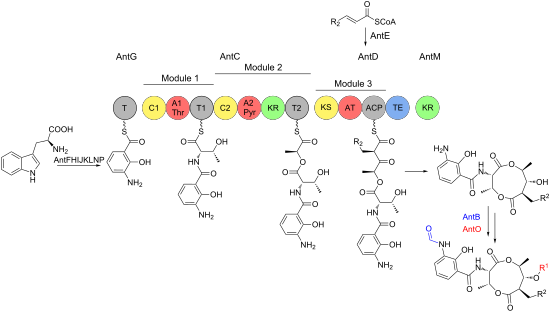
- -aminosalicylate, antCD encode the hybrid NRPS/PKS machinery and antE and antM encode a crotonyl-CoA reductase and a discrete ketoreductase, respectively. The antB and antO genes encode tailoring enzymes and antA encodes an extracytoplasmic function (ECF) RNA polymerase σ factor named σAntA. The additional genes
- genes in stationary phase also suggests that specific regulatory mechanisms must exist to switch off the expression of all four ant operons. Despite this, the 14 ant gene clusters contain only a single conserved regulatory gene, antA, which encodes an orphan ECF RNA polymerase σ factor named σAntA
- , ketosynthase; AT, acyltransferase; ACP, acyl carrier protein; TE, thioesterase; *AntP is a pathway-specific kynureninase that is encoded by L- and I-form ant gene clusters. σAntA comprises a new subfamily of ECF RNA polymerase σ factors. σAntA amino acid sequences were aligned to amino acid sequences of random


An overview of the synthetic routes to the best selling drugs containing 6-membered heterocycles
Beilstein J. Org. Chem. 2013, 9, 2265–2319, doi:10.3762/bjoc.9.265
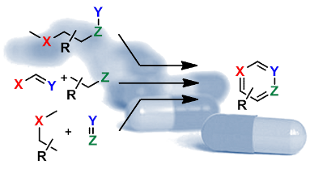
- pyrimidines form very tight hydrogen-bonding arrays as seen in DNA and RNA. Synthetically, the electron-poor nature of pyrimidines accounts for the manifold functionalisation pathways using nucleophilic aromatic substitution chemistry. Electrophilic aromatic substitution reactions are more common during the


Synthesis and antibacterial activity of monocyclic 3-carboxamide tetramic acids
Beilstein J. Org. Chem. 2013, 9, 1899–1906, doi:10.3762/bjoc.9.224

- inhibitor) [3], R207910 (an ATP synthase inhibitor) [4] and moiramide B (a bacterial acetyl-CoA carboxylase inhibitor) [5]. Both natural 3-acyltetramic acids, for example streptolydigin 1a (bacterial RNA polymerase (RNAP) inhibitory activity) [6] and kibdelomycin 1b (bacterial type II topoisomerase


A reductive coupling strategy towards ripostatin A
Beilstein J. Org. Chem. 2013, 9, 1533–1550, doi:10.3762/bjoc.9.175
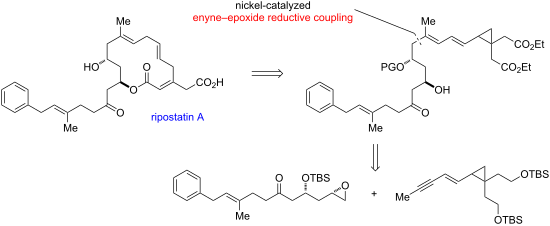
- ribonucleic acid polymerase. These compounds inhibit chain initiation of RNA synthesis in Staphylococcus aureus, a particularly infectious bacterial strain with reported drug resistance to the antibiotics vancomycin and methicillin [3]. Ripostatin A exists as an equilibrium mixture of ketone and hemiketal


Recent progress in the discovery of small molecules for the treatment of amyotrophic lateral sclerosis (ALS)
Beilstein J. Org. Chem. 2013, 9, 717–732, doi:10.3762/bjoc.9.82
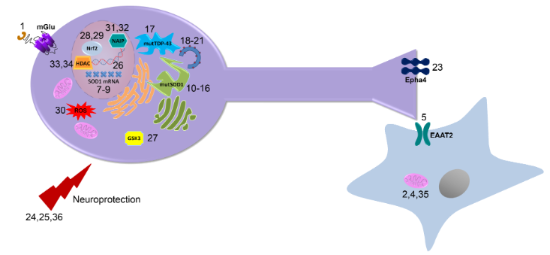
- TARDBP, which encodes for the trans-activating response (TAR) DNA-binding protein 43 (TDP-43), FUS/TLS, which encodes the RNA-binding protein fused in sarcoma, and VAPB, a gene encoding the vesicle-associated membrane-protein-associated protein B/C, and animal models based on mutations in these genes


A new synthetic protocol for coumarin amino acid
Beilstein J. Org. Chem. 2013, 9, 254–259, doi:10.3762/bjoc.9.30
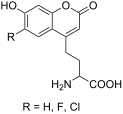
- Xinyi Xu Xiaosong Hu Jiangyun Wang Laboratory of Noncoding RNA, Institute of Biophysics, Chinese Academy of Sciences, Beijing 100101, China Graduate University of the Chinese Academy of Sciences, Beijing 100864, China Department of Chemistry, School of Science, Wuhan University of Technology



Peptoids and polyamines going sweet: Modular synthesis of glycosylated peptoids and polyamines using click chemistry
Beilstein J. Org. Chem. 2013, 9, 56–63, doi:10.3762/bjoc.9.7
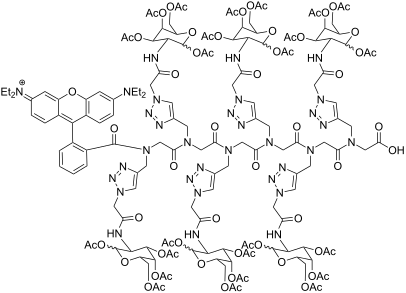
- be efficacious in the cellular delivery of oligonucleotides such as DNA [5][6][7] and RNA [8][9][10][11]. Conjugates of polyamines with aliphatic lipids or cholesterol yielding, i.e., dioctadecylaminoglycylspermine (DOGS, transfectam) are well established reagents for the transfection of DNA and


Chemical modification allows phallotoxins and amatoxins to be used as tools in cell biology
Beilstein J. Org. Chem. 2012, 8, 2072–2084, doi:10.3762/bjoc.8.233
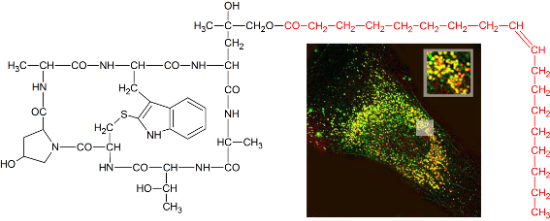
- filaments. This interaction is in the nanomolar range and highly specific: no other targets for phalloidin in the cell are known. Amatoxins, such as the main toxin α-amanitin, bind to RNA-polymerases II of eukaryotic cells, thus inhibiting the transcription process at nanomolar concentrations. Also this
- interaction is specific, since RNA-polymerases I are not inhibited at all, whereas RNA-polymerases III are inhibited at amanitin concentrations ca. 1000 times higher than for RNA-polymerases II [2][3]. The fact that both the cytoskeleton and the eukaryotic transcription machine are complex structures and
- stabilizing yeast RNA-polymerase II in an X-ray analysis [7]. For both phallotoxins and amatoxins, experience with live cells is limited by the fact that the peptides cross the plasma membrane barrier only very slowly. Poor uptake rates of phallotoxins and amatoxins have been observed for most mammalian cells




Conformational analysis, stereoelectronic interactions and NMR properties of 2-fluorobicyclo[2.2.1]heptan-7-ols
Beilstein J. Org. Chem. 2012, 8, 1227–1232, doi:10.3762/bjoc.8.137

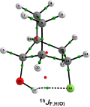
- exhibits F∙∙∙HO intramolecular HB, is substantially higher, i.e., (−)28.4 Hz [9]. In fact, the importance of NMR scalar spin–spin coupling constants (SSCCs) transmitted through hydrogen bonds emerged, fundamentally, from the observation of 1hJ15N,H and 2hJ15N,15N SSCCs for DNA and RNA molecular systems [10


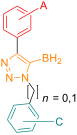
Parallel solid-phase synthesis of diaryltriazoles
Beilstein J. Org. Chem. 2012, 8, 1027–1036, doi:10.3762/bjoc.8.115
- acids in proteins being part of α-helices [2], it is the most common secondary structure found in proteins [3]. Protein–protein as well as protein–DNA and protein–RNA interactions often involve α-helices as recognition motifs on protein surfaces [4]. These helices are important targets for new drugs


The use of glycoinformatics in glycochemistry
Beilstein J. Org. Chem. 2012, 8, 915–929, doi:10.3762/bjoc.8.104
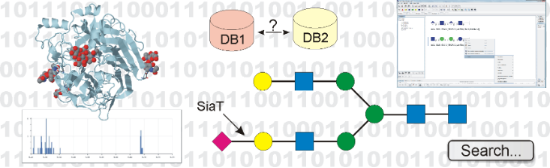
- nucleotides that form DNA or RNA strands [1][2]. Furthermore, the monosaccharides can be linked to each other in several ways, including the possibility to form branched structures. Another important difference between glycans, on the one hand, and proteins and nucleic acids, on the other hand, is visible in
- their biosynthesis: DNA, RNA and proteins are synthesized by copying, transcription or translation, respectively, of nucleic acids, whereas carbohydrates are built in a non-template-driven approach by the sequential action of various glycosyltransferases (GT) that add monosaccharides to an existing

Diarylethene-modified nucleotides for switching optical properties in DNA
Beilstein J. Org. Chem. 2012, 8, 905–914, doi:10.3762/bjoc.8.103
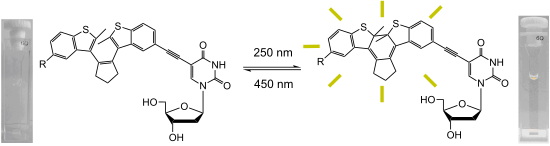
- its planarity and polarity. This assumption was experimentally verified by synthetic spiropyrans as noncovalent DNA and RNA binders [23][24][25]. As expected, ground-state interactions between the noncovalently bound molecular switch and the DNA bases were detected in the case of the merocyanine form




Triterpenoid saponins from the roots of Acanthophyllum gypsophiloides Regel
Beilstein J. Org. Chem. 2012, 8, 763–775, doi:10.3762/bjoc.8.87
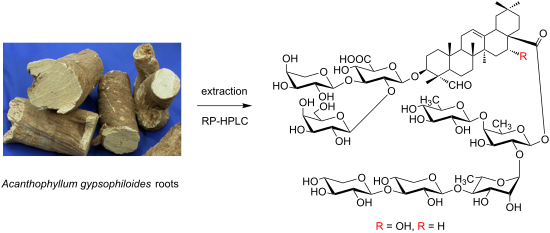
- cytokines, including IL-6, IL-8 and IL-1β, upon stimulation with bacterial and viral components, such as lipopolysaccharides (LPS) and double-stranded RNA (dsRNA) [25]. HUVEC were cultivated in the presence of saponins 1 and 2 at nontoxic concentrations, i.e., 1 and 5 μg/mL, as determined by EZ4U test, and





