


Search results
Search for "antibacterial" in Full Text gives 374 result(s) in Beilstein Journal of Organic Chemistry. Showing first 200.
Host–guest interaction of cucurbit[8]uril with oroxin A and its effect on the properties of oroxin A
Beilstein J. Org. Chem. 2020, 16, 2332–2337, doi:10.3762/bjoc.16.194

- beneficial biological effects of OA, which include antioxidant, antidiabetic, anticancer, antibacterial, anti-inflammatory and antiviral properties [25][26][27][28][29][30]. Herein, we selected Q[8] as a host molecule and investigated its host–guest interactions with OA, as well as its effect on the


Muyocopronones A and B: azaphilones from the endophytic fungus Muyocopron laterale
Beilstein J. Org. Chem. 2020, 16, 2100–2107, doi:10.3762/bjoc.16.177
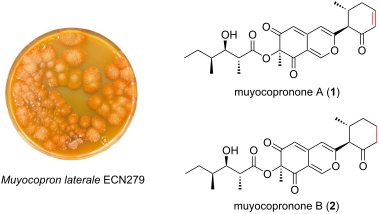
- configurations were determined using the modified Mosher’s method and through comparisons of experimental and calculated electronic circular dichroism data. In addition, muyocopronone B (2) was found to exhibit a weak antibacterial activity against some Gram-positive bacteria. Keywords: azaphilones; endophytic
- ,10R,11R) stereoisomer. Finally, since a number of azaphilones have been reported to exhibit antimicrobial activity [5][23], muyocopronones A (1) and B (2) were screened for their antibacterial activity against five strains of Gram-positive bacteria, namely Staphylococcus aureus (PAGU 273T
- ), methicillin-resistant S. aureus (PAGU 841, MRSA), S. epidermidis (PAGU 283T), Enterococcus faecalis (PAGU 102T), and vancomycin-resistant E. faecalis (PAGU 100). Although muyocopronone B (2) exhibited an antibacterial activity against both antibiotic-resistant and antibiotic-susceptible strains, with minimum




pH- and concentration-dependent supramolecular self-assembly of a naturally occurring octapeptide
Beilstein J. Org. Chem. 2020, 16, 2017–2025, doi:10.3762/bjoc.16.168
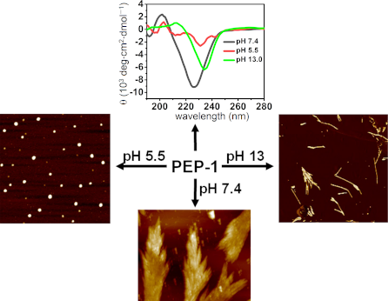
- , as mentioned above. The pH-responsive self-assembling behavior of peptides has a great importance in drug delivery, and since PEP-1 contains rich cationic residues, such as Arg, this system can be an interesting potential candidate for DDS and as an antibacterial agent [71]. Biocompatibility, drug
- delivery, and antibacterial studies are underway in our laboratory. Concentration-dependent secondary structure formation Apart from the pH-dependent self-assembly, we also investigated the role of the concentration on the self-assembly and secondary structure. As shown previously, the CD spectra at


Stereoselective Biginelli-like reaction catalyzed by a chiral phosphoric acid bearing two hydroxy groups
Beilstein J. Org. Chem. 2020, 16, 1875–1880, doi:10.3762/bjoc.16.155
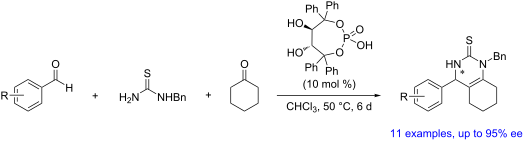
- ][2][3][4]. In the last decade, chiral DHPMs showed valuable pharmacological properties such as antiviral, antitumor, antibacterial, anti-inflammatory, and antihypertensive effects [5][6]. However, the individual enantiomers of DHPMs were found to exhibit different or even opposite pharmaceutical


Three new O-isocrotonyl-3-hydroxybutyric acid congeners produced by a sea anemone-derived marine bacterium of the genus Vibrio
Beilstein J. Org. Chem. 2020, 16, 1869–1874, doi:10.3762/bjoc.16.154
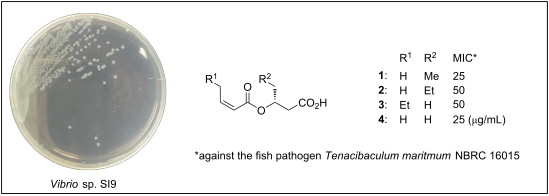
- )-configuration of the 3-hydroxy acid components in 1–4. These compounds showed no cytotoxicity but were weakly antibacterial against a fish ulcer pathogen, Tenacibaculum maritimum. The (2Z)-enoic acyl termini in 1–4 are precedented by 5, discovered from another Vibrio bacterium, and the (R)-configured short
- . Antibacterial assay The antibacterial activity was evaluated by a microculture technique described previously [20], except for a 1:100 reduction of the seeding density of T. maritimum NBRC16015. Cytotoxicity assay 3Y1 rat embryonic fibroblastic cells were maintained in low-glucose DMEM medium containing ʟ


Tuneable access to indole, indolone, and cinnoline derivatives from a common 1,4-diketone Michael acceptor
Beilstein J. Org. Chem. 2020, 16, 1722–1731, doi:10.3762/bjoc.16.144

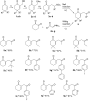
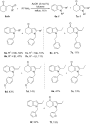
- antibacterial, antifungal, anticancer, or anti-inflammatory agents or even on the central nervous system [7][12][13]. Several routes have been reported to access these key compounds, the most developed being for the indole [14] derivatives using the Fischer indole synthesis involving sigmatropic rearrangements





Microwave-assisted efficient one-pot synthesis of N2-(tetrazol-5-yl)-6-aryl/heteroaryl-5,6-dihydro-1,3,5-triazine-2,4-diamines
Beilstein J. Org. Chem. 2020, 16, 1706–1712, doi:10.3762/bjoc.16.142
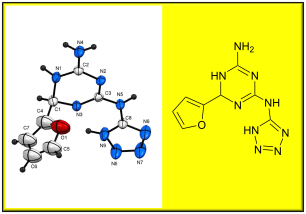
- -2,4-diamines; one-pot synthesis; X-ray crystallography; Introduction The family of triazines is of considerable interest in fields related to organic and medicinal chemistry. 2,4-Diaminotriazines are privileged scaffolds exhibiting diverse biological activities such as antibacterial [1], anti-HSV-1
- ]. Tetrazole derivatives exhibit a wide spectrum of biological activities as antibacterial [14], anticancer [15], anti-inflammatory [16], antidiabetic [17], antitubercular [18], and analgesic [19] agents. It is well established that many medical disorders can be caused as a result of defects at more than one


Antibacterial scalarane from Doriprismatica stellata nudibranchs (Gastropoda, Nudibranchia), egg ribbons, and their dietary sponge Spongia cf. agaricina (Demospongiae, Dictyoceratida)
Beilstein J. Org. Chem. 2020, 16, 1596–1605, doi:10.3762/bjoc.16.132
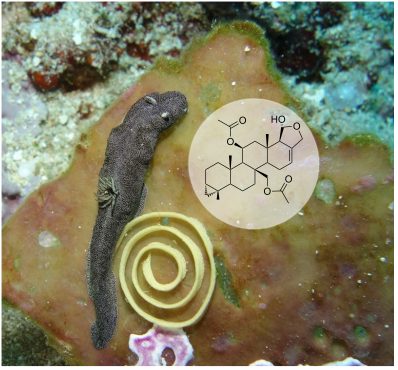
- the genus Doriprismatica and scalarane-containing dictyoceratid sponges of the Spongiidae family. The results also indicate that D. stellata passes the scalarane metabolite on to its egg ribbons, most likely for protective purposes. The scalarane showed antibacterial activity against the Gram-positive
- bacteria Arthrobacter crystallopoietes (DSM 20117) and Bacillus megaterium (DSM 32). Keywords: antibacterial; Dictyoceratida; Nudibranchia; scalarane; sesterterpene; Introduction In habitats with intense competition and feeding pressure, such as coral reefs, sessile or slow-moving organisms commonly
- sesterterpene reported with a cyclopropane ring bridging the carbons C-3, C-22 and C-4 in ring A, and an acetoxy group at C-11 instead of C-12 in ring C (Figure 2). All ethyl acetate extracts, as well as the isolated new scalarane, showed antibacterial activity against the Gram-positive bacteria Arthrobacter



One-step route to tricyclic fused 1,2,3,4-tetrahydroisoquinoline systems via the Castagnoli–Cushman protocol
Beilstein J. Org. Chem. 2020, 16, 1456–1464, doi:10.3762/bjoc.16.121
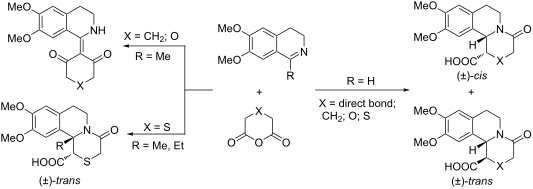
- ]isoquinoline skeleton is incorporated in a large group of natural compounds such as crispines, trolline, and lamellarins, which are interesting due to their anticancer, antiviral, and antibacterial activities [7][8]. In the light of this broad array of biological activities, the development of novel methods


Synthesis of pyrrolidinedione-fused hexahydropyrrolo[2,1-a]isoquinolines via three-component [3 + 2] cycloaddition followed by one-pot N-allylation and intramolecular Heck reactions
Beilstein J. Org. Chem. 2020, 16, 1225–1233, doi:10.3762/bjoc.16.106
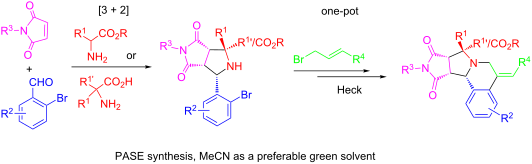
- ; Introduction Pyrrolo[2,1-a]isoquinoline and hexahydropyrrolo[2,1-a]isoquinoline are privileged heterocyclic rings existing in many natural products and synthetic compounds possessing antitumor, antibacterial, antiviral, antioxidizing, and other biological activities (Figure 1) [1][2]. For example, the alkaloid


Efficient synthesis of piperazinyl amides of 18β-glycyrrhetinic acid
Beilstein J. Org. Chem. 2020, 16, 798–808, doi:10.3762/bjoc.16.73
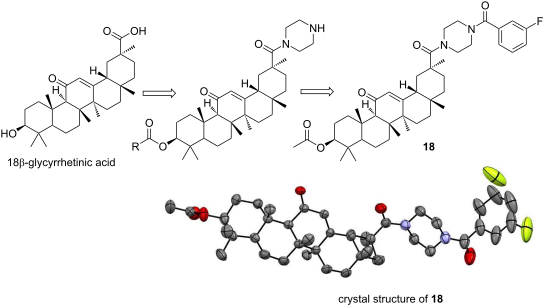
- [3], antitumor [4], and antibacterial [5] activity and their proberties as hepatic protective agents [6]. Over the past few decades, the emphasis was placed primarily on explaining structure–activity relationships of 18β-glycyrrhetinic acid derivatives to enhance their biological activity. The


Efficient synthesis of dipeptide analogues of α-fluorinated β-aminophosphonates
Beilstein J. Org. Chem. 2020, 16, 756–762, doi:10.3762/bjoc.16.69
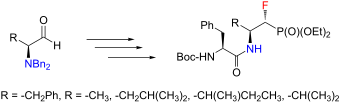
- applications of fluorinated aminophosphonates and aminophosphonic acid derivatives, they exhibit antiviral [4][5], antibacterial [6] and antifungal [7] activities. Moreover, α-fluorinated phosphonates can be considered as hydrolytically stable mimics of naturally occurring phosphates [8]. Due to the fact that


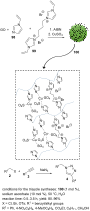
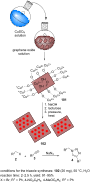
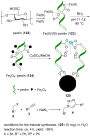
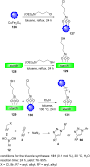
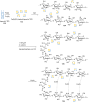
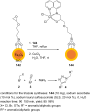
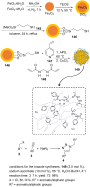
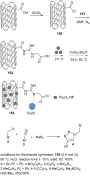
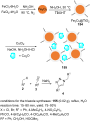
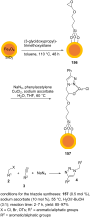
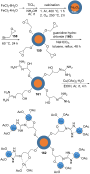
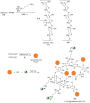
A systematic review on silica-, carbon-, and magnetic materials-supported copper species as efficient heterogeneous nanocatalysts in “click” reactions
Beilstein J. Org. Chem. 2020, 16, 551–586, doi:10.3762/bjoc.16.52
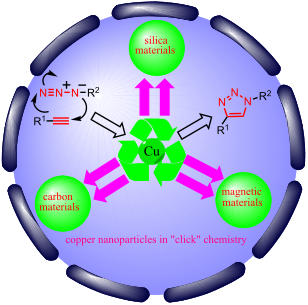
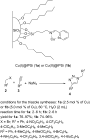
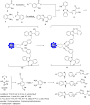
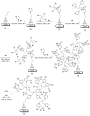
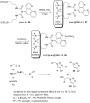
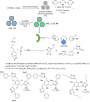
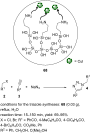
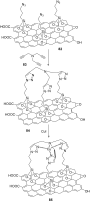
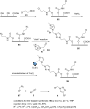
- catalysts; Sharpless–Meldal C–N bond-forming reaction; silica/carbon/magnetic materials; Introduction Heterocycles are a class of organic compounds with significant biological activities [1][2][3][4][5][6][7][8][9][10], including antimicrobial [2], antibacterial [3], anti-HIV [4], antiviral [5
- ], antiparkinsonian [6], and anticancer [10] properties. Particularly, triazoles illustrate distinguished moieties well distributed in natural products with biological properties [2][3][4][9][10], including antimicrobial [2], antibacterial [3], antifungal [3], anti-HIV [4], and anticancer [10] activities. One of the
















Two antibacterial and PPARα/γ-agonistic unsaturated keto fatty acids from a coral-associated actinomycete of the genus Micrococcus
Beilstein J. Org. Chem. 2020, 16, 297–304, doi:10.3762/bjoc.16.29
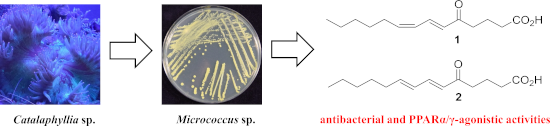
- assignment of an E geometry at C8 in 2. As metabolites of microbes, compounds 1 and 2 are unprecedented in terms of bearing a 2,4-dienone system. Both 1 and 2 showed antibacterial activity against the plant pathogen Rhizobium radiobacter and the fish pathogen Tenacibaculum maritimum, with a contrasting
- preference that 1 is more effective to the former strain while 2 is so to the latter. In addition, compounds 1 and 2 displayed agonistic activity against peroxisome proliferator-activated receptors (PPARs) with an isoform specificity towards PPARα and PPARγ. Keywords: antibacterial; coral; keto fatty acid
- and 2 showed selective antibacterial activity against the plant pathogen R. radiobacter and the fish pathogen T. maritimum, respectively. In addition, both 1 and 2 displayed agonistic activity against PPARα and PPARγ. Experimental General experimental procedure UV and IR spectra were recorded on a


Absolute configurations of talaromycones A and B, α-diversonolic ester, and aspergillusone B from endophytic Talaromyces sp. ECN211
Beilstein J. Org. Chem. 2020, 16, 290–296, doi:10.3762/bjoc.16.28
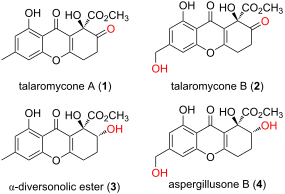
- : secalonic acids, ergoflavins, and ergochrysins), which are well-known mycotoxins that exhibit toxic, antibacterial, and mutagenic properties [1]. On the other hand, a limited number of monomeric tetrahydroxanthones has been reported as fungal metabolites to date, including the blennolides [2], diversonolic


Ultrasonic-assisted unusual four-component synthesis of 7-azolylamino-4,5,6,7-tetrahydroazolo[1,5-a]pyrimidines
Beilstein J. Org. Chem. 2020, 16, 281–289, doi:10.3762/bjoc.16.27
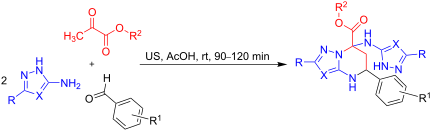
- importance, and they have attracted the attention of medicinal chemists because of their various biological activities [1]. Furthermore, tetrahydropyrimidines containing fused azole rings are a privileged class of heterocycles due to their antiviral [2], antitubercular, antitumor [3], antibacterial [4][5


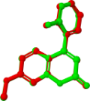
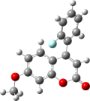
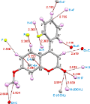
Synthesis of 4-(2-fluorophenyl)-7-methoxycoumarin: experimental and computational evidence for intramolecular and intermolecular C–F···H–C bonds
Beilstein J. Org. Chem. 2020, 16, 190–199, doi:10.3762/bjoc.16.22
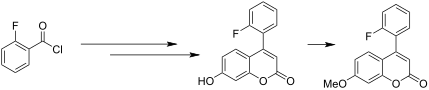
- ], anti-oxidant [7], antibacterial [8], hepatoprotective, anticoagulant, antiviral and antithrombotic activities [9]. The variety of uses of these compounds resulted in an increase in demand for large quantities of coumarins. Due to an insufficient natural supply to meet this demand for these compounds



Understanding the role of active site residues in CotB2 catalysis using a cluster model
Beilstein J. Org. Chem. 2020, 16, 50–59, doi:10.3762/bjoc.16.7
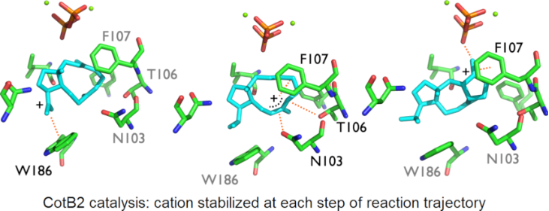
- by featuring anticancer, antibacterial, anti-inflammatory, and antiretroviral activities [37]. Moreover, they are applied in the food industry as antioxidants and sweeteners [4]. CotB2 is a bacterial diterpene cyclase from S. melanosporofaciens, which catalyzes the formation of cyclooctat-9-en-7-ol


Light-controllable dithienylethene-modified cyclic peptides: photoswitching the in vivo toxicity in zebrafish embryos
Beilstein J. Org. Chem. 2020, 16, 39–49, doi:10.3762/bjoc.16.6
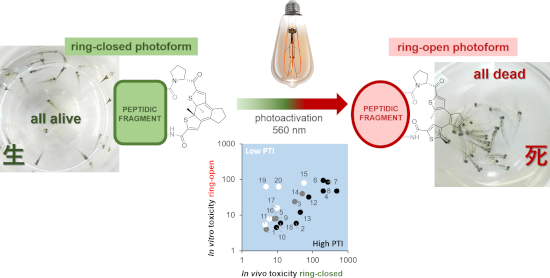
- , we noticed that there was generally a poor correlation between the antibacterial activity on the one side, and the cytotoxicity against HeLa cells on the other side, and erythrocytes as a third scenario. Different compounds could thus be regarded as potential leads for chemotherapy of either


Construction of trisubstituted chromone skeletons carrying electron-withdrawing groups via PhIO-mediated dehydrogenation and its application to the synthesis of frutinone A
Beilstein J. Org. Chem. 2019, 15, 2958–2965, doi:10.3762/bjoc.15.291

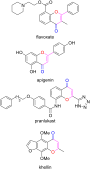
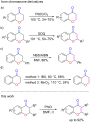
- of the obtained chromone derivatives was their conversion to chromone-derived natural products. Frutinone A, isolated from the leaves and root bark of Polygala fruticosa, shows various biological activities, including antibacterial, antioxidant, and potent cytochrome P450 1A2 inhibition (CYP1A2, IC50



Two new aromatic polyketides from a sponge-derived Fusarium
Beilstein J. Org. Chem. 2019, 15, 2941–2947, doi:10.3762/bjoc.15.289
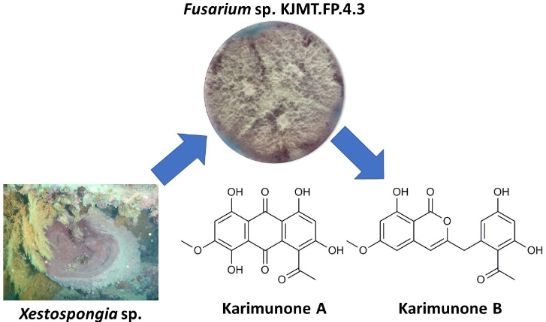
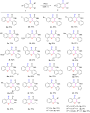
- of NMR and MS spectroscopic data. The NMR assignment of 1 was assisted by DFT-based theoretical chemical shift calculation. Compound 2 showed antibacterial activity against multidrug resistant Salmonella enterica ser. Typhi with a MIC of 125 µg/mL while 1 was not active. Keywords: aromatic
- ). Antibacterial activities of compounds 1–7 were tested against clinical pathogen Salmonella enterica ser. Typhi strain MDR from General Hospital Dr. Kariadi, Semarang, Indonesia. Compounds 2–7 were weakly active with MIC values of 125 µg/mL, while 1 was not active in the same concentration range. Conclusion In


Chemical synthesis of tripeptide thioesters for the biotechnological incorporation into the myxobacterial secondary metabolite argyrin via mutasynthesis
Beilstein J. Org. Chem. 2019, 15, 2922–2929, doi:10.3762/bjoc.15.286
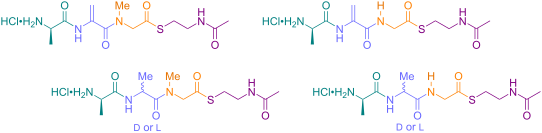
- ’-methoxy group to halogens or other substituents in different positions led to a loss of antibacterial activity, whereas the 5’-methoxytryptophan regioisomer largely retained activity against P. aeruginosa PAO1. Inspection of the crystal structure of argyrin in complex with the bacterial elongation factor



Diversity-oriented synthesis of spirothiazolidinediones and their biological evaluation
Beilstein J. Org. Chem. 2019, 15, 2774–2781, doi:10.3762/bjoc.15.269

- represent an important class of nitrogen-containing biologically active compounds which exhibit various biological properties, such as antiviral, antibacterial and anticancer, etc. [55][56][57][58]. Recently, the use of 1,2,3-triazole derivatives as drug candidates has been increased for clinical therapy of


Fluorinated maleimide-substituted porphyrins and chlorins: synthesis and characterization
Beilstein J. Org. Chem. 2019, 15, 2704–2709, doi:10.3762/bjoc.15.263

- . Maleimides are considered as a biologically important scaffold that possess almost all types of biological activities including antibacterial and antifungal activity [24], anticancer activity [25], cox-2 inhibitor and anti-inflammatory, antidiabetic activity [26] and photodynamic activity [27]. Attaching of


Nanangenines: drimane sesquiterpenoids as the dominant metabolite cohort of a novel Australian fungus, Aspergillus nanangensis
Beilstein J. Org. Chem. 2019, 15, 2631–2643, doi:10.3762/bjoc.15.256
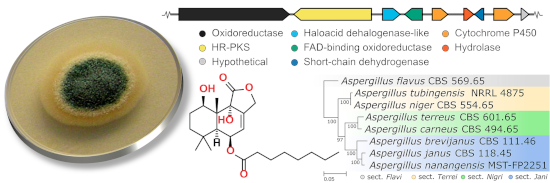
- cell lines, two bacteria, one fungus and one plant (Table 4). Compound 1 was inactive up to 100 μg mL−1 in all of the assays performed, suggesting acylation at 6-OH is important for biological activity. Compounds 4, 5 and 7 showed moderate antibacterial activity against B. subtilis, with weaker





