Search results
Search for "biologically active" in Full Text gives 572 result(s) in Beilstein Journal of Organic Chemistry. Showing first 200.
Synthesis of functionalized imidazo[4,5-e]thiazolo[3,2-b]triazines by condensation of imidazo[4,5-e]triazinethiones with DMAD or DEAD and rearrangement to imidazo[4,5-e]thiazolo[2,3-c]triazines
Beilstein J. Org. Chem. 2021, 17, 1141–1148, doi:10.3762/bjoc.17.87
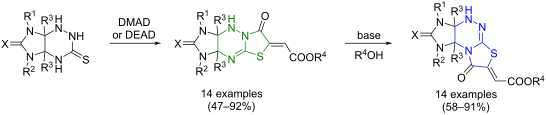
- rearrangement; cyclocondensation; heterocycles; thiazolidine-4-one; 1,2,4-triazine; Introduction The thiazolidin-4-one heterocyclic system is a well-known, accessible and, as a consequence, a widely used pharmacophore in the chemistry of biologically active compounds possessing antimicrobial [1
- ], antituberculosis [2], anti-inflammatory [3][4], anticancer [5], antidiabetic [6][7], and antiviral activities [8]. A significant number of biologically active thiazolidines amount to their heteroannelated derivatives, namely, condensed thiazolo[3,2-a]pyrimidines [9] and thiazolo[3,2-b]-1,2,4-triazoles [10], as
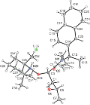
- further transformations in basic media, are continuing. Biologically active compounds having thiazolidin-4-one and thiazolo-1,2,4-triazine units. 1H NMR spectra of compounds 4h and 5h in DMSO-d6 in the region of 3.5–8.8 ppm. X-ray crystal structure of compound 5i. Regioselectivity of the cyclization of 3


N-tert-Butanesulfinyl imines in the asymmetric synthesis of nitrogen-containing heterocycles
Beilstein J. Org. Chem. 2021, 17, 1096–1140, doi:10.3762/bjoc.17.86

- . Asymmetric synthesis of pyrrolidines The pyrrolidine ring is more represented within natural products than the 3- and 4-membered nitrogen-containing heterocycles. This molecular array is also found in drugs and other biologically active molecules. For this reason, there are numerous examples of synthetic


Recent advances in palladium-catalysed asymmetric 1,4–additions of arylboronic acids to conjugated enones and chromones
Beilstein J. Org. Chem. 2021, 17, 1048–1085, doi:10.3762/bjoc.17.84
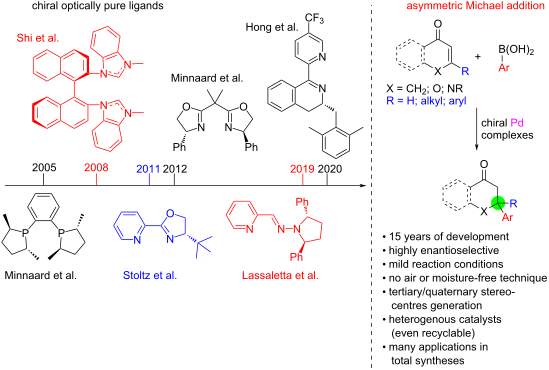
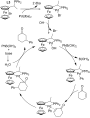
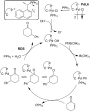
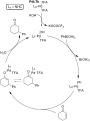
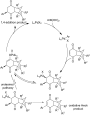
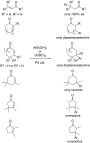
- excellent in almost every example (Table 35) [14][15]. Selected addition products were used as intermediates in the total syntheses of various biologically active compounds (Scheme 24) [14][15][16]. Catalytic systems based on different groups of ligands The use of the chiral 1,10-phenanthroline ligand L15
- system for the synthesis of intermediates of biologically active compounds [4]. Usage of a Michael addition catalysed by L9/Pd(TFA)2 in the total synthesis of (–)-ar-tenuifolene [12]. Synthesis of terpenoids by Michael addition to 3-methyl-2-cyclopentenone [13]. Rh-catalysed isomerisation of 3-alkyl-3
- arylboronic acids [59]. Attempt to use the catalytic system L2/Pd(TFA)2 for the addition of phenylboronic acid to 3-methyl-2-cyclohexenone [14]. Ring opening of an enantioenriched tetrahydropyran-2-one derivative as alternative strategy to linear products [14]. Synthesis of biologically active compounds from







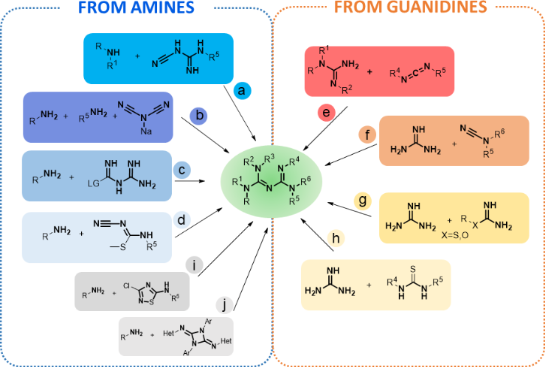
Synthetic accesses to biguanide compounds
Beilstein J. Org. Chem. 2021, 17, 1001–1040, doi:10.3762/bjoc.17.82


Stereoselective synthesis and transformation of pinane-based 2-amino-1,3-diols
Beilstein J. Org. Chem. 2021, 17, 983–990, doi:10.3762/bjoc.17.80
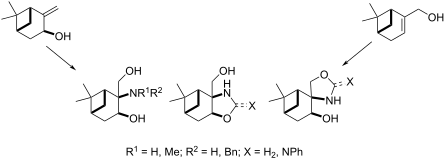
- enantioselective transformations, while the 2-phenyliminooxazolidines could be interesting in the field of antiproliferative or antioxidants studies based on our former studies on 2-imino-1,3-heterocycles [42][43]. Biologically active 2-amino-1,3-diols. NOESY experiments and X-ray structure elucidation of


Application of the Meerwein reaction of 1,4-benzoquinone to a metal-free synthesis of benzofuropyridine analogues
Beilstein J. Org. Chem. 2021, 17, 977–982, doi:10.3762/bjoc.17.79
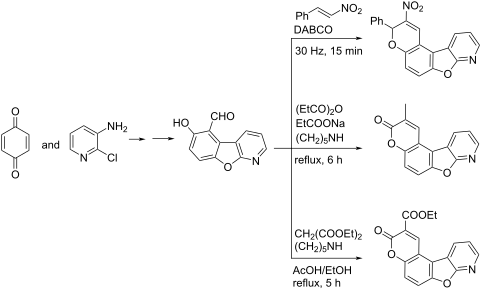
- example of a biologically active benzofuropyridine is revamilast (7), which has been used in Phase II clinical trials, studying the treatment of asthma and rheumatoid arthritis [19]. Other examples are the hydroxybenzofuro[2,3-b]pyridines 8 with efflux pump inhibitory activity useful in chemotherapy [20
- in the yield. To the best of our knowledge, this is the first procedure toward compound 13, without additional substituents on the pyridine ring. Furthermore, this method is complementary to the most common routes towards the biologically active 1-aza-9-oxafluorenes [20][21][22][23][24][25][26]. To


Microwave-assisted multicomponent reactions in heterocyclic chemistry and mechanistic aspects
Beilstein J. Org. Chem. 2021, 17, 819–865, doi:10.3762/bjoc.17.71
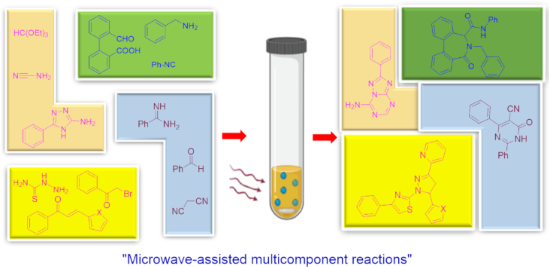
- subjecting them to the potential dipolarophile but-2-ynedionates to deliver the target molecules. Both the reactions proceeded well in water aiding in greener synthesis of biologically active molecules. The synthesized molecules exhibited significant activity against human lung cancer cell line A549. A
- pharmaceuticals and biologically active molecules (116–118) [103]. Similarly, heterocycles having pyridone nucleus are pharmacologically important as they can act as potent anticancer (119), antibacterial (120) and antiviral agents (121, Figure 9) [104][105][106]. Shamsuzzaman and co-workers [107] demonstrated


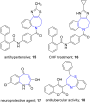


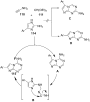


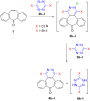
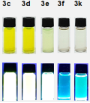
Synthesis of dibenzosuberenone-based novel polycyclic π-conjugated dihydropyridazines, pyridazines and pyrroles
Beilstein J. Org. Chem. 2021, 17, 719–729, doi:10.3762/bjoc.17.61
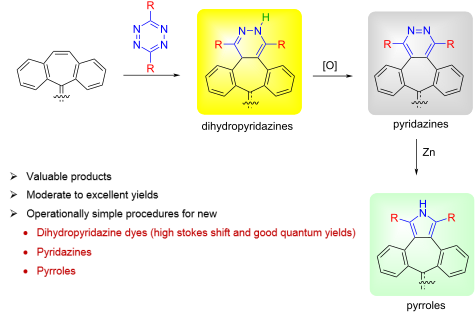
- commonly used for the synthesis of biologically active compounds having enzyme inhibition and antiviral activity [1][2], and are found in the structures of many commercially available antidepressant drugs [3][4][5][6][7][8][9][10][11][12]. In addition, dibenzosuberenone (1) and polyconjugated derivatives




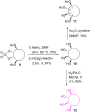
Stereoselective syntheses of 3-aminocyclooctanetriols and halocyclooctanetriols
Beilstein J. Org. Chem. 2021, 17, 705–710, doi:10.3762/bjoc.17.59

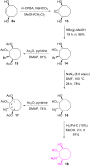
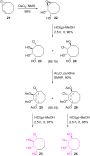
- stereospecifically new chlorocyclooctanetriols. Keywords: aminocyclitols; aminocyclooctanetriol; chlorocyclooctanetriol; cyclic sulfate; cyclitols; Introduction The synthesis of aminocyclitols has attracted attention because they contain substructures of many biologically active natural products [1][2][3]. They



α,γ-Dioxygenated amides via tandem Brook rearrangement/radical oxygenation reactions and their application to syntheses of γ-lactams
Beilstein J. Org. Chem. 2021, 17, 688–704, doi:10.3762/bjoc.17.58
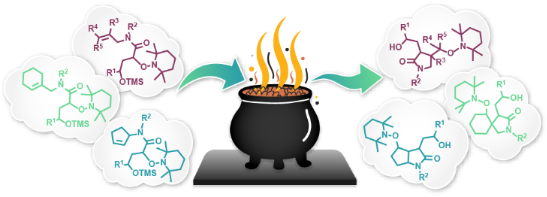
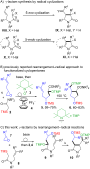
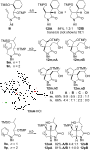
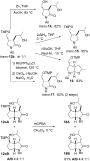
- , 12843 Prague 2, Czech Republic 10.3762/bjoc.17.58 Abstract Pyrrolidones are common heterocyclic fragments in various biologically active compounds. Here, a two-step radical-based approach to γ-lactams bearing three to four stereocenters starting from epoxides, N-allylic silylacetamides and TEMPO is
- ; electron transfer; γ-lactams; tandem reactions; Introduction Nitrogen-containing heterocycles are widely distributed in biologically active compounds [1][2][3][4]. Saturated nitrogen heterocycles such as pyrrolidines [5][6][7][8][9], piperidines, pyrrolizidines or indolizidines [10][11][12][13][14][15][16
- synthesis of functionalized γ-lactams, which can be used as building blocks for the synthesis of natural products or biologically active compounds. Experimental Tandem nucleophilic epoxide opening/Brook rearrangement/α-oxygenation (general procedure) In a similar manner as described in [74]: LiCl (252 mg, 6







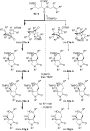
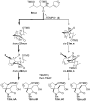
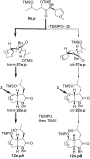
Effective microwave-assisted approach to 1,2,3-triazolobenzodiazepinones via tandem Ugi reaction/catalyst-free intramolecular azide–alkyne cycloaddition
Beilstein J. Org. Chem. 2021, 17, 678–687, doi:10.3762/bjoc.17.57
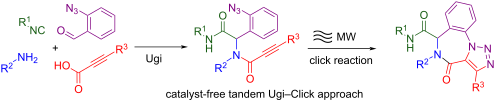
- conclusion, we have advanced the creation of a convenient tandem approach to potentially biologically active 1,2,3-triazolobenzodiazepinones. The developed synthetic procedure includes a four-component Ugi reaction followed by microwave-assisted intramolecular azide–alkyne cycloaddition and allows to build a


[2 + 1] Cycloaddition reactions of fullerene C60 based on diazo compounds
Beilstein J. Org. Chem. 2021, 17, 630–670, doi:10.3762/bjoc.17.55
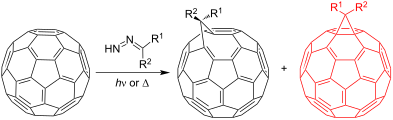
- of socially significant diseases, is fruitful. The design of biologically active compounds based on C60 is determined, on the one hand, by the ability of its shell to serve as a transportation unit for pharmacophore groups, and on the other by the need to identify the capability of the fullerene core
- biologically active molecules that already find practical use. It has been found that complexation improves the transportation of a drug and prolongs its effect, and a synergistic effect is observed in some cases [36]. The situation with covalent binding in fullerene–drug conjugates is different. C60 is an
- , conversion to water-soluble biologically active fullerene–peptide derivative 27 occurs (Scheme 12). Reactions of monophenyldiazomethanes with C60 were used in the syntheses of adducts 28, 29 [90], and 30 (Figure 2) [91]. Moreover, diphenyldiazomethanes were used for synthesizing 31 [79], 32, 33 [90], and 34
Amino- and polyaminophthalazin-1(2H)-ones: synthesis, coordination properties, and biological activity
Beilstein J. Org. Chem. 2021, 17, 558–568, doi:10.3762/bjoc.17.50
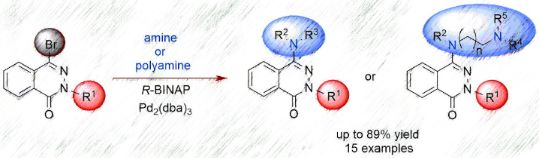
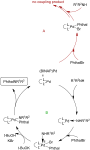
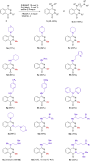
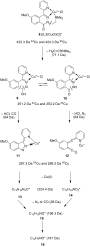
- coordination compounds with Cu(II) ions. The results of biological tests showed that the compounds containing an amino- or polyamino-substituent at the 4-position of the phthalazinone moiety could have potential applications as new anticancer agents. Structure of biologically active phthalazine derivatives






Metal-free visible-light-enabled vicinal trifluoromethyl dithiolation of unactivated alkenes
Beilstein J. Org. Chem. 2021, 17, 551–557, doi:10.3762/bjoc.17.49
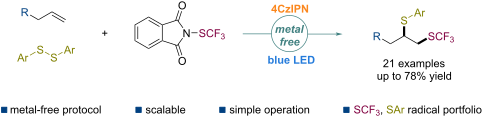
- in natural products, drug molecules, biologically active molecules, and functional materials. However, the highly selective incorporation of two different sulfur-bearing moieties across double bonds remains challenging [42]. Herein, we describe a visible-light-enabled cascade radical


The synthesis of chiral β-naphthyl-β-sulfanyl ketones via enantioselective sulfa-Michael reaction in the presence of a bifunctional cinchona/sulfonamide organocatalyst
Beilstein J. Org. Chem. 2021, 17, 494–503, doi:10.3762/bjoc.17.43
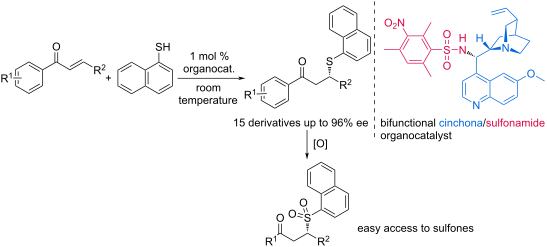
- , which have potent activity against breast cancer. The easy access to the corresponding sulfones presents a versatile route for the implementation of a new biologically active moiety, the sulfone, to the β-naphthyl-β-sulfanyl ketones. The enantioenriched products of both classes can be evaluated as


Synthetic strategies of phosphonodepsipeptides
Beilstein J. Org. Chem. 2021, 17, 461–484, doi:10.3762/bjoc.17.41
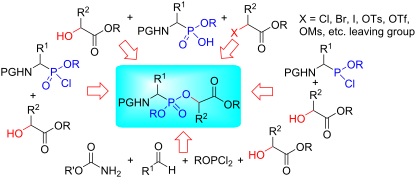
- synthetic methods, the multicomponent Mannich-type condensation strategy shows a high efficiency, convergent feature, and product diversity. It can be expected that the convergent multicomponent condensation synthetic strategy will show wide applications in the preparation of biologically active




Synthesis of trifluoromethyl ketones by nucleophilic trifluoromethylation of esters under a fluoroform/KHMDS/triglyme system
Beilstein J. Org. Chem. 2021, 17, 431–438, doi:10.3762/bjoc.17.39
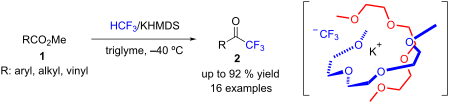
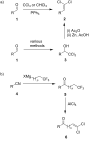
- . Trifluoromethyl ketones. a) Hydrolysis of trifluoromethyl ketones. b) Selected examples of biologically active trifluoromethyl ketones. Chemistry of the CF3 anion generated from HCF3. a) Decomposition of the trifluoromethyl anion to difluorocarbene and fluoride. b) A hemiaminaloate adduct of CF3 anion to DMF. c


Unexpected rearrangements and a novel synthesis of 1,1-dichloro-1-alkenones from 1,1,1-trifluoroalkanones with aluminium trichloride
Beilstein J. Org. Chem. 2021, 17, 404–409, doi:10.3762/bjoc.17.36
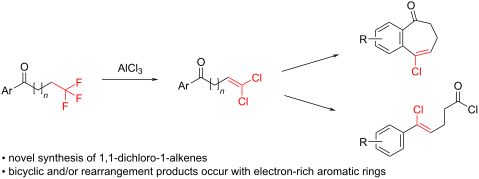
- researchers to utilise this functional group conversion in future syntheses of 1,1-dichloro-1-alkenes and to further investigate the unexpected reactivity of these compounds. Examples of biologically active 1,1-dichloro-1-alkenes. a) Common methods for the preparation of 1,1-dichloro-1-alkenes from aldehydes




Hydrazides in the reaction with hydroxypyrrolines: less nucleophilicity – more diversity
Beilstein J. Org. Chem. 2021, 17, 319–324, doi:10.3762/bjoc.17.29
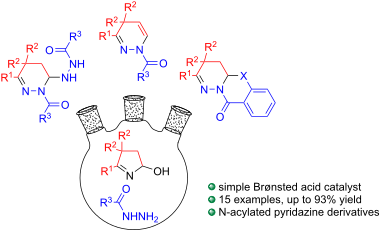
- for the convenient chemoselective syntheses of highly functionalized azaheterocyclic scaffolds (di- and tetrahydropyridazines) with an acyl function at the nitrogen atom, thus having a substituent pattern similar to that of the known biologically active compounds of the pyridazine family. Moreover
- , the presence of other nucleophilic functions in the hydrazide component creates diversification points and enables more complex molecular architectures to be assembled that was demonstrated by the synthesis of partially saturated azatricyclic systems. Biologically active di- and tetrahydropyridazines


19F NMR as a tool in chemical biology
Beilstein J. Org. Chem. 2021, 17, 293–318, doi:10.3762/bjoc.17.28
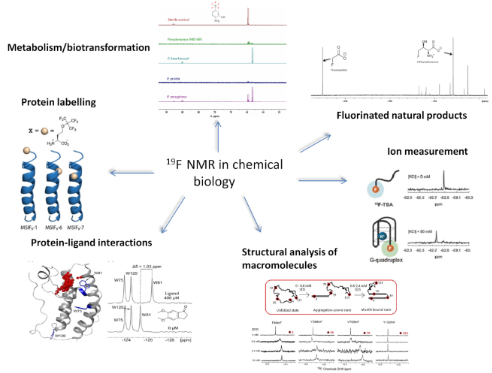
- pentafluorosulfanyl (-SF5) group is proposed as a replacement for trifluoromethyl (-CF3) and has been incorporated into numerous biologically active compounds already [108][109]. Intuitively, investigating the biodegradation of these compounds in the absence of any reference compounds is complicated. Saccomanno et al


The preparation and properties of 1,1-difluorocyclopropane derivatives
Beilstein J. Org. Chem. 2021, 17, 245–272, doi:10.3762/bjoc.17.25
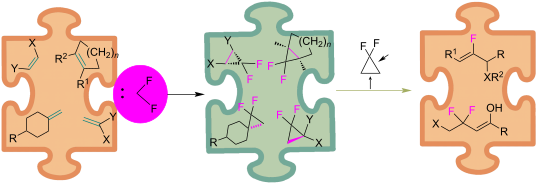
- stereoselective methods for the synthesis and transformations of cyclopropane derivatives. These investigations gained a significant interest, because cyclopropane and cyclopropene fragments are present in the structures of many biologically active substances, such as antibiotics, anticancer, and antimycotic
- the gem-dihalomethylene fragment. Thus, they are of interest not only for the direct application as biologically active substances and functional materials but also as precursors to other fluorine-containing compounds [1][2]. Fluorine forms stable bonds to carbon and due to its high electronegativity
- it can profoundly modify the physicochemical properties of the parent molecules. In biologically active materials fluorine substituents can affect the charge distribution, electrostatic surface, and solubility of chemical entities, thus often leading to useful outcomes. Incorporating a fluorine group


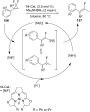


Decarboxylative trifluoromethylthiolation of pyridylacetates
Beilstein J. Org. Chem. 2021, 17, 229–233, doi:10.3762/bjoc.17.23
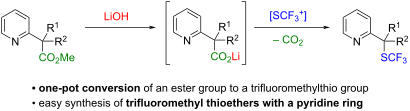
- subsequent decarboxylative trifluoromethylthiolation were performed in a one-pot fashion. Keywords: decarboxylation; fluorinated compounds; pyridine compounds; trifluoromethylthiolation; Introduction The pyridine ring is found in numerous biologically active compounds. Therefore, efficient methods for


Direct synthesis of anomeric tetrazolyl iminosugars from sugar-derived lactams
Beilstein J. Org. Chem. 2021, 17, 115–123, doi:10.3762/bjoc.17.12
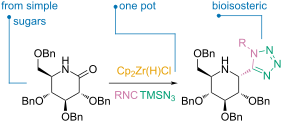
- , a rare genetic condition [27]. On the other hand, the tetrazole moiety is known to have a bioisosteric relationship to carboxylic acids [28], which also makes them suitable for usage as biologically active compounds. Vasella et al., for example, have previously prepared compounds similar to reported
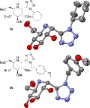
- , potentially biologically active and organocatalytic compounds. Experimental Experimental procedures and other data are available in Supporting Information File 1. Key concepts behind the goal of this work [34]. ORTEP structures of compounds 3a and 3e obtained by X-ray analysis. Hydrogen atoms and benzyl




Deoxyfluorination of acyl fluorides to trifluoromethyl compounds by FLUOLEAD®/Olah’s reagent under solvent-free conditions
Beilstein J. Org. Chem. 2020, 16, 3052–3058, doi:10.3762/bjoc.16.254
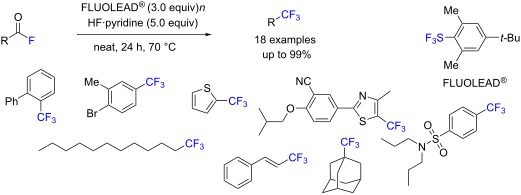
- ]. One utility of the CF3 group is the replacement of a methyl group in biologically active molecules to avoid the metabolic oxidation of a reactive methyl group in the parent molecules [8]. It should be noted that 19% out of 340 marketed fluoro-pharmaceuticals [4] and 42% out of 424 registered fluoro
- flash chromatography (n-hexane) to afford the title compounds. Ratios of CF3-containing drugs in marketed fluoro-pharmaceuticals and registered fluoro-agrochemicals in the world. Selected examples of CF3-containing biologically active molecules. Transformation of acyl fluorides to trifluoromethyl


Metal-free synthesis of biarenes via photoextrusion in di(tri)aryl phosphates
Beilstein J. Org. Chem. 2020, 16, 3008–3014, doi:10.3762/bjoc.16.250
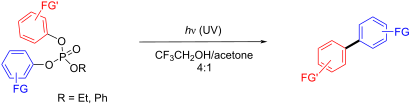
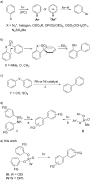
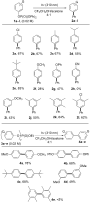
- . Keywords: aryl phosphates; biarenes; metal-free synthesis; photochemistry; photoextrusion; Introduction It is difficult to overestimate the importance of aromatics in drug development. Indeed, introducing an aromatic or a heteroaromatic ring, most often a (substituted) phenyl ring, into a biologically
- active compound is a common practice in medicinal chemistry [1][2][3]. In particular, the biaryl moiety is a privileged scaffold largely present in the skeleton of natural substances [4][5][6][7] and in useful chiral ligands [8][9][10]. The synthesis of biaryl derivatives remains, however, a considerable