Search results
Search for "drug delivery" in Full Text gives 184 result(s) in Beilstein Journal of Organic Chemistry.
The search for new amphiphiles: synthesis of a modular, high-throughput library
Beilstein J. Org. Chem. 2014, 10, 1578–1588, doi:10.3762/bjoc.10.163

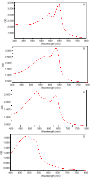
- products, to biomedical applications including MRI imaging agents [1][2][3], membrane-protein crystallisation media [4][5][6] and solubilising bioactive food additives (Figure 1) [7]. Furthermore, recent research has centred on the use of amphiphile nanoparticles for drug-delivery applications [8][9][10
- for the synthesis of amphiphilic drug-delivery vehicles, with advantages including its inexpensive availability and non-toxic nature [34][35]. Treatment of core molecule 15 with 3.5 equivalents of various fatty acids, using a similar coupling procedure as for the double-chain tails, gave alkynes 16–24


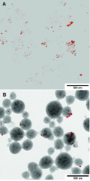
A promising cellulose-based polyzwitterion with pH-sensitive charges
Beilstein J. Org. Chem. 2014, 10, 1549–1556, doi:10.3762/bjoc.10.159
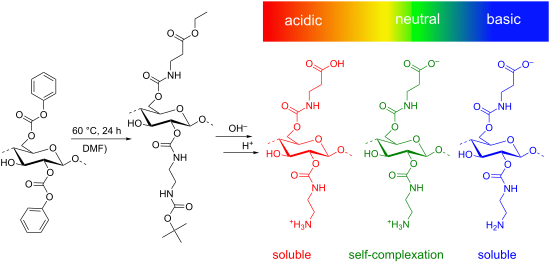
- interpolyelectrolyte complexes applying polydiallyldimethylammonium chloride. The particles are switchable in a physiological relevant range of pH values and are promising nanocarriers in the field of drug delivery that will be a subject of further studies. Experimental Materials Microcrystalline cellulose (Avicel PH


Carbohydrate PEGylation, an approach to improve pharmacological potency
Beilstein J. Org. Chem. 2014, 10, 1433–1444, doi:10.3762/bjoc.10.147
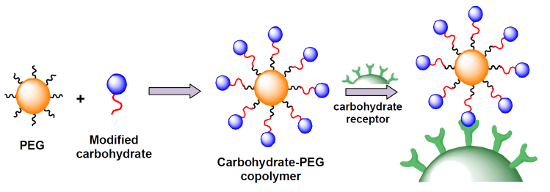
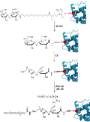
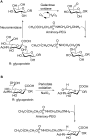
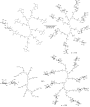
- increase solubility [8], prolong the in vivo action [9] or for targeting drug delivery [10] has been described. The potent anti-inflammatory drug dexamethasone was coupled to a multifunctional PEG, prepared by a click reaction, for treatment of rheumatoid arthritis [11]. A heterobifunctional PEG has been
- PEGylation. Hydrogels with supramolecular structures have been obtained by inclusion complexation of the PEG grafted dextrans with α-cyclodextrins. The unique thermoreversible sol-transition properties of the gels were considered interesting for drug delivery applications [65]. Conclusion The advantage of


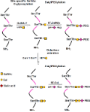




An economical and safe procedure to synthesize 2-hydroxy-4-pentynoic acid: A precursor towards ‘clickable’ biodegradable polylactide
Beilstein J. Org. Chem. 2014, 10, 1365–1371, doi:10.3762/bjoc.10.139

- Aliphatic polyesters, in particular polylactide (PLA), are now widely used for biomedical applications, such as surgery sutures [1], implants for bone fixation [2], drug delivery vehicles [3][4] and tissue engineering scaffolds [5] because of their excellent biocompatibility, biodegradability and mechanical


Glycosystems in nanotechnology: Gold glyconanoparticles as carrier for anti-HIV prodrugs
Beilstein J. Org. Chem. 2014, 10, 1339–1346, doi:10.3762/bjoc.10.136
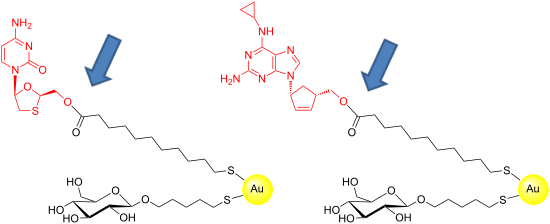
- to improve HIV drug treatment and prevention. In this scenario, gold nanoparticles are an interesting chemical tool to design and prepare smart and efficient drug-delivery systems. Here we describe the preparation and antiviral activity of carbohydrate-coated gold nanoparticles loaded with anti-HIV
- glyconanoparticles as a new multifunctional drug-delivery system in the therapy against HIV. Keywords: drug-delivery system; gold glyconanoparticles; HAART; HIV; multivalent glycosystems; reverse transcriptase inhibitors; Introduction Acquired immune deficiency syndrome (AIDS), caused by human immunodeficiency
- explored as potential microbicide. A gel formulation containing 1% of the reverse transcriptase inhibitor tenofovir has shown good results in the prevention of HIV infections of women in South Africa [7]. One of the greatest challenges of antiretroviral and microbicide therapy is to develop drug-delivery


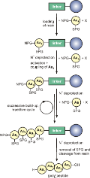
Automated solid-phase peptide synthesis to obtain therapeutic peptides
Beilstein J. Org. Chem. 2014, 10, 1197–1212, doi:10.3762/bjoc.10.118

- ]. Since then, the chemistry and application of this innovative drug delivery system has been developed crucially. Currently, there are many strategies to incorporate PEG into peptides. They can be attached to amino groups by acylation or alkylation, to thiols, hydroxy or amide groups [108]. These polymers




Oligomeric epoxide–amine adducts based on 2-amino-N-isopropylacetamide and α-amino-ε-caprolactam: Solubility in presence of cyclodextrin and curing properties
Beilstein J. Org. Chem. 2013, 9, 2803–2811, doi:10.3762/bjoc.9.315
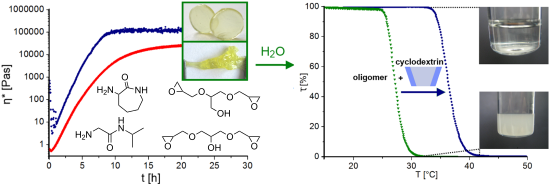
- solubility, whereas these bondings are increasingly disrupted on heating [3]. These LCST-type polymers are of interest for the development of e.g. hydrogels and drug delivery systems [2][4]. One of the most prominent LCST polymers is poly(N-isopropylacrylamide) (PNIPAM), which exhibits a LCST of about 32 °C


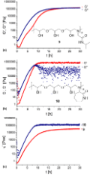


Polymeric redox-responsive delivery systems bearing ammonium salts cross-linked via disulfides
Beilstein J. Org. Chem. 2013, 9, 1652–1662, doi:10.3762/bjoc.9.189

- (DEAAm); Introduction Hydrogels with stimuli-responsive properties, in combination with targeted release of embedded drugs, have emerged as a fascinating class of biomedical materials and attracted great interest in medical science, polymeric biotherapeutics and drug delivery in general [1][2][3][4]. In
- delivery [5][6][7]. In general, temperature- and pH-responsive hydrogels containing hydrophilic monomers show low toxicity along with a high efficiency in drug delivery [8]. Besides, cross-linked cationic nanogels have been suggested as DNA delivery systems [9][10][11]. Hamamoto et al. reported a cross


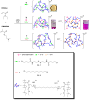


A3-Coupling catalyzed by robust Au nanoparticles covalently bonded to HS-functionalized cellulose nanocrystalline films
Beilstein J. Org. Chem. 2013, 9, 1388–1396, doi:10.3762/bjoc.9.155
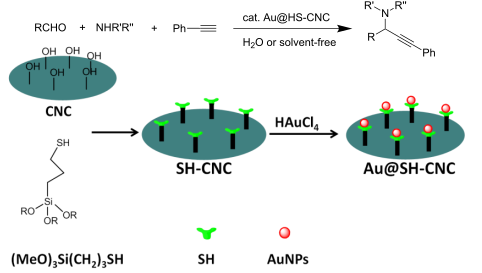
- for CNCs include nanocomposite formulation, polymer reinforcement, drug delivery [27], enzyme immobilization [28], biomedical applications [29] and as templates for the synthesis of nanomaterials [30]. The deposition of metal nanoparticles onto the surface of CNCs can lead to new nano-heterogeneous


The synthesis of well-defined poly(vinylbenzyl chloride)-grafted nanoparticles via RAFT polymerization
Beilstein J. Org. Chem. 2013, 9, 1226–1234, doi:10.3762/bjoc.9.139
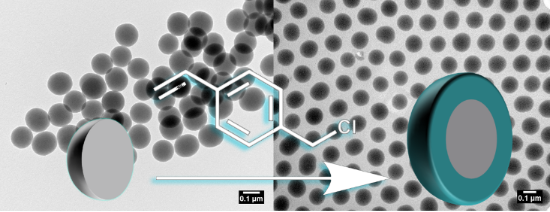
- preparing highly monodisperse core–shell nanoparticles, which hold great promise for a range of applications such as drug-delivery vectors or colloidal-crystal self-assemblies [10][11]. RAFT polymerization initiated from preformed inorganic nanoparticles enables the grafting of polymer shells from the


Space filling of β-cyclodextrin and β-cyclodextrin derivatives by volatile hydrophobic guests
Beilstein J. Org. Chem. 2013, 9, 1185–1191, doi:10.3762/bjoc.9.133
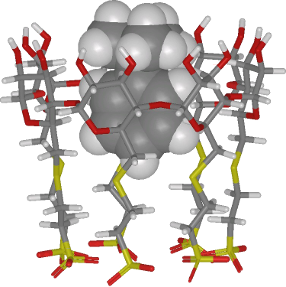
- contributor to the driving force of complex formation [15]. The accumulation of basic understanding is essential for the formulation of precise docking programs, which estimate and screen the binding of drug candidates for biological receptors [16][17]. Practical applications of native β-CD, such as drug
- delivery [18][19], extraction of pollutants from soil [20][21][22][23], homogenous catalysis [24], and microbial degradation [25] are limited by both its low aqueous solubility (1.8 wt % at 25°C) and its moderate complexing ability. Especially hydrophobic guests form channel inclusion compounds with β-CD


The conjugation of nonsteroidal anti-inflammatory drugs (NSAID) to small peptides for generating multifunctional supramolecular nanofibers/hydrogels
Beilstein J. Org. Chem. 2013, 9, 908–917, doi:10.3762/bjoc.9.104

- frequently served as scaffolds for tissue engineering and as carriers for drug delivery [1][2][3][4]. In the applications of drug delivery, it is common to use hydrogels made of biodegradable polymers to encapsulate therapeutic agents for controlled release of drugs by adjusting the pore sizes and
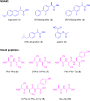
- ][21][22][23][24][25] presents an exciting opportunity for developing new types of biomaterials [26][27][28][29]. While the early works have centered on the use of nanofibers of oligopeptides to form hydrogels as a passive scaffold for tissue engineering and drug delivery [30], the seminal work by



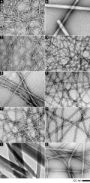


A peptidic hydrogel that may behave as a “Trojan Horse”
Beilstein J. Org. Chem. 2013, 9, 417–424, doi:10.3762/bjoc.9.44

- confocal microscopy, fluorescent hydrogels were prepared, introducing the fluorescent dansyl moiety into the mixture. Keywords: amino acids; confocal microscopy; controlled release; hydrogel; low molecular weight hydrogelator; Introduction Drug delivery is an important topic in the finding of successful
- transition. They have a wide range of applications in biomaterials, biosensors, tissue engineering, and drug delivery [12][13][14][15]. The interest in these materials as tools for the controlled release of drugs is mainly linked to their capability to release gel-entrapped molecules in response to external


Inclusion of the insecticide fenitrothion in dimethylated-β-cyclodextrin: unusual guest disorder in the solid state and efficient retardation of the hydrolysis rate of the complexed guest in alkaline solution
Beilstein J. Org. Chem. 2013, 9, 106–117, doi:10.3762/bjoc.9.14
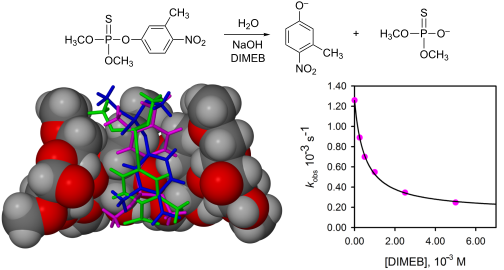
- ; hydrolysis; inclusion complex; Introduction Whereas cyclodextrins (CDs) have been employed for many years in the pharmaceutical industry to modify drug-delivery properties, the application of CD technology to the improvement of agrochemicals is a more recent innovation [1][2]. Nevertheless, very significant






Peptoids and polyamines going sweet: Modular synthesis of glycosylated peptoids and polyamines using click chemistry
Beilstein J. Org. Chem. 2013, 9, 56–63, doi:10.3762/bjoc.9.7
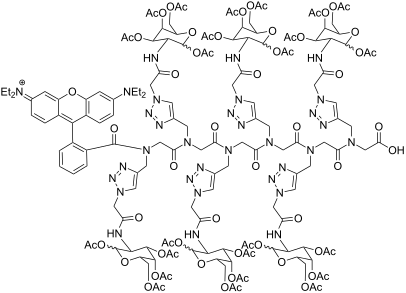
- ][24][25], have emerged as powerful tools in the context of drug delivery [26][27][28][29], peptidomimetics and other biologically relevant applications [28][30][31][32] as well as materials science [33][34]. During the last decade the synthesis of polyamines and peptoids has been well established on


Cyclodextrin-based nanosponges as drug carriers
Beilstein J. Org. Chem. 2012, 8, 2091–2099, doi:10.3762/bjoc.8.235
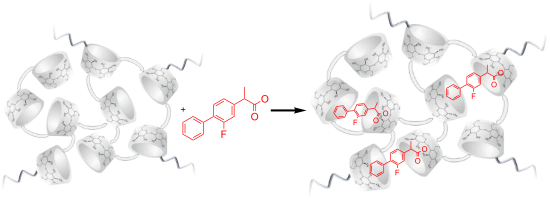
- ; cross-linked polymers; cyclodextrin; drug delivery; nanosponges; Review Recent advances in nanotechnology demonstrate the increased attention that is now being paid to the supramolecular assembly of simple components for therapeutic and diagnostic purposes. The design of new biomaterials based on
- cyclodextrin nanosponges in drug delivery By virtue of their biocompatibility and versatility, nanosponges have many potential applications in the pharmaceutical field. One recent EU commission report focused on the use of cyclodextrin nanosponges as a promising innovative system for drug delivery. They can be
- side effects. Different drug delivery systems have been designed to modify the release kinetics of medicinal products. The drug release kinetics from nanosponges can be obtained with a prolonged release profile over time. Previous in vitro studies showed that flurbiprofen was released slowly from β-CD


Cyclodextrin-induced host–guest effects of classically prepared poly(NIPAM) bearing azo-dye end groups
Beilstein J. Org. Chem. 2012, 8, 1929–1935, doi:10.3762/bjoc.8.224
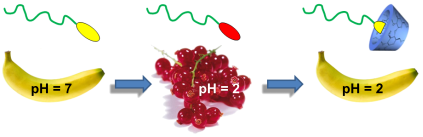
- techniques. Water-soluble polymers, which exhibit a lower critical solution temperature (LCST), e.g., many poly(N-alkylacrylamides), have found numerous practical applications in waterborne smart materials such as bioactive surfaces, selective bioseparation, or hyperthermia-induced drug delivery [14


Influence of intramolecular hydrogen bonds on the binding potential of methylated β-cyclodextrin derivatives
Beilstein J. Org. Chem. 2012, 8, 1890–1895, doi:10.3762/bjoc.8.218
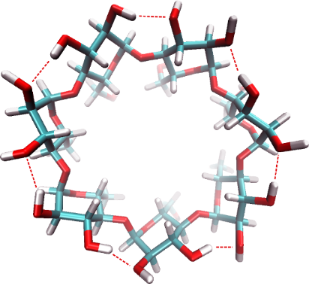
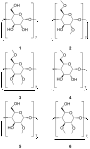
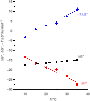
- industrial scale [15]. Methylated CDs have already found several applications in drug delivery [10] and polymer chemistry [16]. They allow radical polymerizations of hydrophobic vinyl monomers in homogenous aqueous solution [17][18][19][20] and living RAFT polymerizations as well [21]. Methylated CDs are
- the future help to design improved hosts based on β-CD for specific applications such as drug delivery [49], removal of pollutants [50][51][52][53], catalysis [54] or smart materials [55]. Experimental 4-tert-Butylbenzoic acid and adamantane-1-carboxylic acid and β-CD derivative 3 were purchased from


Dimerization of a cell-penetrating peptide leads to enhanced cellular uptake and drug delivery
Beilstein J. Org. Chem. 2012, 8, 1788–1797, doi:10.3762/bjoc.8.204
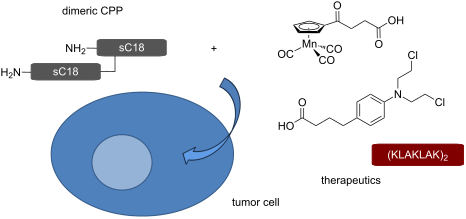
- the specific cell type. Finally, we could show that conjugation of a functionalized cymantrene with (sC18)2 leads to significant reduction of its IC50 value in tumor cells compared to the respective sC18 conjugate, proving that dimerization is a useful method to increase the drug-delivery potential of
- a cell-penetrating peptide. Keywords: anti-tumor agents; cell-penetrating peptides; drug delivery; internalization studies; organometallic complexes; peptides; Introduction A substantial problem concerning promising drug candidates is often their incapacity to reach their full therapeutic


Mannose-decorated cyclodextrin vesicles: The interplay of multivalency and surface density in lectin–carbohydrate recognition
Beilstein J. Org. Chem. 2012, 8, 1543–1551, doi:10.3762/bjoc.8.175
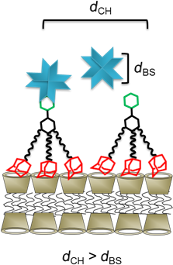
- development of drug-delivery systems [3]. Synthetic bilayer vesicles are a versatile model for biological cell membranes, and there are a substantial number of reports on synthetic glycolipids that mimic the glycocalyx [4][5][6][7][8][9][10][11][12][13][14][15][16][17][18][19][20][21][22][23]. Multivalent




Restructuring polymers via nanoconfinement and subsequent release
Beilstein J. Org. Chem. 2012, 8, 1318–1332, doi:10.3762/bjoc.8.151
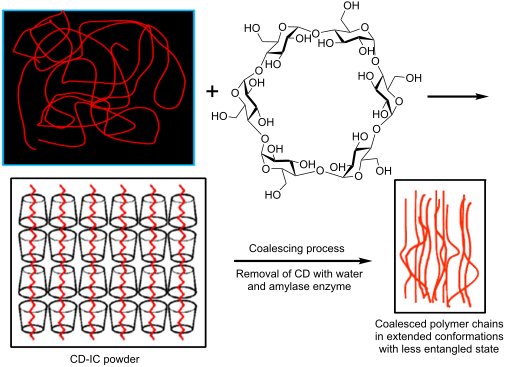
- as drug delivery and suture manufacturing. However, its relatively poor physical properties limit its use in load-bearing applications. An attempt to improve the strength of PCL was made by processing with α-cyclodextrin (α-CD). First an inclusion complex (IC) between PCL and α-CD was formed, and
- preferentially degraded by the enzyme. Regulation of their biodegradation behavior, through formation of and coalescence from CD ICs, may enhance the use of block copolymers in drug delivery and controlled release systems, because of its decisive importance in these applications. Coalesced polymer blends






![[Graphic 3]](/bjoc/content/inline/1860-5397-8-151-i3.png?max-width=637&scale=1.063638) conformations of PET [76].
conformations of PET [76].


Organocatalytic asymmetric allylic amination of Morita–Baylis–Hillman carbonates of isatins
Beilstein J. Org. Chem. 2012, 8, 1241–1245, doi:10.3762/bjoc.8.139

- Hang Zhang Shan-Jun Zhang Qing-Qing Zhou Lin Dong Ying-Chun Chen Key Laboratory of Drug-Targeting and Drug Delivery System of the Education Ministry, Department of Medicinal Chemistry, West China School of Pharmacy, Sichuan University, Chengdu 610041, China 10.3762/bjoc.8.139 Abstract The


Cyanoethylation of the glucans dextran and pullulan: Substitution pattern and formation of nanostructures and entrapment of magnetic nanoparticles
Beilstein J. Org. Chem. 2012, 8, 551–566, doi:10.3762/bjoc.8.63
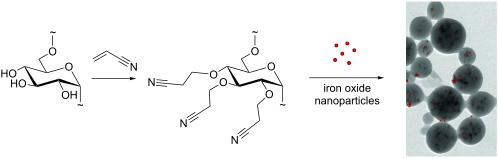
- polymer particle allows for control by magnetic fields. Magnetic separation techniques or magnetic particle imaging can be performed. Applications, such as drug delivery or targeting, hyperthermia and biosensing can be realized [16][17][18]. Binding of stabilizing organic shells to ferric oxide
- years their importance for special biochemical or pharmaceutical applications, such drug delivery or biosensor technology, has grown, due to their special properties such as water solubility, low viscosity and film formation [24][25][26][27]. Pullulan is a homopolysaccharide of D-glucose secreted by


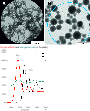
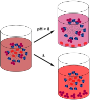
Hyperbranched polyethylenimine bearing cyclodextrin moieties showing temperature and pH controlled dye release
Beilstein J. Org. Chem. 2011, 7, 1130–1134, doi:10.3762/bjoc.7.130

- : anthraquinone; cyclodextrin; drug delivery; polyethylenimine; release; Introduction The development of novel materials and their use as drug delivery systems has gained increased interest in the last few decades [1][2][3]. In this context, certain stimuli responsive behaviors are required [4][5]. Hence, the
- compounds for a drug delivery system in combination with hyperbranched cationic polyethylenimine bearing covalently attached β-CDs 3. As outlined in Scheme 1, each dye, 1 and 2, was mixed with 3 in water to form a salt 4 and a host–guest complex 5, respectively. Additionally, both dyes were mixed together
- released separately or simultaneous in response to different external stimuli. Conclusion The controlled release of different dyes from a drug delivery system based on hyperbranched polyethylenimine was investigated. The ionic interactions between the PEI scaffold and the hydroxy moieties of 5,8-dichloro


Synthesis and self-assembly of 1-deoxyglucose derivatives as low molecular weight organogelators
Beilstein J. Org. Chem. 2011, 7, 234–242, doi:10.3762/bjoc.7.31
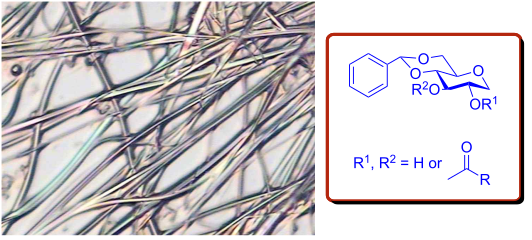
- into 3-dimensional networks. The resulting gels may find applications as soft materials for drug delivery, enzyme immobilization, scaffolds for tissue engineering, etc. [10][11][12][13][14]. The structures of LMWGs span a diverse range; carbohydrates have frequently been used in the synthesis of LMWGs
- matrices for enzymes, DNA, and drug delivery systems [22][23][24][25][26][27][28]. Glucose, in particular, is a versatile building block for the preparation of various small molecule gelators [30][31][32][33][34][35][36][37], as it is relatively easy to obtain substituted products by selective