


Search results
Search for "function" in Full Text gives 1173 result(s) in Beilstein Journal of Organic Chemistry. Showing first 200.
Discovery and biosynthesis of bacterial drimane-type sesquiterpenoids from Streptomyces clavuligerus
Beilstein J. Org. Chem. 2024, 20, 815–822, doi:10.3762/bjoc.20.73
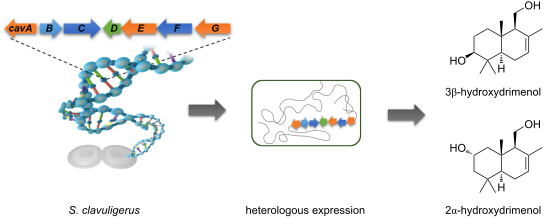
- File 1). To validate the function of the presumed DMS, we cloned its gene into the pETDuet-1 vector to form plasmid pLD10050, which was transformed into our truncated artificial FPP-overproduction system in E. coli to yield strain DL10092 [34]. Analysis of the fermentation extracts revealed that


Advancements in hydrochlorination of alkenes
Beilstein J. Org. Chem. 2024, 20, 787–814, doi:10.3762/bjoc.20.72
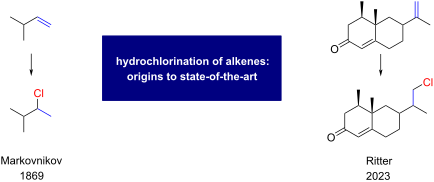
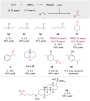
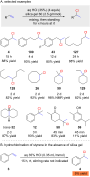
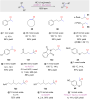
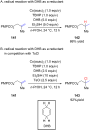
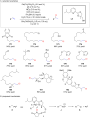
- (anti-Markovnikov product). One plausible explanation for this intriguing observation is that K10 and other zeolites may function both as Brønsted acids and radical initiators [63]. Consequently, it is likely that both ionic and radical pathways are concurrently in operation. The in situ generation of












Research progress on the pharmacological activity, biosynthetic pathways, and biosynthesis of crocins
Beilstein J. Org. Chem. 2024, 20, 741–752, doi:10.3762/bjoc.20.68
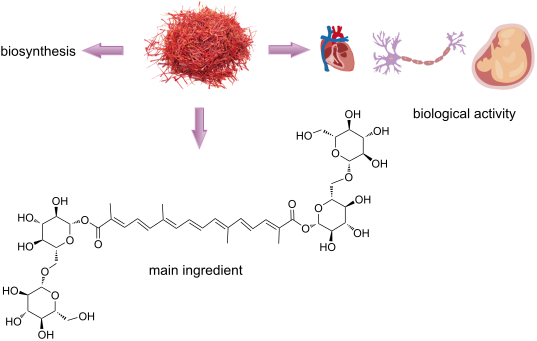
- , and epileptic disorders [26][27]. Four mechanisms have been reported for the treatment of Alzheimer's disease with crocins. Crocins function as antioxidants that slow down the progression of the disease by increasing the ʟ-glutathione (GSH) level and reducing the presence of reactive oxygen species
- healthy and hypertensive rats depending on the dose [43]. In an angiotensin II-induced acute hypertension model, crocins could probably improve cardiovascular function by reducing the ROS level [44]. Chen et al. found that crocins could reduce inflammation and oxidative stress in the rat placenta and


Substrate specificity of a ketosynthase domain involved in bacillaene biosynthesis
Beilstein J. Org. Chem. 2024, 20, 734–740, doi:10.3762/bjoc.20.67
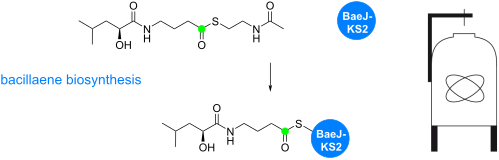
- by the preceding modules (highlighted in purple) [14][16]. Furthermore, the structures of 1 and 2 show a shifted triene portion that is not in conjugation with the carboxylic acid function. NMR studies of off-loaded intermediates with the TE deletion mutant revealed that these double bond shifts are
- , to investigate the function of the KS domain BaeJ-KS2 the synthesis of 13C-labelled (S)-11 as a mimic of the intermediate bound to the ACP of module 3 was performed. It was planned to introduce the 13C-labelling from (5-13C)glutamate into the γ-aminobutyrate portion of (S)-11. For this purpose, the
- significant importance. Many KSs within trans-AT PKSs function as gatekeepers, facilitating the transfer of intermediates along the assembly line without participating in chain elongation. For instance, the final KS of the bacillaene PKS lacks condensation capability, but may serve to ensure proper double


Chemoenzymatic synthesis of macrocyclic peptides and polyketides via thioesterase-catalyzed macrocyclization
Beilstein J. Org. Chem. 2024, 20, 721–733, doi:10.3762/bjoc.20.66
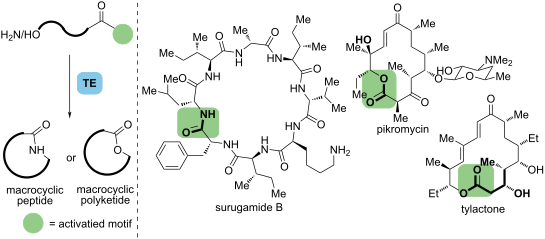
- and multifunctional enzymatic assembly, nonribosomal peptide synthases (NRPS), polyketide synthases (PKS), and hybrid NRPS/PKS systems, which are organized into sets of functional domains known as modules and function through a similar mechanism [9][10][11][12]. Each NRPS module is composed of three


Genome mining of labdane-related diterpenoids: Discovery of the two-enzyme pathway leading to (−)-sandaracopimaradiene in the fungus Arthrinium sacchari
Beilstein J. Org. Chem. 2024, 20, 714–720, doi:10.3762/bjoc.20.65
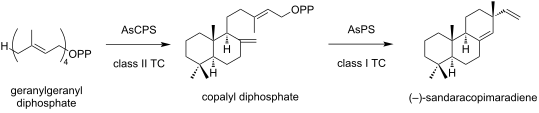
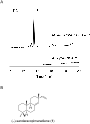
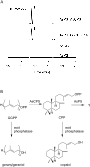
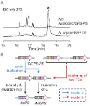
- determined to be (−)-sandaracopimaradiene (Figure 3B). We then turned our attention to the individual function of these enzymes. With this aim, AsPS and AsCPS were expressed in Escherichia coli as N-terminal hexa-histidine-tagged proteins and purified by Ni-affinity chromatography (see Supporting Information


A laterally-fused N-heterocyclic carbene framework from polysubstituted aminoimidazo[5,1-b]oxazol-6-ium salts
Beilstein J. Org. Chem. 2024, 20, 621–627, doi:10.3762/bjoc.20.54
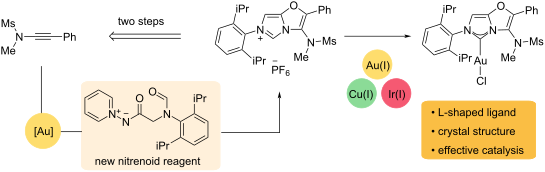
- secondary gold-ligand interactions [8][9][10], chiral environments [11][12][13] including those enabling secondary interactions with substrates for asymmetric catalysis [14], cooperative and bimetallic catalysis [7][15], and redox-enabling function for Au(I)/(III) cycles [16][17]. Such L-shaped ligands


A myo-inositol dehydrogenase involved in aminocyclitol biosynthesis of hygromycin A
Beilstein J. Org. Chem. 2024, 20, 589–596, doi:10.3762/bjoc.20.51
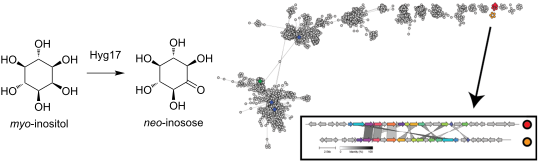
- essential for in vivo antimicrobial activity suggesting a distinct biological function independent of ribosome binding. The hygromycin A biosynthetic gene cluster has been identified and the biosynthesis of the aminocyclitol has been proposed (Figure 1) [8][9]. Starting from glucose-6-phosphate, the pathway
- is a myo-inositol dehydrogenase. These types of enzymes typically use NAD+ as a cofactor [12][13]. So, we first tested Hyg17 with myo-inositol and NAD+ and found that it was able to produce NADH, suggesting it can function as a myo-inositol dehydrogenase (Figure 2a). Since this assay tests for the
- the enzyme function initiative (EFI-EST) [30] web tool. An SSN was created by inputting the Hyg17 sequence into the Sequence BLAST function and retrieving the top 500 sequence hits along with sequences from the protein family PF01408 in which Hyg17 is found. The sequences were filtered for bacterial


Switchable molecular tweezers: design and applications
Beilstein J. Org. Chem. 2024, 20, 504–539, doi:10.3762/bjoc.20.45

- luminescence properties of the system could then be regulated by closing/opening but also by the addition of Cl− that could form hydrogen bonding with the amide function of the spacer between the switching and the functional units. The WLA has also been applied to obtain switchable molecular tweezers for




Development of a chemical scaffold for inhibiting nonribosomal peptide synthetases in live bacterial cells
Beilstein J. Org. Chem. 2024, 20, 445–451, doi:10.3762/bjoc.20.39
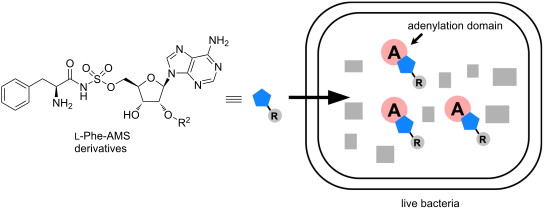
- ; Introduction Nonribosomal peptides (NRPs) exhibit various biological activities and have been used as therapeutic agents, such as antibiotics, anticancer agents, and immunosuppressants [1]. Additionally, NRPs function as virulence factors, such as siderophores and genotoxins [2]. Therefore, inhibiting their


Enhanced host–guest interaction between [10]cycloparaphenylene ([10]CPP) and [5]CPP by cationic charges
Beilstein J. Org. Chem. 2024, 20, 436–444, doi:10.3762/bjoc.20.38
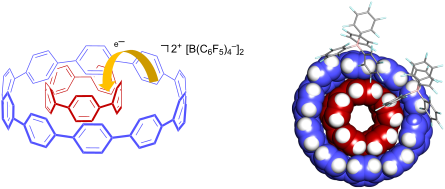
- function. After our first report on the selective encapsulation of C60 by [10]CPP (the number in the brackets is the number of paraphenylene units in the CPP) (Figure 1a) [22], the concave inner surface of CPPs was found to interact with a variety of molecules with convex surfaces through π–π interactions




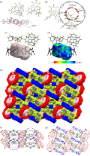
Green and sustainable approaches for the Friedel–Crafts reaction between aldehydes and indoles
Beilstein J. Org. Chem. 2024, 20, 379–426, doi:10.3762/bjoc.20.36
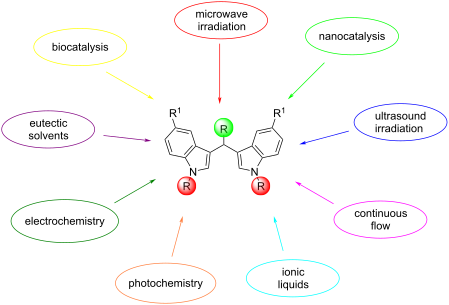
- prostate cancer. The same apoptotic function can be observed in colon and pancreatic cancer, since BIMs (specifically DIM-C-pPhOCH3 (5)) can act as a Nur77 (Nuclear Receptor 4A1) antagonist, which modulates the life cycle of cells [6]. The correlation between lower lung cancer risk and the consumption of
- cruciferous vegetables has also been showcased, due to the function of BIMs as oxidative stress inhibitors; however, the specific mechanism of action has yet to be determined [1][6]. This capability of BIMs to act as Nur77 antagonists, has resulted in their examination as potential anti-Parkinson’s disease
- antiviral properties. BIMs function as selective antibacterial agents against several virulent Escherichia coli (E. coli) strains, which can cause many gut and urinary tract infections. They act by damaging DNA molecules and inhibiting their replication in bacteria, while also targeting the proteins that




Facile approach to N,O,S-heteropentacycles via condensation of sterically crowded 3H-phenoxazin-3-one with ortho-substituted anilines
Beilstein J. Org. Chem. 2024, 20, 336–345, doi:10.3762/bjoc.20.34
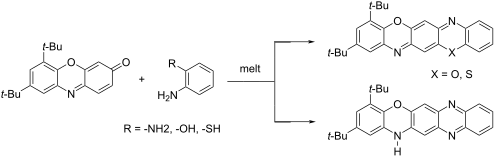
- 1), the energetically preferred tautomer is the 14H-form 7a. The least stable 7H-isomer 7b conforms to a minimum on the corresponding potential energy surface. However, the stable wave function of 7b corresponds to an electronic state with a broken symmetry [20], indicating the presence of two
- the geometry without imposing symmetry restrictions, followed by analyzing the stability of the DFT wave function. The images of the molecular structures in Figure 1 and Figure S6, Supporting Information File 1, were obtained using the Chemcraft program [35]. DFT-calculated molecular geometry (B3LYP/6


Elucidating the glycan-binding specificity and structure of Cucumis melo agglutinin, a new R-type lectin
Beilstein J. Org. Chem. 2024, 20, 306–320, doi:10.3762/bjoc.20.31
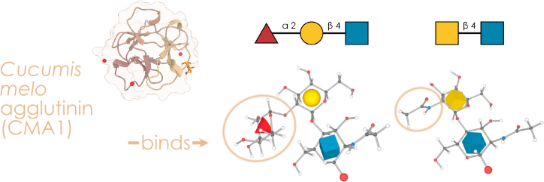
- and tissues, thereby offering insights into cellular heterogeneity and function. For instance, the use of wheat germ agglutinin (WGA) and concanavalin A (ConA) has been instrumental in selectively staining cells based on their glycan expression [4], including single-cell approaches [5][6]. In the
- in which its preferred binding motifs occur (O-glycans, milk glycans, GAGs) are absent from most plants, including melons. We thus hypothesize that the role of this lectin might be to recognize non-self epitopes, such as for protection against pathogens, which is a common function in plant lectins [3
- and the range of their binding specificities, but also our knowledge of melon lectins in particular, which has remained limited so far. Further experiments are still required to determine the role of the C-terminal domain, as well as the physiological function of the full-length CMA1 protein



Tandem Hock and Friedel–Crafts reactions allowing an expedient synthesis of a cyclolignan-type scaffold
Beilstein J. Org. Chem. 2024, 20, 162–169, doi:10.3762/bjoc.20.15
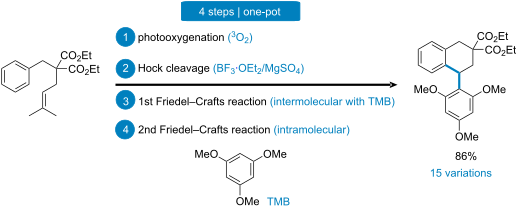
- are excellent substrates for such reactions, affording electrophilic carbonyl derivatives susceptible to react with nucleophiles in the acidic reaction mixture [4][5][6][7][8]. Consequently, the Hock rearrangement is likely to be part of tandem processes involving this carbonyl function [9][10][11
- surrogate of the aldehyde function when it is engaged in a tandem photooxygenation and Hock rearrangement, involving allylic hydroperoxide intermediates in an acidic medium. In the presence of aromatic nucleophiles, the aldehyde intermediate of the Hock rearrangement can be involved in tandem Friedel–Crafts





Perspectives on push–pull chromophores derived from click-type [2 + 2] cycloaddition–retroelectrocyclization reactions of electron-rich alkynes and electron-deficient alkenes
Beilstein J. Org. Chem. 2024, 20, 125–154, doi:10.3762/bjoc.20.13
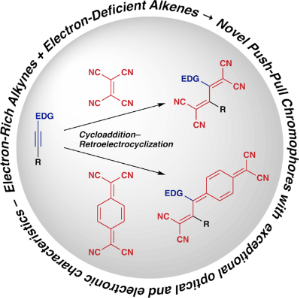
- cyclopentadiene moieties. TCBD 4, obtained through the [2 + 2] CA–RE reaction, continues to function as an electron-accepting alkene, as shown in Scheme 4. Subsequent [2 + 2] CA–RE reactions involving electron-rich alkynes yield tetracyano-1,3,5-hexatrienes (TCHTs). These reactions occur seamlessly in a one-pot


Electron-beam-promoted fullerene dimerization in nanotubes: insights from DFT computations
Beilstein J. Org. Chem. 2024, 20, 92–100, doi:10.3762/bjoc.20.10
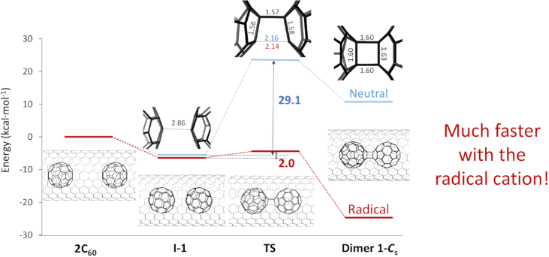
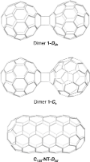
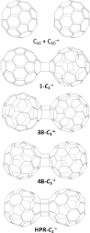
- gas phase; the C60 + C60 dimerization is slightly endothermic with a barrier around 30 kcal mol−1, whereas dimerization for the radical cation is exothermic with a tiny (or almost nil) barrier, which makes this initial step of the reaction drastically faster. Therefore, the main function of the CNT is




Optimizing reaction conditions for the light-driven hydrogen evolution in a loop photoreactor
Beilstein J. Org. Chem. 2024, 20, 74–91, doi:10.3762/bjoc.20.9
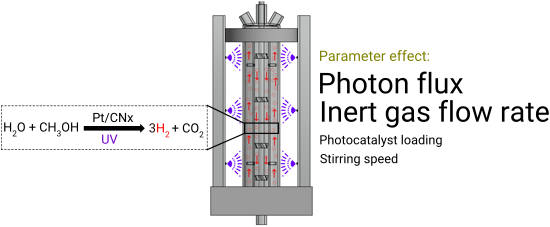
- coefficient, c is the concentration of a light-absorbing solute, and d is the optical path length. Figure 8 shows the measured absorbance as function of the photocatalyst loadings in the methanol/water solution using different optical path lengths. The absorbance depends linearly on the photocatalyst
- generation rate as function of irradiation time. The hydrogen generation rate first increases to a maximum value and decreases subsequently. After around 10 hours of irradiation, a steady level of hydrogen evolution is reached. Even though some fluctuations in the range of ±8% can be observed, the hydrogen
- different irradiation time, (b) photon flux at different irradiation time. Photon flux in the loop reactor with respect to the LED electrical current. Absorbance as function of photocatalyst loading for different optical path lengths. Long-term operation of the loop photoreactor. Visualization of the


Preparing a liquid crystalline dispersion of carbon nanotubes with high aspect ratio
Beilstein J. Org. Chem. 2024, 20, 52–58, doi:10.3762/bjoc.20.7
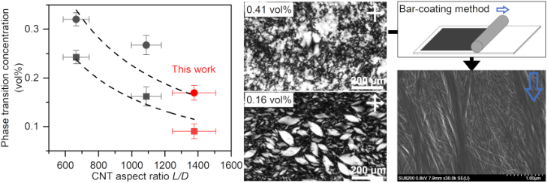
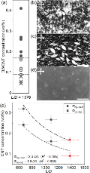
- ][30]. If the DWCNTs align parallel to the long axis of the spindle droplet, it is referred to as a homogenous tactoid. Conversely, if the DWCNTs align from one pole to another, it is called a bipolar tactoid. Figure 3 illustrates the aspect ratio of the tactoids (R/r) as a function of the tactoid
- concentration against the CNT aspect ratio L/D of three CNT-SC aqueous dispersions [22][23]. Dashed lines indicate the results of curve fitting by inverse function in each phase transition, from isotropic phase to biphasic state and from biphasic state to nematic phase. Observed tactoid aspect ratio R/r as a
- function of tactoid volume Rr2. Filled circle and open circle indicate bipolar tactoid and homogenous tactoid respectively. Dashed line denotes the estimated transition volume from homogenous to bipolar tactoids (=15310 μm3). (a, b) POM images of the DWCNT film at (a) 0° and (b) 45° under crossed


NMRium: Teaching nuclear magnetic resonance spectra interpretation in an online platform
Beilstein J. Org. Chem. 2024, 20, 25–31, doi:10.3762/bjoc.20.4

- grasp functionality would make it a preselected tool for the review process of chemistry publications. Future developments of NMRium include the processing of 2D NMR experiments, as well as a CASE- and prediction-supported assignment tool with an integrated validation function for assigned data [44


Identification of the p-coumaric acid biosynthetic gene cluster in Kutzneria albida: insights into the diazotization-dependent deamination pathway
Beilstein J. Org. Chem. 2024, 20, 1–11, doi:10.3762/bjoc.20.1
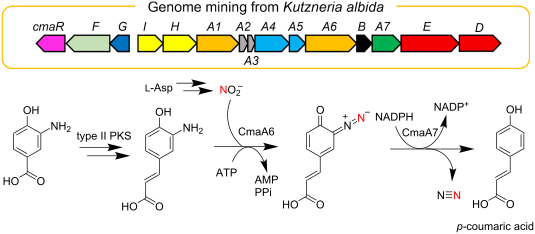
- , Supporting Information File 1). Next, we analyzed the function of CmaA6, which was predicted to catalyze the diazotization of 3-aminocoumaric acid (3-ACA, 3) in p-coumaric acid biosynthesis. As expected, 3-diazocoumaric acid (3-DCA, 4) was synthesized by CmaA6 in the presence of ATP and sodium nitrite


Long oligodeoxynucleotides: chemical synthesis, isolation via catching-by-polymerization, verification via sequencing, and gene expression demonstration
Beilstein J. Org. Chem. 2023, 19, 1957–1965, doi:10.3762/bjoc.19.146

- is usually associated with promiscuous annealing and secondary structures. Problematically, many secondary structures such as hairpin, cruciform, and G-quadruplex are actually needed for genes and genomes to function, and thus these genes and genomes may not be accessible. (4) Genes having long


Beyond n-dopants for organic semiconductors: use of bibenzo[d]imidazoles in UV-promoted dehalogenation reactions of organic halides
Beilstein J. Org. Chem. 2023, 19, 1912–1922, doi:10.3762/bjoc.19.142
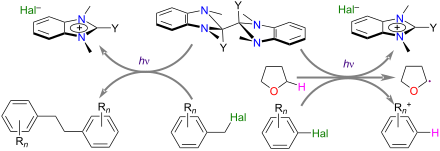
- -normalized initial reaction rate (d([RX]/dt)0/[D2]0) as a function of the initial benzyl bromide concentration ([RX]0) obtained from several experiments of the type shown in part (a) for different [D2] and [RX] for both D2 = (Cyc-DMBI)2 and (N-DMBI)2. For these slow reactions, the “initial” rates were


Anion–π catalysis on carbon allotropes
Beilstein J. Org. Chem. 2023, 19, 1881–1894, doi:10.3762/bjoc.19.140
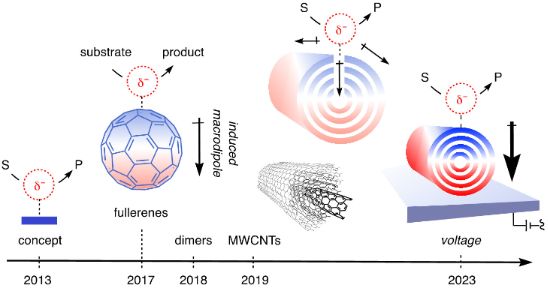
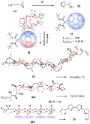
- to C60 fullerenes [12]. These amines function as bases, their position next to the aromatic surface is essential to turn on anion–π interactions as soon as substrate 4 is deprotonated. Fullerene derivatization with the Bingel reaction installs a cyclopropane that continues with one or two acid
- monomeric fullerenes (22, A/D = 4.6) but weaker than on fullerene dimers (37, A/D = 12.5). The true activity is presumably much higher because MWCNTs, and SWCNTs, are heterogenous catalysts that operate as suspensions with only a minor fraction of the total π surface accessible for function. Fullerene




Aromatic systems with two and three pyridine-2,6-dicarbazolyl-3,5-dicarbonitrile fragments as electron-transporting organic semiconductors exhibiting long-lived emissions
Beilstein J. Org. Chem. 2023, 19, 1867–1880, doi:10.3762/bjoc.19.139
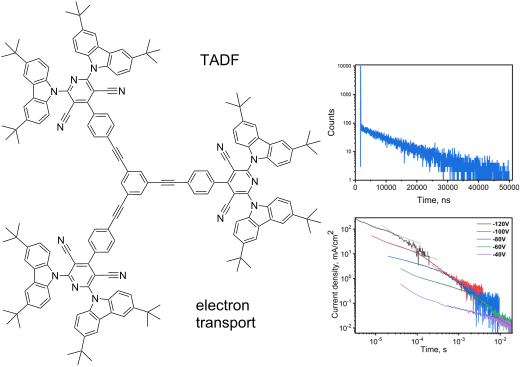
- of TOF measurements. The similar situation was in the case of the other compounds which showed current transients without detectable transit times (Figure S7 in Supporting Information File 1). The electron mobility (µe) as the function of the electric field was substantial for 7 with the field
- under a nitrogen atmosphere. TGA allows us to observe the weight changes of the samples as a function of temperature, providing valuable insights into processes such as decomposition, volatilization, and oxidation. In the case of DSC measurements, the samples were heated at a rate of 10 °C/min in a





