Search results
Search for "silver" in Full Text gives 325 result(s) in Beilstein Journal of Organic Chemistry. Showing first 200.
Is the tungsten(IV) complex (NEt4)2[WO(mnt)2] a functional analogue of acetylene hydratase?
Beilstein J. Org. Chem. 2017, 13, 2332–2339, doi:10.3762/bjoc.13.230
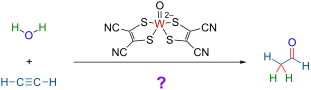
- . More specifically, gold complex AuCl(PPh3) is not usually considered an alkyne hydration catalyst itself, but turns into a catalytically active gold(I) cation after activation with silver salt or Lewis acid [31][32][33][34]. Under the forcing microwave reaction conditions in aqueous methanol



Diosgenyl 2-amino-2-deoxy-β-D-galactopyranoside: synthesis, derivatives and antimicrobial activity
Beilstein J. Org. Chem. 2017, 13, 2310–2315, doi:10.3762/bjoc.13.227

- the β anomer). Glycosylation of diosgenin with 2 was performed in dichloromethane by a “reverse” procedure: The glycosyl donor was added to the solution of diosgenin and the promoter (silver triflate) [31]. This procedure afforded the expected β glycoside 3 in 80% yield. The structure of 3 was


Synthesis and application of trifluoroethoxy-substituted phthalocyanines and subphthalocyanines
Beilstein J. Org. Chem. 2017, 13, 2273–2296, doi:10.3762/bjoc.13.224
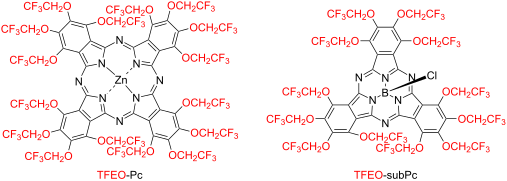
- reflux conditions was attempted, but the reaction did not proceed because of the poor axial reactivity. Therefore, the axis substitution reaction for F-SubPc was carried out after activating its axial position by silver triflate to obtain an intermediate dimer. Finally, H-SubPc was condensed by the axial
- substitution reaction using the activation method by silver triflate to induce the desired trimer 34. Even in the trimer, an investigation of the spectroscopic properties suggested the transfer of energy between units. Each unit had an independent absorption property, but the fluorescence peak corresponding to








Conjugated nitrosoalkenes as Michael acceptors in carbon–carbon bond forming reactions: a review and perspective
Beilstein J. Org. Chem. 2017, 13, 2214–2234, doi:10.3762/bjoc.13.220
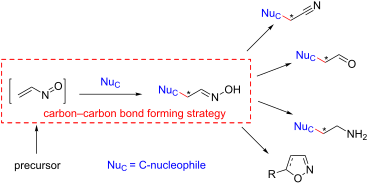
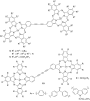
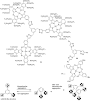
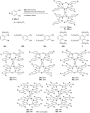
- oxidative [4 + 1]-annulation of nitrosoalkenes with 1,3-dicarbonyl compounds (Scheme 37). Optimized reaction conditions require 2 equivalents of silver carbonate as oxidizer and K2CO3 as a base to generate nitrosoalkene from a halooxime precursor 1. The plausible mechanism involves the initial conjugate
- addition of dicarbonyl compounds to a nitrosoalkene followed by a silver-mediated radical cyclization of the resulting oximes 6 to final isoxazolines 100. Importantly, the reaction is well-tolerated by various substituents both in halooxime and in dicarbonyl compounds producing isoxazolines 100 in moderate


Intramolecular glycosylation
Beilstein J. Org. Chem. 2017, 13, 2028–2048, doi:10.3762/bjoc.13.201
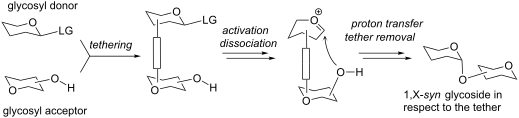
- 72. The latter was then intramolecularly glycosylated in the presence of silver triflate, tin(II) chloride, and 2,6-di-tert-butyl-4-methylpyridine (DTBMP). Finally, the tether was cleaved off using TFA to give pure 1,2-cis glycoside 73 in 63% yield over two steps. An alternative linker was developed
- alcohol showed good selectivity (α/β = 4.8:1) when boronic acid and NBS were employed. Control experiments with a thiophenyl or a thiobenzyl leaving group showed lower stereoselectivities and a slight reduction in yields. The addition of triflic acid or silver triflate resulted in a significant reduction


High-speed vibration-milling-promoted synthesis of symmetrical frameworks containing two or three pyrrole units
Beilstein J. Org. Chem. 2017, 13, 1957–1962, doi:10.3762/bjoc.13.190
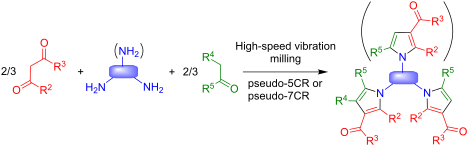
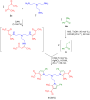
- catalytic amount of Ce(IV) ammonium nitrate (CAN) [17], which had been previously pre-mixed for 30–60 min to ensure the complete generation of the intermediate bis-β-enaminones 5, were added to the reaction vessel, together with silver nitrate, and the mixture was again submitted to milling for an



Mechanochemical synthesis of small organic molecules
Beilstein J. Org. Chem. 2017, 13, 1907–1931, doi:10.3762/bjoc.13.186
- Hantzsch pyrrole synthesis is well known for the construction of poly substituted pyrroles [121][122]. In 1998, Jung and co-workers reported polymer supported solid phase synthesis of N-substituted pyrroles [123]. In 2013, Menendez and co-workers reported a ceric ammonium nitrate (CAN) and silver-nitrate
- -promoted three-component Hantzsch pyrrole synthesis under ball-milling conditions [121]. A ketone in presence of N-iodosuccinimide (NIS) and p-toluenesulfonic acid led to α-iodoketone in 1 h. Subsequent addition of the primary amine, β-dicarbonyl compound, 5 mol % CAN and 1 equiv silver nitrate led to the




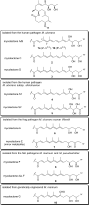
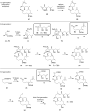
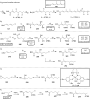
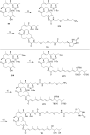
The chemistry and biology of mycolactones
Beilstein J. Org. Chem. 2017, 13, 1596–1660, doi:10.3762/bjoc.13.159









A novel approach to oxoisoaporphine alkaloids via regioselective metalation of alkoxy isoquinolines
Beilstein J. Org. Chem. 2017, 13, 1564–1571, doi:10.3762/bjoc.13.156

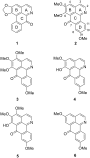
- the presence of silver oxide), phenols 4 and 5 were converted into the alkaloids 2 and 3 in 33 and 49% yields (Scheme 9). In accordance to Kunitomo’s observations, the isomeric methoxy compounds 18 and 19 were obtained as byproducts in significant yields (Scheme 9). In order to find a more convenient



Grip on complexity in chemical reaction networks
Beilstein J. Org. Chem. 2017, 13, 1486–1497, doi:10.3762/bjoc.13.147
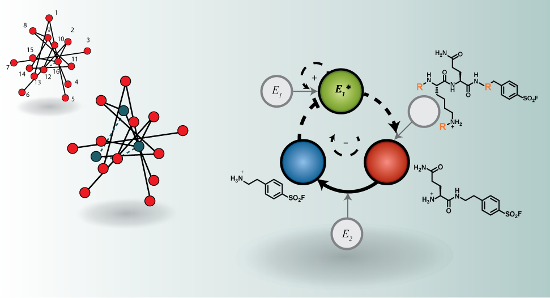
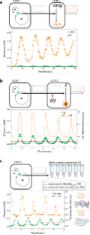
- ], copyright 2006 Nature Publishing Group. (b) Minimal network motifs that describe the dynamics of minimal bistable or oscillatory systems using mass-action kinetics [49]. Belousov–Zhabotinsky (BZ) reaction. (a) Classical example of pattern formation in the BZ reaction when perturbed with a silver thread




Sugar-based micro/mesoporous hypercross-linked polymers with in situ embedded silver nanoparticles for catalytic reduction
Beilstein J. Org. Chem. 2017, 13, 1212–1221, doi:10.3762/bjoc.13.120
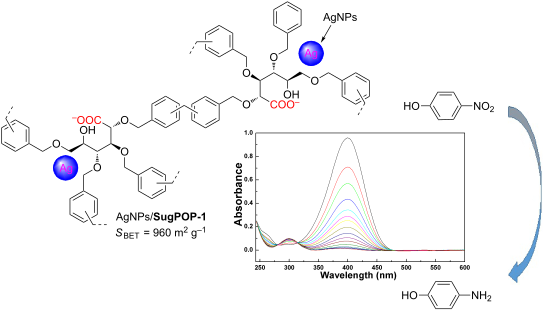
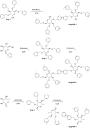
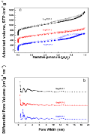
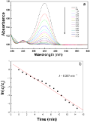
- reduction of 4-nitrophenol (4-NP) with an activity factor ka = 51.4 s−1 g−1, which is higher than some reported AgNP-containing composite materials. Keywords: catalytic reduction; hypercross-linking; porous polymers; silver nanoparticles; sugar; Introduction Hypercross-linked polymers (HCPs) are
- functionalization of the materials. Silver nanoparticles (AgNPs) have received extensive attention because of their unique properties and applications in catalysis [18], antibacterial use [19], phase separation [20], surface-enhanced Raman scattering (SERS) [21], etc. Compared with bulk silver, AgNPs have a more
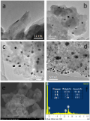
- 3f). The weight percentage of carbon, oxygen, and silver is 85.33%, 7.21% and 7.46%, respectively. The atomic percentage of carbon, oxygen and silver is 93.18%, 5.91% and 0.91%, respectively. The as-synthesized AgNPs/SugPOP-1 composite was also characterized by X-ray diffraction (XRD) with the




Glyco-gold nanoparticles: synthesis and applications
Beilstein J. Org. Chem. 2017, 13, 1008–1021, doi:10.3762/bjoc.13.100
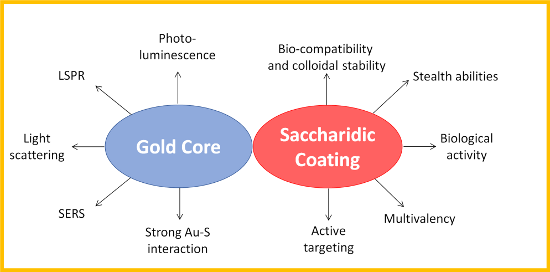
- . Moreover, by using an immobilized antibody microarray, it was possible to design a highly sensitive lectin detection, enhanced by silver addition, by easy naked eye. Plasmon resonance spectroscopy and naked eye have been used by Long et al. (Figure 4) to study the interaction of galactoside-AuNPs with


Aggregation behaviour of a single-chain, phenylene-modified bolalipid and its miscibility with classical phospholipids
Beilstein J. Org. Chem. 2017, 13, 995–1007, doi:10.3762/bjoc.13.99
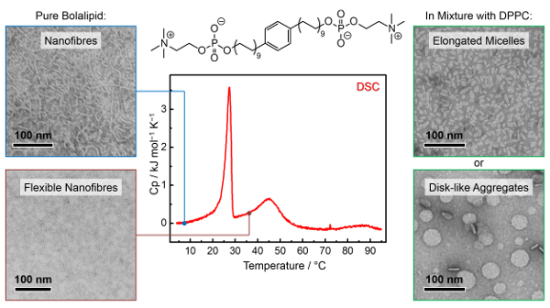
- with a wavelength λ = 1 Å. The sample-to-detector distance was 4 m, allowing for measurements in the q-range interval from 0.75 Å−1 to 5 Å−1. The q-range was calibrated using the diffraction patterns of silver behenate. The experimental data were normalized to the incident beam intensity, corrected for



Expression, purification and structural analysis of functional GABA transporter 1 using the baculovirus expression system
Beilstein J. Org. Chem. 2017, 13, 874–882, doi:10.3762/bjoc.13.88
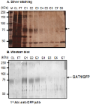
- microscopy (Figure 1B). The expression of GAT1/GFP in insect cells was further determined by sodium dodecyl sulfate polyacrylamide gel electrophoresis SDS-PAGE, followed by Western blotting with either anti-GFP pAb (Figure 1C) or anti-GAT1 pAb (Figure 1D) and silver staining (Figure 1E) after
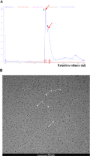
- fraction) from 8.8 to 11.8 mL after SE-FPLC were further analyzed by SDS-PAGE (7.5%), followed with silver staining and Western blotting (Figure 4C and 4D). The results indicated that peak 1, which should correspond to a tetrameric GAT1/GFP with a molecular weight of 320 kDa, appeared at 8.8–10.6 mL (lanes
- 2–8). Peak 2 should correspond to a dimeric form with a molecular weight of 162 kDa, but despite its strong ultraviolet (UV) absorption, it contained very little GAT1/GFP protein according to the results of silver staining, Western blot and bicinchoninic acid (BCA) assay. To prevent the protein from



Nucleophilic and electrophilic cyclization of N-alkyne-substituted pyrrole derivatives: Synthesis of pyrrolopyrazinone, pyrrolotriazinone, and pyrrolooxazinone moieties
Beilstein J. Org. Chem. 2017, 13, 825–834, doi:10.3762/bjoc.13.83
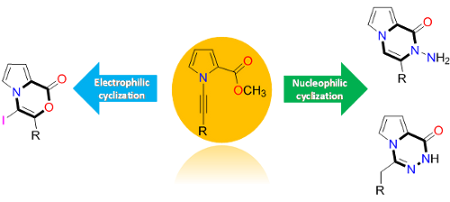
- presence of silver nitrate. The synthesized acetylenes 10a,b and commercially available acetylenes 10c,d were converted into bromoalkyne derivatives 11a–d according to the literature procedure (Scheme 1) [29][30]. After the successful generation of alkynyl bromides 11a–d, the next step was the synthesis of




A practical and efficient approach to imidazo[1,2-a]pyridine-fused isoquinolines through the post-GBB transformation strategy
Beilstein J. Org. Chem. 2017, 13, 817–824, doi:10.3762/bjoc.13.82
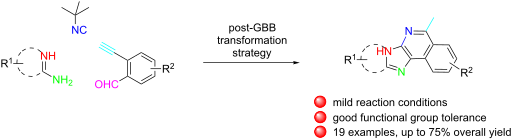
- acetylene unit may then undergo a sequential 6-exo-dig cyclization/retro-ene reaction to form the desired imidazo[1,2-a]pyridine-fused isoquinoline 6a. The cyclization reaction could be realized with the aid of silver or gold catalysts [51][52]. With this idea in mind, we commenced our studies by


Ultrasound-promoted organocatalytic enamine–azide [3 + 2] cycloaddition reactions for the synthesis of ((arylselanyl)phenyl-1H-1,2,3-triazol-4-yl)ketones
Beilstein J. Org. Chem. 2017, 13, 694–702, doi:10.3762/bjoc.13.68
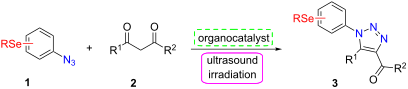
- most attractive way for their preparation is the thermal 1,3-dipolar cycloaddition of alkynes and azides, introduced by Huisgen which usually gives rise to a mixture of 1,4 and 1,5-isomers [16][17][18][19]. More recently, transition metal catalysts based on copper, ruthenium, silver and iridium salts


Effect of the ortho-hydroxy group of salicylaldehyde in the A3 coupling reaction: A metal-catalyst-free synthesis of propargylamine
Beilstein J. Org. Chem. 2017, 13, 552–557, doi:10.3762/bjoc.13.53

- known as A3 coupling reaction, remains the most common and straightforward method for the synthesis of propargylamine. The A3 coupling reaction is reported under transition-metal-catalyzed conditions using copper [12][17][18][19], gold [17][20][21], silver [17][22], zinc [17][23], nickel [24], iron [25


Adsorption of RNA on mineral surfaces and mineral precipitates
Beilstein J. Org. Chem. 2017, 13, 393–404, doi:10.3762/bjoc.13.42
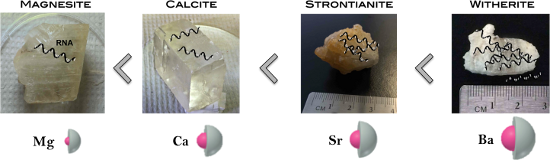
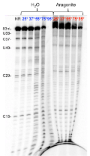
- contaminants [28], aragonite is not formed. We easily reproduced this general result, establishing the structure of the precipitated phases that we obtained by both staining with Feigl’s stain (silver sulfate and manganese sulfate) [29] and by powder X-ray diffraction. To complete our analysis of the CaCO3
- clean tubes and radioactive counts in each slide were read at the scintillation counter with the Cherenkov method. Feigl’s staining and X-ray powder diffraction Feigl’s stain [29] is a solution of silver and manganese sulfates. The stain colors orthorhombic and hexagonal carbonates black, but does not
- stain trigonal carbonates, in the first 30–60 minutes. The reagent was made with 1% silver sulfate (w/v) and 12% manganese sulfate in H2O. In the staining experiments, samples were obtained by double decomposition reaction by mixing aqueous solutions of Na2CO3 (200 µL, 1 M) and CaCl2 (200 µL, 1 M


Decarboxylative and dehydrative coupling of dienoic acids and pentadienyl alcohols to form 1,3,6,8-tetraenes
Beilstein J. Org. Chem. 2017, 13, 384–392, doi:10.3762/bjoc.13.41
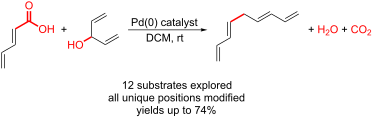
- ], nitro [26][27], or alkyne [21][28][29][30][31][32], Scheme 1), or use an aryl carboxylate [33][34] which typically requires the assistance of silver or copper(I) salts for the decarboxylative step. It is rare to use a pentadienyl electrophile [35], or to have a diene or simple alkene adjacent to the


Silyl-protective groups influencing the reactivity and selectivity in glycosylations
Beilstein J. Org. Chem. 2017, 13, 93–105, doi:10.3762/bjoc.13.12

- found that the 3,5-DTBS-protected L-arabinosyl donor 69 upon reaction with acceptor 70 and activation with NIS/silver triflate gave exclusively the β-glycoside in a yield of 94% (Scheme 14). Similarly, the reaction of 70 with the corresponding perbenzylated donor only gave a 2:1 β:α-ratio of 71 [60]. It


Symmetry-based approach to oligostilbenoids: Rapid entry to viniferifuran, shoreaphenol, malibatol A, and diptoindonesin G
Beilstein J. Org. Chem. 2016, 12, 2689–2693, doi:10.3762/bjoc.12.266

- -dimethoxybenzaldehyde, and 3,5-dimethoxybenzyl alcohol under the influence of either I2/silver trifluoroacetate or N-iodosuccinimide afforded 1 [32][33][34], 2 [35], and 7 [36][37], respectively (Scheme 2). The hydroxy group of 7 was protected as an acetate, providing 3 in 96% yield. Sonogashira coupling of the


Facile synthesis of a 3-deazaadenosine phosphoramidite for RNA solid-phase synthesis
Beilstein J. Org. Chem. 2016, 12, 2556–2562, doi:10.3762/bjoc.12.250

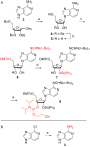
- procedures [32] unfortunately failed. We encountered these problems already in our previously published synthesis for N6-benzoyl protected c3A phosphoramidite [16], and therefore, we decided to apply triisopropylsilyl chloride (TIPS-Cl) and silver nitrate which resulted in the desired 2’-O-TIPS protected


A new protocol for the synthesis of 4,7,12,15-tetrachloro[2.2]paracyclophane
Beilstein J. Org. Chem. 2016, 12, 2443–2449, doi:10.3762/bjoc.12.237
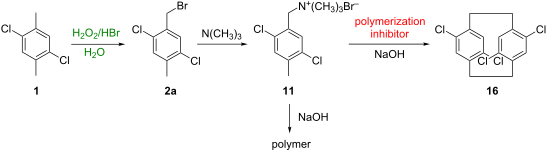
- sodium hydroxide solution instead of silver oxide for anion exchange, results in a significant improvement in product yield. Furthermore, four substituted [2.2]paracyclophanes were also prepared in this convenient way. Keywords: bromination; dimerization; H2O2–HBr system; paracyclophane; polymerization
- with silver oxide for anion exchange was used [17], and it was comparable to the commercial synthetic protocol with 36.5% yield [20]. Although two isomers from the dimerization reaction could be formed, only the 4,7,12,15-tetrachloro isomer was obtained. The structure of the product was confirmed by 1H
- with silver oxide used for anion exchange reported by Chow [17]. We speculated that the replacement of silver oxide by aqueous sodium hydroxide solution might promote the formation of substituted (4-methylbenzyl)trimethylammonium hydroxide, but we are unable to provide any conclusive evidence at


Silica-supported sulfonic acids as recyclable catalyst for esterification of levulinic acid with stoichiometric amounts of alcohols
Beilstein J. Org. Chem. 2016, 12, 2173–2180, doi:10.3762/bjoc.12.207
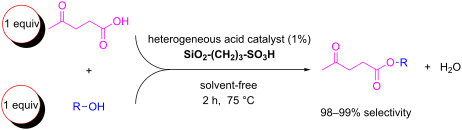
- catalysts. In the literature, methods that use solid heteropolyacids, such as ammonium or mixed ammonium and silver-doped phosphotungstic acid, sulfated metal oxides (such as sulfated titania, sulfated zirconia), zeolites and hydrotalcites have been reported [24][25][26][27][28][29][30]. These solid