Search for "mechanistic studies" in Full Text gives 202 result(s) in Beilstein Journal of Organic Chemistry. Showing first 200.
Beilstein J. Org. Chem. 2014, 10, 936–947, doi:10.3762/bjoc.10.92
Graphical Abstract
Scheme 1: Chemical structures of RB, EDB and TA.
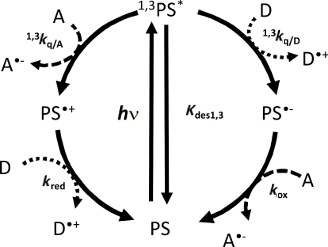
Scheme 2: Type II PIS mechanisms. PS: photosensitizer; 1,3PS*: singlet and triplet PS excited states; PS•+: o...
Figure 1: Evolution of RB concentration as a function of irradiation time (λ = 532 nm, 9 mW·cm−3); insert: ab...
Scheme 3: Photocatalytic behavior occurring in three component PIS. PS: photosensitizer; 1,3PS*: singlet and ...
Figure 2: Evolution of [RB](t) in the photocyclic system RB/TA/EDB as a function of irradiation time (λ = 532...
Scheme 4:
Thermodynamics of an oxidative three components PCIS, a) ground state reaction (
), b) excited state...
Scheme 5: General photocatalytic cycle occurring in three components photocyclic systems. Two cycles are in c...
Figure 3: Mechanistic description of photocyclic system involved in the RB/TA/EDB system. The rate constants ...
Figure 4: Evolution of RB, RB•+, TA, and TA•− concentration with time for RB/TA system.
Figure 5: Evolution of RB, TA and EDB concentrations in the photocyclic system. The logarithm of oxidative an...
Figure 6: Evolution of radical concentrations TA•− and EDB•+ together with [RB] in photocatalytic system.
Beilstein J. Org. Chem. 2014, 10, 115–116, doi:10.3762/bjoc.10.7
Beilstein J. Org. Chem. 2013, 9, 2715–2750, doi:10.3762/bjoc.9.308
Graphical Abstract
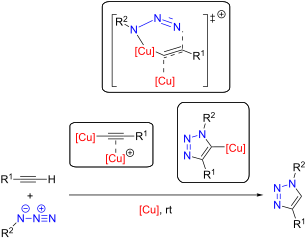
Scheme 1: Exemplary 1,3-dipolar cycloaddition of phenylacetylene with phenyl azide [6].
Scheme 2: CuAAC reaction of benzyl azide with (prop-2-yn-1-yloxy)benzene [12].
Scheme 3: Bioconjugation reaction of capsid-bound azide groups with alkynyl-functionalized dye molecules (cow...
Figure 1: Tris(triazolylmethyl)amine ligands for CuAAC applications in bioorganic chemistry: TBTA = tris[(1-b...
Figure 2: Derivatives of 2,2’-bipyridine and 1,10-phenanthroline, commonly used ligands in CuAAC reactions un...
Scheme 4: CuAAC reaction with copper(II) precursor salt and rate-accelerating monodentate phosphoramidite lig...
Scheme 5: Synthesis of 1-(adamant-1-yl)-1H-1,2,3-triazol-4-ylcarbonyl-Phe-Gly-OH by solid-supported Click cat...
Scheme 6: CuAAC reaction with re-usable copper(I)-tren catalyst [129].
Scheme 7: CuAAC test reaction with chlorido[tris(1-benzyl-1H-1,2,3-triazol-4-yl)methanol-κ3N3]copper(I) and a...
Scheme 8: CuAAC model reaction with [Cu2(μ-TBTA-κ4N2,N3,N3’,N3’’)2][BF4]2 [131].
Scheme 9: Application of a (2-aminoarenethiolato)copper(I) complex as homogeneous catalyst for the CuAAC test...
Scheme 10: Application of [CuBr(PPh3)3] as homogeneous catalyst for the CuAAC test reaction of benzyl azide wi...
Figure 3: Phosphinite and phosphonite copper(I) complexes presented by Díez-González [144].
Scheme 11: Effect of additives on the CuAAC test reaction with [(SIMes)CuCl] [149].
Scheme 12: Initiation of the catalytic cycle by formation of the copper acetylide intermediate from [(ICy)2Cu]...
Scheme 13: Early mechanistic proposal by Sharpless [12,42].
Scheme 14: Chemoselective synthesis of a 5-iodo-1,4-disubstituted 1,2,3-triazole [156].
Scheme 15: Mechanistic proposals for the copper-catalyzed azide–iodoalkyne cycloaddition [156].
Scheme 16: 1,3-Dipolar cycloaddition of 3-hexyne catalyzed by [(SIMes)CuBr] [146].
Scheme 17: Mechanistic picture for the cycloaddition of internal alkynes catalyzed by NHC-copper(I) complexes ...
Scheme 18: Catalytic cycle of the CuAAC reaction on the basis of the proposed mechanistic scheme by Fokin and ...
Figure 4: Schematic representation of the single crystal X-ray structures of copper(I) acetylide complexes [Cu...
Figure 5: Acetylide-bridged dicopper complexes with tris(heteroarylmethyl)amine ligand(s) as key intermediate...
Scheme 19: Off-cycle equilibrium between unreactive polymeric copper(I) acetylide species (right) and reactive...
Figure 6: Categories of tris(heteroarylmethyl)amine ligands regarding their binding ability to copper(I) ions ...
Scheme 20: Mechanistic scheme for ligand-accelerated catalysis with tripodal tris(heteroarylmethyl)amine ligan...
Scheme 21: Synthesis of supposed intermediates in the CuAAC’s catalytic cycle [164,187].
Figure 7: Tetranuclear copper acetylide complexes as reported by Weiss (left) [176] and Tasker (middle) [185] and model...
Figure 8: Gibbs free energy diagram for the computed mechanistic pathway of the CuAAC reaction starting from ...
Figure 9: Energy diagram by Ahlquist and Fokin [125].
Scheme 22: Mechanistic proposal for the CuAAC reaction based on DFT calculations by Fokin [125] and our group [186] ([Cu...
Figure 10: ORTEP plot [202,203] of the X-ray powder diffraction crystal structure of (phenylethynyl)copper(I) [(PhC≡CCu)...
Scheme 23: Synthesis of [(PhC≡CCu)2]n as co-product in the Glaser coupling of phenylacetylene in the presence ...
Scheme 24: Mechanistic explanation for the isotopic enrichment in the product triazolide in the presence of th...
Scheme 25: Homogeneous CuAAC catalysis with a bistriazolylidene dicopper complex (0.5 mol %) and comparison wi...
Beilstein J. Org. Chem. 2013, 9, 2476–2536, doi:10.3762/bjoc.9.287
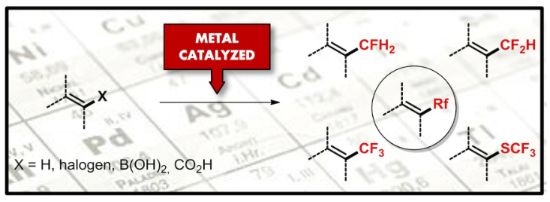
Graphical Abstract
Scheme 1: Pd-catalyzed monofluoromethylation of pinacol phenylboronate [44].
Scheme 2: Cu-catalyzed monofluoromethylation with 2-PySO2CHFCOR followed by desulfonylation [49].
Scheme 3: Cu-catalyzed difluoromethylation with α-silyldifluoroacetates [57].
Figure 1: Mechanism of the Cu-catalyzed C–CHF2 bond formation of α,β-unsaturated carboxylic acids through dec...
Scheme 4: Fe-catalyzed decarboxylative difluoromethylation of cinnamic acids [62].
Scheme 5: Preliminary experiments for investigation of the mechanism of the C–H trifluoromethylation of N-ary...
Figure 2: Plausible catalytic cycle proposed by Z.-J. Shi et al. for the trifluoromethylation of acetanilides ...
Figure 3: Plausible catalytic cycle proposed by M. S. Sanford et al. for the perfluoroalkylation of simple ar...
Figure 4: Postulated reaction pathway for the Ag/Cu-catalyzed trifluoromethylation of aryl iodides by Z. Q. W...
Figure 5: Postulated reaction mechanism for Cu-catalyzed trifluoromethylation reaction using MTFA as trifluor...
Scheme 6: Formal Heck-type trifluoromethylation of vinyl(het)arenes by M. Sodeoka et al. [83].
Figure 6: Proposed catalytic cycle for the copper-catalyzed trifluoromethylation of (het)arenes in presence o...
Figure 7: Proposed catalytic cycle for the copper-catalyzed trifluoromethylation of N,N-disubstituted (hetero...
Figure 8: Proposed catalytic cycle by Y. Zhang and J. Wang et al. for the copper-catalyzed trifluoromethylati...
Figure 9: Mechanistic rationale for the trifluoromethylation of arenes in presence of Langlois’s reagent and ...
Scheme 7: Trifluoromethylation of 4-acetylpyridine with Langlois’s reagent by P. S. Baran et al. (* Stirring ...
Scheme 8: Catalytic copper-facilitated perfluorobutylation of benzene with C4F9I and benzoyl peroxide [90].
Figure 10: F.-L. Qing et al.’s proposed mechanism for the copper-catalyzed trifluoromethylation of (hetero)are...
Figure 11: Mechanism of the Cu-catalyzed/Ru-photocatalyzed trifluoromethylation and perfluoroalkylation of ary...
Figure 12: Proposed mechanism for the Cu-catalyzed trifluoromethylation of aryl- and vinyl boronic acids with ...
Figure 13: Possible mechanism for the Cu-catalyzed decarboxylative trifluoromethylation of cinnamic acids [62].
Scheme 9: Ruthenium-catalyzed perfluoroalkylation of alkenes and (hetero)arenes with perfluoroalkylsulfonyl c...
Figure 14: N. Kamigata et al.’s proposed mechanism for the Ru-catalyzed perfluoroalkylation of alkenes and (he...
Figure 15: Proposed mechanism for the Ru-catalyzed photoredox trifluoromethylation of (hetero)arenes with trif...
Figure 16: Late-stage trifluoromethylation of pharmaceutically relevant molecules with trifluoromethanesulfony...
Figure 17: Proposed mechanism for the trifluoromethylation of alkenes with trifluoromethyl iodide under Ru-bas...
Scheme 10: Formal perfluoroakylation of terminal alkenes by Ru-catalyzed cross-metathesis with perfluoroalkyle...
Figure 18: One-pot Ir-catalyzed borylation/Cu-catalyzed trifluoromethylation of complex small molecules by Q. ...
Figure 19: Mechanistic proposal for the Ni-catalyzed perfluoroalkylation of arenes and heteroarenes with perfl...
Scheme 11: Electrochemical Ni-catalyzed perfluoroalkylation of 2-phenylpyridine (Y. H. Budnikova et al.) [71].
Scheme 12: Fe(II)-catalyzed trifluoromethylation of arenes and heteroarenes with trifluoromethyl iodide (T. Ya...
Figure 20: Mechanistic proposal by T. Yamakawa et al. for the Fe(II)-catalyzed trifluoromethylation of arenes ...
Scheme 13: Ytterbium-catalyzed perfluoroalkylation of dihydropyran with perfluoroalkyl iodide (Y. Ding et al.) ...
Figure 21: Mechanistic proposal by A. Togni et al. for the rhenium-catalyzed trifluoromethylation of arenes an...
Figure 22: Mechanism of the Cu-catalyzed oxidative trifluoromethylthiolation of arylboronic acids with TMSCF3 ...
Scheme 14: Removal of the 8-aminoquinoline auxiliary [136].
Figure 23: Mechanism of the Cu-catalyzed trifluoromethylthiolation of C–H bonds with a trifluoromethanesulfony...
Beilstein J. Org. Chem. 2013, 9, 2265–2319, doi:10.3762/bjoc.9.265
Graphical Abstract
Scheme 1: Scaled industrial processes for the synthesis of simple pyridines.
Scheme 2: Synthesis of nicotinic acid from 2-methyl-5-ethylpyridine (1.11).
Scheme 3: Synthesis of 3-picoline and nicotinic acid.
Scheme 4: Synthesis of 3-picoline from 2-methylglutarodinitrile 1.19.
Scheme 5: Picoline-based synthesis of clarinex (no yields reported).
Scheme 6: Mode of action of proton-pump inhibitors and structures of the API’s.
Scheme 7: Hantzsch-like route towards the pyridine rings in common proton pump inhibitors.
Figure 1: Structures of rosiglitazone (1.40) and pioglitazone (1.41).
Scheme 8: Synthesis of rosiglitazone.
Scheme 9: Syntheses of 2-pyridones.
Scheme 10: Synthesis and mechanism of 2-pyrone from malic acid.
Scheme 11: Polymer-assisted synthesis of rosiglitazone.
Scheme 12: Synthesis of pioglitazone.
Scheme 13: Meerwein arylation reaction towards pioglitazone.
Scheme 14: Route towards pioglitazone utilising tyrosine.
Scheme 15: Route towards pioglitazone via Darzens ester formation.
Scheme 16: Syntheses of the thiazolidinedione moiety.
Scheme 17: Synthesis of etoricoxib utilising Negishi and Stille cross-coupling reactions.
Scheme 18: Synthesis of etoricoxib via vinamidinium condensation.
Figure 2: Structures of nalidixic acid, levofloxacin and moxifloxacin.
Scheme 19: Synthesis of moxifloxacin.
Scheme 20: Synthesis of (S,S)-2,8-diazabicyclo[4.3.0]nonane 1.105.
Scheme 21: Synthesis of levofloxacin.
Scheme 22: Alternative approach to the levofloxacin core 1.125.
Figure 3: Structures of nifedipine, amlodipine and clevidipine.
Scheme 23: Mg3N2-mediated synthesis of nifedipine.
Scheme 24: Synthesis of rac-amlodipine as besylate salt.
Scheme 25: Aza Diels–Alder approach towards amlodipine.
Scheme 26: Routes towards clevidipine.
Figure 4: Examples of piperidine containing drugs.
Figure 5: Discovery of tiagabine based on early leads.
Scheme 27: Synthetic sequences to tiagabine.
Figure 6: Structures of solifenacin (2.57) and muscarine (2.58).
Scheme 28: Enantioselective synthesis of solifenacin.
Figure 7: Structures of DPP-4 inhibitors of the gliptin-type.
Scheme 29: Formation of inactive diketopiperazines from cis-rotameric precursors.
Figure 8: Co-crystal structure of carmegliptin bound in the human DPP-4 active site (PDB 3kwf).
Scheme 30: Improved route to carmegliptin.
Figure 9: Structures of lamivudine and zidovudine.
Scheme 31: Typical routes accessing uracil, thymine and cytosine.
Scheme 32: Coupling between pyrimidones and riboses via the Vorbrüggen nucleosidation.
Scheme 33: Synthesis of lamivudine.
Scheme 34: Synthesis of raltegravir.
Scheme 35: Mechanistic studies on the formation of 3.22.
Figure 10: Structures of selected pyrimidine containing drugs.
Scheme 36: General preparation of pyrimidines and dihydropyrimidones.
Scheme 37: Synthesis of imatinib.
Scheme 38: Flow synthesis of imatinib.
Scheme 39: Syntheses of erlotinib.
Scheme 40: Synthesis of erlotinib proceeding via Dimroth rearrangement.
Scheme 41: Synthesis of lapatinib.
Scheme 42: Synthesis of rosuvastatin.
Scheme 43: Alternative preparation of the key aldehyde towards rosuvastatin.
Figure 11: Structure comparison between nicotinic acetylcholine receptor agonists.
Scheme 44: Syntheses of varenicline and its key building block 4.5.
Scheme 45: Synthetic access to eszopiclone and brimonidine via quinoxaline intermediates.
Figure 12: Bortezomib bound in an active site of the yeast 20S proteasome ([114], pdb 2F16).
Scheme 46: Asymmetric synthesis of bortezomib.
Figure 13: Structures of some prominent piperazine containing drugs.
Figure 14: Structural comparison between the core of aplaviroc (4.35) and a type-1 β-turn (4.36).
Scheme 47: Examplary synthesis of an aplaviroc analogue via the Ugi-MCR.
Scheme 48: Syntheses of azelastine (5.1).
Figure 15: Structures of captopril, enalapril and cilazapril.
Scheme 49: Synthesis of cilazapril.
Figure 16: Structures of lamotrigine, ceftriaxone and azapropazone.
Scheme 50: Synthesis of lamotrigine.
Scheme 51: Alternative synthesis of lamotrigine (no yields reported).
Figure 17: Structural comparison between imiquimod and the related adenosine nucleoside.
Scheme 52: Conventional synthesis of imiquimod (no yields reported).
Scheme 53: Synthesis of imiquimod.
Scheme 54: Synthesis of imiquimod via tetrazole formation (not all yields reported).
Figure 18: Structures of various anti HIV-medications.
Scheme 55: Synthesis of abacavir.
Figure 19: Structures of diazepam compared to modern replacements.
Scheme 56: Synthesis of ocinaplon.
Scheme 57: Access to zaleplon and indiplon.
Scheme 58: Different routes towards the required N-methylpyrazole 6.65 of sildenafil.
Scheme 59: Polymer-supported reagents in the synthesis of key aminopyrazole 6.72.
Scheme 60: Early synthetic route to sildenafil.
Scheme 61: Convergent preparations of sildenafil.
Figure 20: Comparison of the structures of sildenafil, tadalafil and vardenafil.
Scheme 62: Short route to imidazotriazinones.
Scheme 63: Alternative route towards vardenafils core imidazotriazinone (6.95).
Scheme 64: Bayer’s approach to the vardenafil core.
Scheme 65: Large scale synthesis of vardenafil.
Scheme 66: Mode of action of temozolomide (6.105) as methylating agent.
Scheme 67: Different routes to temozolomide.
Scheme 68: Safer route towards temozolomide.
Figure 21: Some unreported heterocyclic scaffolds in top market drugs.
Beilstein J. Org. Chem. 2013, 9, 1977–2001, doi:10.3762/bjoc.9.234
Graphical Abstract
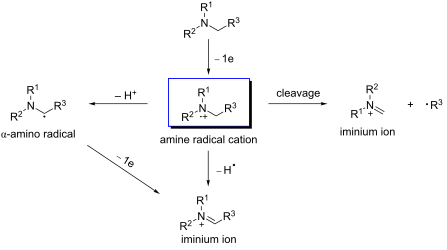
Scheme 1: Amine radical cations’ mode of reactivity.
Scheme 2: Reductive quenching of photoexcited Ru complexes by Et3N.
Scheme 3: Photoredox aza-Henry reaction.
Scheme 4: Formation of iminium ions using BrCCl3 as stoichiometric oxidant.
Scheme 5: Oxidative functionalization of N-aryltetrahydroisoquinolines using Eosin Y.
Scheme 6: Synthetic and mechanistic studies of Eosin Y-catalyzed aza-Henry reaction.
Scheme 7: Oxidative functionalization of N-aryltetrahydroisoquinolines using RB and GO.
Scheme 8: Merging Ru-based photoredox catalysis and Lewis base catalysis for the Mannich reaction.
Scheme 9: Merging Au-based photoredox catalysis and Lewis base catalysis for the Mannich reaction.
Scheme 10: Merging Ru-based photoredox catalysis and Cu-catalyzed alkynylation reaction.
Scheme 11: Merging Ru-based photoredox catalysis and NHC catalysis.
Scheme 12: 1,3-Dipolar cycloaddition of photogenically formed azomethine ylides.
Scheme 13: Plausible mechanism for photoredox 1,3-dipolar cycloaddition.
Scheme 14: Photoredox-catalyzed cascade reaction for the synthesis of fused isoxazolidines.
Scheme 15: Plausible mechanism for the photoredox-catalyzed cascade reaction.
Scheme 16: Photoredox-catalyzed α-arylation of glycine derivatives.
Scheme 17: Photoredox-catalyzed α-arylation of amides.
Scheme 18: Intramolecular interception of iminium ions by sulfonamides.
Scheme 19: Intramolecular interception of iminium ions by alcohols and sulfonamides.
Scheme 20: Intermolecular interception of iminium ions by phosphites.
Scheme 21: Photoredox-catalyzed oxidative phosphonylation by Eosin Y.
Scheme 22: Conjugated addition of α-amino radicals to Michael acceptors.
Scheme 23: Conjugated addition of α-amino radicals to Michael acceptors assisted by a Brønsted acid.
Scheme 24: Conjugated addition of α-amino radicals derived from anilines to Michael acceptors.
Scheme 25: Oxygen switch between two pathways involving α-amino radicals.
Scheme 26: Interception of α-amino radicals by azodicarboxylates.
Scheme 27: α-Arylation of amines.
Scheme 28: Plausible mechanism for α-arylation of amines.
Scheme 29: Photoinduced C–C bond cleavage of tertiary amines.
Scheme 30: Photoredox cleavage of C–C bonds of 1,2-diamines.
Scheme 31: Proposed mechanism photoredox cleavage of C–C bonds.
Scheme 32: Intermolecular [3 + 2] annulation of cyclopropylamines with olefins.
Scheme 33: Proposed mechanism for intermolecular [3 + 2] annulation.
Scheme 34: Photoinduced clevage of N–N bonds of aromatic hydrazines and hydrazides.
Beilstein J. Org. Chem. 2013, 9, 1620–1629, doi:10.3762/bjoc.9.185
Graphical Abstract
Scheme 1: Experimental results for the radical arylation of epoxides.
Scheme 2: 5-exo cyclization of the hexenyl radical.
Scheme 3: Intramolecular radical additions of simple aniline derivatives.
Scheme 4: Successful catalytic radical addition to an N-methyl substituted aniline.
Figure 1: Optimized structure of the transition state of the radical addition of 1 (left: spin density plot a...
Scheme 5: Intramolecular radical additions of simple aniline derivatives.
Scheme 6: Mismatching of polar effects.
Scheme 7: Examples of p-substituted anilines investigated.
Scheme 8: Examples of m,m’-disubstituted anilines investigated.
Scheme 9: Addition reactions leading to dihydrobenzofuran and an indane.
Beilstein J. Org. Chem. 2013, 9, 1472–1479, doi:10.3762/bjoc.9.167
Graphical Abstract
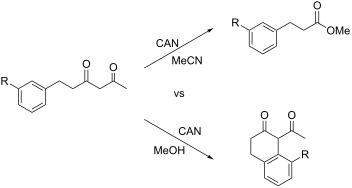
Scheme 1: Oxidative conversion of 1,3-dicarbonyl compounds to carboxylic acids with CAN.
Figure 1: Energy diagram for the unsubstituted arene with the carbonyl groups anti to each other. For TS1a’ t...
Figure 2: Possible products from the ortho cyclization of 1g and 1j.
Scheme 2: Proposed mechanism for the conversion of δ-aryl-β-dicarbonyl compounds to β-tetralones (path A) and...
Beilstein J. Org. Chem. 2013, 9, 1269–1277, doi:10.3762/bjoc.9.143
Graphical Abstract
Scheme 1: Representative C–P bond-forming reactions.
Scheme 2: General equation of homolytic substitution.
Scheme 3: Addition of diphenyl(triphenylstannyl)phosphine.
Scheme 4: Addition of diphenyl(trimethylstannyl)phosphine.
Scheme 5: Plausible mechanism of addition of R3Sn–PPh2.
Scheme 6: Addition of tetraorganodiphosphines to phenylacetylene.
Scheme 7: Plausible mechanism of anti-diphosphination.
Scheme 8: Radical diphosphination for synthesizing fluorescent material.
Scheme 9: Mechanism of thiophosphination with diphenyl(organosulfanyl)phosphine.
Scheme 10: Thiophosphination with S-thiophosphinyl O-ethyl dithiocarbonate.
Scheme 11: Photoinduced selenophosphination of allenes.
Scheme 12: Photoinduced tellurophosphination.
Scheme 13: Decarboxylative phosphorylation of carboxylic acid derivatives.
Scheme 14: Plausible mechanism of decarboxylative phosphorylation.
Scheme 15: Radical phosphination of PTOC esters with white phosphorus.
Scheme 16: Plausible mechanism of radical phosphination (Si = (Me3Si)3Si).
Scheme 17: Stereoselective phosphination leading to (S,S)-aminophosphine derivative.
Figure 1: Calculated reaction profile of homolytic substitution between Ph• and Me3Sn–PPh2 at the B2-PLYP-D/T...
Scheme 18: Phosphination with retention of axial chirality.
Scheme 19: Chemodivergent phosphination.
Scheme 20: Bis(phosphoryl)-bridged biphenyls by radical phosphination.
Scheme 21: Bis(phosphoryl)-bridged ladder triphenylene by radical phosphination.
Scheme 22: Photoinduced phosphination of perfluoroalkyl iodides with tetraphenyldiphosphine.
Scheme 23: Ti(III)-mediated radical phosphination of organic bromides with white phosphorus.
Beilstein J. Org. Chem. 2013, 9, 411–416, doi:10.3762/bjoc.9.43
Graphical Abstract
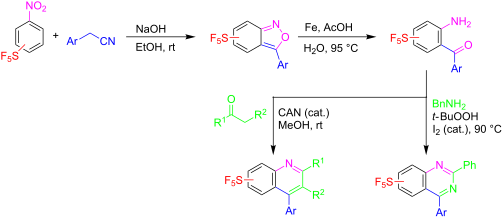
Scheme 1: Proposed mechanism of the Davis reaction giving benzisoxazoles.
Figure 1: Substitution products 1, oximes 2 and nitro-(pentafluorosulfanyl)benzenes 3 and 4.
Scheme 2: Synthesis of SF5-substituted quinolines and mefloquine analogues by Wipf and co-workers [29,30].
Scheme 3: Synthesis of quinoline 12.
Scheme 4: Synthesis of quinoline 13.
Scheme 5: Synthesis of quinazoline 14.
Beilstein J. Org. Chem. 2013, 9, 81–88, doi:10.3762/bjoc.9.11
Graphical Abstract
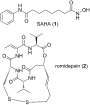
Figure 1: FDA approved HDAC inhibitors for the treatment of CTCL.
Scheme 1: SAR of psammaplin A against zinc-dependant HDACs. Adapted from Baud et al. [20].
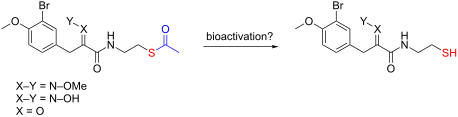
Scheme 2: Synthesis of 7–9. Conditions: (i) HCl·H2NOMe, pyridine, rt, 12 h; (ii) EDC, NHS, dioxane, rt, 3 h; ...
Scheme 3: Top: Generation of the fluorescent adduct 11 after reaction of probe 10 with thiols. Bottom left: F...
Figure 2: rHDAC1 was incubated with a predetermined IC50 concentration of 7 (left) and 9 (right) for 1–60 min...
Beilstein J. Org. Chem. 2012, 8, 2025–2052, doi:10.3762/bjoc.8.229
Graphical Abstract
Figure 1: An immersion-well batch reactor with 125 W medium pressure Hg lamp.
Figure 2: Transmission profile of a 0.05 M solution, ε = 200 M−1 cm−1.
Figure 3: Schematic of a typical microflow photochemical reactor (above) and detail of a triple-channel micro...
Figure 4: Schematic of a typical macroflow photochemical reactor (above) and images of the FEP photochemical ...
Scheme 1: [2 + 2] photocycloadditions of enones with enol derivatives.
Scheme 2: Competing reactions in an intramolecular [2 + 2] photocycloaddition.
Scheme 3: Diastereocontrolled cycloaddition of a cyclic enone with cyclopentene.
Scheme 4: Comparison of yields and reaction times for a batch reactor with a microflow system.
Scheme 5: Intramolecular [2 + 2] photocycloaddition.
Scheme 6: Paterno–Büchi reaction of benzophenone with an allylic alcohol.
Scheme 7: Photooxygenation of cyclopentadiene.
Scheme 8: Preparation of the anthelmintic ascaridole 23.
Scheme 9: Production of rose oxide 27 from (−)-β-citronellol (24).
Scheme 10: Photocatalytic alkylation of benzylamine.
Scheme 11: Photocatalytic reduction of 4-nitroacetophenone.
Scheme 12: Conversion of L-lysine to L-pipecolinic acid.
Scheme 13: Photocatalytic hydrodehalogenation.
Scheme 14: Photocatalytic aza-Henry reactions.
Scheme 15: Photocatalytic α-alkylation of aliphatic ketones.
Scheme 16: Decarboxylative photochemical additions.
Scheme 17: Photochemical addition of isopropanol to furanones.
Scheme 18: Photochemical addition of methanol to limonene.
Scheme 19: Light-promoted reduction of flavone.
Scheme 20: Photoreduction of benzophenone with benzhydrol.
Scheme 21: Barton reaction in a microflow system.
Scheme 22: Microflow synthesis of vitamin D3.
Scheme 23: photochemical chlorination of cyclohexane.
Scheme 24: photochemical cyanation of pyrene.
Scheme 25: Intermolecular [2 + 2] cycloaddition of maleimide (76) and intramolecular [2 + 2] cycloaddition of ...
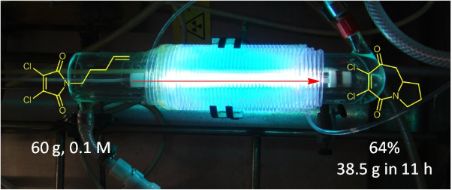
Scheme 26: Intramolecular [5 + 2] cycloaddition of maleimide under flow conditions.
Scheme 27: Intramolecular [5 + 2] cycloaddition as a key step in the synthesis of (±)-neostenine.
Scheme 28: In situ generation of a thioaldehyde by photolysis of a phenacyl sulfide.
Scheme 29: Photodimerisation of maleic anhydride.
Scheme 30: [2 + 2] cycloaddition of a chiral enone with ethylene.
Scheme 31: Intramolecular [2 + 2] cycloaddition of a cyclopentenone.
Scheme 32: Photochemical Wolff rearrangement and cyclisation to β-lactams.
Scheme 33: Photochemical rearrangement of aryl azides.
Scheme 34: Rearrangement of quinoline N-oxides to quinolones.
Scheme 35: Photochemical rearrangement of cyclobutenones.
Scheme 36: Photoisomerisation en route to a vitamin-D derivative.
Scheme 37: Schematic of the Seeberger photooxygenation apparatus and sensitised photooxygenation of citronello...
Scheme 38: Sensitised photooxygenation of dihydroartemisinic acid.
Scheme 39: Photochemical preparation of CpRu(MeCN)3PF6.
Scheme 40: In situ photochemical generation and reaction of a [CpRu]+ catalyst.
Scheme 41: Intermolecular alkene–alkyne coupling with photogenerated catalyst.
Scheme 42: PET deoxygenation of nucleosides.
Scheme 43: Photochemical defluorination of DABFT.
Scheme 44: Aromatic azide reduction by visible-light-mediated photocatalysis.
Scheme 45: Examples of visible-light-mediated reactions.
Scheme 46: Visible-light-mediated formation of iminium ions.
Scheme 47: Examples of visible-light-mediated photocatalytic reactions.
Scheme 48: Anhydride formation from a visible-light-mediated process.
Scheme 49: Light-mediated conjugate addition of glycosyl bromide 141 to acrolein.
Scheme 50: Visible-light-mediated photocyclisation to [5]helicene.
Beilstein J. Org. Chem. 2012, 8, 1374–1384, doi:10.3762/bjoc.8.159
Graphical Abstract
Scheme 1: Triflic acid-catalysed synthesis of cyclic aminals.
Scheme 2: PTSA-catalysed synthesis of cyclic aminals.
Scheme 3: Plausible mechanism for cyclic aminal synthesis.
Scheme 4: Annulation cascade reaction with double nucleophiles.
Scheme 5: Mechanism for the indole-annulation cascade reaction.
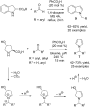
Scheme 6: Synthesis of N-alkylpyrroles and δ-hydroxypyrroles.
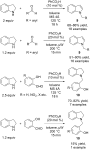
Scheme 7: Synthesis of N-alkylindoles 9 and N-alkylindolines 10.
Scheme 8: Mechanistic study for the N-alkylpyrrole formation.
Scheme 9: Benzoic acid catalysed decarboxylative redox amination.
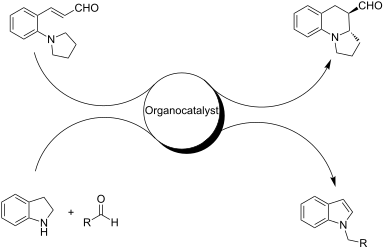
Scheme 10: Organocatalytic redox reaction of ortho-(dialkylamino)cinnamaldehydes.
Scheme 11: Mechanism for aminocatalytic redox reaction of ortho-(dialkylamino)cinnamaldehydes.
Scheme 12: Asymmetric synthesis of tetrahydroquinolines having gem-methyl ester groups.
Scheme 13: Asymmetric synthesis of tetrahydroquinolines from chiral substrates 18.
Scheme 14: Organocatalytic biaryl synthesis by Kwong, Lei and co-workers.
Scheme 15: Organocatalytic biaryl synthesis by Shi and co-workers.
Scheme 16: Organocatalytic biaryl synthesis by Hayashi and co-workers.
Scheme 17: Proposed mechanism for organocatalytic biaryl synthesis.
Beilstein J. Org. Chem. 2012, 8, 1208–1212, doi:10.3762/bjoc.8.134
Graphical Abstract
Scheme 1: Photolysis of cyclic carbonate esters 1a and 1b in acetonitrile.
Scheme 2: Photoreactivity of styrene glycol sulfite (8).
Scheme 3: Photochemical pathway for photoextrusion of SO2 from cyclic sulfites.
Scheme 4: Photoreactivity of meso-hydrobenzoin sulfite (9).
Beilstein J. Org. Chem. 2012, 8, 1071–1090, doi:10.3762/bjoc.8.119
Graphical Abstract
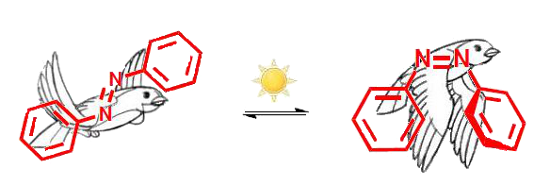
Figure 1: Photoisomerization process of azobenzene.
Figure 2: Representative example of an UV spectrum of an azocompound of the azobenzene type (blue line: trans...
Figure 3: Mechanistic proposals for the isomerization of azobenzenes.
Figure 4: Representation of the photocontrol of a K+ channel in the cellular membrane based on the isomerizat...
Figure 5: (a) MAG interaction with iGluR; (b) photocontrol of the opening of the ion channel by trans–cis iso...
Figure 6: Photocontrol of the structure of the α-helix in the polypeptide azoderivative 2. Reprinted (adapted...
Figure 7: Recognition of a guanidinium ion by a cis,cis-bis-azo derivative 3.
Figure 8: Recognition of cesium ions by cis-azo derivative 4.
Figure 9: Photocontrolled formation of an inclusion complex of cyclodextrin trans-azo 5+6.
Figure 10: Pseudorotaxane-based molecular machine.
Figure 11: Molecular hinge. Reprinted (adapted) with permission from Org. Lett. 2004, 6, 2595–2598. Copyright ...
Figure 12: Molecular threader. Reprinted (adapted) with permission from Acc. Chem. Res. 2001, 34, 445–455. Cop...
Figure 13: Molecular scissors based on azobenzene 12. Reprinted (adapted) with permission from J. Am. Chem. So...
Figure 14: Molecular pedals. Reprinted by permission from Macmillan Publishers Ltd: Nature, 2006, 440, 512–515...
Figure 15: Design of nanovehicles based on azo structures. Reprinted (adapted) with permission from Org. Lett. ...
Figure 16: Light-activated mesostructured silica nanoparticles (LAMs).
Figure 17: Molecular lift.
Figure 18: Conformational considerations in mono-ortho-substituted azobenzenes.
Scheme 1: Synthesis and photoisomerization of sulfinyl azobenzenes. Reprinted (adapted) with permission from ...
Figure 19: Photoisomerization of azocompound 22 and its application as a photobase catalyst.
Figure 20: Effect of irradiation with linearly polarized light on azo-LCEs. Reprinted by permission from Macmi...
Figure 21: Chemically and photochemically triggered memory switching cycle of the [2]rotaxane 25.
Figure 22: Unidirectional photoisomerization process of the azobenzene 26.
Beilstein J. Org. Chem. 2011, 7, 1278–1287, doi:10.3762/bjoc.7.148
Graphical Abstract
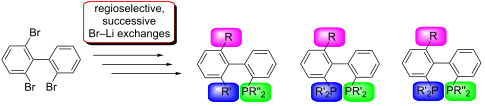
Figure 1: Modular synthesis of bis(diarylphosphino)-, bis(dialkylphosphino)- and dialkyl(diaryl)phosphinobiph...
Figure 2: ARYNE coupling.
Scheme 1: Functionalization of 2,2',6-tribromobiphenyl (1a) by regioselective bromine–lithium exchange.
Scheme 2: Functionalization of 2,2'-dibromobiphenyls (1b–e) by regioselective bromine–lithium exchange.
Figure 3: General access to biaryl mono- and diphosphine ligands; (Cy = cyclohexyl).
Scheme 3: Synthesis of monophosphines 3; (Cy = cyclohexyl).
Figure 4: Molecular structure of compound 3a (crystallized from ethyl acetate/hexane) [74].
Scheme 4: Preparation of mixed dialkyl(diaryl)phosphinobiphenyls 5 via successive bromine–lithium exchange.
Scheme 5: Stepwise bromine–lithium exchange on 1c.
Beilstein J. Org. Chem. 2011, 7, 1014–1020, doi:10.3762/bjoc.7.115
Graphical Abstract
Scheme 1: The counter ligands, an important factor in Au(I) catalysis.
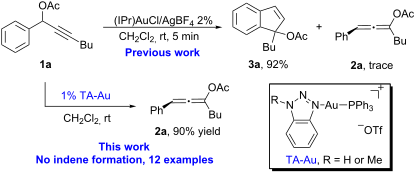
Scheme 2: The challenge of the synthesis of allenes through gold activated alkynes.
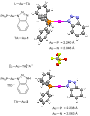
Scheme 3: X-ray crystal structures of the two different types of 1,2,3-triazole–Au complexes.
Scheme 4: Synthesis of α-iodoenone compounds from propargyl esters.
Figure 1: Chemoselective activation of alkyne over allene by the TA–Au catalysts.
Beilstein J. Org. Chem. 2011, 7, 813–823, doi:10.3762/bjoc.7.93
Graphical Abstract
Figure 1: Structure of C-lysine conjugates.
Figure 2: Alternative pathways of enediyne photoreactivity: photo-Bergman cyclization (left), C1–C5 cyclizati...
Figure 3: Summary of possible mechanistic alternatives for the observed DNA cleavage by monoacetylene conjuga...
Scheme 1: Proposed mechanism of photocycloaddition of acetylene with 1,4-CHD.
Figure 4: p-, m-, and o-amidyl acetylenes and respective lysine conjugates.
Scheme 2: Synthesis of amido-substituted monoacetylenes and lysine conjugates. Reagents and conditions: a. Pd...
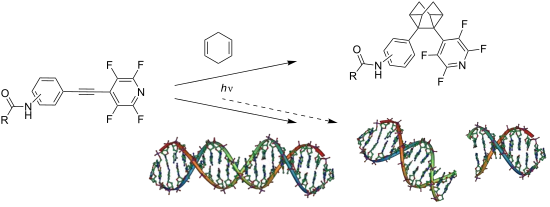
Scheme 3: Photochemical reactions of TFP-substituted aryl alkynes with selected π-systems. In short, the reac...
Scheme 4: Photocycloaddition of amido acetylenes with 1,4-CHD.
Scheme 5: Possible mechanism for photochemical hydration of diaryl acetylene moiety catalyzed by the ortho-am...
Figure 5: Stern–Volmer plots of three regioisomers, 3 (blue diamond), 4 (red square), and 5 (green triangle),...
Figure 6: Absorption spectra of three isomers, 3, 4, 5, and Ph-TFP in acetonitrile (10 μM).
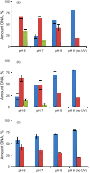
Figure 7: Quantified DNA cleavage data for 1 (a), 6 (b) and 7 (c). Blue: Form I (supercoiled) DNA; red: Form ...
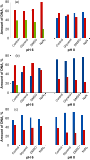
Figure 8: Effect of hydroxyl radical/singlet oxygen scavengers (20 mM) on the efficiency of DNA cleavage at p...
Figure 9: Cell proliferation assay using A375 cells (human melanoma) and compound 1 (green square), 6 (red up...
Beilstein J. Org. Chem. 2011, 7, 767–780, doi:10.3762/bjoc.7.87
Graphical Abstract
Scheme 1: Transition metal promoted rearrangements of bicyclo[1.1.0]butanes.
Scheme 2: Gold-catalyzed rearrangements of strained rings.
Scheme 3: Gold-catalyzed ring expansions of cyclopropanols and cyclobutanols.
Scheme 4: Mechanism of the cycloisomerization of alkynyl cyclopropanols and cyclobutanols.
Scheme 5: Proposed mechanism for the Au-catalyzed isomerization of alkynyl cyclobutanols.
Scheme 6: Gold-catalyzed cycloisomerization of 1-allenylcyclopropanols.
Scheme 7: Gold-catalyzed cycloisomerization of cyclopropylmethanols.
Scheme 8: Gold-catalyzed cycloisomerization of aryl alkyl epoxides.
Scheme 9: Gold-catalyzed synthesis of furans.
Scheme 10: Transformations of alkynyl oxiranes.
Scheme 11: Transformations of alkynyl oxiranes into ketals.
Scheme 12: Gold-catalyzed cycloisomerization of cyclopropyl alkynes.
Scheme 13: Gold-catalyzed synthesis of substituted furans.
Scheme 14: Proposed mechanism for the isomerization of alkynyl cyclopropyl ketones.
Scheme 15: Cycloisomerization of cyclobutylazides.
Scheme 16: Cycloisomerization of alkynyl aziridines.
Scheme 17: Gold-catalyzed synthesis of disubstituted cyclohexadienes.
Scheme 18: Gold-catalyzed synthesis of indenes.
Scheme 19: Gold-catalyzed [n + m] annulation processes.
Scheme 20: Gold-catalyzed generation of 1,4-dipoles.
Scheme 21: Gold-catalyzed synthesis of repraesentin F.
Scheme 22: Gold-catalyzed ring expansion of cyclopropyl 1,6-enynes.
Scheme 23: Gold-catalyzed synthesis of ventricos-7(13)-ene.
Scheme 24: 1,2- vs 1,3-Carboxylate migration.
Scheme 25: Gold-catalyzed cycloisomerization of vinyl alkynyl cyclopropanes.
Scheme 26: Proposed mechanism for the cycloisomerization of vinyl alkynyl cyclopropanes.
Scheme 27: Gold-catalyzed 1,2-acyloxy rearrangement/cyclopropanation/cycloisomerization cascades.
Scheme 28: Formal total synthesis of frondosin A.
Scheme 29: Gold-catalyzed rearrangement/cycloisomerization of cyclopropyl propargyl acetates.
Beilstein J. Org. Chem. 2011, 7, 606–614, doi:10.3762/bjoc.7.71
Graphical Abstract
Scheme 1: Lewis acid or Brønsted acid-catalyzed alkyne–carbonyl metathesis and a proposed [2 + 2] intermediat...
Scheme 2: Gold-catalyzed cyclization of internal alkynyl ketones.
Scheme 3: Proposed [2 + 2] mechanism for the cyclization of alkynyl ketones.
Scheme 4: Gold-catalyzed cyclization of terminal alkynyl ketones.
Scheme 5: Gold-catalyzed tandem oxygen transfer/Nazarov cyclizations.
Scheme 6: TfOH-mediated cyclization of alkynyl ketones.
Scheme 7: Gold-catalyzed cyclizations of 2-alkynyl-1,5-diketones.
Scheme 8: Designed isotopic labeling experiment for mechanistic studies.
Scheme 9: 18O isotopic experiments.
Scheme 10: B2PLYP/6-311+G(d,p)//B2PLYP/6-31G(d) computed reaction profile, relative energies in kcal/mol.
Scheme 11: Gold-catalyzed cyclization of tethered alkynyl arylaldehydes.
Scheme 12: Gold-catalyzed cyclization of terminal diynes.
Scheme 13: Proposed hydrolysis/cyclization mechanism.
Scheme 14: Gold-catalyzed cyclization of internal diynes.
Scheme 15: Proposed solvolysis/cyclization mechanism.
Scheme 16: Gold-catalyzed cyclization of alkynyl epoxides and the 18O isotopic labeling experiment.
Scheme 17: Proposed oxygen transfer mechanism.
Scheme 18: Gold or silver-catalyzed cyclization of alkynyl epoxides and the corresponding deuterium labeling e...
Beilstein J. Org. Chem. 2011, 7, 543–552, doi:10.3762/bjoc.7.62
Graphical Abstract
Figure 1: Molecular structures of syn-isobutyl chloroformate (1), syn-isobutyl chlorothioformate (2), phenyl ...
Scheme 1: Stepwise addition–elimination mechanism through a tetrahedral intermediate for solvolysis of chloro...
Scheme 2: Unimolecular solvolytic pathway for the dithioformate esters.
Figure 2: The plot of log (k/k0) for iBuOCOCl (1) against log (k/k0) for PhOCOCl (3).
Figure 3: The plot of log (k/k0) for isobutyl chloroformate (1) against 1.82 NT + 0.53 YCl in eighteen pure a...
Figure 4: The plot of log (k/k0) for isobutyl chlorothioformate (2) against 0.42 NT + 0.73 YCl in 15 pure and...
Beilstein J. Org. Chem. 2011, 7, 442–495, doi:10.3762/bjoc.7.57
Graphical Abstract
Figure 1: Structures of atorvastatin and other commercial statins.
Figure 2: Structure of compactin.
Scheme 1: Synthesis of pentasubstituted pyrroles.
Scheme 2: [3 + 2] Cycloaddition to prepare 5-isopropylpyrroles.
Scheme 3: Regiospecific [3 + 2] cycloaddition to prepare the pyrrole scaffold.
Scheme 4: Formation of the pyrrole core of atorvastatin via [3 + 2] cycloaddition.
Scheme 5: Formation of pyrrole 33 via the Paal–Knorr reaction.
Scheme 6: Convergent synthesis towards atorvastatin.
Figure 3: Binding pocket of sunitinib in the TRK KIT.
Scheme 7: Synthesis of sunitinib.
Scheme 8: Alternative synthesis of sunitinib.
Scheme 9: Key steps in the syntheses of sumatriptan and zolmitriptan.
Scheme 10: Introduction of the N,N-dimethylaminoethyl side chain.
Scheme 11: Japp–Klingemann reaction in the synthesis of sumatriptan.
Scheme 12: Synthesis of the intermediate sulfonyl chlorides 62 and 63.
Scheme 13: Alternative introduction of the sulfonamide.
Scheme 14: Negishi-type coupling to benzylic sulfonamides.
Scheme 15: Heck reaction used to introduce the sulfonamide side chain of naratriptan.
Scheme 16: Synthesis of the oxazolinone appendage of zolmitriptan.
Scheme 17: Grandberg indole synthesis used in the preparation of rizatriptan.
Scheme 18: Improved synthesis of rizatriptan.
Scheme 19: Larock-type synthesis of rizatriptan.
Scheme 20: Synthesis of eletriptan.
Scheme 21: Heck coupling for the indole system in eletriptan.
Scheme 22: Attempted Fischer indole synthesis of elatriptan.
Scheme 23: Successful Fischer indole synthesis for eletriptan.
Scheme 24: Mechanistic rationale for the Bischler–Möhlau reaction.
Scheme 25: Bischler-type indole synthesis used in the fluvastatin sodium synthesis.
Scheme 26: Palladium-mediated synthesis of ondansetron.
Scheme 27: Fischer indole synthesis of ondansetron.
Scheme 28: Optimised Pictet–Spengler reaction towards tadalafil.
Figure 4: Structures of carvedilol 136 and propranolol 137.
Scheme 29: Synthesis of the carbazole core of carvedilol.
Scheme 30: Alternative syntheses of 4-hydroxy-9H-carbazole.
Scheme 31: Convergent synthesis of etodolac.
Scheme 32: Alternative synthesis of etodolac.
Figure 5: Structures of imidazole-containing drugs.
Scheme 33: Synthesis of functionalised imidazoles towards losartan.
Scheme 34: Direct synthesis of the chlorinated imidazole in losartan.
Scheme 35: Synthesis of trisubstituted imidazoles.
Scheme 36: Preparation of the imidazole ring in olmesartan.
Scheme 37: Synthesis of ondansetron.
Scheme 38: Alternative route to ondansetron and its analogues.
Scheme 39: Proton pump inhibitors and synthesis of esomeprazole.
Scheme 40: Synthesis of benzimidazole core pantoprazole.
Figure 6: Structure of rabeprazole 194.
Scheme 41: Synthesis of candesartan.
Scheme 42: Alternative access to the candesartan key intermediate 216.
Scheme 43: .Medicinal chemistry route to telmisartan.
Scheme 44: Improved synthesis of telmisartan.
Scheme 45: Synthesis of zolpidem.
Scheme 46: Copper-catalysed 3-component coupling towards zolpidem.
Figure 7: Structure of celecoxib.
Scheme 47: Preparation of celecoxib.
Scheme 48: Alternative synthesis of celecoxib.
Scheme 49: Regioselective access to celecoxib.
Scheme 50: Synthesis of pazopanib.
Scheme 51: Syntheses of anastrozole, rizatriptan and letrozole.
Scheme 52: Regioselective synthesis of anastrozole.
Scheme 53: Triazine-mediated triazole formation towards anastrozole.
Scheme 54: Alternative routes to 1,2,4-triazoles.
Scheme 55: Initial synthetic route to sitagliptin.
Figure 8: Binding of sitagliptin within DPP-IV.
Scheme 56: The process route to sitagliptin key intermediate 280.
Scheme 57: Synthesis of maraviroc.
Scheme 58: Synthesis of alprazolam.
Scheme 59: The use of N-nitrosoamidine derivatives in the preparation of fused benzodiazepines.
Figure 9: Structures of itraconazole, ravuconazole and voriconazole.
Scheme 60: Synthesis of itraconazole.
Scheme 61: Synthesis of rufinamide.
Scheme 62: Representative tetrazole formation in valsartan.
Figure 10: Structure of tetrazole containing olmesartan, candesartan and irbesartan.
Scheme 63: Early stage introduction of the tetrazole in losartan.
Scheme 64: Synthesis of cilostazol.
Figure 11: Structure of cefdinir.
Scheme 65: Semi-synthesis of cefdinir.
Scheme 66: Thiazole syntheses towards ritonavir.
Scheme 67: Synthesis towards pramipexole.
Scheme 68: Alternative route to pramipexole.
Scheme 69: Synthesis of famotidine.
Scheme 70: Efficient synthesis of the hyperuricemic febuxostat.
Scheme 71: Synthesis of ziprasidone.
Figure 12: Structure of mometasone.
Scheme 72: Industrial access to 2-furoic acid present in mometasone.
Scheme 73: Synthesis of ranitidine from furfuryl alcohol.
Scheme 74: Synthesis of nitrofurantoin.
Scheme 75: Synthesis of benzofuran.
Scheme 76: Synthesis of amiodarone.
Scheme 77: Synthesis of raloxifene.
Scheme 78: Alternative access to the benzo[b]thiophene core of raloxifene.
Scheme 79: Gewald reaction in the synthesis of olanzapine.
Scheme 80: Alternative synthesis of olanzapine.
Figure 13: Access to simple thiophene-containing drugs.
Scheme 81: Synthesis of clopidogrel.
Scheme 82: Pictet–Spengler reaction in the preparation of tetrahydrothieno[3,2-c]pyridine (422).
Scheme 83: Alternative synthesis of key intermediate 422.
Figure 14: Co-crystal structures of timolol (left) and carazolol (right) in the β-adrenergic receptor.
Scheme 84: Synthesis of timolol.
Scheme 85: Synthesis of tizanidine 440.
Scheme 86: Synthesis of leflunomide.
Scheme 87: Synthesis of sulfamethoxazole.
Scheme 88: Synthesis of risperidone.
Figure 15: Relative abundance of selected transformations.
Figure 16: The abundance of heterocycles within top 200 drugs (5-membered rings).
Beilstein J. Org. Chem. 2011, 7, 156–166, doi:10.3762/bjoc.7.22
Graphical Abstract
Scheme 1: Interaction of triple bonds with a metal carbene.
Scheme 2: General scheme for EYCM and side reactions.
Figure 1: Selected ruthenium catalysts able to perform EYCM.
Scheme 3: Catalytic cycle with initial interaction of a metal methylidene with the triple bond.
Scheme 4: Catalytic cycle with initial interaction of a metal alkylidene with the triple bond.
Scheme 5: Formation of 2,3-disubstituted dienes via cross-metathesis of alkynes with ethylene.
Figure 2: Applications of EYCM with ethylene in natural product synthesis.
Scheme 6: Application of EYCM in sugar chemistry.
Scheme 7: EYCM as determining step to form vinylcyclopropane derivatives.
Scheme 8: Sequential EYCM with ethylene/nucleophilic substitution or elimination.
Scheme 9: Various regioselectivities in EYCM of silylated alkynes.
Scheme 10: High regio- and stereoselectivities obtained for EYCM with styrenes.
Scheme 11: EYCM of terminal olefins with internal borylated alkynes.
Scheme 12: Synthesis of propenylidene cyclobutane via EYCM.
Scheme 13: Efficient EYCM with vinyl ethers.
Scheme 14: From cyclopentene to cyclohepta-1,3-dienes via cyclic olefin-alkyne cross-metathesis.
Scheme 15: Ring expansion via EYCM from bicyclic olefins.
Scheme 16: Ring contraction resulting from EYCM of cyclooctadiene.
Scheme 17: Preparation of bicyclic products via diene-alkyne cross-metathesis.
Scheme 18: Ethylene helping effect in EYCM.
Scheme 19: Stereoselective EYCM in the presence of ethylene.
Scheme 20: Sequential ethenolysis/EYCM applied to unsaturated fatty acid esters.
Scheme 21: Sequential ethenolysis/EYCM applied to symmetrical unsaturated fatty acid derivatives for the produ...
Beilstein J. Org. Chem. 2010, 6, 1219–1228, doi:10.3762/bjoc.6.140
Graphical Abstract
Scheme 1: a) Variation of olefin metathesis: CM = cross-metathesis; RCM = ring-closing metathesis; ROM = ring...
Figure 1: Allylic hydroxy activation in RCM [19].
Figure 2: Possible complexes generated through preassociation of allylic alcohol with ruthenium.
Scheme 2: The influence of different OR groups on ring size-selectivity [21].
Scheme 3: Synthesis of palmerolide A precursors by Nicolaou et al. illustrates enhancement by an allylic hydr...
Scheme 4: a) Acceleration of ring-closing enyne metathesis by the allylic hydroxy group [23]. b) Proposed mode of...
Scheme 5: a) Effect of the hydroxy group on the rate and steroselectivity of ROCM [24]. b) Proposed H-bonded ruth...
Scheme 6: Plausible explanation for chemoselective CM of diene 16 [25].
Scheme 7: a) Efficient cross-metathesis of S-allylcysteine [17]. b) Comparison of relative reactivity between all...
Scheme 8: a) Macrocycle synthesis by carbonyl-relayed RCM. b) Putative complex in carbonyl-relayed RCM [33].
Scheme 9: a) Sulfur assisted cross-metathesis [17]. b) Putative unproductive chelates for larger ring sizes gener...
Scheme 10: Functionalization of Mukaiyama aldol product by CM in aqueous media [37].
Scheme 11: Comparison of reactivity between allyl sulfides and allyl selenides in aqueous cross-metathesis [38].
Scheme 12: Ring-closing metathesis on a protein [18].
Scheme 13: Expanded substrate scope of cross-metathesis on proteins [38].
Beilstein J. Org. Chem. 2010, 6, No. 65, doi:10.3762/bjoc.6.65
Graphical Abstract
Scheme 1: Preparation of the first electrophilic trifluoromethylating reagent and its reaction with a thiophe...
Scheme 2: Synthetic routes to S-CF3 and Se-CF3 dibenzochalcogenium salts.
Scheme 3: Synthesis of (trifluoromethyl)dibenzotellurophenium salts.
Scheme 4: Nitration of (trifluoromethyl)dibenzochalcogenium salts.
Scheme 5: Synthesis of a sulphonium salt with a bridged oxygen.
Scheme 6: Reactivity of (trifluoromethyl)dibenzochalcogenium salts.
Scheme 7: Pd(II)-Catalyzed ortho-trifluoromethylation of heterocycle-substituted arenes by Umemoto’s reagents....
Scheme 8: Mild electrophilic trifluoromethylation of β-ketoesters and silyl enol ethers.
Scheme 9: Enantioselective electrophilic trifluoromethylation of β-ketoesters.
Scheme 10: Preparation of water-soluble S-(trifluoromethyl)dibenzothiophenium salts.
Scheme 11: Method for large-scale preparation of S-(trifluoromethyl)dibenzothiophenium salts.
Scheme 12: Triflic acid catalyzed synthesis of 5-(trifluoromethyl)thiophenium salts.
Scheme 13: Trifluoromethylation of β-ketoesters and dicyanoalkylidenes by S-(trifluoromethyl)benzothiophenium ...
Scheme 14: Synthesis of chiral S-(trifluoromethyl)benzothiophenium salt 18 and attempt of enantioselective tri...
Scheme 15: Synthesis of O-(trifluoromethyl)dibenzofuranium salts.
Scheme 16: Photochemical O- and N-trifluoromethylation by 20b.
Scheme 17: Thermal O-trifluoromethylation of phenol by diazonium salt 19a. Effect of the counteranion.
Scheme 18: Thermal O- and N-trifluoromethylations.
Scheme 19: Method of preparation of S-(trifluoromethyl)diphenylsulfonium triflates.
Scheme 20: Reactivity of some S-(trifluoromethyl)diarylsulfonium triflates.
Scheme 21: One-pot synthesis of S-(trifluoromethyl)diarylsulfonium triflates.
Scheme 22: One-pot synthesis of Umemoto’s type reagents.
Scheme 23: Preparation of sulfonium salts by transformation of CF3− into CF3+.
Scheme 24: Selected reactions with the new Yagupolskii reagents.
Scheme 25: Synthesis of heteroaryl-substituted sulfonium salts.
Scheme 26: First neutral S-CF3 reagents.
Scheme 27: Synthesis of Togni reagents. aYield for the two-step procedure.
Scheme 28: Trifluoromethylation of C-nucleophiles with 37.
Scheme 29: Selected examples of trifluoromethylation of S-nucleophiles with 37.
Scheme 30: Selected examples of trifluoromethylation of P-nucleophiles with 35 and 37.
Scheme 31: Trifluoromethylation of 2,4,6-trimethylphenol with 35.
Scheme 32: Examples of O-trifluoromethylation of alcohols with 35 in the presence of 1 equiv of Zn(NTf2)2.
Scheme 33: Formation of trifluoromethyl sulfonates from sulfonic acids and 35.
Scheme 34: Organocatalytic α-trifluoromethylation of aldehydes with 37.
Scheme 35: Synthesis of reagent 42 and mechanism of trifluoromethylation.
Scheme 36: Trifluoromethylation of β-ketoesters and dicyanoalkylidenes with 42.