


Search results
Search for "gaseous reagents" in Full Text gives 10 result(s) in Beilstein Journal of Organic Chemistry.
Ex-situ generation of gaseous nitriles in two-chamber glassware for facile haloacetimidate synthesis
- Nikolai B. Akselvoll,
- Jonas T. Larsen and
- Christian M. Pedersen
Beilstein J. Org. Chem. 2025, 21, 2465–2469, doi:10.3762/bjoc.21.188
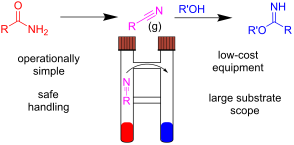
- their subsequent reaction with O-nucleophiles in the second chamber. The method is easy to setup, control and gives access to new haloacetimidates under mild conditions, similar to the ones used for the synthesis of the more commonly used trichloroacetimidates. Keywords: gaseous reagents; glycosyl

Graphical Abstract

Figure 1: Examples of methods for the synthesis of trifluoroacetonitrile and our set-up using a two-chamber r...

Scheme 1: Reactions in chambers A and B. Chamber A: generation of the haloacetonitrile by dehydration of the ...

Figure 2: Glycosyl haloacetimidates synthesized using the two-chamber method.

Figure 3: Synthesis of arylmethylene fluoroacetimidates using the two-chamber method.
A comprehensive review of flow chemistry techniques tailored to the flavours and fragrances industries
- Guido Gambacorta,
- James S. Sharley and
- Ian R. Baxendale
Beilstein J. Org. Chem. 2021, 17, 1181–1312, doi:10.3762/bjoc.17.90
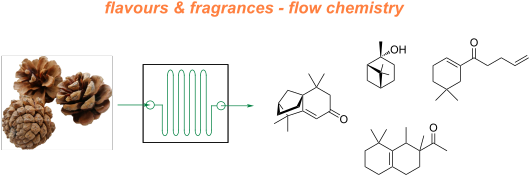
- intensification. The implicit high pressure self-contained environment created by a pumped flow system allows for superior reaction kinetics often achieved by elevating the working temperature of the system. This capability also opens up the opportunity for the integration of volatile and gaseous reagents into

Graphical Abstract

Figure 1: Representative shares of the global F&F market (2018) segmented on their applications [1].

Figure 2: General structure of an international fragrance company [2].

Figure 3: The Michael Edwards fragrance wheel.

Figure 4: Examples of oriental (1–3), woody (4–7), fresh (8–10), and floral (11 and 12) notes.

Figure 5: A basic depiction of batch vs flow.

Scheme 1: Examples of reactions for which flow processing outperforms batch.

Scheme 2: Some industrially important aldol-based transformations.

Scheme 3: Biphasic continuous aldol reactions of acetone and various aldehydes.

Scheme 4: Aldol synthesis of 43 in flow using LiHMDS as the base.

Scheme 5: A semi-continuous synthesis of doravirine (49) involving a key aldol reaction.

Scheme 6: Enantioselective aldol reaction using 5-(pyrrolidin-2-yl)tetrazole (51) as catalyst in a microreact...

Scheme 7: Gröger's example of asymmetric aldol reaction in aqueous media.

Figure 6: Immobilised reagent column reactor types.

Scheme 8: Photoinduced thiol–ene coupling preparation of silica-supported 5-(pyrrolidin-2-yl)tetrazole 63 and...

Scheme 9: Continuous-flow approach for enantioselective aldol reactions using the supported catalyst 67.

Scheme 10: Ötvös’ employment of a solid-supported peptide aldol catalyst in flow.

Scheme 11: The use of proline tetrazole packed in a column for aldol reaction between cyclohexanone (65) and 2...

Scheme 12: Schematic diagram of an aminosilane-grafted Si-Zr-Ti/PAI-HF reactor for continuous-flow aldol and n...

Scheme 13: Continuous-flow condensation for the synthesis of the intermediate 76 to nabumetone (77) and Microi...

Scheme 14: Synthesis of ψ-Ionone (80) in continuous-flow via aldol condensation between citral (79) and aceton...

Scheme 15: Synthesis of β-methyl-ionones (83) from citral (79) in flow. The steps are separately described, an...

Scheme 16: Continuous-flow synthesis of 85 from 84 described by Gavriilidis et al.

Scheme 17: Continuous-flow scCO2 apparatus for the synthesis of 2-methylpentanal (87) and the self-condensed u...

Scheme 18: Chen’s two-step flow synthesis of coumarin (90).

Scheme 19: Pechmann condensation for the synthesis of 7-hydroxyxcoumarin (93) in flow. The setup extended to c...

Scheme 20: Synthesis of the dihydrojasmonate 35 exploiting nitro derivative proposed by Ballini et al.

Scheme 21: Silica-supported amines as heterogeneous catalyst for nitroaldol condensation in flow.

Scheme 22: Flow apparatus for the nitroaldol condensation of p-hydroxybenzaldehyde (102) to nitrostyrene 103 a...

Scheme 23: Nitroaldol reaction of 64 to 105 employing a quaternary ammonium functionalised PANF.

Scheme 24: Enantioselective nitroaldol condensation for the synthesis of 108 under flow conditions.

Scheme 25: Enatioselective synthesis of 1,2-aminoalcohol 110 via a copper-catalysed nitroaldol condensation.

Scheme 26: Examples of Knoevenagel condensations applied for fragrance components.

Scheme 27: Flow apparatus for Knoevenagel condensation described in 1989 by Venturello et al.

Scheme 28: Knoevenagel reaction using a coated multichannel membrane microreactor.

Scheme 29: Continuous-flow apparatus for Knoevenagel condensation employing sugar cane bagasse as support deve...

Scheme 30: Knoevenagel reaction for the synthesis of 131–135 in flow using an amine-functionalised silica gel. ...

Scheme 31: Continuous-flow synthesis of compound 137, a key intermediate for the synthesis of pregabalin (138)...
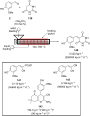
Scheme 32: Continuous solvent-free apparatus applied for the synthesis of compounds 140–143 using a TSE. Throu...

Scheme 33: Lewis et al. developed a spinning disc reactor for Darzens condensation of 144 and a ketone to furn...

Scheme 34: Some key industrial applications of conjugate additions in the F&F industry.

Scheme 35: Continuous-flow synthesis of 4-(2-hydroxyethyl)thiomorpholine 1,1-dioxide (156) via double conjugat...

Scheme 36: Continuous-flow system for Michael addition using CsF on alumina as the catalyst.

Scheme 37: Calcium chloride-catalysed asymmetric Michael addition using an immobilised chiral ligand.

Scheme 38: Continuous multistep synthesis for the preparation of (R)-rolipram (173). Si-NH2: primary amine-fun...

Scheme 39: Continuous-flow Michael addition using ion exchange resin Amberlyst® A26.

Scheme 40: Preparation of the heterogeneous catalyst 181 developed by Paixão et al. exploiting Ugi multicompon...

Scheme 41: Continuous-flow system developed by the Paixão’s group for the preparation of Michael asymmetric ad...

Scheme 42: Continuous-flow synthesis of nitroaldols catalysed by supported catalyst 184 developed by Wennemers...

Scheme 43: Heterogenous polystyrene-supported catalysts developed by Pericàs and co-workers.

Scheme 44: PANF-supported pyrrolidine catalyst for the conjugate addition of cyclohexanone (65) and trans-β-ni...

Scheme 45: Synthesis of (−)-paroxetine precursor 195 developed by Ötvös, Pericàs, and Kappe.

Scheme 46: Continuous-flow approach for the 5-step synthesis of (−)-oseltamivir (201) as devised by Hayashi an...

Scheme 47: Continuous-flow enzyme-catalysed Michael addition.

Scheme 48: Continuous-flow copper-catalysed 1,4 conjugate addition of Grignard reagents to enones. Reprinted w...

Scheme 49: A collection of commonly encountered hydrogenation reactions.

Figure 7: The ThalesNano H-Cube® continuous-flow hydrogenator.

Scheme 50: Chemoselective reduction of an α,β-unsaturated ketone using the H-Cube® reactor.

Scheme 51: Incorporation of Lindlar’s catalyst into the H-Cube® reactor for the reduction of an alkyne.

Scheme 52: Continuous-flow semi-hydrogenation of alkyne 208 to 209 using SACs with H-Cube® system.

Figure 8: The standard setups for tube-in-tube gas–liquid reactor units.

Scheme 53: Homogeneous hydrogenation of olefins using a tube-in-tube reactor setup.
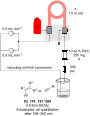
Scheme 54: Recyclable heterogeneous flow hydrogenation system.

Scheme 55: Leadbeater’s reverse tube-in-tube hydrogenation system for olefin reductions.

Scheme 56: a) Hydrogenation using a Pd-immobilised microchannel reactor (MCR) and b) a representation of the i...

Scheme 57: Hydrogenation of alkyne 238 exploiting segmented flow in a Pd-immobilised capillary reactor.

Scheme 58: Continuous hydrogenation system for the preparation of cyrene (241) from (−)-levoglucosenone (240).

Scheme 59: Continuous hydrogenation system based on CSMs developed by Hornung et al.

Scheme 60: Chemoselective reduction of carbonyls (ketones over aldehydes) in flow.

Scheme 61: Continuous system for the semi-hydrogenation of 256 and 258, developed by Galarneau et al.

Scheme 62: Continuous synthesis of biodiesel fuel 261 from lignin-derived furfural acetone (260).

Scheme 63: Continuous synthesis of γ-valerolacetone (263) via CTH developed by Pineda et al.

Scheme 64: Continuous hydrogenation of lignin-derived biomass (products 265, 266, and 267) using a sustainable...

Scheme 65: Ru/C or Rh/C-catalysed hydrogenation of arene in flow as developed by Sajiki et al.

Scheme 66: Polysilane-immobilized Rh–Pt-catalysed hydrogenation of arenes in flow by Kobayashi et al.

Scheme 67: High-pressure in-line mixing of H2 for the asymmetric reduction of 278 at pilot scale with a 73 L p...
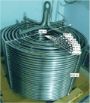
Figure 9: Picture of the PFR employed at Eli Lilly & Co. for the continuous hydrogenation of 278 [287]. Reprinted ...

Scheme 68: Continuous-flow asymmetric hydrogenation using Oppolzer's sultam 280 as chiral auxiliary.
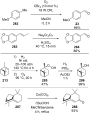
Scheme 69: Some examples of industrially important oxidation reactions in the F&F industry. CFL: compact fluor...

Scheme 70: Gold-catalysed heterogeneous oxidation of alcohols in flow.
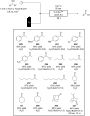
Scheme 71: Uozumi’s ARP-Pt flow oxidation protocol.

Scheme 72: High-throughput screening of aldehyde oxidation in flow using an in-line GC.

Scheme 73: Permanganate-mediated Nef oxidation of nitroalkanes in flow with the use of in-line sonication to p...

Scheme 74: Continuous-flow aerobic anti-Markovnikov Wacker oxidation.

Scheme 75: Continuous-flow oxidation of 2-benzylpyridine (312) using air as the oxidant.

Scheme 76: Continuous-flow photo-oxygenation of monoterpenes.

Scheme 77: A tubular reactor design for flow photo-oxygenation.

Scheme 78: Glucose oxidase (GOx)-mediated continuous oxidation of glucose using compressed air and the FFMR re...

Scheme 79: Schematic continuous-flow sodium hypochlorite/TEMPO oxidation of alcohols.

Scheme 80: Oxidation using immobilised TEMPO (344) was developed by McQuade et al.

Scheme 81: General protocol for the bleach/catalytic TBAB oxidation of aldehydes and alcohols.

Scheme 82: Continuous-flow PTC-assisted oxidation using hydrogen peroxide. The process was easily scaled up by...

Scheme 83: Continuous-flow epoxidation of cyclohexene (348) and in situ preparation of m-CPBA.

Scheme 84: Continuous-flow epoxidation using DMDO as oxidant.

Scheme 85: Mukayama aerobic epoxidation optimised in flow mode by the Favre-Réguillon group.

Scheme 86: Continuous-flow asymmetric epoxidation of derivatives of 359 exploiting a biomimetic iron catalyst.

Scheme 87: Continuous-flow enzymatic epoxidation of alkenes developed by Watts et al.

Scheme 88: Engineered multichannel microreactor for continuous-flow ozonolysis of 366.

Scheme 89: Continuous-flow synthesis of the vitamin D precursor 368 using multichannel microreactors. MFC: mas...

Scheme 90: Continuous ozonolysis setup used by Kappe et al. for the synthesis of various substrates employing ...

Scheme 91: Continuous-flow apparatus for ozonolysis as developed by Ley et al.

Scheme 92: Continuous-flow ozonolysis for synthesis of vanillin (2) using a film-shear flow reactor.

Scheme 93: Examples of preparative methods for ajoene (386) and allicin (388).

Scheme 94: Continuous-flow oxidation of thioanisole (389) using styrene-based polymer-supported peroxytungstat...

Scheme 95: Continuous oxidation of thiosulfinates using Oxone®-packed reactor.

Scheme 96: Continuous-flow electrochemical oxidation of thioethers.

Scheme 97: Continuous-flow oxidation of 400 to cinnamophenone (235).

Scheme 98: Continuous-flow synthesis of dehydrated material 401 via oxidation of methyl dihydrojasmonate (33).

Scheme 99: Some industrially important transformations involving Grignard reagents.

Scheme 100: Grachev et al. apparatus for continuous preparation of Grignard reagents.

Scheme 101: Example of fluidized Mg bed reactor with NMR spectrometer as on-line monitoring system.

Scheme 102: Continuous-flow synthesis of Grignard reagents and subsequent quenching reaction.

Figure 10: Membrane-based, liquid–liquid separator with integrated pressure control [52]. Adapted with permission ...

Scheme 103: Continuous-flow synthesis of 458, an intermediate to fluconazole (459).

Scheme 104: Continuous-flow synthesis of ketones starting from benzoyl chlorides.

Scheme 105: A Grignard alkylation combining CSTR and PFR technologies with in-line infrared reaction monitoring....

Scheme 106: Continuous-flow preparation of 469 from Grignard addition of methylmagnesium bromide.

Scheme 107: Continuous-flow synthesis of Grignard reagents 471.

Scheme 108: Preparation of the Grignard reagent 471 using CSTR and the continuous process for synthesis of the ...

Scheme 109: Continuous process for carboxylation of Grignard reagents in flow using tube-in-tube technology.

Scheme 110: Continuous synthesis of propargylic alcohols via ethynyl-Grignard reagent.

Scheme 111: Silica-supported catalysed enantioselective arylation of aldehydes using Grignard reagents in flow ...

Scheme 112: Acid-catalysed rearrangement of citral and dehydrolinalool derivatives.

Scheme 113: Continuous stilbene isomerisation with continuous recycling of photoredox catalyst.

Scheme 114: Continuous-flow synthesis of compound 494 as developed by Ley et al.

Scheme 115: Selected industrial applications of DA reaction.

Scheme 116: Multistep flow synthesis of the spirocyclic structure 505 via employing DA cycloaddition.

Scheme 117: Continuous-flow DA reaction developed in a plater flow reactor for the preparation of the adduct 508...

Scheme 118: Continuous-flow DA reaction using a silica-supported imidazolidinone organocatalyst.

Scheme 119: Batch vs flow for the DA reaction of (cyclohexa-1,5-dien-1-yloxy)trimethylsilane (513) with acrylon...

Scheme 120: Continuous-flow DA reaction between 510 and 515 using a shell-core droplet system.

Scheme 121: Continuous-flow synthesis of bicyclic systems from benzyne precursors.

Scheme 122: Continuous-flow synthesis of bicyclic scaffolds 527 and 528 for further development of potential ph...

Scheme 123: Continuous-flow inverse-electron hetero-DA reaction to pyridine derivatives such as 531.

Scheme 124: Comparison between batch and flow for the synthesis of pyrimidinones 532–536 via retro-DA reaction ...

Scheme 125: Continuous-flow coupled with ultrasonic system for preparation of ʟ-ascorbic acid derivatives 539 d...

Scheme 126: Two-step continuous-flow synthesis of triazole 543.

Scheme 127: Continuous-flow preparation of triazoles via CuAAC employing 546-based heterogeneous catalyst.

Scheme 128: Continuous-flow synthesis of compounds 558 through A3-coupling and 560 via AgAAC both employing the...

Scheme 129: Continuous-flow photoinduced [2 + 2] cycloaddition for the preparation of bicyclic derivatives of 5...

Scheme 130: Continuous-flow [2 + 2] and [5 + 2] cycloaddition on large scale employing a flow reactor developed...

Scheme 131: Continuous-flow preparation of the tricyclic structures 573 and 574 starting from pyrrole 570 via [...

Scheme 132: Continuous-flow [2 + 2] photocyclization of cinnamates.

Scheme 133: Continuous-flow preparation of cyclobutane 580 on a 5-plates photoreactor.

Scheme 134: Continuous-flow [2 + 2] photocycloaddition under white LED lamp using heterogeneous PCN as photocat...

Figure 11: Picture of the parallel tube flow reactor (PTFR) "The Firefly" developed by Booker-Milburn et al. a...

Scheme 135: Continuous-flow acid-catalysed [2 + 2] cycloaddition between silyl enol ethers and acrylic esters.

Scheme 136: Continuous synthesis of lactam 602 using glass column reactors.

Scheme 137: In situ generation of ketenes for the Staudinger lactam synthesis developed by Ley and Hafner.

Scheme 138: Application of [2 + 2 + 2] cycloadditions in flow employed by Ley et al.

Scheme 139: Examples of FC reactions applied in F&F industry.

Scheme 140: Continuous-flow synthesis of ibuprofen developed by McQuade et al.

Scheme 141: The FC acylation step of Jamison’s three-step ibuprofen synthesis.

Scheme 142: Synthesis of naphthalene derivative 629 via FC acylation in microreactors.

Scheme 143: Flow system for rapid screening of catalysts and reaction conditions developed by Weber et al.

Scheme 144: Continuous-flow system developed by Buorne, Muller et al. for DSD optimisation of the FC acylation ...

Scheme 145: Continuous-flow FC acylation of alkynes to yield β-chlorovinyl ketones such as 638.

Scheme 146: Continuous-flow synthesis of tonalide (619) developed by Wang et al.

Scheme 147: Continuous-flow preparation of acylated arene such as 290 employing Zr4+-β-zeolite developed by Kob...

Scheme 148: Flow system applied on an Aza-FC reaction catalysed by the thiourea catalyst 648.

Scheme 149: Continuous hydroformylation in scCO2.

Scheme 150: Two-step flow synthesis of aldehyde 655 through a sequential Heck reaction and subsequent hydroform...

Scheme 151: Single-droplet (above) and continuous (below) flow reactors developed by Abolhasani et al. for the ...

Scheme 152: Continuous hydroformylation of 1-dodecene (655) using a PFR-CSTR system developed by Sundmacher et ...

Scheme 153: Continuous-flow synthesis of the aldehyde 660 developed by Eli Lilly & Co. [32]. Adapted with permissio...

Scheme 154: Continuous asymmetric hydroformylation employing heterogenous catalst supported on carbon-based sup...

Scheme 155: Examples of acetylation in F&F industry: synthesis of bornyl (S,R,S-664) and isobornyl (S,S,S-664) ...

Scheme 156: Continuous-flow preparation of bornyl acetate (S,R,S-664) employing the oscillating flow reactor.

Scheme 157: Continuous-flow synthesis of geranyl acetate (666) from acetylation of geraniol (343) developed by ...

Scheme 158: 12-Ttungstosilicic acid-supported silica monolith-catalysed acetylation in flow.

Scheme 159: Continuous-flow preparation of cyclopentenone 676.

Scheme 160: Two-stage synthesis of coumarin (90) via acetylation of salicylaldehyde (88).

Scheme 161: Intensification process for acetylation of 5-methoxytryptamine (677) to melatonin (678) developed b...

Scheme 162: Examples of macrocyclic musky odorants both natural (679–681) and synthetic (682 and 683).

Scheme 163: Flow setup combined with microwave for the synthesis of macrocycle 686 via RCM.

Scheme 164: Continuous synthesis of 2,5-dihydro-1H-pyrroles via ring-closing metathesis.

Scheme 165: Continuous-flow metathesis of 485 developed by Leadbeater et al.

Figure 12: Comparison between RCM performed using different routes for the preparation of 696. On the left the...

Scheme 166: Continuous-flow RCM of 697 employed the solid-supported catalyst 698 developed by Grela, Kirschning...

Scheme 167: Continuous-flow RORCM of cyclooctene employing the silica-absorbed catalyst 700.

Scheme 168: Continuous-flow self-metathesis of methyl oleate (703) employing SILP catalyst 704.

Scheme 169: Flow apparatus for the RCM of 697 using a nanofiltration membrane for the recovery and reuse of the...

Scheme 170: Comparison of loadings between RCMs performed with different routes for the synthesis of 709.
Heterogeneous photocatalysis in flow chemical reactors
- Christopher G. Thomson,
- Ai-Lan Lee and
- Filipe Vilela
Beilstein J. Org. Chem. 2020, 16, 1495–1549, doi:10.3762/bjoc.16.125
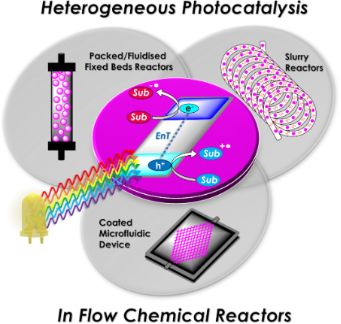
- material [55][56][57]. Flow chemistry also enables chemists to safely use hazardous gaseous reagents that are otherwise avoided, whilst simultaneously increasing the gas/liquid–gas/solid interfacial surface area which enhances reactivity [58][59][60][61]. This was highlighted by Noël and co-workers, who
- aromatic heterocycle substrates within 8–20 min, transformations that would require days in batch protocols (Scheme 1) [62]. Flow systems can be pressurised easily with back pressure regulators, enhancing the solubility of gaseous reagents in the reaction solvents [36][63]. Flow processes are also commonly

Graphical Abstract

Figure 1: A) Bar chart of the publications per year for the topics “Photocatalysis” (49,662 instances) and “P...

Figure 2: A) Professor Giacomo Ciamician and Dr. Paolo Silber on their roof laboratory at the University of B...

Scheme 1: PRC trifluoromethylation of N-methylpyrrole (1) using hazardous gaseous CF3I safely in a flow react...

Figure 3: A) Unit cells of the three most common crystal structures of TiO2: rutile, brookite, and anatase. R...

Figure 4: Illustration of the key semiconductor photocatalysis events: 1) A photon with a frequency exceeding...
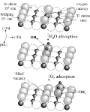
Figure 5: Photocatalytic splitting of water by oxygen vacancies on a TiO2(110) surface. Reprinted with permis...

Figure 6: Proposed adsorption modes of A) benzene, B) chlorobenzene, C) toluene, D) phenol, E) anisole, and F...

Figure 7: Structures of the sulfonate-containing organic dyes RB5 (3) and MX-5B (4) and the adsorption isothe...

Figure 8: Idealised triclinic unit cell of a g-C3N4 type polymer, displaying possible hopping transport scena...

Figure 9: Idealised structure of a perfect g-C3N4 sheet. The central unit highlighted in red represents one t...

Figure 10: Timeline of the key processes of charge transport following the photoexcitation of g-C3N4, leading ...

Scheme 2: Photocatalytic bifunctionalisation of heteroarenes using mpg-C3N4, with the selected examples 5 and ...

Figure 11: A) Structure of four linear conjugated polymer photocatalysts for hydrogen evolution, displaying th...

Figure 12: Graphical representation of the common methods used to immobilise molecular photocatalysts (PC) ont...

Figure 13: Wireless light emitter-supported TiO2 (TiO2@WLE) HPCat spheres powered by resonant inductive coupli...

Figure 14: Graphical representation of zinc–perylene diimide (Zn-PDI) supramolecular assembly photocatalysis v...

Scheme 3: Upconversion of NIR photons to the UV frequency by NaYF4:Yb,Tm nanocrystals sequentially coated wit...

Figure 15: Types of reactors employed in heterogeneous photocatalysis in flow. A) Fixed bed reactors and the s...

Figure 16: Electrochemical potential of common semiconductor, transition metal, and organic dye-based photocat...

Scheme 4: Possible mechanisms of an immobilised molecular photoredox catalyst by oxidative or reductive quenc...
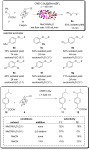
Scheme 5: Scheme of the CMB-C3N4 photocatalytic decarboxylative fluorination of aryloxyacetic acids, with the...

Scheme 6: Scheme of the g-C3N4 photocatalytic desilylative coupling reaction in flow and proposed mechanism [208].

Scheme 7: Proposed mechanism of the radical cyclisation of unsaturated alkyl 2-bromo-1,3-dicarbonyl compounds...

Scheme 8: N-alkylation of benzylamine and schematic of the TiO2-coated microfluidic device [213].

Scheme 9: Proposed mechanism of the Pt@TiO2 photocatalytic deaminitive cyclisation of ʟ-lysine (23) to ʟ-pipe...
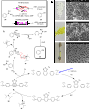
Scheme 10: A) Proposed mechanism for the photocatalytic oxidation of phenylboronic acid (24). B) Photos and SE...

Scheme 11: Proposed mechanism for the DA-CMP3 photocatalytic aza-Henry reaction performed in a continuous flow...

Scheme 12: Proposed mechanism for the formation of the cyclic product 32 by TiO2-NC HPCats in a slurry flow re...

Scheme 13: Reaction scheme for the photocatalytic synthesis of homo and hetero disulfides in flow and scope of...

Scheme 14: Reaction scheme for the MoOx/TiO2 HPCat oxidation of cyclohexane (34) to benzene. The graph shows t...

Scheme 15: Proposed mechanism of the TiO2 HPC heteroarene C–H functionalisation via aryl radicals generated fr...

Scheme 16: Scheme of the oxidative coupling of benzylamines with the HOTT-HATN HPCat and selected examples of ...
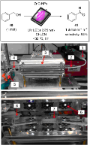
Scheme 17: Photocatalysis oxidation of benzyl alcohol (40) to benzaldehyde (41) in a microflow reactor coated ...

Figure 17: Mechanisms of Dexter and Forster energy transfer.
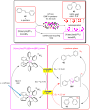
Scheme 18: Continuous flow process for the isomerisation of alkenes with an ionic liquid-immobilised photocata...

Scheme 19: Singlet oxygen synthetic step in the total synthesis of canataxpropellane [265].
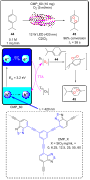
Scheme 20: Scheme and proposed mechanism of the singlet oxygen photosensitisation by CMP_X HPCats, with the st...

Scheme 21: Structures of CMP HPCat materials applied by Vilela and co-workers for the singlet oxygen photosens...
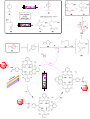
Scheme 22: Polyvinylchloride resin-supported TDCPP photosensitisers applied for singlet oxygen photosensitisat...

Scheme 23: Structure of the ionically immobilised TPP photosensitiser on amberlyst-15 ion exchange resins (TPP...

Scheme 24: Photosensitised singlet oxygen oxidation of citronellol (46) in scCO2, with automatic phase separat...

Scheme 25: Schematic of PS-Est-BDP-Cl2 being applied for singlet oxygen photosensitisation in flow. A) Pseudo-...

Scheme 26: Reaction scheme of the singlet oxygen oxidation of furoic acid (54) using a 3D-printed microfluidic...

Figure 18: A) Photocatalytic bactericidal mechanism by ROS oxidative cleavage of membrane lipids (R = H, amino...

Figure 19: A) Suggested mechanisms for the aqueous pollutant degradation by TiO2 in a slurry flow reactor [284-287]. B)...

Figure 20: Schematic of the flow system used for the degradation of aqueous oxytetracycline (56) solutions [215]. M...
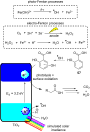
Scheme 27: Degradation of a salicylic acid (57) solution by a coupled solar photoelectro-Fenton (SPEF) process...

Figure 21: A) Schematic flow diagram using the TiO2-coated NETmix microfluidic device for an efficient mass tr...
Synthesis of acylglycerol derivatives by mechanochemistry
- Karen J. Ardila-Fierro,
- Andrij Pich,
- Marc Spehr,
- José G. Hernández and
- Carsten Bolm
Beilstein J. Org. Chem. 2019, 15, 811–817, doi:10.3762/bjoc.15.78
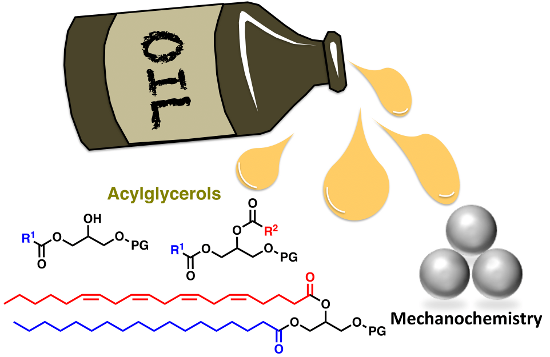
- mechanochemical synthesis of Cu–carbene complexes from N,N-diarylimidazolium salts, dioxygen and metallic copper [40], which involved a mechanochemical reaction with gaseous reagents [41]. Pleasingly, this time the reaction afforded product 4a, although the yield remained low (59%), even after three hours of

Graphical Abstract

Figure 1: Biologically relevant molecules made, used or derivatized by mechanochemistry.

Figure 2: Isomeric diacyl-sn-glycerols (DAGs).

Scheme 1: Synthetic route to access protected DAGs; PG = protecting group.

Scheme 2: Protection of glycidol (1) with TBDMSCl in the ball mill. MM = mixer mill, PBM = planetary ball mil...

Scheme 3: Cobalt-catalyzed epoxide ring-opening in the ball mill.

Scheme 4: Mechanosynthesis of DAGs 5.

Scheme 5: Conjugation of DAG 5a with 7-hydroxycoumarin (9).

Figure 3: UV−vis spectra of DAG 6a (dotted line) and conjugated DAGs 10a and 10a’ as a mixture (10a/10a’ 72:2...
Photocatalytic formation of carbon–sulfur bonds
- Alexander Wimmer and
- Burkhard König
Beilstein J. Org. Chem. 2018, 14, 54–83, doi:10.3762/bjoc.14.4
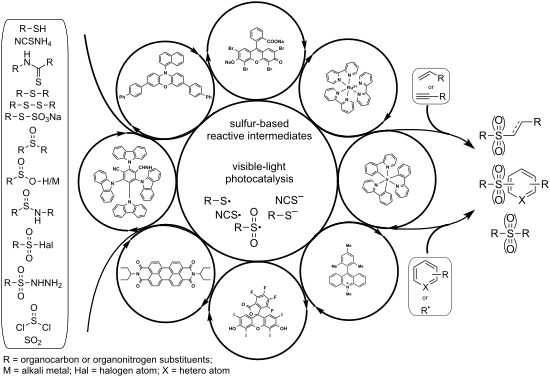

Graphical Abstract

Scheme 1: General overview over the sulfur-based substrates and reactive intermediates that are discussed in ...
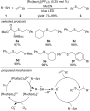
Scheme 2: Photoredox-catalyzed radical thiol–ene reaction, applying [Ru(bpz)3](PF6)2 as photocatalyst.

Scheme 3: Photoredox-catalyzed thiol–ene reaction of aliphatic thiols with alkenes enabled by aniline derivat...
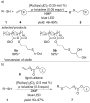
Scheme 4: Photoredox-catalyzed radical thiol–ene reaction for the postfunctionalization of polymers (a) and n...

Scheme 5: Photoredox-catalyzed thiol–ene reaction enabled by bromotrichloromethane as redox additive.
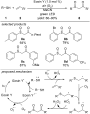
Scheme 6: Photoredox-catalyzed preparation of β-ketosulfoxides with Eosin Y as organic dye as photoredox cata...
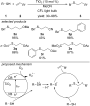
Scheme 7: Greaney’s photocatalytic radical thiol–ene reaction, applying TiO2 nanoparticles as photocatalyst.

Scheme 8: Fadeyi’s photocatalytic radical thiol–ene reaction, applying Bi2O3 as photocatalyst.

Scheme 9: Ananikov’s photocatalytic radical thiol-yne reaction, applying Eosin Y as photocatalyst.
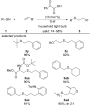
Scheme 10: Organocatalytic visible-light photoinitiated thiol–ene coupling, applying phenylglyoxylic acid as o...

Scheme 11: Xia’s photoredox-catalyzed synthesis of 2,3-disubstituted benzothiophenes, applying 9-mesityl-10-me...
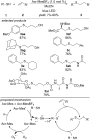
Scheme 12: Wang’s metal-free photoredox-catalyzed radical thiol–ene reaction, applying 9-mesityl-10-methylacri...

Scheme 13: Visible-light benzophenone-catalyzed metal- and oxidant-free radical thiol–ene reaction.
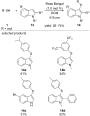
Scheme 14: Visible-light catalyzed C-3 sulfenylation of indole derivatives using Rose Bengal as organic dye.
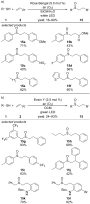
Scheme 15: Photocatalyzed radical thiol–ene reaction and subsequent aerobic sulfide-oxidation with Rose Bengal...
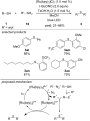
Scheme 16: Photoredox-catalyzed synthesis of diaryl sulfides.

Scheme 17: Photocatalytic cross-coupling of aryl thiols with aryl diazonium salts, using Eosin Y as photoredox...
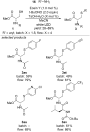
Scheme 18: Photocatalyzed cross-coupling of aryl diazonium salts with cysteines in batch and in a microphotore...
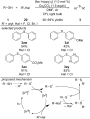
Scheme 19: Fu’s [Ir]-catalyzed photoredox arylation of aryl thiols with aryl halides.

Scheme 20: Fu’s photoredox-catalyzed difluoromethylation of aryl thiols.
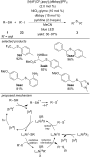
Scheme 21: C–S cross-coupling of thiols with aryl iodides via [Ir]-photoredox and [Ni]-dual-catalysis.
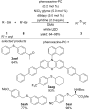
Scheme 22: C–S cross-coupling of thiols with aryl bromides, applying 3,7-bis-(biphenyl-4-yl)-10-(1-naphthyl)ph...
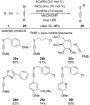
Scheme 23: Collin’s photochemical dual-catalytic cross-coupling of thiols with bromoalkynes.
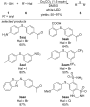
Scheme 24: Visible-light-promoted C–S cross-coupling via intermolecular electron donor–acceptor complex format...
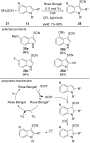
Scheme 25: Li’s visible-light photoredox-catalyzed thiocyanation of indole derivatives with Rose Bengal as pho...
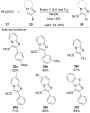
Scheme 26: Hajra’s visible-light photoredox-catalyzed thiocyanation of imidazoheterocycles with Eosin Y as pho...

Scheme 27: Wang’s photoredox-catalyzed thiocyanation reaction of indoles, applying heterogeneous TiO2/MoS2 nan...
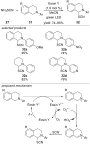
Scheme 28: Yadav’s photoredox-catalyzed α-C(sp3)–H thiocyanation reaction for tertiary amines, applying Eosin ...

Scheme 29: Yadav’s photoredox-catalyzed synthesis of 5-aryl-2-imino-1,3-oxathiolanes.

Scheme 30: Yadav’s photoredox-catalyzed synthesis of 1,3-oxathiolane-2-thiones.
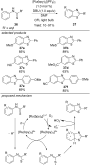
Scheme 31: Li’s photoredox catalysis for the preparation of 2-substituted benzothiazoles, applying [Ru(bpy)3](...
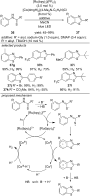
Scheme 32: Lei’s external oxidant-free synthesis of 2-substituted benzothiazoles by merging photoredox and tra...

Scheme 33: Metal-free photocatalyzed synthesis of 2-aminobenzothiazoles, applying Eosin Y as photocatalyst.

Scheme 34: Metal-free photocatalyzed synthesis of 1,3,4-thiadiazoles, using Eosin Y as photocatalyst.
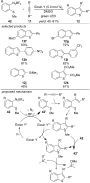
Scheme 35: Visible-light photoredox-catalyzed preparation of benzothiophenes with Eosin Y.

Scheme 36: Visible-light-induced KOH/DMSO superbase-promoted preparation of benzothiophenes.
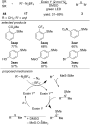
Scheme 37: Jacobi von Wangelin’s photocatalytic approach for the synthesis of aryl sulfides, applying Eosin Y ...

Scheme 38: Visible-light photosensitized α-C(sp3)–H thiolation of aliphatic ethers.

Scheme 39: Visible-light photocatalyzed cross-coupling of alkyl and aryl thiosulfates with aryl diazonium salt...
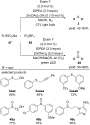
Scheme 40: Visible-light photocatalyzed, controllable sulfenylation and sulfoxidation with organic thiosulfate...

Scheme 41: Rastogi’s photoredox-catalyzed methylsulfoxidation of aryl diazonium salts, using [Ru(bpy)3]Cl2 as ...
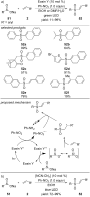
Scheme 42: a) Visible-light metal-free Eosin Y-catalyzed procedure for the preparation of vinyl sulfones from ...
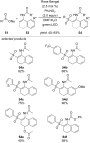
Scheme 43: Visible-light photocatalyzed cross-coupling of sodium sulfinates with secondary enamides.

Scheme 44: Wang’s photocatalyzed oxidative cyclization of phenyl propiolates with sulfinic acids, applying Eos...

Scheme 45: Lei’s sacrificial oxidant-free synthesis of allyl sulfones by merging photoredox and transition met...
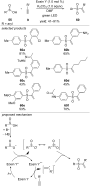
Scheme 46: Photocatalyzed Markovnikov-selective radical/radical cross-coupling of aryl sulfinic acids and term...

Scheme 47: Visible-light Eosin Y induced cross-coupling of aryl sulfinic acids and styrene derivatives, afford...
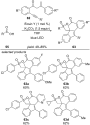
Scheme 48: Photoredox-catalyzed bicyclization of 1,7-enynes with sulfinic acids, applying Eosin Y as photocata...

Scheme 49: Visible-light-accelerated C–H-sulfinylation of arenes and heteroarenes.
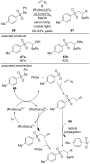
Scheme 50: Visible-light photoredox-catalyzed β-selenosulfonylation of electron-rich olefins, applying [Ru(bpy)...

Scheme 51: Photocatalyzed preparation of β-chlorosulfones from the respective olefins and p-toluenesulfonyl ch...
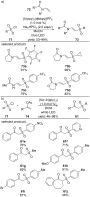
Scheme 52: a) Photocatalyzed preparation of β-amidovinyl sulfones from sulfonyl chlorides. b) Preparation of β...

Scheme 53: Visible-light photocatalyzed sulfonylation of aliphatic tertiary amines, applying [Ru(bpy)3](PF6)2 ...
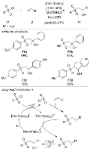
Scheme 54: Reiser’s visible-light photoredox-catalyzed preparation of β-hydroxysulfones from sulfonyl chloride...
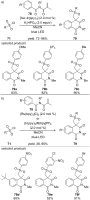
Scheme 55: a) Sun’s visible-light-catalyzed approach for the preparation of isoquinolinonediones, applying [fac...
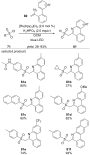
Scheme 56: Visible-light photocatalyzed sulfonylation/cyclization of vinyl azides, applying [Ru(bpy)3]Cl2 as p...

Scheme 57: Visible-light photocatalyzed procedure for the formation of β-ketosulfones from aryl sulfonyl chlor...

Scheme 58: Zheng’s method for the sulfenylation of indole derivatives, applying sulfonyl chlorides via visible...
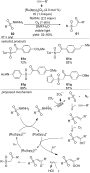
Scheme 59: Cai’s visible-light induced synthesis of β-ketosulfones from sulfonyl hydrazines and alkynes.

Scheme 60: Photoredox-catalyzed approach for the preparation of vinyl sulfones from sulfonyl hydrazines and ci...
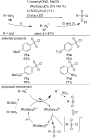
Scheme 61: Jacobi von Wangelin’s visible-light photocatalyzed chlorosulfonylation of anilines.
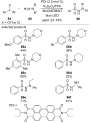
Scheme 62: Three-component photoredox-catalyzed synthesis of N-amino sulfonamides, applying PDI as organic dye....

Scheme 63: Visible-light induced preparation of complex sulfones from oximes, silyl enol ethers and SO2.
A flow reactor setup for photochemistry of biphasic gas/liquid reactions
- Josef Schachtner,
- Patrick Bayer and
- Axel Jacobi von Wangelin
Beilstein J. Org. Chem. 2016, 12, 1798–1811, doi:10.3762/bjoc.12.170
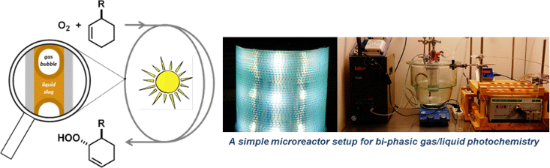
- ], multiphasic reactions including solid-phase protocols [18], addition of gaseous reagents [19], high-pressure conditions [20], cascade conversions without intermediate work-up operations [21], as well as thin film, falling film [22], micro-channel [23], and tube-in-tube reactors [24][25] for reactions between
- possibly additives, the gas phase, containing the gaseous reagents, and the light (Figure 1). Only very few microreactor setups for such “quasi tri-phasic” processes have been reported [33][34]; most of them are film/falling film [22], microchannel [23][35] or simple tube reactors [35][36][37]. The reactor
- valve causes pressure spikes which prohibits a steady volume stream through the mass flow controller. Mass flow controller The mass flow controller fulfills an identical role as its liquid phase complement, the pulsation-free pump. The precise control of the mass flow of the gaseous reagents (here

Graphical Abstract

Figure 1: The challenge of mixing the three dispersed entities gas, liquid, and light for photochemical appli...

Scheme 1: Mutual interdependencies of critical reaction and reactor parameters.

Scheme 2: Blueprint of the home-built microflow photoreactor; schematic illustration of the reactor setup wit...

Figure 2: Total absorbance of methylene blue solutions in acetonitrile according to the Beer-Lambert law: Eλ ...

Figure 3: Red (λmax = 633 nm), blue (λmax = 448 nm), green (λmax = 520 nm) and white (λmax = 620 nm) LEDs mou...

Figure 4: Overlap of absorption spectrum of methylene blue in acetonitrile and emission spectra of reasonably...

Figure 5: Emission spectra of different LEDs; red (λmax = 633 nm), blue (λmax = 448 nm), green (λmax = 520 nm...

Scheme 3: Slug flow conditions of two-phase gas-liquid mixtures. Photograph of a slug flow of a solution of m...

Figure 6: Photograph of the operating flow reactor, irradiated with white LEDs, filled with a solution of met...

Scheme 4: Schematic illustration of a reactor tube (length l, inner diameter d) and pressure gradient Δp acco...

Scheme 5: Reaction types of organic molecules with singlet oxygen.

Figure 7: Home-made flow reactor and peripheral devices for photochemical reactions at light/liquid/gas inter...

Scheme 6: Photooxygenation of N-methyl-1,2,3,6-tetrahydrophthalimide and reductive work-up to alcohol 3a.

Figure 8: Conversion vs methylene blue sensitizer concentration. Reactions at constant flow rates in acetonit...

Figure 9: Reaction progress at different residence times in flow and batch reactions. Flow: reactions at diff...

Scheme 7: Oxidation of N-methyl-1,2,3,6-tetrahydro-3-acetamidophthalimide and reductive work-up to alcohol 3b....
The synthesis of active pharmaceutical ingredients (APIs) using continuous flow chemistry
- Marcus Baumann and
- Ian R. Baxendale
Beilstein J. Org. Chem. 2015, 11, 1194–1219, doi:10.3762/bjoc.11.134
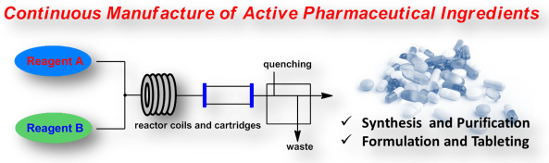
- protocol completed the synthesis of vildagliptine (77). Again, it was highlighted that the control of the exothermic Vilsmeier reagent formation and subsequent handling of this toxic and unstable intermediate was ideally suited to a continuous production and consumption in flow protocol. Gaseous reagents
- allowing safe and efficient use of gaseous reagents as well as more effective ways of quickly transitioning between very low and very high temperatures that are key for streamlining modern flow synthesis routes. Although the widely used H-Cube system had provided a popular solution for safe and convenient
- hydrogenation reactions at lab scale [76][77][78][79], the safe utilisation of other gaseous reagents at above ambient pressure was a relatively neglected area in flow chemistry for a long time. Only a few examples of flow hydrogenations and carbonylations had been reported [80][81][82][83]. The redevelopment

Graphical Abstract

Figure 1: Pharmaceutical structures targeted in early flow syntheses.

Scheme 1: Flow synthesis of 6-hydroxybuspirone (9). Inserted photograph reprinted with permission from [45]. Copy...

Figure 2: Configuration of a baffled reactor tube (left) and its schematic working principle (right).

Scheme 2: McQuade’s flow synthesis of ibuprofen (16).

Scheme 3: Jamison’s flow synthesis of ibuprofen sodium salt (17).

Scheme 4: Flow synthesis of imatinib (23).

Scheme 5: Flow synthesis of the potent 5HT1B antagonist 28.

Scheme 6: Flow synthesis of a selective δ-opioid receptor agonist 33.

Scheme 7: Flow synthesis of a casein kinase I inhibitor library (38).

Scheme 8: Flow synthesis of fluoxetine (46).

Scheme 9: Flow synthesis of artemisinin (55).

Scheme 10: Telescoped flow synthesis of artemisinin (55) and derivatives (62–64).

Scheme 11: Flow approach towards AZD6906 (65).

Scheme 12: Pilot scale flow synthesis of key intermediate 73.

Scheme 13: Semi-flow synthesis of vildagliptine (77).

Scheme 14: Pilot scale asymmetric flow hydrogenation towards 83. Inserted photograph reprinted with permission...

Figure 3: Schematic representation of the ‘tube-in-tube’ reactor.

Scheme 15: Flow synthesis of fanetizole (87) via tube-in-tube system.

Scheme 16: Flow synthesis of diphenhydramine.HCl (92).

Scheme 17: Flow synthesis of rufinamide (95).

Scheme 18: Large scale flow synthesis of rufinamide precursor 102.

Scheme 19: First stage in the flow synthesis of meclinertant (103).

Scheme 20: Completion of the flow synthesis of meclinertant (103).

Scheme 21: Flow synthesis of olanzapine (121) utilising inductive heating techniques.

Scheme 22: Flow synthesis of amitriptyline·HCl (127).

Scheme 23: Flow synthesis of E/Z-tamoxifen (132) using peristaltic pumping modules.

Figure 4: Container sized portable mini factory (photograph credit: INVITE GmbH, Leverkusen Germany).

Scheme 24: Flow synthesis of imidazo[1,2-a]pyridines 136 linked to frontal affinity chromatography (FAC).

Figure 5: Structures of zolpidem (142) and alpidem (143).

Scheme 25: Synthesis and screening loops in the discovery of new Abl kinase inhibitors.

Figure 6: Schotten–Baumann approach towards LY573636.Na (147).

Scheme 26: Pilot scale flow synthesis of LY2886721 (146).

Scheme 27: Continuous flow manufacture of alikiren hemifumarate 152.
Pd/C-catalyzed aerobic oxidative esterification of alcohols and aldehydes: a highly efficient microwave-assisted green protocol
- Marina Caporaso,
- Giancarlo Cravotto,
- Spyros Georgakopoulos,
- George Heropoulos,
- Katia Martina and
- Silvia Tagliapietra
Beilstein J. Org. Chem. 2014, 10, 1454–1461, doi:10.3762/bjoc.10.149

- versatility of these reactors in promoting reactions with gaseous reagents in a closed cavity [56]. In this present work, we report an efficient Pd/C-catalyzed aerobic oxidative esterification of aldehydes and alcohols in the presence of molecular oxygen in a closed MW reactor. The optimized procedure does

Graphical Abstract

Scheme 1: Reaction pathway of aerobic oxidative esterification of alcohols.
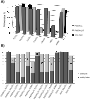
Figure 1: Screening of different catalysts and bases in the catalytic oxidative esterification of benzylalcoh...

Scheme 2: Catalyst regeneration and oxidative esterification of benzaldehyde (2nd cycle).
One-pot sequential synthesis of isocyanates and urea derivatives via a microwave-assisted Staudinger–aza-Wittig reaction
- Diego Carnaroglio,
- Katia Martina,
- Giovanni Palmisano,
- Andrea Penoni,
- Claudia Domini and
- Giancarlo Cravotto
Beilstein J. Org. Chem. 2013, 9, 2378–2386, doi:10.3762/bjoc.9.274

- established as a reliable technique which can be applied on a range of scales [26]. Despite MW irradiation being commonly used in organic synthesis, only few publications describe this technique with gaseous reagents in closed vessels and in heterogeneous gas-phase reactions that are important for industrial
- results have been obtained under MW irradiation in a closed vessel also with gaseous reagents. The optimized procedure benefited from the use of a quasi-stoichiometric amount of PS-PPh2 and can be applied for the efficient, safe, rapid, and cost-effective production of urea derivative libraries


Camera-enabled techniques for organic synthesis
- Steven V. Ley,
- Richard J. Ingham,
- Matthew O’Brien and
- Duncan L. Browne
Beilstein J. Org. Chem. 2013, 9, 1051–1072, doi:10.3762/bjoc.9.118
- presence of oxygen in the solvent stream. With increased concentrations of oxygen in the reactor atmosphere, this oxidation proceeded with faster rates (Figure 18b). Having determined that the gaseous reagents were passing through the semipermeable tubing, we were able to use the tube-in-tube reactor for

Graphical Abstract

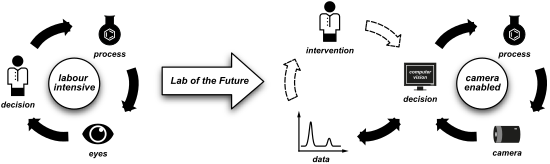
Figure 1: The evolution of computer-based monitoring and control within the laboratory of the future. (a) In ...

Figure 2: A selection of the wide range of digital camera devices available, focusing on those that can be at...

Figure 3: (a) Network cameras (Linksys WVC54GC) in operation in the Innovative Technology Centre laboratory. ...

Figure 4: Remote transmission of video imagery and reaction monitoring data.

Figure 5: A camera can assist the chemist in a number of ways. Digital video recordings of reactions can be u...

Figure 6: Suzuki–Miyaura reaction performed within a microfluidic system. The product is observed by high-spe...

Figure 7: Friedel–Crafts reactions performed by using solid-acid catalysis at high pressures. A camera allowe...

Figure 8: (a) The video camera setup providing a view of the reaction within the microwave cavity; (b) a pall...

Figure 9: (a) Buchwald–Hartwig coupling within a microchannel reactor. (b) Camera view of aggregate deposits ...

Figure 10: The key diprotected piperazic acid precursor in the synthesis of chloptosin.

Figure 11: (a) Piperazic acid mixture, and (b) apparatus for enantiomeric upgrading by recorded crystallisatio...

Figure 12: (a) Crystallisation of a Mn(II) polyoxometalate. (b) A bespoke reactor produced using additive fabr...

Figure 13: Computer processing of digital imagery produces numerical data for later processing.

Figure 14: (a) The Morphologi G3 particle image analyser, which uses images captured with a camera microscope ...

Figure 15: Use of the Python Imaging Library to analyse the proportion of an image consisting of red pixels. A...

Figure 16: (a) Arduino [73,75], a flexible open-source platform for rapidly prototyping electronic applications. (b) ...

Figure 17: Patented device incorporating a standard 96-well plate illuminated by a white-light source. The pla...

Figure 18: Simple colour-change experiments to assess a new AF-2400 gas permeable flow reactor. The reactor co...

Figure 19: (a) Ozonolysis of a series of alkenes using ozone in a bottle-reactor; (b) Glaser–Hay coupling usin...

Figure 20: (a) Camera-assisted titration of ammonia using bromocresol green. NH3 is dissolved in the gas-flow ...

Figure 21: (a) Bubble-counting setup. As the output of the gas-flow reactor (hydrogen dissolved in dichloromet...

Figure 22: Usage of digital cameras to enable remote control of reactions.

Figure 23: In-line solvent switching apparatus. The reactor output is directed into a bottle positioned on a h...

Figure 24: Catch and Release apparatus. (1) The amide intermediate is sequestered onto the central sulfonic ac...

Figure 25: Clips from video footage showing the silica reagent changing appearance; the arrows indicate the ed...

Figure 26: Combination of computer vision and automation to enable machine-assisted synthetic processes.

Figure 27: A coloured float at the interface between heavy and light solvents allows a camera to recognise the...

Figure 28: Graphical demonstration of the image-recognition process. At the start of the experiment, the colou...

Figure 29: Application of the computer-vision-enabled liquid–liquid extractor. The product mixture of a hydraz...

Figure 30: Application of a computer-vision technique to measure the dispersion of a plug of material passing ...

Figure 31: Multiple extractors in series controlled by a single camera.

Figure 32: Two-step synthesis of branched aldehydes from aryl iodides using two reactive gases. A liquid–liqui...



