


Search results
Search for "synthesis" in Full Text gives 1203 result(s) in Beilstein Journal of Nanotechnology. Showing first 200.
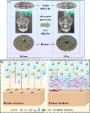
Durable antimicrobial activity of fabrics functionalized with zeolite ion-exchanged nanomaterials against Staphylococcus aureus and Escherichia coli
Beilstein J. Nanotechnol. 2026, 17, 262–274, doi:10.3762/bjnano.17.18
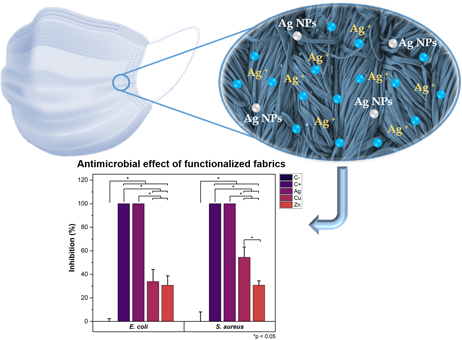
- synthesis methods, and relatively low cost [4][10][11]. One of the most extensively studied nanomaterials in terms of antimicrobial properties is colloidal silver as its antimicrobial action affects various parts of microorganisms. In addition to silver, copper has attracted significant attention for its
- bacteria. The synthesis conditions, including concentration (1% and 2%), temperature (25 and 80 °C), and order of the ZnO NP application during the pad–dry–cure method were studied by Eskani and coworkers. Antibacterial activity of the treated fabrics was evaluated against S. aureus and E. coli [34




Gold nanoparticle-decorated reduced graphene oxide as a highly effective catalyst for the selective α,β-dehydrogenation of N-alkyl-4-piperidones
Beilstein J. Nanotechnol. 2026, 17, 218–238, doi:10.3762/bjnano.17.15
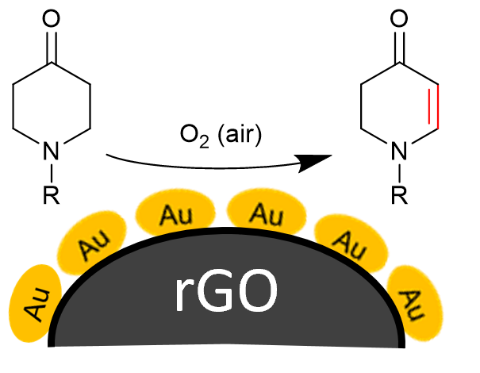
- its reaction product N-methyl-2,3-dihydropyridin-4(1H)-one is highly valuable (>1000 €·g−1) in contrast to the inexpensive starting material (0.15 €·g−1). Various synthesis methods were employed to prepare AuNPs supported on different carbon materials, including reduced graphene oxide (rGO), activated
- tunability, making AuNPs highly versatile in catalytic applications [5][6]. Traditional ligands such as thiols and citrates are commonly used in the synthesis of AuNPs due to their ability to control particle size, prevent aggregation, and enhance stability in solution [7]. Also, polyoxometalates (POMs) have
- supports follows the order rGO > AC > CB, making rGO probably the most active and efficient support for NPs. Synthesis and characterization of carbon-supported gold nanoparticles The synthesis of the Au-Cit/carbon and of the Au-SiW9/carbon composites was carried out by the RD method as schematically


Safe and sustainable by design with ML/AI: A transformative approach to advancing nanotechnology
Beilstein J. Nanotechnol. 2026, 17, 176–185, doi:10.3762/bjnano.17.11
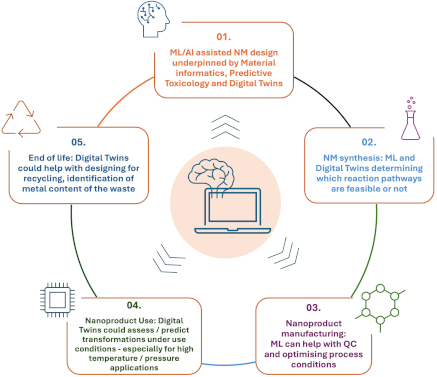
- information. QSAR models, for instance, rely on known correlations between specific nanomaterial properties – such as size, shape, and surface chemistry – and various toxicity endpoints. By identifying hazardous materials well before synthesis, QSAR-based screening saves resources, decreases late-stage
- early in the design cycle, enabling prompt adjustments to chemical composition or synthesis protocols that mitigate toxicity without compromising performance. Through such feedback loops, materials informatics cultivates a forward-looking approach to nanomaterial innovation, where safety considerations
- , beginning with raw material synthesis and continuing through usage, recycling, and eventual disposal. ENMs may undergo transformations such as agglomeration, chemical reactions, or changes in surface properties. These transformations may happen in different environmental and biological contexts, including


From shield to spear: Charge-reversible nanocarriers in overcoming cancer therapy barriers
Beilstein J. Nanotechnol. 2026, 17, 159–175, doi:10.3762/bjnano.17.10
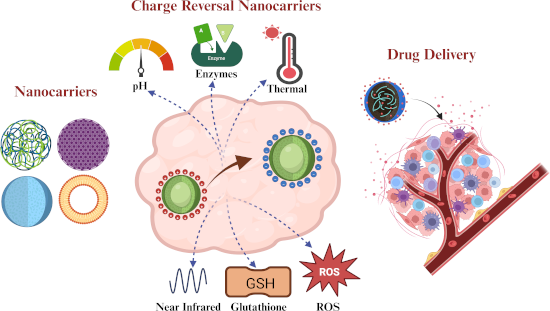
- reproducibility among various formulations [97]. In addition, the synthesis of CRNs often involves elaborate multistep processes to achieve accurate charge-switching properties, which can lead to inconsistencies between production batches and create scalability challenges [98]. The inclusion of diverse functional


Influence of surface characteristics on the in vitro stability and cell uptake of nanoliposomes for brain delivery
Beilstein J. Nanotechnol. 2026, 17, 139–158, doi:10.3762/bjnano.17.9
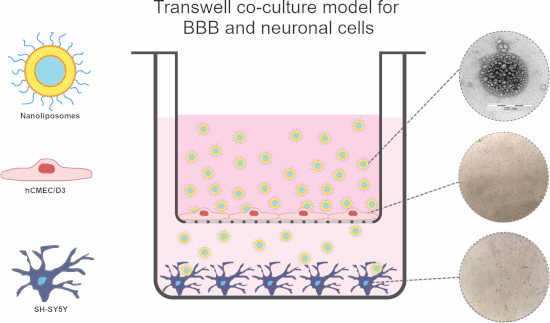
- proteins, viruses, and cells. These applications have facilitated the analysis of liposomes, enabling the separation of populations obtained from the same method synthesis and determination of their size. Optimizing separation variables in AF4–MALS involves several parameters such as cross-flow conditions


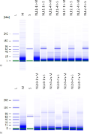
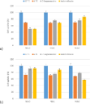


Development and in vitro evaluation of liposomes and immunoliposomes containing 5-fluorouracil and R-phycoerythrin as a potential phototheranostic system for colorectal cancer
Beilstein J. Nanotechnol. 2026, 17, 97–121, doi:10.3762/bjnano.17.7
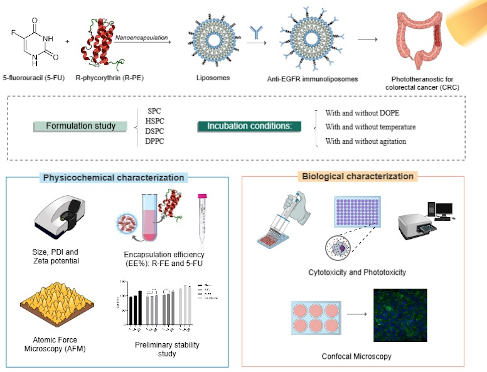
- cancer) cells [15]. Furthermore, as previously mentioned, 5-FU is a drug used to treat colorectal cancer, an analogue of the uracil nucleotide, capable of inhibiting the synthesis of DNA and RNA, in addition to inhibiting thymidylate synthase. This drug is the first line of the treatment of colorectal



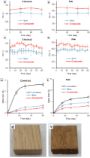
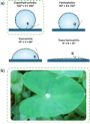
Functional surface engineering for cultural heritage protection: the role of superhydrophobic and superoleophobic coatings – a comprehensive review
Beilstein J. Nanotechnol. 2026, 17, 63–96, doi:10.3762/bjnano.17.6
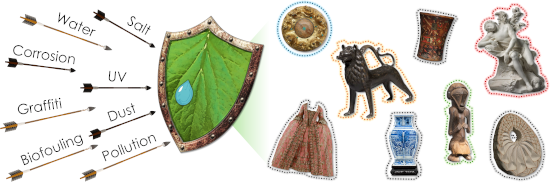
- surface treatment, where sol–gel coatings were applied post-synthesis to the dry geopolymer monoliths. In the other, a bulk modification, alkoxysilanes were directly added to the geopolymeric mixture before curing. The two routes differed in how the alkoxysilanes were made, especially regarding
- . Sustainability is usually invoked through eco-friendly synthesis or functional performance, yet none of the works provide full life-cycle or disposal assessments, leaving this criterion only partially addressed. Less attention is devoted to the protection of glass-based substrates. The efforts devoted to the





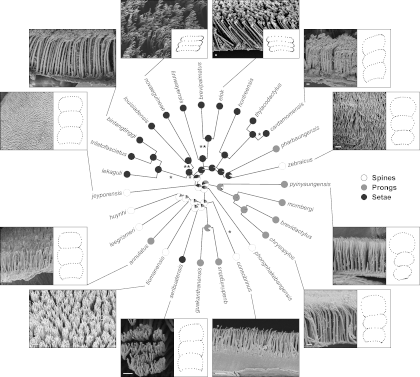
Subdigital integumentary microstructure in Cyrtodactylus (Squamata: Gekkota): do those lineages with incipiently expressed toepads exclusively exhibit adhesive setae?
Beilstein J. Nanotechnol. 2026, 17, 38–56, doi:10.3762/bjnano.17.4



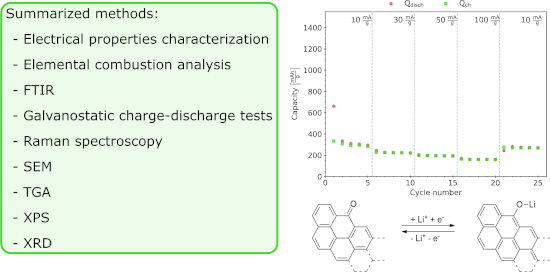
Reduced graphene oxide paper electrode for lithium-ion cells – towards optimized thermal reduction
Beilstein J. Nanotechnol. 2026, 17, 24–37, doi:10.3762/bjnano.17.3
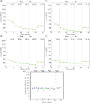
- charge storage mechanism in rGO materials cannot be described as a typical “staging mechanism”. Conclusion In this paper, the authors presented preliminary data on variants of the thermal reduction of reduced graphene oxide paper for an optimized synthesis as an electrode material. The applied methods



Quantitative estimation of nanoparticle/substrate adhesion by atomic force microscopy
Beilstein J. Nanotechnol. 2026, 17, 1–14, doi:10.3762/bjnano.17.1

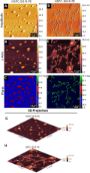
- adhesion forces. Experimental Synthesis of Cu nanoparticles Before deposition, single-crystalline Si(100) wafer substrates, with a thickness of around 500 µm and covered by a native oxide, were cleaned in an ultrasonic bath for 10 min with ethanol, followed by rinsing with isopropanol. Then, the substrates




Improving magnetic properties of Mn- and Zn-doped core–shell iron oxide nanoparticles by tuning their size
Beilstein J. Nanotechnol. 2025, 16, 2285–2295, doi:10.3762/bjnano.16.157
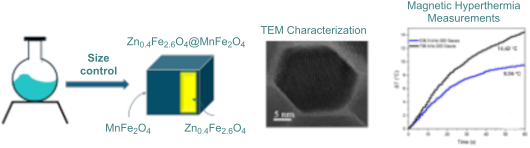
- , we report on the synthesis of polyhedral core–shell SPIONs. Their size was tuned to improve their magnetic properties. Furthermore, by hybridizing into a core–shell inorganic/inorganic structure, the nanoparticles can achieve significantly improved magnetic-to-thermal energy conversion efficiency (at
- ), have been extensively studied due to their low toxicity, biocompatibility, and ease of synthesis [5]. However, SPIONs face several challenges related to their relatively low saturation magnetization (Ms) and specific loss power (SLP), which limit their effectiveness in hyperthermia applications
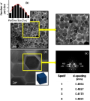
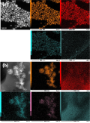
- the synthesis and characterization of polyhedral Zn0.4Fe2.6O4 nanoparticles and their subsequent transformation into Zn0.4Fe2.6O4@MnFe2O4 core–shell nanoparticles with tunable sizes. Previous studies have explored core–shell systems with Co-based shells, but our approach employs MnFe2O4 as the shell



Chiral plasmonic nanostructures fabricated with circularly polarized light
Beilstein J. Nanotechnol. 2025, 16, 2245–2264, doi:10.3762/bjnano.16.154
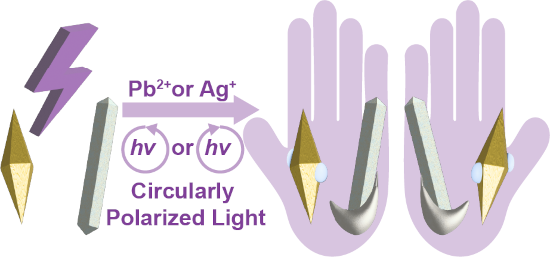
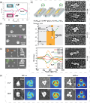
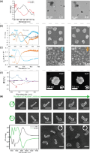
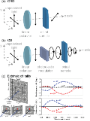
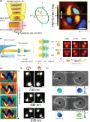
- chiral metal nanostructures; for example, the detection of DNA at attomolar concentrations has been achieved using cPNSs. In recent years, significant advancements have been made in the colloidal synthesis of chiral plasmonic nanostructures. A noteworthy breakthrough involves the use of CPL to fabricate
- . Additionally, the optical chirality at the near field is greater than that of the incident CPL, increasing the polarization selectivity of the interactions between molecules and CPL [17][18]. After more than two decades of development, the synthesis of cPNSs has evolved from nanolithography and self-assembly
- of achiral PNSs to a more efficient seeded-growth approach in a colloidal phase. The Nam group achieved a significant breakthrough in 2018 with the large-scale synthesis of highly homogenous chiral gold nanostructures using amino acids and peptides [19]. The Tatasuma group developed the first CPL





Optical bio/chemical sensors for vitamin B12 analysis in food and pharmaceuticals: state of the art, challenges, and future outlooks
Beilstein J. Nanotechnol. 2025, 16, 2207–2244, doi:10.3762/bjnano.16.153
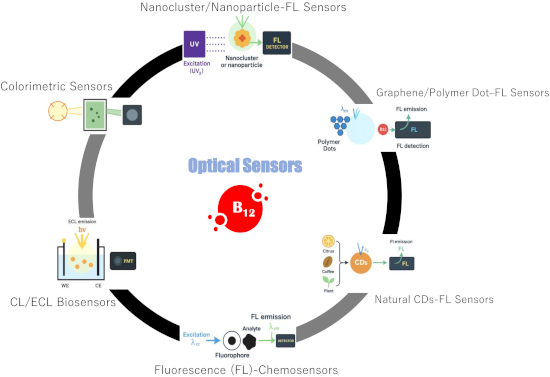
- 10.3762/bjnano.16.153 Abstract Vitamin B12 (VB12) is an essential Co2+-containing nutrient for neurological function, DNA synthesis, and red blood cell formation. Accurate and efficient VB12 quantification in food and pharmaceutical products is crucial due to its animal-derived dietary sources and the


Ultrathin water layers on mannosylated gold nanoparticles
Beilstein J. Nanotechnol. 2025, 16, 2183–2198, doi:10.3762/bjnano.16.151
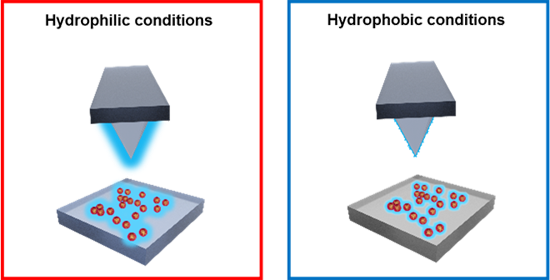
- century [3]. They are investigated, for example, regarding drug delivery [4], but they are also parts of actual products, for example, of sensors [5]. All this is based on the ease of synthesis, chemical stability, size tuneability, and unique optical properties [6]. The extreme dependence of the
- tendency. The observed excellent stability of dimanno-AuNPs may be associated with the physical constraint of the dimannoside being present during synthesis and the strong intra-NP hydrogen bonding interactions. These properties are also reflected in the macroscale structures formed upon adsorption
- organic content). Synthesis of gold nanoparticles Gold nanoparticles were synthesized by the Bio Nano Plasmonics Lab at CIC biomaGUNE according to [10]. Both PEG AuNPs and dimanno-AuNPs were obtained by reduction of AuCl4− with BH4− in the presence of the corresponding thiol ligands. For the PEG AuNPs, a



Missing links in nanomaterials research impacting productivity and perceptions
Beilstein J. Nanotechnol. 2025, 16, 2168–2176, doi:10.3762/bjnano.16.149
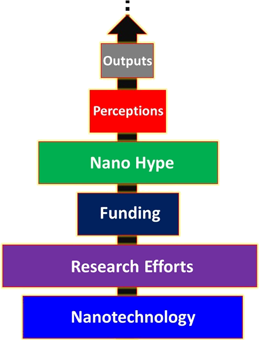
- inadequate in scale and, in most cases, are not practically useful for real-world applications, especially in the context of advanced technologies. In this regard, more than 85% of nanomaterials synthesis and production processes involve the use of hazardous chemicals such as hydrogen cyanide, sulfuric acid
- , phosphoric acid, nitric acid, hydrochloric acid, sodium hydroxide and potassium hydroxide [21]. To produce nanomaterials, these chemicals are not used in trace amounts but in substantial quantities. During synthesis, nearly 40–50% of these chemicals result in waste, which harms ecological systems by
- contaminating water, air, and soil, even when strict preventive measures are in place. Moreover, the environmental pollution caused by nanomaterials after their lifecycle, along with the chemicals used in their synthesis, is much more hazardous; up to a thousand times more compared to their bulk counterparts
Microplastic pollution in Himalayan lakes: assessment, risks, and sustainable remediation strategies
Beilstein J. Nanotechnol. 2025, 16, 2144–2167, doi:10.3762/bjnano.16.148
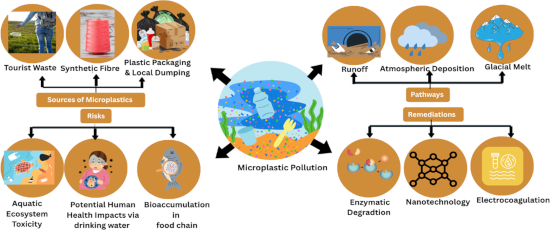
- language were included. Excluded were marine-only studies, conference abstracts, editorials, and non-peer-reviewed articles. A total of 476 records were identified. Removing duplicates and irrelevant items after title and abstract screening left 127 studies for the final synthesis. In order to facilitate
- . According to Goh et al., these results are especially important for expanding MP remediation technology to industrial applications [43]. Tables 4–6 presents a comprehensive comparison of various nanomaterials explored for MP remediation, detailing their synthesis methods, target pollutants, removal


Rapid synthesis of highly monodisperse AgSbS2 nanocrystals: unveiling multifaceted activities in cancer therapy, antibacterial strategies, and antioxidant defense
Beilstein J. Nanotechnol. 2025, 16, 2105–2115, doi:10.3762/bjnano.16.145
- therapeutic approaches [2]. Currently, the assessment of nanotechnology’s impact on the health of both humans and animals, along with its potential in therapy, has become an imperative scientific consideration. Nanotechnology, which is multidisciplinary, is the synthesis of materials and particles with
- , cardiovascular diseases, and diabetes [11][12]. Historically known especially for its antimicrobial properties, silver has been used since ancient times. Silver nanoparticles (AgNPs) are synthesized by different synthesis mechanisms; they are non-toxic to eukaryotic cells, including human cells, but highly toxic
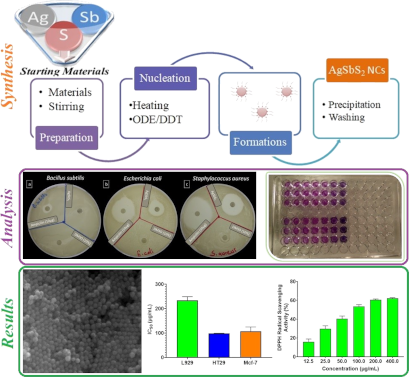
- ) chloride (SbCl3, ≥99.95%), 1-octadecene (ODE, 90%), and ethanol were obtained from Sigma-Aldrich. Toluene was obtained from VWR. 1-Dodecanethiol (1-DDT, C12H26S) was purchased from Alfa Aesar. Rapid synthesis of AgSbS2 NCs Cubic-phase silver antimony sulfide NCs (AgSbS2 NCs) were synthesized by hot


Toward clinical translation of carbon nanomaterials in anticancer drug delivery: the need for standardisation
Beilstein J. Nanotechnol. 2025, 16, 2092–2104, doi:10.3762/bjnano.16.144
- regarding toxicity and regulatory hurdles remain major barriers to clinical translation. Current research is therefore focused on standardizing CNM synthesis and characterisation methods, minimizing toxicity, and facilitating regulatory approval. Despite these challenges, CNMs hold substantial promise for
- remains substantial. This perspective uses oncology as a representative model for CNM nanocarriers, owing to cancer’s global health burden and the breadth of available studies [15][16]. Nevertheless, the underlying considerations, including synthesis, physicochemical and biological evaluation, and
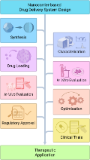
- affairs. Achieving these key milestones is critical to developing a safe and effective drug delivery system that can improve the treatment of cancer. The process begins with the synthesis of CNMs tailored to specific size and surface chemistry requirements, using methods such as chemical vapour deposition



Stereodiscrimination of guests in chiral organosilica aerogels studied by ESR spectroscopy
Beilstein J. Nanotechnol. 2025, 16, 2034–2054, doi:10.3762/bjnano.16.140
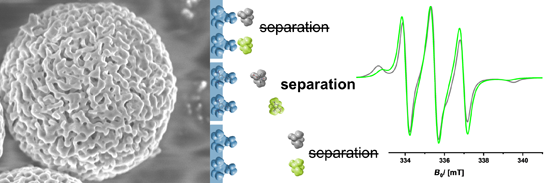
- , chiral materials are crucial in asymmetric synthesis, where the selective production of a desired enantiomer is needed, particularly in pharmaceuticals [7]. Chiral metal-organic frameworks [8] and nanoporous materials [9][10] are emerging as vital components in enantioselective catalysis due to their
- atmosphere. The solvents were dried according to the standard literature and stored under argon. All starting materials used for the synthesis were purchased from commercial sources (Merck or TCI). SIL: In a snap lid vial, dissolve 2.0 mL tetramethoxysilane (2.04 g, 13.4 mmol, 1 equiv) in 1.5 mL methanol
- synthesis, 0.22 mmol of 1,3-bis(triisopropoxysilyl)thiophenol is dissolved in 2 mL of ethanol. 50 µL of a 1 M HCl solution is added under vigorous stirring. After hydrolysis for 1 h, 50 µL of concentrated ammonia was added, and the solution was filled into a syringe and gelled overnight. Aerogels can be




The cement of the tube-dwelling polychaete Sabellaria alveolata: a complex composite adhesive material
Beilstein J. Nanotechnol. 2025, 16, 1998–2014, doi:10.3762/bjnano.16.138
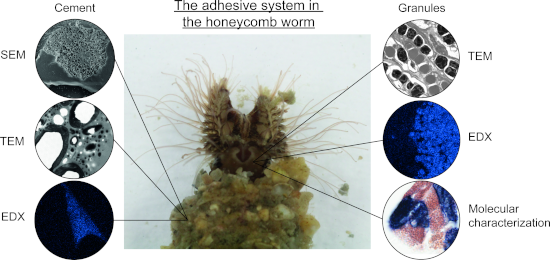
- hybridization probe synthesis, a second PCR was done with a T7 promoter binding site (5′-GGATCCTAATACGACTCACTATAGG-3′) added to reverse strand PCR primers. After quality and size check by gel electrophoresis, PCR products were purified using the Wizard SV Gel and PCR clean-up system kit (Promega). The purified
- products were used for RNA probe synthesis after sequencing to check if the amplified sequence corresponds to the desired transcript. Localization of the candidates using in situ hybridization A few worms were retrieved from their tubes, and their anterior part was dissected and fixed in a 4





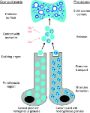
Laser ablation in liquids for shape-tailored synthesis of nanomaterials: status and challenges
Beilstein J. Nanotechnol. 2025, 16, 1963–1997, doi:10.3762/bjnano.16.137
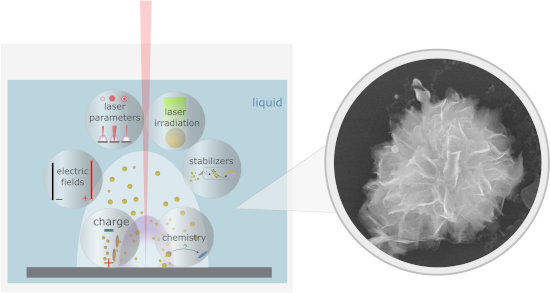
- Natalie Tarasenka Department of Design, Manufacturing and Engineering Management, University of Strathclyde, 75 Montrose st., G1 1XQ, Glasgow, UK 10.3762/bjnano.16.137 Abstract Shape-and size-controlled synthesis of nanomaterials has been a long-term aim and challenge of modern nanotechnology
- . Despite many synthesis methods are still mainly focused on the production of near-spherical NPs, a number of emerging applications require nanomaterials of nonspherical shape and developed surface, which determine the functional performance of nanostructured devices. Laser ablation in liquids has been
- demonstrated as a clean, simple, and versatile NP synthesis method. However, the conditions of NP formation and growth are favouring the production of spherical NPs. There are fewer studies of shape control during laser ablation. With that in mind, this perspective article represents a view on the current




On the road to sustainability – application of metallic nanoparticles obtained by green synthesis in dentistry: a scoping review
Beilstein J. Nanotechnol. 2025, 16, 1851–1862, doi:10.3762/bjnano.16.128
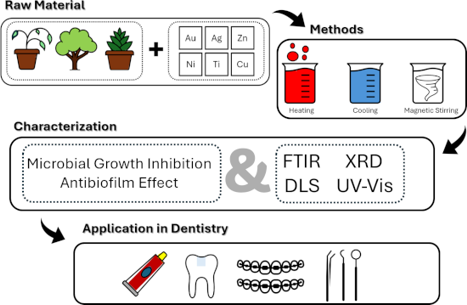
- activity and enhanced biocompatibility, achieved through phytochemically mediated synthesis. Conventional nanoparticle production often relies on toxic reagents and energy-intensive processes, posing environmental and clinical challenges. In contrast, green synthesis, using plant extracts, fungi, or
- [4][5][6]. These nanomaterials have been successfully applied in diverse fields, such as medicine, agriculture, cosmetics, electronics, the food industry, and, more recently, dentistry [5][6]. However, conventional chemical and physical synthesis routes often involve toxic organic solvents, high
- energy consumption, and hazardous reducing agents; also, they result in environmental waste, in addition to producing nanoparticles that may be toxic and poorly biocompatible [3][7]. Given the limitations of conventional synthesis methods, the green synthesis of nanoparticles has emerged as a sustainable


Current status of using adsorbent nanomaterials for removing microplastics from water supply systems: a mini review
Beilstein J. Nanotechnol. 2025, 16, 1837–1850, doi:10.3762/bjnano.16.127
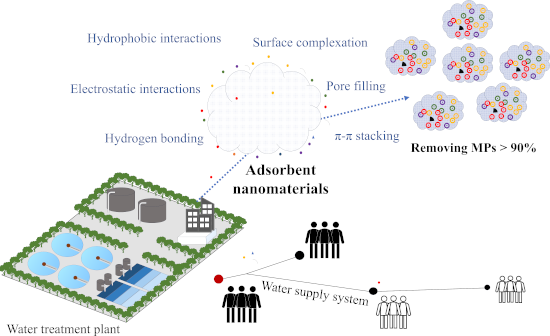
- functionality can be adjusted by changing the metal oxides and linkers, enabling easy synthesis and modification for diverse applications, including MP adsorption [59]. By using ZIF-8 nanocomposite, Pasanen et al. removed 99% of MPs after 1 h. The properties of nanocomposites showed highly porous structures
- strength, and MP size, with sizes below 100 μm normally requiring optimized surface functionalization for effective treatment. The influence of these factors on removal efficiency has also been highlighted in numerous studies, particularly those focusing on the synthesis of magnetic nanomaterials [52][78
- , leading to cellular damage [111]. According to Thirunavukkarasu et al., the interactions between these nanomaterials and other contaminants are not fully understood. While some studies suggest that different synthesis methods can reduce toxicity, they still pose a significant threat to end-users [112


Piezoelectricity of layered double hydroxides: perspectives regarding piezocatalysis and nanogenerators
Beilstein J. Nanotechnol. 2025, 16, 1812–1817, doi:10.3762/bjnano.16.124
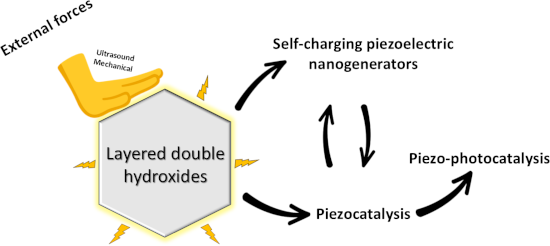
- organically modified Ni/Co-LDH nanosheets. However, some concerns arise regarding whether the synthesized material reported by the authors can indeed be classified as a Ni/Co-LDH. First, the synthesis was carried out using salts of divalent nickel and divalent cobalt at a Ni/Co ratio of 1:2. In the absence of
- successful synthesis of a hydrotalcite-like Ni/Fe-LDH. The reported cation ratio of Ni/Fe = 0.56 is unlikely to yield a stable LDH phase. Moreover, the presented XRD data begin only at 2θ values of 20°, thereby omitting the (003) reflection at approximately 10°, which is one of the most critical indicators
- stability, reproducibility of synthesis (phase purity, secondary phases, and role of interlayer anions), and durability under repeated operation are critical. From this perspective, several steps could strengthen the further subject studies: (1) reporting standardized, direct piezoelectric measurements (d33

Exploring the potential of polymers: advancements in oral nanocarrier technology
Beilstein J. Nanotechnol. 2025, 16, 1751–1793, doi:10.3762/bjnano.16.122
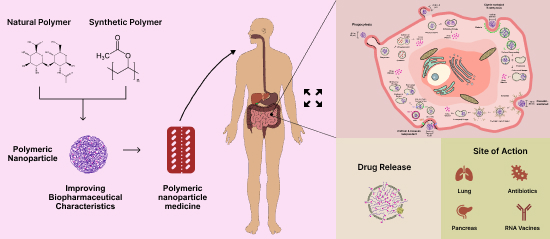
- permeability, critical factors for effective oral drug delivery, are discussed in detail. Furthermore, nanoparticle synthesis methods that enable controlled release profiles, optimized biodistribution, and improved therapeutic efficacy are also explored. Thus, polymers represent a dynamic platform for
- explores recent advances in the use of polymers for developing oral NPs, focusing on innovative research published in the past decade. It highlights the key characteristics of PNs and their preparation methods. The synthesis processes, chemical structures, and functions of major polymers are detailed
- raises additional concerns regarding the stability and safety of the final product. In light of these challenges, the use of preformed polymers has gained prominence in nanoparticle synthesis, offering a more straightforward and biocompatible alternative particularly suited for pharmaceutical





