

Search results
Search for "SERS" in Full Text gives 109 result(s) in Beilstein Journal of Nanotechnology.
Gold bipyramids as a promising alternative to gold nanorods for analytical and biomedical applications
Beilstein J. Nanotechnol. 2026, 17, 1170–1184, doi:10.3762/bjnano.17.80
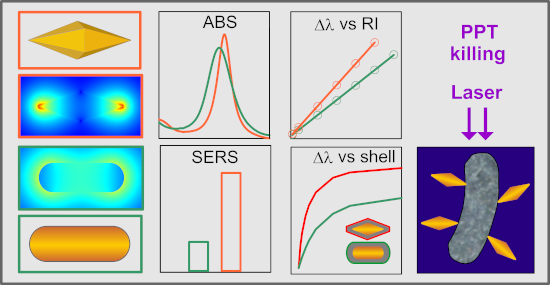
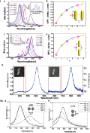
- nanorods for a broad range of analytical and biomedical applications. Keywords: bacteria; gold nanoparticles; nanobipyramids and nanorods; photothermal therapy; plasmon resonance; plasmonics; SERS; surface-enhanced Raman scattering; Introduction Anisotropic metal nanoparticles [1][2][3][4][5] are
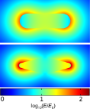
- distribution and, through these differences, to multimodal enhancements in extinction quality spectra, surface-enhanced Raman scattering (SERS), sensing, and photothermal response. Specifically, we present a comparative theoretical and experimental study of UV–vis extinction spectra, SERS, refractive index
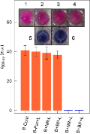
- sensitivity, thermoplasmonic properties of gold BPs and nanorods with similar PR wavelengths, and plasmonic photothermal killing of bacteria in water suspensions. In contrast to published similar studies (see, e.g., [40][41]), we compared the normalized quantities that are proportional to the SERS intensity



Electrochemical sensing of sildenafil in pharmaceutical formulations using an (S,N)-doped reduced graphene oxide-modified electrode
Beilstein J. Nanotechnol. 2026, 17, 1087–1102, doi:10.3762/bjnano.17.74
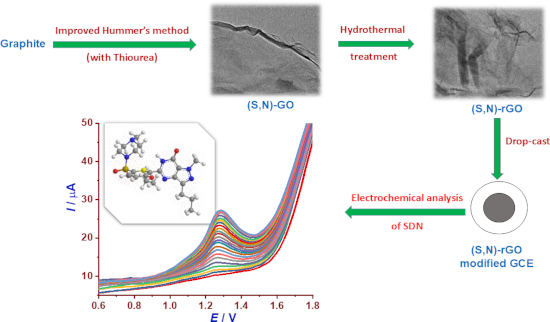
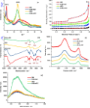
- (HPLC) [6][7] are widely employed because of their high accuracy and sensitivity. In addition, advanced spectroscopic and hybrid approaches, including surface-enhanced Raman scattering (SERS) using Ag/UiO-66-decorated porous structures [8], thin-layer chromatography coupled with UV–SERS detection (TLC
- –UV–SERS) [9], dual-labeled probe time-resolved fluorescence immunochromatography assay [10], and fluorescence-based methods [11], have also been reported. Despite their excellent analytical performance, these techniques generally require sophisticated instrumentation, complex sample preparation, and



Environmental applications of silver nanoparticles: state-of-the-art review and emerging trends
Beilstein J. Nanotechnol. 2026, 17, 697–736, doi:10.3762/bjnano.17.49
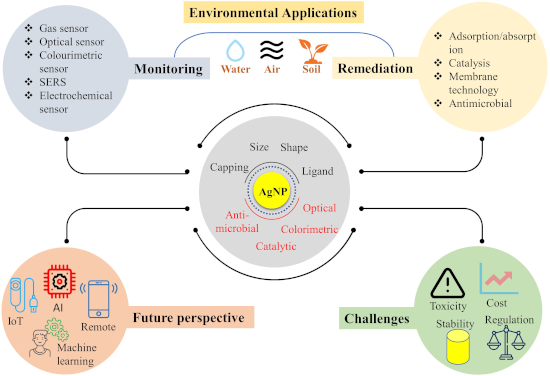
- five transduction modalities, including colourimetric/UV–vis LSPR, SERS, electrochemical, fluorometric, and gas sensing, covering a broad range of analytes considered as environmental pollutants. Key challenges, including nanoparticle aggregation, long-term colloidal instability, synthesis
- spectroscopy (SERS) using AgNP nanocomposites could selectively detect polystyrene nanoparticles with a detection limit of 14 μg/mL [55]. X-ray photoelectron spectroscopy (XPS) provides information on the elemental composition, surface oxidation states, and electronic configuration of AgNPs [56]. This


Beam shaping techniques for pulsed laser ablation in liquids: Unlocking tunable control of nanoparticle synthesis in liquids
Beilstein J. Nanotechnol. 2026, 17, 309–342, doi:10.3762/bjnano.17.22
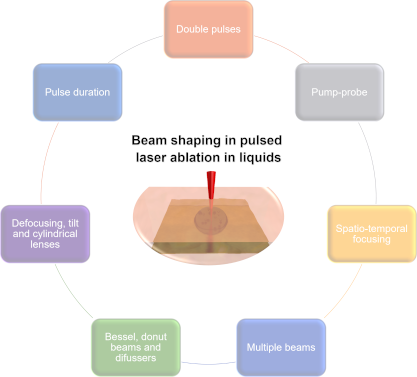
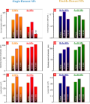
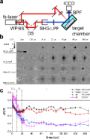
- target in acetone is shown in Figure 9. As an example, the Bessel-beam-processed surface results in a giant enhancement of the SERS signal of the explosive molecule CL-20 [142]. Thus, NP synthesis in liquids using Bessel beams can provide an additional opportunity for control over colloidal properties








Laser ablation in liquids for shape-tailored synthesis of nanomaterials: status and challenges
Beilstein J. Nanotechnol. 2025, 16, 1963–1997, doi:10.3762/bjnano.16.137





Laser processing in liquids: insights into nanocolloid generation and thin film integration for energy, photonic, and sensing applications
Beilstein J. Nanotechnol. 2025, 16, 1428–1498, doi:10.3762/bjnano.16.104
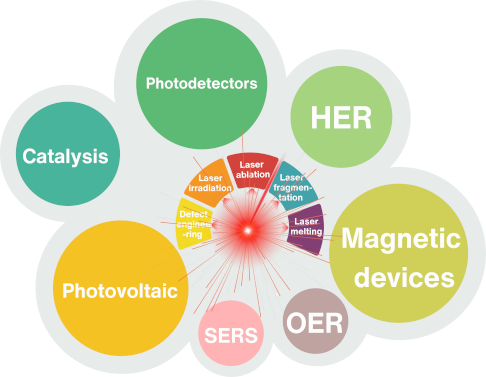
- Raman spectroscopy (SERS) substrates, and solar cells. In this review article, we describe different methods of nanocolloidal synthesis using laser-assisted processes and corresponding thin film fabrication methods, particularly those utilized for device fabrication and characterization. The four
- , electrochemical/photoelectrochemical sensors, hydrogen/oxygen evolution, SERS sensors and other types of devices reported so far. The last section explains the challenges and further scope of these devices from laser-generated nanocolloids. Keywords: HER/OER/water splitting; laser synthesis of nanomaterials
- ; nanocolloids to thin films; photocatalysis; photovoltaics and photodetection; surface-enhanced Raman spectroscopy (SERS); Review 1 Introduction This section provides a brief introduction to the fundamental laser processing techniques used in liquids, including ablation, fragmentation, melting, irradiation; it






Photochemical synthesis of silver nanoprisms via green LED irradiation and evaluation of SERS activity
Beilstein J. Nanotechnol. 2025, 16, 1417–1427, doi:10.3762/bjnano.16.103
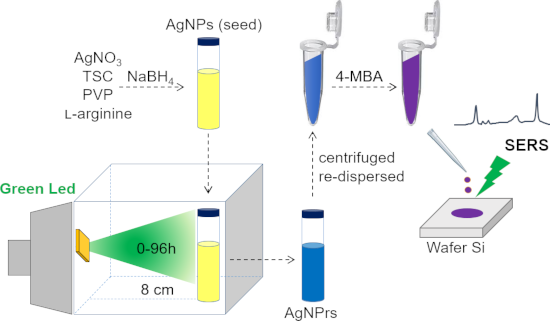
- candidates for surface-enhanced Raman scattering (SERS) due to their strong localized surface plasmon resonance and sharp tip geometry. In this study, AgNPrs were synthesized through a photochemical method by irradiating spherical silver nanoparticle seeds with 10 W green light-emitting diodes (LEDs; 520
- AgNPrs. Optimal conversion was observed after 72 h of irradiation, producing well-defined AgNPrs with an average size of 78 nm. The SERS activity of the AgNPrs was evaluated using 4-mercaptobenzoic acid as a probe molecule. Compared to spherical AgNPs, AgNPrs exhibited a significantly higher SERS
- enhancement factor of 1.15 × 10⁶, enabling detection limits down to 10−9 M. These findings demonstrate that green LED-mediated synthesis provides a simple, environmentally friendly route to fabricate high-yield AgNPrs with superior SERS capabilities, suitable for ultrasensitive chemical and biological sensing


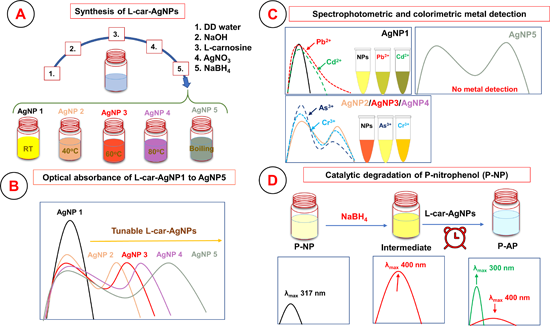
Facile synthesis of size-tunable L-carnosine-capped silver nanoparticles and their role in metal ion sensing and catalytic degradation of p-nitrophenol
Beilstein J. Nanotechnol. 2024, 15, 1576–1592, doi:10.3762/bjnano.15.124
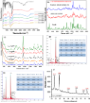
- ʟ-carnosine in aqueous solution compared to those in the solid is probably due to solvent effects. Figure 4c shows surface-enhanced Raman spectra (SERS) of ʟ-carnosine-capped silver nanoparticles. The signal-to-noise (S/N) ratio follows the order ʟ-car-AgNP4 > ʟ-car-AgNP3 > ʟ-car-AgNP2 > ʟ-car-AgNP1
- > ʟ-car-AgNP5. Therefore, the results show maximum SERS enhancement for AgNP4. This is probably because of the greater surface roughness of the nanoparticles, leading to maximum electromagnetic enhancement in AgNP4. The SERS spectra of the ʟ-car-AgNPs are almost similar and show Raman bands at 1623 cm
- (NH2 twist) and 215 cm−1 (Ag–O stretching). The observation of the abovementioned prominent peaks in the SERS spectra confirms the capping of silver nanoparticles with ʟ-carnosine. The SERS enhancement observed in various vibrations associated with imidazole ring, CO2, and NH2 groups suggests that, at




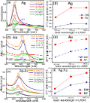
Effect of wavelength and liquid on formation of Ag, Au, Ag/Au nanoparticles via picosecond laser ablation and SERS-based detection of DMMP
Beilstein J. Nanotechnol. 2024, 15, 1054–1069, doi:10.3762/bjnano.15.86
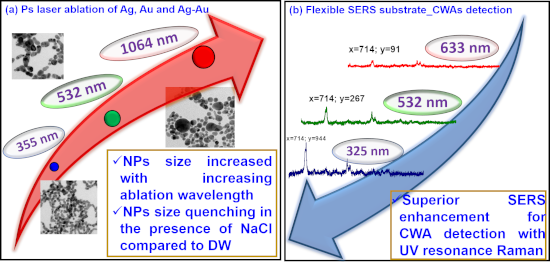
- -dispersive X-ray spectroscopy. Furthermore, NPs of various sizes ranging from 6 to 35 nm were loaded onto a filter paper by a simple and effective drop-casting approach to achieve flexible surface-enhanced Raman spectroscopy (SERS) substrates/sensors. These substrates were tested using a simple, portable
- Raman device to identify various hazardous chemicals (malachite green, methyl salicylate, and thiram). The stability of the substrates was also systematically investigated by determining the decay percentages in the SERS signals over 60 days. The optimized SERS substrate was subsequently employed to
- detect chemical warfare agent (CWA) simulants such as methyl salicylate (a CWA simulant for sulfur mustard) and dimethyl methyl phosphonate (has some structural similarities to the G-series nerve agents) at different laser excitations (325, 532, and 633 nm). A notably higher SERS efficiency for CWA


Gold nanomakura: nanoarchitectonics and their photothermal response in association with carrageenan hydrogels
Beilstein J. Nanotechnol. 2024, 15, 678–693, doi:10.3762/bjnano.15.56
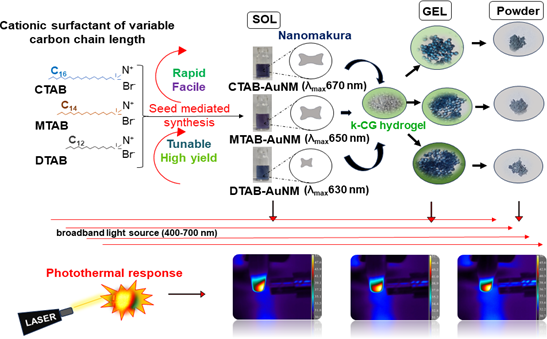
- -known noble metal materials whose resonance occurs in both visible and infrared range of the electromagnetic spectrum, rendering pertinence in various disciplines such as surface-enhanced Raman scattering (SERS), optical sensors, fluorescence (SPR) sensor chips, deoxyribonucleic acid (DNA) sensors







Potential of a deep eutectic solvent in silver nanoparticle fabrication for antibiotic residue detection
Beilstein J. Nanotechnol. 2024, 15, 426–434, doi:10.3762/bjnano.15.38
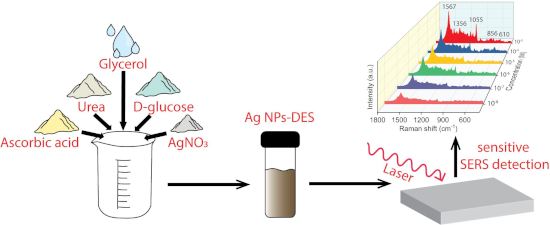
- Ag NPs-DES sample is used in a surface-enhanced Raman scattering (SERS) sensor. The two analytes for SERS quantitation are nitrofurantoin (NFT) and sulfadiazine (SDZ) whose residues can be traced down to 10−8 M. The highest enhancement factors (EFs) are competitive at 6.29 × 10⁷ and 1.69 × 10⁷ for
- NFT and SDZ, respectively. Besides, the linearity coefficients are extremely close to 1 in the range of 10−8 to 10−3 M of concentration, and the SERS substrate shows remarkable uniformity along with great selectivity. This powerful SERS performance indicates that DESs have tremendous potential in the
- synthesis of nanomaterials for biosensor substrate construction. Keywords: Ag NPs; antibiotic residue; deep eutectic solvents; potential; SERS; Introduction Surface-enhanced Raman scattering (SERS) is a ubiquitous technology for detecting and tracing substances, applied in various kinds of sensors. The


Nanoarchitectonics of photothermal materials to enhance the sensitivity of lateral flow assays
Beilstein J. Nanotechnol. 2023, 14, 988–1003, doi:10.3762/bjnano.14.82
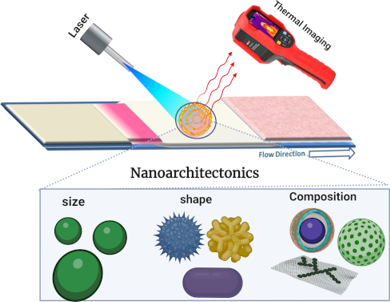
- spectroscopy (SERS), fluorescence, ultrasound, and photothermal methods, have been tried in LFAs [4][13][14]. For example, fluorescence-based LFAs exhibited a 100- to 1000-fold higher sensitivity than conventional LFAs [15]. However, working with fluorescence-based LFAs is complex because of photoinstability
- , SERS, fluorescence, and photothermal applications [45]. For instance, compared to spherical architectures, anisotropic nanoscale architectures, such as nanostars, nanoflowers, nanopopcorns, nanorods, and nanocages, exhibit superior SERS and photothermal conversion activities [46][47]. Therefore, it is
- has advantages such as high NIR absorption, large surface area, and biocompatibility. Also, it is known to enhance the signal intensity in SERS, albeit less efficiently than gold nanoparticles [82][83]. However, graphene can be used for photothermal applications. Using a hybrid formulation of gold and


Silver-based SERS substrates fabricated using a 3D printed microfluidic device
Beilstein J. Nanotechnol. 2023, 14, 793–803, doi:10.3762/bjnano.14.65
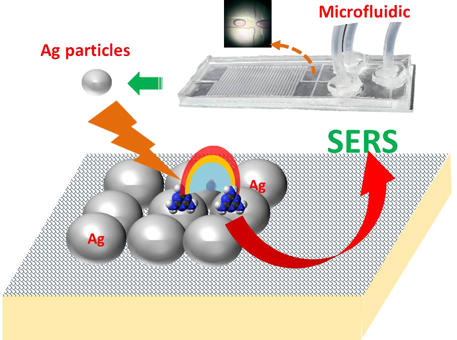
- detection of harmful chemicals in the environment and for food safety is a crucial requirement. While traditional techniques such as GC–MS and HPLC provide high sensitivity, they are expensive, time-consuming, and require skilled labor. Surface-enhanced Raman spectroscopy (SERS) is a powerful analytical
- tool for detecting ultralow concentrations of chemical compounds and biomolecules. We present a reproducible method for producing Ag nanoparticles that can be used to create highly sensitive SERS substrates. A microfluidic device was employed to confine the precursor reagents within the droplets
- , resulting in Ag nanoparticles of uniform shape and size. The study investigates the effects of various synthesis conditions on the size distribution, dispersity, and localized surface plasmon resonance wavelength of the Ag nanoparticles. To create the SERS substrate, the as-synthesized Ag nanoparticles were



Metal-organic framework-based nanomaterials as opto-electrochemical sensors for the detection of antibiotics and hormones: A review
Beilstein J. Nanotechnol. 2023, 14, 631–673, doi:10.3762/bjnano.14.52
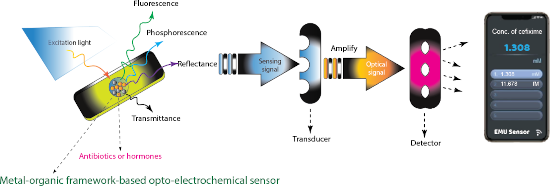
- (ELISA), radioimmunoassay (RIA), surface-enhanced Raman spectroscopy (SERS), and capillary electrophoresis are common analytical techniques used to qualitatively or quantitatively determine pharmaceuticals in various matrices because they are sensitive (Figure 2), have a significant tolerable limit of
- limited resources. Additionally, the mobile phase utilized in the separation of antibiotics and hormones affects the chromatography’s ability to detect substances [23]. The advantages of SERS are its rapid detection time, affordable detection cost, and ease of use. It also has a number of drawbacks, such


SERS performance of GaN/Ag substrates fabricated by Ag coating of GaN platforms
Beilstein J. Nanotechnol. 2023, 14, 552–564, doi:10.3762/bjnano.14.46

- substrates using pulsed laser deposition (PLD) and magnetron sputtering (MS) and their evaluation as potential substrates for surface-enhanced Raman spectroscopy (SERS) are reported. Ag layers of comparable thicknesses were deposited using PLD and MS on nanostructured GaN platforms. All fabricated SERS
- substrates were examined regarding their optical properties using UV–vis spectroscopy and regarding their morphology using scanning electron microscopy. SERS properties of the fabricated GaN/Ag substrates were evaluated by measuring SERS spectra of 4-mercaptobenzoic acid molecules adsorbed on them. For all
- : GaN/Ag; magnetron sputtering; nanofabrication; pulsed laser deposition; SERS substrates; surface-enhanced Raman spectroscopy (SERS); Introduction Surface-enhanced Raman spectroscopy (SERS) is a highly sensitive and specific technique with multiplexing capabilities [1][2][3][4]. It is considered for


Plasmonic nanotechnology for photothermal applications – an evaluation
Beilstein J. Nanotechnol. 2023, 14, 380–419, doi:10.3762/bjnano.14.33
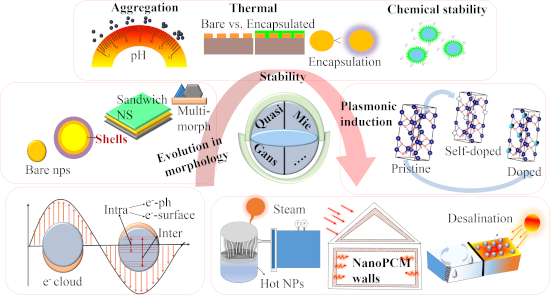
- use in PT applications, while its use in a novel synthesis strategy for SERS-enhancing self-assembled nanoparticles is worth mentioning [105]. Though details about the absence of thermal phenomena for plasmonic nanobubble formation are yet to be confirmed, the important conclusion that increasing the




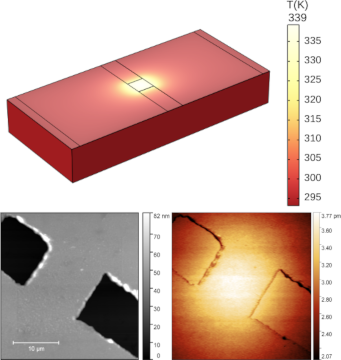
Characterisation of a micrometer-scale active plasmonic element by means of complementary computational and experimental methods
Beilstein J. Nanotechnol. 2023, 14, 110–122, doi:10.3762/bjnano.14.12
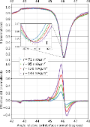
- fundamental physical phenomena at the nano- and mesoscales [9][10][11][12][13][14][15], as well as more practical applications in Raman spectroscopy in the form of surface-enhanced Raman spectroscopy (SERS) [16] and other spectroscopic techniques [17][18]. SPPs also find uses in fields such as ultrasensitive




Combining physical vapor deposition structuration with dealloying for the creation of a highly efficient SERS platform
Beilstein J. Nanotechnol. 2023, 14, 83–94, doi:10.3762/bjnano.14.10

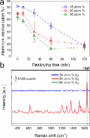
- Nanostructured noble metal thin films are highly studied for their interesting plasmonic properties. The latter can be effectively used for the detection of small and highly diluted molecules by the surface-enhanced Raman scattering (SERS) effect. Regardless of impressive detection limits achieved, synthesis
- complexity and the high cost of gold restrict its use in devices. Here, we report on a novel two-step approach that combines the deposition of a silver–aluminum thin film with dealloying to design and fabricate efficient SERS platforms. The magnetron sputtering technique was used for the deposition of the
- tuning deposition (i.e., the alloy chemical composition) and dealloying (i.e., dealloying media) parameters to reach the best SERS properties. These are reported for samples dealloyed in HCl and with 30 atom % of silver at the initial state with a detection limit down to 10−10 mol·L−1 for a solution of




Studies of probe tip materials by atomic force microscopy: a review
Beilstein J. Nanotechnol. 2022, 13, 1256–1267, doi:10.3762/bjnano.13.104
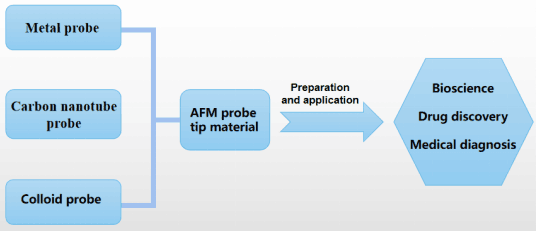
- Raman enhanced scattering (SERS) probes and used them to detect bisphenol A (BPA) in water. The experimental results showed that the colloidal fiber probes could detect 10−8 M BPA in water. This method of preparing colloidal fibers is simple and easy to operate and can be prepared on a large scale
- , providing new opportunities for many fields. In practical applications, due to the surface structure of colloidal fibers, these fibers can be used as SERS sensor detection for trace detection of BPA. Although colloidal probes have many excellent properties, there are some problems in calibrating such probes
Revealing local structural properties of an atomically thin MoSe2 surface using optical microscopy
Beilstein J. Nanotechnol. 2022, 13, 572–581, doi:10.3762/bjnano.13.49

- molybdenum diselenide (MoSe2) flake as surface-enhanced Raman spectroscopy (SERS) platform, we demonstrate the dependency of the Raman enhancement on laser beam polarization and local structure using copper phthalocyanine (CuPc) as probe. Second harmonic generation (SHG) and photoluminescence spectroscopy
- between structural irregularities and properties of 2D-TMDC materials has been intensively explored recently. Surface-enhanced Raman spectroscopy (SERS) has been used as an ultrasensitive and nondestructive spectroscopic technique for fundamental investigations of light–matter interactions down to the
- , including graphene and 2D-TMDC materials, are unique platforms for SERS investigations based on the chemical mechanism [21]. Recently, enhanced Raman signals of rhodamine 6G (R6G) molecules on an oxygen plasma-treated MoS2 flake were reported, because the symmetry of the R6G molecule can be modified through


Zinc oxide nanostructures for fluorescence and Raman signal enhancement: a review
Beilstein J. Nanotechnol. 2022, 13, 472–490, doi:10.3762/bjnano.13.40
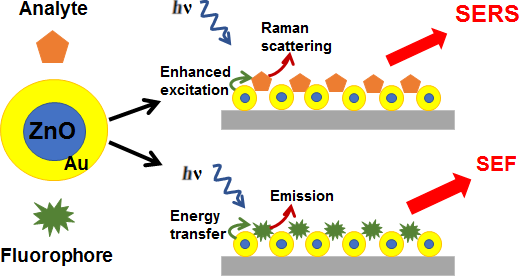
- , Romania RDI Laboratory of Applied Raman Spectroscopy, RDI Institute of Applied Natural Sciences (IRDI-ANS), Babeş-Bolyai University, Fântânele 42, 400293, Cluj-Napoca, Romania 10.3762/bjnano.13.40 Abstract Since the initial discovery of surface-enhanced Raman scattering (SERS) and surface-enhanced
- surface features, and the specific location of analyte molecules. Lately, ZnO-based nanostructures have been exploited especially as SERS substrates showing high enhancement factors and increased charge transfer effect. Additionally, applications focused on enhancing the fluorescence of analyte molecules
- synthesis methods are discussed, highlighting low-cost methods and the recyclability of ZnO-based nanosubstrates. Also, the SERS signal enhancement by ZnO-based nanostructures and the influences of lattice defects on the SERS signal are described. The photoluminescence enhancement of ZnO in the presence of


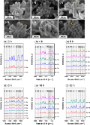


The role of deep eutectic solvents and carrageenan in synthesizing biocompatible anisotropic metal nanoparticles
Beilstein J. Nanotechnol. 2021, 12, 924–938, doi:10.3762/bjnano.12.69
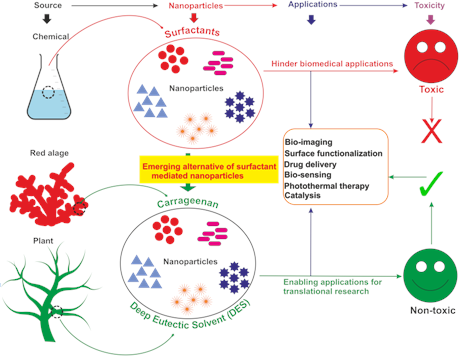
- -enhanced Raman scattering (SERS) when doped with rhodamine B (RhB). The enhancement factor produced by these gold nanoflowers was estimated to be 1.09 × 10⁵ regarding pure RhB. The value of the enhancement factor is up to par with the intensively branched gold nanoparticles and is even greater than some of


Modification of a SERS-active Ag surface to promote adsorption of charged analytes: effect of Cu2+ ions
Beilstein J. Nanotechnol. 2021, 12, 902–912, doi:10.3762/bjnano.12.67
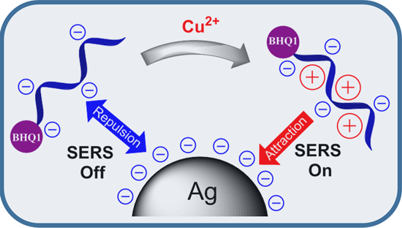
- the electrostatic interaction between analyte molecules and silver nanoparticles (Ag NPs) on the intensity of surface-enhanced Raman scattering (SERS). For this, we fabricated nanostructured plasmonic films by immobilization of Ag NPs on glass plates and functionalized them by a set of differently
- charged hydrophilic thiols (sodium 2-mercaptoethyl sulfonate, mercaptopropionic acid, 2-mercaptoethanol, 2-(dimethylamino)ethanethiol hydrochloride, and thiocholine) to vary the surface charge of the SERS substrate. We used two oppositely charged porphyrins, cationic copper(II) tetrakis(4-N-methylpyridyl
- ) porphine (CuTMpyP4) and anionic copper(II) 5,10,15,20-tetrakis(4-sulfonatophenyl)porphine (CuTSPP4), with equal charge value and similar structure as model analytes to probe the SERS signal. Our results indicate that the SERS spectrum intensity strongly, up to complete signal disappearance, correlates with


On the stability of microwave-fabricated SERS substrates – chemical and morphological considerations
Beilstein J. Nanotechnol. 2021, 12, 541–551, doi:10.3762/bjnano.12.44

- spectroscopy (SERS) substrates in different organic solvents and different buffer solutions was investigated. SERS substrates were fabricated by a microwave-assisted synthesis approach and the morphological as well as chemical changes of the SERS substrates were studied. It was demonstrated that the SERS
- sulfoxide (DMSO) treatment completely preserved or even slightly improved the Raman enhancement capabilities. SERS substrates immersed into phosphate-buffered saline (PBS) solutions were observed to be rather instable in low and neutral pH buffer solutions. Other buffer systems showed less severe influences
- on the SERS activity of the substrates and a carbonate buffer at pH 10 was found to even improve SERS performance. This study represents a guideline on the stability of microwave-fabricated SERS substrates or other SERS substrates consisting of non-stabilized silver nanoparticles for the application


Surface-enhanced Raman scattering of water in aqueous dispersions of silver nanoparticles
Beilstein J. Nanotechnol. 2021, 12, 497–506, doi:10.3762/bjnano.12.40

- Raman scattering (SERS) effect. In this work, we show the SERS effect for water molecules in the dispersion of silver nanoparticles (AgNPs) without any external electrical field. An enhancement factor was estimated to be (4.8 ± 0.8) × 106 for an excitation wavelength of 514.5 nm and for AgNPs with an
- effect weaker [20]. Silver nanoparticles (AgNPs) are gaining more and more popularity in various applications, such as electronics [22], photonics [23], and medicine [24]. Silver nanocolloids are also commonly used as an enhancing substrate in surface-enhanced Raman scattering (SERS) [25][26]. Since the
- discovery of the SERS effect in 1974 [27], most of the research is focused on biomolecules and medical applications [28][29]. The SERS effect of water has been studied since 1980. There are reports on the SERS effect of water in aqueous solutions of electrolytes placed between metal electrodes (Ag, Au, Cu