Search results
Search for "cell uptake" in Full Text gives 33 result(s) in Beilstein Journal of Nanotechnology.
From shield to spear: Charge-reversible nanocarriers in overcoming cancer therapy barriers
Beilstein J. Nanotechnol. 2026, 17, 159–175, doi:10.3762/bjnano.17.10
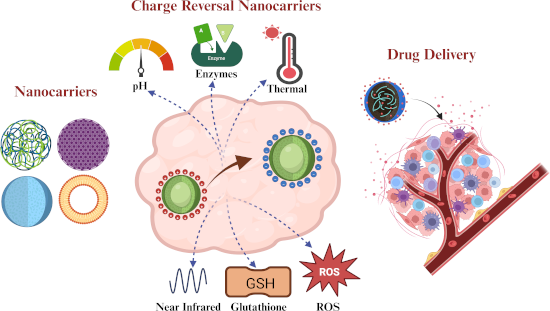
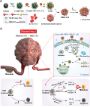
- or intracellular compartments like endosomes and lysosomes [20]. Bobrin et al. studied that a PEI-based polymeric nanocarrier demonstrated charge reversal from negative (pH 7.4) to positive (pH 6.8) under tumour pH. This transformation facilitated tumour cell uptake and site-specific unloading of


Influence of surface characteristics on the in vitro stability and cell uptake of nanoliposomes for brain delivery
Beilstein J. Nanotechnol. 2026, 17, 139–158, doi:10.3762/bjnano.17.9
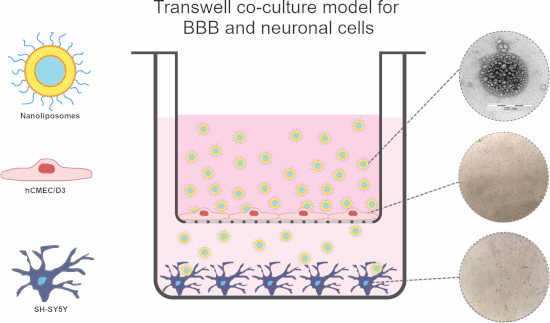
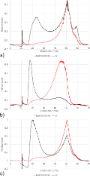
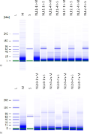
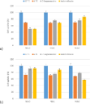
- /D3) and neuroblastoma cells (SH-SY5Y) under different conditions. The results obtained from comparative in vitro cell uptake studies on both cell culture lines after treatment with three different concentrations of fluorescently labelled NLs (5, 10, and 100 μg/mL) over a period of 1, 2, and 4 h
- neurons (ranging from 25.17% to 27.54%). Fluorescence and confocal microscopy micrographs revealed that, once internalized, NLs were concentrated in the perinuclear cell regions. Keywords: blood–brain barrier; cell co-culture; cell uptake; internalization; nanoliposomes; stability; surface
- stability, toxicity, and therapeutic potential of nanodelivery systems, thus improving the translation of study results to real biological systems. In this direction, some of the prerequisites for establishing a relevant in vitro model for cell uptake studies include precise control over factors like




PEGylated lipids in lipid nanoparticle delivery dynamics and therapeutic innovation
Beilstein J. Nanotechnol. 2025, 16, 1914–1930, doi:10.3762/bjnano.16.133
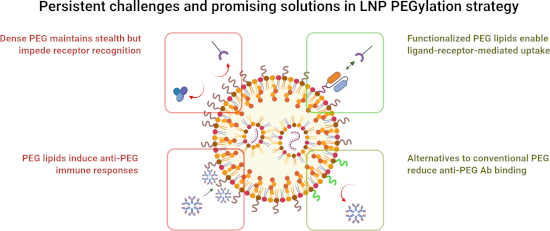
- moieties through functionalized PEG lipids can overcome tumor heterogeneity and enhance cell uptake [42][45]. DBCO-azide click chemistry was used to develop PD-L1-targeted LNPs (Pep-LNPs) for tumor-selective mRNA delivery [46][47]. The functionalized PEG lipid DSPE-PEG2K-DBCO was conjugated with
- where higher PEG density is required to maintain LNP stability but may impede cell uptake efficiency, using functionalized PEG lipids can enable LNP surface engineering to achieve both stability and targeted delivery [29][40][51][55]. Immunogenicity of pegylated LNPs and accelerated blood clearance


Better together: biomimetic nanomedicines for high performance tumor therapy
Beilstein J. Nanotechnol. 2025, 16, 1246–1276, doi:10.3762/bjnano.16.92
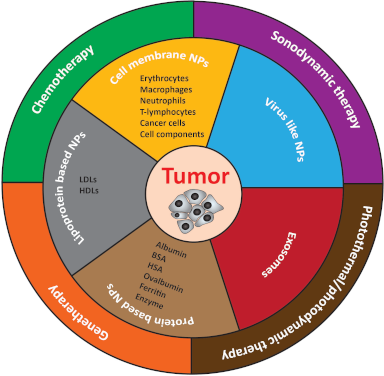
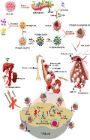
- –protein binding in vivo, nanoparticles can adsorb plasma proteins at their surface in blood circulation and form a corona, which can alter their biodistribution, cell uptake, and intracellular degradation [90]. Thus, as the protein corona increases, albumin proteins affect nanoparticle fate in vivo. As
- vehicles released by most of the cells. These phospholipid bilayer nanovesicles are surface-enriched with proteins accounting for their dynamic and prominent roles in immune escape, cell–cell communication, and specific cell uptake [103]. They are small in size (30–150 nm), bypass biological barriers, and







Synthetic-polymer-assisted antisense oligonucleotide delivery: targeted approaches for precision disease treatment
Beilstein J. Nanotechnol. 2025, 16, 435–463, doi:10.3762/bjnano.16.34
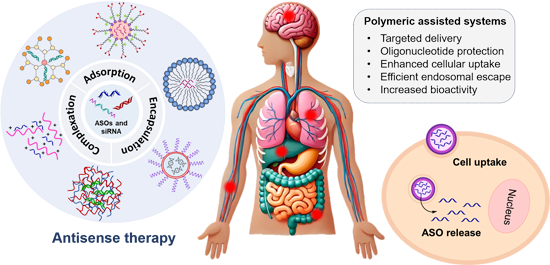
- (HE12-Luc-ASO), or (dodecane-co-hexaethylene glycol)-ASO ((HE-HEG)6-Luc-ASO). Linear PEI complexes demonstrated high biocompatibility even at high molecular weights, whereas b-PEI induced significant cytotoxicity. Moreover, the cell-uptake efficiency was improved by increasing the N/P ratio. The
- crucial role in gene silencing since it enabled the formation of (Luc-ASO-HE12):PEI–DNA micelles, which provided greater stability and protection of antisense nucleotides. This resulted in enhanced cell uptake and transfection activity when compared to free ASO and Luc-ASO-(HE-HEG)6 complexes
- cytotoxicity, with around 50% cell survival at a concentration of 100 mg/mL. Polyplexes containing the most hydrophilic Pluronic (P38) exhibited the highest ASO loading efficiency but suffered from limited cell uptake because of their high polarity. In contrast, P123–PEI micelles showed superior


Radiosensitizing properties of dual-functionalized carbon nanostructures loaded with temozolomide
Beilstein J. Nanotechnol. 2025, 16, 229–251, doi:10.3762/bjnano.16.18
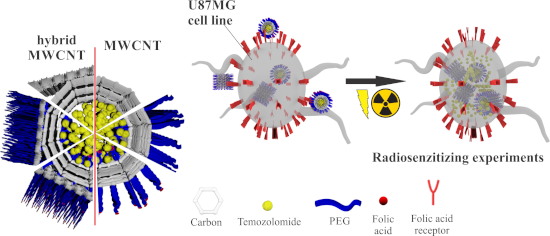
- exposure to the lowest concentration of 0.5 µg/mL) to around 70% and 51%, respectively, (after exposure to the highest tested concentration of 100 µg/mL). These data are in accordance with the findings in several studies in which cell uptake and cytotoxicity of different CNs in different cell lines were
- ], the opposite was observed. Considering previously presented findings in the study of Zhang et al. [77] in which the cell uptake and cytotoxicity of NDs, MWCNTs, and GO were studied, the differences in cytotoxicity between the formulations based on MWCNTs and MWCNTs-G observed in the present study can




Polymer lipid hybrid nanoparticles for phytochemical delivery: challenges, progress, and future prospects
Beilstein J. Nanotechnol. 2024, 15, 1473–1497, doi:10.3762/bjnano.15.118
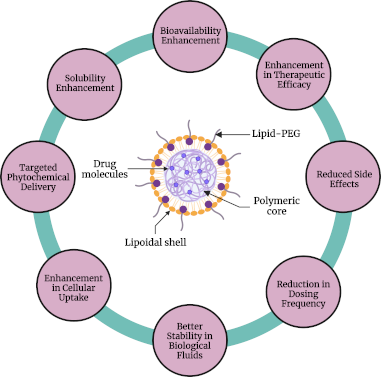
- -cPLHNPs represented higher cell uptake and antiproliferative activity against P388 cells than pure QCT. A pharmacokinetic study in SD rats suggested that the encapsulation of QCT in cPLHNPs improves the oral bioavailability of QCT by 3.75 times compared to pure QCT suspension. Further, an in vivo
- (TNBC) [120]. IQN-PLHNPs exhibited high stability in the harsh GI milieu. Cell culture experiment suggested that the IQN-PLHNPs showed a nearly twofold increase in cell uptake in MDA-MB-231 cells thereby better cytotoxicity was achieved. IQN-PLHNPs are effectively absorbed from the GI tract and showed a
- (i.e., IQN-iRGD-PLHNPs) to enhance anti-BC activity by active tumor targeting [121]. Coumarin-6 was tagged with the nanocarrier to investigate the cellular uptake potential. The developed targeted PLHNPs represented markedly enhanced cell uptake in MDA-MB-231 due to integrin receptor-mediated


Nanotechnological approaches for efficient N2B delivery: from small-molecule drugs to biopharmaceuticals
Beilstein J. Nanotechnol. 2024, 15, 1400–1414, doi:10.3762/bjnano.15.113
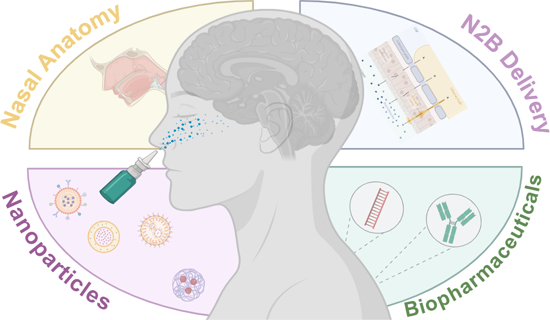
- antibody-modified PLGA NPs. The NPs were coated with N-trimethylated chitosan (TMC) to overcome nasal clearance and, thus, increase brain delivery. The TMC-coated NPs showed increased cellular uptake compared to the non-coated NPs in cell uptake studies with C6 cells. Moreover, when glioma-bearing rats


Identification of structural features of surface modifiers in engineered nanostructured metal oxides regarding cell uptake through ML-based classification
Beilstein J. Nanotechnol. 2024, 15, 909–924, doi:10.3762/bjnano.15.75
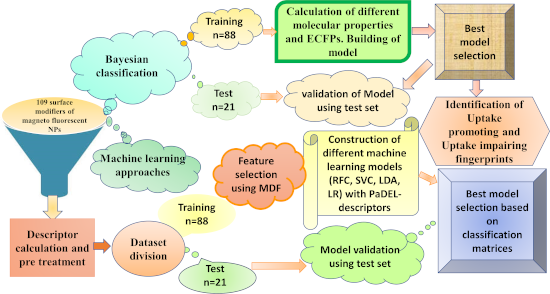
- . The uptake-impairing fingerprints UIp 12, UIp 15, UIp 16, and UIp 18 indicate the presence of aliphatic/cyclic alcohol-like structures in the surface modifiers, and a negative impact on cell uptake of ENMOs is shown in the case of surface modifier 59. Similarly, fingerprints UIp 2, UIp 3, UIp 6, UIp 8


Nanocarrier systems loaded with IR780, iron oxide nanoparticles and chlorambucil for cancer theragnostics
Beilstein J. Nanotechnol. 2024, 15, 180–189, doi:10.3762/bjnano.15.17
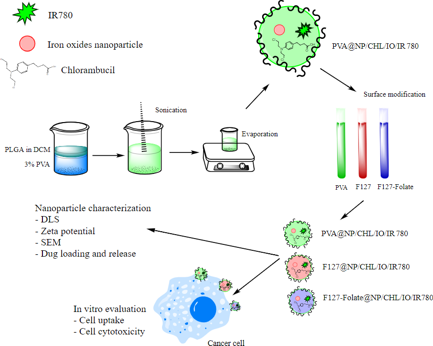
- observed for all three kinds of NPs. The release of chlorambucil was quicker at pH 5.4 than at pH 7.4 at 37 °C. The F127@NPs and F127-folate@NPs demonstrated much greater cell uptake and toxicity up to 72 h after incubation. Our in vitro results of F127@NPs and F127-folate@NPs have demonstrated the ability
- additional 10 min. Cell culture The cell lines HepG2, MCF-7, 3T3, and Hek were cultured in DMEM, 10% FBS, and 1% antibiotic at 37 °C and 5% CO2. Cell uptake estimation The cells were seeded onto 6-well plates at 100,000 cells/well and were cultured overnight. On the next day, the cells were incubated with
- not shown a substantial increase in cell uptake, probably because of the excess of folate moiety on the NP surface. Due to its hydrophobicity, the folate moiety may bind to itself, reducing the targeting impact. In a recent investigation of PLGA nanoparticles, we discovered that PLGA nanoparticles did


Curcumin-loaded nanostructured systems for treatment of leishmaniasis: a review
Beilstein J. Nanotechnol. 2024, 15, 37–50, doi:10.3762/bjnano.15.4

- in the spleen of mice was around 60% for free-UA and close to 90% for NLC-UA. Confocal microscopy images proved the cell uptake of NLC into macrophages. Metal nanoparticles are also excellent alternatives for carrying antileishmanial drugs [71]. Almayouf et al. produced silver nanoparticles (Ag-NP
- observe a general decrease in IC50 when compared to free curc, which was mainly attributed to the cell uptake of these structures. Indeed, studies that functionalized nanostructures with mannose for an increase in macrophage phagocytosis evidenced that functionalized nanoparticles decreased IC50 when


Elasticity, an often-overseen parameter in the development of nanoscale drug delivery systems
Beilstein J. Nanotechnol. 2023, 14, 1149–1156, doi:10.3762/bjnano.14.95

- uptake for softer particles [30]. Cell uptake is often the first biological evaluation during the development phase besides toxicity and biocompatibility. However, after application, particles first need to reach the cells and overcome several other biological barriers. During uptake, other biological
- -targeting molecule to achieve an active receptor-mediated cell uptake. The receptor binding results in an enhanced adhesion to cells which is further increased by the deformability of the particles. This results in an enhanced cellular uptake in both static and flow conditions. This is described to be due


Curcumin-loaded albumin submicron particles with potential as a cancer therapy: an in vitro study
Beilstein J. Nanotechnol. 2023, 14, 1127–1140, doi:10.3762/bjnano.14.93
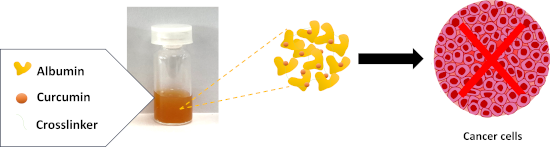
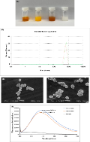
- effective delivery system, our second aim was to evaluate the cytotoxicity effect of CUR-HSA-MPs in vitro and determine cell uptake in MCF-7 cell line. Results and Discussion Preparation of CUR-loaded human serum albumin microparticles The preparation process of CUR-loaded human serum albumin microparticles
- . To enhance cell uptake, it is necessary to reduce the particle size. In this case, the size of MnCO3 templates can be reduced by modifying the experimental conditions, such as increasing the salt concentration, decreasing the reaction time and cosurfactant concentration, and changing the solvent type
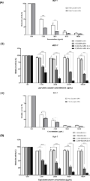
- cytotoxicity. However, the cytotoxicity and the interaction of cells with CUR-HSA-MPs depends also on cell uptake of particles and interactions between particles and cells [42]. Our results were in line with those previously reported by Zhang and co-workers [43]. The authors reported that cell viability of




Comprehensive review on ultrasound-responsive theranostic nanomaterials: mechanisms, structures and medical applications
Beilstein J. Nanotechnol. 2021, 12, 808–862, doi:10.3762/bjnano.12.64
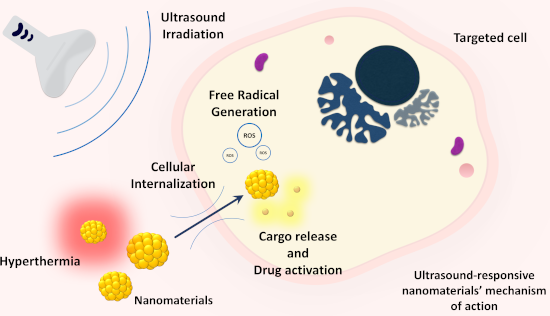
- cytoplasm through simple diffusion. Moreover, these stresses can activate cellular stress signaling pathways [83]. Previous studies have concluded that two mechanisms could be involved in US-mediated drug delivery and cell uptake of impermeable molecules: sonoporation and increased endocytosis [84][85


The preparation temperature influences the physicochemical nature and activity of nanoceria
Beilstein J. Nanotechnol. 2021, 12, 525–540, doi:10.3762/bjnano.12.43
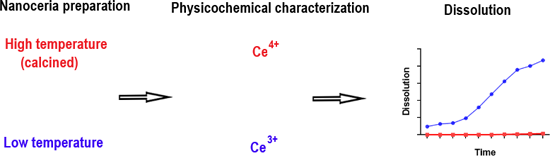
- charge. The particles do not pass through a 0.2 micrometer MWCO filter, suggesting that they were quite large, which may have affected cell uptake. The results illustrate an effect of nanoceria dissolution on its biological identity. Nanoceria reactivity Nanoceria reactivity increased as the content of




Doxorubicin-loaded gold nanorods: a multifunctional chemo-photothermal nanoplatform for cancer management
Beilstein J. Nanotechnol. 2021, 12, 295–303, doi:10.3762/bjnano.12.24
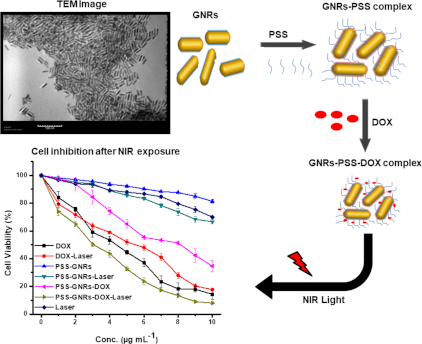
- of the drug to the cells after cell uptake. The decreased cytotoxicity of DOX-PSS-GNRs is because of a delayed drug release inside cells [23]. The PSS-GNRs nanocomplex shows potential as biocompatible nanocarrier for drug loading and delivery in cancer therapy. Arunkumar et al. have reported that DOX


Differences in surface chemistry of iron oxide nanoparticles result in different routes of internalization
Beilstein J. Nanotechnol. 2021, 12, 270–281, doi:10.3762/bjnano.12.22

- from 70 to 98 nm and for PEG-SO-MNPs from 76 to 281 nm) this phenomenon might contribute to different cell uptake pathways as well. Inhibiting CME resulted in the preferential uptake of smaller NPs (smaller than 200 nm) into cells via CME. Larger NPs (larger than 200 nm) were internalized by CavME [29


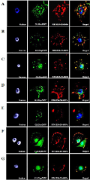

Cardiomyocyte uptake mechanism of a hydroxyapatite nanoparticle mediated gene delivery system
Beilstein J. Nanotechnol. 2020, 11, 1685–1692, doi:10.3762/bjnano.11.150
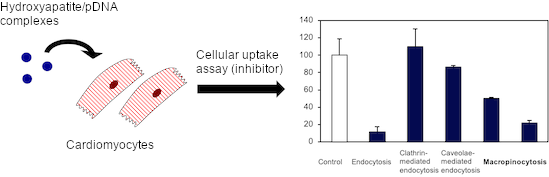
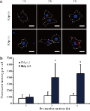
- . Furthermore, this HL-1 cell uptake was generated in response to HAp stimulation. Thus, HAp is a positive regulator of macropinocytosis in HL-1 cells and a good system for gene delivery in cardiomyocytes. Keywords: cardiomyocyte; endocytosis; gene delivery system; hydroxyapatite nanoparticles


Applications of superparamagnetic iron oxide nanoparticles in drug and therapeutic delivery, and biotechnological advancements
Beilstein J. Nanotechnol. 2020, 11, 1092–1109, doi:10.3762/bjnano.11.94
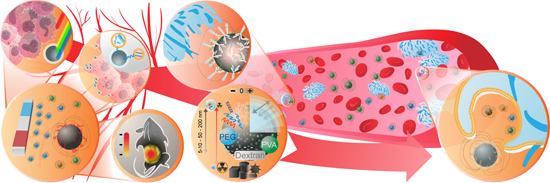
- medium, led to nanoparticle agglomeration. Dulbecco's Modified Eagle Medium (DMEM) with added serum yielded the highest nanoparticle stability compared to other media [54][87]. Also, PVA-coated SPIONs were not internalized by cells when the cell culture medium had serum in it. Without serum cell uptake
- conclusions. Which is the best coating for cellular uptake or for reduced cell uptake and longer circulation time? Or which synthesis conditions are the best for low cytotoxicity? Similar in vitro conditions led to different results, and in vivo analyses changed the entire setting, having no correspondence to


Rational design of block copolymer self-assemblies in photodynamic therapy
Beilstein J. Nanotechnol. 2020, 11, 180–212, doi:10.3762/bjnano.11.15






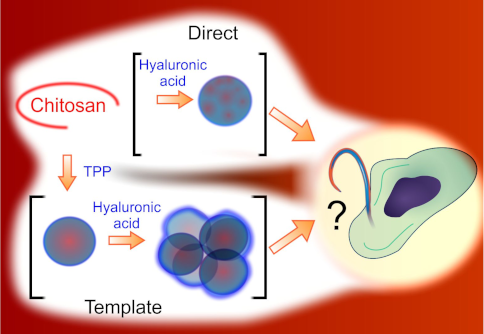
The different ways to chitosan/hyaluronic acid nanoparticles: templated vs direct complexation. Influence of particle preparation on morphology, cell uptake and silencing efficiency
Beilstein J. Nanotechnol. 2019, 10, 2594–2608, doi:10.3762/bjnano.10.250
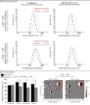
- ). Please note that any influence of phenol-red was ruled out by using medium as blank and subtracting its absorbance to all wells before calculating metabolic activity. Quantification of cell uptake. HCT-116 (20,000 cells/cm2) and RAW 264.7 (30,000 cells/cm2) were seeded in 12-well plates and left to



Bombesin receptor-targeted liposomes for enhanced delivery to lung cancer cells
Beilstein J. Nanotechnol. 2019, 10, 2553–2562, doi:10.3762/bjnano.10.246

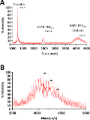
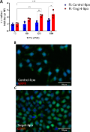
- , quantification of cell-uptake was judged by flow cytometry analysis of A549-GRPR cells exposed to fluorescently tagged target-lipo (FL-Target-lipo) or tagged control-lipo (FL-Control-lipo) formulations. Preliminary studies using FL-Target-lipo including 1 mol % targeting lipid showed marginal increases in
- that GRPR targeting with cystabn peptide increases cell uptake of liposomes, most likely through receptor-mediated uptake. Taken together the flow cytometry and microscopy data demonstrate that, using a fluorescently labelled model liposomal carrier, the relative increase in cell uptake afforded by

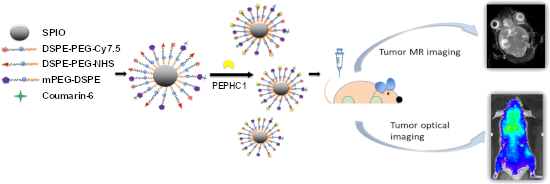
Engineered superparamagnetic iron oxide nanoparticles (SPIONs) for dual-modality imaging of intracranial glioblastoma via EGFRvIII targeting
Beilstein J. Nanotechnol. 2019, 10, 1860–1872, doi:10.3762/bjnano.10.181
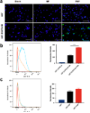
- analysis of PEPHC1 peptide binding to EGFRvIII in U87MG and U87MG-EGFRvIII cells. *** p < 0.0001 compared with U87. Cellular uptake of NPs and PNPs by U87MG and U87MG-EGFRvIII cells. (a) Fluorescence images of U87MG and U87MG-EGFRvIII cell uptake of cou-6-labeled NPs and PNPs after incubation for 0.5 h at




Toxicity and safety study of silver and gold nanoparticles functionalized with cysteine and glutathione
Beilstein J. Nanotechnol. 2019, 10, 1802–1817, doi:10.3762/bjnano.10.175
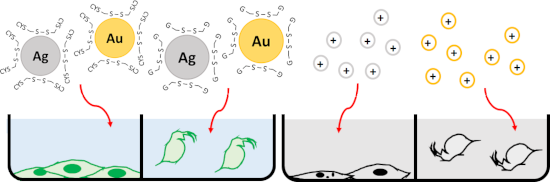
- cytometry, showed dose-dependent cell penetration except for the GSH-AuNPs (Figure S6 in Supporting Information File 1). The highest efficiency of cell uptake was observed for CYS-coated AuNPs. For both CYS- and GSH-coated AgNPs, the uptake was significant only at the highest examined concentration (25 mg
- , but also increased normal tissue clearance [55][56]. However, our results indicated a completely different interaction of CYS-AuNPs with non-cancerous L929 cells. The cell uptake clearly followed a dose-response pattern (Figure S6 in Supporting Information File 1), while confocal imaging showed the
- AgNP surface. Indeed, GSH-AgNPs released the highest amount of metallic ions in the culture media (Table 1), while additional dissolution may also be expected in endosomes following cell uptake. Acute toxicity test on D. magna The ecotoxicological impact of CYS- and GSH-coated AuNPs and AgNPs was


Involvement of two uptake mechanisms of gold and iron oxide nanoparticles in a co-exposure scenario using mouse macrophages
Beilstein J. Nanotechnol. 2017, 8, 2396–2409, doi:10.3762/bjnano.8.239

- of these pixels and their total number. The full scripts can be found in Supporting Information File 1. Inductively coupled plasma optical emission spectroscopy (ICP-OES) Cell uptake of gold and iron oxide NPs was measured via ICP-OES (PerkinElmer Optima 7000 DV). After NP exposure, the cells were