
Search results
Search for "contact" in Full Text gives 1252 result(s) in Beilstein Journal of Nanotechnology. Showing first 200.
Vibration-induced dynamic structural superlubricity on MoS2/Au(111) under ultrahigh vacuum
Beilstein J. Nanotechnol. 2026, 17, 1039–1046, doi:10.3762/bjnano.17.71
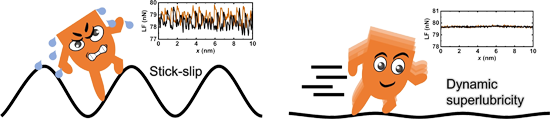
- , specifically through moiré superlattice modulation and in-plane straining, it is possible to achieve ultralow friction by suppressing moiré-level deformation and optimizing contact quality [11][13][14][15][16]. However, this method strongly depends on the intrinsic structural parameters, which are often
- . Monolayer MoS2 flakes were synthesized following established protocols [15][26][27]. The mechanical actuation was implemented by applying a vertical sinusoidal excitation to the cantilever base through a piezoelectric actuator, introducing out-of-plane vibrations to the tip–sample contact. The friction
- the tip–sample contact and the external actuation. To examine the atomic-scale friction in detail, individual friction loops were extracted from the frequency sweep at three representative frequencies (Figure 2b–d), also marked by circles in Figure 2a. At 150 kHz (Figure 2b), which is far from any


Influence of an external electric field on the catalytic CO oxidation of nanoscaled CeO2 and its La3+ and Gd3+ congeners
Beilstein J. Nanotechnol. 2026, 17, 1028–1038, doi:10.3762/bjnano.17.70
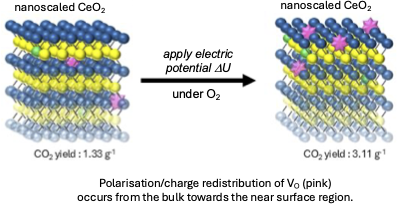
- upstream and downstream valves of the sample holder were then opened to expose the catalyst pellet to the gas mixture (the green region in Figure 8). Due to expansion, the pressure of the gas mixture decreased to around 1 bar. Spectra were recorded after 10, 30, 60, 90, and 120 min of contact between the
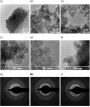


Synthesis and characterization of RF-sputtered ZnTe/Cu2−xTe thin films for solar cell applications
Beilstein J. Nanotechnol. 2026, 17, 1016–1027, doi:10.3762/bjnano.17.69
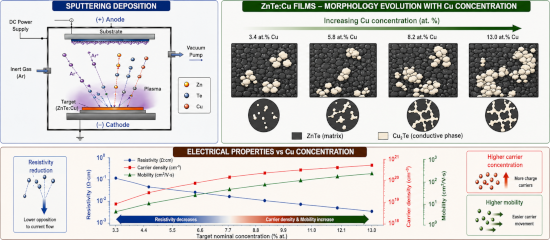
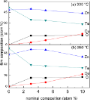
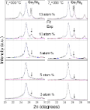
- incorporation and the formation of conductive Cu-rich secondary phases, yielding a biphasic system composed of semiconducting ZnTe and conductive Cu-rich telluride phases. These material properties suggest potential relevance for future studies of back-contact materials in CdTe-based solar cells. Keywords
- : back contact materials; Cu2−xTe phases; phase segregation; RF magnetron sputtering; ZnTe thin films; Introduction CdTe solar cells remain one of the leading thin-film photovoltaic technologies due to the near-optimal direct bandgap of CdTe (≈1.45 eV) and its high absorption coefficient (>104 cm−1
- challenges for large-scale application [4]. One of the most persistent limitations in CdTe solar cells is the formation of a stable back contact with low resistance. The high work function of CdTe (≈5.7 eV) and its relatively high surface resistivity hinder the formation of an ideal ohmic contact with



Ultrasonic irradiation in the synthesis of nanohydroxyapatite: a chemically friendly technique for improving hemocompatibility and antibiofilm applications
Beilstein J. Nanotechnol. 2026, 17, 991–1015, doi:10.3762/bjnano.17.68
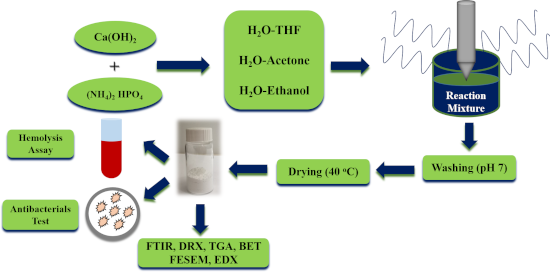
- . Future research will focus on deepening hemolysis studies and evaluating the metabolic activity and proliferative capacity of bone precursor cells in contact with these nanostructures to confirm their long-term clinical viability in tissue engineering. Furthermore, more comprehensive studies are required




Development of Protium heptaphyllum essential oil-loaded nanocapsules: experimental design and biological activity
Beilstein J. Nanotechnol. 2026, 17, 974–990, doi:10.3762/bjnano.17.67
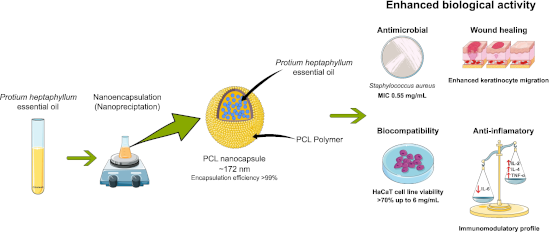
- nanoparticles, which favors direct bacterial contact and may contribute to sustained release of active constituents [50]. The release profile of such systems is influenced by factors such as polymer composition, shell thickness, and interactions between the encapsulated compound and the carrier matrix




Materials challenges in solid-state sensors for continuous monitoring of ions in water
Beilstein J. Nanotechnol. 2026, 17, 935–973, doi:10.3762/bjnano.17.66
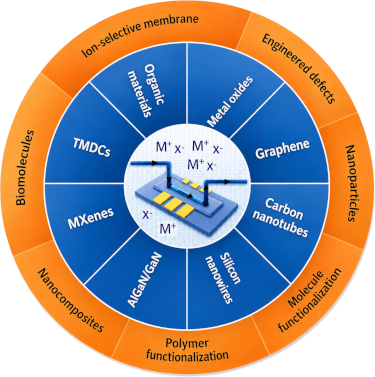
- activity change, decreasing proportionally with temperature and scaling as 59.16/z for ions of charge z [77]. Modern solid-contact ISEs (SC-ISEs) replace the inner reference solution with a solid electron–ion transducer, typically based on conducting polymers or nanostructured carbon materials [76][78]. SC
- -ISEs convert the ionic potential formed at the membrane–sample interface into an electronic signal through one of three principal mechanisms: (1) Capacitive (electrostatic) transduction relies on high double-layer or pseudocapacitive charge storage at the solid contact; carbon nanotubes (CNTs) are a
- reference electrode, however creates severe challenges in stability, miniaturization, and long-term maintenance [13]. Solid-contact nitrate-selective electrodes and valinomycin-based K+ ISEs integrated on chips for environmental waters are some examples of ISEs [7]. As shown in Figure 1b, voltammetric and



Nanocarrier strategies to overcome P-glycoprotein-mediated drug resistance in cancer therapy
Beilstein J. Nanotechnol. 2026, 17, 882–921, doi:10.3762/bjnano.17.64


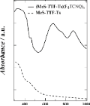
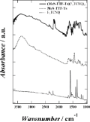
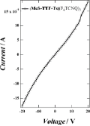
Supramolecular one-dimensional conducting nanofibers from a C3-symmetric tetrathiafulvalene derivative
Beilstein J. Nanotechnol. 2026, 17, 872–881, doi:10.3762/bjnano.17.63
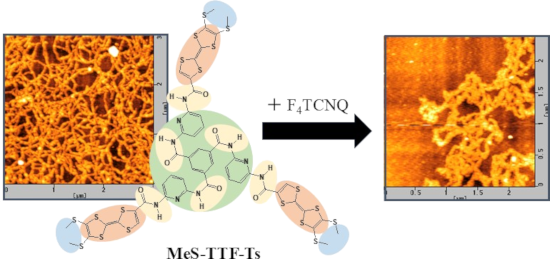
- measurements The structures formed on mica substrates were observed using an atomic force microscopy (AFM) system (Bruker Multi Mode 8). Measurements were performed in non-contact mode using a silicon cantilever with a spring constant of approximately 0.8 N·m−1. Optical spectra UV–vis absorption spectra were


Light-driven ammonia electrooxidation via carbon nitride–ruthenium molecular interfaces
Beilstein J. Nanotechnol. 2026, 17, 854–862, doi:10.3762/bjnano.17.61
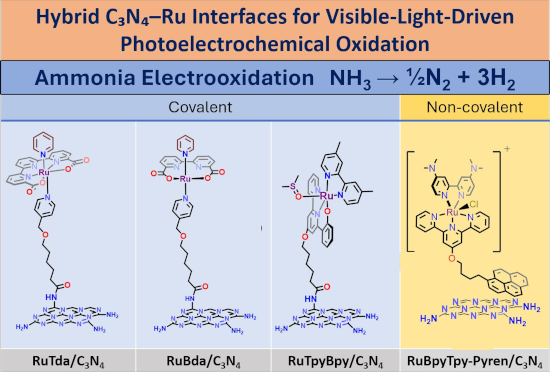
- , Germany 10.3762/bjnano.17.61 Abstract The homogeneous–heterogeneous catalysis gap remains an unresolved challenge in solar fuels research. Molecular catalysts offer unique selectivity and mechanistic transparency but suffer from poor electrode contact and limited recyclability, while heterogeneous
- . Heterogeneous catalysts solve the electrode contact problem but introduce their own: In a thick particle film, only the outermost surface layer is electrochemically accessible, while the underlying bulk is not [6][7]. For reactions that require both a light-absorbing semiconductor and a chemically active


Sustainable fabrication of 2D-based devices through reuse of substrates with microfabricated electrodes
Beilstein J. Nanotechnol. 2026, 17, 818–827, doi:10.3762/bjnano.17.58
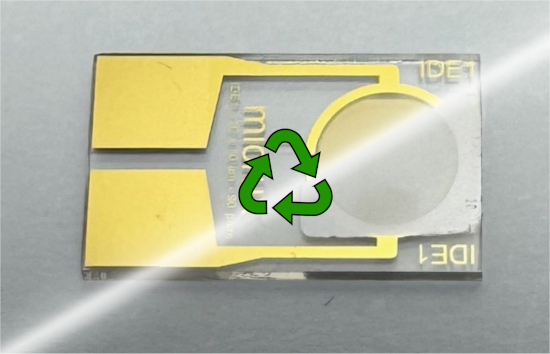
- process effectively removed the MoS2 from the channel region and detached most multilayer residues. However, small remnants of the monolayer in direct contact with the gold electrodes remained (see inset in Figure 5b), likely due to the strong chemical affinity between MoS2 and gold (a mechanism exploited
- ]. After growth, the samples were cleaned using the same protocol applied to mechanically exfoliated flakes. Transfer process Transfer of large-area high-throughput flakes was carried out by bringing the tape containing the exfoliated flakes into conformal contact with the target substrate, followed by


Glycerol photoelectrochemical oxidation reaction at carbon nitrides/BiVO4 materials
Beilstein J. Nanotechnol. 2026, 17, 806–817, doi:10.3762/bjnano.17.57
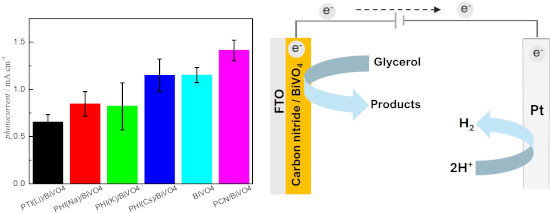
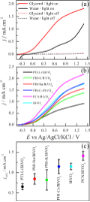
- even after the PCN layer deposition, the typical FTO morphology is clearly observed. The Bi and V signals appear above the other elements, confirming that BiVO4 is the species in contact with the electrolyte and suggesting the formation of a heterojunction. Finally, the scattered-colored dots in the




Interface-engineered Caco-2 cell culture on a collagen-coated liquid–liquid interface in a microfluidic device
Beilstein J. Nanotechnol. 2026, 17, 760–768, doi:10.3762/bjnano.17.53
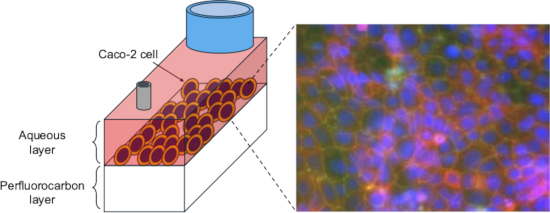
- evaluate whether gravitational forces or interfacial tension dominate when two fluids of different densities are in contact. Here, ρ denotes the density difference between FC-43 and the collagen solution, g is the gravitational acceleration, L is the channel width, and σ is the interfacial tension
- adhere on the liquid–liquid interface to form a monolayer; instead, they aggregated and were observed floating on the liquid–liquid interface. Those results indicate that bringing the collagen solution into contact with FC-43 results in the formation of a collagen layer on the liquid–liquid interface


Tailoring Ag–Pt nanoalloys through solid-state dewetting: structural and optical insights
Beilstein J. Nanotechnol. 2026, 17, 748–759, doi:10.3762/bjnano.17.52

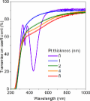
- tension) and the energy gained by reducing the total contact area between the film and the substrate (interfacial tension). A comprehensive analysis of the transformation of a thin layer into isolated islands was provided in a series of publications by Thompson and collaborators [13][20][21][22]. They
- Ntegra AFM. To obtain high-resolution, ultra-sharp probes with a tip radius <5 nm were used. Measurements were conducted in the semi-contact mode. The morphology of the manufactured nanostructures was examined using microscopic techniques. A FEI Quanta FEG 250 scanning electron microscope operating at 10




Environmental applications of silver nanoparticles: state-of-the-art review and emerging trends
Beilstein J. Nanotechnol. 2026, 17, 697–736, doi:10.3762/bjnano.17.49
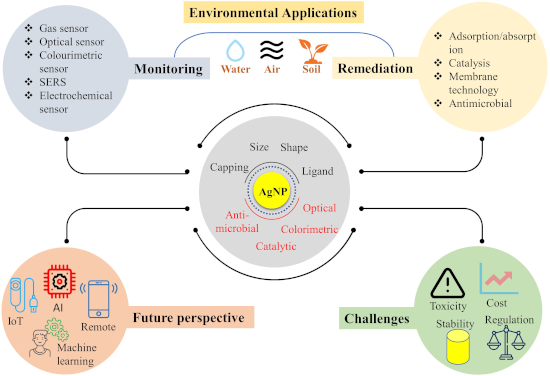
- contact [96]. Another study used Murcott mandarin-stabilised AgNPs to remove Pb2+ ions, achieving an adsorption of 42.7 mg/g in 60 min at pH 5.5 [97]. Similar to metal ions, dye removal was achieved using Shorea robusta leaf biochar-stabilised AgNPs, yielding more than 90% removal of RhB and CR [98]. The


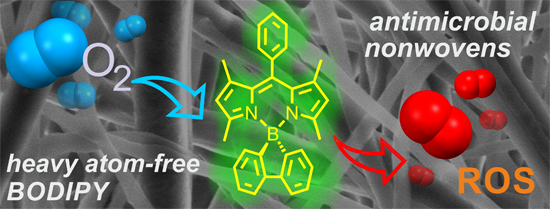
Decontamination from water pollutants and pathogens by electrospun nanofibers doped with heavy-atom-free borafluorene-BODIPY photosensitizers
Beilstein J. Nanotechnol. 2026, 17, 668–682, doi:10.3762/bjnano.17.46
- ® software and embedded algorithms. The components of the high-resolution spectra were represented with Gaussian (70%) and Lorentzian (30%) lines, while the background was represented with Shirley’s function. Water contact angle measurements and surface free energy determination The wettability of all
- samples was assessed using a Data Physics OCA 15EC contact angle goniometer (Filderstadt, Germany). A 2 µL droplet of liquid was placed on the scaffold surface, and the contact angle (CA) was measured after 3 s at a temperature of 21 °C. The Owens–Wendt method was used to calculate the components of the
- reliability of the contact angle measurements (parameters related to formamide were not directly included in Equation 3 and Equation 4). The total surface free energy was calculated as the sum of the dispersive and polar components, , where γs denotes the total surface free energy, and and represent its



Recent progress in enhancing built-in electric fields of perovskite solar cells via junction engineering
Beilstein J. Nanotechnol. 2026, 17, 602–621, doi:10.3762/bjnano.17.42
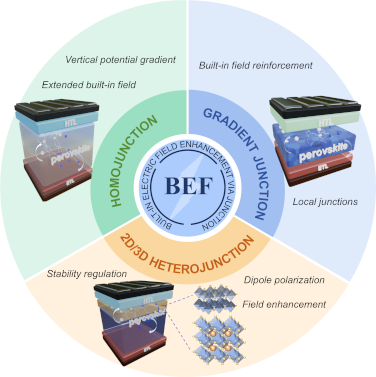
- energy alignment and contact, and enhances carrier transport efficiency (Voc = 1.18 V, FF = 85%) through reduced trap-assisted recombination and improved directional transport. DMSO diffusion further promotes deep penetration of 2D spacer cations and preferential n = 2 phase formation, achieving
- bidirectional interface optimization strategy: Seed layers of BAMAPbI (n = 3, 4, 5) were spin-coated onto the hole transport layer (MeO-2PACz) to form a bottom 2D induction layer, promoting the epitaxial crystallization of the overlying 3D perovskite and improving interfacial contact, thereby enhancing hole




Probing tribological evolution in atomically thin MoS2 at different scales
Beilstein J. Nanotechnol. 2026, 17, 586–597, doi:10.3762/bjnano.17.40
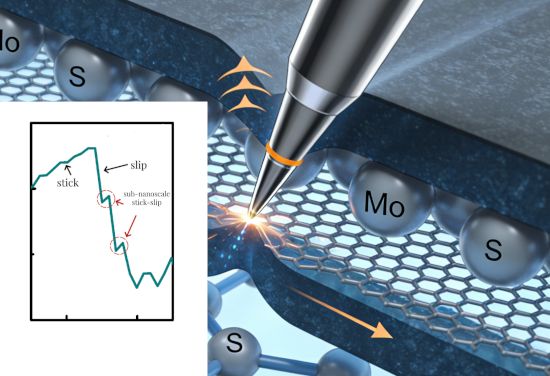
- load-dependent transition, remaining nearly constant under low loads before increasing with higher loads, and ultimately decreasing at ultrahigh loads. This transition arises from two competing mechanisms: under low loads, the evolution of interfacial contact quality dominates the strengthening effect
- -nanoscale stick–slip motion and reduces slip distance. Furthermore, the load-dependent sub-nanoscale stick–slip motion is closely correlated with changes in tip–MoS2 contact area and contact geometry, both modulated by load and MoS2 layer thickness. These findings advance 2D material tribology from the
- -sensitive characteristics, such as contact area dependence [3], superlubricity [4][5][6], negative friction coefficients [7], and friction anisotropy [8]. A hallmark of nanoscale friction is atomic-scale stick–slip motion, first observed by sliding a tungsten tip over graphite, where the tip “sticks” to an


Impacts of annealing on structural and photophysical properties of zinc phthalocyanine adsorbed on graphene
Beilstein J. Nanotechnol. 2026, 17, 576–585, doi:10.3762/bjnano.17.39
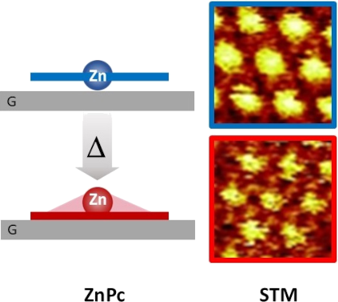
- is thus important to develop a deep understanding about how to control the organization of π-conjugated molecules that are in contact with graphene and how this organization impacts their electronic excitations. In this context, porphyrins, phthalocyanines (Pcs) and their metalated complexes (MPcs
- particular interest since they permit to focus on the specific properties of the molecules that are in direct contact with graphene. These studies benefit from in-depth analysis offered by scanning probe techniques combined with measurements of optical absorption [24][25], photoluminescence [26], or graphene


Advances in nanotechnology applied to natural products
Beilstein J. Nanotechnol. 2026, 17, 555–558, doi:10.3762/bjnano.17.36
- increases interfacial area and contact with biological surfaces, improves the apparent solubilization of predominantly lipophilic compounds, and can reduce undesirable organoleptic characteristics [5][6]. In inflammatory settings, several preclinical studies have reported lower levels of pro-inflammatory
Defects and defect-mediated engineering of two-dimensional materials: challenges and open questions
Beilstein J. Nanotechnol. 2026, 17, 454–488, doi:10.3762/bjnano.17.31





Nanocarrier-integrated multilayer films produced by 3D printing for improved skin adhesion and curcumin photostability
Beilstein J. Nanotechnol. 2026, 17, 440–453, doi:10.3762/bjnano.17.30
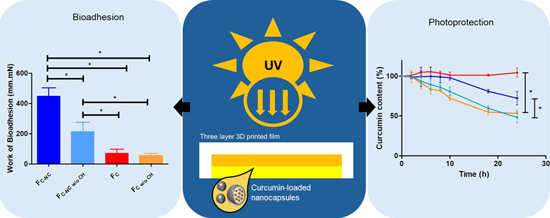
- with absorbent paper. Skin samples were fixed to the equipment probe with instantaneous adhesive, while films were fixed to the equipment’s platform with double-sided tape. The equipment promoted contact between the skin sample and the film, with a force of 290 mN for 3 min. The probe holding the skin
- . The three-layer 3D-printed films were rationally designed by combining hydrogels with complementary mechanical and biological functions to optimise skin adhesion, printability, and curcumin stability. The bottom layer, composed of chitosan, was selected to ensure direct contact with the skin
- nanoparticle aggregation. In addition, the hydrogel network acts as a steric barrier that limits nanoparticle mobility and reduces particle–particle contact during printing and drying. Previous studies have demonstrated the compatibility of SSE 3D printing with nanocarrier systems without significant loss of


Eco-efficient materials for agricultural crops based on a mineral rich in MOR- and HEU-type zeolites
Beilstein J. Nanotechnol. 2026, 17, 381–395, doi:10.3762/bjnano.17.26
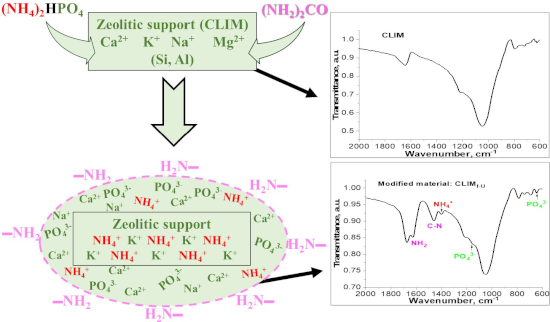
- %) of ammonium hydrogenphosphate (DAP with 18% N and 46% P) for 24 h, and then with aqueous solutions of urea with different molar concentrations (0.5, 1.0, 2.0, and 5.0 mol/L) and contact time (4, 8, 12, and 24 h) using a solid/liquid ratio of 1 g/10 mL and agitation on a shaker with horizontal
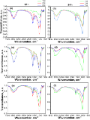
- and urea solutions at different concentrations (1, 2, and 5 M) for contact times of 12 and 24 h: (a, b) with 2% DAP, (c, d) with 3.5% DAP, and (e, f) with 7% DAP. Enlargement of the FTIR spectrum of the CLIMf7-U5M material showing differences resulting from successive modifications. X-ray diffraction




Polycatecholamine nanocoatings on stainless steel: the effect on attachment of human fibroblasts and platelets
Beilstein J. Nanotechnol. 2026, 17, 365–380, doi:10.3762/bjnano.17.25
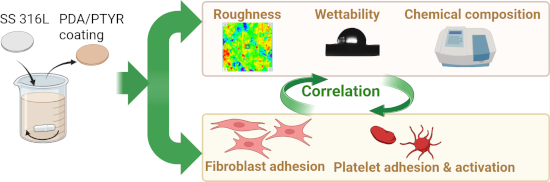
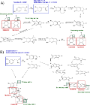
- presented in the Introduction section, PDA and PTYR coatings consist of catechol and quinone groups, as well as primary and secondary amine groups (Figure 2c). Contact angle (CA) values presented in Table 1 indicate that the SS 316L surface without any modifications is hydrophobic (99.40°), whereas all PDA
- functionalities, namely, as a cell adhesion-promoting surface for better implant integration with surrounding tissues and as a platelet adhesion-repelling surface to reduce the risk of thrombosis upon contact with blood. Compared with extensively investigated PDA, little has been known until now about PTYR’s
- potential to serve as a biomedical coating. In a previous study from our groups, coatings derived from ʟ-tyrosine, ʟ-phenylalanine, and 2-phenylethylamine were shown to substantially reduce water contact angles by 50–80%, indicating a pronounced increase in surface hydrophilicity [12]. Thus, we now focused




Calculation of the dynamic stiffness of a cantilever under torsional oscillation
Beilstein J. Nanotechnol. 2026, 17, 303–308, doi:10.3762/bjnano.17.21
- : atomic force microscopy; dynamic stiffness; energy dissipation; friction; torsional oscillation mode; Introduction Friction serves as a fundamental mechanism of energy dissipation [1]. While friction typically arises from direct mechanical contact between surfaces, energy dissipation can also occur even
- in the absence of physical contact, and this dissipation is called non-contact friction [2]. Its origins have been investigated down to the nanometer scale [3][4][5]. In particular, the origin of non-contact friction is attributed to electromagnetic interactions between the two bodies, although its
- detailed mechanisms remain not fully understood [5]. Non-contact atomic force microscopy (nc-AFM) is widely employed to investigate non-contact friction through its dissipation channel. Common techniques include pendulum AFM, bimodal AFM, and quartz tuning fork AFM [6][7][8]. Pendulum AFM uses cantilevers

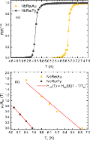
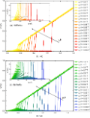
Fast vortex dynamics and relaxation times in NbRe-based heterostructures
Beilstein J. Nanotechnol. 2026, 17, 292–302, doi:10.3762/bjnano.17.20
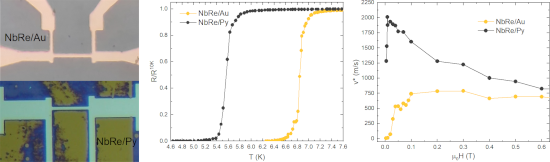
- devices [23][24][25]. To modify quasiparticles relaxation mechanism, one of the most promising strategies involves engineering hybrid heterostructures in which the superconducting layer (S) is brought into contact with a normal metal (N) or a ferromagnetic layer (F). Several studies have shown that, in S
- work, we systematically investigate vortex dynamics and flux-flow instability phenomena in micrometer-wide bilayers in which NbRe is brought into contact with either thin N or F materials. In particular, we measure transport properties in the presence of a magnetic field in NbRe/Au and NbRe/Py
- using an ultrasonic wire bonder, ensuring a highly reproducible and comparable contact quality for both NbRe/Au and NbRe/Py microbridges. The electrical transport measurements were performed using a cryogen-free measurement system from Cryogenic Ltd. The samples were mounted in the measurement system