
Search results
Search for "deposition" in Full Text gives 1158 result(s) in Beilstein Journal of Nanotechnology. Showing first 200.
Sustainable fabrication of 2D-based devices through reuse of substrates with microfabricated electrodes
Beilstein J. Nanotechnol. 2026, 17, 818–827, doi:10.3762/bjnano.17.58
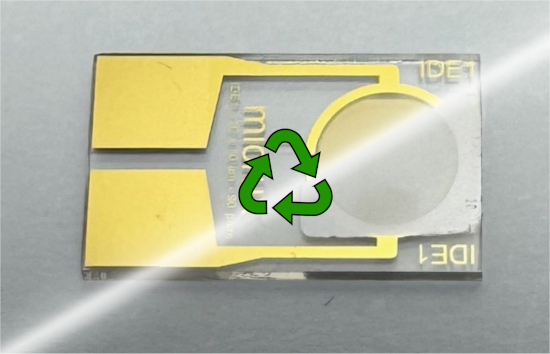
- gaps. In addition to the cleaning of films of roll-to-roll mechanically exfoliated van der Waals materials, we investigated the cleaning and reuse of substrates with chemical vapor deposition (CVD)-grown MoS2 flakes (see Supporting Information File 1, Figure S5) [35][36]. To examine the feasibility of
- identified by transmission optical microscopy and then confirmed by differential reflectance spectroscopy [38][39][40]. Monolayer CVD-MoS2 flakes were grown by chemical vapor deposition using a NaCl-assisted ambient-pressure CVD approach, following established procedures reported in the literature [35][36


Glycerol photoelectrochemical oxidation reaction at carbon nitrides/BiVO4 materials
Beilstein J. Nanotechnol. 2026, 17, 806–817, doi:10.3762/bjnano.17.57
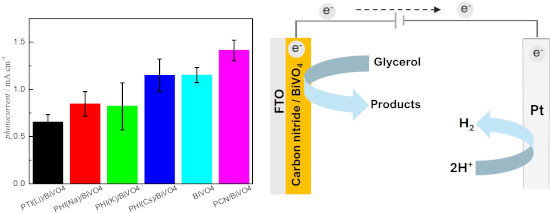
- was then centrifuged at 9000 rpm for 5 min, dried in an oven at 60 °C, and stored for later use. While the synthesis containing LiCl results in the PTI structure, the other salts yield PHI [31][32]. Carbon nitride deposition onto FTO An amount of 20 mg of each CN was dispersed into 5 mL of poly
- °C·min−1 up to 500 °C and held for 2 h. After completing this step, the films were soaked into NaOH solution (1.0 mol·L−1) for 30 min to remove the excess of unreacted vanadium, washed with distilled water, and dried at ambient temperature. Characterization of materials Prior to deposition on FTO
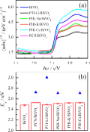
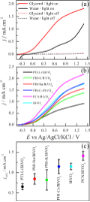
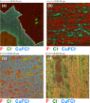
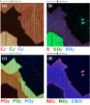
- even after the PCN layer deposition, the typical FTO morphology is clearly observed. The Bi and V signals appear above the other elements, confirming that BiVO4 is the species in contact with the electrolyte and suggesting the formation of a heterojunction. Finally, the scattered-colored dots in the




Tuning the electronic properties of defect-rich MoS2
Beilstein J. Nanotechnol. 2026, 17, 796–805, doi:10.3762/bjnano.17.56
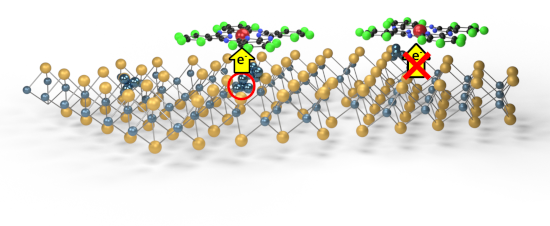
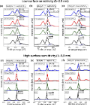
- Fermi energy in such defect-rich MoS2 can be tuned by the subsequent deposition of CoPcF16, which is verified by a shift in Fermi level for the Ne sputtered surface, under complex charge rearrangements including a charge transfer from all the substrates towards the cobalt atom of the organic molecule
- strategies, such defects can be healed by appropriate surface modifications. For instance, the adsorption of thiol-bearing molecules has been demonstrated to remove the S-vacancies inherent to MoS2 grown by chemical vapor deposition [23]. It has been shown that the adsorption of different TMPcs can
- °C and a pressure of approximately 1 × 10⁻⁷ mbar using a Knudsen cell. Via a quartz crystal microbalance, the deposition rate was determined as 0.1–0.2 nm·min−1. The nominal layer thickness of the deposited CoPcF16 molecule on the MoS2 substrate was calculated by comparing core level intensities of


Restorative potential of laser-synthesized silver nanoparticles with Salvia officinalis for periodontal disease treatment: an in vitro study
Beilstein J. Nanotechnol. 2026, 17, 781–795, doi:10.3762/bjnano.17.55
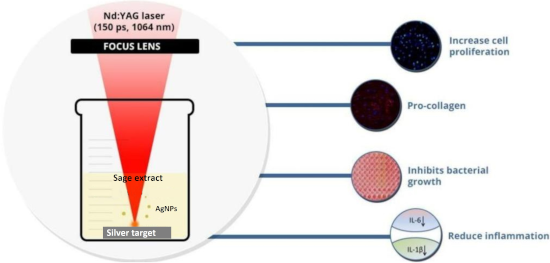
- employ silver nitrate as a precursor and different reducing agents as a stabilizer, (ii) biological methods, which use natural precursors like bacteria, enzymes, and plant extracts, and (iii) physical methods based on arc discharge, sputtering, physical vapor deposition, or laser ablation [2]. While
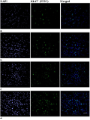
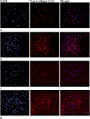
- treatment is probably higher than the colorimetric measurement showed since extracellular collagen deposition of type-I collagen was observed through immunofluorescent staining (Figure 4d). Pro-inflammatory cytokine measurement Proinflammatory cytokine measurements (IL-1β and IL-6) were performed in the
- crucial stages in tissue restoration and regeneration [57]. Besides the reported role of AgNPs in improved collagen deposition during wound healing [58][59], using plant extracts during nanoparticles synthesis was found to promote wound healing and collagen modeling in vivo [60]; but, to the best of our



Substrate-dependent pore formation in molybdenum disulfide monolayers under ion irradiation
Beilstein J. Nanotechnol. 2026, 17, 769–780, doi:10.3762/bjnano.17.54
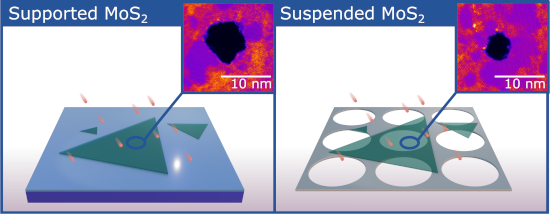
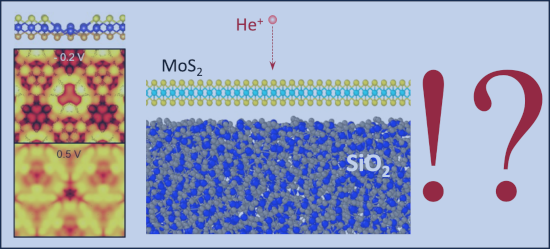
- Abstract Ion irradiation is a versatile tool for nanostructuring surfaces, yet the roles of energy deposition and dissipation at the surface and in ultrathin materials remain poorly understood. In this study, we investigate nanopore formation in monolayer MoS2 on different substrates under irradiation of
- formation in MoS2 under HCI and SHI irradiation. HCIs and SHIs represent two distinct irradiation regimes with vastly different kinetic energies and energy-deposition profiles. Specifically, HCIs release their potential energy predominantly through ultrafast charge exchange and Auger-type processes near the
- , we measure pore radii and pore formation efficiencies after irradiation in several configurations (suspended, supported on SiO2, bilayer, and metal-supported samples). We compare HCIs and SHIs as complementary excitation regimes with distinct energy-deposition profiles but a shared dependence on post


Tailoring Ag–Pt nanoalloys through solid-state dewetting: structural and optical insights
Beilstein J. Nanotechnol. 2026, 17, 748–759, doi:10.3762/bjnano.17.52

- of Pt. Experimental Corning 1737 glass and Si (111) substrates covered by a native oxide layer were used for the deposition of platinum/silver bilayers. Samples on Si substrates were used for detailed characterization of surface morphology and chemical composition, whereas Corning glass substrates
- Products 99.99%). Both Pt and Ag targets used in the deposition process were 99.99% pure. The coating procedure was performed at a deposition rate of approximately 0.10 nm/s and 0.07 nm/s for Ag and Pt films, respectively. The applied power was in the range of 30–35 W. A quartz crystal microbalance
- integrated within the sputtering system allowed for in situ monitoring of film thickness. Ag–Pt nanoalloyed structures were prepared by sequential deposition of Ag and Pt thin films, as shown in Figure 10a. In this process, Pt was deposited onto Ag due to the lower chemical reactivity of platinum, which




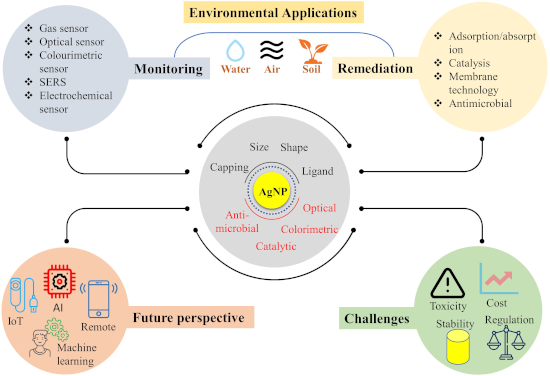
Environmental applications of silver nanoparticles: state-of-the-art review and emerging trends
Beilstein J. Nanotechnol. 2026, 17, 697–736, doi:10.3762/bjnano.17.49


Two-step laser synthesis of Ag@TiO2 nanomaterials for the photocatalytic degradation of rhodamine B
Beilstein J. Nanotechnol. 2026, 17, 622–634, doi:10.3762/bjnano.17.43
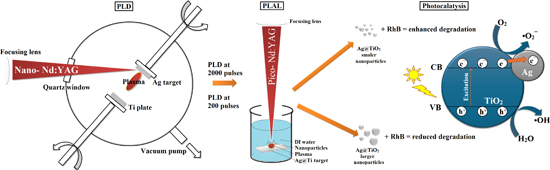
- Techniques, Institute of Physics, Bijenička Cesta 46, 10000 Zagreb, Croatia 10.3762/bjnano.17.43 Abstract This study presents a novel, chemical-free approach for the synthesis of Ag-modified TiO2 (Ag@TiO2) nanoparticles by combining the two laser-based ablation techniques pulsed laser deposition (PLD) and
- provides an efficient and environmentally friendly route for the fabrication of Ag@TiO2 photocatalysts. Keywords: Ag@TiO2 nanomaterials; photocatalytic degradation; pulsed laser ablation in liquids; pulsed laser deposition; rhodamine B; Introduction Titanium dioxide has long been recognized as perhaps
- via the two steps pulsed laser deposition (PLD) and PLAL. First, using different numbers of laser pulses (200 and 2000 pulses), different amounts of Ag were ablated and deposited on pure Ti targets. Second, in order to investigate how the pulse number influences structural properties and


Recent progress in enhancing built-in electric fields of perovskite solar cells via junction engineering
Beilstein J. Nanotechnol. 2026, 17, 602–621, doi:10.3762/bjnano.17.42
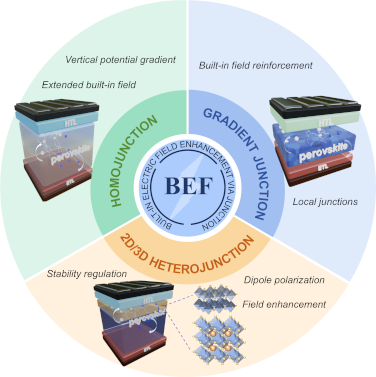
- stability and compatibility with low-temperature processing remains challenging [49][50]. Liu et al. [40] embedded SnI2 into the PEDOT:PSS bottom electrode and annealed the layer. During the deposition of FA0.7MA0.3Sn0.5Pb0.5I3, this treatment induced a vertical redistribution of Sn2+ and Pb2+, forming a
- depends critically on interfacial stability and order. Inappropriate solvent or processing conditions can induce dissolution and recrystallization of the 3D lattice, resulting in energy-level disorder and disruption of the BEF [61][62]. Excessive deposition or a disordered distribution of the low
- heterostructures, such as solvent-induced erosion, interdiffusion of components, and interface mixing, recent strategies have focused on transfer-imprinting-assisted growth and hybrid deposition approaches [71][72][73]. Lee et al. [74] proposed a solid-state in-plane growth process, in which solid (BA)2PbBr4




Impacts of annealing on structural and photophysical properties of zinc phthalocyanine adsorbed on graphene
Beilstein J. Nanotechnol. 2026, 17, 576–585, doi:10.3762/bjnano.17.39
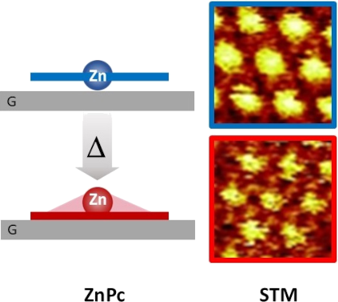
- -tristyrylbenzene substituted by dodecyl alkoxy peripheral chains TSB35-C12 [39] (Scheme 1b) grown by drop-casting from a toluene solution either on HOPG, for STM experiments, or on a transparent monolayer chemical-vapor-deposition (CVD) graphene on glass substrates, for optical measurements. This system has been
- supports an improved accessibility of the Zn atom. This could also explain the observation in the previous work [50] where in some cases the supramolecular dyad had to be pre-assembled in solution prior to deposition when the monolayers were not annealed. Conclusion In summary, we have studied the effect
- response before ZnPc and TSB35-C12 deposition (grey), for reference. The standard D, 2D, and G peaks are labelled. The insert illustrates the proposed planar-square to shuttlecock transition (G: graphene substrate). Scanning tunneling microscopy (STM) images showing the molecular network of a self


Synthesis of Cu–Mo/TiO2 and Co–Mo/TiO2 photocatalysts for the efficient degradation of organic pollutants in water
Beilstein J. Nanotechnol. 2026, 17, 559–570, doi:10.3762/bjnano.17.37
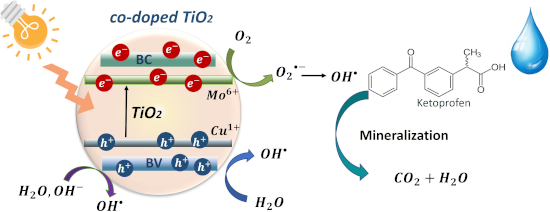
- developed to overcome these limitations, including doping, noble-metal deposition, heterogeneous structures, and surface sensitization. Doping is a widely employed method to generate impurity states in the forbidden region or to reduce the effective bandgap. Doping TiO2 with transition metal ions can adjust



Electrochemical determination of ciprofloxacin using a MIL-101/reduced graphene oxide-modified electrode
Beilstein J. Nanotechnol. 2026, 17, 541–554, doi:10.3762/bjnano.17.35
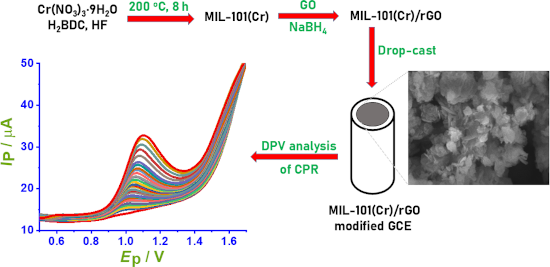
- morphology that offers a large surface area and a conductive substrate for material deposition. The pristine MIL-101 (Figure 4b) consists of irregular polyhedral particles that tend to aggregate, forming relatively compact clusters. In contrast, the MIL-101/rGO composite (Figure 4c) reveals that MIL-101


Upcycling agroindustrial waste into graphene oxide supports for gold nanoparticles: toward sustainable nanomaterials
Beilstein J. Nanotechnol. 2026, 17, 489–504, doi:10.3762/bjnano.17.32
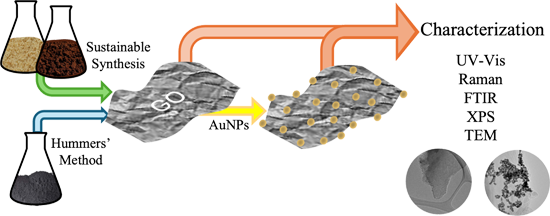
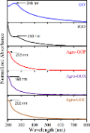
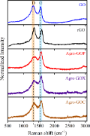
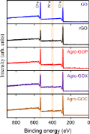
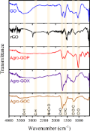
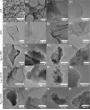
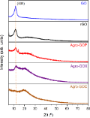
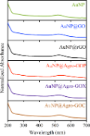
- , and high surface area, which significantly boost performance in catalysis, sensing, and energy-related applications [30][31][32][33]. Additionally, the deposition of AuNPs onto GO is a practical approach to its surface reactivity, directly linking chemical functionality to nucleation and growth
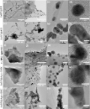
- are present throughout the basal plane, not only at edge defects, they provide abundant and readily accessible nucleation sites for AuNP formation, enabling a remarkably uniform nanoparticle distribution. AuNP@Agro-GOX (Figure 10m–p), by comparison, exhibits AuNP deposition predominantly along the



Defects and defect-mediated engineering of two-dimensional materials: challenges and open questions
Beilstein J. Nanotechnol. 2026, 17, 454–488, doi:10.3762/bjnano.17.31
- beyond a “trial and error” approach. What are the oxidation mechanisms and kinetics of defective surfaces in 2D materials? Substitutional oxygen defects are present in 2D materials synthesized via chemical vapor deposition (CVD) [51]. This can be a result of oxide precursors, which are frequently used
- , after growth and at about 7 K, a small number of additional Fe atoms were deposited. On MoS2, these atoms are immobile after deposition. Approaching an Fe adatom with the STM tip until a sudden change in the measured tip height is detected removes the Fe adatom from the MoS2 and transfers it to the STM





Nanocarrier-integrated multilayer films produced by 3D printing for improved skin adhesion and curcumin photostability
Beilstein J. Nanotechnol. 2026, 17, 440–453, doi:10.3762/bjnano.17.30
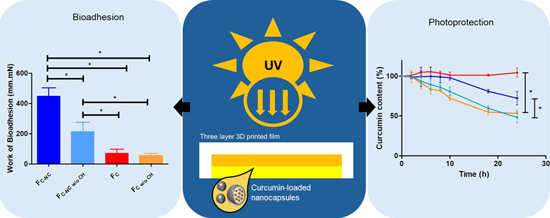
- formulations, drug combinations, and release profiles can be developed in the form of either immediate-release or extended-release options [1][2]. Several 3D printing techniques can be applied to pharmaceutical development, including material jetting, fused deposition modelling, stereolithography, selective
- and were used as received. Nanocapsule suspensions Preparation Nanocapsules were prepared using a preformed polymer interfacial deposition method that was previously described by our group, but with some modifications [27]. Curcumin-loaded polymeric nanocapsules (C-NC) were prepared using an organic
- intermediate layers were printed using HG-CMC/Alg on top of the bottom layer, followed by the deposition of two upper layers using HG-CMC/TiO2. Because the 3D printer was equipped with a single printing head, the syringe containing the printing ink had to be manually replaced between layers with the syringe


Biomimetic nanoparticles in cancer photodynamic therapy: a review of targeted delivery systems and therapeutic outcomes
Beilstein J. Nanotechnol. 2026, 17, 396–422, doi:10.3762/bjnano.17.27
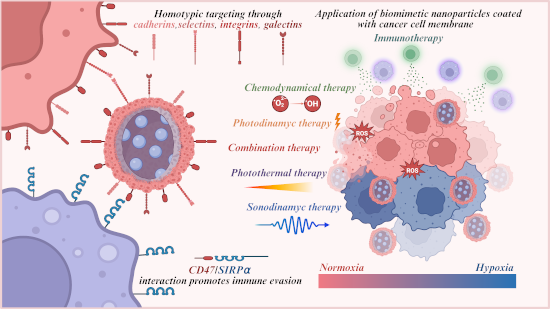
- erythrocyte and mesenchymal stem cell membranes, represents a critical advantage over synthetic platforms, enabling greater passive PS deposition within tumors [85]. Active targeting utilizes specific molecular interactions to enhance tumor cell binding and internalization. BNPs employ both innate (source


Polycatecholamine nanocoatings on stainless steel: the effect on attachment of human fibroblasts and platelets
Beilstein J. Nanotechnol. 2026, 17, 365–380, doi:10.3762/bjnano.17.25
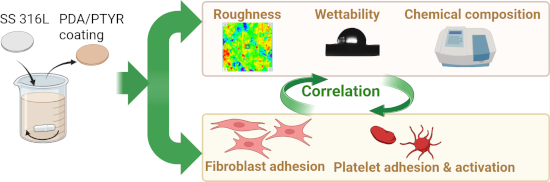
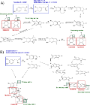
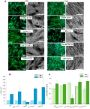
- Fenton-type reaction for PTYR synthesis and previously optimized conditions for PDA deposition [12][27]. We compared the physicochemical properties of these coatings and evaluated their effects on L929 fibroblasts, human dermal fibroblasts, and human platelets. By directly comparing PDA with the much




Interconnection morphology effects on the radio frequency response of carbon nanotube sponges
Beilstein J. Nanotechnol. 2026, 17, 343–351, doi:10.3762/bjnano.17.23
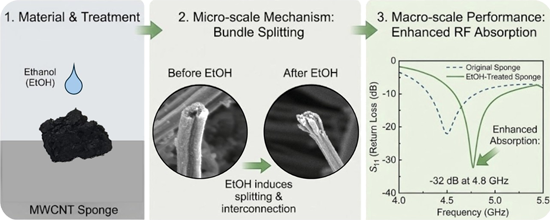
- applied for these tests, and an increase in the response up to 45% was found for the two studied positions. Keywords: carbon nanotube film; carbon nanotube sponge; chemical vapour deposition; monopole RF antenna; Introduction Most radio frequency (RF) applications rely on the use of conductors with low
- demanding non-standard shapes that also need to resist thermal and mechanical stress or chemically harsh conditions. Experimental The CNTs were synthesised using a chemical vapour deposition process [26][27][28] with a floating catalyst injection in a quartz tube (60 cm length and 45 mm external diameter




Beam shaping techniques for pulsed laser ablation in liquids: Unlocking tunable control of nanoparticle synthesis in liquids
Beilstein J. Nanotechnol. 2026, 17, 309–342, doi:10.3762/bjnano.17.22
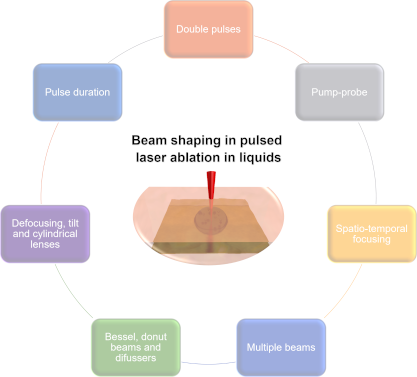
- shaping have demonstrated their potential to revolutionise pulsed laser ablation in liquids by enabling more precise energy deposition and modified nanoparticle production dynamics. This review highlights the critical role of beam shaping, encompassing spatial shaping of the beam to influence laser
- especially useful for advanced applications requiring customised energy deposition patterns. Diffractive elements offer the advantage of being thin and lightweight and allow for the generation of user-defined beam patterns through controlled light diffraction produced by micro- or nanostructured glasses or
- modified geometry and dynamics of the cavitation bubble under DS irradiation. The ring-shaped energy deposition alters plasma confinement and leads to cavitation bubbles with asymmetric expansion and collapse, reducing the bubble lifetime. These modified bubble dynamics influence nucleation and quenching







Fast vortex dynamics and relaxation times in NbRe-based heterostructures
Beilstein J. Nanotechnol. 2026, 17, 292–302, doi:10.3762/bjnano.17.20
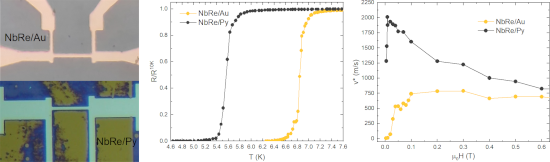
- on SiO2 substrates. The base pressure was P = 2.2 × 10⁻⁸ mbar, and the Ar pressure during the deposition was = 6.6 μbar, = 12 μbar and = 6.3 μbar. During the deposition, the film thickness was monitored in situ by a thickness monitor, which provides a real-time measurement of the growth rate. The
- deposition rates were later calibrated ex situ using a Bruker Dektak XT stylus profilometer by measuring step heights in samples. In the NbRe/Au sample, the NbRe layer has a thickness = 20 nm, while = 15 nm in the NbRe/Py sample. The corresponding Au and Py layers are dAu = 5 nm and dPy = 4 nm. Given the


Advancing nanolithography: a comprehensive review of materials for local anodic oxidation with AFM
Beilstein J. Nanotechnol. 2026, 17, 275–291, doi:10.3762/bjnano.17.19
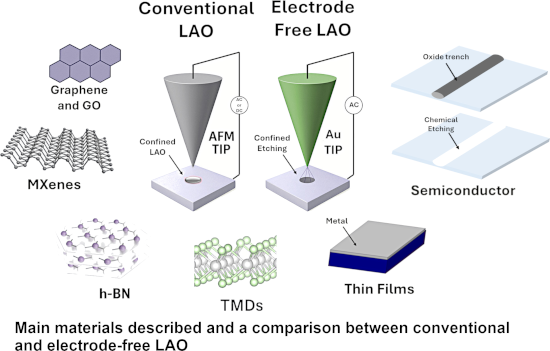
- layers as thin as sub-nanometer for SiO2 [37] and extending to tens of nanometers for materials such as SiOxCy [34], TiOx, and MoOx [38]. In contrast, atomic layer deposition (ALD) provides exceptional conformality and atomic-scale thickness control, typically depositing films at 0.1–0.2 nm per cycle [39
- , and carrier mobility. As a result, precise control over oxidation depth and lateral diffusion during processing may require the use of lower voltages and carefully optimized humidity conditions. Hybrid approaches, which combine LAO with complementary techniques such as chemical vapor deposition or


Multilayered hyperbolic Au/TiO2 nanostructures for enhancing the nonlinear response around the epsilon-near-zero point
Beilstein J. Nanotechnol. 2026, 17, 251–261, doi:10.3762/bjnano.17.17
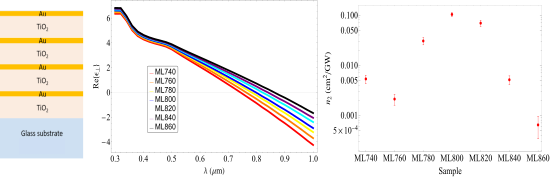
- the nonlinear response of a Ru/TiO2 multilayered structure as reported in [22]. This sample was designed to have an ENZ point at 800 nm and was fabricated using atomic layer deposition. During the linear characterization of the optical properties, spectral ellipsometry showed that the ENZ point
- electron beam and Au layers via Joule effect deposition, both at a deposition rate of 0.15 nm·s−1 and a base pressure of 2 µTorr. The target thickness for Au was 10 nm, while that of TiO2 was varied from 44 to 72 nm to achieve ENZ properties at or around the working wavelength of 800 nm. Every structure
- with some differences in the positions and values of the different maxima observed. This similitude tells us that no contamination occurred during the deposition process and that the deposited materials have almost identical properties. Also, with the measured thicknesses and permittivities of the


Gold nanoparticle-decorated reduced graphene oxide as a highly effective catalyst for the selective α,β-dehydrogenation of N-alkyl-4-piperidones
Beilstein J. Nanotechnol. 2026, 17, 218–238, doi:10.3762/bjnano.17.15
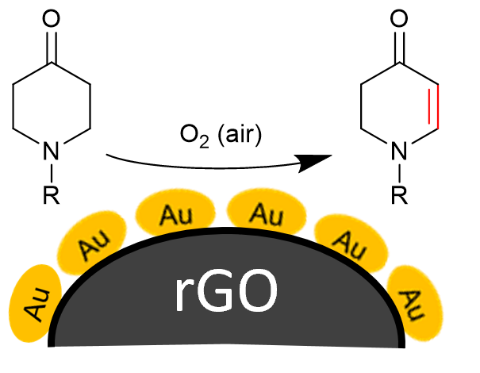
- environments, their tunable surface area and surface chemistry, and electrical conductivity [18][19]. To deposit metal NPs onto a carbon support, procedures such as adsorption or reduction–deposition (RD), co-precipitation, impregnation, and deposition precipitation (DP) are commonly employed [6][19]. Carbon
- complete discoloration of the dispersion to a clear solution with a black precipitate, indicating the successful deposition of AuNPs onto the carbon supports. This was further confirmed by spectrophotometric analysis of the filtrate, which showed the disappearance of the LSPR band (Figure 4a). Subsequently
- , the successful AuNP deposition on the carbon materials was validated through TEM imaging of Au-Cit/AC (Figure 5a), Au-Cit/rGO (Figure 5b), and Au-Cit/CB (Figure 5c). Upon deposition, the average AuNP particle sizes slightly grew to 13 nm within a range of 10–16 nm determined by TEM images and the


Time of flight secondary ion mass spectrometry imaging of contaminant species in chemical vapour deposited graphene on copper
Beilstein J. Nanotechnol. 2026, 17, 200–213, doi:10.3762/bjnano.17.13
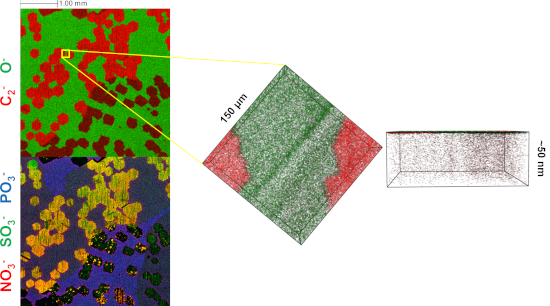
- Cambridge, Cambridge CB3 0FA, United Kingdom 10.3762/bjnano.17.13 Abstract Time of flight secondary ion mass spectrometry (ToF-SIMS) was used to probe the chemistry of graphene grown on copper foil substrates by chemical vapour deposition (CVD) under various growth conditions. The surface sensitivity, mass
- ; Introduction The development of high quality, high throughput, and highly consistent chemical vapour deposition (CVD) processes for the growth of graphene is one of the major milestones that need to be overcome before the potential properties of graphene can be fully realised for device purposes [1][2][3][4
- -SIMS. To confirm that P was coming from the Cu foil, a 200 nm layer of high-purity Cu was deposited on top of a sample of the same Cu foil used for graphene growth by physical vapour deposition (PVD). ToF-SIMS depth profile measurements were taken before and after annealing to the graphene growth





Capabilities of the 3D-MLSI software tool in superconducting neuron design
Beilstein J. Nanotechnol. 2026, 17, 122–138, doi:10.3762/bjnano.17.8
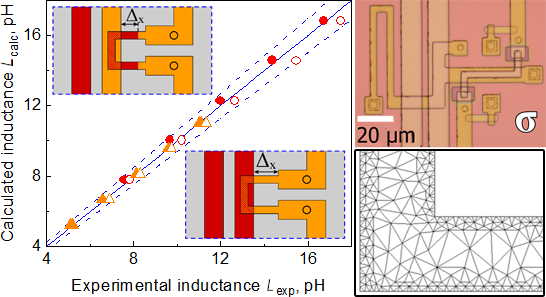
- thicknesses of the superconducting layers were 200, 250, and 350 nm for M1, M2, and M3, respectively. The SiO2 insulating layers had thicknesses of 200 nm (I1) and 300 nm (I2). Deposition of metallic layers was performed via magnetron sputtering in argon atmosphere, while insulating layers were thermally