Search results
Search for "fabrication" in Full Text gives 919 result(s) in Beilstein Journal of Nanotechnology. Showing first 200.
Electrochemical sensing of sildenafil in pharmaceutical formulations using an (S,N)-doped reduced graphene oxide-modified electrode
Beilstein J. Nanotechnol. 2026, 17, 1087–1102, doi:10.3762/bjnano.17.74
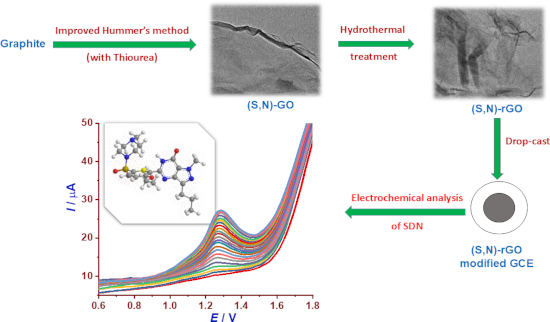
- analytical performance. Although various electrochemical sensors have been reported for SDN determination, many of them rely on multicomponent nanocomposites, noble-metal nanoparticles, or relatively complicated fabrication procedures. In contrast, the proposed (S,N)-rGO-modified electrode is prepared
- , the resulting black solid was collected by centrifugation, washed thoroughly with distilled water, and dried at 80 °C for 24 h. The final product was ground into a fine powder to obtain (S,N)-rGO. Fabrication of the (S,N)-rGO-modified electrode Prior to modification, the GCE surface was polished with
- concentration of 13.8 µM (Figure 9b). The peak current was 7.9800 ± 0.1716 µA with an RSD of 2.15%, indicating good fabrication reproducibility. In addition, the long-term stability of the modified electrode was evaluated over seven consecutive days (Figure 9c). The average peak current was 7.8657 ± 0.1828 µA




Nanoglasses: a trail towards uncharted regions of vitreous materials and their properties?
Beilstein J. Nanotechnol. 2026, 17, 1047–1062, doi:10.3762/bjnano.17.72
- , PdSiFe, FeSc, CuSc, FeCuSc, and CuZr [45]. Moreover, the fabrication of nanoglasses through inert gas condensation and compaction necessitates a sophisticated ultrahigh-vacuum-type apparatus. Consequently, only a select few research groups worldwide have endeavoured to synthesize metallic nanoglasses
- versatile and more reliable approach for nanoglass fabrication, potentially overcoming the porosity- and impurity-related limitations of nanoglasses prepared by inert gas condensation. Tracer diffusion measurements were conducted using ion beam sputtering and time-of-flight secondary ion mass spectrometry


Materials challenges in solid-state sensors for continuous monitoring of ions in water
Beilstein J. Nanotechnol. 2026, 17, 935–973, doi:10.3762/bjnano.17.66
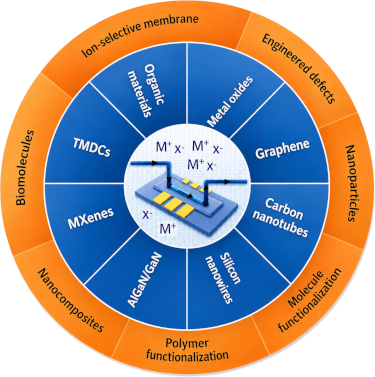
- advantages, limitations, fabrication approaches, and performance metrics. In addition, recent advances in sensor arrays are highlighted to demonstrate progress toward multiplexed detection. By consolidating these developments, this work provides a comprehensive framework to guide the rational selection of
- potential at an electrolyte–gate interface [85]. FET platforms can lead to fast, miniaturized, CMOS-compatible devices (complementary metal-oxide-semiconductor, a common fabrication process for integrated circuit chips) [8][9][10]. Figure 1c–i illustrates the major FET geometries, each differing in how the
- layer with specific functional groups or chelating agents [42]. These sensors offer low-cost fabrication, easy scalability, and compatibility with printed and microfluidic systems, although their performance can be affected by baseline drift, and cross-sensitivity to ionic strength [11]. Chemiresistors



He+ FIBID-fabricated 3D AFM tip architectures: an exploratory study of hollow pillars, helices, and spirals
Beilstein J. Nanotechnol. 2026, 17, 863–871, doi:10.3762/bjnano.17.62
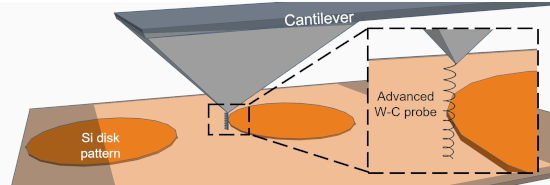
- , tip–sample convolution, mechanical stability, and, ultimately, the reliability of the measured signal. For this reason, the fabrication of non-conventional AFM probes has attracted increasing interest, particularly in the context of focused-beam nanomanufacturing, where the geometry and material
- the vacuum system. Such methods have enabled the direct fabrication of functional nanostructures on a range of substrates, including AFM cantilevers. FEBID and FIBID have already been used to fabricate AFM nanopillar-type tips, most commonly from carbon- [12], cobalt- [13], iron- [14], platinum- [15
- growth, geometric freedom, and the possibility of integrating functional materials and non-standard architectures that would be difficult to realise by conventional fabrication routes. Within FIBID, helium ion beam-induced deposition (He+ FIBID) is particularly attractive for the fabrication of 3D


Light-driven ammonia electrooxidation via carbon nitride–ruthenium molecular interfaces
Beilstein J. Nanotechnol. 2026, 17, 854–862, doi:10.3762/bjnano.17.61
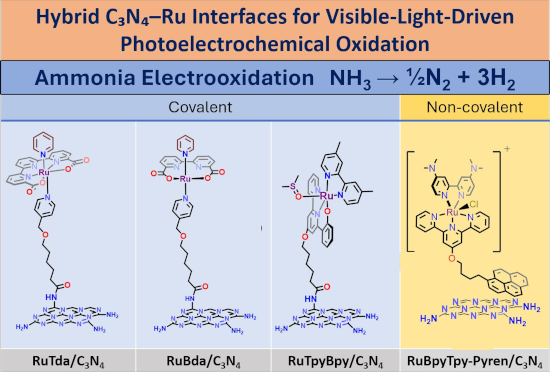
- high-surface-area amorphous S-doped variants, provides a tunable platform for exploring how semiconductor structure controls charge carrier dynamics and thereby catalytic performance. The step forward is clear in its direction if not yet in its details: It includes fabrication and characterisation of


Nanoparticle delivery systems for HIV pre-exposure prophylaxis (PrEP): advances and challenges
Beilstein J. Nanotechnol. 2026, 17, 839–853, doi:10.3762/bjnano.17.60
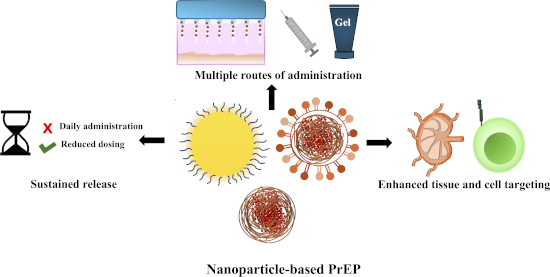
- fabrication may raise some concerns about residual solvent toxicity [53]. Another point to note is that active targeting via surface ligand decoration, common in lipid-based systems, is more challenging to implement with polymers and typically requires additional chemical modification of the polymer building


Cross-scale design of chemosensor arrays: from molecular self-assembly in water to paper-based devices for metal ion detection
Beilstein J. Nanotechnol. 2026, 17, 828–838, doi:10.3762/bjnano.17.59
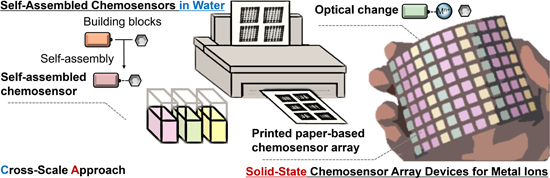
- states. Herein, the key aspect of this concept is the retention of sensing performance of the self-assembled chemosensors even on the paper substrates. Design and fabrication of the paper-based chemosensor array device The uniformity of the sensing layer significantly affects the reproducibility and
- substrates influences the magnitude of optical changes [60]. In addition, the fiber structures of paper substrates effectively contribute to the high dispersion of chemosensor elements [28]. The fabrication process in Figure 7A begins with patterning a hydrophobic layer using an office wax printer. The
- content is not subject to CC BY 4.0. (A) Schematic of device fabrication using office printers and apparatus. (B) Photograph of the 96-well microtiter paper-based chemosensor array device. Figure 7 was adapted from [20] (© 2023 Y. Sasaki et al., distributed under the terms of the Creative Commons


Sustainable fabrication of 2D-based devices through reuse of substrates with microfabricated electrodes
Beilstein J. Nanotechnol. 2026, 17, 818–827, doi:10.3762/bjnano.17.58
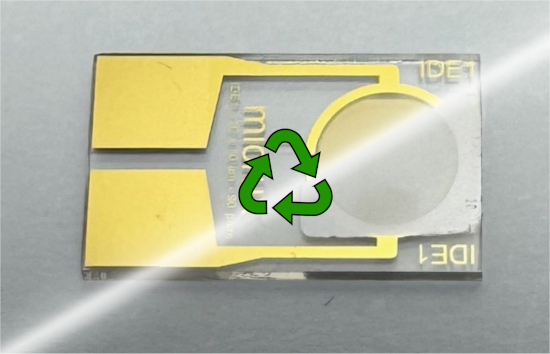
- . Keywords: 2D device fabrication; microfabricated electrode; N-methyl-2-pyrrolidone; substrate reuse; ultrasonic cleaning; Introduction Nanoscience research often needs the fabrication of proof-of-concept devices to demonstrate applications of novel nanomaterials or to study their fundamental properties [1
- reliable method for cleaning and reusing these devices would be valuable for achieving more cost-effective 2D material-based device fabrication. Several recent studies have explored substrate reuse strategies to mitigate fabrication costs and improve sustainability in device prototyping [16][17][18]. For
- electronic devices, making the fabrication process more practical for laboratories with limited access to cleanroom or microfabrication facilities. Results and Discussion Figure 1a presents a schematic illustration of the cleaning process: The chip with pre-patterned electrodes that needs to be cleaned is


Glycerol photoelectrochemical oxidation reaction at carbon nitrides/BiVO4 materials
Beilstein J. Nanotechnol. 2026, 17, 806–817, doi:10.3762/bjnano.17.57
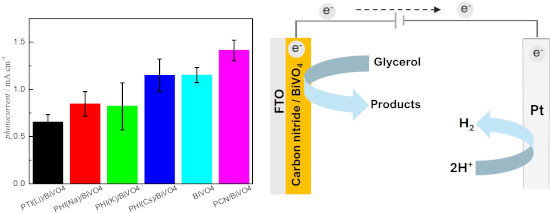
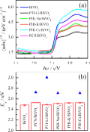
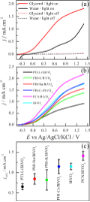
- only the initial properties of the CN but also how these properties evolve under processing conditions relevant to device fabrication and operation. Thermogravimetric analysis of PCN, Li-PTI, Na-PHI, and K-PHI in synthetic air atmosphere. X-ray diffractograms for the material deposited onto FTO





Tuning the electronic properties of defect-rich MoS2
Beilstein J. Nanotechnol. 2026, 17, 796–805, doi:10.3762/bjnano.17.56
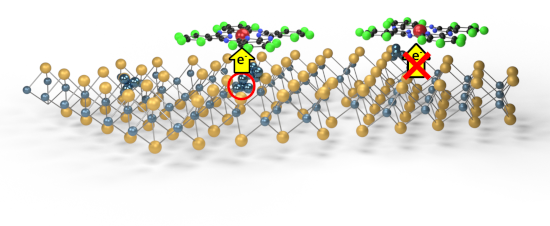
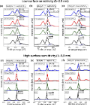
- fabrication of ultrafast photodetectors [4][5]. To tune their electronic structure for such applications, the adsorption of organic molecules is a versatile strategy [6][7], resulting, for example, in dipole-induced doping or (complex) charge transfer [8]. Photoelectron spectroscopy (PES), X-ray absorption


Interface-engineered Caco-2 cell culture on a collagen-coated liquid–liquid interface in a microfluidic device
Beilstein J. Nanotechnol. 2026, 17, 760–768, doi:10.3762/bjnano.17.53
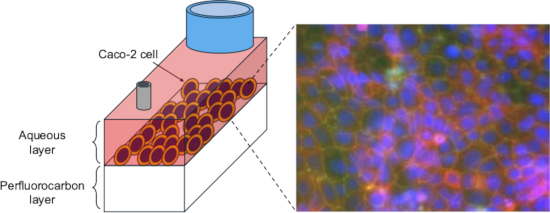
- other cell types. Experimental Device materials, reagents, and Caco-2 cells The materials for device fabrication and assembly were obtained from the following suppliers: PDMS (Silpot 184W/C, Dow Corning Toray, Tokyo, Japan) and cover glass (MICRO COVER GLASS, MATSUNAMI GLASS IND., LTD., Osaka, Japan
- , Thermo Fisher Scientific Inc., Waltham, MA, USA), FBS (Fetal Bovine Serum, Gibco, Thermo Fisher Scientific Inc., Waltham, MA, USA), Collagen type I-C (Cellmatrix® Type I-C, Nitta Gelatin Inc., Osaka, Japan) and FC-43 (3M, St. Paul, MN, USA). Device fabrication The microfluidic device was fabricated by
- following soft lithography. The polyacetal plate was milled to fabricate the molds, which were designed by three-dimensional computer-aided design software. The fabrication process is shown in Supporting Information File 1, Figure S7. Briefly, PDMS was cast on molds and cured at 85 °C for 5 h (Figure S7i


Tailoring Ag–Pt nanoalloys through solid-state dewetting: structural and optical insights
Beilstein J. Nanotechnol. 2026, 17, 748–759, doi:10.3762/bjnano.17.52

- and cost-effective fabrication method remains a critical objective. In this work, we present a detailed analysis of the structure of the obtained nanoalloys, both within the volume of the nanostructures and at their surfaces, as well as the influence of Pt content in Ag–Pt nanoalloys on their
- through the native silicon oxide film, as reported in [25], as well as in studies on ultrathin Al2O3 films described in [71]. Conclusion As shown by the presented results, the applied fabrication method enables the formation of a nanoalloy composed of elements that do not form alloys on the micro- or
- obtained by annealing at 650 °C for 15 min, bilayers with a thickness of: a) 4 nm Ag/4 nm Pt and b) 7 nm Ag/1 nm Pt. a) Schematic illustration of the fabrication process of alloy nanostructures. b) Comparison of the theoretical and measured composition of nanostructures; EDS (SEM) measured by EDS




Superconducting artificial neural networks and quantum circuits
Beilstein J. Nanotechnol. 2026, 17, 744–747, doi:10.3762/bjnano.17.51
- superconducting neural networks, to develop advanced fabrication techniques for functional nanostructures, and to propose engineering solutions enabling the practical realisation of neuromorphic computing systems. This thematic issue presents contributions from leading experts – theoreticians, experimentalists
- Josephson diode introduced in this work enforces unidirectional pulse propagation, prevents backward influence between connected neurons, and enables compact circuit designs with increased integration density. The development of advanced technologies for the fabrication of layered functional nanostructures
Environmental applications of silver nanoparticles: state-of-the-art review and emerging trends
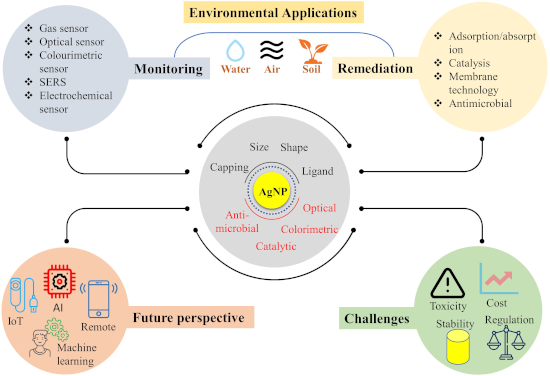
Beilstein J. Nanotechnol. 2026, 17, 697–736, doi:10.3762/bjnano.17.49


Protein-based custom-designed molecular nanotraps for biomedical applications
Beilstein J. Nanotechnol. 2026, 17, 683–687, doi:10.3762/bjnano.17.47
- -defined three-dimensional structures, with prominent examples including monoclonal antibodies that exert their therapeutic activity through specific binding to the target molecule [9]. Only recently, research has begun to explore proteins as components for the fabrication of nanostructures, such as

Cellulose as a photocatalyst support material: extraction, structural features, and environmental applications
Beilstein J. Nanotechnol. 2026, 17, 635–652, doi:10.3762/bjnano.17.44
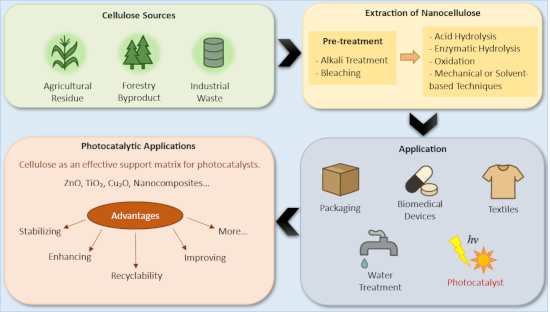
- as their nanoscale size and high aspect ratio help reduce the percolation threshold, while the abundance of surface hydroxy groups enables easy chemical modification to tune electrical properties [87][88]. Their strong mechanical strength supports the fabrication of self-standing materials without


Two-step laser synthesis of Ag@TiO2 nanomaterials for the photocatalytic degradation of rhodamine B
Beilstein J. Nanotechnol. 2026, 17, 622–634, doi:10.3762/bjnano.17.43
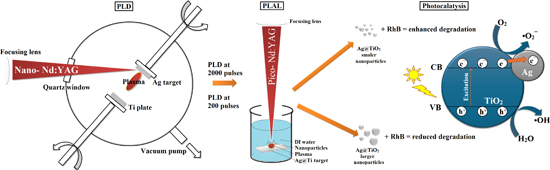
- provides an efficient and environmentally friendly route for the fabrication of Ag@TiO2 photocatalysts. Keywords: Ag@TiO2 nanomaterials; photocatalytic degradation; pulsed laser ablation in liquids; pulsed laser deposition; rhodamine B; Introduction Titanium dioxide has long been recognized as perhaps


Recent progress in enhancing built-in electric fields of perovskite solar cells via junction engineering
Beilstein J. Nanotechnol. 2026, 17, 602–621, doi:10.3762/bjnano.17.42
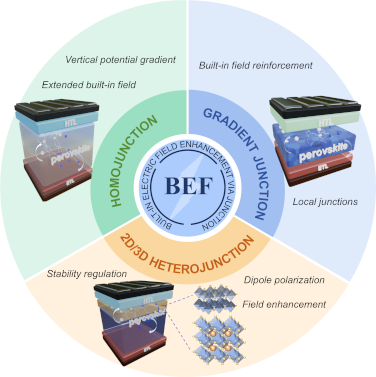
- unified framework of BEF descriptors, magnitude, penetration depth, directionality, and spatial continuity. Special emphasis is placed on the potential for synergistic integration of multiple junction architectures and on the development of mild, process-compatible fabrication routes. Ultimately
- advantages include a continuous potential distribution, fewer additional interfaces, and good compatibility with existing fabrication processes. In contrast, gradient junctions employ gradual variations in composition, ion concentration, dimensionality, or bandgap along the film thickness to create a
- requirements on fabrication uniformity, film thickness control, and precursor stoichiometry, and their process windows remain narrow, complicating large-scale manufacturing. To reconcile BEF enhancement with manufacturing feasibility, Liu et al. [37] proposed a bilayer modification strategy. They introduced




Impacts of annealing on structural and photophysical properties of zinc phthalocyanine adsorbed on graphene
Beilstein J. Nanotechnol. 2026, 17, 576–585, doi:10.3762/bjnano.17.39
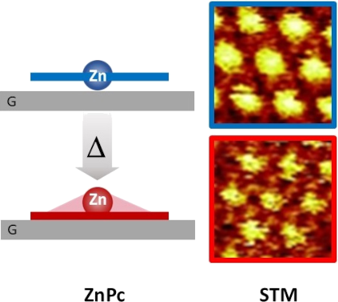
- planar structure dominated by Zn-substrate interactions towards a shuttlecock structure, with the Zn atom pointing outward, dominated by the interactions of π-conjugated PC moiety with the substrate. This result is important in the context of bottom-up fabrication through molecular self-assembly. In fact


Laser–material interactions in liquids for the synthesis of nanomaterials: current status and perspectives
Beilstein J. Nanotechnol. 2026, 17, 571–575, doi:10.3762/bjnano.17.38
- ]), generation of soft magnets for magnetocaloric applications [58], fabrication of photodetectors [59], nanoscale agents for photodynamic [60] and neutron capture therapy [61], incorporation of nanoparticles into solar cells [62], light-harvesting nanofluids [63], and materials with enhanced mechanical [64] or
Electrochemical determination of ciprofloxacin using a MIL-101/reduced graphene oxide-modified electrode
Beilstein J. Nanotechnol. 2026, 17, 541–554, doi:10.3762/bjnano.17.35
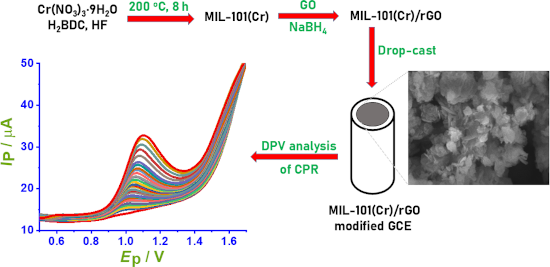
- /rGO-modified electrodes fabricated under identical conditions (Figure 9b). The peak current response was measured as ICPR = 4.29 ± 0.16 µA, corresponding to an RSD of 3.70%. The low RSD value (<5%) confirms the good fabrication reproducibility of the proposed electrode. The long-term stability of the
- exhibited excellent repeatability, strong reproducibility in fabrication, and reliable long-term stability. The practical application of the method was confirmed through successful detection of CPR in pharmaceutical products with acceptable recoveries. Overall, the MIL-101/rGO-modified electrode is a


Probing internal continua and atomic ultrafast charge transfer within size-controlled nanoparticles by post-collision interaction in core-hole clock spectroscopy
Beilstein J. Nanotechnol. 2026, 17, 505–514, doi:10.3762/bjnano.17.33
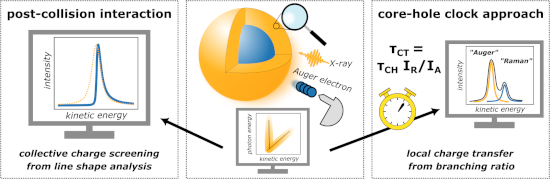
- photoluminescence quantum yield or RedOx chemistry, depend on a complex interplay of local and collective electronic structure aspects [10]. For example, quantum efficiency is strongly influenced by surface structure [11], the fabrication of core–shell and core–multishell architectures [12][13], and the choice of



Defects and defect-mediated engineering of two-dimensional materials: challenges and open questions
Beilstein J. Nanotechnol. 2026, 17, 454–488, doi:10.3762/bjnano.17.31
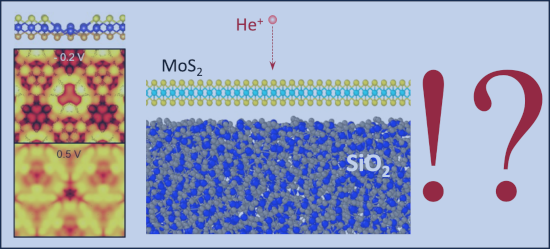
- 2D materials are synthetic; hence, in principle, the defect concentration in them can be well above the equilibrium value as the time after their fabrication may not have been sufficient to reach equilibrium. 2D materials have a high surface-to-volume ratio, so that defects can easily be formed due





Biomimetic nanoparticles in cancer photodynamic therapy: a review of targeted delivery systems and therapeutic outcomes
Beilstein J. Nanotechnol. 2026, 17, 396–422, doi:10.3762/bjnano.17.27

- nanoparticles: principles and platforms The BNP concept: nature-inspired delivery Advances in synthetic methods have enabled the fabrication of nanoparticles with a wide range of compositions, sizes, shapes, and surface properties [44][45]. These tunable characteristics make nanoparticles highly versatile for
- BNPs is primarily hindered by challenges related to large-scale production, reproducibility, and quality control. The multistep fabrication process, including extraction of cellular membranes and coating of nanoparticle cores, requires careful optimization to ensure stability and consistency [53]. Cell
- surface, enhancing their ability to recognize and bind to specific cell markers [77]. Incorporating imaging dyes or contrast agents into the BNP membrane also enables real-time tracking and monitoring of drug delivery in vivo. The main stages of biomimetic nanoparticle fabrication and subsequent surface


Interconnection morphology effects on the radio frequency response of carbon nanotube sponges
Beilstein J. Nanotechnol. 2026, 17, 343–351, doi:10.3762/bjnano.17.23
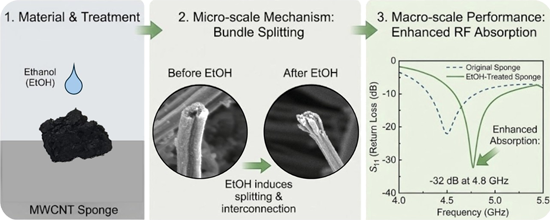
- sponge (CNS) [23], was applied as active medium for the fabrication of antennas [24]. The material consists of highly interconnected MWCNTs that are assembled during the synthesis process and confer the material its 3D shape. In addition, the assembly has interesting macroscopical properties like high