

Search results
Search for "functionalization" in Full Text gives 418 result(s) in Beilstein Journal of Nanotechnology. Showing first 200.
Environmental applications of silver nanoparticles: state-of-the-art review and emerging trends
Beilstein J. Nanotechnol. 2026, 17, 697–736, doi:10.3762/bjnano.17.49
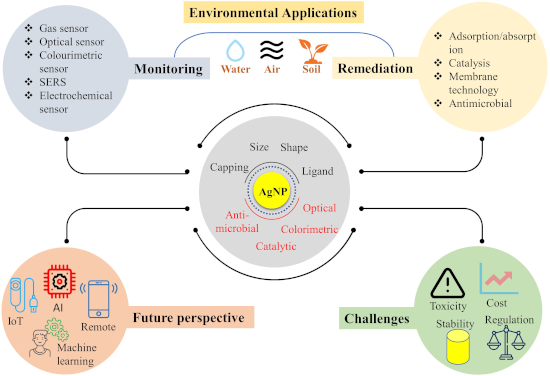
- Preparation and characterisation of AgNPs The environmental application of AgNPs is primarily determined by their functional properties, which are highly dependent on their synthesis and surface functionalization. In addition, the physicochemical properties of differently synthesised AgNPs are characterised
- rates of 0.056 and 0.166 min−1, respectively. In addition, the antifungal activity against A. alternata and F. oxysporum indicates it as a decontaminating agent [46]. The antimicrobial properties of nanosilver are highly dependent on size, shape, and surface functionalization [47]. A prior
- surface functionalization with molecules of interest. However, two separate cuvettes were used for the measurement, and the absorption coefficient (k = 3.99) and refractive index (n = 0.135) of AgNPs need to be added. In addition, a similar principle was employed by the nanoparticle tracking analyser


afspm: A framework for manufacturer-agnostic automation in scanning probe microscopy
Beilstein J. Nanotechnol. 2026, 17, 653–667, doi:10.3762/bjnano.17.45
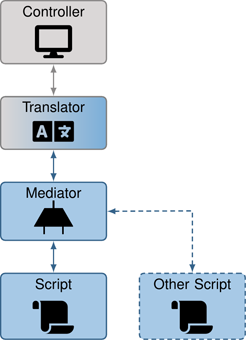
- “monitoring and fixing” automation tasks showcased in prior articles (e.g., tip functionalization) to be integrated in a straightforward manner. We demonstrated the ability to write and run generic code by testing the functionality on microscope controllers that expose each of the scripting interface types





Cellulose as a photocatalyst support material: extraction, structural features, and environmental applications
Beilstein J. Nanotechnol. 2026, 17, 635–652, doi:10.3762/bjnano.17.44
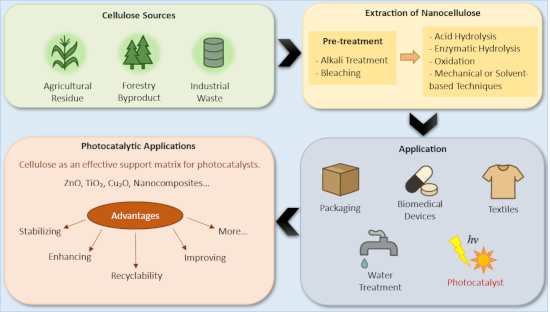
- chemical modifications that enable diverse functionalization of cellulose materials [21]. Cellulose is available in several commercial forms, including microfibrillated cellulose (MFC) and microcrystalline cellulose (MCC); other important variants include CNCs, microfibrils, and bacterial cellulose (BC
- biofuels and bio-based products, with cellulose, which is a natural, renewable, and biodegradable polymer, emerging as a central material in this transition. The modification and functionalization of CNCs open exciting opportunities for creating advanced materials with enhanced or entirely new properties
- enhancing photocatalytic performance by promoting charge separation, supporting surface functionalization, and improving light absorption, while one of its most valuable contributions lies in reducing the recombination of photogenerated electron–hole pairs. Its large surface area further helps stabilize


Two-step laser synthesis of Ag@TiO2 nanomaterials for the photocatalytic degradation of rhodamine B
Beilstein J. Nanotechnol. 2026, 17, 622–634, doi:10.3762/bjnano.17.43
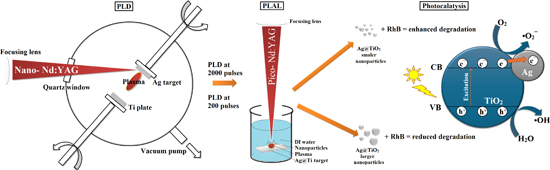
- . [33] and Wang et al. [34]), the efficiency of the Ag@TiO2 2000p NPs sample shows comparable or better degradation performance, despite differences in functionalization approaches and often higher silver content in the literature. Compared to green-synthesized Ag-TiO2 samples with a higher silver


Recent progress in enhancing built-in electric fields of perovskite solar cells via junction engineering
Beilstein J. Nanotechnol. 2026, 17, 602–621, doi:10.3762/bjnano.17.42
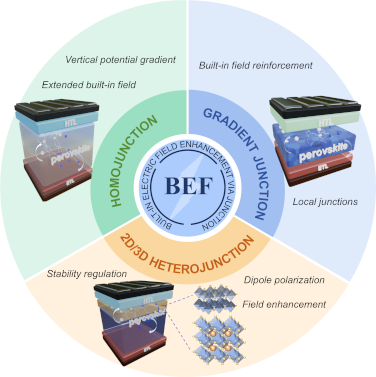
- distortions, create defects, and promote ion migration. To address these challenges, recent research has focused on precisely tuning the local potential via surface or near-surface doping and functionalization while preserving lattice continuity. Current efforts are also directed toward extending these



Towards targeted drugs and next generation of nanomedicines
Beilstein J. Nanotechnol. 2026, 17, 598–601, doi:10.3762/bjnano.17.41
- , synthesis and functionalization of nanobiomaterials, nanotechnology applied to therapy and medical diagnostics, and pharmaceutical nanotechnology. The collected articles and contributions provide a broad overview on recent advances in the field within the aforementioned topics. Additionally, it includes
Laser–material interactions in liquids for the synthesis of nanomaterials: current status and perspectives
Beilstein J. Nanotechnol. 2026, 17, 571–575, doi:10.3762/bjnano.17.38
- , functional applications often require incorporation of additives for size control [44], enhanced colloidal stability [45], or specific surface functionalization [46]. For example, the use of scavengers to capture reactive species can influence nanoparticle size [47] and increase productivity [48
Upcycling agroindustrial waste into graphene oxide supports for gold nanoparticles: toward sustainable nanomaterials
Beilstein J. Nanotechnol. 2026, 17, 489–504, doi:10.3762/bjnano.17.32
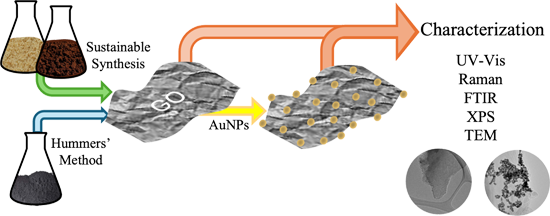
- ; hybrid nanocomposites; plasmonic nanomaterials; surface functionalization; Introduction Graphene oxide (GO), due to its unique physicochemical properties, is widely explored regarding a range of applications, including sensors, water purification, and energy storage and conversion [1][2][3][4][5]. GO is
- becomes essential to investigate the functionalization potential of Agro-GO materials as viable alternatives to conventionally produced GO [29]. The integration of gold nanoparticles (AuNPs) onto GO yields hybrid materials with synergistic enhancements, such as improved conductivity, plasmonic activity
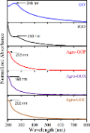
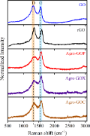
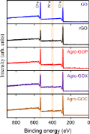
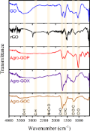
- proportions of oxygen-containing groups obtained from the C 1s deconvolution spectra reveal marked differences among GO, rGO, and Agro-GO samples, indicating that both the synthesis route and the biomass precursor tightly control surface functionalization. In GO, the oxygenated components are balanced, with



Biomimetic nanoparticles in cancer photodynamic therapy: a review of targeted delivery systems and therapeutic outcomes
Beilstein J. Nanotechnol. 2026, 17, 396–422, doi:10.3762/bjnano.17.27
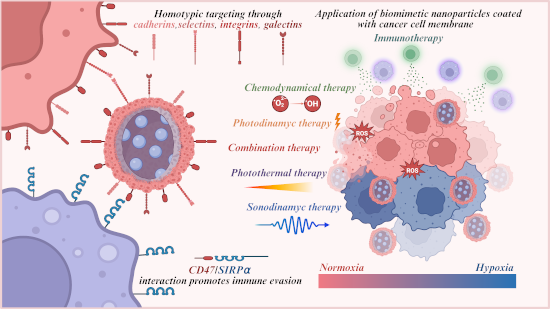
- [51]. The second generation of nanocarriers harnessed surface functionalization with antibodies, peptides, and aptamers to increase the targeting of pathogenic tissues and cells by interacting with the receptors expressed on the surface of the target cells [52]. In contrast, BNPs are designed to
- overcome all biological barriers remains an active area of research essential for clinical translation. BNP functionalization The development of biomimetic drug delivery systems has advanced rapidly, with multifunctional platforms emerging as a key focus [68][69]. By leveraging the natural properties of
- purification steps add complexity to manufacturing [70]. Genetic modification of source cells offers another avenue for BNP functionalization. By engineering cells to express specific targeting proteins or receptors before membrane extraction, it is possible to produce BNPs with highly selective targeting


Durable antimicrobial activity of fabrics functionalized with zeolite ion-exchanged nanomaterials against Staphylococcus aureus and Escherichia coli
Beilstein J. Nanotechnol. 2026, 17, 262–274, doi:10.3762/bjnano.17.18
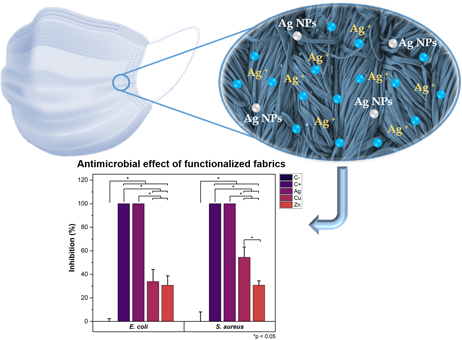
- Científica y de Educación Superior de Ensenada (CICESE), Carretera Ensenada-Tijuana, No. 3918, Zona Playitas, Ensenada 22860, México 10.3762/bjnano.17.18 Abstract Nanoparticle-based functionalization has emerged as an effective strategy to enhance the antimicrobial properties of textiles. In this study
- functionalization. This method demonstrates a simple and industry-compatible approach for producing durable antimicrobial cotton fabrics. Keywords: antimicrobial activity; Escherichia coli; fabrics functionalization; ion exchange; nanomaterial; Staphylococcus aureus; zeolite; Introduction The development of
- leaves of some plants are water- or dust-repellent, and these repellent properties can be transferred to textiles by modifying the components involved in these mechanisms [24]. Among the physicochemical methods used for fabric functionalization with nanomaterials are coatings, electrospinning, assembling




Structure-dependent thermochromism of PAZO thin films: theory and experiment
Beilstein J. Nanotechnol. 2026, 17, 186–199, doi:10.3762/bjnano.17.12
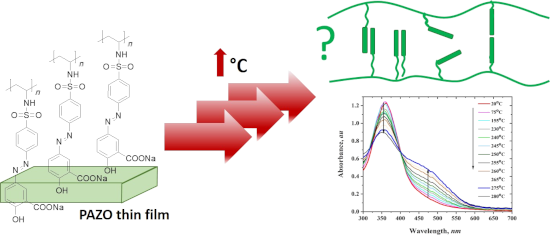
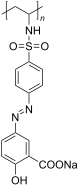
- in azopolymer thin films and offer valuable guidelines for the design of thermally responsive photonic materials. Keywords: aggregate; azopolymer; birefringence; PAZO; thermochromism; Introduction Functionalization of polymers with different photo- and bioactive groups to achieve novel


Safe and sustainable by design with ML/AI: A transformative approach to advancing nanotechnology
Beilstein J. Nanotechnol. 2026, 17, 176–185, doi:10.3762/bjnano.17.11
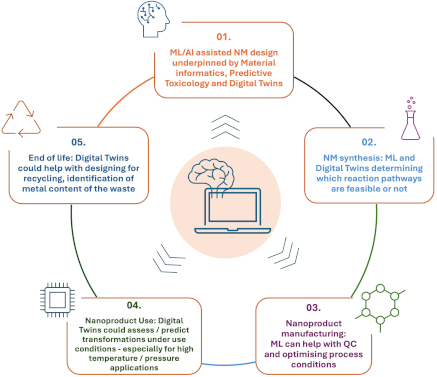
- – such as surface functionalization, doping strategies, or substituting alternative compounds – are implemented prior to commercialization. Overall, the synergy between predictive toxicology and SSbD underscores a forward-looking commitment to responsible, sustainable nanotechnology, as these
- powerful aspects of materials informatics lies in its ability to integrate machine learning with multiscale simulation tools – ranging from molecular dynamics to density functional theory – which helps researchers correlate nanoscale features such as particle size, shape, and surface functionalization with


Development and in vitro evaluation of liposomes and immunoliposomes containing 5-fluorouracil and R-phycoerythrin as a potential phototheranostic system for colorectal cancer
Beilstein J. Nanotechnol. 2026, 17, 97–121, doi:10.3762/bjnano.17.7
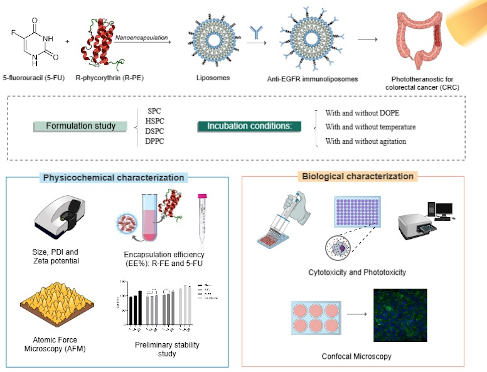
- lipophilic substances. Furthermore, liposomes can also act as a protein delivery system, reducing enzymatic degradation of proteins and enhancing their stability and their permeability through cell membranes [7]. Immunoliposomes provide many advantages by surface functionalization with targeting biomolecules
- . These systems are formed by monoclonal antibodies linked to the lipid bilayer, allowing the nanoparticle to recognize and specifically bind to receptors overexpressed in the membrane of tumor cells. This active functionalization expands the therapeutic potential of liposomes by promoting greater
- receptor (EGFR) has been widely explored as a therapeutic target, given its high expression in tumors, especially the most aggressive and metastatic ones [9]. Functionalization with anti-EGFR antibodies, such as cetuximab, allows the construction of immunoliposomes capable of selectively recognizing these



Functional surface engineering for cultural heritage protection: the role of superhydrophobic and superoleophobic coatings – a comprehensive review
Beilstein J. Nanotechnol. 2026, 17, 63–96, doi:10.3762/bjnano.17.6
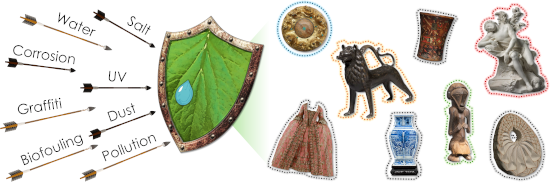
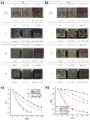
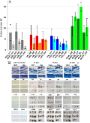
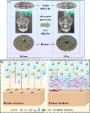
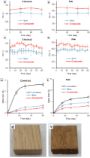
- Penteli) using a simple layer-by-layer spray surface functionalization technique. The authors claimed that the components were water-soluble, easily accessible, and with the possibility to tune properties like adhesion, self-healing, and weathering resistance by optimizing the procedure for their
- geopolymers, principally made of aluminosilicates, are materials chemically similar to ceramics [72]. In their study, Ielo et al. [67] developed and tested hybrid sol–gel coatings based on alkoxysilanes with varying molecular structures. Two different functionalization strategies were used. One involved a




Reduced graphene oxide paper electrode for lithium-ion cells – towards optimized thermal reduction
Beilstein J. Nanotechnol. 2026, 17, 24–37, doi:10.3762/bjnano.17.3
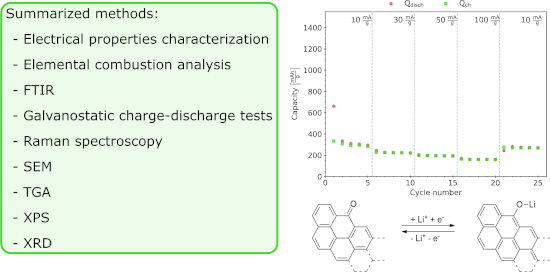
- preparation [33] is scalable and does not require any toxic solvents, binding agents or chemicals for the reduction process. Moreover, one expects the functionalization to improve the stability and capacity of the final material. Experimental Graphene oxide paper preparation To begin with, the G-Flake
- ; the reduced graphene oxide flakes are the sole component of the obtained films. Further research will include rGO paper functionalization to stabilize the material’s performance and improve its capacity. The discharge capacity values for sample T800 reached at least ≈159 mAh/g at 100 mA/g current
- gravimetric capacity below 200 mAh/g obtained during cycling at 100 mA/g current density. The basic rGO paper parameters investigated herein allow for further development of graphene paper electrode materials with a particular focus on functionalization and the graphene paper thickness. (a) Scheme of a



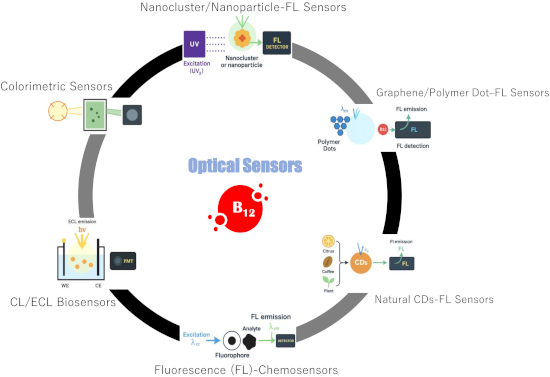
Optical bio/chemical sensors for vitamin B12 analysis in food and pharmaceuticals: state of the art, challenges, and future outlooks
Beilstein J. Nanotechnol. 2025, 16, 2207–2244, doi:10.3762/bjnano.16.153


Ultrathin water layers on mannosylated gold nanoparticles
Beilstein J. Nanotechnol. 2025, 16, 2183–2198, doi:10.3762/bjnano.16.151
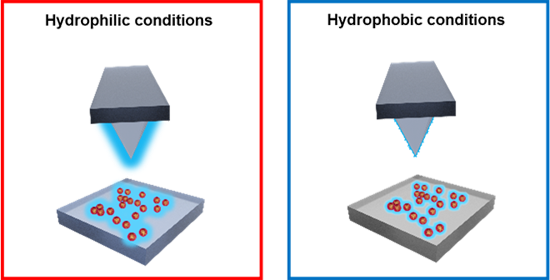
- -propanol, and absolute ethanol and then dried with a nitrogen stream. Oxygen plasma etching (Diener, DE) was carried out for 8 min with 300 W of nominal power (100%), at millibars of oxygen pressure, which creates an OH-terminated layer of hydrophilic silicon oxide. For the hydrophilic functionalization
- , the surfaces were subsequently immersed in 2 mL of APDMES in toluene (1:100 v/v) and heated to 60 °C for 30 min. To avoid the hydrolyzation of APDMES, the procedure was achieved in a glove box. After functionalization, the surfaces were rinsed in toluene and dried in flowing nitrogen. The hydrophobic
- functionalization was performed as reported in [24]. Silicon wafers were washed first in methanol, then in a 1:1 v/v mixture of methanol and chloroform, and finally in chloroform under 5 min sonication at every step. Afterwards, the surfaces were immersed in a 7:2:1 (v/v) mixture of decalin (cis and trans)/toluene



Stereodiscrimination of guests in chiral organosilica aerogels studied by ESR spectroscopy
Beilstein J. Nanotechnol. 2025, 16, 2034–2054, doi:10.3762/bjnano.16.140
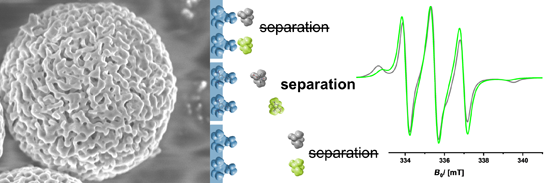
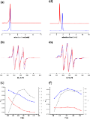
- ), quantitative evaluation of the spectra allowed for investigating various confinement effects. Our focus was on understanding how a particular functionalization of the surfaces in combination with 3CP and the solvent influences transport properties, and novel ESR imaging techniques were used to determine
- is that almost any functional group can be attached by the so-called click chemistry or, in this case, thiol-Michael addition [58][59][60][61][62]. The methodology can be used for further functionalization of the aerogel materials [63]. For instance, the addition of perfluorostyrene affords ArFSH
- ), we prepared two new materials, namely, TEMPONHxSIL and TEMPONHyoSIL (Figure 12). Via amide coupling chemistry, in a post-functionalization step, we attached a pentafluorophenol-activated 4-carboxy-2,2,6,6-tetramethylpiperidinyloxyl (R = TEMPO; Figure 12) group. The reaction delivers an ESR-active




Current status of using adsorbent nanomaterials for removing microplastics from water supply systems: a mini review
Beilstein J. Nanotechnol. 2025, 16, 1837–1850, doi:10.3762/bjnano.16.127
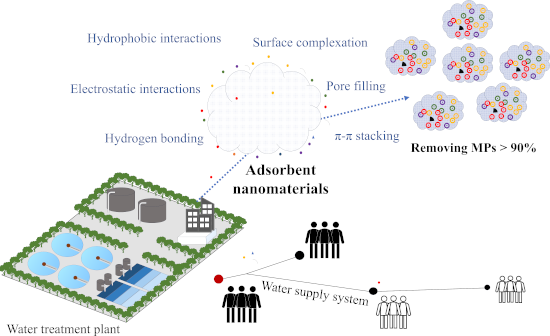
- process. According to Goel et al., the physical methods primarily rely on magnetic separation, while chemical approaches focus on nanoparticle functionalization to improve their effectiveness in microplastic removal [74]. Accordingly, numerous magnetic nanomaterials have been investigated and modified to
- improve functionalization. To be specific, by modifying the material, Wang et al. generated magnetic biochar, Mg-modified magnetic biochar, and Zn-modified magnetic biochar with PS removal efficiencies ranging from 94.81% to 99.46%. The created materials demonstrated good reusability, maintaining
- strength, and MP size, with sizes below 100 μm normally requiring optimized surface functionalization for effective treatment. The influence of these factors on removal efficiency has also been highlighted in numerous studies, particularly those focusing on the synthesis of magnetic nanomaterials [52][78


Exploring the potential of polymers: advancements in oral nanocarrier technology
Beilstein J. Nanotechnol. 2025, 16, 1751–1793, doi:10.3762/bjnano.16.122
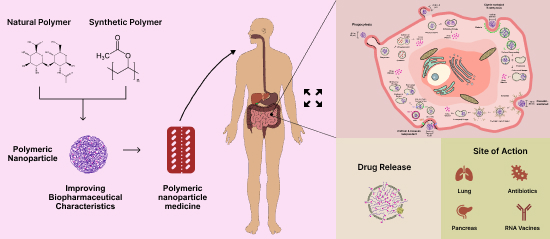
- reduction in tumor size and prevented recurrence when compared to intraperitoneal injection of taxol and doxorubicin. The in vitro and in vivo findings (see Table 2) confirmed that the nanocapsules isolated the active payload, preventing enzymatic degradation, while functionalization facilitated targeted


Nanotechnology-based approaches for the removal of microplastics from wastewater: a comprehensive review
Beilstein J. Nanotechnol. 2025, 16, 1607–1632, doi:10.3762/bjnano.16.114
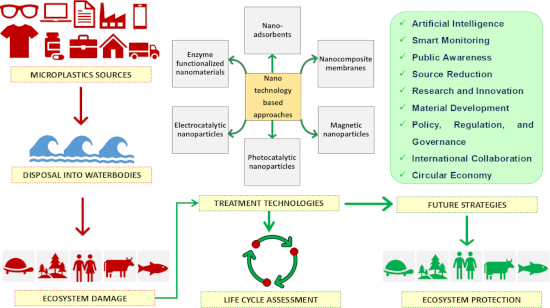
- key properties of nanoparticles include high surface area, extensive functionalization, high reactivity, and size-dependent characteristics. By leveraging these properties, water treatment methods can be refined at the nanoscale to selectively target pollutants [16][17]. This comprehensive review
- recognized for enhancing efficiency, affordability, effectiveness, and durability. These benefits stem from unique properties such as high specific surface area, increased reactivity, extensive functionalization, and size-dependent behaviour. By leveraging these characteristics, water treatment processes can
- , adaptability for functionalization and superior sorption capacity. Carbon materials with graphene-like structures, made up of sp2-hybridized carbon atoms, have gained considerable interest for their use in water treatment technologies. Their abundance of functional groups, expansive surface area, and inherent


Dendrimer-modified carbon nanotubes for the removal and recovery of heavy metal ions from water
Beilstein J. Nanotechnol. 2025, 16, 1522–1532, doi:10.3762/bjnano.16.107
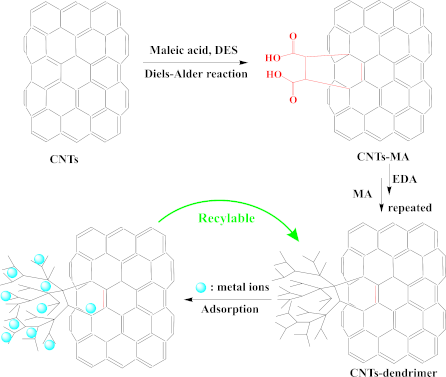
- efficiency. Generally, dendrimer growth on CNT surfaces requires pre-functionalization through radiation or chemical oxidation processes involving strong acids and oxidants [31][32][33][34][35]. However, these processes can damage CNTs, thus diminishing their core properties and generating large amounts of
- acidic waste at the same time. Covalent functionalization of dendrimers on CNT surfaces via Diels–Alder reactions transforming sp2 carbon into sp3 carbon is a desirable alternative. This technique has been successfully used to generate various functionalities on CNT surfaces using different organic
- biosynthesis, extraction processes, and organic reactions [43]. In this study, we focus on the pre-functionalization of CNTs via Diels–Alder reaction using DES as the sole catalytic system under sonication energy and subsequent growth of dendrimers. We further evaluate the potential of the CNTs in the removal


Cross-reactivities in conjugation reactions involving iron oxide nanoparticles
Beilstein J. Nanotechnol. 2025, 16, 1504–1521, doi:10.3762/bjnano.16.106
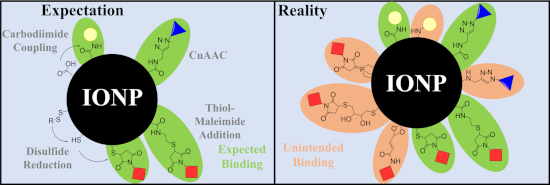
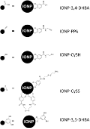
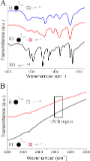
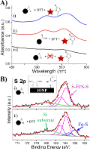
- IONPs (IONP-3,4-DHBA) as a platform upon which carbodiimide coupling can be used to conjugate clickable small molecules for further functionalization using two common click reactions, namely, the copper-catalyzed azide–alkyne cycloaddition (CuAAC), and the thiol–maleimide Michael addition reactions
- ]. Magnetite (Fe3O4) nanoparticles (NPs), in particular, have been explored for these applications, due to their low toxicity, biocompatibility, and high saturation magnetization [4]. These applications require reliable and controlled surface functionalization to impart desired functionality, such as tissue
- ]. Indeed, the versatility of this coupling reaction has led to numerous reports of its use with IONPs, through surface functionalization with either thiols or maleimides [10][32][33][34][35][36][37][38][39]. The IONP surface can also be capped with disulfide ligands, such as glutathione disulfide (GSSG







Laser processing in liquids: insights into nanocolloid generation and thin film integration for energy, photonic, and sensing applications
Beilstein J. Nanotechnol. 2025, 16, 1428–1498, doi:10.3762/bjnano.16.104
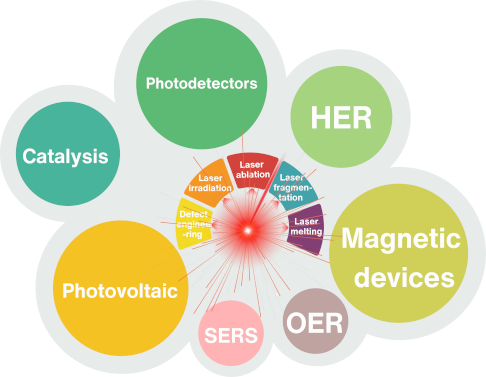
- better after spin coating than drop casting [110]. A functionalization study on SiC nanocrystals was made. SiC–polyvinyl alcohol (PVA) polymeric nanocomposites were manufactured by adding silicon carbide NPs prepared by PLAL to PVA and thin films of the composites were prepared by spin coating on glass






Photochemical synthesis of silver nanoprisms via green LED irradiation and evaluation of SERS activity
Beilstein J. Nanotechnol. 2025, 16, 1417–1427, doi:10.3762/bjnano.16.103
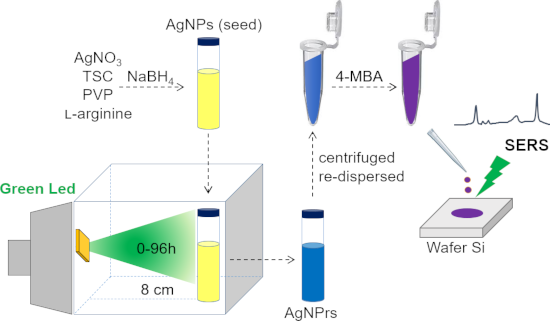
- affinity toward silver nanoparticles via Ag–S bonding, which significantly enhances the SERS signal. Additionally, the carboxylic acid (–COOH) group of 4-MBA readily enables further functionalization with other compounds, making it suitable for biosensing applications. The Raman spectrum of solid 4-MBA