
Search results
Search for "human health" in Full Text gives 115 result(s) in Beilstein Journal of Nanotechnology.
Environmental applications of silver nanoparticles: state-of-the-art review and emerging trends
Beilstein J. Nanotechnol. 2026, 17, 697–736, doi:10.3762/bjnano.17.49
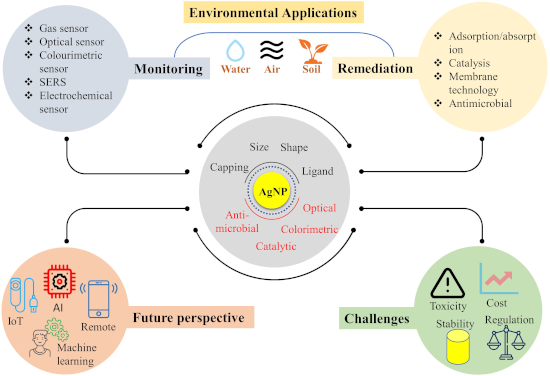
- poses a significant threat to human health and the environment, necessitating the development of efficient and sustainable air purification technologies. The primary air pollutants include particulate matter (PM), gases (CO, NO2, SO2), metals (Pb), PAHs, volatile organic compounds (VOCs), and dioxins
- membrane exhibited broad-spectrum antibacterial activity, with a maximum inhibition zone [162]. 3.2.2 Removal of VOCs. Volatile organic compounds are major air pollutants that contribute to smog formation and pose risks to human health. These are ubiquitous air pollutants emitted by various sources


Cellulose as a photocatalyst support material: extraction, structural features, and environmental applications
Beilstein J. Nanotechnol. 2026, 17, 635–652, doi:10.3762/bjnano.17.44
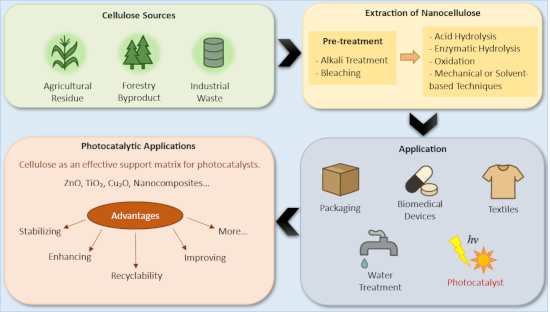
- solve a major challenge in photocatalytic treatment, which is the recovery of TiO2 from water after use, thereby making the process more efficient and easier to manage [102]. This strategy also reduces the risk of TiO2 nanoparticle contamination in treated water, an important factor in protecting human
- health. The growing interest in cellulose films as supports for TiO2 is further driven by cellulose’s natural advantages: it is biodegradable, widely available, cost-effective, and highly versatile, with a structure that can be easily modified to suit diverse applications including photocatalytic


Two-step laser synthesis of Ag@TiO2 nanomaterials for the photocatalytic degradation of rhodamine B
Beilstein J. Nanotechnol. 2026, 17, 622–634, doi:10.3762/bjnano.17.43
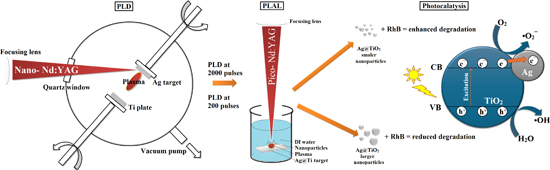
- photosynthetic activity by limiting light penetration in water bodies and causes toxicity to aquatic organisms. Furthermore, RhB is considered a potential mutagen and carcinogen, capable of causing DNA damage and posing significant risks to human health through bioaccumulation in the food chain. Given these


Electrochemical determination of ciprofloxacin using a MIL-101/reduced graphene oxide-modified electrode
Beilstein J. Nanotechnol. 2026, 17, 541–554, doi:10.3762/bjnano.17.35
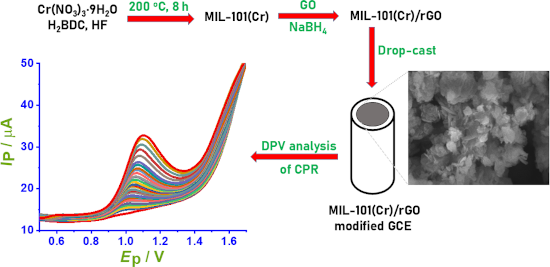
- fluids, and aquatic environments [2][3]. The uncontrolled presence of ciprofloxacin not only poses risks to human health but also promotes the development of antibiotic-resistant bacteria, raising significant environmental and public health concerns [4]. Therefore, developing sensitive, selective, and


First-principles study on elastic properties of Cu, (Cu1−x,Nix)3Sn and interfacial mechanical properties of (Cu1−x,Nix)3Sn/Cu in the lead-free solder joint
Beilstein J. Nanotechnol. 2026, 17, 428–439, doi:10.3762/bjnano.17.29
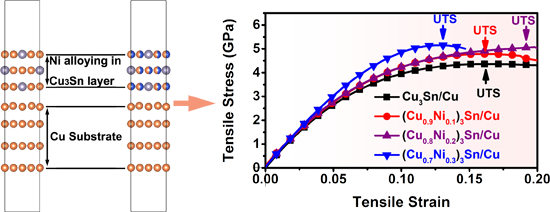
- alloying strategies to meet the requirements for electronic device miniaturization and harsh environmental applications. Keywords: ductility; elastic modulus; interfacial toughness; lead-free solder; work of adhesion; Introduction Due its toxicity, lead has caused serious problems in human health and


Eco-efficient materials for agricultural crops based on a mineral rich in MOR- and HEU-type zeolites
Beilstein J. Nanotechnol. 2026, 17, 381–395, doi:10.3762/bjnano.17.26
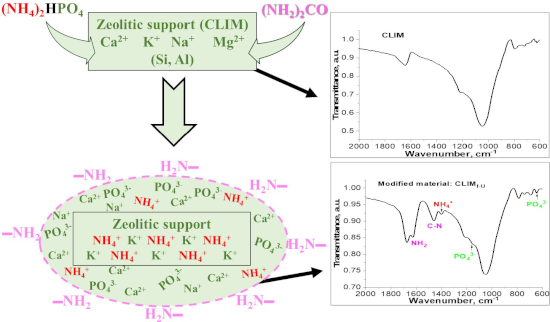
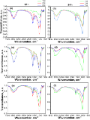
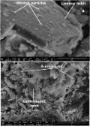
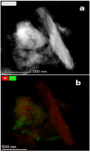
- consequent drag and infiltration under the action of irrigation water and rain [1]. This problem, which is also associated with volatilization and emission of NO, NH3, and other gases into the atmosphere, poses severe risks to the environment and causes serious damage to human health [2]. Minerals rich in




Safe and sustainable by design with ML/AI: A transformative approach to advancing nanotechnology
Beilstein J. Nanotechnol. 2026, 17, 176–185, doi:10.3762/bjnano.17.11
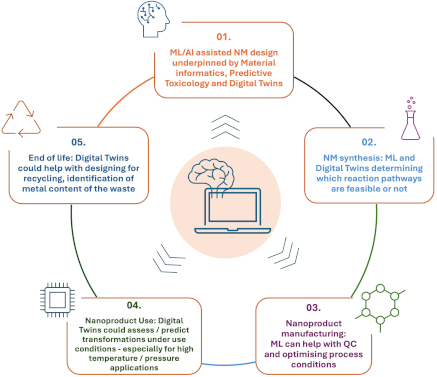
- properties that may be harmful to human health or the environment in particular groups of chemicals likely to be (eco)toxic, persistent, bio-accumulative, or mobile. Overall sustainability should be ensured by minimizing the environmental footprint of chemicals and materials in particular in relation to
- computational methods help deliver materials that meet performance demands without compromising human health or the environment. Materials informatics To date, materials informatics has been predominantly focussed on optimizing functionality, largely through materials acceleration platforms (MAPs) that combine
- . By illuminating the hidden risks that can arise across the lifespan of a material, they help ensure that nanotechnological innovations do not inadvertently compromise human health or ecological balance. Digital twins in safe by design Digital twins represent a significant leap in SSbD methodologies


Microplastic pollution in Himalayan lakes: assessment, risks, and sustainable remediation strategies
Beilstein J. Nanotechnol. 2025, 16, 2144–2167, doi:10.3762/bjnano.16.148
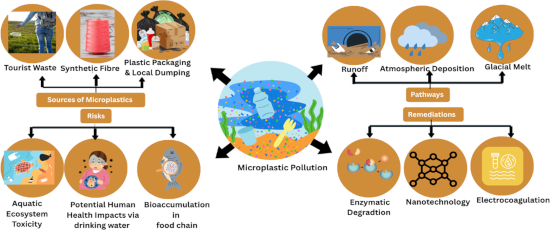
- degradation byproducts MPs come from various sources and are responsible for environmental and human health risks. First, plastics are manufactured with chemical additives such as phthalates, bisphenol A (BPA), and brominated flame retardants, which are endocrine disruptors and carcinogens [115][116]. Second
- fluctuations release toxic byproducts and nanoplastics, which are more bioavailable and more easily taken up by cells [118][119]. These collective mechanisms of toxicity are a threat to freshwater biodiversity and human health. Their activity is particularly vital to individuals relying on such water for
- their physical structure, MPs are also significantly hazardous through the additives and byproducts that they release into the environment [120][121]. 7.3 Long-term implications for ecosystem and human health Long-term exposure to MPs can potentially alter fundamental ecological processes such as


Targeting the vector of arboviruses Aedes aegypti with nanoemulsions based on essential oils: a review with focus on larvicidal and repellent properties
Beilstein J. Nanotechnol. 2025, 16, 1894–1913, doi:10.3762/bjnano.16.132
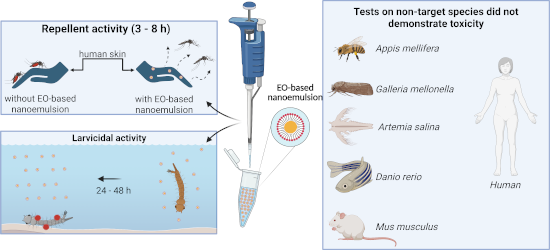
- sustainable vector control strategies that minimize risks to human health and delay the onset of insecticide resistance. In this context, natural products have emerged as a promising alternative for mosquito control, particularly as larvicides, given that many insecticides are derived from natural compounds


Current status of using adsorbent nanomaterials for removing microplastics from water supply systems: a mini review
Beilstein J. Nanotechnol. 2025, 16, 1837–1850, doi:10.3762/bjnano.16.127
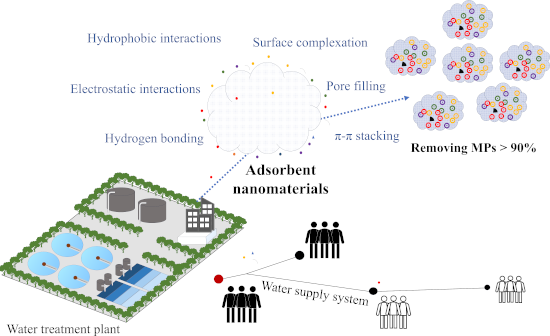
- stability but also human health over the long term. These risks highlight the urgent need for effective strategies to mitigate MP pollution in both environmental and water supply systems. While numerous review papers have been conducted to evaluate the status of MP pollution, most of these papers have
- protecting both human health and aquatic ecosystems. Review Sources and distribution pathways of MPs to water supply system Microplastics can be classified as primary or secondary. Primary MPs are intentionally manufactured for various applications, whereas secondary MPs result from the degradation or
- may generate secondary pollutants, contributing to environmental contamination [49][113]. Exposure to nanomaterials can occur through release into the environment during synthesis, application, or disposal [114]. Such exposure poses potential risks not only to human health, but also to the environment


Multifunctional anionic nanoemulsion with linseed oil and lecithin: a preliminary approach for dry eye disease
Beilstein J. Nanotechnol. 2025, 16, 1711–1733, doi:10.3762/bjnano.16.120

- linoleic acid (LA, omega–6) are recognized as essential bioactive compounds, making LO valuable for medicinal applications. Notably, ALA is metabolized into eicosapentaenoic acid (EPA, C20:5) and docosahexaenoic acid (DHA, C22:6), providing polyunsaturated fatty acids (PUFAs) that are vital for human
- health [65][66]. PUFAs are well-known for their therapeutic potential, particularly their anti-inflammatory and antioxidant properties [30], showing promising results in systemic and topical treatment [33][67][68], including for dry eye disease [35][36][69]. The viscosity, density, and AV of LO at both



Nanotechnology-based approaches for the removal of microplastics from wastewater: a comprehensive review
Beilstein J. Nanotechnol. 2025, 16, 1607–1632, doi:10.3762/bjnano.16.114
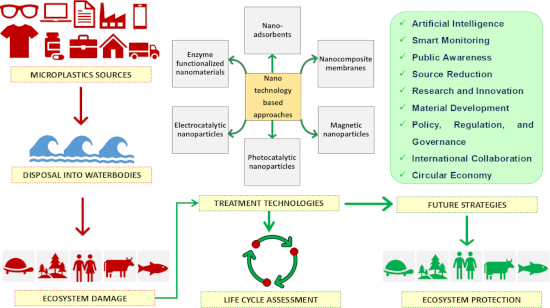
- , metabolic disruption, and immune responses, highlighting the urgent need for further research on their health impacts. Figure 3 shows various impacts of MPs on human health and environment. Removal of MPs from wastewater Figure 4 depicts various techniques for the removal of MPs from aqueous environments
- , making them reusable and cost-effective in the long run. However, the high production cost of carbon nanomaterials may hinder their adoption in large-scale water treatment systems. Environmental concerns also arise due to the potential release of these nanoparticles, which may pose risks to both human
- health and ecosystems. Additionally, carbon nanomaterials often aggregate in water, diminishing their adsorption efficiency, and their fabrication typically involves advanced techniques and costly equipment, which further limits widespread use [114]. The mechanism involved in the removal of MPs using


Dendrimer-modified carbon nanotubes for the removal and recovery of heavy metal ions from water
Beilstein J. Nanotechnol. 2025, 16, 1522–1532, doi:10.3762/bjnano.16.107
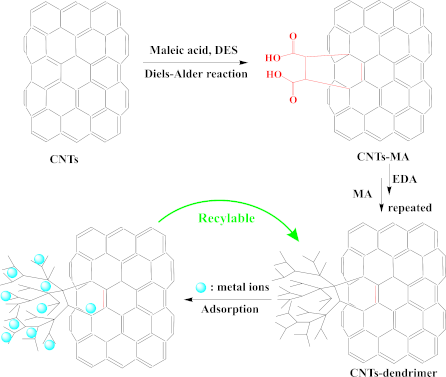
- of water bodies with heavy metal ions poses a significant threat to the environment and human health due to their non-degradable nature and toxicity. Metal-oriented industries such as battery manufacturing, mining, electroplating, and metal recycling are growing day by day, and so are the chances of


The role of biochar in combating microplastic pollution: a bibliometric analysis in environmental contexts
Beilstein J. Nanotechnol. 2025, 16, 1401–1416, doi:10.3762/bjnano.16.102
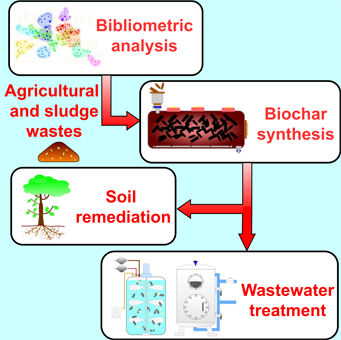
- recycled in 2015, with 12% incinerated and 79% accumulating in landfills or the natural environment [4]. Microplastics (MPs) have garnered significant attention due to their adverse impacts on human health and the ecological environment. Research primarily focuses on identifying their presence, risks, and
- sources in the environment and biota. Although MPs are produced in large quantities, effective removal techniques remain underdeveloped [5][6]. Recent studies have confirmed the widespread presence of MPs in agricultural soils and water bodies, highlighting their environmental and human health risks. In
- MPs, underscoring the role of treatment facilities as pathways for MP release into aquatic environments [11]. The ecological and human health risks associated with MPs necessitate urgent mitigation strategies. In Yan’an, China, MP pollution loading indices ranged from 1.00 to 2.48, indicating light



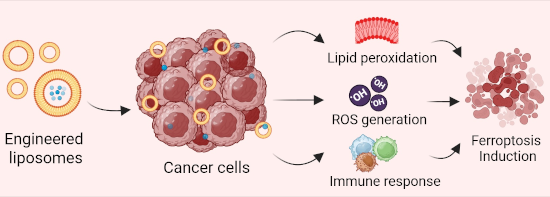
Ferroptosis induction by engineered liposomes for enhanced tumor therapy
Beilstein J. Nanotechnol. 2025, 16, 1325–1349, doi:10.3762/bjnano.16.97


Chitosan nanocomposite containing rotenoids: an alternative bioinsecticidal approach for the management of Aedes aegypti
Beilstein J. Nanotechnol. 2025, 16, 1197–1208, doi:10.3762/bjnano.16.88
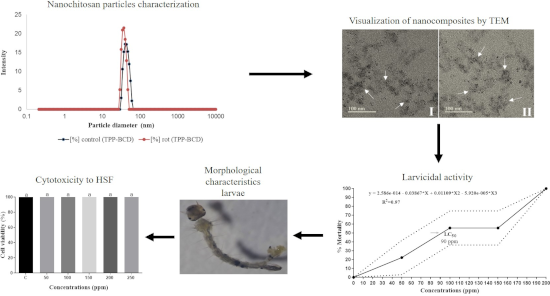
- significant advancement, vector management remains the primary strategy for preventing these urban arboviruses. In this context, the development of pesticides that offer safer alternatives for the environment and human health has become urgent. In this study, a chitosan-based nanocomposite was developed as a
- /TPP–β-CD–rot nanocomposite exerted cytotoxic effects, confirming their favorable safety profile. These findings highlight the potential of nanotechnology to enhance the efficacy of bioactive compounds while minimizing environmental and human health risks, offering a sustainable and innovative strategy
- selective toxicity to target organisms, making them a viable alternative for developing new insecticide formulations. Combining these attributes with nanoparticle encapsulation strategies, it is possible to considerably increase the biocidal agent efficacy while reducing the environmental and human health



Synthesis of a multicomponent cellulose-based adsorbent for tetracycline removal from aquaculture water
Beilstein J. Nanotechnol. 2025, 16, 728–739, doi:10.3762/bjnano.16.56
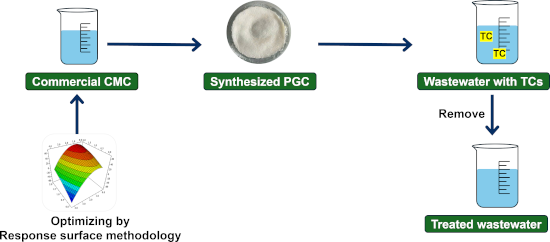
- it effective in controlling various bacterial infections in shrimp. However, unregulated antibiotic usage poses significant risks, including the presence of antibiotic residues in seafood, which threaten human health. More broadly, overuse of antibiotics diminishes aquatic biodiversity and leads to


Polyurethane/silk fibroin-based electrospun membranes for wound healing and skin substitute applications
Beilstein J. Nanotechnol. 2025, 16, 591–612, doi:10.3762/bjnano.16.46
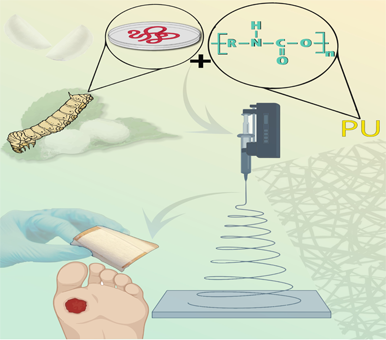
- , focused on improving human health through innovative technologies [1]. It is a broad interdisciplinary field that includes biology, medicine, engineering, and materials science, which all work together to address the intricate medical needs of societies [2]. The ultimate goal of biomedical research is to




Quantification of lead through rod-shaped silver-doped zinc oxide nanoparticles using an electrochemical approach
Beilstein J. Nanotechnol. 2025, 16, 422–434, doi:10.3762/bjnano.16.33
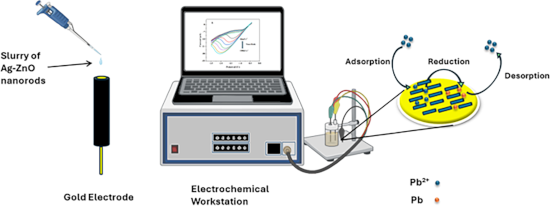
- their acute exposure leads to chronic disorders by affecting organ functions [2]. For example, lead poisoning in liquid effluents, is one of the worst environmental hazards which can affect human health and readily impact immune responses [3]. Due to the detrimental effects on the environment and human
- health, determining the presence of trace heavy metals is crucial. Lead is a highly toxic element that affects human soft tissues and organs, acting in concert with other carcinogens to cause cancer in the kidneys, lungs, or brain. Lead paint, lead-containing petrol, mining, and smelting are some of the


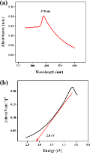


Engineered PEG–PCL nanoparticles enable sensitive and selective detection of sodium dodecyl sulfate: a qualitative and quantitative analysis
Beilstein J. Nanotechnol. 2025, 16, 385–396, doi:10.3762/bjnano.16.29
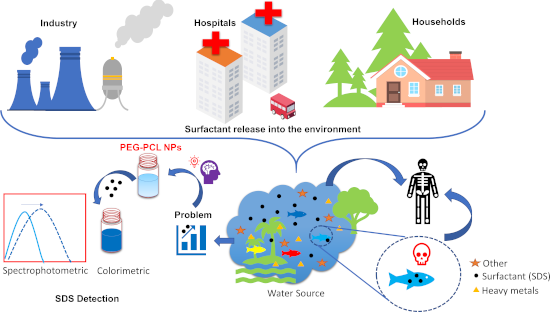
- hypothesize that PEG–PCL NPs can serve as effective colorimetric probes for SDS detection, addressing the need for a rapid, nontoxic, selective, and cost-effective environmental and human health protection sensor. The current study is based on developing a colorimetric/spectrometric sensing probe for SDS


Emerging strategies in the sustainable removal of antibiotics using semiconductor-based photocatalysts
Beilstein J. Nanotechnol. 2025, 16, 264–285, doi:10.3762/bjnano.16.21
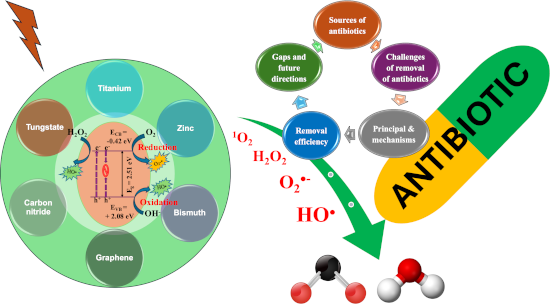
- to human health and ecological balance, requiring immediate and novel intervention techniques. Regarding this, semiconductor-based photocatalysts have appeared as promising candidates, providing a sustainable and efficient way to remove antibiotics from aquatic ecosystems. Nanomaterials can
- mechanisms of how these materials or processes degrade antibiotics. They do not address the entry of antibiotics into the environment, their adverse impact on human health and the environment, or the effects of each treatment process in relation to established industrial applications. As a result, there is a
- the environment The challenge of removing antibiotics from the environment, including water bodies, soil, and wastewater, is commonly called the antibiotic removal problem. Antibiotics present in the environment pose risks to both ecosystems and human health. Several primary barriers contribute to the



Comparison of organic and inorganic hole transport layers in double perovskite material-based solar cell
Beilstein J. Nanotechnol. 2025, 16, 119–127, doi:10.3762/bjnano.16.11
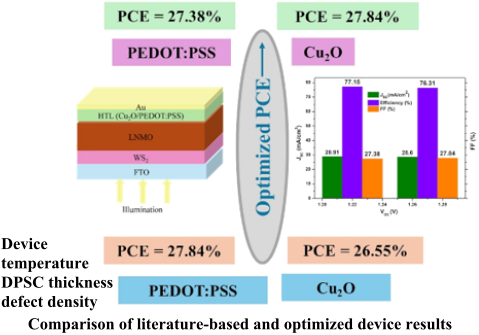
- , as well as geothermal, tidal, and solar energy. Renewable energy sources are unlimited and can be constantly replenished. In the coming years, renewable energy sources will contribute to decarbonizing energy systems. Solar energy safeguards both human health and a healthy environment [1]. Akmam and


Modeling and simulation of carbon-nanocomposite-based gas sensors
Beilstein J. Nanotechnol. 2025, 16, 90–96, doi:10.3762/bjnano.16.9
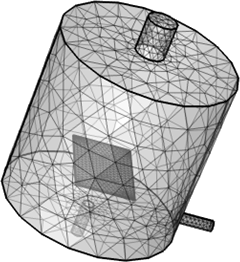
- range from mild headaches and light headedness to sudden death or permanent brain damage. In houses as well as workplaces, it is important to ensure the constant monitoring of enclosed areas for carbon monoxide presence because of the severe risks to human health. Traditional CO sensors, although



Biomimetic nanocarriers: integrating natural functions for advanced therapeutic applications
Beilstein J. Nanotechnol. 2024, 15, 1619–1626, doi:10.3762/bjnano.15.127
- strategy for personalized medicine. Keywords: cancer; drug delivery; human health; mimetics; nanotechnology; Introduction Human exposure to nanoparticles has naturally occurred for millennia, with a notable intensification following the industrial revolution [1]. The foundational concept of modern
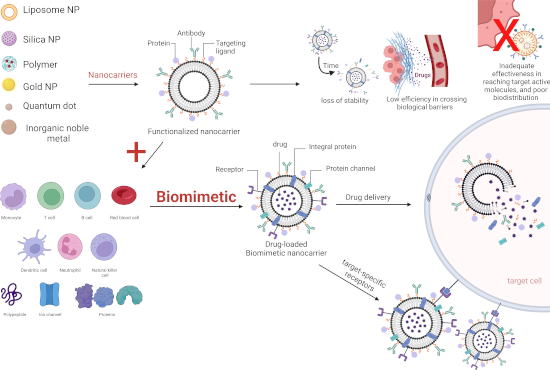
- new opportunity for personalized therapies [12][18][19]. Here, we explored the implications of biomimetic nanostructured carriers and their applications in human health. Biomimetic Nanocarriers The principle of biomimetic nanocarriers involves coating nanoscale carriers with materials capable of
- main solutions that biomimetics addresses (Figure 2C). This approach has demonstrated that complex nanocarrier drug delivery systems need to exhibit compatible surfaces with target cells to enhance their functional capabilities [19]. Biomimetic Nanocarriers in Human Health The field of nanocarriers for


Liver-targeting iron oxide nanoparticles and their complexes with plant extracts for biocompatibility
Beilstein J. Nanotechnol. 2024, 15, 1593–1602, doi:10.3762/bjnano.15.125
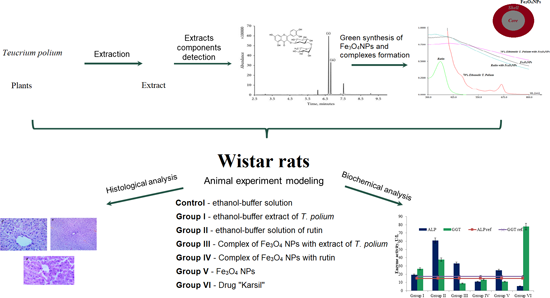
- challenges associated with human health. Nanotechnology offers great opportunities in medicine because of the physicochemical properties at the nanoscale. There are efforts to apply unique quantum phenomena at the nanoscale in the fields of medicine, biomedical sciences, bioengineering, food technology