


Search results
Search for "mechanical" in Full Text gives 1128 result(s) in Beilstein Journal of Nanotechnology. Showing first 200.
Nanoparticle delivery systems for HIV pre-exposure prophylaxis (PrEP): advances and challenges
Beilstein J. Nanotechnol. 2026, 17, 839–853, doi:10.3762/bjnano.17.60
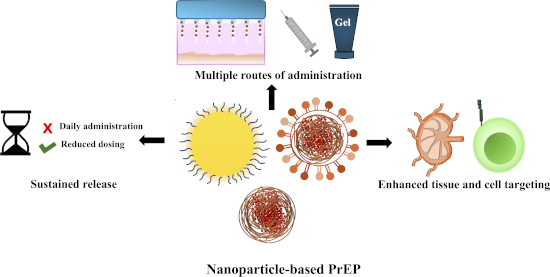
- , mechanical properties, and surface composition that need to be considered in the design of the nanoparticles. The choice of core material plays a pivotal role in defining the physicochemical properties, release behavior, biocompatibility, and clinical feasibility of nanoparticle formulations. Various


Cross-scale design of chemosensor arrays: from molecular self-assembly in water to paper-based devices for metal ion detection
Beilstein J. Nanotechnol. 2026, 17, 828–838, doi:10.3762/bjnano.17.59
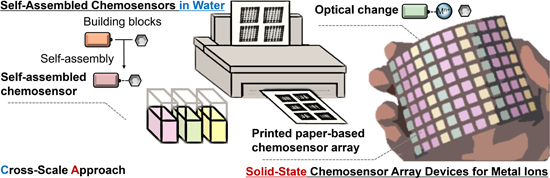
- optimized using a central composite design [58]. The selection of appropriate paper substrates also plays a significant role in reproducible sensing [59]. The mechanical properties of paper substrates depend on their thickness, pore size, and liquid absorbability [21]. In particular, the thickness of the


Sustainable fabrication of 2D-based devices through reuse of substrates with microfabricated electrodes
Beilstein J. Nanotechnol. 2026, 17, 818–827, doi:10.3762/bjnano.17.58
- cleaning protocol, we applied it to a SiO2/Si substrate covered with a continuous MoS2 flakes network prepared by five successive transfers via high-throughput roll-to-roll mechanical exfoliation [32][33]. This method enables a high surface coverage of densely packed flakes that adhere strongly to the
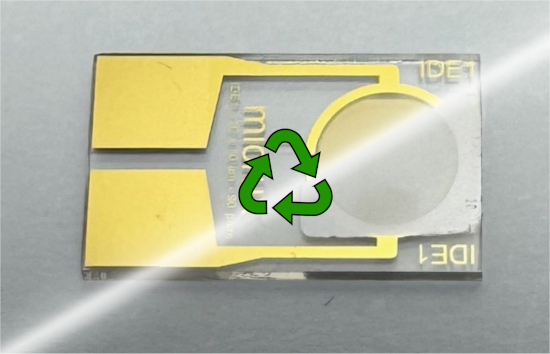
- ) fabrication, initially covered with a large-scale MoS2 film produced by roll-to-roll mechanical exfoliation. Figure 2c,d displays a Ti/Au interdigitated electrode on glass with the 10 µm gap separation, widely used for electrochemistry and biosensing applications [34]. For both cases, the cleaning process
- repeated substrate reuse, we performed multiple cycles of device fabrication, electrical characterization, and subsequent cleaning on a microfabricated SiO2/Si chip with Ti/Au electrodes. MoS2 flakes obtained via roll-to-roll mechanical exfoliation were sequentially transferred onto the same pre-patterned


Substrate-dependent pore formation in molybdenum disulfide monolayers under ion irradiation
Beilstein J. Nanotechnol. 2026, 17, 769–780, doi:10.3762/bjnano.17.54
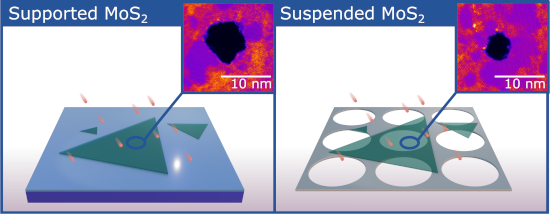
- highly charged ions (HCIs) and swift heavy ions (SHIs), remains less complete. The emergence of 2D materials has intensified the interest in ion–surface interactions [9][10][11][12][13]. Owing to their atomic thickness, 2D materials combine outstanding mechanical properties with promising (opto
- irradiation of MoS2 on Au, a substrate suitable for mechanical exfoliation is first prepared. A 5 nm Ti adhesion layer is deposited onto SiO2, followed by the deposition of a 25 nm Au film. Immediately after deposition, MoS2 is mechanically exfoliated onto the freshly prepared Au surface. After irradiation on


Interface-engineered Caco-2 cell culture on a collagen-coated liquid–liquid interface in a microfluidic device
Beilstein J. Nanotechnol. 2026, 17, 760–768, doi:10.3762/bjnano.17.53
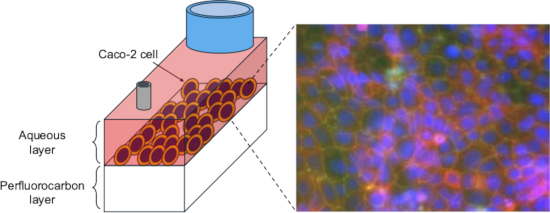
- tissues [2][3][4]. The microfluidic culture system known as gut-on-a-chip enables the cultivation of Caco-2 cells under conditions that more closely recapitulate the in vivo intestinal environment. By precisely controlling fluid flow and inducing mechanical stimuli, this platform provides physiologically
- relevant mechanical cues that are difficult to reproduce in conventional static culture systems [5][6][7]. Gut-on-a-chip platforms recapitulate the apical-basolateral compartmentalization of the human intestinal epithelium by dividing upper and lower microchannels with a solid porous membrane, upon which
- intestinal epithelial cells are cultured to establish a polarized epithelial barrier. Although porous membranes enable compartmentalization, they may also impose non-physiological diffusion barriers and mechanical constraints. Liquid–liquid interfaces provide a mechanically soft and dynamically


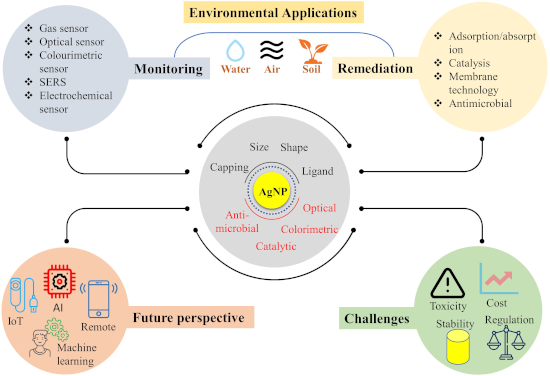
Environmental applications of silver nanoparticles: state-of-the-art review and emerging trends
Beilstein J. Nanotechnol. 2026, 17, 697–736, doi:10.3762/bjnano.17.49


Protein-based custom-designed molecular nanotraps for biomedical applications
Beilstein J. Nanotechnol. 2026, 17, 683–687, doi:10.3762/bjnano.17.47
- far explored for preparing bioMIPs, there is gelatin, which is obtained from collagen, the most plentiful structural protein in animals that offers mechanical strength and supports tissues like skin, tendons, and bones. While collagen consists of triple-helix polypeptide chains, which are particularly
- mechanical strength, stability, and controlled biodegradability [16]. Also, SF is often functionalized with pendant double bonds to enable cross-linking and is often referred to as SilMA [17]. SF and SilMA find a wide use as cell scaffolds for tissue engineering and biofabrication. To date, GelMA and SilMA

Decontamination from water pollutants and pathogens by electrospun nanofibers doped with heavy-atom-free borafluorene-BODIPY photosensitizers
Beilstein J. Nanotechnol. 2026, 17, 668–682, doi:10.3762/bjnano.17.46
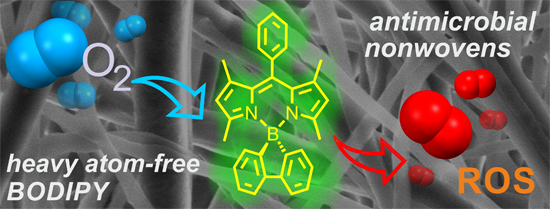
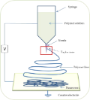
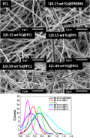
- platform and processing method giving materials with large surface areas, good mechanical properties, and high porosity, enabling oxygen diffusion, light penetration, and efficient ROS production. Accordingly, we used electrospinning, a relatively simple and cheap technique with the perspective for large



Cellulose as a photocatalyst support material: extraction, structural features, and environmental applications
Beilstein J. Nanotechnol. 2026, 17, 635–652, doi:10.3762/bjnano.17.44
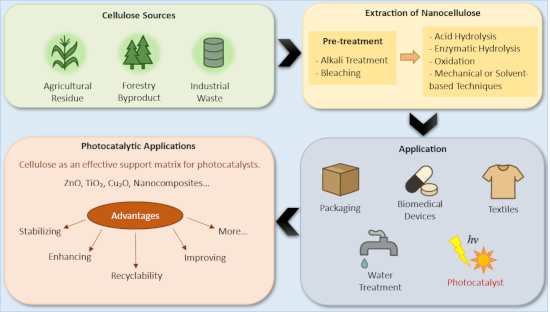
- for cellulose extraction were also explored such as acid hydrolysis, enzymatic hydrolysis, oxidation, and mechanical or solvent-based techniques. Besides that, this review highlights the role of cellulose in photocatalytic applications, where its high surface area, structural porosity, and abundance
- photocatalytic systems, improving its performance under a wide range of light sources. Moreover, cellulose-supported systems often show enhanced recyclability and mechanical durability, making them suitable for repeated use in wastewater treatment and environmental remediation. The relationship between
- formation of nanofibers. These nanofibers further assemble into larger cellulose microfibrils [4]. With the global cellulose production now exceeding hundreds of billions of tons annually and continuing to grow steadily, this abundant biopolymer stands out for its exceptional mechanical, physical, and


Recent progress in enhancing built-in electric fields of perovskite solar cells via junction engineering
Beilstein J. Nanotechnol. 2026, 17, 602–621, doi:10.3762/bjnano.17.42
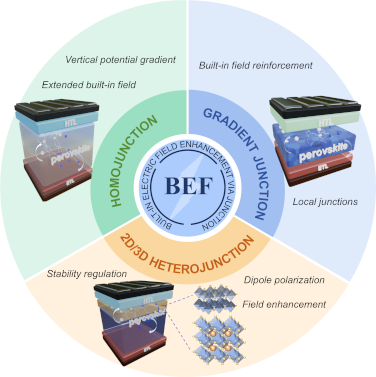
- mechanical stress. This limitation is particularly pronounced in certain mixed-halide, wide-bandgap systems, where rapid top-down crystallization leads to accumulation and tensile stress at the film bottom, creating a gradient opposite to the BEF, which weakens the electric field and accelerates



Probing tribological evolution in atomically thin MoS2 at different scales
Beilstein J. Nanotechnol. 2026, 17, 586–597, doi:10.3762/bjnano.17.40
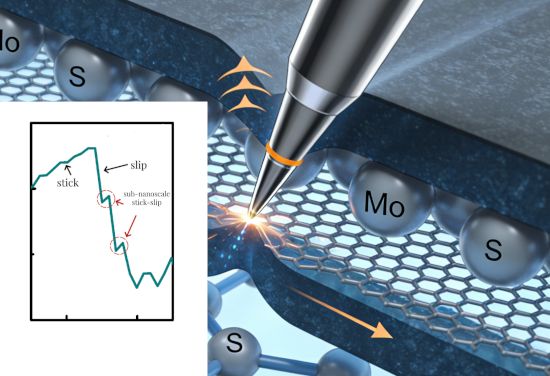
- tribology toward the sub-nanoscale. Experimental Sample preparation Single-layer and few-layer MoS2 were obtained from bulk MoS2 by mechanical exfoliation [19]. N-Doped Si covered with dry oxidation-generated 300 nm thick SiO2 was used as the substrate. Prior to exfoliation, substrates were cleaned


Laser–material interactions in liquids for the synthesis of nanomaterials: current status and perspectives
Beilstein J. Nanotechnol. 2026, 17, 571–575, doi:10.3762/bjnano.17.38
- Carlos Donate Buendia Bilal Gokce Leonid V. Zhigilei GROC·UJI, Institute of New Imaging Technologies, University Jaume I, Av. de Vicent Sos Baynat, s/n, 12071 Castellón, Spain Chair of Materials Science and Additive Manufacturing, School of Mechanical Engineering and Safety Engineering, University
- ]), generation of soft magnets for magnetocaloric applications [58], fabrication of photodetectors [59], nanoscale agents for photodynamic [60] and neutron capture therapy [61], incorporation of nanoparticles into solar cells [62], light-harvesting nanofluids [63], and materials with enhanced mechanical [64] or
Electrochemical determination of ciprofloxacin using a MIL-101/reduced graphene oxide-modified electrode
Beilstein J. Nanotechnol. 2026, 17, 541–554, doi:10.3762/bjnano.17.35
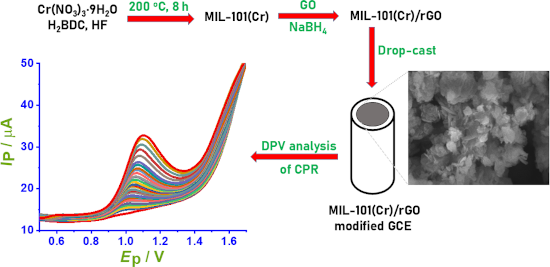
- direct use in electrochemical sensing. To address this limitation, hybridizing MOFs with conductive carbon materials has been extensively studied. Reduced graphene oxide (rGO) is especially appealing due to its high electrical conductivity [12], large specific surface area, mechanical stability [13], and


Defects and defect-mediated engineering of two-dimensional materials: challenges and open questions
Beilstein J. Nanotechnol. 2026, 17, 454–488, doi:10.3762/bjnano.17.31
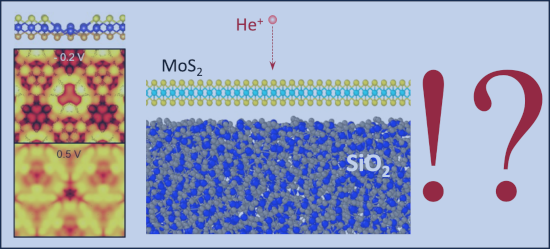
- to the interaction with the environment, for example, because of oxidation. The imperfections have a strong influence on the electronic, optical, thermal, and mechanical properties of 2D materials [2][3]. They normally deteriorate the characteristics; but they can also be beneficial, for example, in





Nanocarrier-integrated multilayer films produced by 3D printing for improved skin adhesion and curcumin photostability
Beilstein J. Nanotechnol. 2026, 17, 440–453, doi:10.3762/bjnano.17.30
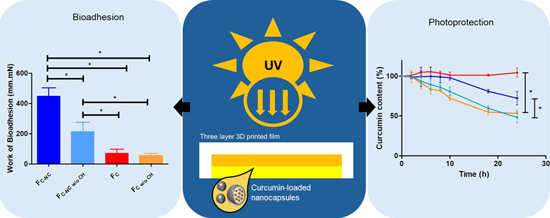
- . The three-layer 3D-printed films were rationally designed by combining hydrogels with complementary mechanical and biological functions to optimise skin adhesion, printability, and curcumin stability. The bottom layer, composed of chitosan, was selected to ensure direct contact with the skin
- stress and rapidly recover its rheological properties once the stress is removed. A recovery value of at least 80% is generally considered acceptable, indicating that the layer-stacking capability remains sufficiently dependent on the material’s original mechanical properties [40]. Initially, a shear
- curcumin-loaded nanocapsules. This proof-of-concept study focused on demonstrating the feasibility of integrating nanocarriers with SSE 3D printing to produce multilayer topical films with improved bioadhesion and photoprotection. A comprehensive evaluation of mechanical properties, long-term stability


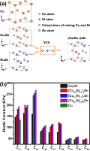
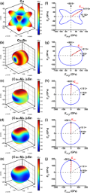
First-principles study on elastic properties of Cu, (Cu1−x,Nix)3Sn and interfacial mechanical properties of (Cu1−x,Nix)3Sn/Cu in the lead-free solder joint
Beilstein J. Nanotechnol. 2026, 17, 428–439, doi:10.3762/bjnano.17.29
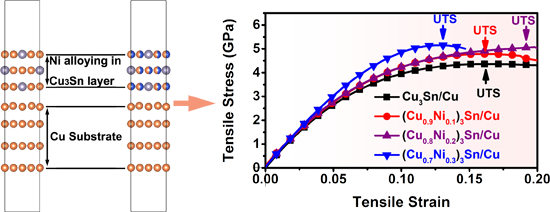
- Guomin Hua School of Material Science and Engineering, Jiangsu University, Zhenjiang 212013, Jiangsu, China 10.3762/bjnano.17.29 Abstract In this study, the elastic properties of Cu and (CuxNi1−x)3Sn were calculated to reveal the effects of Ni alloying on the interfacial mechanical properties of
- (CuxNi1−x)3Sn/Cu in lead-free solder joints. The results reveal that, within the thermodynamically stable domain of (CuxNi1−x)3Sn, the increase of Ni content can enhance the interfacial mechanical properties of (CuxNi1−x)3Sn/Cu, and increase the reliability of the lead-free solder joints. The enhancement
- mechanism can be attributed to the simultaneous improvements of oriented Young’s modulus and ductility of (CuxNi1−x)3Sn, achieved by Ni alloying. But higher Ni content beyond the thermodynamically stable domain of (CuxNi1−x)3Sn will deteriorate the interfacial mechanical properties by mechanical or


Biomimetic nanoparticles in cancer photodynamic therapy: a review of targeted delivery systems and therapeutic outcomes
Beilstein J. Nanotechnol. 2026, 17, 396–422, doi:10.3762/bjnano.17.27
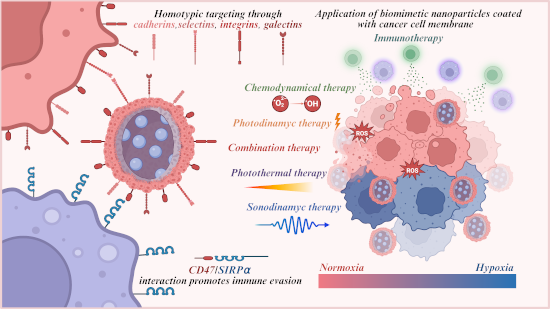
- ]; (ii) freeze–thaw cycles, that is, cell disruption via narrow pores (enhanced at low temperatures) [55]; (iii) mechanical shearing, that is, cell disruption via narrow pores (enhanced at low temperatures) [56]; and (iv) osmotic pressure, that is, hypotonic solutions are used to induce swelling and


Eco-efficient materials for agricultural crops based on a mineral rich in MOR- and HEU-type zeolites
Beilstein J. Nanotechnol. 2026, 17, 381–395, doi:10.3762/bjnano.17.26
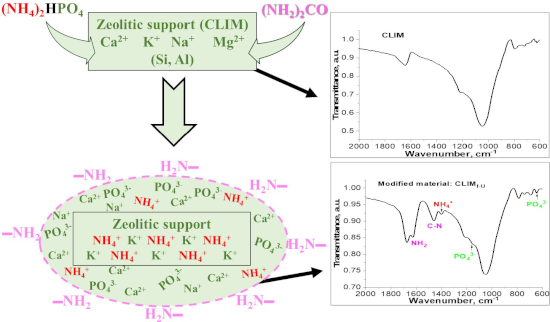
- zeolites, unlike synthetic analogues, do not require expensive chemical raw materials and energy-intensive stages of hydrothermal synthesis. The main costs of their exploitation are associated with extraction and mechanical processing, which significantly reduces the cost of the final product. At the same




Polycatecholamine nanocoatings on stainless steel: the effect on attachment of human fibroblasts and platelets
Beilstein J. Nanotechnol. 2026, 17, 365–380, doi:10.3762/bjnano.17.25
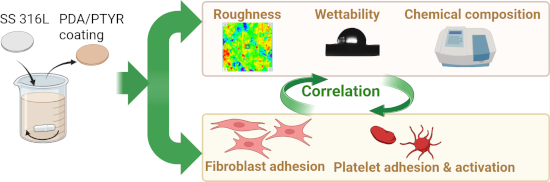
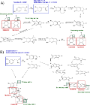
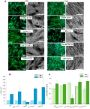
- : cell–material interactions; Fenton oxidation; hemocompatibility; nanocoatings; polycatechols; Introduction Stainless steel 316L (SS 316L) is an iron-based alloy containing chromium and molybdenum, which promote passivation and corrosion resistance [1]. Owing to its mechanical robustness
- with native cells promotes their integration and mitigates inflammatory processes, the coatings on long-term metallic implants must fulfil some essential requirements. Such coatings must (i) provide corrosion protection, (ii) maintain mechanical integrity, (iii) support cell–material interactions, and




Interconnection morphology effects on the radio frequency response of carbon nanotube sponges
Beilstein J. Nanotechnol. 2026, 17, 343–351, doi:10.3762/bjnano.17.23
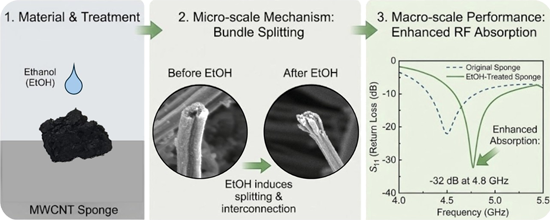
- supporting substrate, showing high flexibility, light weight, and mechanical robustness. We tested our synthesized CNSs as active material for the production of antennas working in the radio frequency (RF) range to determine whether CNT sponges present, in addition to practical advantages over CNT films
- cellular networks (4G/5G) for mobile and satellite communication. This vast number of applications often requires that the active materials possess additional properties beyond good electrical conductivity, such as flexibility, lightness, and resistance to thermal and mechanical stress or chemically harsh
- porosity, low weight, good mechanical response, and good conductivity [25]. The properties of CNSs have been exploited in many different applications that include mechanical transducers [26], water filtration [27], and others [28]. In this paper, we tested our synthesized CNSs as active material for the




Beam shaping techniques for pulsed laser ablation in liquids: Unlocking tunable control of nanoparticle synthesis in liquids
Beilstein J. Nanotechnol. 2026, 17, 309–342, doi:10.3762/bjnano.17.22
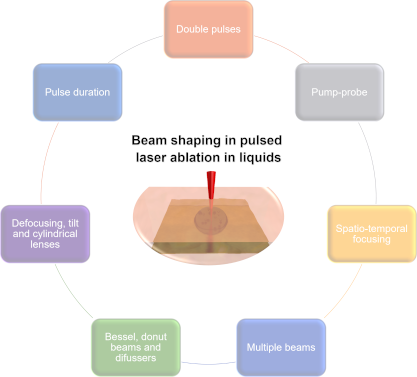
- of the target material components, which remains active for 20 to 200 ps [19][20]. The plasma expands rapidly, generating a mechanical shockwave in both the target and the liquid, with pressures at the laser’s focal spot reaching tens of gigapascals, but strongly depending on the specific laser
- liquid due to multiphoton ionisation leads to the formation of a hot plasma with temperatures reaching 104 K. Subsequently, plasma recombination begins, and the high-temperature plasma is replaced by vaporised fluid, leading to the creation of microbubbles and mechanical effects such as shock wave







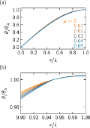
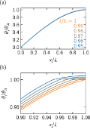
Calculation of the dynamic stiffness of a cantilever under torsional oscillation
Beilstein J. Nanotechnol. 2026, 17, 303–308, doi:10.3762/bjnano.17.21
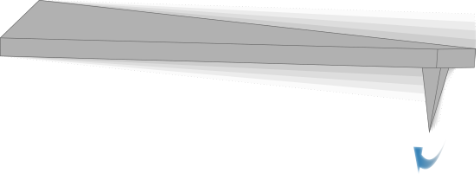
- : atomic force microscopy; dynamic stiffness; energy dissipation; friction; torsional oscillation mode; Introduction Friction serves as a fundamental mechanism of energy dissipation [1]. While friction typically arises from direct mechanical contact between surfaces, energy dissipation can also occur even

Advancing nanolithography: a comprehensive review of materials for local anodic oxidation with AFM
Beilstein J. Nanotechnol. 2026, 17, 275–291, doi:10.3762/bjnano.17.19
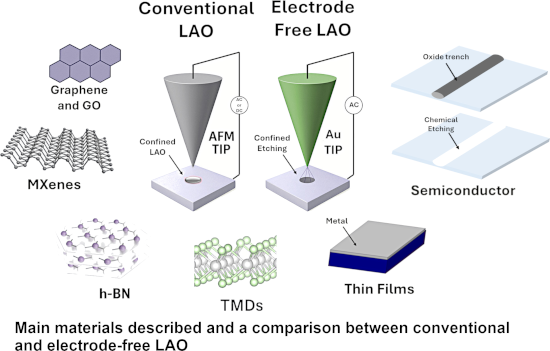
- minimum feature size. Carbon nanotube (CNT)-functionalized AFM tips have been explored for LAO [49][60][61] because their high aspect ratio and good conductivity can, in principle, enable sharper and more controlled oxidation. However, their practical performance is limited by mechanical fragility and
- surfaces), and environmental factors, such as humidity, which can impact reproducibility. LAO-grown oxide is less dense than thermally grown oxide, and mechanical stress between the substrate and oxide layer may lead to defects. In addition, the insulating nature of SiO2 limits its versatility compared to
- material is crucial for achieving high image and pattern resolution during LAO. A suitable tip must meet three key criteria: (i) high electrical conductivity, (ii) strong mechanical stability (durability), and (iii) an optimal geometry characterized by a sharp apex and appropriate cone angle. Traditional


Durable antimicrobial activity of fabrics functionalized with zeolite ion-exchanged nanomaterials against Staphylococcus aureus and Escherichia coli
Beilstein J. Nanotechnol. 2026, 17, 262–274, doi:10.3762/bjnano.17.18
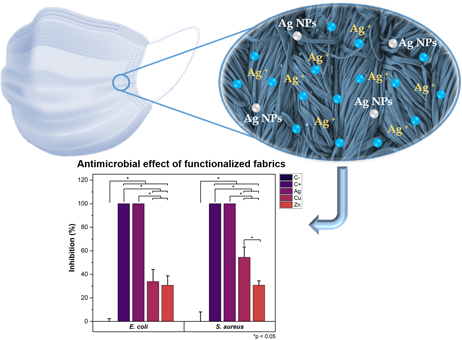
- atom % are evaluated regarding their antimicrobial activity against Staphylococcus aureus (Gram-positive) and Escherichia coli (Gram-negative), as well as regarding their physicochemical and mechanical properties. Scanning electron microscopy confirms the uniform distribution and successful
- impregnated textile samples were studied against S. aureus and E. coli, and their physicochemical and mechanical properties are discussed. The obtained results suggest that the synthesized materials can be applied as an effective alternative to inhibit and reduce the spread of different types of viruses and
- between two rolling pins using a rolling machine (Marcato, Padova, Italy). Afterwards, the functionalized fabrics underwent a drying process at 90 °C for 10 min; finally, the samples were cured at 120 °C for 3 min. Both stages were carried out in a mechanical convection oven (no. MMTUF110X2, Memmert GmbH




Comparative study on 3D morphologies of delignified, single tracheids and fibers of five wood species
Beilstein J. Nanotechnol. 2026, 17, 239–250, doi:10.3762/bjnano.17.16
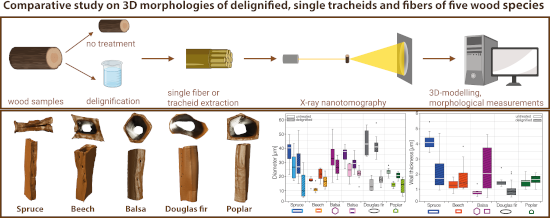
- biomechanics and water management. Keywords: 3D models; delignification; tracheid; wood; X-ray nanotomography; Introduction Wood fibers in hardwood and tracheids in softwood play a crucial role in the structure and function of vascular plants, particularly in water conduction and mechanical support [1][2
- (S1 and S2) and a tertiary wall (T) strongly supplemented by lignin. Apart from the middle lamella (ML) and the primary wall (P), the S2 layer being the thickest of the three main layers (S1, S2, and T), is the most important for mechanical support [1][10][11]. Lignin is present in all layers of the
- insights for applications in computer modelling of mechanical properties of fibers and tracheids and for development of novel bio-inspired materials for the industry. Material and Methods Wood samples Wood samples of five different species were used in this study, namely, spruce (Picea abies (L.) H.Karst





