Search results
Search for "model" in Full Text gives 1658 result(s) in Beilstein Journal of Nanotechnology. Showing first 200.
Enhanced erosion resistance and radiation stability of WC–WO3 nanocomposite films under 100 keV Kr+ ion irradiation
Beilstein J. Nanotechnol. 2026, 17, 922–934, doi:10.3762/bjnano.17.65
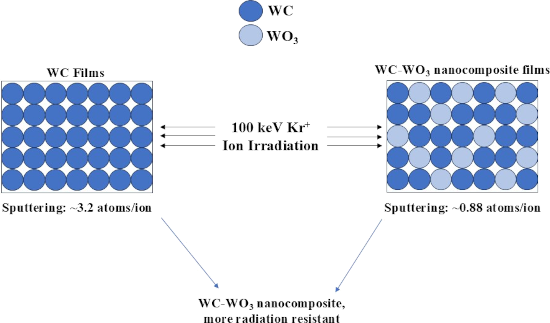
- , and E0 is the initial energy of the ions. The deviation between experimental and TRIM results for sputtering could be a result of non-linear effects. TRIM assumes a simplified energy transfer model, ignoring oscillatory variations in stopping power that arise due to the specific interaction between



Nanoparticle delivery systems for HIV pre-exposure prophylaxis (PrEP): advances and challenges
Beilstein J. Nanotechnol. 2026, 17, 839–853, doi:10.3762/bjnano.17.60
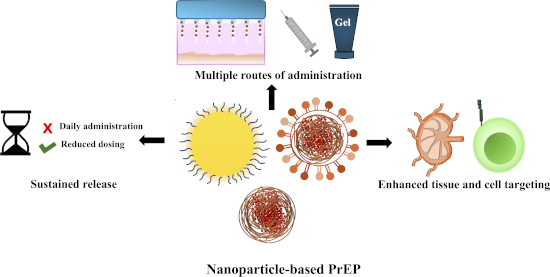
- were designed to improve delivery to HIV reservoirs [58]. In permeability studies, the nanoparticles showed a fourfold increase in transport across a Caco-2 cell membrane compared to plain drug solution. Furthermore, the peptide-grafted SLNs achieved enhanced cellular uptake in a CD4+ T cell model
- cells, which was sustained for up to seven days in a mouse model, with stronger effects at earlier time points. Most HIV nanoparticle studies have so far focused on targeting immune cells in lymphoid tissues, and significant progress has been achieved in this regard. Targeting HIV reservoirs in the
- drug delivery [108]. These MPLs demonstrated improved transmigration across an in vitro BBB model under magnetic guidance, and superior antiviral activity compared to free drug. The reported findings confirm a significant potential for reaching and treating HIV reservoirs in the brain. Overall, hybrid


Cross-scale design of chemosensor arrays: from molecular self-assembly in water to paper-based devices for metal ion detection
Beilstein J. Nanotechnol. 2026, 17, 828–838, doi:10.3762/bjnano.17.59
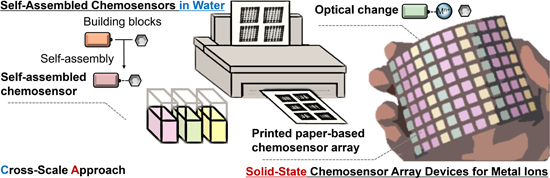
- device. Results of the SVM regression for (C) Zn2+ and (D) Cu2+ in a river water sample. The values of the root-mean-square errors of calibration (RMSEC) and prediction (RMSEP) suggest the accuracy of the established model and prediction results. Figure 8, panels A–D were reproduced from [20] (© 2023 Y


Sustainable fabrication of 2D-based devices through reuse of substrates with microfabricated electrodes
Beilstein J. Nanotechnol. 2026, 17, 818–827, doi:10.3762/bjnano.17.58
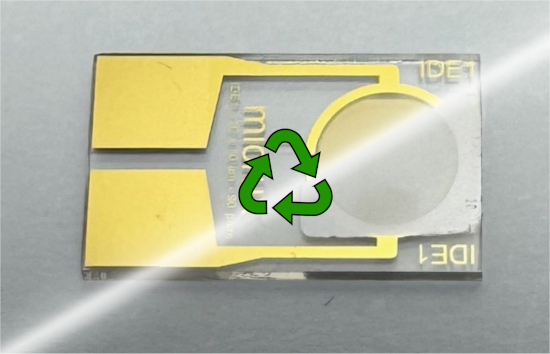
- bias voltage and FET characteristics were measured using a custom-built probe station and a Keithley 2450 source-meter unit. Additionally, two programmable benchtop power supplies (TENMA, model 72-2715) were connected in series to characterize the FETs output at varying back-gate voltages from −50 V to


Restorative potential of laser-synthesized silver nanoparticles with Salvia officinalis for periodontal disease treatment: an in vitro study
Beilstein J. Nanotechnol. 2026, 17, 781–795, doi:10.3762/bjnano.17.55
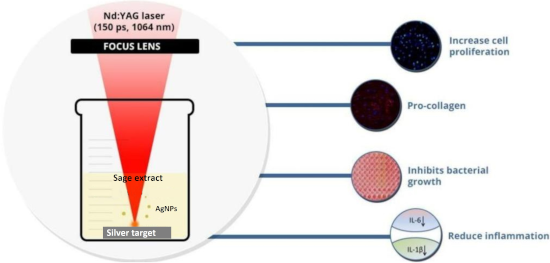
- . In contrast, Mostafavi and colleagues [10], investigated the wound-healing potential of combined AgNP and sage extract treatment in an in vivo mouse skin model, indicating possible synergistic effects between silver and sage. Nevertheless, the antibacterial activity was not evaluated, and sage was



Substrate-dependent pore formation in molybdenum disulfide monolayers under ion irradiation
Beilstein J. Nanotechnol. 2026, 17, 769–780, doi:10.3762/bjnano.17.54
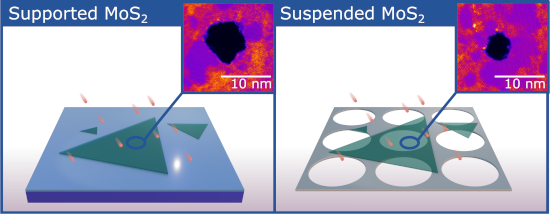
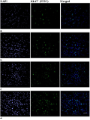
- of the target 2D material, independent of the materials electronic properties. In the case of this study, we therefore expect to deliver potential energy in the range of ≈12–36 keV to the monolayer. Linking the charge exchange to pore formation, Grossek et al. [44] introduced a model for nanopore
- typical mobility of μ ≥ 60000 cm2·V−1·s−1 for suspended graphene [45]), but is very likely to do so in MoS2, which has a significantly lower electron mobility (typically μ ≈ 1–10 cm2·V−1·s−1 for suspended MoS2 [46][47]). Building on the model introduced by Grossek et al., in which charge carrier mobility


Interface-engineered Caco-2 cell culture on a collagen-coated liquid–liquid interface in a microfluidic device
Beilstein J. Nanotechnol. 2026, 17, 760–768, doi:10.3762/bjnano.17.53
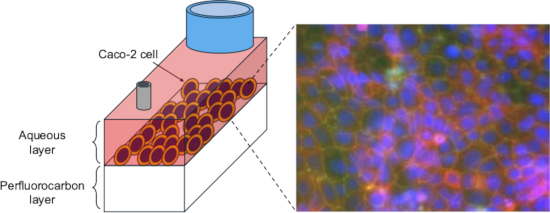
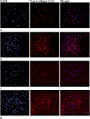
- that is sufficiently robust to support cell adhesion. Caco-2 cells monolayer maturation Immunofluorescence staining was performed to observe the characteristics of cultured Caco-2 cells as an intestinal epithelial model. Figure 6 shows a comparison of immunofluorescence images of ZO-1, F-actin, and


Tailoring Ag–Pt nanoalloys through solid-state dewetting: structural and optical insights
Beilstein J. Nanotechnol. 2026, 17, 748–759, doi:10.3762/bjnano.17.52

- postulated a mechanism based on the dewetting phenomenon. According to their model, the disintegration of the film initiates at pre-existing discontinuities or voids, which can be associated with nanoscale irregularities at intergranular boundaries. A key factor governing the disintegration process of thin




Superconducting artificial neural networks and quantum circuits
Beilstein J. Nanotechnol. 2026, 17, 744–747, doi:10.3762/bjnano.17.51
- models fully connected and recurrent neural networks and integrates one million model neurons and 256 million synaptic connections [4]. For solving more complex computational tasks that require substantial processing power, a critical challenge arises: the need for a radical reduction in energy
- is a time-consuming process. To reduce the number of costly technological iterations, modelling of technological processes is essential for predicting the properties of prepared layers and multilayers. Smart computational experiments based on a mathematical model describing coordinated atomic motion
Environmental applications of silver nanoparticles: state-of-the-art review and emerging trends
Beilstein J. Nanotechnol. 2026, 17, 697–736, doi:10.3762/bjnano.17.49
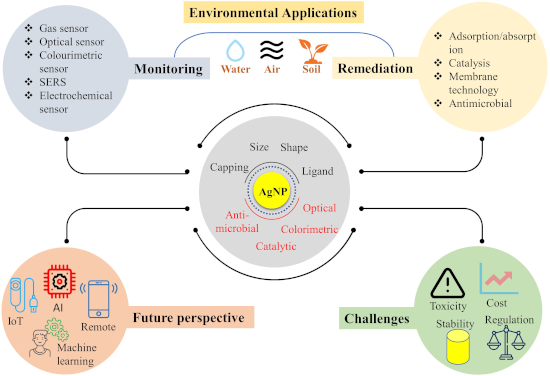
- safety evaluation. Nanosilver coated with tannic acid significantly inhibits adenovirus type 3 (Ad3) in HeLa cells, serving as a model system [78]. The inhibition mechanism involves structural and DNA damage to Ad3 [78]. Another study assessed the dose- and size-dependent antiviral effects of AgNPs
- stabilized AgNPs from Astragalus ecbatanus treated Giardia lamblia infection in vitro and in vivo model systems [84]. The study found that AgNPs killed cysts at 200 and 300 μg/mL after 4 and 2 h, respectively, whereas trophozoite reduction was observed at 100, 200, and 300 μg/mL after 4, 2, and 1 h


Molecular engineering of individual dye-based nanoparticle photostability for ultrabright two-photon fluorescence
Beilstein J. Nanotechnol. 2026, 17, 688–696, doi:10.3762/bjnano.17.48
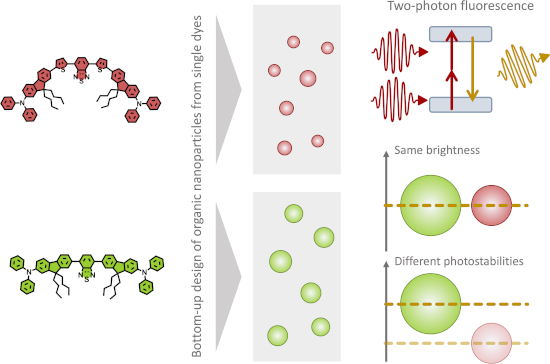
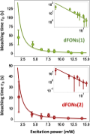
- expression can be derived for each nanoparticle type using the developed model (see Experimental section for the derivation and estimated values of the parameters): From the values of Psat, we find values of α2σ2 of 710 and 7580 GM for dFONs(1) and dFONs(2), respectively. These values have to be compared to
- counting module (SPCM AQRH-13, Picoquant). Two additional filters (FF01-842/SP25 and FF01-945/SP25, Semrock) were added to remove residual laser light. The combination of all the filters leads to the collection of approximately 80% of the fluorescence for both nanoparticle families. Emission model
- duration of the sech2 function describing the real pulse, the rectangular model has a δt = 2τ to get the same integral value over time. The excitation rate Γexc during the pulse can be expressed as a function of the average power Pexc, the two-photon absorption cross section σ2, and the waist of the


Decontamination from water pollutants and pathogens by electrospun nanofibers doped with heavy-atom-free borafluorene-BODIPY photosensitizers
Beilstein J. Nanotechnol. 2026, 17, 668–682, doi:10.3762/bjnano.17.46
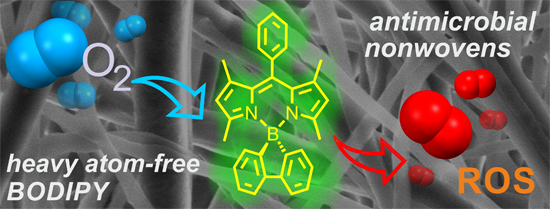
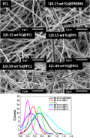
- photocatalyst for the degradation of the pharmaceutical agents ranitidine, propranolol, and cimetidine, selected as model water pollutants. The obtained nanofibers showed smooth and uniform morphology along with very high durability and resistance toward oxidation, remaining active even after 20 reaction cycles
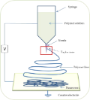
- between perpendicularly oriented donor and acceptor units [36][37][38][39]. In the current study, we investigate the borafluorene-based BODIPY 1 (Figure 1a) as a model heavy-atom-free photosensitizer for deactivating water pollutants and pathogens. Our major goal was to develop a suitable polymeric
- step, we tested the photocatalytic activity of the prepared samples with cimetidine as a model water pollutant. Small pieces of materials were placed in 4 mL vials containing a 3.0 mM water solution of cimetidine. The mass of the material was ca. 0.011 g, which roughly corresponds to 0.02 equivalents



afspm: A framework for manufacturer-agnostic automation in scanning probe microscopy
Beilstein J. Nanotechnol. 2026, 17, 653–667, doi:10.3762/bjnano.17.45
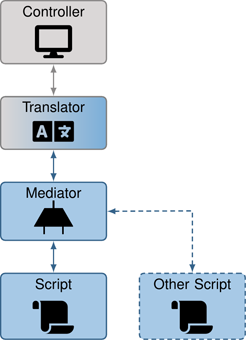
- classified surface structure, detecting atoms [5], molecules [6], or defects of interest [7][8]. Even the design of experiments has been researched, using statistics to drive decisions during the experiment [9][10][11][12]. Active learning, where a machine learning algorithm’s internal model is updated
- during the experiment, has been used in SPM for 2D scan efficiency [10] as well as in SPM spectroscopy [11]. Furthermore, investigators have used hypothesis learning, where a model chooses between a number of hypotheses by testing them during the experiment [12]. As an example of a complete autonomous
- , the Bluesky data model may serve as a useful approach for organizing experimental data and metadata for later search and retrieval. The development of automated tasks within a manufacturer-agnostic framework enables code sharing among the SPM community. This framework is a reasonable first step toward




Two-step laser synthesis of Ag@TiO2 nanomaterials for the photocatalytic degradation of rhodamine B
Beilstein J. Nanotechnol. 2026, 17, 622–634, doi:10.3762/bjnano.17.43
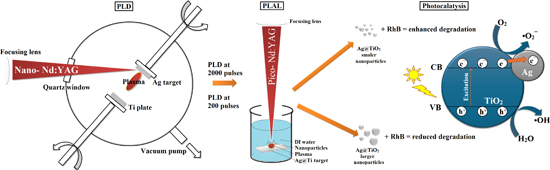
- . These absorption spectra showed that, in contrast to TiO2, Ag@TiO2 samples showed broadening of the absorption peak due to the addition of Ag. The optical bandgap energy of the prepared samples was calculated with the Tauc model, according to Equation 1: where α is the absorption coefficient, hν is the
- irradiation time with the distinctive absorption peak of RhB at around 553 nm [29]. The photocatalytic capabilities of the synthesized materials were assessed by examining their capacity to degrade a 5 ppm aqueous solution of RhB, utilized as a model organic pollutant, for a time period of 300 min (Figure 8c
- indicate that the correlation coefficient for the pseudo-second order kinetic model exceeds that of the pseudo-first order kinetic model for the Ag@TiO2 200p NPs sample. This suggests that the kinetic behavior of the photocatalytic process in the degradation of RhB can be rather described by the pseudo


Probing tribological evolution in atomically thin MoS2 at different scales
Beilstein J. Nanotechnol. 2026, 17, 586–597, doi:10.3762/bjnano.17.40
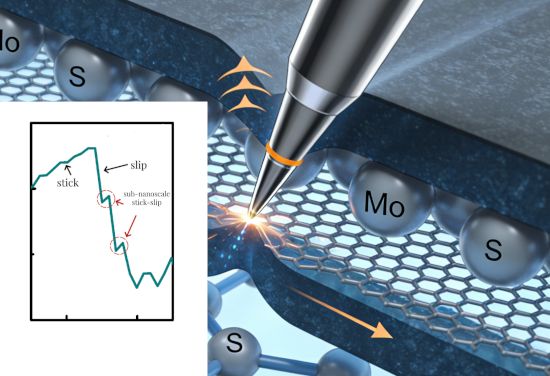
- inertness [13][14][15]. Molybdenum disulfide (MoS2) as a representative 2D materials is particularly promising because of its trilayered structure (one Mo layer sandwiched between two S layers) and tunable interlayer interactions, making it a model system for investigating the nanoscale and sub-nanoscale


Laser–material interactions in liquids for the synthesis of nanomaterials: current status and perspectives
Beilstein J. Nanotechnol. 2026, 17, 571–575, doi:10.3762/bjnano.17.38
- ]. The complexity of LSPC processes and the wide parameter space call for close integration of computational and experimental efforts, where coordinated design of real and in silico experiments can significantly enhance opportunities for model validation and reliable interpretation of experimental data
Synthesis of Cu–Mo/TiO2 and Co–Mo/TiO2 photocatalysts for the efficient degradation of organic pollutants in water
Beilstein J. Nanotechnol. 2026, 17, 559–570, doi:10.3762/bjnano.17.37
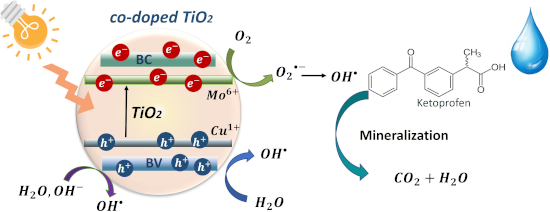
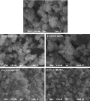
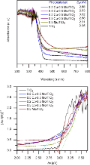
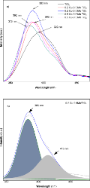
- previously studied and reported [23][24]. We chose this medicine as a model molecule since this non-steroidal anti-inflammatory drug is of great environmental relevance as it has been detected in several aquatic bodies. Results and Discussion Structural characterization Figure 1a shows the diffraction
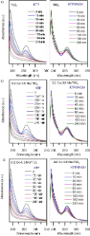
- products within 90 min of reaction when pure TiO2 is used, whereas the conversion is achieved in 60 min with the most efficient photocatalyst, 0.2 Cu–0.5 Mo/TiO2. Numerous investigations have demonstrated that the photodegradation of organic pollutants follows a pseudo-first-order kinetic model [42][43
- consisted of a mixture of acetonitrile and water 60:40 (v/v) acidified with 1% of acetic acid. The TOC content in these samples was measured with a Shimadzu carbon analyzer model 5000A. Photolysis experiments and degradation pathways were studied in previous works and already reported [23][24]. (a) XRD



Fractional shot noise of an SU(N) Kondo system
Beilstein J. Nanotechnol. 2026, 17, 515–540, doi:10.3762/bjnano.17.34
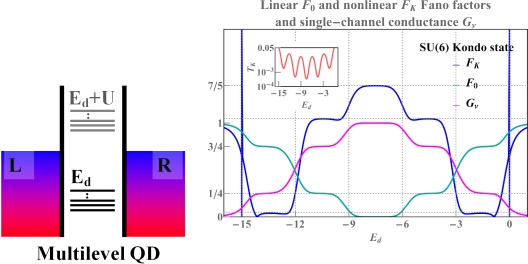
- dot (N-QD) in the Kondo regime. Using the Kotliar–Ruckentein slave boson approach (SBMFA) for an N-level Anderson model, we define effectively noninteracting quasiparticles of the SU(N) Kondo system (N = 2, 3, 4, 5, 6). Kondo resonance transmission coefficients determine linear noise describing
- of the Kondo effect is to incorporate higher-rank SU(N) symmetries (N > 2). The first SU(N) generalizations of the Anderson model appeared in the literature on heavy fermion systems [36], where large N expansion proved to be a powerful approximation for describing magnetic atoms with orbital
- degeneracy. From the perspective of potential applications, it is important that the Anderson SU(N) model can be realized in a controlled way in various nanoscopic structures [37][38] and in correlated cold atomic gases [39][40]. A proposal of the SU(6) Kondo effect for a QD structure can be found in [39


![[Graphic 127]](/bjnano/content/inline/2190-4286-17-34-i187.svg?max-width=637&scale=1.18182)

Probing internal continua and atomic ultrafast charge transfer within size-controlled nanoparticles by post-collision interaction in core-hole clock spectroscopy
Beilstein J. Nanotechnol. 2026, 17, 505–514, doi:10.3762/bjnano.17.33
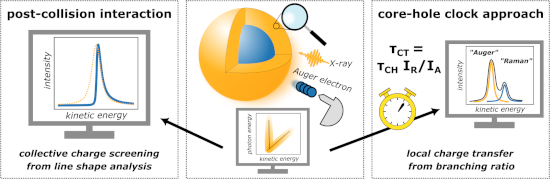
- the existence of a faster charge transfer channel toward the CdSe core, only accessible for the inner-most shell layers, rather than a quantum confinement effect. By extending the traditional PCI model from free-electron systems to bound-state continua, we further establish a framework for
- 1b, yields the charge transfer time in relation to the core-hole lifetime based on a model of independent exponential decay [20][21]. The validity and capabilities of the CHC approach was demonstrated across various sample systems, including gas adsorbates on surfaces [22][23], two-dimensional
- obtained by fitting the resonant Auger spectra at the individual photon energies (see Supporting Information File 1, section 5, for detailed fitting procedure and model). Multiplying this ratio with the core-hole lifetime yields the charge transfer times presented in Figure 2a. To provide for a better



Defects and defect-mediated engineering of two-dimensional materials: challenges and open questions
Beilstein J. Nanotechnol. 2026, 17, 454–488, doi:10.3762/bjnano.17.31
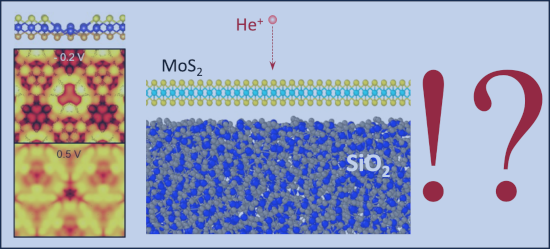
- system can have zero-dimensional (0D) defects and one-dimensional (1D) defects. 0D are point defects, like a vacancy or a substitutional atom, while 1D are line defects, like crystallite borders or mirror twin boundaries. Based on the geometrical model introduced in [81], it was possible to determine a
- ), mostly for pristine materials, but in a few cases also with defects [94][115]. In order to model Raman scattering, a model for the response of the material to incoming light is required. In the non-resonant case, Raman scattering is allowed when the atomic displacement of a vibrational mode leads to a
- polarizations of the incoming and the scattered light. In addition, first-principles calculations of polarizability are significantly more demanding than those of total energy, which is especially true for large systems with defects; this can limit the collection of training data. Finally, training a model for





Nanocarrier-integrated multilayer films produced by 3D printing for improved skin adhesion and curcumin photostability
Beilstein J. Nanotechnol. 2026, 17, 440–453, doi:10.3762/bjnano.17.30
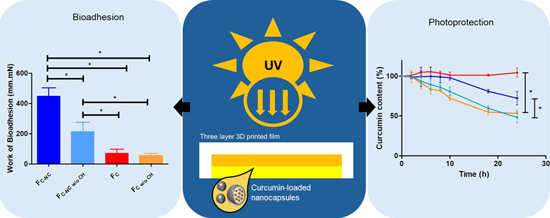
- inhibiting MRSA growth in vivo in a murine wound model [21]. More recently, Terzopoulou et al. developed collagen patches containing chitosan nanoparticles loaded with curcumin, which showed efficacy against psoriasis in in vitro assays [22]. Similarly, Olmos-Juste et al. employed 3D printing to produce
- tangent (tan δ), were measured using an oscillatory frequency sweep over an angular frequency range of 1–600 rad/s at a constant strain of 0.5%. Flow behaviour was assessed using a shear rate ramp from 0.1 to 1.0 s−1 and subsequently from 1.0 to 0.1 s−1, in order to determine the best-fit flow model for
- generated model and, using a syringe fitted with a nozzle with a diameter of 0.41 mm, deposited the material layer by layer at room temperature. The printing parameters were set to a rectilinear infill pattern with 100% infill density and an extrusion speed of 6 mm/s. After printing, the films were dried at


First-principles study on elastic properties of Cu, (Cu1−x,Nix)3Sn and interfacial mechanical properties of (Cu1−x,Nix)3Sn/Cu in the lead-free solder joint
Beilstein J. Nanotechnol. 2026, 17, 428–439, doi:10.3762/bjnano.17.29
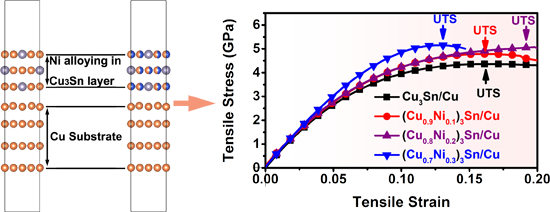
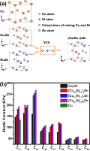
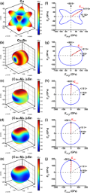
- ductility in terms of elastic moduli. Subsequently, the orientation-dependent Young’s moduli of Cu and (Cu1−xNix)3Sn were calculated. Finally, tensile modulus, ultimate tensile stress, work of adhesion, and interfacial toughness of (Cu1−xNix)3Sn/Cu were calculated based the interface model with the
- efficiency without losing the accuracy by reducing the model size of the alloy systems. Considering the phase stability of (CuxNi1−x)3Sn [22], the content of Ni was set within the range from 0 to 30 atom %. As far as the calculations of the structure optimizations and elastic properties are concerned, a


Nanoinformatics: spanning scales, systems and solutions
Beilstein J. Nanotechnol. 2026, 17, 423–427, doi:10.3762/bjnano.17.28
- are challenging to experimentally measure. Using computational descriptors commonly used in nano-QSAR models, such as the potential energy of surface atoms and the water–NP surface energy, the model predicts that Pt NPs are more toxic than Au NPs, based on their surface properties, which drive
- reactivity [3]. Amini et al. combined atomistic molecular dynamics, a coarse-grained model of protein adsorption, and kinetic Monte Carlo simulations to predict the protein corona composition formed on aluminium surfaces with different crystal faces, (i.e., (100), (110), and (111)) from a simplified model of
- milk consisting of the six most abundant milk proteins found in natural cow milk and lactose, the most abundant sugar found in dairy products, based on their corresponding interaction strengths. The resulting freely accessible multiscale computational model enables predictions of the binding strength

Biomimetic nanoparticles in cancer photodynamic therapy: a review of targeted delivery systems and therapeutic outcomes
Beilstein J. Nanotechnol. 2026, 17, 396–422, doi:10.3762/bjnano.17.27
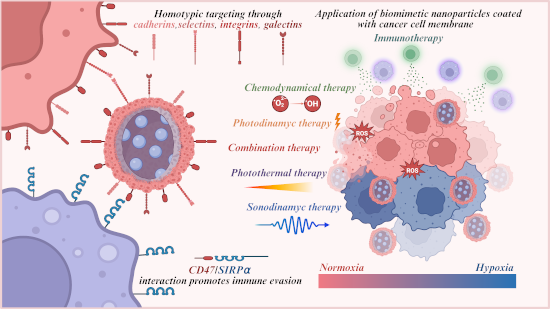
- genetically engineered HEK-293 cell line expressing synthetic SpyCatcher proteins was used to coat NPs, enabling targeted binding to both tumor cells and viral particles. Treatment with these nanoparticles in a mouse model of ovarian cancer suppressed tumor growth and improved survival outcomes [113]. For the
- demonstrated that the biomimetic membrane coating reduced macrophage-mediated clearance of the nanoparticles to a half, while maintaining efficient uptake by HeLa cells and preserving phototoxicity upon NIR irradiation. In vivo experiments in a CT-26 tumor mouse model showed that membrane-coated nanoparticles


Eco-efficient materials for agricultural crops based on a mineral rich in MOR- and HEU-type zeolites
Beilstein J. Nanotechnol. 2026, 17, 381–395, doi:10.3762/bjnano.17.26
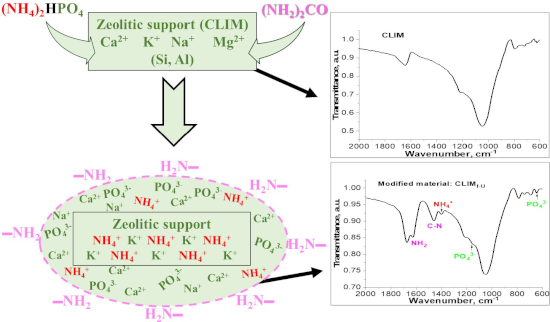
- model CHNS-932 was used, for which 6 mg of sample were used, dried before at 60 °C and pulverized in a mortar. For the determination of N content by Kjeldahl, samples were dissolved by hydrothermal treatments with HF, HClO4, and HCl, followed by a procedure similar to that described in [15]. In addition