


Search results
Search for "surface chemistry" in Full Text gives 220 result(s) in Beilstein Journal of Nanotechnology. Showing first 200.
Environmental applications of silver nanoparticles: state-of-the-art review and emerging trends
Beilstein J. Nanotechnol. 2026, 17, 697–736, doi:10.3762/bjnano.17.49
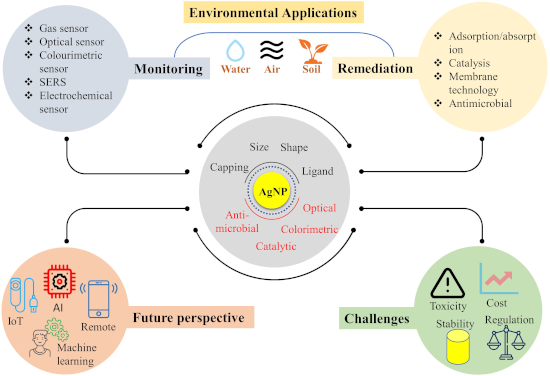
- pseudo-first-order reaction kinetics [25]. The addition of AgNPs to a matrix may improve their efficiency in removing various contaminants via adsorption mechanisms, which can be ionic or covalent, depending on the nanocomposite surface chemistry [26]. In a study, Ag-decorated reduced graphene oxide was
- critical factor influencing the behaviour and toxicity of AgNPs in ecological systems [64]. Surface charge affects the electrostatic interactions between nanoparticles and other charged species in the environment, influencing their aggregation behaviour and mobility. The surface chemistry of silver


Laser–material interactions in liquids for the synthesis of nanomaterials: current status and perspectives
Beilstein J. Nanotechnol. 2026, 17, 571–575, doi:10.3762/bjnano.17.38
- ]. Alternatively, employing organic solvents instead of water provides opportunities to produce carbon-encapsulated core−shell nanostructures [49] and enables control over oxidation [50], surface chemistry [51], and transferability between solvents [52]. The versatility of LSPC in terms of materials, solvents, and
Upcycling agroindustrial waste into graphene oxide supports for gold nanoparticles: toward sustainable nanomaterials
Beilstein J. Nanotechnol. 2026, 17, 489–504, doi:10.3762/bjnano.17.32
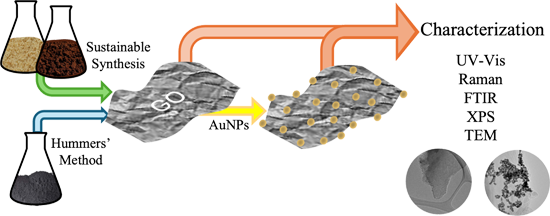
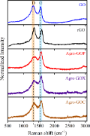
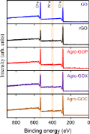
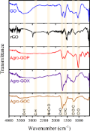
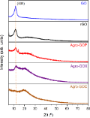
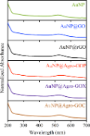
- UV–vis, ATR-FTIR, XPS, XRD, and Raman measurements, complemented by TGA and TEM to assess optical properties, surface chemistry, and structural and morphological features. Additionally, gold nanoparticles (AuNPs) were photochemically deposited onto Agro-GO to evaluate its potential for nanotechnology
- as substrates for AuNP photodeposition to evaluate how their surface chemistry governs nanoparticle nucleation and dispersion. Agro-GO@AuNPs composites demonstrate a green, circular-economy approach with promising potential for applications in sensing, diagnostics, energy storage, and separation
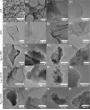
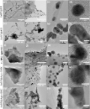
- hydroxy-rich surface chemistry and high defect density. Notably, a band near 2300 cm−1 appears in rGO and the Agro-GO samples, which can be attributed to nitrogen-containing groups such as N=C=O or C≡N, in agreement with the nitrogen detected by XPS [51]. Figure 6 shows TEM images of GO, rGO, and Agro-GO



Beam shaping techniques for pulsed laser ablation in liquids: Unlocking tunable control of nanoparticle synthesis in liquids
Beilstein J. Nanotechnol. 2026, 17, 309–342, doi:10.3762/bjnano.17.22
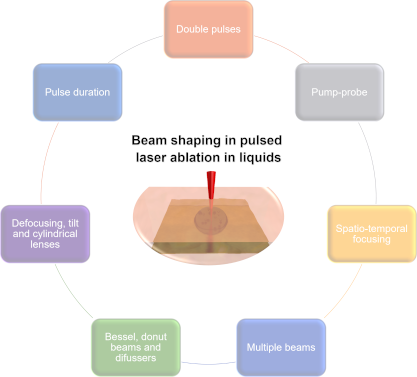
- gas aggregation are highly scalable and productive, though they typically require high temperatures or vacuum systems and may offer limited control over surface chemistry. Compared with these approaches, PLAL provides high-purity colloids with reduced impurities and byproducts, even allowing for







Advancing nanolithography: a comprehensive review of materials for local anodic oxidation with AFM
Beilstein J. Nanotechnol. 2026, 17, 275–291, doi:10.3762/bjnano.17.19
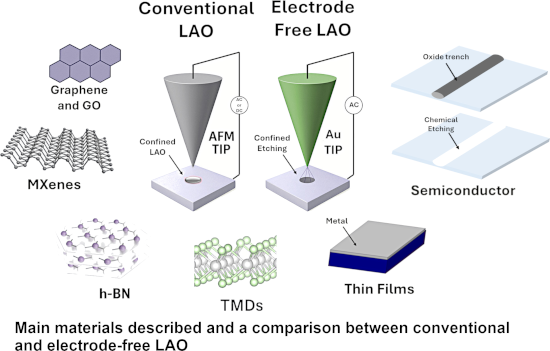
- the meniscus and broadens oxide lines. Conversely, lower humidity reduces meniscus volume and enables narrower, better-defined features. Although RH of 35–55% is widely used for Si and other common substrates, the optimal range can shift depending on the substrate surface chemistry, hydrophilicity


Gold nanoparticle-decorated reduced graphene oxide as a highly effective catalyst for the selective α,β-dehydrogenation of N-alkyl-4-piperidones
Beilstein J. Nanotechnol. 2026, 17, 218–238, doi:10.3762/bjnano.17.15
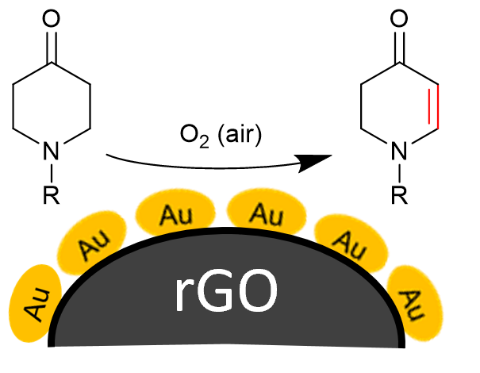
- environments, their tunable surface area and surface chemistry, and electrical conductivity [18][19]. To deposit metal NPs onto a carbon support, procedures such as adsorption or reduction–deposition (RD), co-precipitation, impregnation, and deposition precipitation (DP) are commonly employed [6][19]. Carbon
- reactant over time. However, AC was slightly less effective than rGO as a support because it required a longer reaction time to reach full conversion (8 h vs 7 or 6 h). This difference may be due to the surface chemistry and the predominantly microporous structure of activated carbon, which impedes


Time of flight secondary ion mass spectrometry imaging of contaminant species in chemical vapour deposited graphene on copper
Beilstein J. Nanotechnol. 2026, 17, 200–213, doi:10.3762/bjnano.17.13
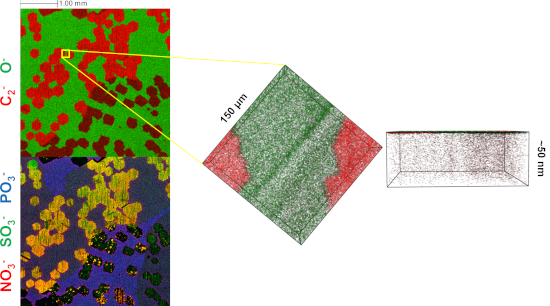
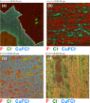
- significantly present, a white signal is observed. Images from various locations on the samples were acquired to confirm the nature of the graphene coverage and variations in surface chemistry observed, with representative images shown in the figures. Measurements were acquired from samples that had been
- − signal (red) in certain regions have a variation in the surface chemistry not necessarily related to graphene. Interestingly, there is a C2− signal observed relatively uniformly across the surface of the EP sample in Figure 1c, despite the low nucleation density of graphene on this surface. This is
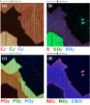
- × 500 µm) from the BO sample showing (a) Cn− species related to graphene, (b) sulphur-containing species, (c) phosphorous-containing species and (d) nitrogen-containing species, indicating the significant variation in surface chemistry. XPS spectra from the Ar annealed, and back side oxidation + Ar





Safe and sustainable by design with ML/AI: A transformative approach to advancing nanotechnology
Beilstein J. Nanotechnol. 2026, 17, 176–185, doi:10.3762/bjnano.17.11

- and sustainability considerations into nanomaterial development. Need for harmonized testing protocols Establishing standardized and reproducible methodologies for characterizing nanomaterial properties – such as size distribution, surface chemistry, and toxicity profiles – is essential. A unified
- information. QSAR models, for instance, rely on known correlations between specific nanomaterial properties – such as size, shape, and surface chemistry – and various toxicity endpoints. By identifying hazardous materials well before synthesis, QSAR-based screening saves resources, decreases late-stage


Functional surface engineering for cultural heritage protection: the role of superhydrophobic and superoleophobic coatings – a comprehensive review
Beilstein J. Nanotechnol. 2026, 17, 63–96, doi:10.3762/bjnano.17.6
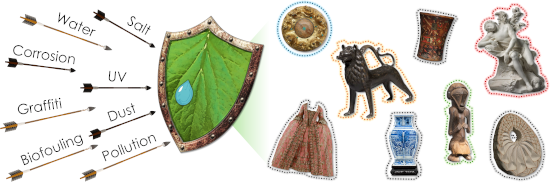
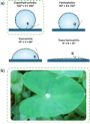
- and buildings, as well as marble statues both in outdoor and indoor environments). Many approaches are used to solve several issues arising from their intrinsic properties such as porosity, which may cause fungal or bacterial fouling [58], and surface chemistry and the affinity to water and humidity




Internal 3D temperature mapping in biological systems using ratiometric light-sheet imaging and lipid-coated upconversion nanothermometers
Beilstein J. Nanotechnol. 2025, 16, 2306–2316, doi:10.3762/bjnano.16.159
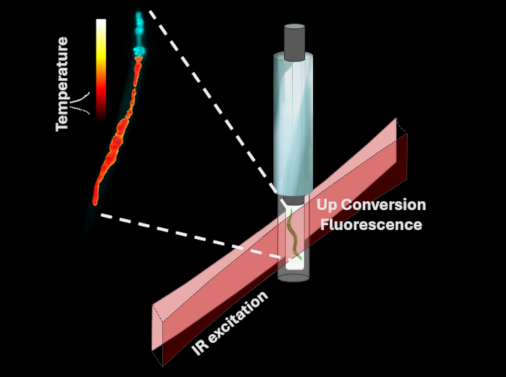
- and particle retention [57]. Figure 5b–d shows the fluorescence emission throughout the intestinal structure post-ingestion, indicating UCNP accumulation within the lumen. This localization is strongly influenced by surface chemistry. The anionic character of our DOPS-rich lipid coating likely leads
- to the luminal environment rather than intracellular regions, indicating that surface chemistry governs not only nanoparticle uptake but also the spatial interpretation of the thermal maps. This distinction is crucial, as it means our thermal maps report on the temperature within the digestive tract


Ultrathin water layers on mannosylated gold nanoparticles
Beilstein J. Nanotechnol. 2025, 16, 2183–2198, doi:10.3762/bjnano.16.151
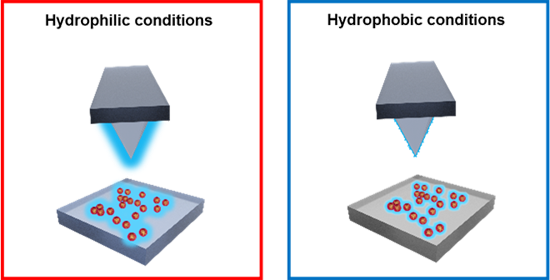
- nanoparticle systems, one functionalized with an oligo(ethylene glycol) ligand, and one functionalized with a mixture of the same with a dimannoside ligand. The dimannoside ligand was chosen to mimic the surface chemistry of viral spike proteins. We characterized the particles by electron microscopy, dynamic



Rapid synthesis of highly monodisperse AgSbS2 nanocrystals: unveiling multifaceted activities in cancer therapy, antibacterial strategies, and antioxidant defense
Beilstein J. Nanotechnol. 2025, 16, 2105–2115, doi:10.3762/bjnano.16.145
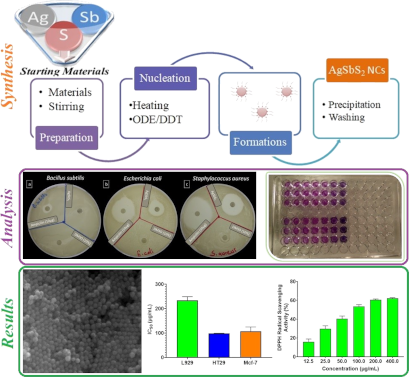
- ratio and enhanced surface reactivity [30]. These features, combined with the tunable surface chemistry of nanoparticles, allow for efficient interactions with free radicals and facilitate electron transfer reactions, resulting in robust antioxidant activity [49]. This activity involves scavenging free
- scavenging data, the FRAP outcome supports a dual-mechanism antioxidant model (both radical quenching and electron transfer). This suggests that the surface chemistry of AgSbS2 NCs effectively mediates both redox and radical-based pathways, making them promising candidates for applications requiring moderate


Toward clinical translation of carbon nanomaterials in anticancer drug delivery: the need for standardisation
Beilstein J. Nanotechnol. 2025, 16, 2092–2104, doi:10.3762/bjnano.16.144
- nanotubes, and carbon dots, have attracted considerable interest as nanocarriers for drug delivery due to their unique physicochemical properties. Their high surface area, biocompatibility, and modifiable surface chemistry make them highly attractive for a range of biomedical applications. However, concerns
- affairs. Achieving these key milestones is critical to developing a safe and effective drug delivery system that can improve the treatment of cancer. The process begins with the synthesis of CNMs tailored to specific size and surface chemistry requirements, using methods such as chemical vapour deposition
- safety. Insights from these studies guide further optimisation of the delivery system, which may involve adjusting particle size, surface chemistry, or drug-loading strategies. Once optimised and evaluated, the system enters regulatory review, requiring preclinical safety and efficacy data to meet




Molecular and mechanical insights into gecko seta adhesion: multiscale simulations combining molecular dynamics and the finite element method
Beilstein J. Nanotechnol. 2025, 16, 2055–2076, doi:10.3762/bjnano.16.141
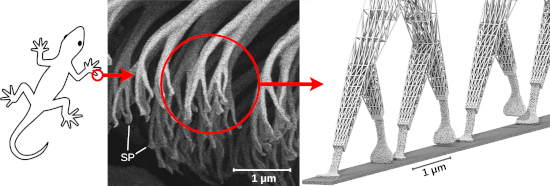
- microscopy (AFM) experiments. Our investigation into how gecko keratin interacts with hydrophilic and hydrophobic substrates [12] supported the importance of the water-mediating effect [10] and elucidated mechanistic differences depending on surface chemistry. A particle-based mesoscale model of a single







Ambient pressure XPS at MAX IV
Beilstein J. Nanotechnol. 2025, 16, 1677–1694, doi:10.3762/bjnano.16.118

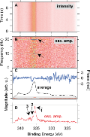
- photoexcited holes migrate to NiO and are trapped, facilitating water oxidation via an intermediate NiOOH species (Figure 10b). APXPS thereby provides mechanistic insight into photoinduced surface chemistry, enabling rational catalyst design. Similar approaches can be extended to CO2 reduction, pollutant
- surface chemistry have come from ex situ or in vacuo XPS, often complemented by other surface characterization tools, used to characterize the resulting film [49][50][51], as well as to investigate chemical mechanisms cycle-to-cycle [51][52]; the latter procedure is often termed in situ XPS. However, such






Nanotechnology-based approaches for the removal of microplastics from wastewater: a comprehensive review
Beilstein J. Nanotechnol. 2025, 16, 1607–1632, doi:10.3762/bjnano.16.114
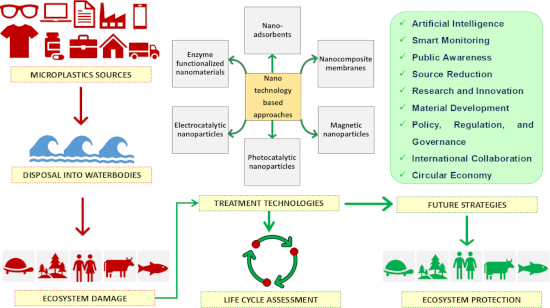
- , and advanced membrane materials, exhibit unique properties such as high surface area, enhanced reactivity, and tunable surface chemistry, which offer promising avenues for the selective and efficient removal of MPs from water. This paper also explores the mechanism, performance and limitations of
- thermal, acidic, and saline conditions. Its self-adhesive nature, biocompatibility, and durability make it a promising preventive strategy at the source. Similarly, nanocellulose, derived from renewable biomass, exhibits a high surface area and tunable surface chemistry, making it effective for adsorbing



Nanomaterials for biomedical applications
Beilstein J. Nanotechnol. 2025, 16, 1499–1503, doi:10.3762/bjnano.16.105
- . Nanomaterials have gained popularity in medicine because they can be altered according to the need [1]. Researchers can tailor the shape, surface chemistry, and other specific properties of materials to deliver desirable traits. In particular, some nanoparticles can be used to deliver drugs to a tumor, reducing
Laser processing in liquids: insights into nanocolloid generation and thin film integration for energy, photonic, and sensing applications
Beilstein J. Nanotechnol. 2025, 16, 1428–1498, doi:10.3762/bjnano.16.104




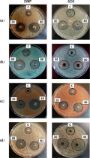


Enhancing the therapeutical potential of metalloantibiotics using nano-based delivery systems
Beilstein J. Nanotechnol. 2025, 16, 1350–1366, doi:10.3762/bjnano.16.98
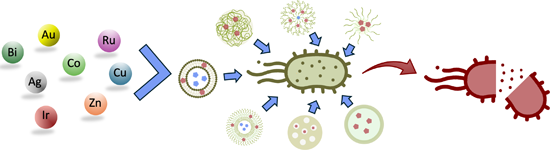
- ]. Dendrimers, with their hyperbranched structures, can be precisely controlled for size, shape, and surface chemistry, allowing for highly targeted delivery of anti-biofilms drugs or nucleic acids [81][82]. Polymeric NPs offer several advantages, including biodegradability, biocompatibility, and stability


Enhancing the photoelectrochemical performance of BiOI-derived BiVO4 films by controlled-intensity current electrodeposition
Beilstein J. Nanotechnol. 2025, 16, 1289–1301, doi:10.3762/bjnano.16.94
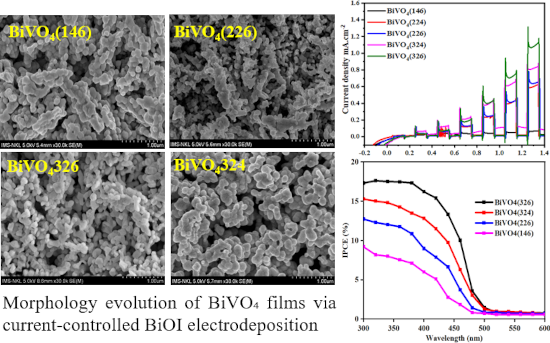
- . Larger grains typically result in fewer grain boundaries, reducing phonon scattering and enhancing vibrational coherence. Raman spectra also provide insights into the influence of fabrication conditions on surface chemistry. The relative intensities of the peaks suggest that higher deposition currents



Characterization of ion track-etched conical nanopores in thermal and PECVD SiO2 using small angle X-ray scattering
Beilstein J. Nanotechnol. 2025, 16, 899–909, doi:10.3762/bjnano.16.68
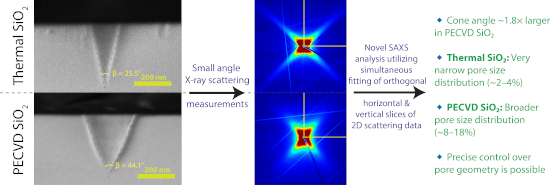
- dioxide [29][40][30]. Amorphous silicon dioxide (SiO2) has excellent chemical stability, well-understood surface chemistry, and compatibility with semiconductor processing, opening up new applications for track-etched nanopores in this material [30]. In this study, we report the characterization of track


Insights into the electronic and atomic structures of cerium oxide-based ultrathin films and nanostructures using high-brilliance light sources
Beilstein J. Nanotechnol. 2025, 16, 860–871, doi:10.3762/bjnano.16.65
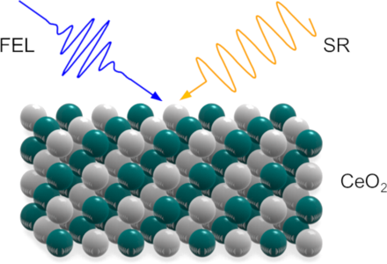
- under UHV conditions. Such instruments, installed at synchrotron radiation facilities and applied to ceria-based model systems have given an important contribution to understanding the surface chemistry of specific reactions. Coexisting Pt and ceria nanoparticles supported on TiO2(110) were found to


Colloidal few layered graphene–tannic acid preserves the biocompatibility of periodontal ligament cells
Beilstein J. Nanotechnol. 2025, 16, 664–677, doi:10.3762/bjnano.16.51
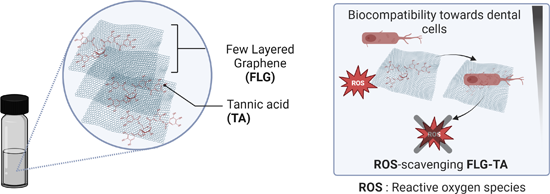
- . The cellular response on different graphene surfaces was previously studied, and it was demonstrated that substrate characteristics such as surface roughness, surface chemistry, and electronic properties can influence cell response [38]. The implications of these results are particularly significant




Nanomaterials in targeting amyloid-β oligomers: current advances and future directions for Alzheimer's disease diagnosis and therapy
Beilstein J. Nanotechnol. 2025, 16, 561–580, doi:10.3762/bjnano.16.44
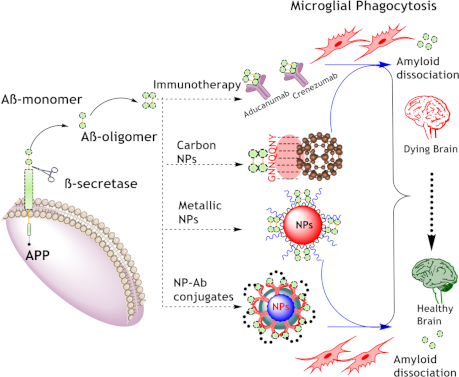
- nm AuNPs either accelerated fibril formation or had little impact on peptide aggregation [96]. In conclusion, these studies underscore the critical role of nanoparticle size, shape, and surface chemistry in modulating amyloid aggregation and inhibition. Smaller nanoparticles, particularly those


Impact of adsorbate–substrate interaction on nanostructured thin films growth during low-pressure condensation
Beilstein J. Nanotechnol. 2025, 16, 473–483, doi:10.3762/bjnano.16.36
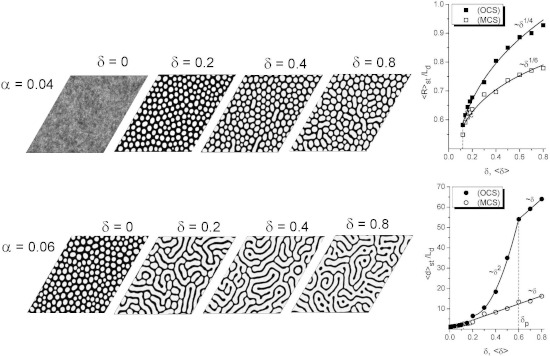
- , crystallinity, and surface chemistry of the films is crucial for optimizing performance in these applications. In adsorption–desorption processes, where materials are deposited from the gas phase, experimental techniques enable the study the formation of clusters or islands of adsorbed molecules/atoms, which





